
Programme Overview
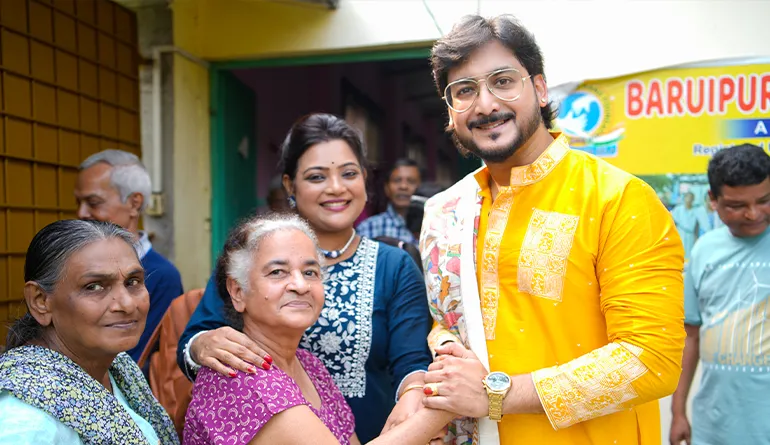
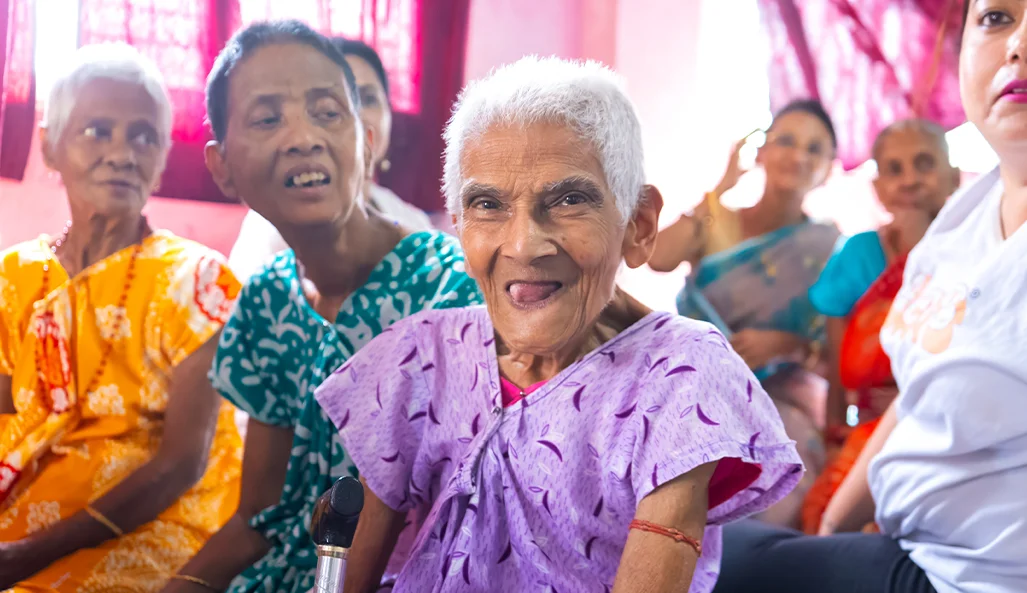
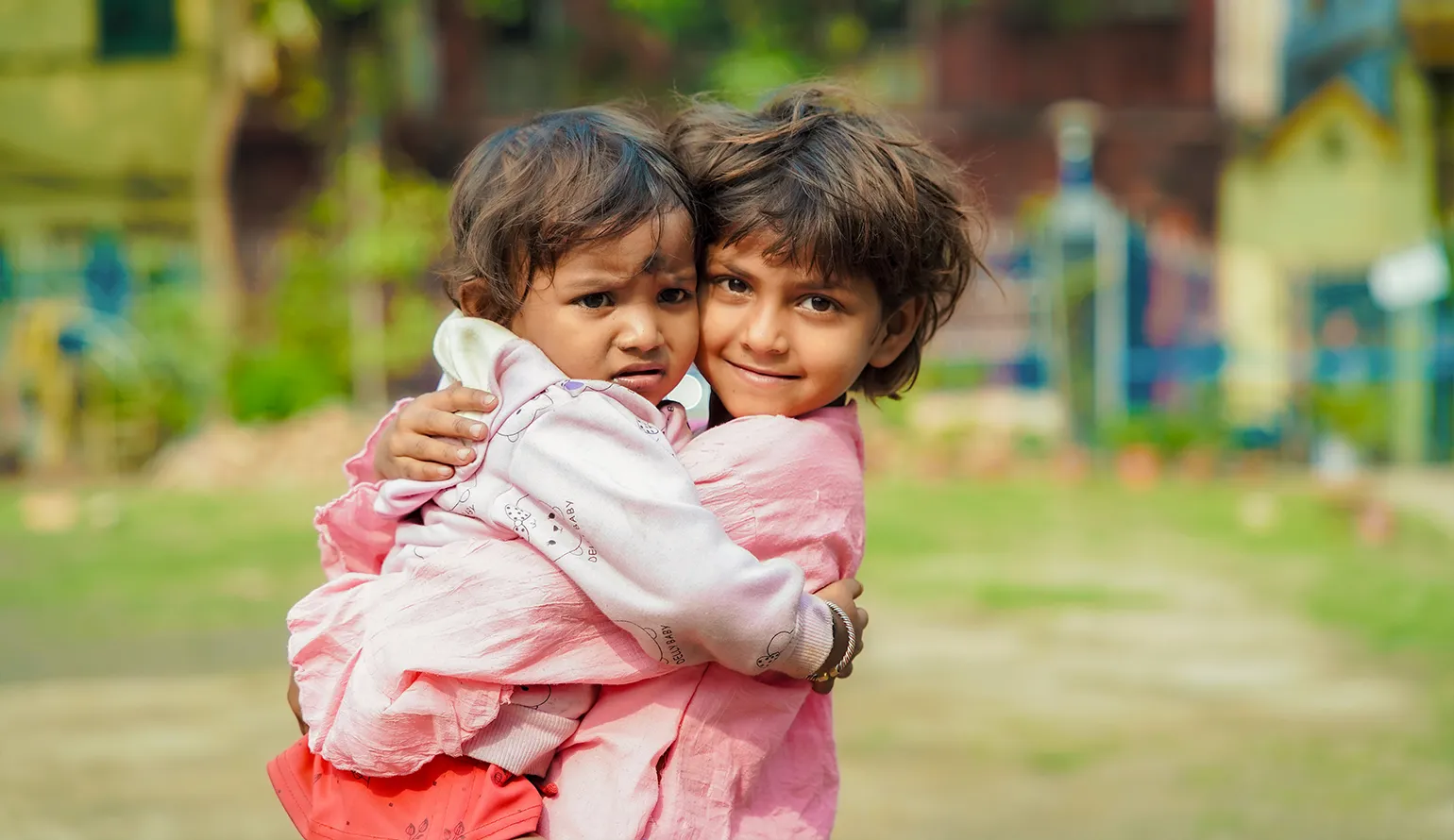
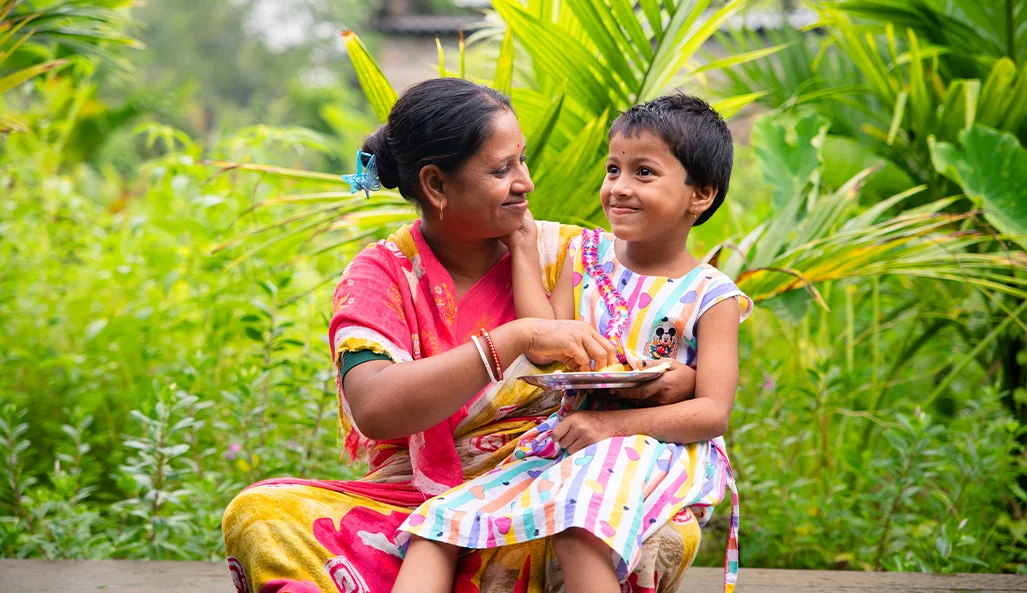
A healthy mother is the very foundation upon which a thriving family and a resilient community are built. Every child deserves the absolute best start in life, free from the shadows of preventable diseases, malnutrition, and systemic neglect. Yet, across countless rural villages, this fundamental right remains an unfulfilled promise. Through Mission Healthy Mother & Child, Nabatara Foundation steps directly into this critical gap, offering a lifeline to pregnant women, newborns, and young children who reside in underserved communities. Our comprehensive approach promotes robust maternal healthcare, proper nutritional guidance, widespread vaccination awareness, proactive anemia prevention, and the organization of free health camps exactly where they are needed most.
This initiative is not merely a medical intervention; it is a profound commitment to human dignity and the future of our society. When a mother receives timely care, she is empowered to nurture her child with strength and confidence. When a child receives proper nutrition and medical attention in their earliest years, their cognitive and physical development flourishes, breaking generational cycles of poverty and illness. We invite you to understand the depth of this challenge and the transformative power of community-driven healthcare. As you read further, you will discover how targeted, compassionate action can rewrite the destiny of vulnerable families. Nabatara Foundation is already on the ground, working tirelessly to ensure that no mother has to face pregnancy in fear and no child is denied the opportunity to grow, learn, and dream. Your attention to this cause is the first step toward a healthier, brighter, and more hopeful future for all.
The Reality We Witness Every Day
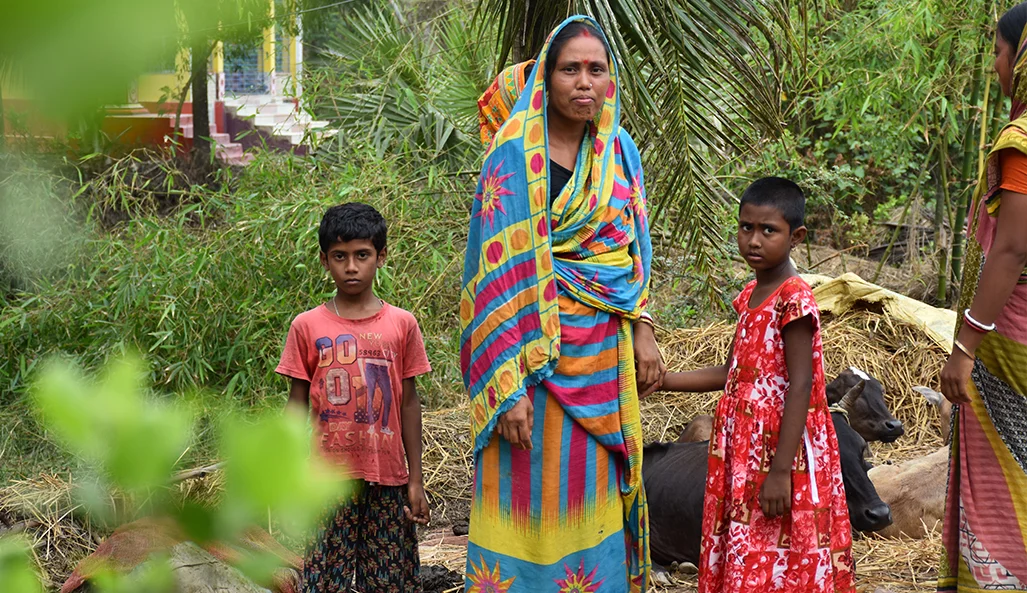
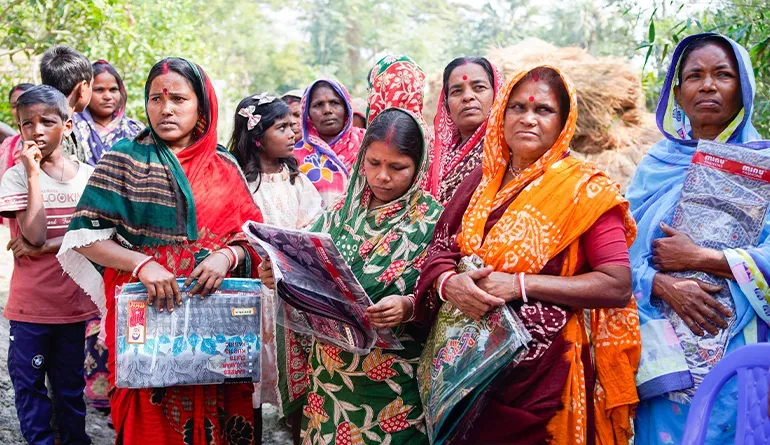
In the quiet, sprawling rural expanses of West Bengal, a daily struggle unfolds that remains largely invisible to the bustling cities. Imagine a young mother, barely twenty years old, walking several kilometers along unpaved, muddy paths to reach the nearest primary health center. She carries the weight of her pregnancy, compounded by the heavy burden of anemia and chronic malnutrition. Her family relies on subsistence farming, and the meager daily income is often stretched thin just to provide basic meals, leaving little room for nutrient-rich food or transportation to medical facilities. This is not an isolated story; it is the lived reality for thousands of women and children in the target locations where we operate. The systemic gaps in rural healthcare infrastructure mean that preventable complications during pregnancy often escalate into life-threatening emergencies. Infants are born with low birth weights, making them highly susceptible to infections and developmental delays.
The reasons behind this enduring issue are complex and deeply rooted in socio-economic disparities. Lack of awareness regarding prenatal care, cultural hesitations, and the sheer geographical isolation of remote villages create formidable barriers to accessing basic medical services. Communities are affected profoundly, as the health of the mother directly dictates the health and future potential of the child. When a mother falls ill, the entire family structure destabilizes, pulling children out of school and pushing households deeper into financial distress. However, within these challenges, we also witness extraordinary resilience, dignity, and an unwavering hope for a better tomorrow. The women we meet do not ask for pity; they ask for a fair chance to protect their children.
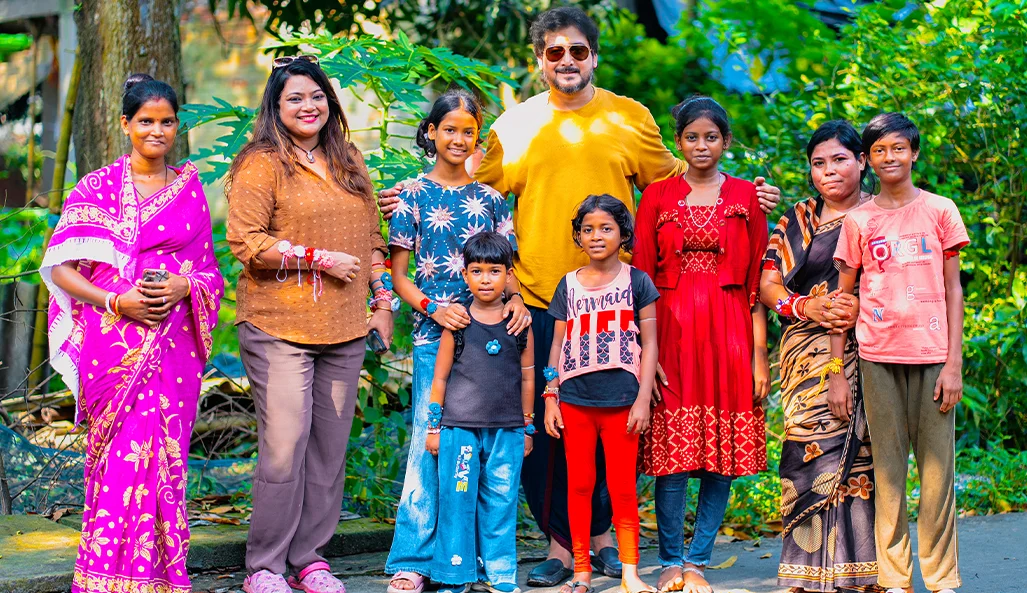
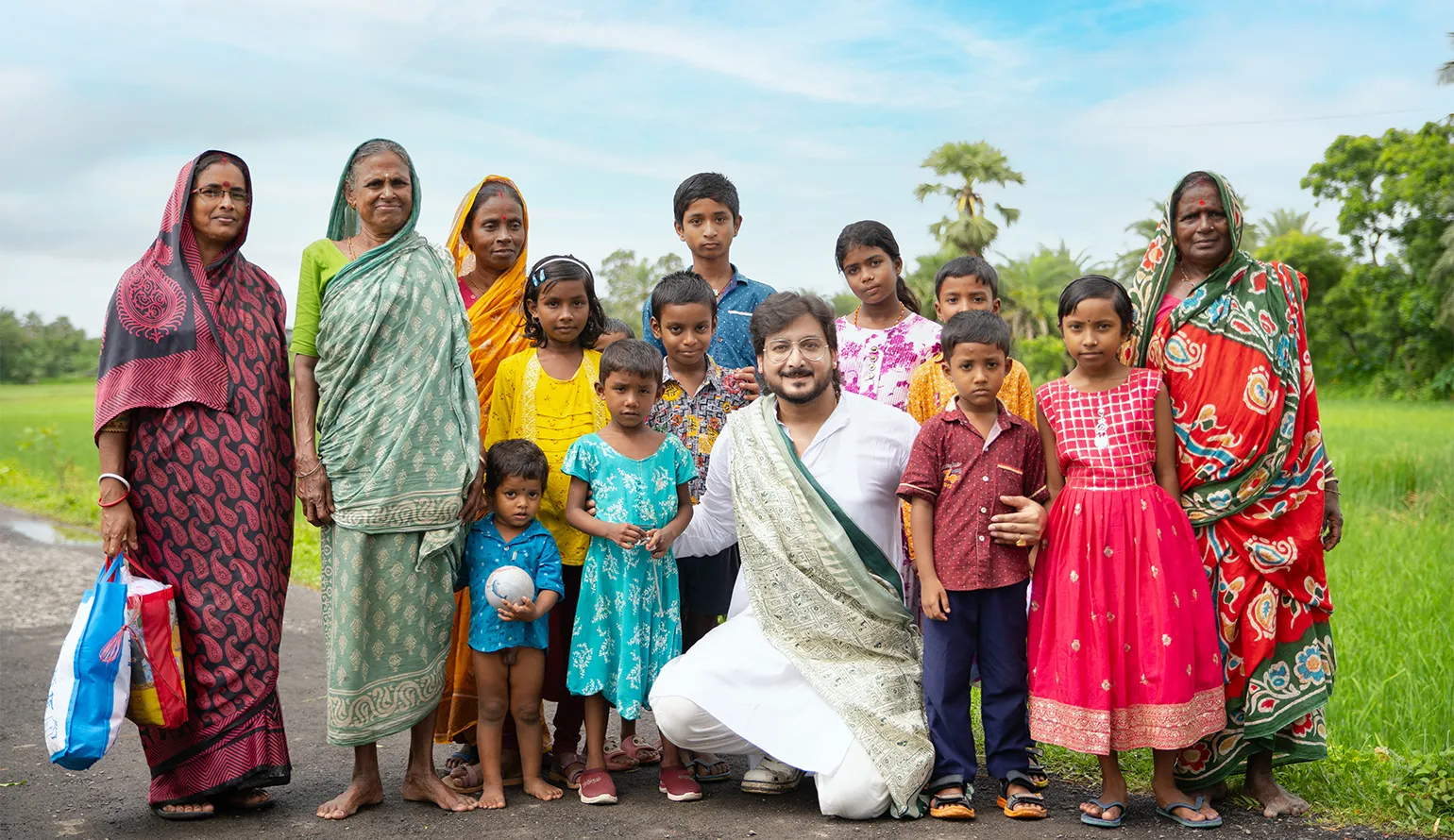
It is precisely this reality that compelled Gaurav Tribedi to establish and guide the humanitarian efforts of Nabatara Foundation. Recognizing that true societal progress begins with the most vulnerable, he envisioned a proactive, community-integrated approach to healthcare. Through Mission Healthy Mother & Child, we are actively dismantling these barriers in West Bengal. We do not just observe the struggle; we walk alongside these families, providing the medical support, nutritional assistance, and educational resources necessary to turn the tide. By bringing healthcare directly to the doorsteps of those who need it most, we are replacing fear with confidence and vulnerability with strength. This is the reality we witness, and it is the reality we are dedicated to changing, one mother and one child at a time.
Our Commitment to This Mission
At Nabatara Foundation, our commitment to Mission Healthy Mother & Child is absolute, structured, and deeply rooted in sustainable action. We are not a transient relief organization; we are a long-term partner to the communities we serve. Our program operates through a meticulously designed framework that ensures every intervention is meaningful, measurable, and respectful of local customs. We begin by conducting thorough community mapping in rural West Bengal to identify villages with the highest concentrations of high-risk pregnancies and malnourished children. This data-driven approach allows us to allocate our resources precisely where the need is most acute, ensuring that no family is overlooked.
Volunteers are the lifeblood of this mission. Every individual who joins Nabatara Foundation undergoes rigorous training in basic healthcare awareness, empathetic communication, and community mobilization. They do not merely distribute supplies; they build relationships. They sit with mothers, listen to their concerns, and explain the importance of iron supplementation, prenatal vitamins, and institutional deliveries in a language that is accessible and reassuring. Community participation is actively encouraged through the formation of local maternal health committees, comprising respected village elders, local health workers, and empowered women who act as grassroots ambassadors for the program.
Beneficiary selection is conducted with utmost fairness and transparency. We prioritize widowed mothers, families living below the poverty line, and those with a history of medical complications, while ensuring that our outreach remains inclusive. Transparency is maintained through regular community feedback sessions, where beneficiaries can voice their experiences and suggest improvements. Furthermore, every medical camp and nutritional distribution drive is documented with detailed reports, ensuring that our operations remain open to scrutiny. We believe that every contribution, whether it is time, resources, or funds, creates a measurable impact. We track health outcomes, such as reductions in maternal anemia rates and increases in fully vaccinated children, to demonstrate tangible progress. This long-term commitment ensures that we are not just treating symptoms but actively building a resilient healthcare ecosystem that will serve these communities for generations to come.
Our Ground-Level Initiatives
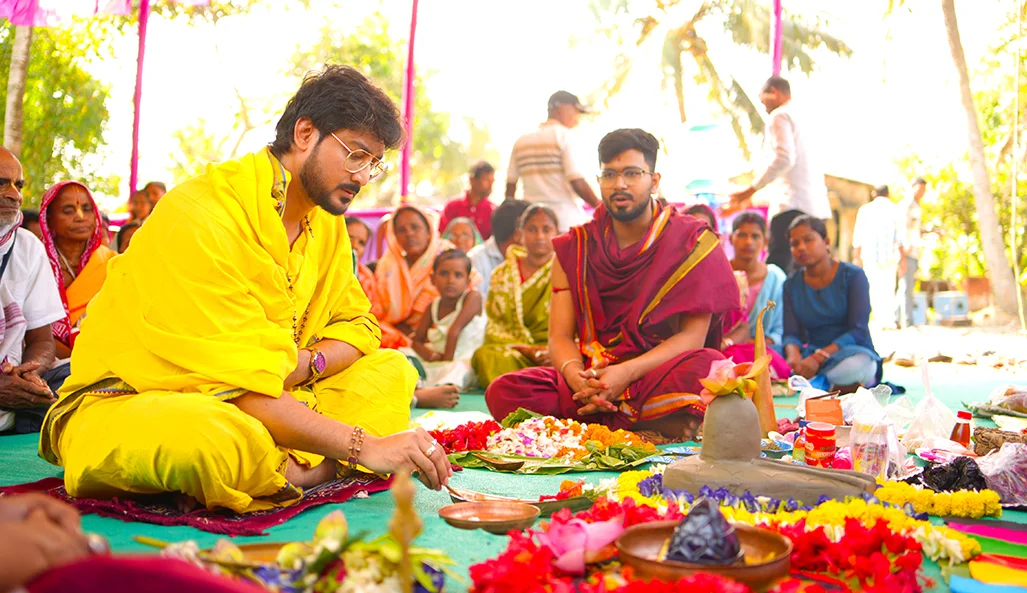
Awareness Programs: Knowledge is the first line of defense against preventable health risks. We conduct regular, interactive awareness sessions in village community halls and under the shade of ancient banyan trees, educating families about the critical importance of prenatal check-ups, balanced diets during pregnancy, and the dangers of child marriage. These sessions are designed to be culturally sensitive, ensuring that the message resonates deeply with local traditions while promoting modern medical best practices.
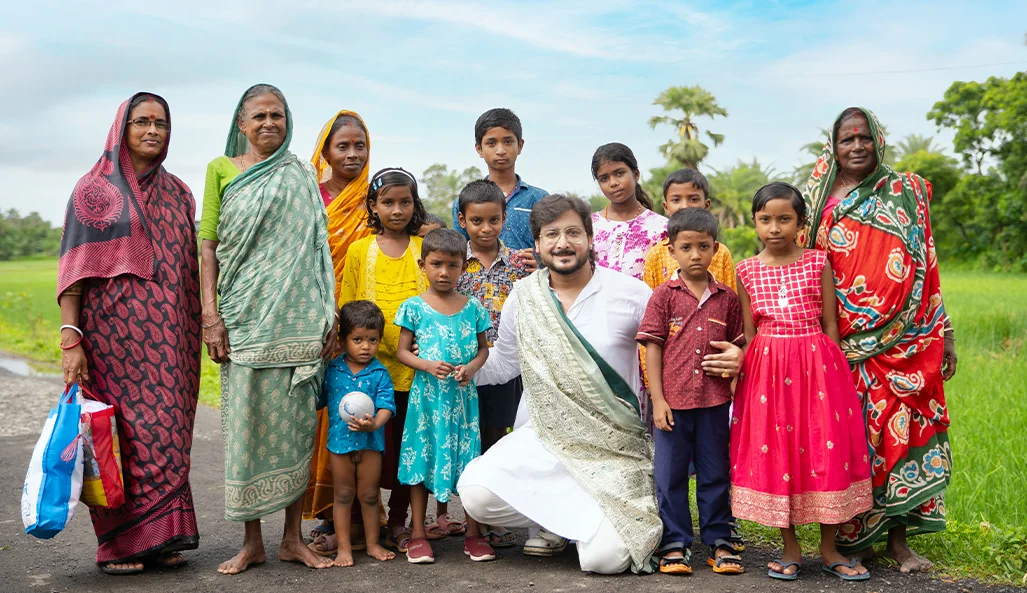
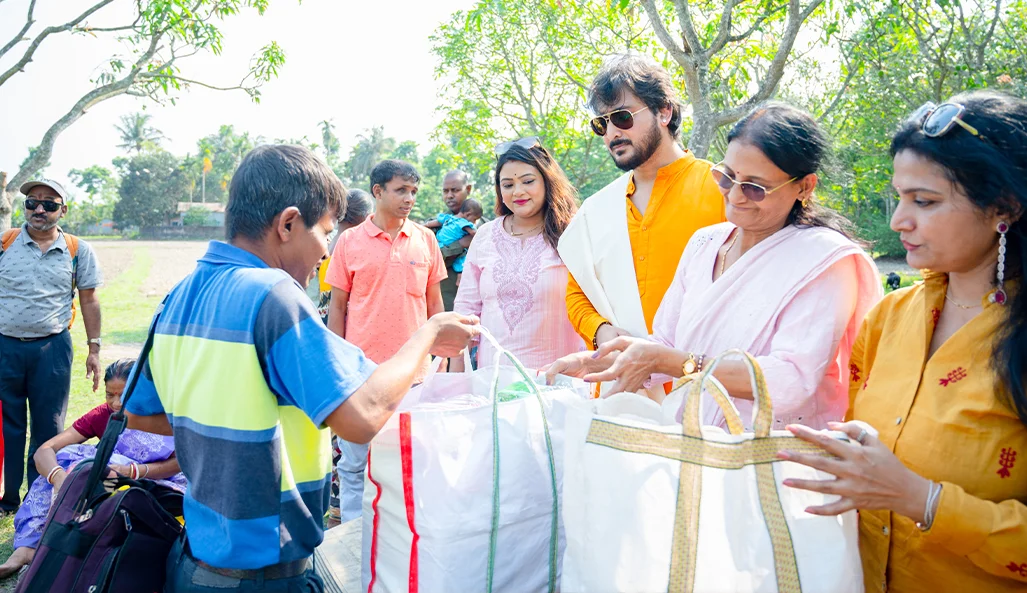
Community Outreach: Our outreach teams traverse difficult terrains to reach the most isolated hamlets in West Bengal. They carry essential health kits, informational pamphlets, and a message of hope. By meeting families in their own environment, we break down the intimidation factor often associated with formal medical institutions, making healthcare feel accessible and welcoming.
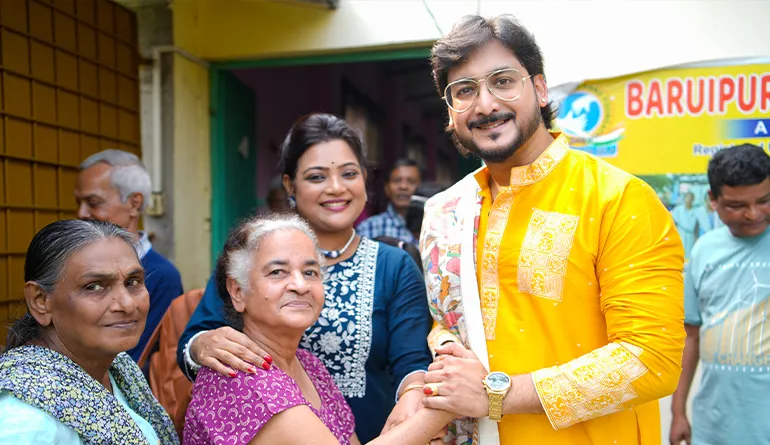
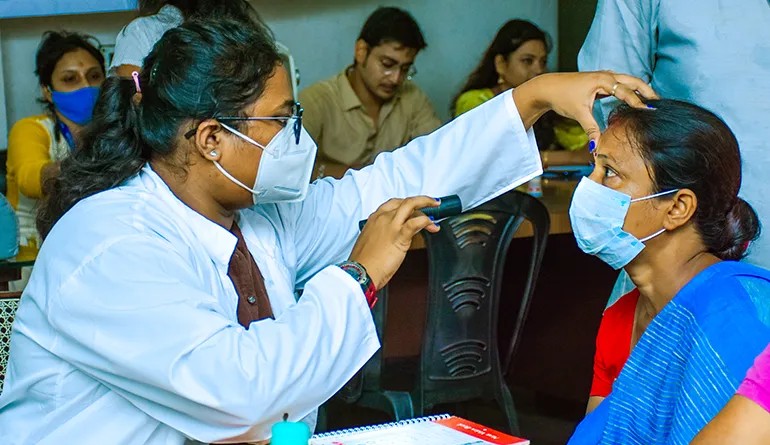
Medical Support: We organize comprehensive free health camps staffed by qualified gynecologists, pediatricians, and general physicians. These camps provide essential services such as ultrasound screenings, blood pressure monitoring, hemoglobin testing, and immediate treatment for common childhood illnesses. For high-risk cases, we facilitate referrals and provide logistical support to ensure safe transportation to advanced medical facilities.
Educational Support: Health and education are inextricably linked. We work to ensure that young mothers understand the value of educating their children, particularly girls. By integrating health messaging with educational advocacy, we help break the cycle of illiteracy and poor health outcomes, empowering the next generation to make informed decisions about their well-being.
Skill Development: Economic vulnerability is a primary driver of poor health. We offer skill development workshops for women, teaching them crafts, tailoring, and agricultural techniques that can generate a supplementary income. This financial independence allows mothers to afford better nutrition and healthcare for their families without relying solely on external aid.
Livelihood Support: Beyond individual skills, we support community-wide livelihood initiatives, such as the formation of women's self-help groups. These groups pool resources, provide microloans, and create a safety net that protects families from falling into destitution during medical emergencies or agricultural downturns.
Relief Activities: In times of acute crisis, such as severe monsoon flooding, which is common in parts of West Bengal, our rapid response teams deploy immediately. We ensure that pregnant women and nursing mothers receive priority access to clean drinking water, sanitary supplies, and emergency medical care, preventing the outbreak of waterborne diseases that disproportionately affect infants.
Counselling: Maternal mental health is a critical, yet often ignored, component of overall well-being. We provide compassionate counselling services to mothers experiencing postpartum depression or anxiety. Our trained counsellors offer a safe space for women to express their fears and receive the emotional support necessary to bond with their newborns and navigate the challenges of early motherhood.
Rehabilitation: For children who have suffered from severe malnutrition or illness, we provide structured rehabilitation programs. This includes specialized dietary plans, physical therapy if needed, and continuous medical monitoring to ensure they regain their strength and reach their developmental milestones.
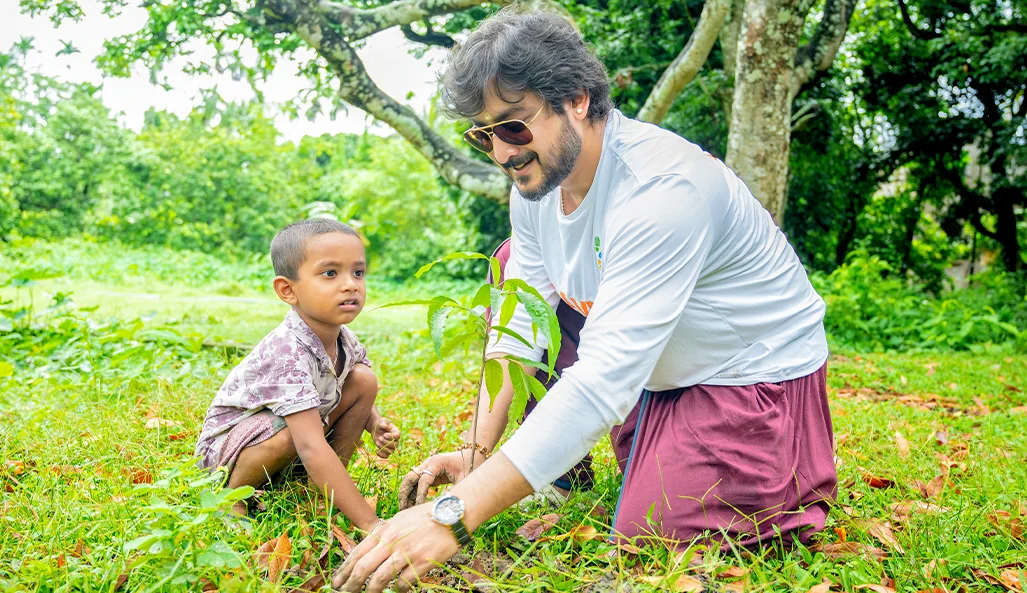
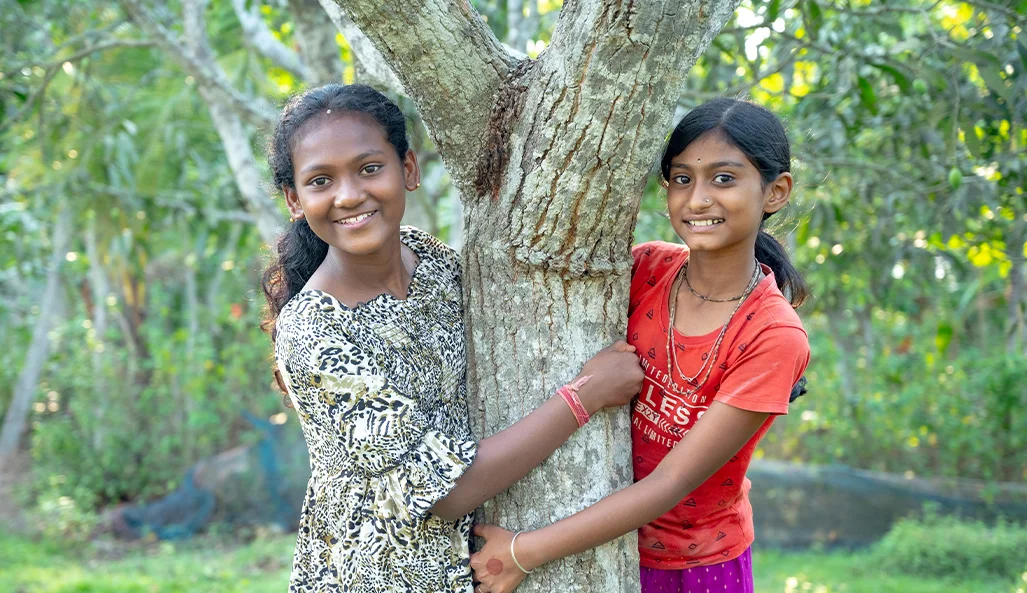
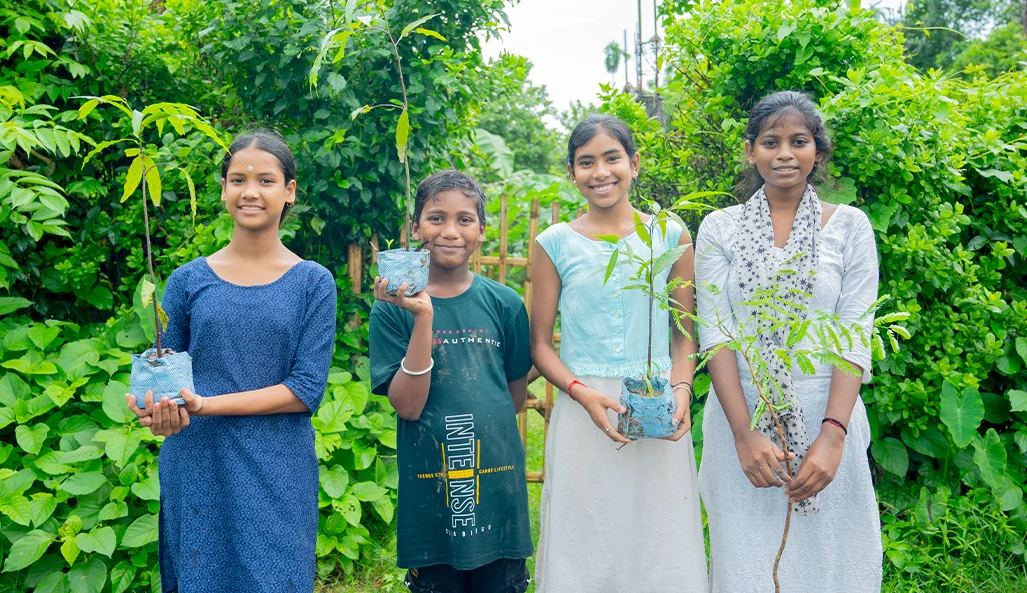
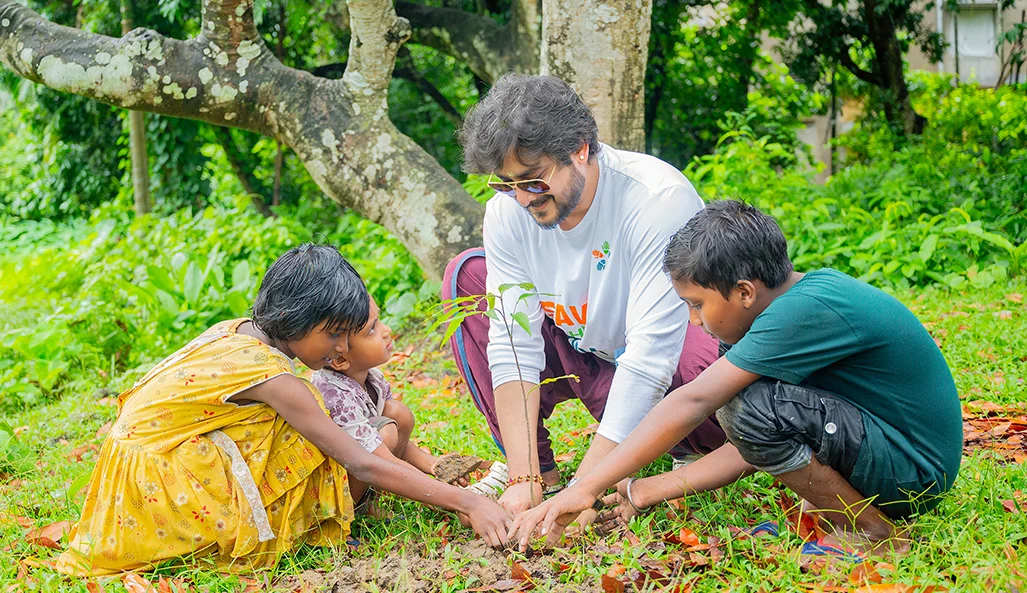
Tree Plantation: Environmental health directly impacts human health. We promote the planting of fruit-bearing trees, such as mango, jackfruit, and papaya, within village communities. These trees provide a sustainable, long-term source of vital vitamins and minerals for mothers and children, while also improving the local ecosystem.
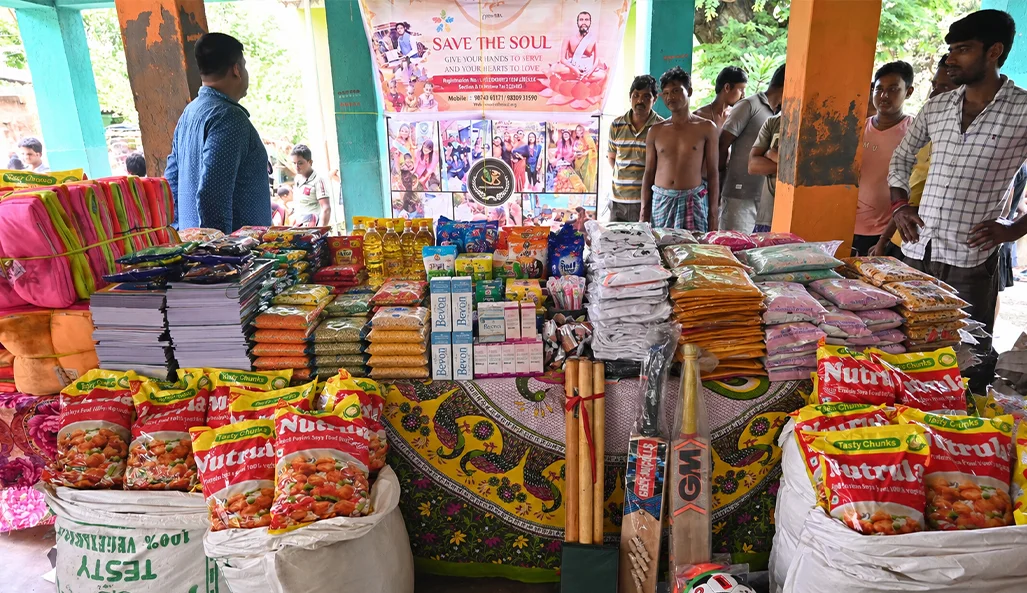
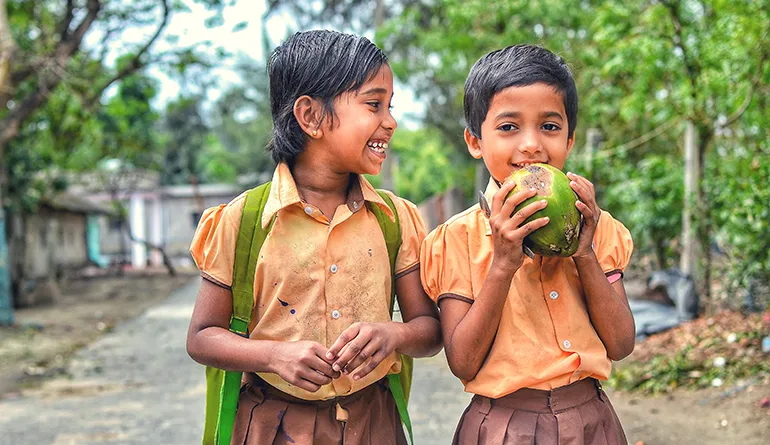
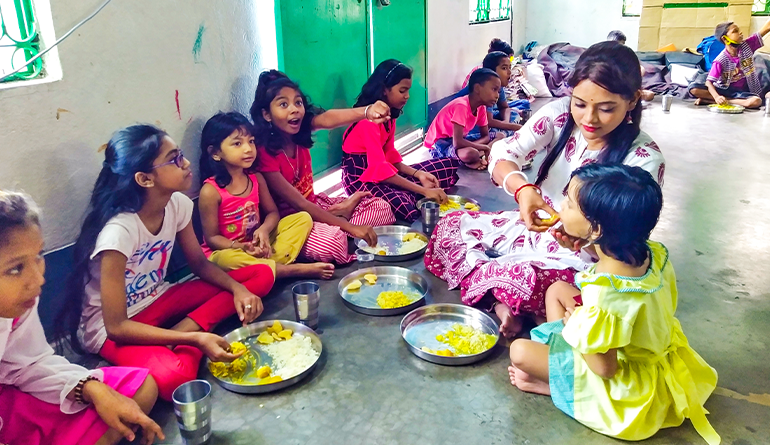
Nutrition Support: To combat anemia and malnutrition, we distribute fortified food packets, iron and folic acid supplements, and fresh produce to pregnant and lactating women. We also conduct cooking demonstrations to show families how to prepare highly nutritious meals using locally available, affordable ingredients.
Women's Empowerment: We believe that empowering a woman empowers an entire community. Our initiatives focus on building the confidence of women, encouraging them to take leadership roles in village health committees, and advocating for their rights to adequate healthcare and respectful treatment within the medical system.
Child Development: Early childhood is a critical window for brain development. We support the establishment of informal early learning centers where young children receive cognitive stimulation, basic hygiene training, and playful learning activities that prepare them for formal schooling.
Village Development: We work collaboratively with local governance bodies to advocate for better rural infrastructure, such as improved roads for ambulance access, clean water supply systems, and functional sanitation facilities, all of which are fundamental to maintaining public health.
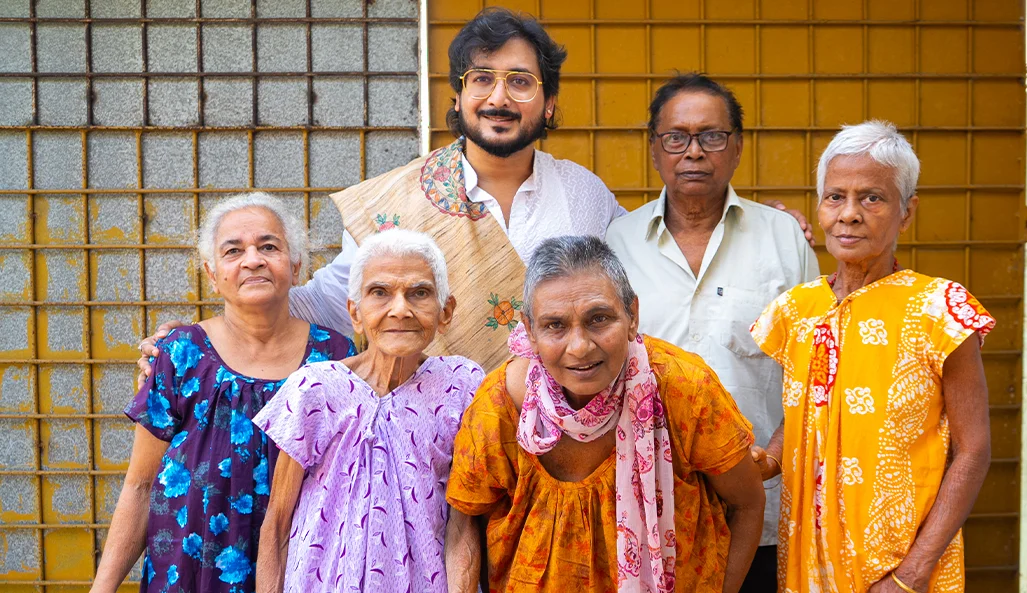
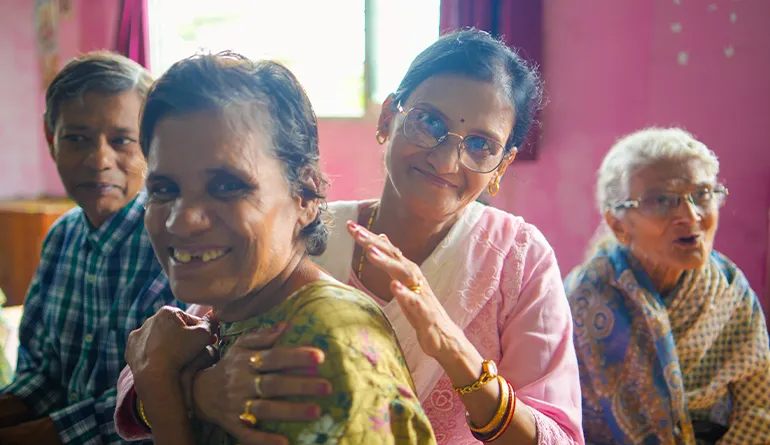
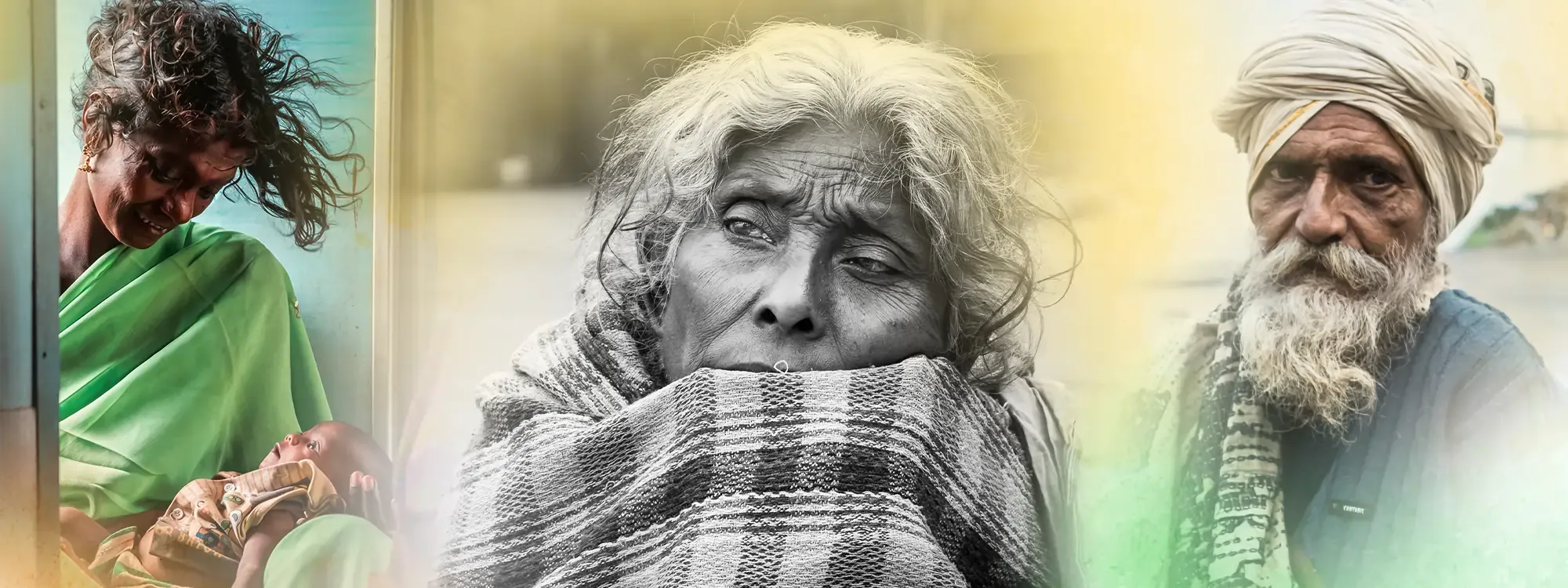
Elder Care: In many rural households, grandparents are the primary caregivers for young children while the parents work. We extend our healthcare outreach to include the elderly, ensuring they are healthy enough to provide this care and offering them the dignity and medical attention they deserve in their later years.
Disaster Relief: Climate change has increased the frequency of extreme weather events. Our disaster relief protocols specifically include provisions for maternal and child health, ensuring that emergency shelters are equipped with neonatal care supplies and that nursing mothers have private, safe spaces.
Environmental Sustainability: We educate communities on the link between environmental cleanliness and disease prevention. By promoting proper waste disposal and the use of smokeless chulhas (cooking stoves), we reduce the incidence of respiratory infections in infants and young children.
Creating Sustainable Change
True humanitarian work does not end with the distribution of aid; it begins with the cultivation of self-reliance. At Nabatara Foundation, we understand that sustainable development is the only path to permanently eradicating the root causes of maternal and child health crises. We are committed to moving beyond temporary charity, which often creates dependency, and instead focus on long-term empowerment that equips communities to thrive independently.
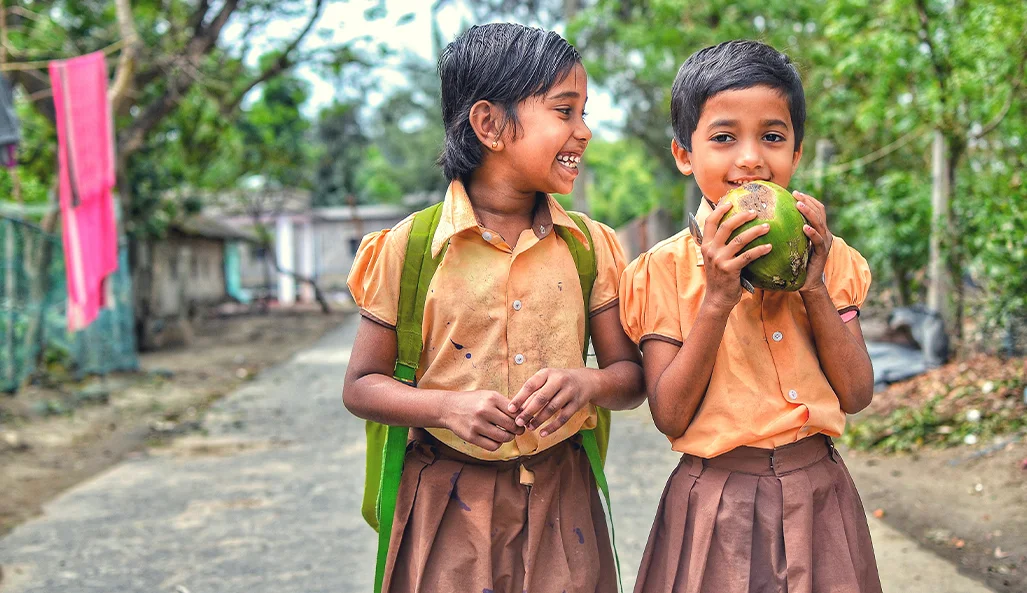
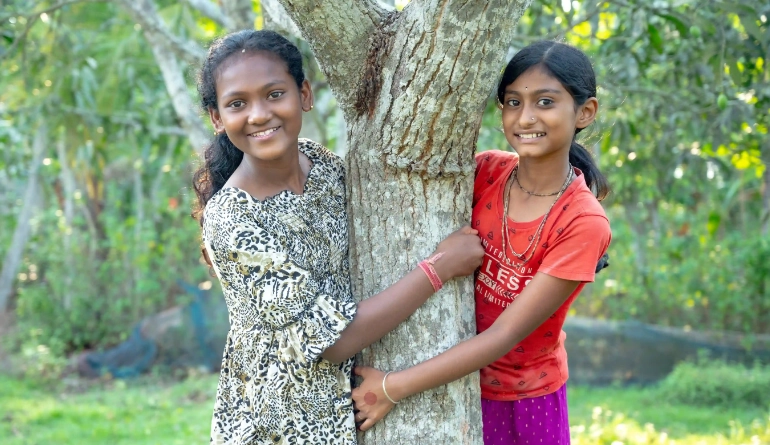
Education forms the cornerstone of this sustainability. When a girl is educated, she is statistically more likely to delay marriage, seek prenatal care, and ensure her own children are vaccinated and well-nourished. We actively support educational initiatives that keep girls in school, recognizing that an educated mother is the most powerful agent of change in any society.
Employment and skill building are equally vital. Poverty is a primary determinant of poor health. By providing women with viable skills and connecting them to local markets, we enable them to generate a steady income. This economic agency allows families to afford nutritious food, quality healthcare, and a safer living environment, fundamentally altering their health trajectory.
Health sustainability is achieved by training local community health workers. We identify motivated individuals within the villages and provide them with comprehensive training in basic first aid, maternal health monitoring, and hygiene promotion. These local champions become the permanent healthcare guardians of their communities, ensuring that knowledge and basic care persist long after our mobile camps have moved on.
Self-reliance is the ultimate goal. We encourage the formation of agricultural cooperatives and community grain banks, ensuring that villages have a buffer against food scarcity. When a community can feed itself, the baseline health of its mothers and children improves dramatically.
Community leadership is nurtured by actively involving local women in decision-making processes. We facilitate leadership workshops that teach women how to advocate for their rights, negotiate with local authorities for better services, and manage community resources effectively. This shift in power dynamics ensures that the community's voice is heard and respected.
Legal awareness is integrated into our programs to protect vulnerable populations. We educate women about their legal rights regarding inheritance, protection from domestic violence, and access to government health schemes. Knowledge of the law is a powerful shield against exploitation and neglect.
Digital inclusion is becoming increasingly important. We introduce basic digital literacy programs, enabling community members to access telemedicine services, apply for government health benefits online, and connect with broader support networks, thereby bridging the rural-urban divide.
Environmental responsibility is woven into our health initiatives. We teach sustainable farming practices that avoid harmful pesticides, protecting the water supply and ensuring that the food consumed by pregnant women and children is free from toxic chemicals.
Social responsibility is cultivated by encouraging those who have benefited from our programs to give back. We foster a culture of mutual aid, where neighbors support neighbors, creating a resilient social fabric that can withstand external shocks and continue to nurture its youngest and most vulnerable members.
The Vision of Gaurav Tribedi
The driving force behind the compassionate action of Nabatara Foundation is the profound humanitarian philosophy of its founder, Gaurav Tribedi. His vision is not merely to manage an organization but to ignite a movement of collective responsibility and deep, abiding love for humanity. Gaurav Tribedi believes that the true measure of a society is found in how it treats its most vulnerable members, particularly mothers and children who have no voice of their own.
At the core of his philosophy is the ancient Indian principle of Seva, or selfless service. For Gaurav Tribedi, Seva is not an occasional act of charity but a continuous, dedicated way of life. It is the recognition that serving another human being is the highest form of spiritual practice. This belief is deeply intertwined with the concept of Dharma, the moral and ethical duty that each individual holds toward the collective well-being of society. He views the protection of maternal and child health not as an optional philanthropic endeavor but as a fundamental Dharma that must be upheld by all who have the means to do so.
Gaurav Tribedi is a staunch advocate of Antyodaya, a principle that means "upliftment of the last person." This means that the success of Mission Healthy Mother & Child is not measured by the average improvement in health metrics but by the tangible progress made in the lives of the most marginalized, the most isolated, and the most forgotten families in rural West Bengal. If the woman at the very end of the line receives care, then the mission is succeeding.
His approach to grassroots leadership is hands-on and deeply empathetic. He believes that solutions cannot be imposed from the top down; they must be cultivated from the ground up, in close partnership with the communities themselves. This is why the Nabatara Foundation operates as a government-registered NGO, adhering to the highest standards of legal and ethical compliance, ensuring that every action is transparent and accountable to the public trust.
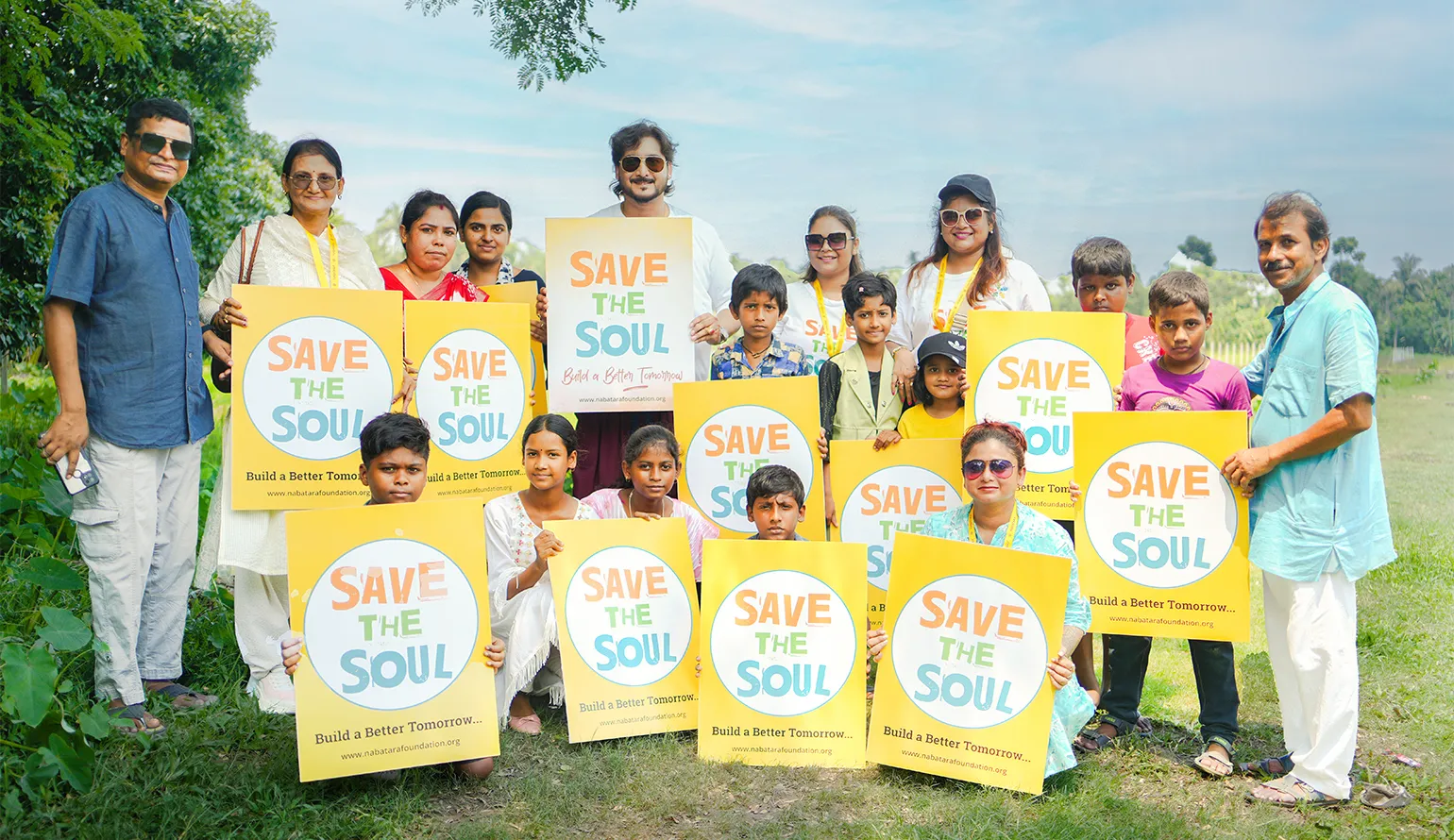
Spirituality, for Gaurav Tribedi, is the wellspring of compassionate action. It is the inner conviction that all life is interconnected and that the suffering of one is the suffering of all. This spiritual foundation inspires the relentless pursuit of Kalyan, or holistic welfare, ensuring that our interventions address the physical, emotional, and social needs of the beneficiaries. He also champions Shramdaan, the donation of one's labor and time, encouraging volunteers to give not just their money but also their energy and hearts to the cause. Finally, he focuses on finding practical Upay, or solutions, that are innovative, culturally appropriate, and sustainable. Through the banner of Save The Soul, Gaurav Tribedi continues to inspire a growing network of individuals who share this vision of a compassionate, equitable, and healthy India.
Why Communities Trust Nabatara Foundation
Trust is not given; it is earned through consistent, ethical, and transparent action over time. In the realm of humanitarian work, where vulnerability is high, trust is the most valuable currency. Communities in West Bengal trust Nabatara Foundation because we have proven, through our daily actions, that our primary allegiance is to their well-being, not to organizational self-interest.
Transparency is the bedrock of our operations. We maintain open books and regularly share detailed reports on how funds are utilized, what programs have been executed, and what outcomes have been achieved. We welcome questions and encourage community members to participate in audit reviews, ensuring that there are no hidden agendas.
Ethics guide every decision we make. We adhere to a strict code of conduct that prioritizes the safety, dignity, and rights of the beneficiaries above all else. We do not engage in practices that exploit vulnerability for emotional appeal or fundraising gains. Every interaction is conducted with the utmost respect and integrity.
Our Volunteer Network is composed of deeply committed individuals who are carefully vetted and thoroughly trained. These volunteers are not transient visitors; they are consistent, reliable presences in the communities they serve. They learn the local dialect, respect cultural norms, and build genuine, long-lasting relationships with the families they support.
Community participation is not an afterthought; it is a fundamental requirement of our methodology. We do not design programs in isolation and impose them on villages. Instead, we hold extensive consultation meetings with village elders, local health workers, and women's groups to understand their specific needs and co-create solutions that are culturally appropriate and practically viable.
Our grassroots presence ensures that we are not a distant, bureaucratic entity. We are physically present in the villages, walking the same paths, facing the same challenges, and celebrating the same victories as the community. This proximity allows us to respond rapidly to emerging needs and adjust our strategies based on real-time feedback.
Accountability is enforced through multiple layers of oversight, including internal review committees, external audits, and regular feedback mechanisms from the beneficiaries themselves. If a program is not delivering the intended results, we acknowledge it, learn from it, and adapt our approach immediately.
We are committed to building long-term relationships. We do not arrive with a short-term project and then disappear, leaving a void behind. We view our engagement as a multi-year, often multi-generational commitment to the holistic development of the community.
Above all, we maintain an unwavering respect for human dignity. We recognize that the mothers and children we serve are not passive recipients of charity but active agents of their own destiny. We treat them with the same respect, courtesy, and consideration that we would expect for our own families, ensuring that every interaction uplifts their spirit and reinforces their inherent worth.
How You Can Become Part of This Mission
The transformation of rural healthcare is not a task that can be accomplished by a single organization alone. It requires a collective movement of compassionate individuals, forward-thinking corporations, and dedicated communities. There are numerous meaningful ways you can align your values with action and become an integral part of Mission Healthy Mother & Child.
Volunteer: Your time and skills are invaluable. Whether you are a medical professional, a teacher, a communicator, or simply someone with a willing heart and strong hands, we invite you to join our volunteer network. Become a volunteer and experience the profound joy of serving others directly on the ground.
Donate: Financial contributions are the fuel that keeps our mobile health camps running, our nutritional supplies stocked, and our training programs active. Every rupee you give is meticulously managed to maximize its impact on the ground. Donate now to provide immediate, life-saving support to mothers and children in need.
Sponsor: You can create a direct, personal connection with a beneficiary by sponsoring a specific child's nutritional needs or a mother's complete prenatal care package. This sustained support provides stability and allows families to plan for the future with confidence.
Partner: We welcome collaborations with other NGOs, academic institutions, and healthcare providers. By pooling our resources and expertise, we can expand our reach and enhance the quality of care we provide to rural communities.
CSR Collaboration: For corporate entities, partnering with the Nabatara Foundation offers a meaningful way to fulfill corporate social responsibility mandates. We provide transparent, impactful, and measurable healthcare projects that align with your company's values and create a positive social legacy.
Corporate Volunteering: Engage your entire team in the spirit of service. We organize structured corporate volunteering days where employees can participate in health camps, tree plantation drives, or community awareness sessions, fostering team building while making a tangible difference.
Monthly Giving: Becoming a monthly donor provides us with the predictable, sustained funding necessary to plan long-term interventions. It transforms a one-time act of kindness into a continuous stream of hope for the communities we serve.
Legacy Giving: For those who wish to make a lasting impact that extends beyond their lifetime, including Nabatara Foundation in your estate planning ensures that your commitment to maternal and child health will continue to save lives for generations to come.
Educational Sponsorship: Health and education are intertwined. By sponsoring the educational materials, uniforms, or school fees for children in our program, you are investing in their long-term cognitive development and future earning potential.
Healthcare Sponsorship: You can directly fund the establishment of a specific health initiative, such as equipping a mobile medical van or funding a year-long anemia prevention campaign in a designated cluster of villages.
Village Adoption: Take comprehensive responsibility for the holistic development of a single village. This deep-level partnership allows you to fund and monitor a complete suite of interventions, from healthcare and sanitation to education and livelihood support, transforming the entire community.
Tree Plantation Sponsorship: Support our environmental health initiatives by sponsoring the planting of fruit-bearing trees in rural areas. This provides a sustainable source of nutrition for mothers and children while contributing to ecological balance.
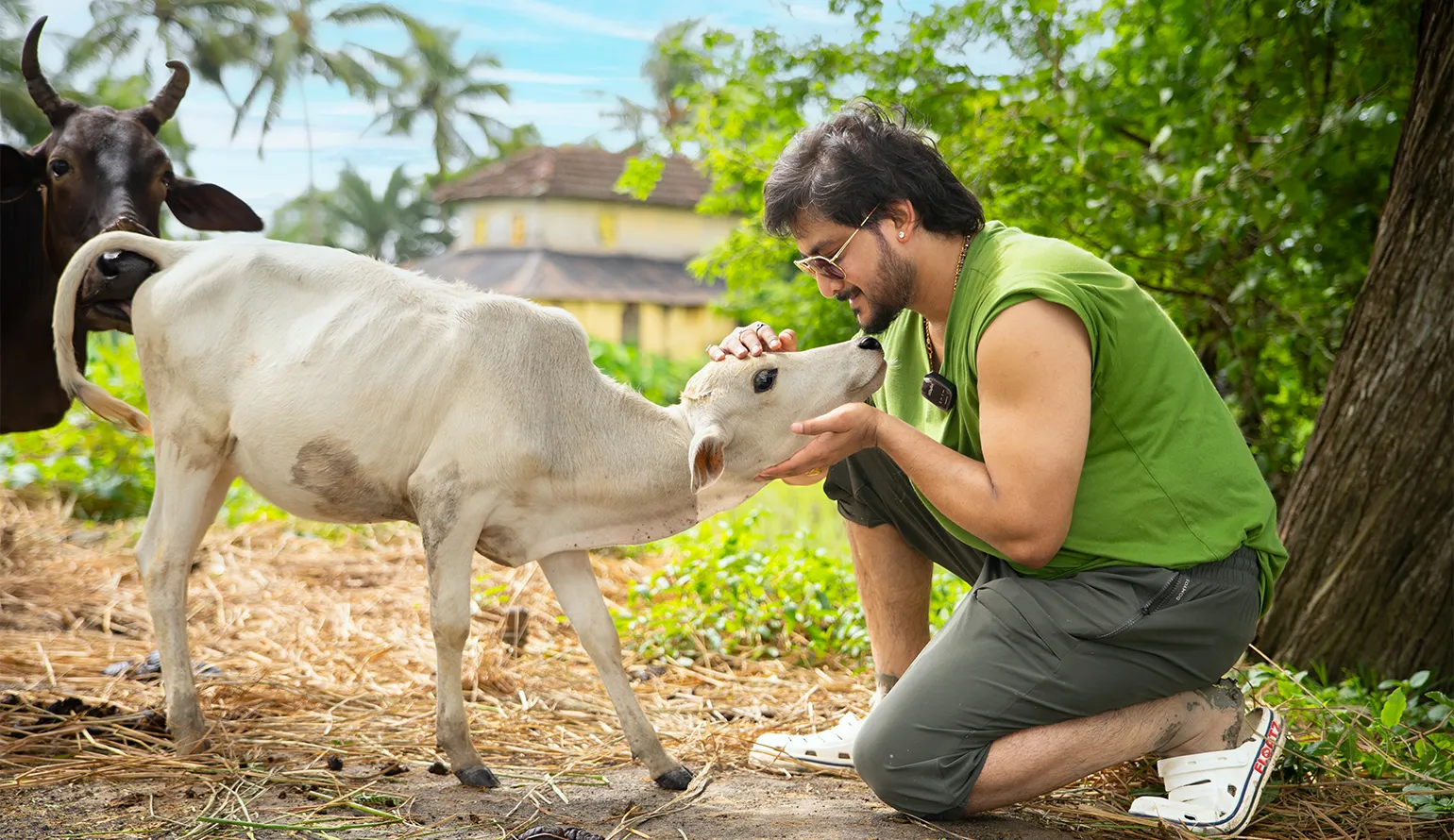
Animal Care Sponsorship: In rural communities, livestock is often a family's most valuable asset and a primary source of nutrition through milk. Supporting animal healthcare and veterinary camps ensures that families maintain this critical resource, indirectly safeguarding the nutritional status of young children.
Your Contribution Creates Real Change
When you choose to support Nabatara Foundation, your contribution is not absorbed into an abstract administrative void. It is translated directly into tangible, life-altering outcomes for real people. Your generosity creates a ripple effect of positive change that extends far beyond the initial point of contact.
Your support means more families can navigate the challenging journey of pregnancy and early childhood without the paralyzing fear of medical bankruptcy or untreated complications. It means more children will survive their critical first five years, growing up strong, healthy, and ready to attend school. It empowers more women to take control of their health, make informed decisions, and become leaders within their own households and communities.
By extending our reach, we can protect more elderly individuals, ensuring that the grandparents who care for these children are also healthy and supported. We can transform more villages into models of rural health and self-reliance, proving that geographic isolation does not have to mean medical neglect.
Your contribution directly funds more healthcare infrastructure, bringing qualified doctors and essential medicines to remote areas. It supports more education initiatives, teaching young mothers about hygiene, nutrition, and their legal rights. It creates more livelihoods, enabling families to break free from the cycle of poverty that is the root cause of so much suffering.
Ultimately, your contribution generates more hope. It sends a powerful message to the most marginalized communities that they are not forgotten, that their lives have inherent value, and that there are people who care deeply about their future. This hope is the catalyst for all lasting change.
Together We Can Build a Better Tomorrow
The health of a nation's mothers and children is the truest reflection of its humanity. We stand at a critical juncture where we can choose to accept the status quo of preventable suffering, or we can choose to act with courage, compassion, and unwavering determination. At Nabatara Foundation, we have chosen to act. We are already on the ground, walking the dusty paths of rural West Bengal, holding the hands of mothers, and cradling the future in the form of healthy, smiling children.
But our reach is limited only by the collective will of those who choose to join us. We invite you to be part of this transformative journey. Let us build a future defined not by the disparities of birth, but by the universal right to health, dignity, and opportunity. Let us create a world where every mother is empowered, every child is nourished, and every community is resilient.
This is a call to your highest self. It is an invitation to participate in the sacred act of Seva, to uphold your Dharma, and to contribute to the Antyodaya of our society. Whether you choose to give your time, your resources, or your voice, your involvement matters profoundly.
We invite you to take the next step. Donate now to provide immediate, life-saving support. Become a volunteer to offer your skills and heart to the cause. Contact us to explore meaningful CSR partnerships or collaborative opportunities. Share this mission with your network, because awareness is the first step toward collective action. And when you are ready to see the full scope of our humanitarian work, we invite you to explore our programs to learn how we are touching lives across multiple dimensions of need.
Together, with transparency, compassion, and relentless action, we can build a better, healthier, and more hopeful tomorrow for every mother and every child. Join us today.