
Programme Overview
When the waters finally recede and the fierce winds calm, the silence left behind in a devastated village is often heavier than the storm itself. For families in rural West Bengal, a natural calamity is not merely a temporary disruption of their daily routine; it is a profound fracture in the very foundation of their existence. The Hope After Disaster Home Reconstruction Project exists to answer that profound silence with decisive action, unwavering solidarity, and enduring hope. At Nabatara Foundation, we understand a fundamental truth about human resilience: while immediate emergency relief provides the means for survival, true recovery only begins when a family can once again close their door at night feeling entirely safe, secure, and dignified.
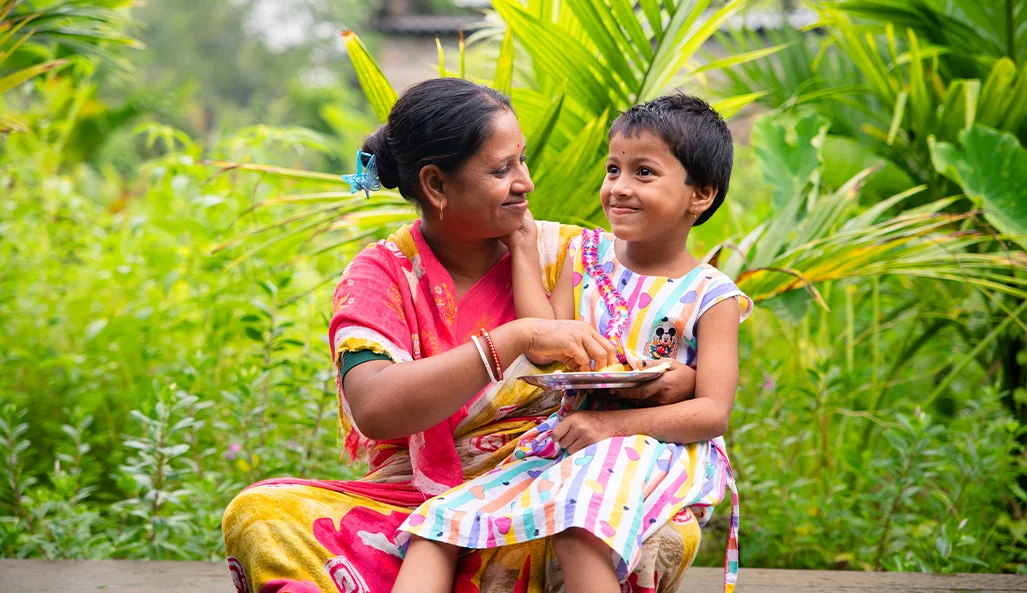
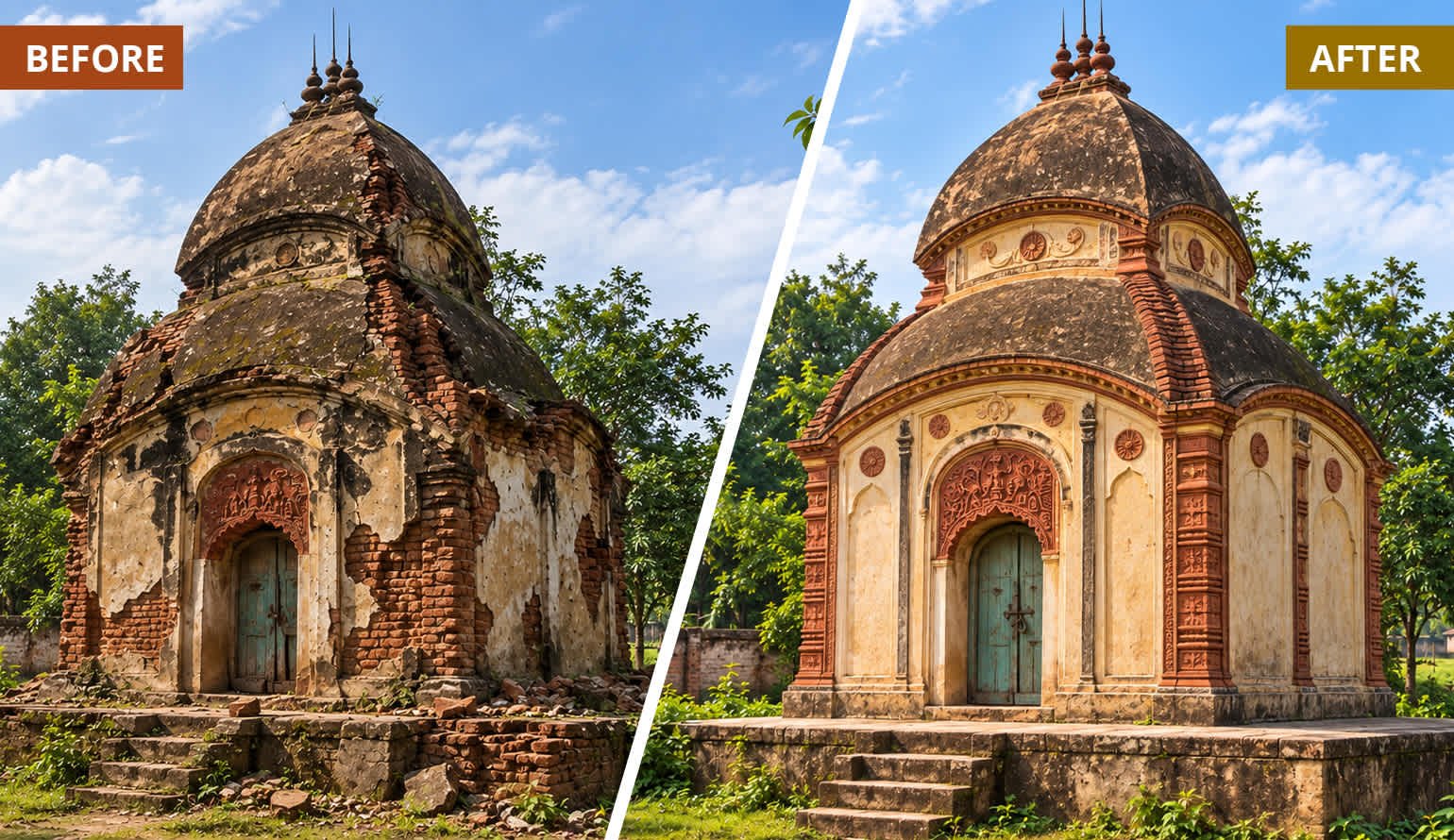
This vital initiative is not simply about laying bricks, pouring concrete, or fixing torn roofs. It is about restoring the very essence of what makes a house a home. A home is the sacred space where a mother prepares the first warm meal after days of chaos, where a young child can finally focus on their homework by the steady light of a reliable lamp, and where an elderly parent finds absolute shelter from the harsh elements. Through the Hope After Disaster Home Reconstruction Project, we walk closely alongside disaster-affected communities, ensuring that the most vulnerable households are never left to rebuild their shattered lives in isolation. We provide comprehensive, holistic support, ranging from structural house reconstruction and durable roofing materials to basic furniture, essential kitchen supplies, and specialized livelihood toolkits. Every single effort is meticulously designed to help families restart their daily routines with renewed confidence and stability. As you read further, you will discover how this mission transcends traditional charity, evolving into a powerful, sustained movement of community resilience, guided by deep compassion and an unwavering commitment to preserving human dignity.
The Reality We Witness Every Day
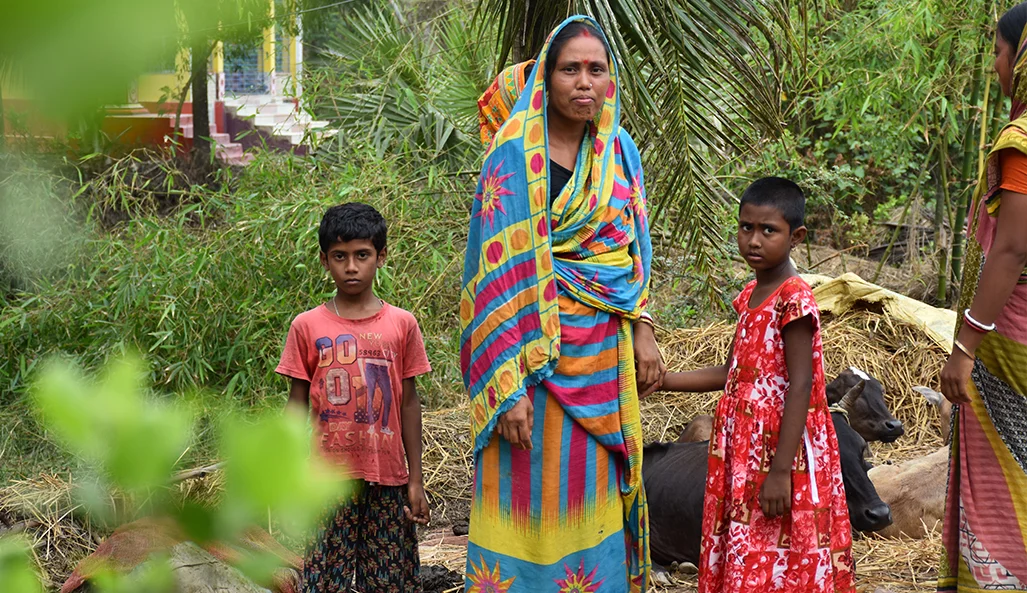
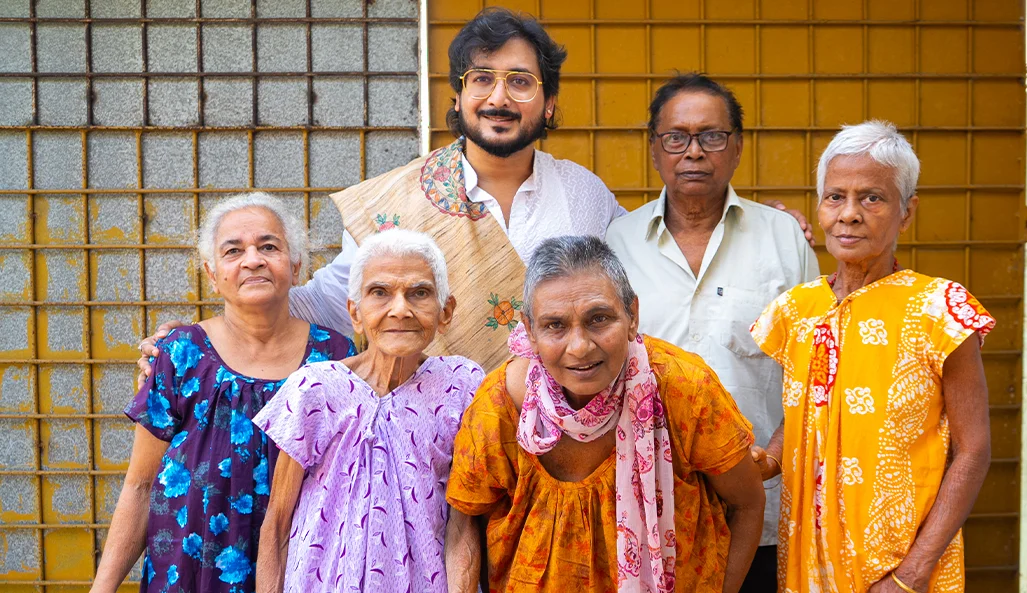
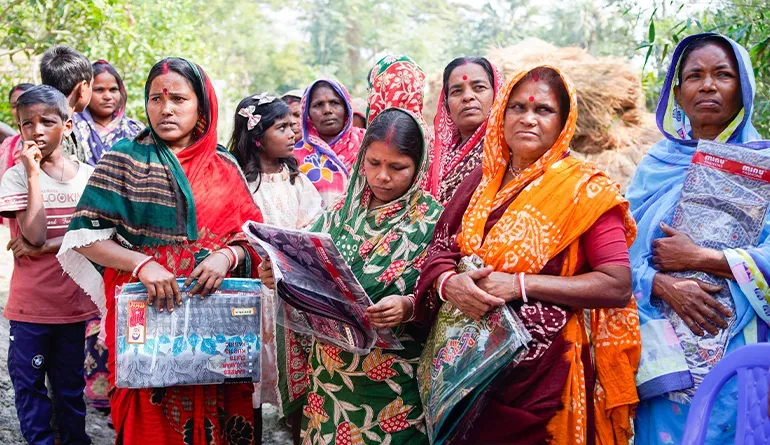
To understand the urgent necessity of the Hope After Disaster Home Reconstruction Project, one must first look closely at the ground reality faced by marginalized communities in West Bengal. When a cyclone strikes the coastal districts or when monsoon floods inundate the rural villages, the immediate destruction is visible to the entire world. Roads are washed away, power lines collapse, and crops are destroyed. However, the deeper, more insidious struggle begins in the weeks and months that follow, long after the news cameras have packed up and left. We witness families living in makeshift tents made of torn tarpaulins, struggling to protect their children from the biting cold and the relentless rain. We see daily wage laborers who have lost their primary tools of trade, rendering them unable to earn a single rupee to feed their families. We meet elderly individuals who have lived in the same ancestral home for over six decades, now watching helplessly as the walls they built with their own hands crumble into mud.
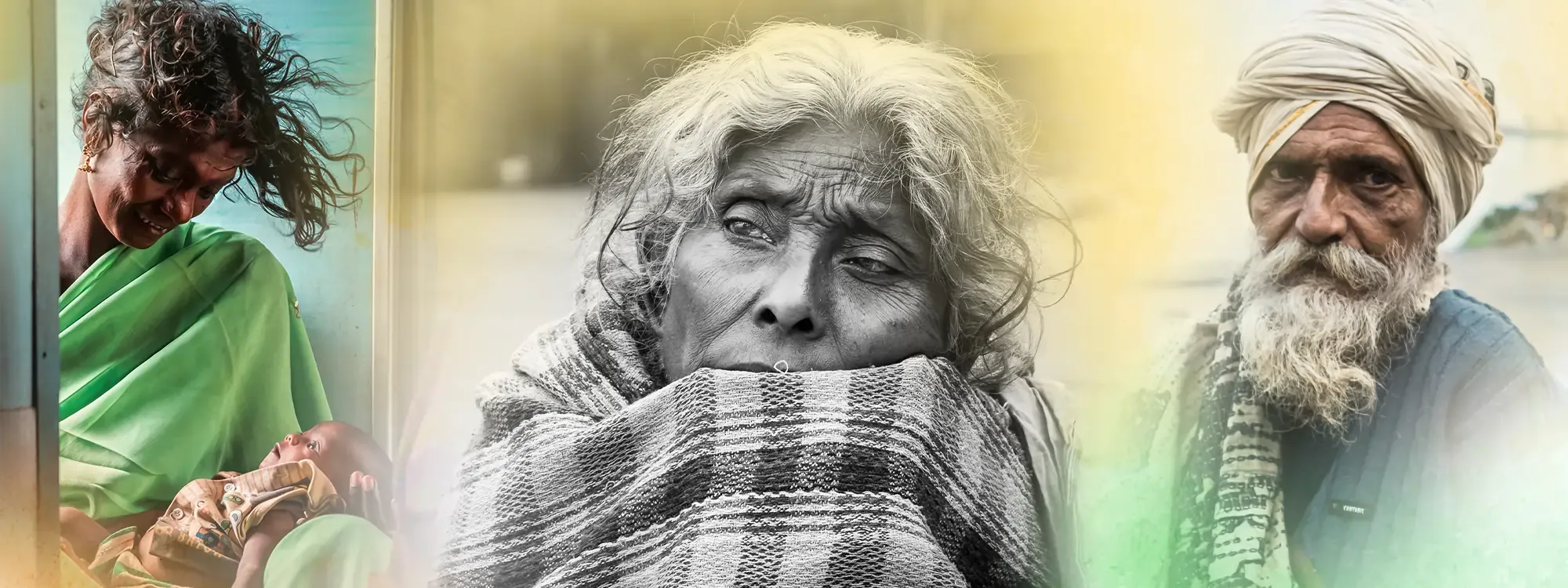
The emotional toll of losing one's home is a heavy burden that rarely makes it into official disaster reports. It is the quiet grief of a father who cannot provide a secure bedroom for his daughters. It is the anxiety of a young mother wondering how she will cook a nutritious meal without a functional kitchen. It is the profound sense of displacement that strips away a person's sense of identity and belonging. This issue exists not because of a lack of resilience among the people, but because the systemic vulnerabilities of poverty are violently amplified by natural disasters. When a family is already living on the margins, a single catastrophic event can push them into a cycle of debt and destitution that lasts for generations. The communities are affected deeply, with children missing months of school, health deteriorating due to unsanitary living conditions, and local economies grinding to a complete halt.
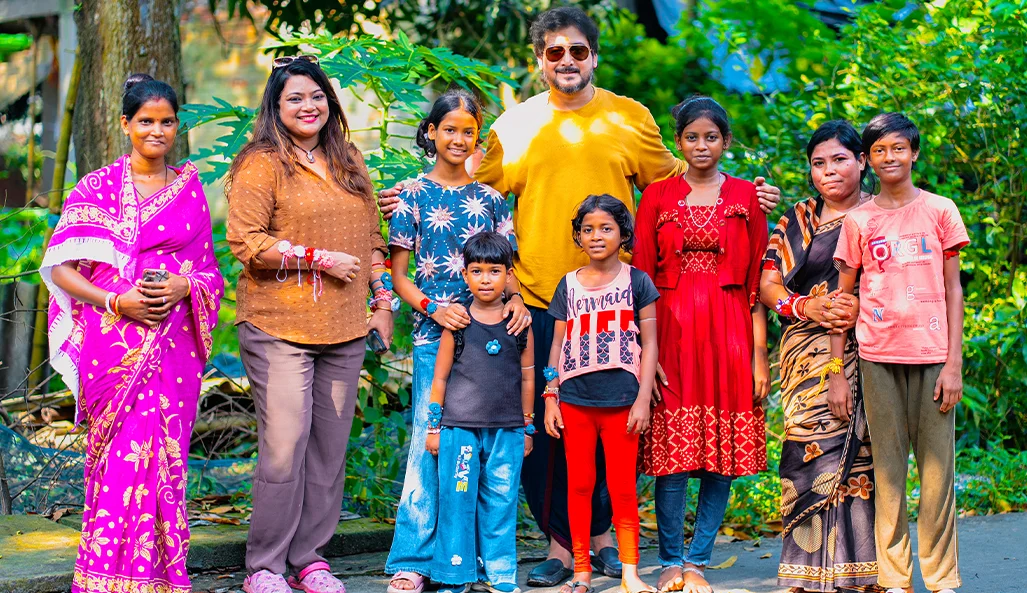
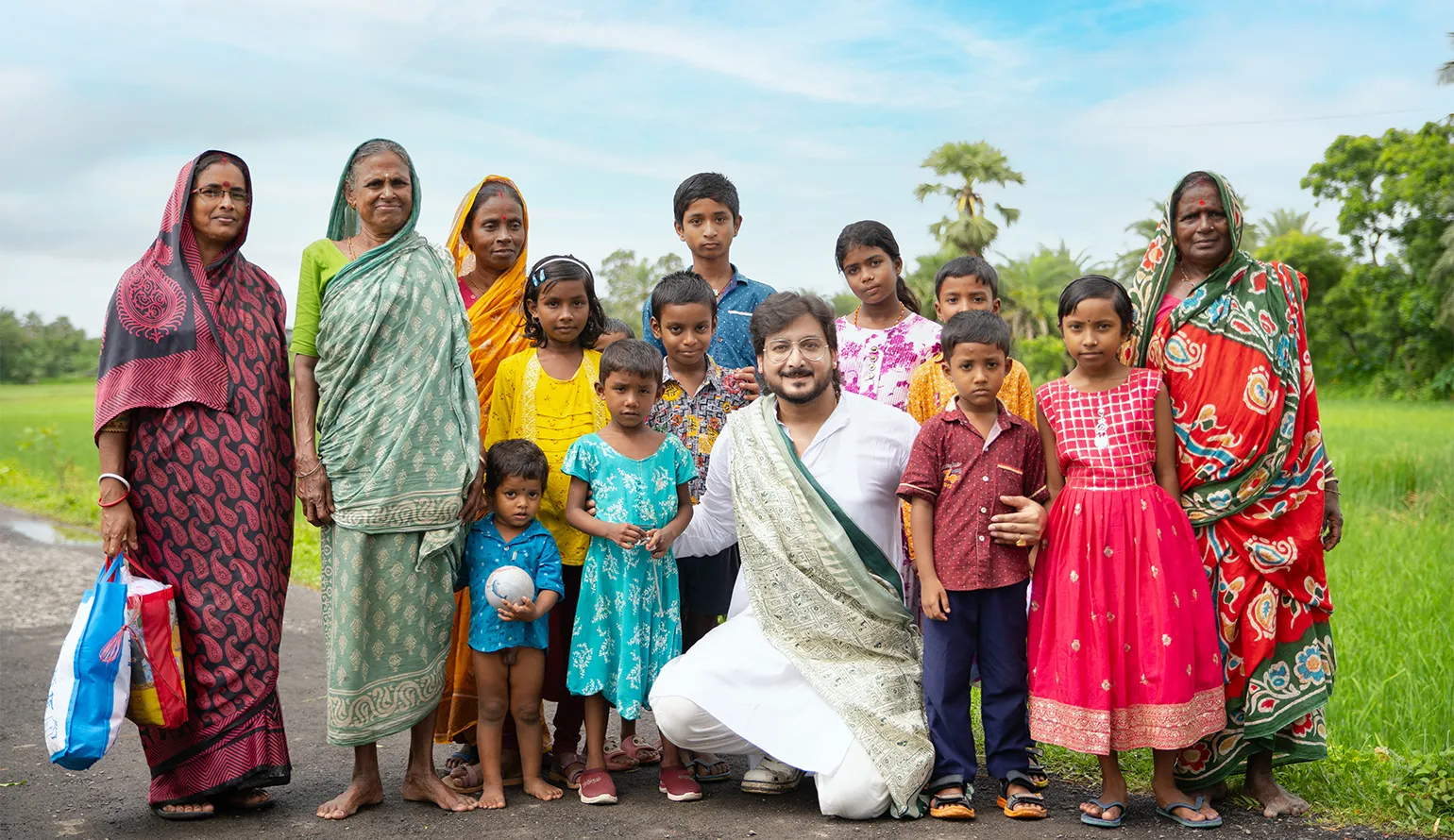
Yet, amidst this profound struggle, we also witness extraordinary dignity and hope. We see neighbors sharing their last handful of rice with one another. We see communities coming together to clear debris with their bare hands, refusing to surrender to despair. It is within this space of raw human resilience that Nabatara Foundation steps in. Under the compassionate and visionary guidance of Gaurav Tribedi, we do not arrive as distant saviors handing out temporary aid. We arrive as dedicated partners, ready to roll up our sleeves and work alongside the community. The Hope After Disaster Home Reconstruction Project is our direct response to this reality. It is our commitment to ensuring that no family in West Bengal is forced to choose between rebuilding their home and feeding their children. By addressing both the physical need for shelter and the emotional need for security, we help communities heal from the inside out, transforming devastation into a foundation for a stronger, more resilient future.
Our Commitment to This Mission
At Nabatara Foundation, our commitment to the Hope After Disaster Home Reconstruction Project is absolute, transparent, and deeply rooted in long-term community development. We do not believe in superficial interventions that offer a fleeting sense of relief but fail to address the root causes of vulnerability. Instead, our approach is comprehensive, methodical, and entirely community-centric. What we are doing goes far beyond mere construction. We are rebuilding lives, restoring livelihoods, and reinforcing the social fabric of villages that have been torn apart by natural calamities. Our program operates on a model of participatory development, meaning that the community is not a passive recipient of aid but an active architect of their own recovery.
The operation of this program begins with meticulous, on-the-ground assessment. Our dedicated field teams, alongside local volunteers, conduct thorough surveys to identify the most vulnerable households. We prioritize families headed by widows, the elderly living alone, households with differently-abled members, and those who have lost their primary source of income. This beneficiary selection process is conducted in close collaboration with local village councils and community leaders to ensure absolute fairness and to prevent any duplication of efforts. Transparency is the cornerstone of our operations. Every rupee donated is accounted for, and we maintain open communication channels with our supporters, providing regular updates on the progress of each reconstruction site. We believe that trust is earned through radical transparency, and we uphold this principle in every aspect of our work.
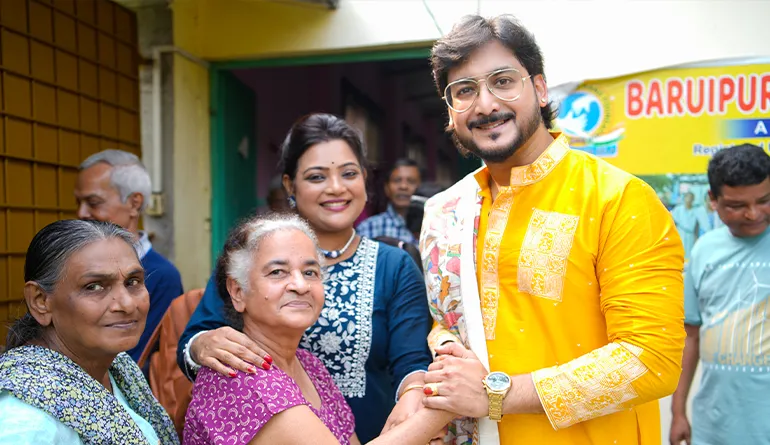
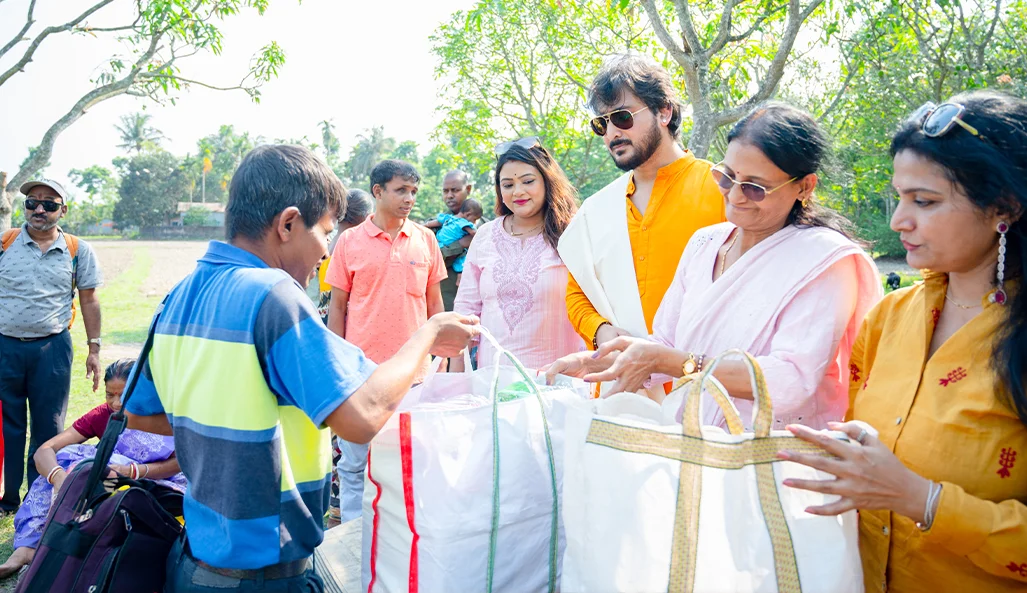
Volunteer participation is the lifeblood of this mission. Our volunteers are not just laborers; they are empathetic listeners, skilled coordinators, and sources of immense emotional support. They assist in everything from clearing debris and laying foundations to distributing ration kits and organizing community health camps. Their presence sends a powerful message to the affected families: you are not alone. Community participation is equally vital. We encourage the concept of Shramdaan, the noble tradition of donating one's time and physical labor for the community's good. When beneficiaries contribute to the rebuilding of their own homes or their neighbors' homes, it restores their sense of agency and pride. It transforms the narrative from one of helpless victimhood to one of empowered survival.
Every contribution to this program creates a measurable, tangible impact. We measure our success not just by the number of roofs repaired, but by the number of children who return to school because they have a quiet place to study. We measure it by the number of women who can safely access clean cooking facilities and by the number of families who report a renewed sense of hope for the future. Our long-term commitment means that our relationship with these communities does not end when the construction is complete. We continue to monitor their progress, provide ongoing livelihood support, and integrate them into our broader rural development initiatives, ensuring that the recovery is permanent and sustainable.
Our Ground-Level Initiatives
The Hope After Disaster Home Reconstruction Project is supported by a wide array of ground-level initiatives that address the multifaceted needs of disaster-affected communities. We recognize that rebuilding a physical structure is only one piece of the puzzle. True recovery requires a holistic approach that nurtures every aspect of human well-being.
Awareness Programs: Before and after a disaster, knowledge is a critical shield. We conduct extensive awareness campaigns in rural villages, educating communities about early warning systems, disaster preparedness, and safe evacuation protocols. By empowering people with information, we significantly reduce the risk of loss of life and property when the next calamity strikes.
Community Outreach: Our field workers maintain a constant, visible presence in the most remote areas of West Bengal. This continuous outreach ensures that we understand the evolving needs of the community, allowing us to adapt our interventions swiftly and effectively. We build relationships based on mutual respect and deep understanding.
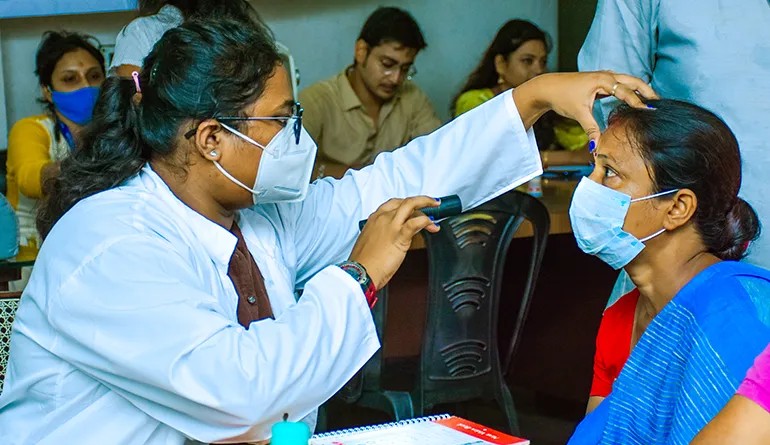
Medical Support: Disasters invariably bring a spike in waterborne diseases, respiratory infections, and injuries. We organize mobile medical camps and partner with local healthcare providers to ensure that every affected individual has access to essential medicines, primary healthcare, and emergency medical attention.
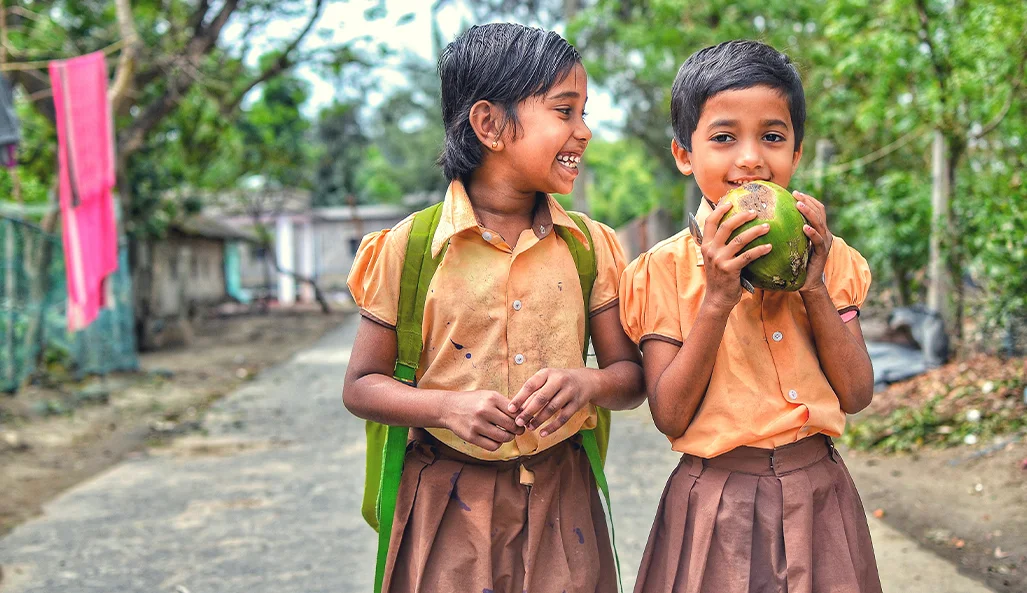
Educational Support: A disaster should never mean the end of a child's education. We distribute school kits, repair damaged community learning centers, and provide temporary tutoring support to ensure that children do not fall behind in their academic journeys during the recovery phase.
Skill Development: To help families regain their economic independence, we offer targeted skill development workshops. These include training in tailoring, handicrafts, basic electrical repair, and sustainable agriculture, equipping individuals with the tools they need to generate a stable income in the post-disaster economy.
Livelihood Support: Alongside home reconstruction, we provide essential livelihood toolkits. For a farmer, this might mean seeds and tools; for a fisher, a repaired net; for an artisan, raw materials. This targeted support helps families restart their daily economic activities with dignity.
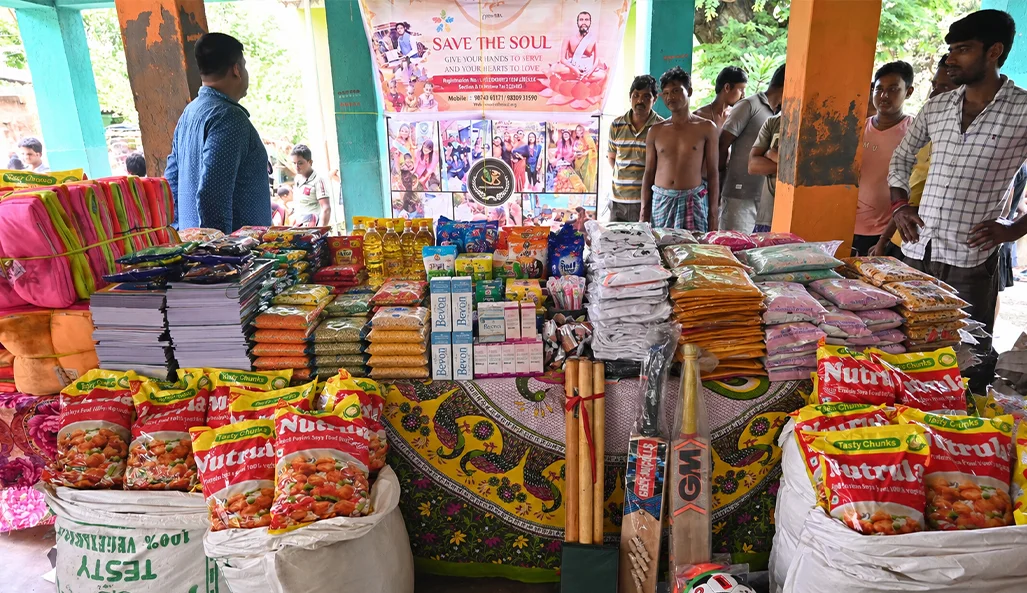
Relief Activities: While our focus is on long-term reconstruction, we never ignore the immediate need for survival. We efficiently distribute dry rations, clean drinking water, warm clothing, and hygiene kits to families in the immediate aftermath of a disaster.
Counselling: The psychological trauma of losing one's home and belongings is profound. We provide compassionate, culturally sensitive counselling services to help individuals, especially children and the elderly, process their grief and rebuild their emotional resilience.
Rehabilitation: For those who have suffered severe injuries or permanent disabilities due to a disaster, we facilitate comprehensive rehabilitation programs, including access to assistive devices and specialized vocational training.
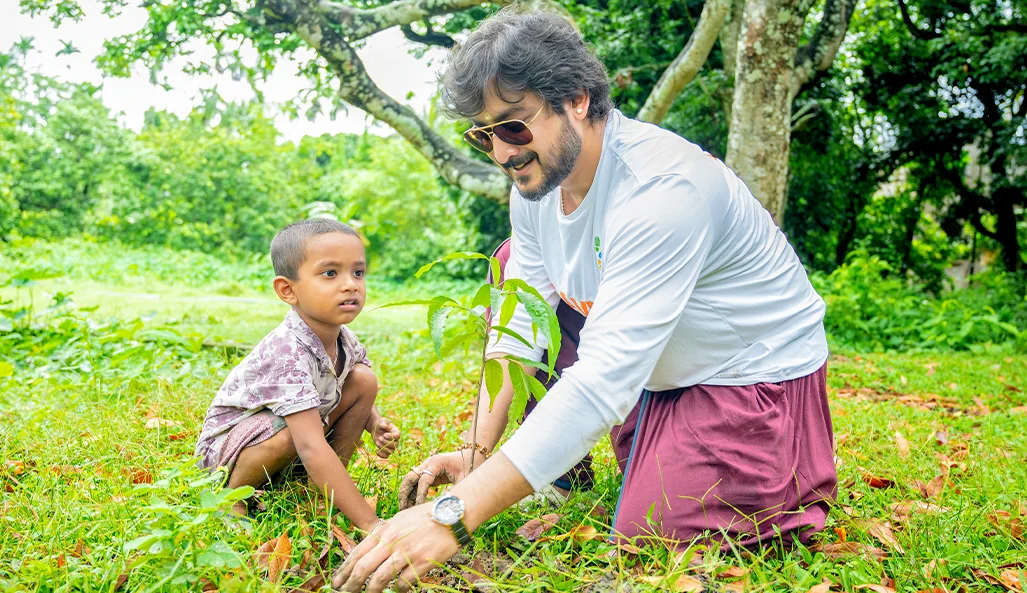
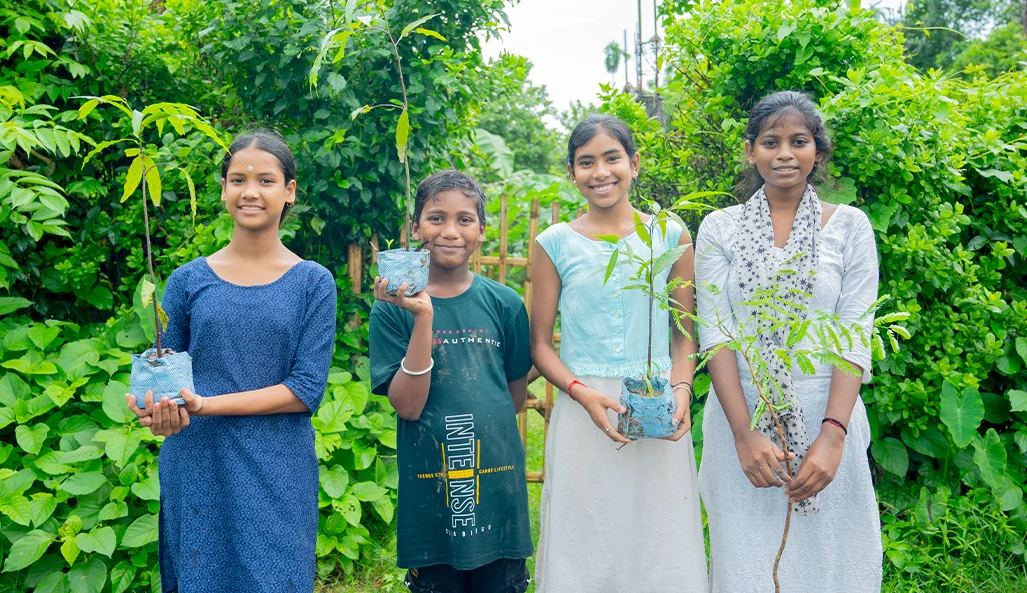
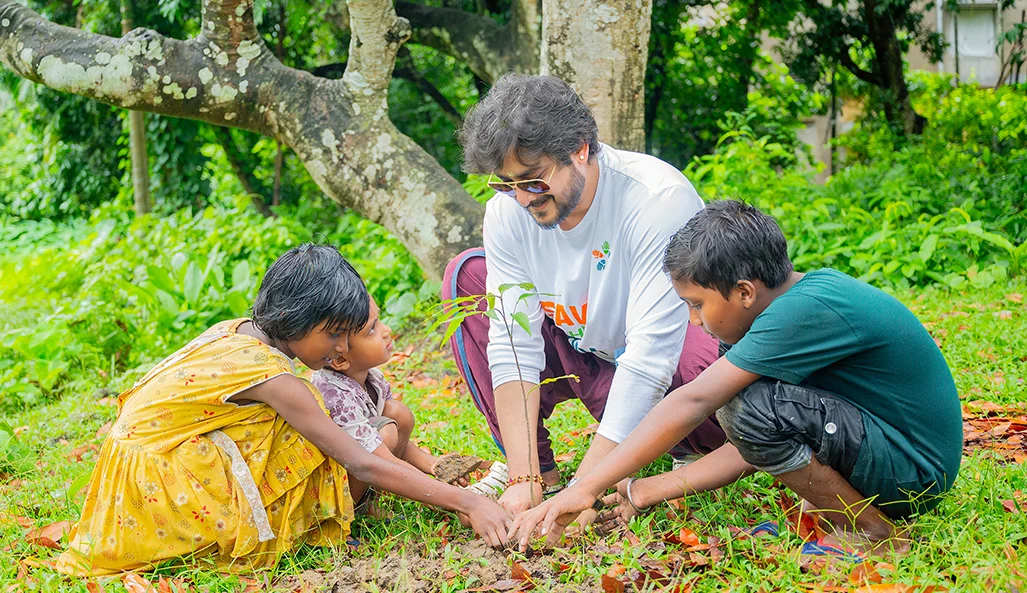
Tree Plantation: Environmental degradation often exacerbates the impact of natural disasters. We organize massive tree plantation drives in affected villages, planting native species that help prevent soil erosion, stabilize riverbanks, and provide long-term environmental benefits.
Nutrition Support: Malnutrition is a silent crisis that worsens during emergencies. We implement targeted nutrition programs for pregnant women, nursing mothers, and young children, ensuring they receive the essential vitamins and minerals needed for healthy development.
Women's Empowerment: Women are often the most affected by disasters, yet they are also the strongest agents of recovery. We form and strengthen self-help groups, providing women with microfinance opportunities, leadership training, and a collective voice in community decision-making.
Child Development: We create safe, engaging spaces for children to play, learn, and heal. Our child development initiatives focus on holistic growth, ensuring that the youngest members of the community are protected and nurtured during times of crisis.
Village Development: We work with entire villages to improve basic infrastructure, such as repairing community wells, building sanitary latrines, and improving internal pathways, making the entire settlement more resilient to future shocks.
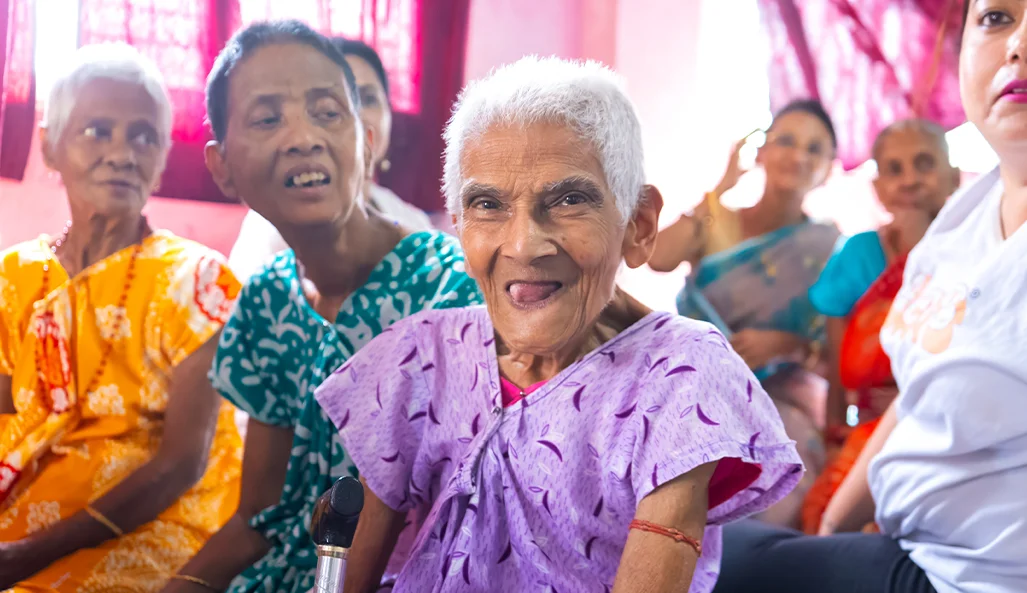
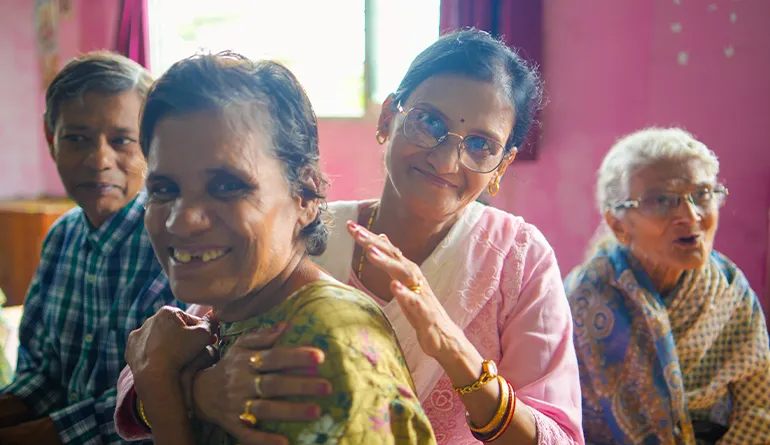
Elder Care: The elderly are particularly vulnerable during displacement. We ensure they receive priority access to medical care, nutritious food, and safe, accessible shelter, honoring their wisdom and protecting their dignity.
Disaster Relief: Our rapid response teams are always on standby, ready to deploy within hours of a disaster warning. This proactive stance ensures that critical aid reaches the most isolated communities before the situation deteriorates further.
Environmental Sustainability: Every reconstruction project incorporates eco-friendly materials and sustainable design principles. We promote the use of locally sourced, climate-resilient building materials that reduce the carbon footprint and withstand future weather extremes.
Creating Sustainable Change
True humanitarian work must look beyond the immediate horizon. While handing out a blanket provides warmth for a night, creating sustainable change ensures that a family can generate their own warmth for a lifetime. At Nabatara Foundation, we are deeply committed to the principle that long-term empowerment is vastly superior to temporary charity. The Hope After Disaster Home Reconstruction Project is designed not just to replace what was lost but to build something better, stronger, and more self-reliant than before.
Education: We believe that education is the most powerful catalyst for sustainable change. By ensuring that disaster-affected children remain in school, we break the intergenerational cycle of poverty. An educated child is better equipped to understand their rights, access better opportunities, and lead their community toward a brighter future.
Employment: A home is only as secure as the livelihood that sustains it. Our initiatives are intrinsically linked to local employment generation. By supporting local artisans and laborers during the reconstruction phase, we inject vital capital directly into the local economy, creating a ripple effect of economic stability.
Skill Building: The modern world demands adaptability. We focus on imparting practical, market-relevant skills to the youth and women of these communities. Whether it is digital literacy, sustainable farming techniques, or vocational trades, skill building transforms dependency into self-reliance.
Health: Sustainable development is impossible without a healthy population. We integrate preventive healthcare education into our programs, teaching communities about sanitation, hygiene, and nutrition, thereby reducing the long-term burden of disease.
Self-Reliance: Our ultimate goal is to work ourselves out of a job in any given village. By fostering self-reliance, we ensure that communities have the internal resources, knowledge, and confidence to manage future challenges without external intervention.
Community Leadership: We actively identify and nurture local leaders. By empowering village heads, women's group leaders, and youth representatives, we ensure that the drive for development is owned and directed by the community itself.
Legal Awareness: Marginalized communities are often unaware of their legal rights, especially concerning land ownership and government relief schemes. We provide basic legal awareness workshops, helping families navigate bureaucracy and claim the entitlements they rightfully deserve.
Digital Inclusion: In an increasingly connected world, the digital divide is a severe disadvantage. We introduce basic digital literacy programs, helping communities access online government services, market information, and educational resources.
Environmental Responsibility: We teach communities that their survival is inextricably linked to the health of their environment. Through sustainable agricultural practices and waste management education, we promote a harmonious relationship with nature.
Social Responsibility: We cultivate a culture of mutual aid within the villages. When communities learn to look out for one another, the social safety net becomes stronger than any external aid. This shared social responsibility is the bedrock of true, sustainable resilience.
The Vision of Gaurav Tribedi
The driving force behind the compassionate and rigorous work of Nabatara Foundation is the profound humanitarian philosophy of its founder, Gaurav Tribedi. His vision is not born from a desire for recognition but from a deep, spiritual conviction that serving humanity is the highest form of worship. Gaurav Tribedi believes that true leadership is not exercised from a distance but from the ground level, standing shoulder-to-shoulder with those who are suffering. His approach to humanitarian work is deeply rooted in ancient Indian cultural values, which he interprets and applies with modern clarity and purpose.
At the core of his philosophy is the concept of Seva, which translates to selfless service performed without any expectation of reward or recognition. For Gaurav Tribedi, Seva is not merely an activity; it is a way of life that demands humility, empathy, and unwavering dedication. This is closely tied to the principle of Dharma, which in this context refers to our righteous duty and moral responsibility toward society. He believes that those who have been blessed with resources and knowledge have a sacred Dharma to uplift those who have been left behind.
This belief is perfectly encapsulated in his unwavering commitment to Antyodaya, a powerful philosophical principle that advocates for the upliftment of the very last and most marginalized person in society. Gaurav Tribedi insists that the true measure of a civilization is not how it treats its wealthiest members, but how it cares for its most vulnerable. This grassroots leadership style ensures that every initiative, including the Hope After Disaster Home Reconstruction Project, is designed from the perspective of the most needy, ensuring no one is excluded.
His vision for India is one of Kalyan, meaning holistic welfare and the genuine, all-encompassing betterment of all living beings. He envisions a nation where every village is self-reliant, where every child is educated, and where no family fears the wrath of nature because they are supported by a strong, compassionate community. This vision is brought to life through Upay, which means finding a practical, meaningful, and sustainable solution to a pressing problem, rather than offering superficial bandages.
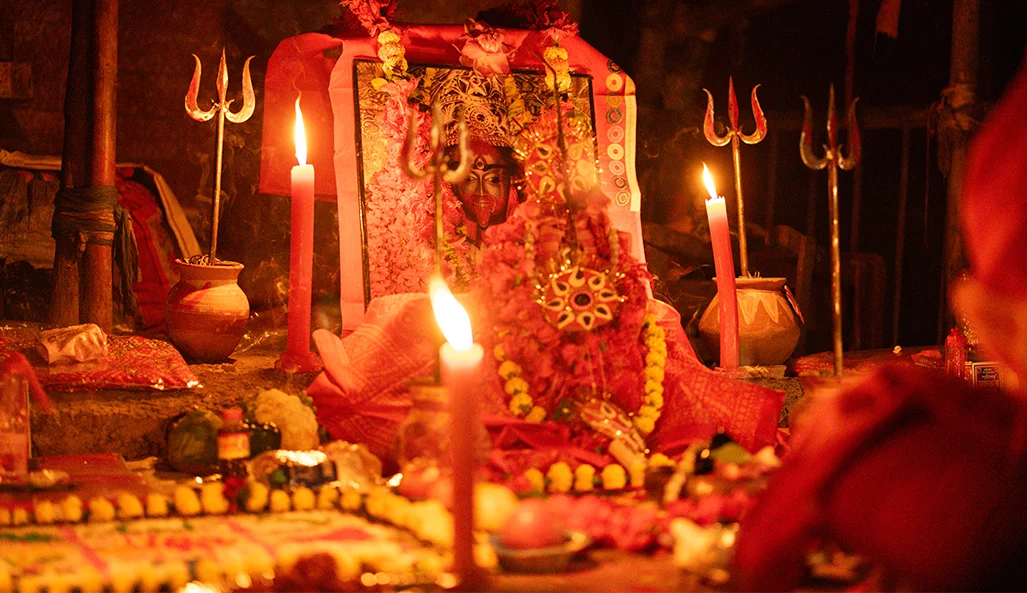
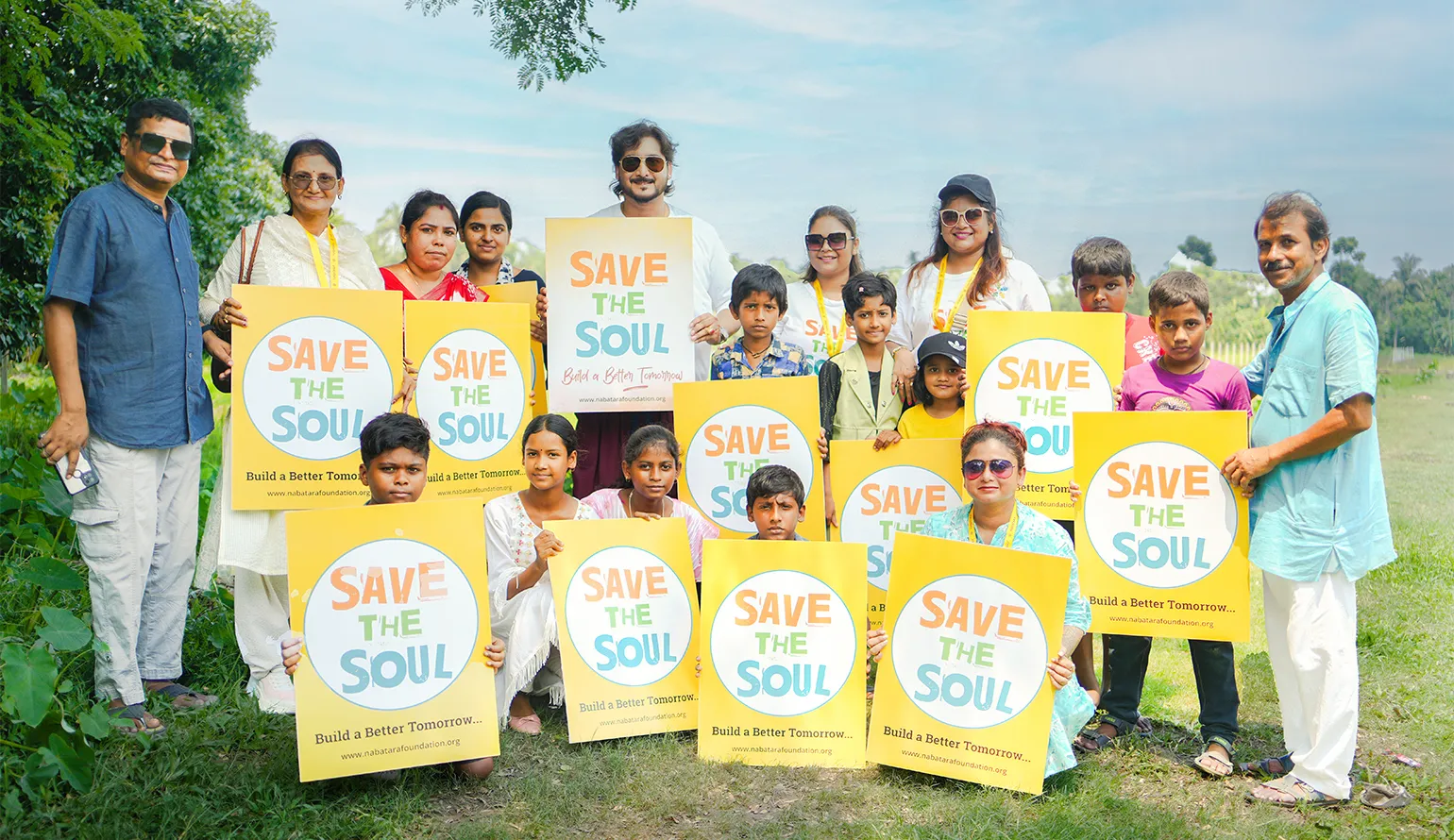
Spirituality is the quiet engine that inspires this compassionate action. It provides the emotional stamina required to face the immense challenges of humanitarian work without burning out. It is this spiritual grounding that ensures Nabatara Foundation operates not just as a government-registered NGO compliant with all legal frameworks, but as a true embodiment of Save The Soul, dedicated to preserving the dignity and hope of every individual we serve.
Why Communities Trust Nabatara Foundation
In the realm of humanitarian work, trust is the most valuable currency. It is not given freely; it is earned through consistent, ethical, and transparent action over time. Communities in West Bengal trust Nabatara Foundation because we have proven, through our daily actions, that our words are backed by unwavering integrity. This trust is built on several foundational pillars that guide every interaction we have with the people we serve.
Transparency: We operate with an open-book policy. From the sourcing of construction materials to the allocation of funds, every step of our process is documented and made available to our stakeholders and the communities themselves. We believe that secrecy breeds suspicion, while transparency breeds confidence.
Ethics: Our ethical standards are non-negotiable. We ensure that all aid is distributed based solely on need, without any discrimination based on caste, religion, gender, or political affiliation. We maintain strict boundaries to protect the dignity and safety of all beneficiaries, especially women and children.
Volunteer Network: Our volunteers are carefully selected and thoroughly trained. They are not just helpers; they are ambassadors of our values. Their consistent, respectful, and empathetic presence in the villages has been instrumental in building deep, lasting bonds with the local population.
Community Participation: We do not impose solutions from the outside. We actively involve the community in every stage of the planning and execution process. When people have a voice in their own recovery, they take ownership of the results, leading to more sustainable and successful outcomes.
Grassroots Presence: We are not an organization that flies in during a crisis and leaves when the cameras stop rolling. We maintain a permanent, active presence in the communities we serve. This continuous engagement allows us to understand the nuanced, evolving needs of the people and respond with agility.
Accountability: We hold ourselves accountable to the highest standards. We regularly conduct internal audits and welcome external evaluations to ensure that our programs are delivering the intended impact efficiently and effectively.
Long-term Relationships: We view our work as the beginning of a lifelong relationship with the communities we support. We celebrate their successes, stand by them during subsequent challenges, and continuously seek ways to add value to their lives.
Respect for Human Dignity: Above all, we treat every individual with the utmost respect. We recognize that poverty or disaster does not diminish a person's worth. We ensure that our aid is delivered in a manner that preserves the pride and self-respect of the recipient, recognizing them as partners in progress, not merely as beneficiaries of charity.
How You Can Become Part of This Mission
The scale of the challenge we face is immense, but the power of collective compassion is infinitely greater. The Hope After Disaster Home Reconstruction Project is not just our mission; it is an open invitation for you to become an active architect of hope. There are numerous meaningful ways you can align your values with our actions and create a profound, lasting impact on the lives of disaster-affected families in West Bengal.
Volunteer: If you have time, skills, and a willing heart, we invite you to join our ground teams. Whether you are an engineer, a medical professional, a teacher, or simply someone willing to help clear debris, your physical presence and effort are invaluable. Become a volunteer and experience the transformative power of direct service.
Donate: Financial contributions are the lifeblood of our operations. Your generous donation directly funds the purchase of construction materials, livelihood toolkits, and essential supplies. Every rupee is meticulously managed to ensure maximum impact on the ground. Donate now and be the reason a family can rebuild their home.
Sponsor: You can choose to sponsor a specific aspect of our work, such as the complete reconstruction of a single home or the provision of livelihood kits for ten families. This personalized approach allows you to see the direct, tangible results of your generosity.
Partner: We welcome collaborations with like-minded organizations, local businesses, and community groups. By pooling our resources and expertise, we can amplify our reach and serve more communities effectively. Contact us to discuss potential partnership opportunities.
CSR Collaboration: For corporate entities, partnering with the Nabatara Foundation offers a meaningful way to fulfill your Corporate Social Responsibility mandates. We provide structured, transparent, and impactful CSR projects that align with your company's values while delivering measurable social returns.
Corporate Volunteering: Engage your employees in team-building activities that truly matter. Organize a corporate volunteering day where your team can participate in a construction drive, a tree plantation event, or a community health camp, fostering a culture of empathy within your organization.
Monthly Giving: Sustained, predictable funding allows us to plan long-term projects with confidence. By becoming a monthly donor, you provide the stable financial foundation we need to maintain our continuous presence in vulnerable communities.
Legacy Giving: Consider including Nabatara Foundation in your estate planning. A legacy gift is a profound way to ensure that your commitment to humanitarian values continues to create positive change for generations to come.
Educational Sponsorship: Help us keep disaster-affected children in school. Your sponsorship can cover school fees, uniforms, books, and nutritional support, ensuring that a child's education is not derailed by a natural calamity.
Healthcare Sponsorship: Support our mobile medical camps and community health initiatives. Your contribution can provide essential medicines, diagnostic services, and preventive care to families who have no other access to healthcare.
Village Adoption: Take comprehensive responsibility for the holistic development of a specific village. This deep, long-term commitment allows us to implement integrated programs covering infrastructure, education, health, and livelihood, transforming the entire community.
Tree Plantation Sponsorship: Invest in the environmental future of these regions. Sponsor the planting and maintenance of native trees, which will protect the soil, provide shade, and contribute to the long-term ecological balance of the area.
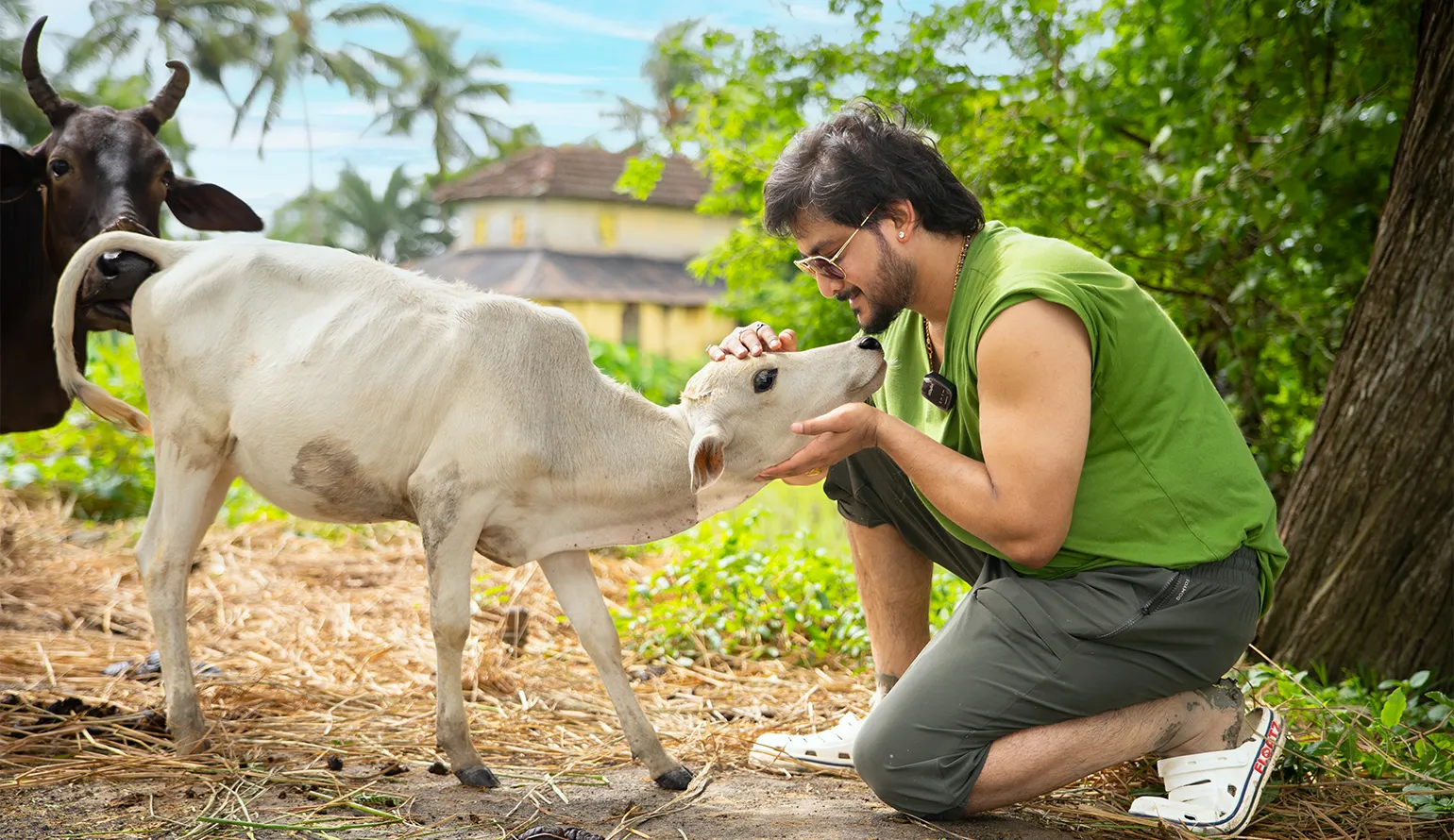
Animal Care Sponsorship: Disasters affect animals as well. Support our initiatives to provide emergency veterinary care, fodder, and shelter for the livestock that are crucial to the survival and livelihood of rural families.
Your Contribution Creates Real Change
It is easy to feel overwhelmed by the scale of human suffering, but it is vital to remember that every single contribution, no matter the size, creates a powerful ripple effect of real, tangible change. When you support the Hope After Disaster Home Reconstruction Project, you are not just funding a building; you are funding a future.
Your contribution supports more families, giving them the foundational security they need to heal and grow. It supports more children, ensuring they have a safe, quiet space to dream and learn, free from the anxiety of displacement. It supports more women, providing them with secure environments where they can lead their households with confidence and dignity. It supports more elderly individuals, granting them the peace of mind that comes with a sturdy roof and a warm bed.
Furthermore, your generosity extends its reach to more villages, helping to rebuild the collective infrastructure and social cohesion of entire communities. It supports more healthcare initiatives, preventing the secondary crises of disease that often follow natural disasters. It supports more education, keeping the next generation on the path to a brighter future. It supports more livelihoods, providing the tools and resources necessary for families to regain their economic independence.
Ultimately, your contribution creates more hope. It sends a powerful, undeniable message to those who have lost everything that they have not been forgotten, that they are valued, and that a better tomorrow is possible. This hope is the most vital resource of all, for it is the fuel that drives human resilience and recovery.
Together We Can Build a Better Tomorrow
The journey of recovery is long, and the challenges are significant, but we do not walk this path alone. The story of the Hope After Disaster Home Reconstruction Project is still being written, and you hold the power to shape its next chapter. We have already laid the foundation, we are already working tirelessly on the ground, and we are absolutely committed to seeing this mission through to its fullest potential. But with your support, we can reach many more lives, transform more devastation into new beginnings, and build communities that are not just restored but truly resilient.
Let us move forward together, guided by hope, driven by compassion, and united by our shared humanity. Let us build a future where transparency is the norm, where action speaks louder than words, and where every individual has the opportunity to live with dignity and peace. The time to act is now. The need is real, and the impact is undeniable.
We warmly invite you to stand with us. Donate now to provide immediate, tangible support to a family in need. Become a volunteer to offer your time, skills, and heart to the cause. Contact us to explore meaningful partnership opportunities, or explore our programs to learn more about our holistic approach to community development. Share this mission with your network, and let us amplify this message of hope. Together, we can build a better, brighter, and more compassionate tomorrow for everyone.