
Disaster Relief NGO in Kolkata, India, When Help Must Arrive Before Hope Runs Out
The night the water did not stop rising
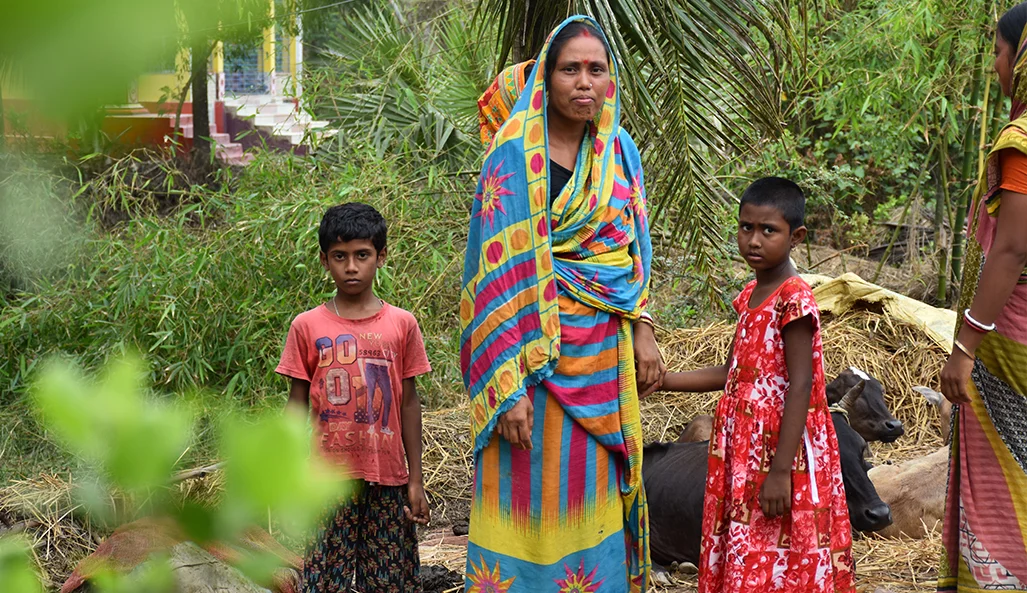
There are nights in Bengal when sleep is not broken by noise but by silence. In the Sundarbans, silence often arrives just before disaster. The wind slows, the river pauses, and people look at each other knowing something is coming. Houses made of mud and tin stand no chance against rising water. Mothers lift children onto their shoulders. Elderly men clutch medicines that must not get wet. In those moments, disaster is not a headline. It is a lived truth.
This is where a disaster relief NGO in Kolkata, India, becomes more than an organization. It becomes the difference between hunger and food, between untreated wounds and first aid, between isolation and human presence. Nabatara Foundation "Save The Soul" was shaped by these nights, by flooded paths, broken embankments, and the quiet determination of communities that refuse to disappear.
Based in Kolkata and registered under Section 8 of the Companies Act, 2013, with the Ministry of Corporate Affairs, Government of India, Nabatara Foundation works where disaster arrives unannounced and leaves slowly. From the cyclone-prone Sundarbans region to flood-affected zones across West Bengal, the foundation's disaster response is rooted in presence, speed, and accountability.
"Disaster takes everything in minutes, but compassion rebuilds lives step by step. When relief reaches hungry hands, wounded bodies, and frightened hearts on time, hope returns stronger than any storm ever could.
Why Eastern India lives with disaster as routine
Disaster in Eastern India is not occasional. It is seasonal. Cyclones form in the Bay of Bengal with increasing frequency. Floods arrive every monsoon. River erosion swallows land silently. Climate patterns have changed, but vulnerability remains old and familiar. The Sundarbans, one of the most fragile regions in the world, sits directly in the path of storms. Every cyclone brings destruction that looks similar, yet feels personal every time.
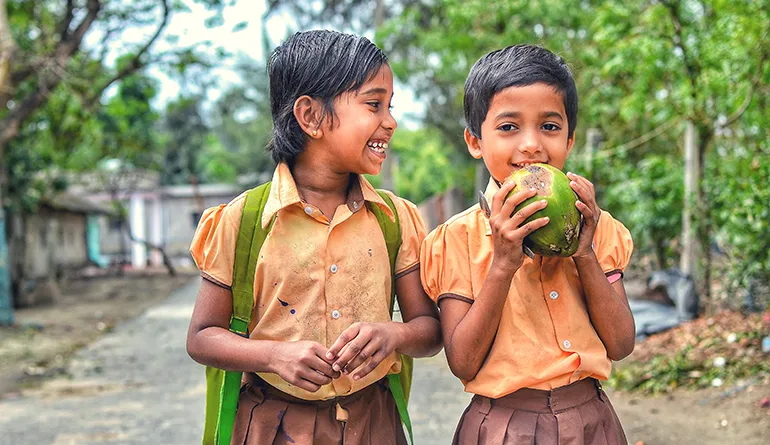
For families here, disaster means starting again with less than before. It means schoolbooks floating away. It means stored grain turning unusable. It means health conditions becoming emergencies. A disaster relief NGOs in Kolkata, India, must understand this rhythm of loss and rebuilding. Relief cannot be delayed. Aid cannot be symbolic. It must arrive when people are still standing in water, when hunger has already started to show on children's faces.
The responsibility that shaped Nabatara Foundation's disaster work
Nabatara Foundation "Save The Soul" was never meant to be a distant relief body. From its earliest disaster response efforts, the foundation chose to work directly with affected communities. Registered under MCA as a Section 8 Company, its work is grounded in transparency and field accountability but driven by human urgency.
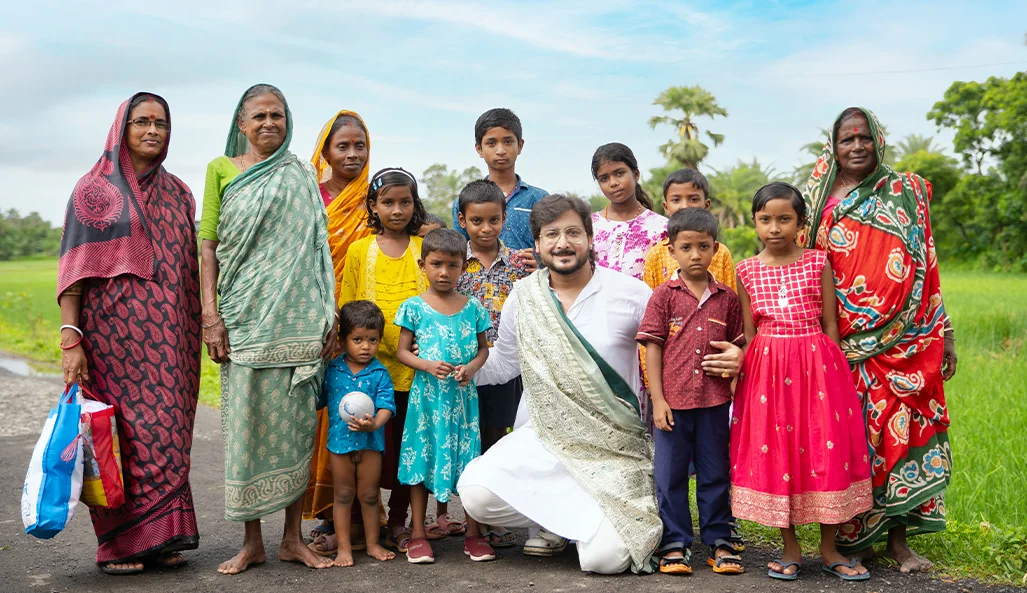
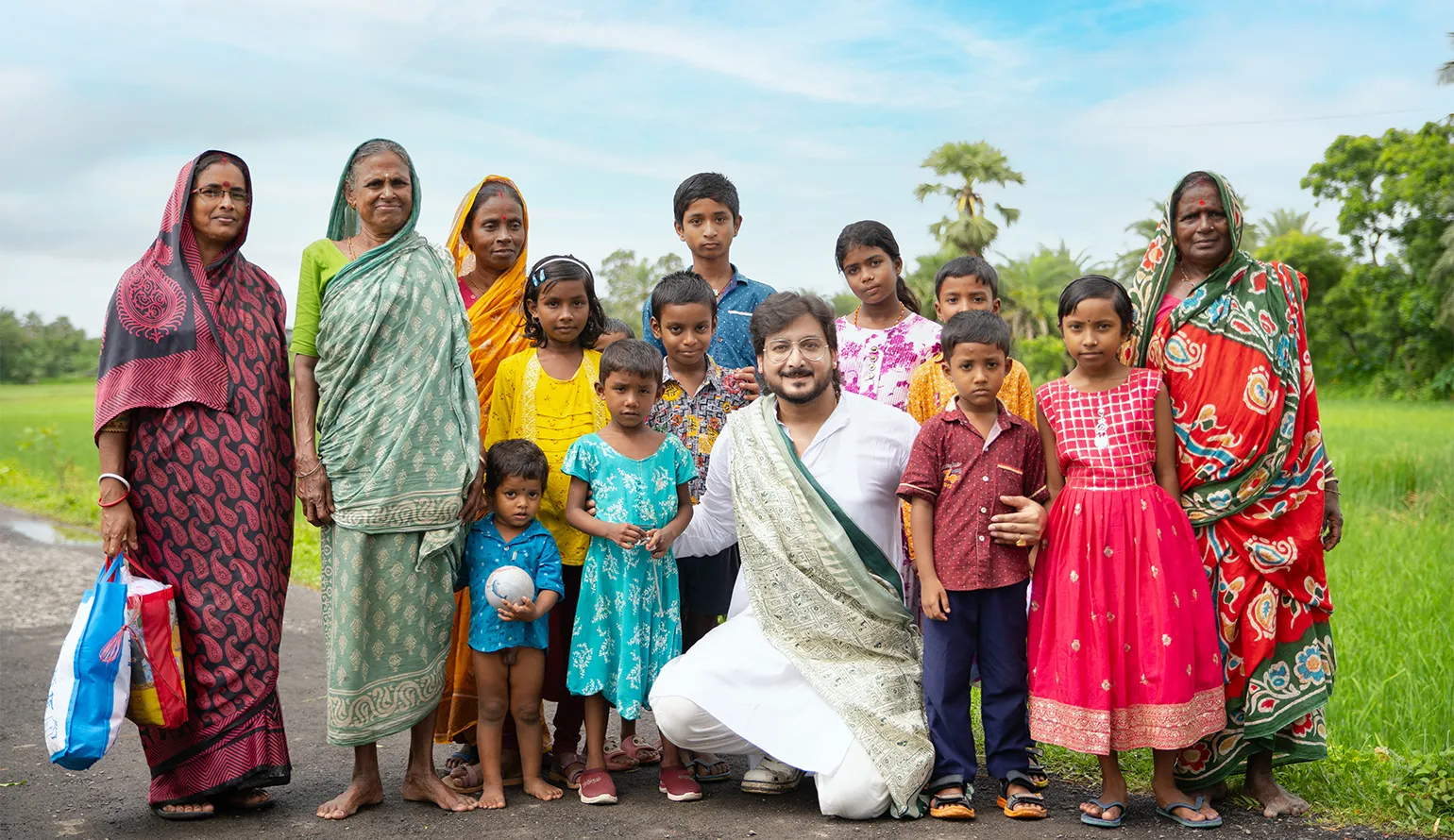
Being a disaster relief NGO in Kolkata, India, means being close to disaster zones. Teams can move quickly into affected areas of West Bengal, including remote Sundarbans islands where access itself is a challenge. Relief work here is not comfortable. Roads disappear. Boats become the only option. Volunteers carry relief kits through knee-deep water. This is not charity from a distance. It is shared risk.
When food becomes the first form of hope
After every cyclone or flood, hunger arrives before rebuilding begins. Stored food is often destroyed. Markets shut down. Prices rise overnight. For families already living close to survival, missing meals becomes immediate. Nabatara Foundation's disaster relief program prioritizes food distribution because hunger weakens everything else.
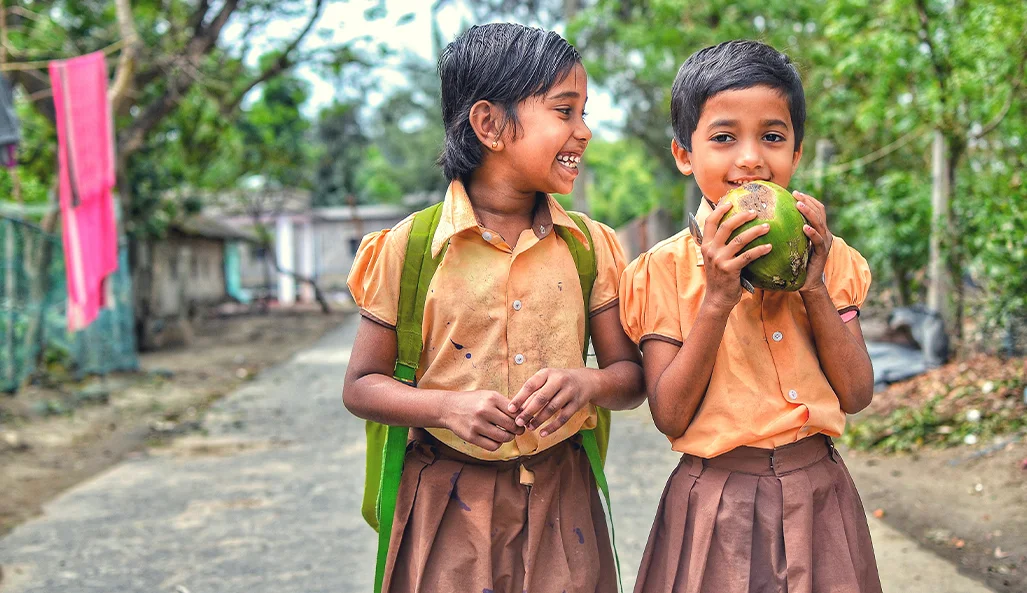
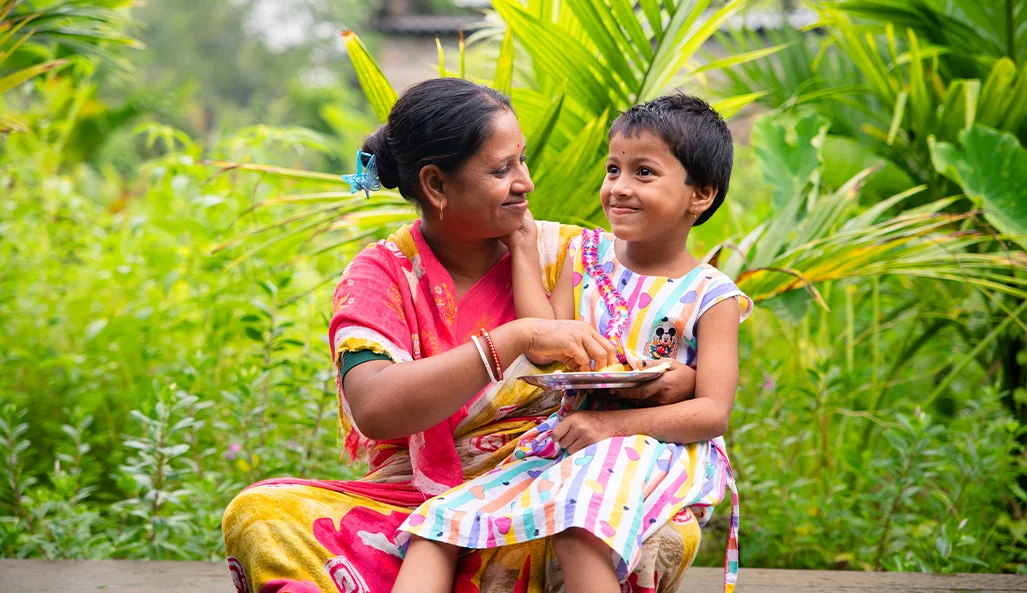
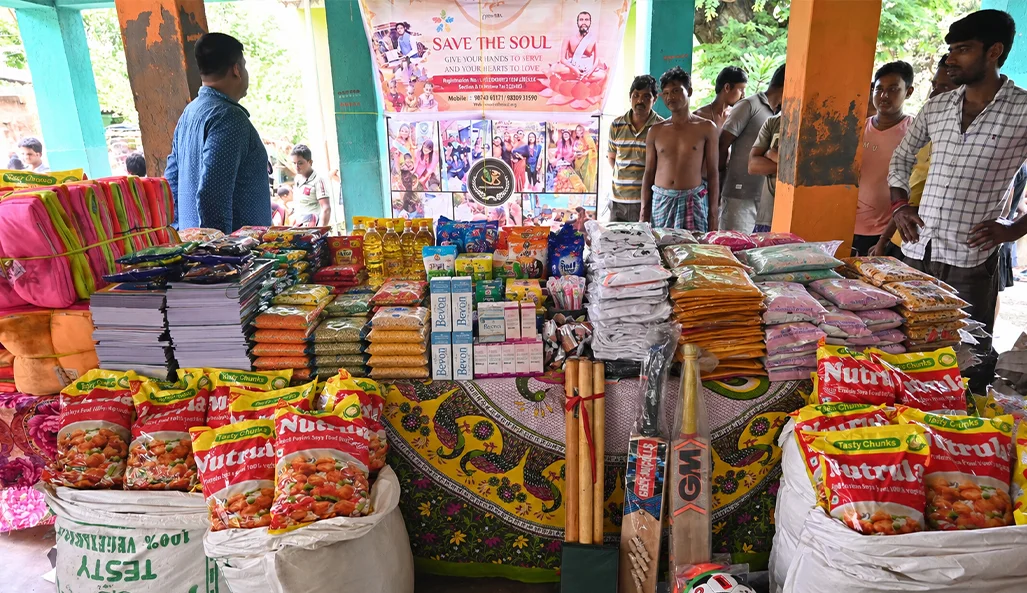
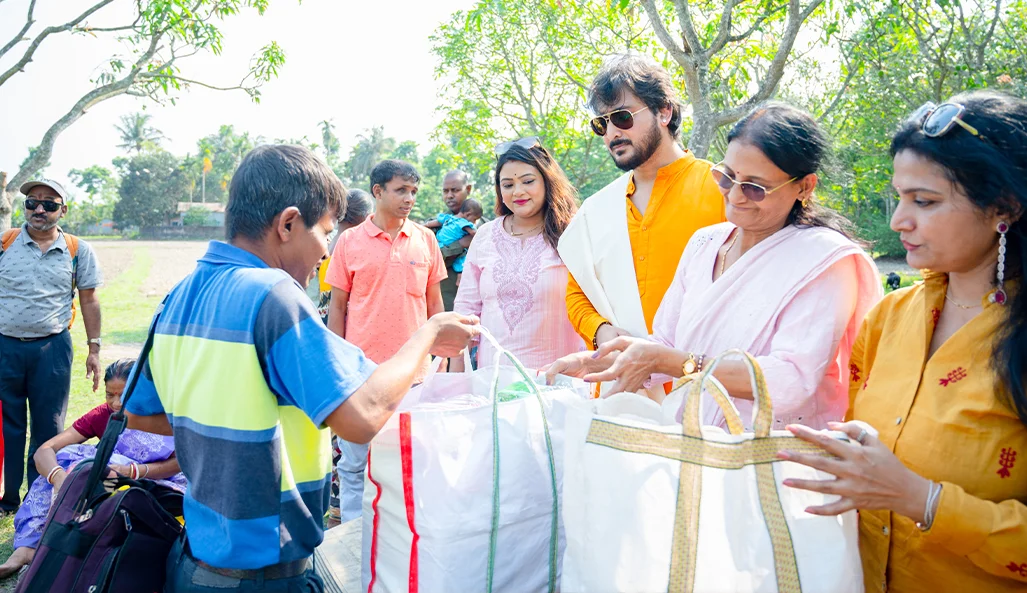
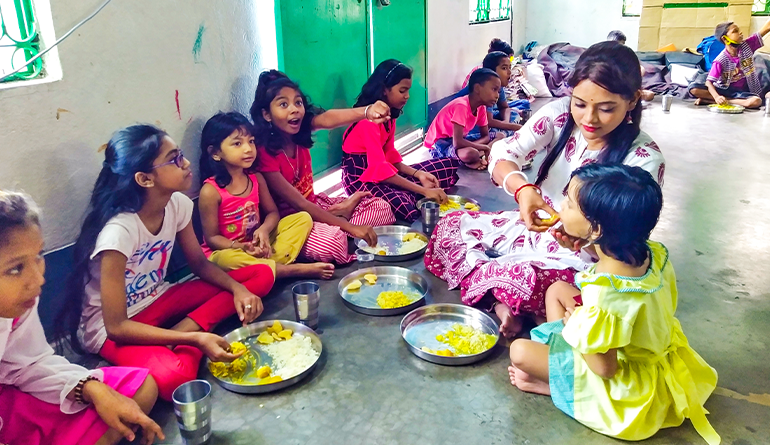
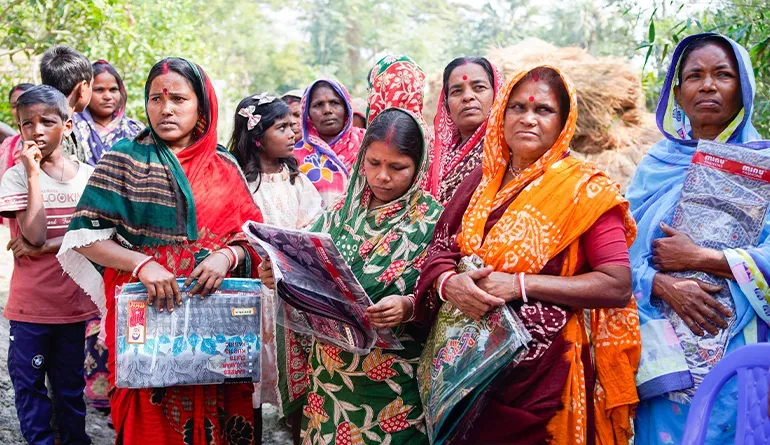
Rice, pulses, oil, dry food, and essential groceries are distributed directly to affected families. Relief kits are designed to last, not just to symbolize help. For children waiting in lines with steel plates, a hot meal becomes reassurance that they have not been forgotten. For mothers cooking again after days reopen kitchens that disasters try to close permanently.
As a disaster relief NGO in Kolkata, India, the foundation understands that food is not just nutrition. It is stability. It allows families to think beyond the next hour.
Clothes, dignity, and the cost of starting over
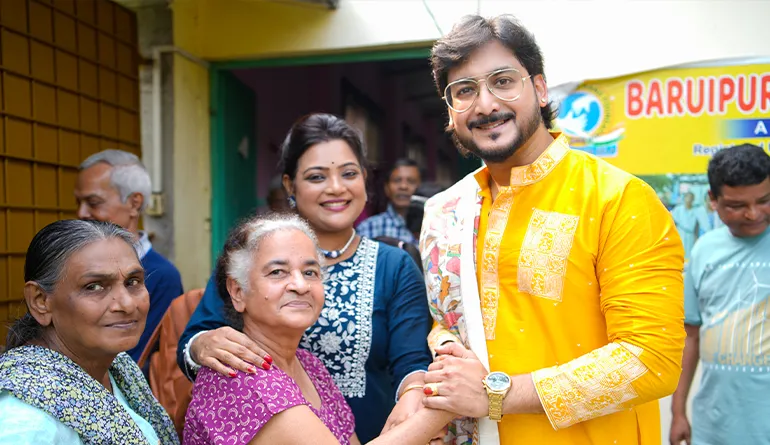
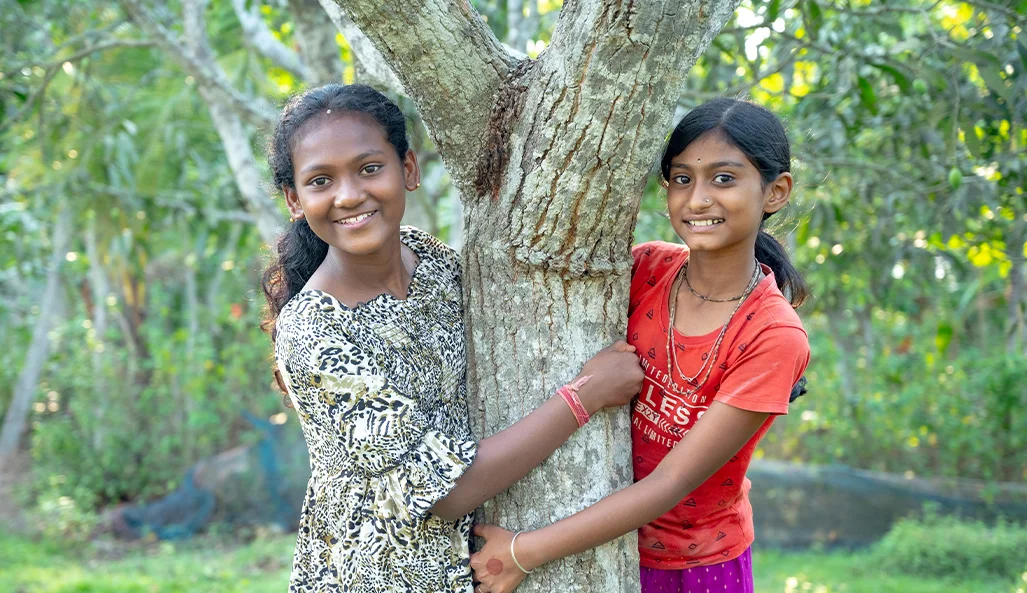
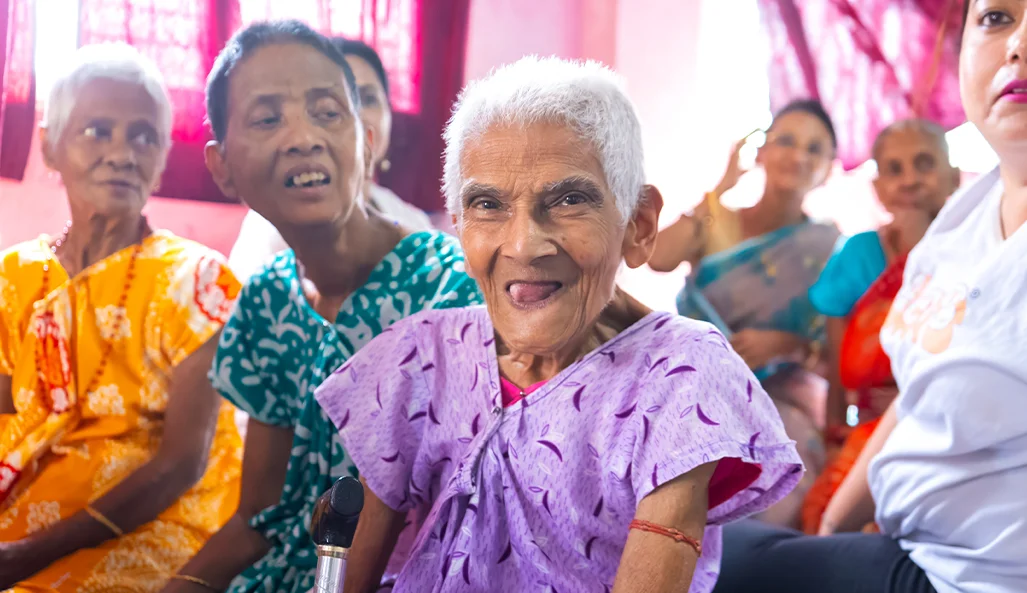
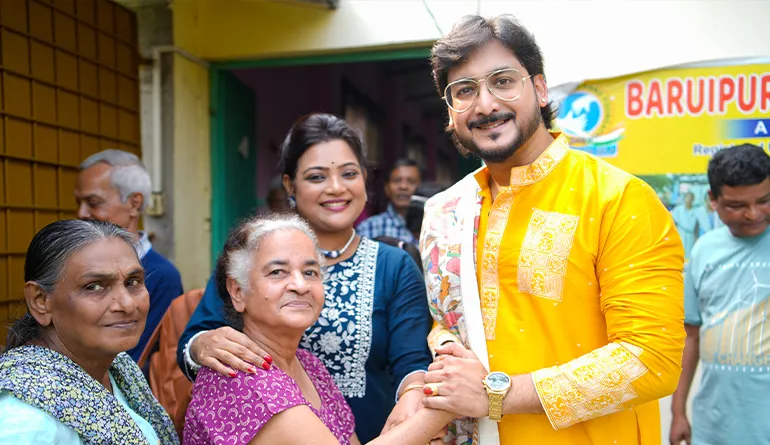
Floods and cyclones do not just destroy homes. They strip people of dignity. Clothes are lost, soaked, or rendered unusable. Children attend relief camps wearing torn garments. Elderly people shiver through nights without blankets. Nabatara Foundation's disaster response includes clothes distribution that respects human dignity.
Fresh garments, blankets, and basic personal items are distributed with care, not haste. Women receive clothing that allows them to move with dignity. Children receive dry clothes that restore comfort. In disaster zones, such details matter deeply. They signal respect.
This attention to dignity is one of the reasons donors identify Nabatara Foundation as a reliable disaster relief NGO in Kolkata, India, that goes beyond surface-level aid.
"Medical camps where disaster meets vulnerability
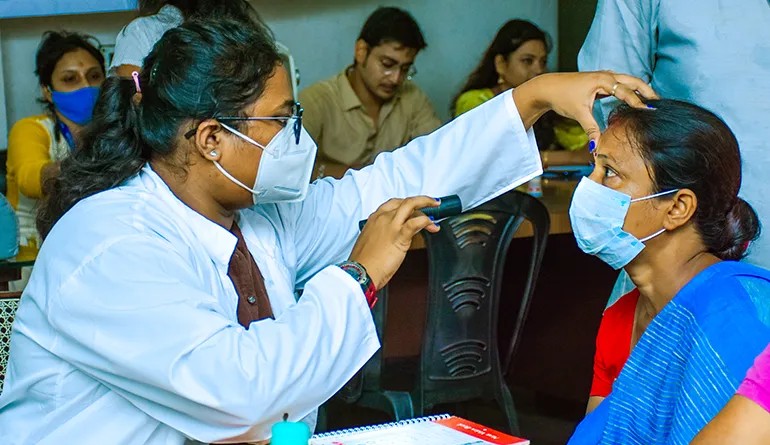
Disasters turn existing health conditions into emergencies. Diabetic patients lose access to medicines. Elderly people develop infections. Children suffer from waterborne diseases. Injuries go untreated because clinics are damaged or unreachable. Medical camps organized by the Nabatara Foundation bring healthcare directly into disaster zones.
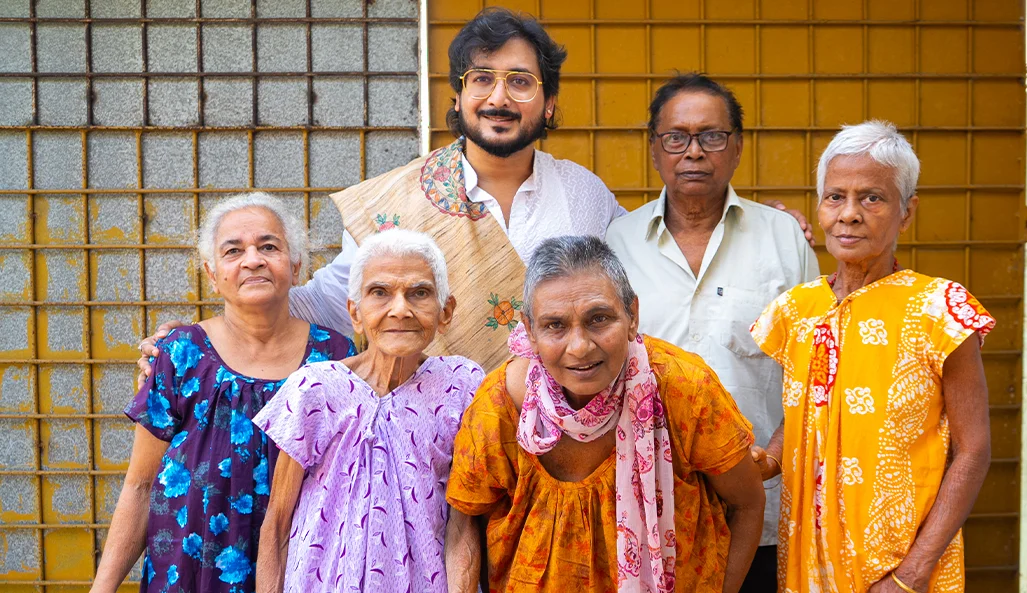
Doctors and medical volunteers set up temporary clinics to treat wounds, infections, fevers, and chronic conditions. Medicines are distributed based on real need. Pregnant women receive attention. Elderly patients receive continuity of care. For many, this is the only medical contact they will have for weeks.
As an emergency relief organization in India, Nabatara Foundation integrates medical support as a core response, not an afterthought.
Hygiene awareness when disease threatens silently
After floodwaters recede, disease risk rises. Contaminated water spreads illness quickly. Hygiene awareness becomes a life-saving intervention. Nabatara Foundation conducts hygiene awareness camps alongside relief distribution. Safe water practices, sanitation habits, and basic health guidance are shared in local languages.
Hygiene kits, including soap, sanitary items, and basic cleaning supplies, are distributed to families. These measures reduce secondary disasters that often follow floods. A disaster relief NGO in Kolkata, India, must think beyond immediate damage to long-term health.
Emotional trauma and the unseen wounds of disaster
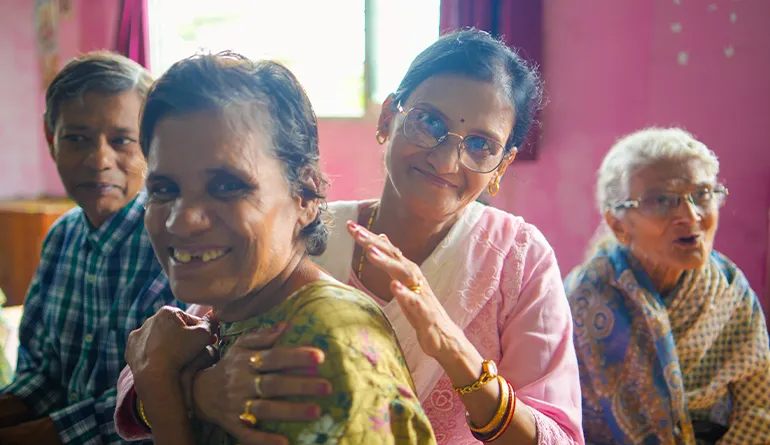
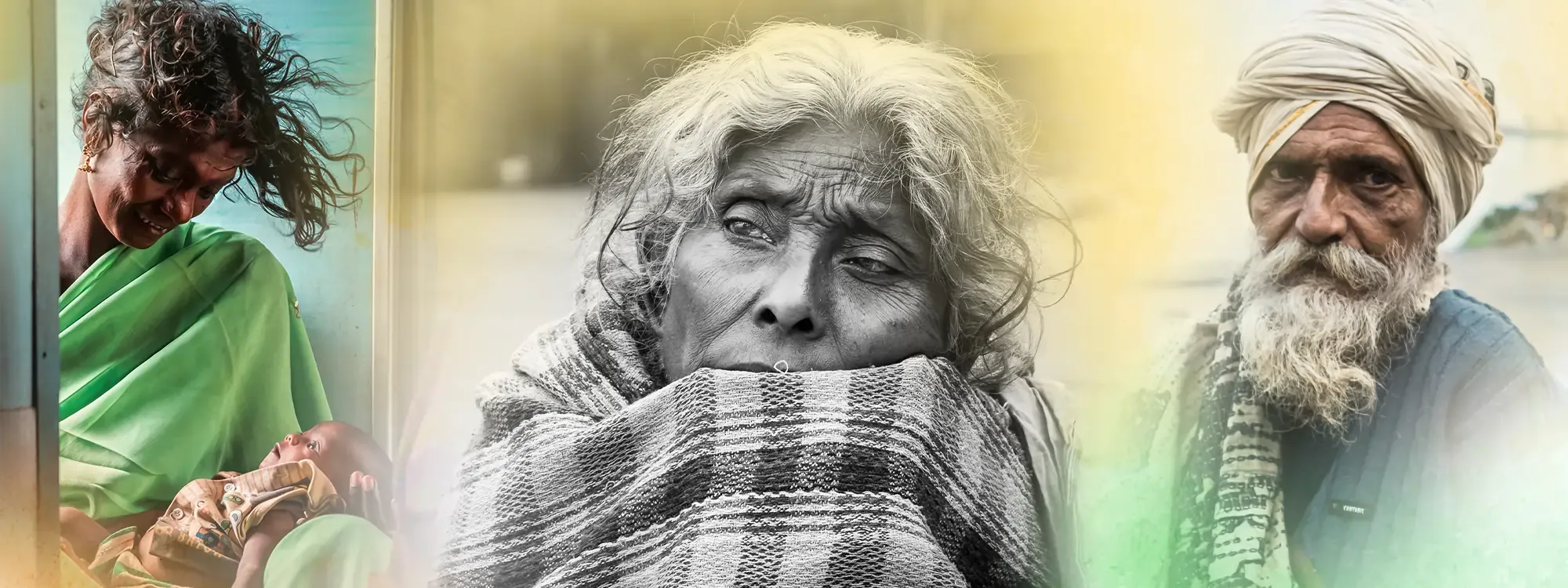
Disaster leaves marks that are not visible. Children wake up crying at night. Elderly people withdraw into silence. Families grieve losses they cannot replace. Counselling sessions organized by the Nabatara Foundation address this emotional aftermath. Volunteers trained in emotional support spend time listening, allowing people to speak without fear of burden.
In regions like the Sundarbans, where disaster is frequent, trauma accumulates. Addressing emotional well-being is essential to real recovery. This human approach sets Nabatara Foundation apart from many humanitarian aid NGOs in India.
Rehabilitation is where relief becomes responsibility.
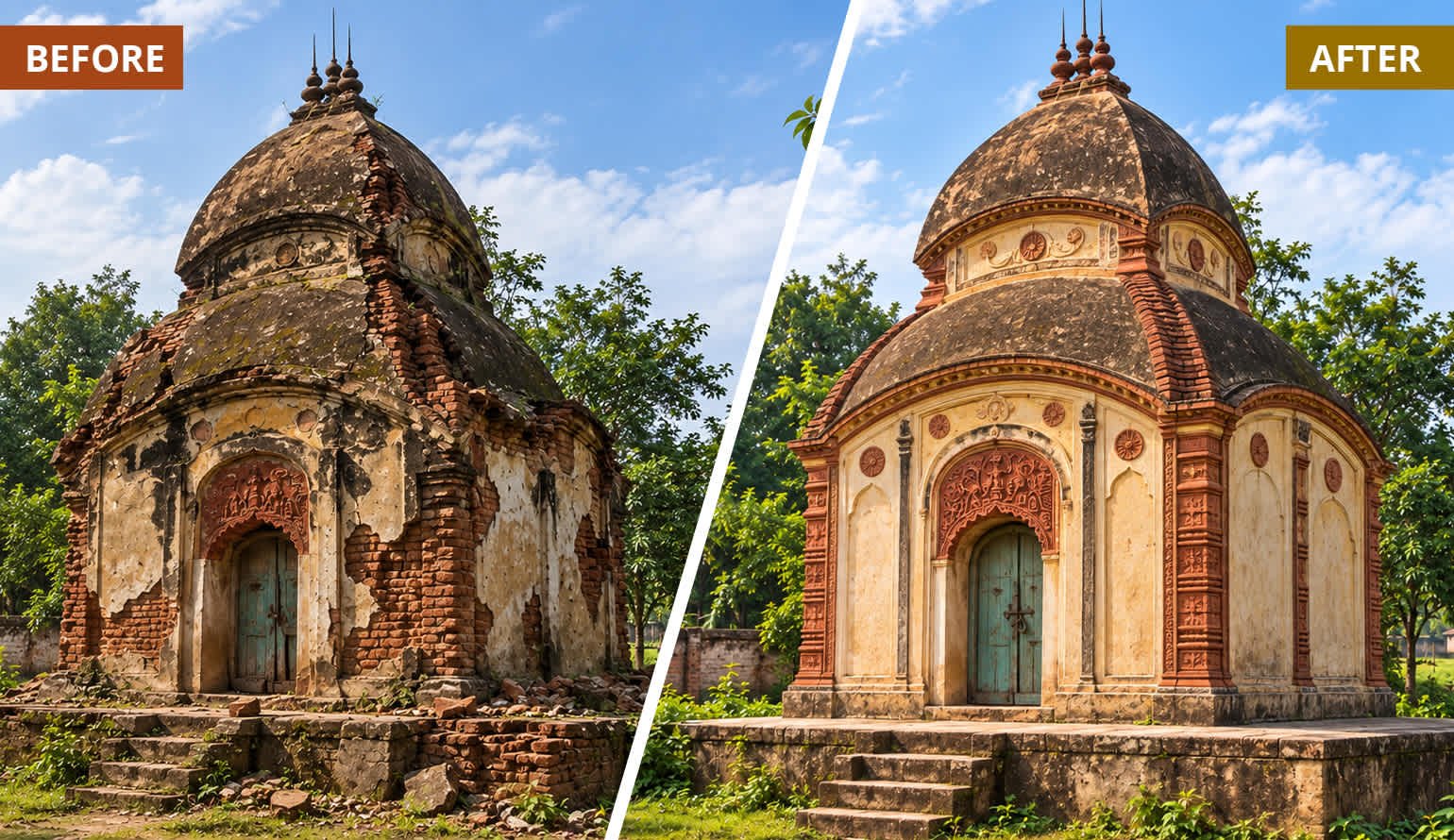
Relief does not end when waters recede. Homes need rebuilding. Livelihoods need restarting. Nabatara Foundation's post-disaster rehabilitation efforts focus on helping families regain stability. Support is extended for rebuilding basic shelter, replacing essential household items, and reconnecting communities to local support systems.
As a disaster relief NGO in Kolkata, India, the foundation recognizes that long-term presence builds trust. Communities know that help does not disappear after photographs fade.
Why does Sundarbans demand specialized disaster response?
The Sundarbans region faces unique challenges. Riverine geography, fragile embankments, and limited infrastructure make relief operations complex. Cyclones here are not just storms; they are life-altering events. Nabatara Foundation has developed field experience navigating these challenges, working with local volunteers who understand terrain and timing.
Being recognized as a disaster relief NGO, Sundarbans communities' trust comes from repeated presence, not announcements.
Transparency that reassures global donors
Global donors seek assurance that their support reaches real people. Nabatara Foundation's MCA registration, Section 8 compliance, and clear documentation provide that assurance. Financial transparency, field reporting, and impact updates are part of the organization's commitment.
Donors supporting this disaster relief NGO in Kolkata, India, are not funding abstraction. They are funding food in hands, medicines in shelters, and relief kits carried through flooded paths.
Volunteers who choose discomfort over distance
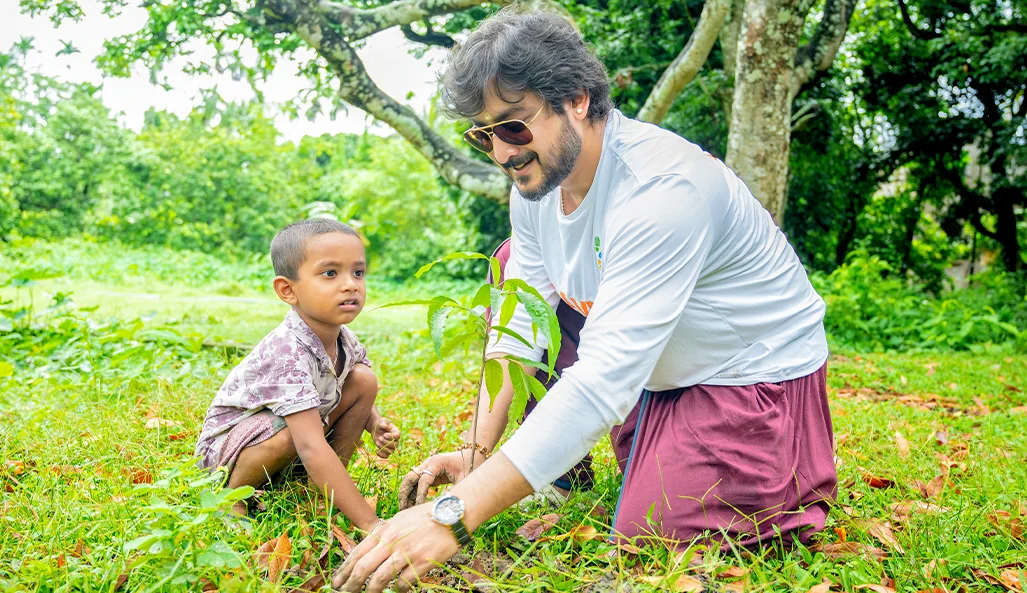
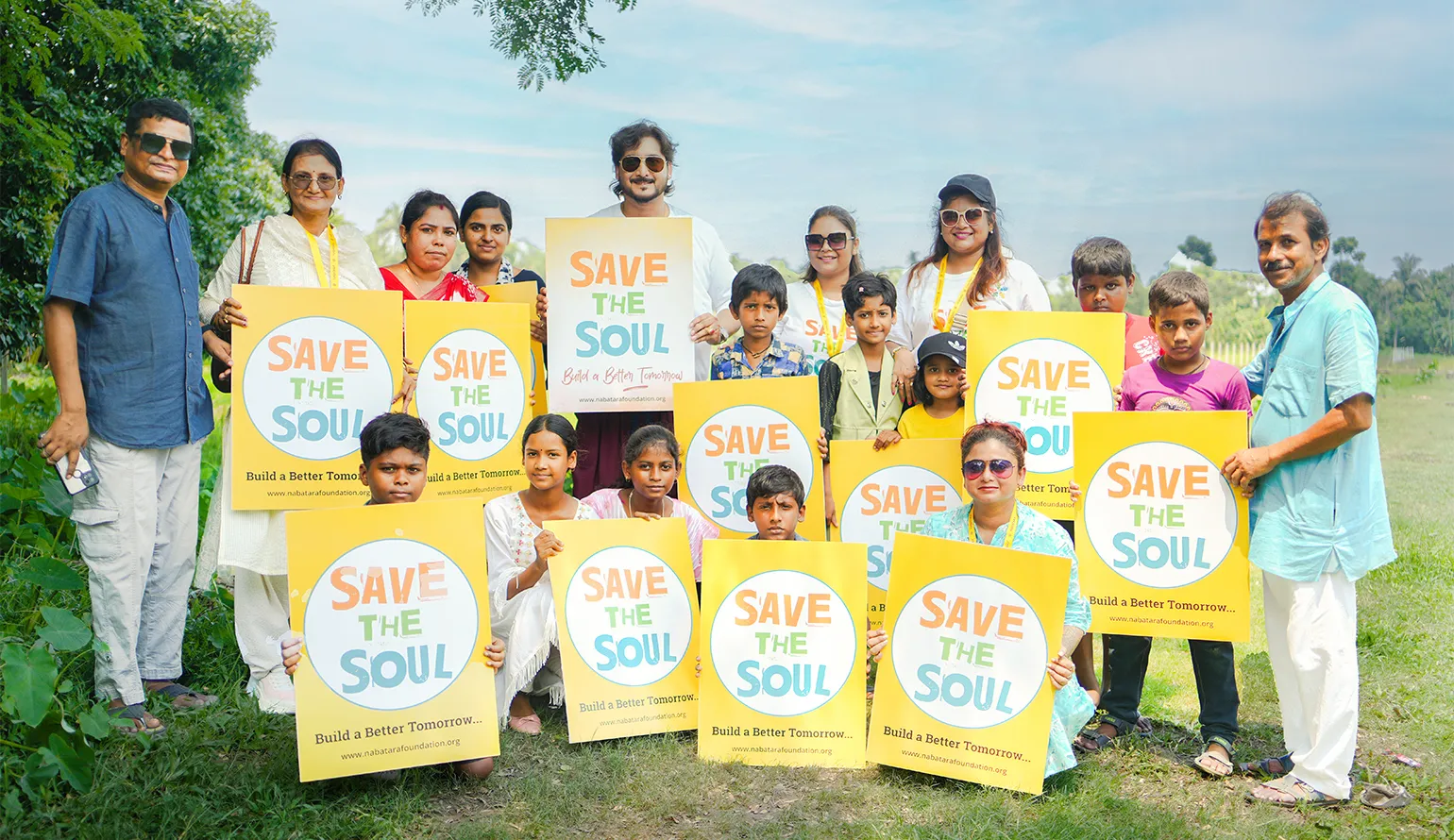
Volunteers are the backbone of disaster response. Students, professionals, and local residents step into difficult conditions to serve. Carrying supplies through waterlogged roads, assisting in medical camps, and supporting logistics requires resilience. Nabatara Foundation provides training and coordination so volunteers can contribute meaningfully and safely.
For those seeking to volunteer disaster relief India initiatives, this program offers real field engagement.
Corporate partnerships that create measurable relief
Corporate CSR partners looking to support flood relief NGO West Bengal efforts find alignment with Nabatara Foundation's structured yet human approach. CSR funds support large-scale relief kits, medical camps, hygiene programs, and rehabilitation efforts. Impact reporting ensures accountability.
Partnership here is not branding. It is shared responsibility.
A call to those who cannot look away
Disaster does not ask permission. It arrives. What matters is who arrives with it. Supporting a disaster relief NGO in Kolkata, India, is a decision to stand with families when the ground disappears under their feet.
Donating helps feed children waiting for meals. It helps elderly people access medicines. It helps women rebuild homes with dignity. Volunteering places human presence where fear once stood.
Nabatara Foundation—Save The Soul continues this work quietly, persistently, and with respect for those it serves. Global partners, donors, and volunteers are invited not to observe but to participate.
Because when disaster strikes, response is not optional. It is human.