
Programme Overview
Across the vibrant and spiritually rich tapestry of India, there exist countless sacred spaces that once served as the beating heart of their communities. Today, many of these ancient structures stand neglected, their crumbling stones and fading murals whispering stories of a glorious past that is slowly being erased by time and neglect. The preservation of these sites is not merely an architectural endeavor; it is a profound moral imperative to protect the cultural and spiritual identity of future generations. When a temple falls into disrepair, a community loses its primary gathering place, its center for cultural transmission, and its sanctuary for peace and reflection. This is the silent crisis we are addressing with urgency and deep reverence.
As a dedicated temple restoration NGO in India, Nabatara Foundation has made it our solemn duty to intervene where others have looked away. We believe that every sacred space, whether dedicated to Maa Shakti, Lord Shiva, Shri Krishna, or other divine manifestations, holds an irreplaceable value that transcends mere brick and mortar. These are living entities of faith, repositories of ancient wisdom, and vital anchors for community well-being. Our mission is to breathe new life into these deteriorating structures, ensuring they remain vibrant centers of worship, learning, and social cohesion for decades to come.
By engaging with this page, you are taking the first step toward understanding a movement that bridges the gap between ancient tradition and modern humanitarian action. You will discover how the careful, respectful restoration of a single temple can catalyze widespread social upliftment, create local livelihoods, and restore a profound sense of dignity to marginalized communities. We invite you to explore the depth of our work, understand the meticulous processes we employ, and see how your alignment with our values can help preserve India's spiritual heritage for eternity.
The Reality We Witness Every Day
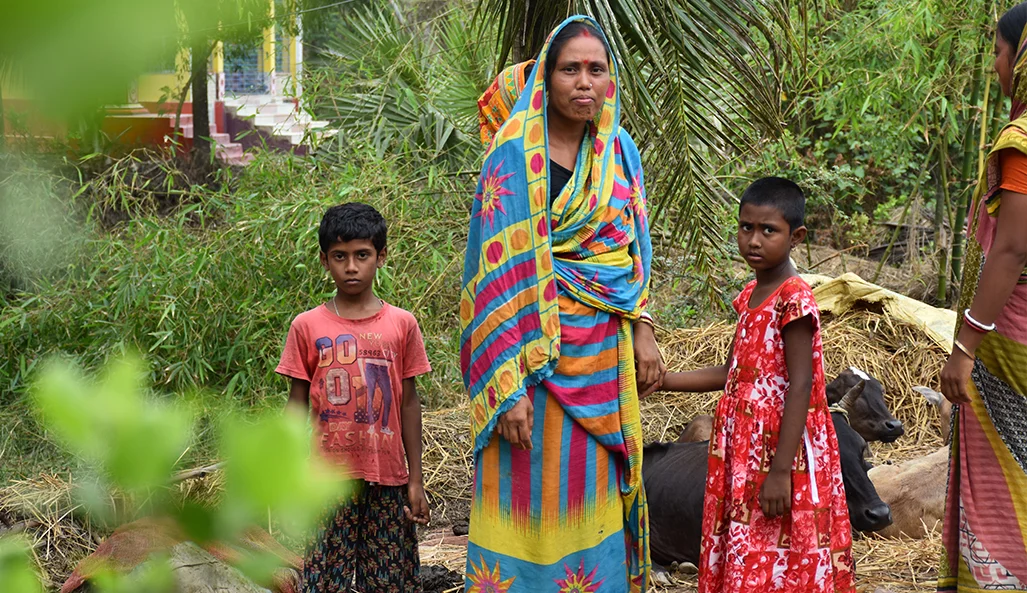
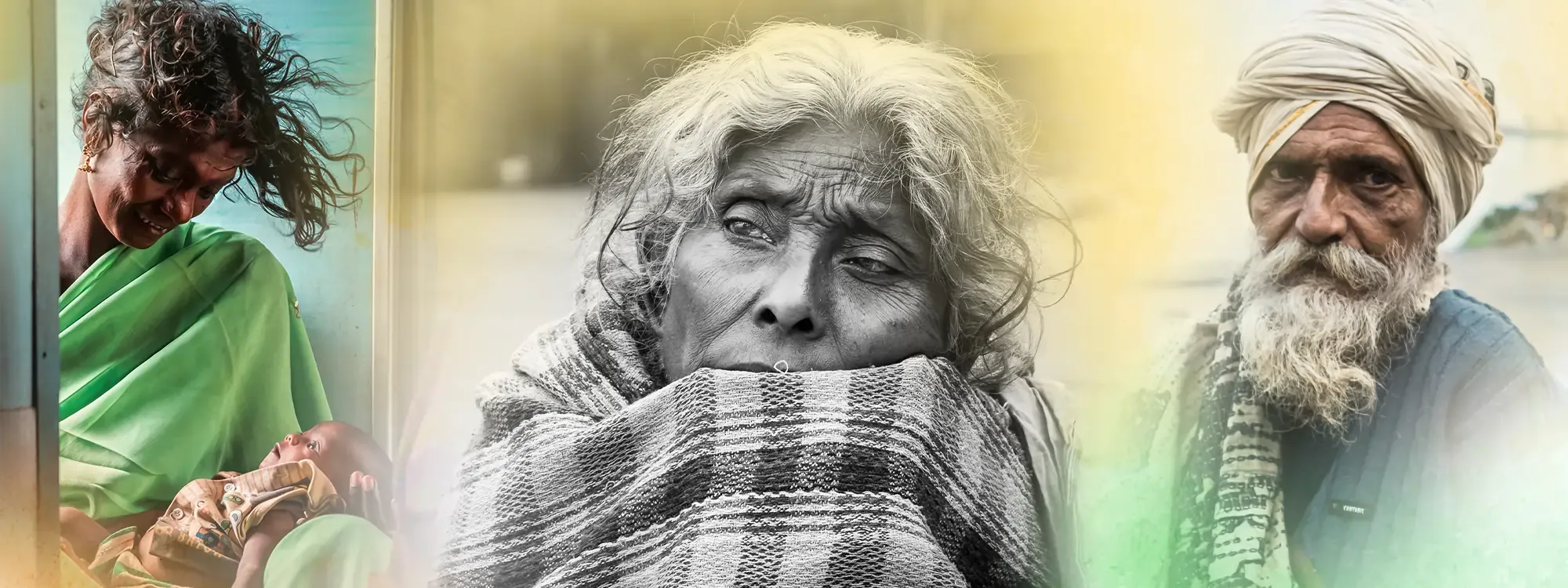
In the quiet outskirts of Kolkata and the rural expanses of West Bengal, India, a quiet tragedy unfolds daily, largely unseen by the bustling modern world. We witness elderly devotees, their bodies frail and movements slow, making arduous journeys on foot to reach ancestral shrines that are slowly succumbing to the elements. They arrive to find cracked sanctum sanctorums, roofs that leak during the monsoon, and courtyards overgrown with weeds. For these individuals, the temple is not just a place of worship; it is their primary source of solace, their connection to their ancestors, and their only refuge from the hardships of daily life. When these spaces deteriorate, it inflicts a deep, invisible wound on their spiritual and emotional well-being.
The struggle faced by these communities is multifaceted. As temples fall into disrepair, the traditional rituals and daily pujas that have sustained cultural continuity for centuries are abruptly halted. Local priests, who rely on these spaces for their livelihood and spiritual duty, are forced to abandon their posts, leading to a loss of traditional knowledge and economic instability for their families. Furthermore, the physical deterioration of these structures poses genuine safety hazards to the villagers, particularly children and the elderly, who might seek shelter within their walls. The loss of these sacred spaces creates a vacuum, leaving communities fragmented and devoid of their traditional center for conflict resolution, celebration, and mutual support.
This issue exists due to a complex interplay of urban migration, lack of dedicated maintenance funds, and the sheer passage of time outpacing the capacity of small, local communities to manage large, historical structures. Many of these temples were built generations ago by local patrons whose descendants have since moved away, leaving the structures orphaned and vulnerable. The burden of preservation should not fall solely on the shoulders of impoverished villagers who are already struggling to meet their basic needs. It requires organized, compassionate, and expert intervention.
This is precisely where Nabatara Foundation steps in. Founded on the principle that spiritual heritage is a fundamental human right, we have dedicated our resources and expertise to reversing this decline. Under the compassionate and visionary leadership of Gaurav Tribedi, we have positioned ourselves as a trusted temple restoration NGO in India, actively working on the ground in Kolkata, West Bengal, and surrounding regions. We do not merely observe this decay; we actively combat it. We engage with local communities, assess the structural integrity of these sacred sites, and mobilize the necessary resources to restore them to their former glory. Our presence brings hope, demonstrating to these communities that their heritage is valued, their faith is respected, and their sacred spaces will be protected for their children and grandchildren.
Our Commitment to This Mission
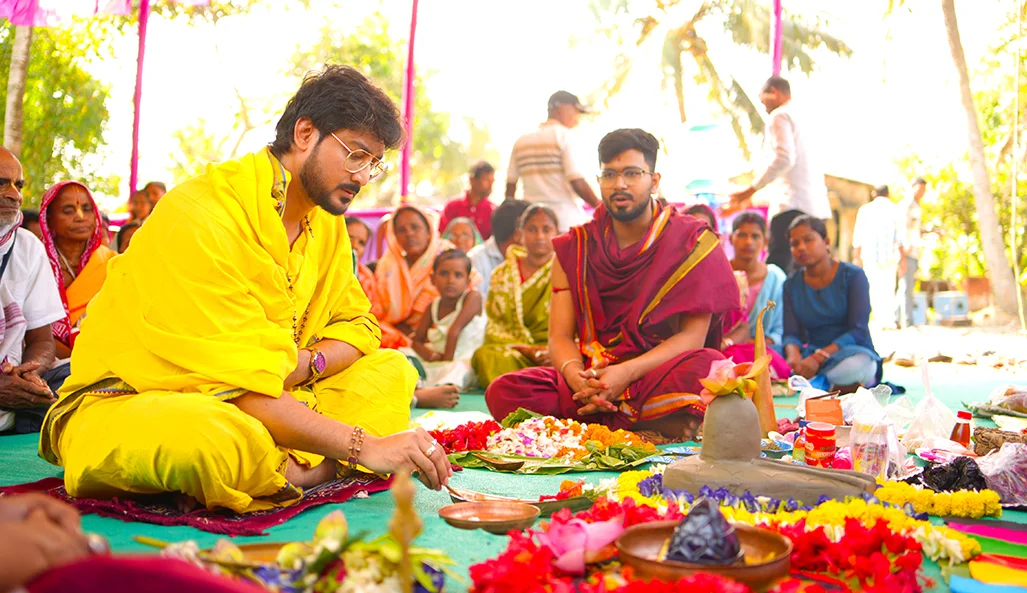
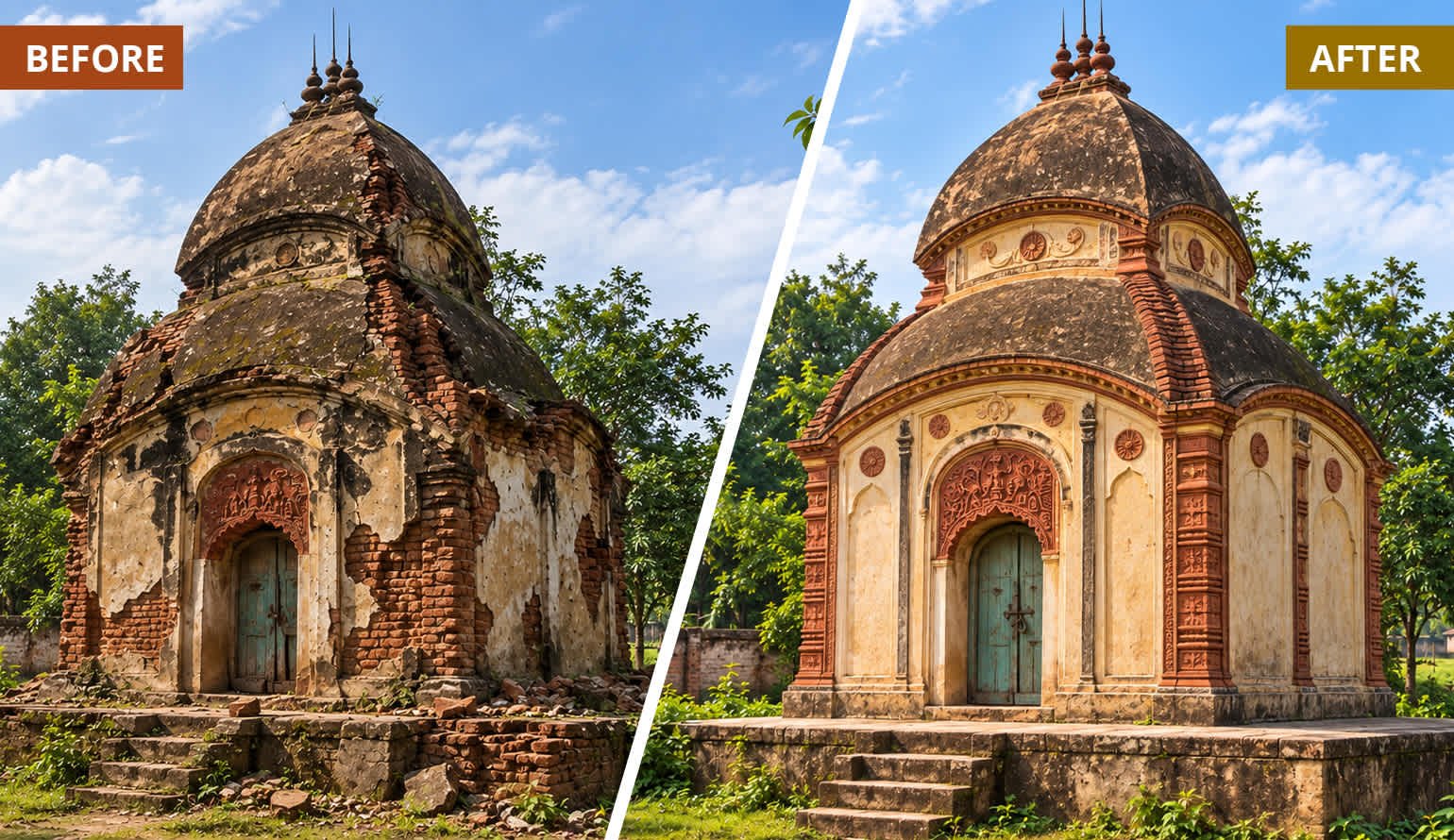
Our commitment to the Temple Building and Restoration program is absolute, rooted in a deep understanding that true preservation requires a holistic, community-centric approach. Nabatara Foundation does not simply fund construction; we orchestrate a comprehensive revival of the sacred space and the community that surrounds it. Our operations are meticulously designed to ensure that every intervention is culturally sensitive, structurally sound, and legally compliant. When we identify a neglected temple, our first step is a thorough structural and historical assessment conducted in partnership with heritage conservation experts and local artisans. This ensures that the restoration respects the original architectural integrity and traditional building methods of the region.
Community participation is the cornerstone of our methodology. We believe that a temple cannot be truly restored if the local community is not actively involved in its revival. We establish local temple management committees, comprising respected elders, devoted volunteers, and local leaders, who are trained in the basics of heritage maintenance and sustainable management. This empowers the community to take ownership of their sacred space, ensuring its longevity long after our direct involvement has concluded. Volunteers play a crucial role in this ecosystem, contributing their time and skills in everything from organising community clean-up drives to assisting in the documentation of historical artefacts and managing daily spiritual activities.
The selection of beneficiaries, whether they are specific temple communities or individuals seeking to donate land for new spiritual centers, is governed by strict, transparent criteria. We prioritize sites that serve the most vulnerable populations and have the highest potential for positive community impact. Every potential land donation for the development of new temples dedicated to Maa Shakti, Lord Shiva, or Shri Krishna undergoes rigorous legal verification, environmental feasibility studies, and community consultation. We ensure that all documentation is flawless and that the transfer of responsibility is conducted with the utmost ethical standards, protecting both the donor and the future of the site.
Transparency is non-negotiable at Nabatara Foundation. We maintain open books and provide regular, detailed impact reports to our donors, partners, and the communities we serve. Every rupee contributed is tracked and allocated with precision, ensuring that funds are directed toward high-quality materials, fair wages for local craftsmen, and the establishment of sustainable maintenance funds. This measurable impact is evident in the restored structures themselves, the revived daily pujas, and the renewed sense of pride within the community. Our long-term commitment means we do not abandon a site once the restoration is complete; we continue to support the community through spiritual programming, capacity building, and ongoing maintenance guidance, ensuring the sacred space thrives for generations.
Our Ground-Level Initiatives
Our work extends far beyond the physical act of laying bricks. We recognize that a restored temple must serve as a catalyst for comprehensive community development. To achieve this, Nabatara Foundation has integrated a wide array of ground-level initiatives that operate in harmony with our spiritual preservation goals.
Awareness Programmes: We conduct extensive educational campaigns in schools, colleges, and village councils to highlight the historical, architectural, and cultural significance of local temples. By educating the younger generation about their heritage, we cultivate a new wave of guardians who understand the value of preservation and are motivated to protect their ancestral legacy.
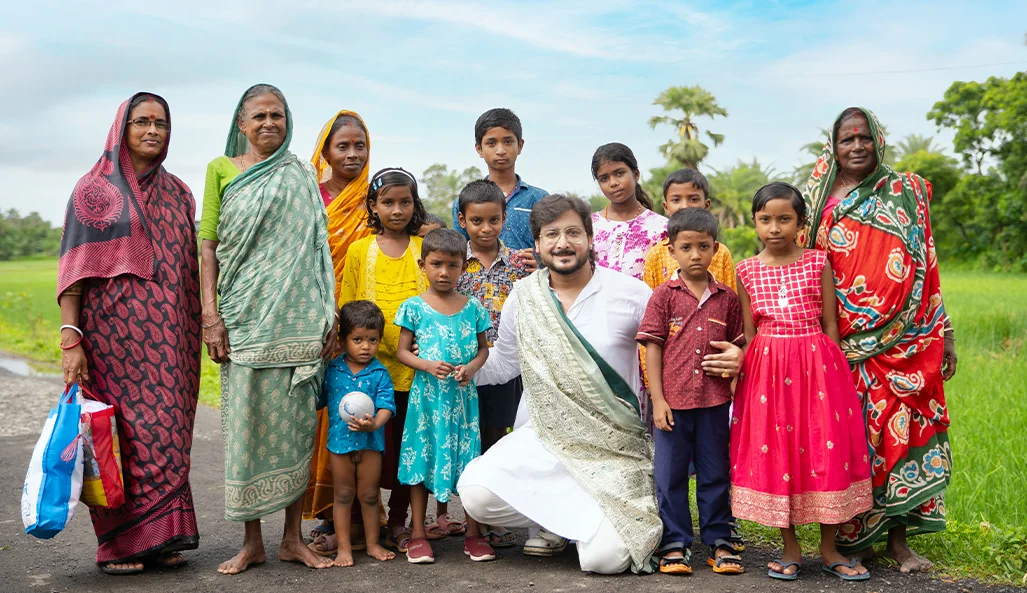
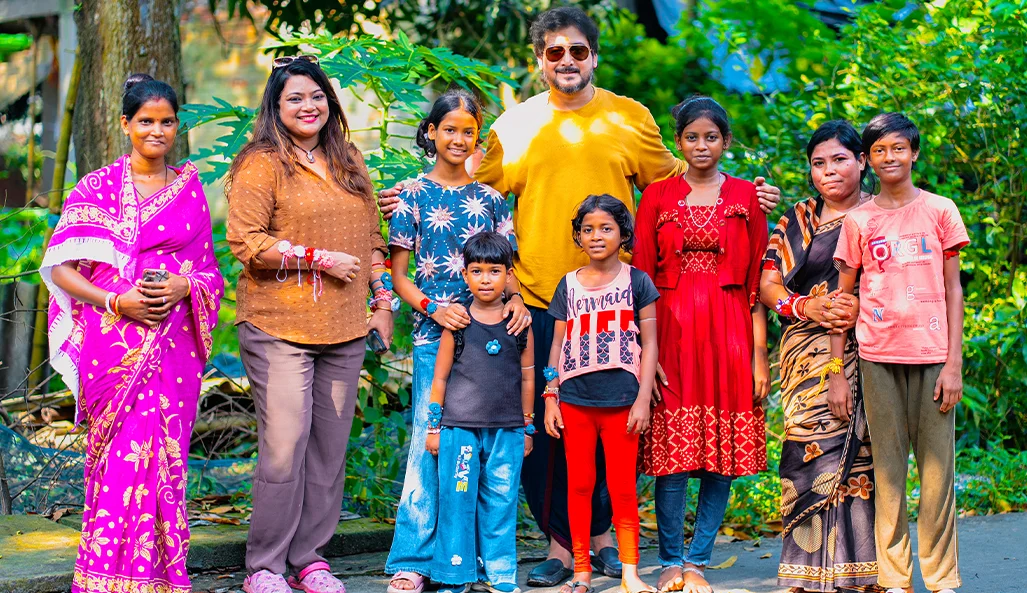
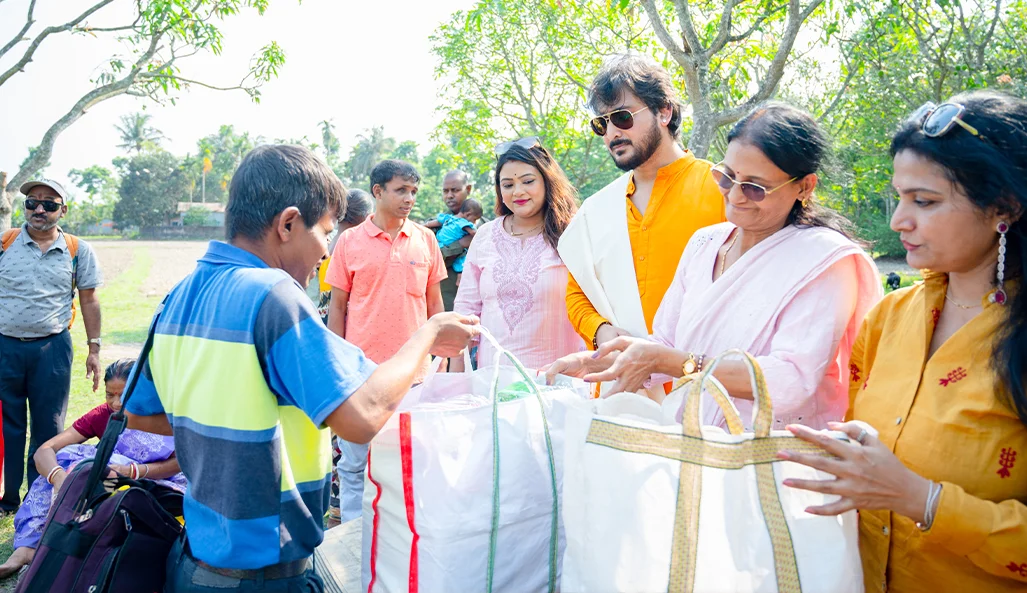
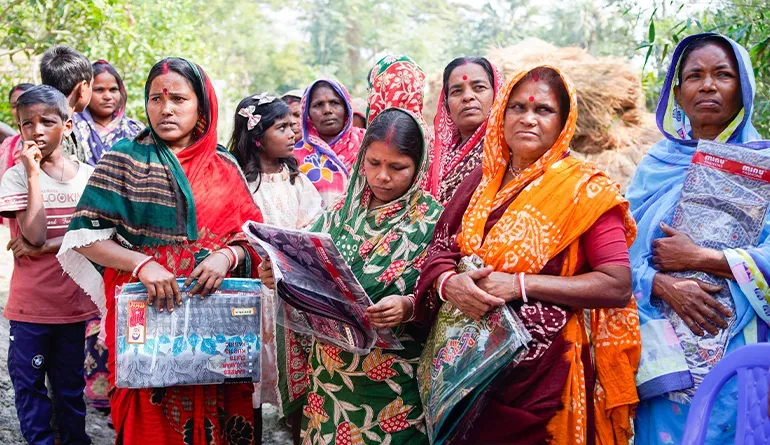
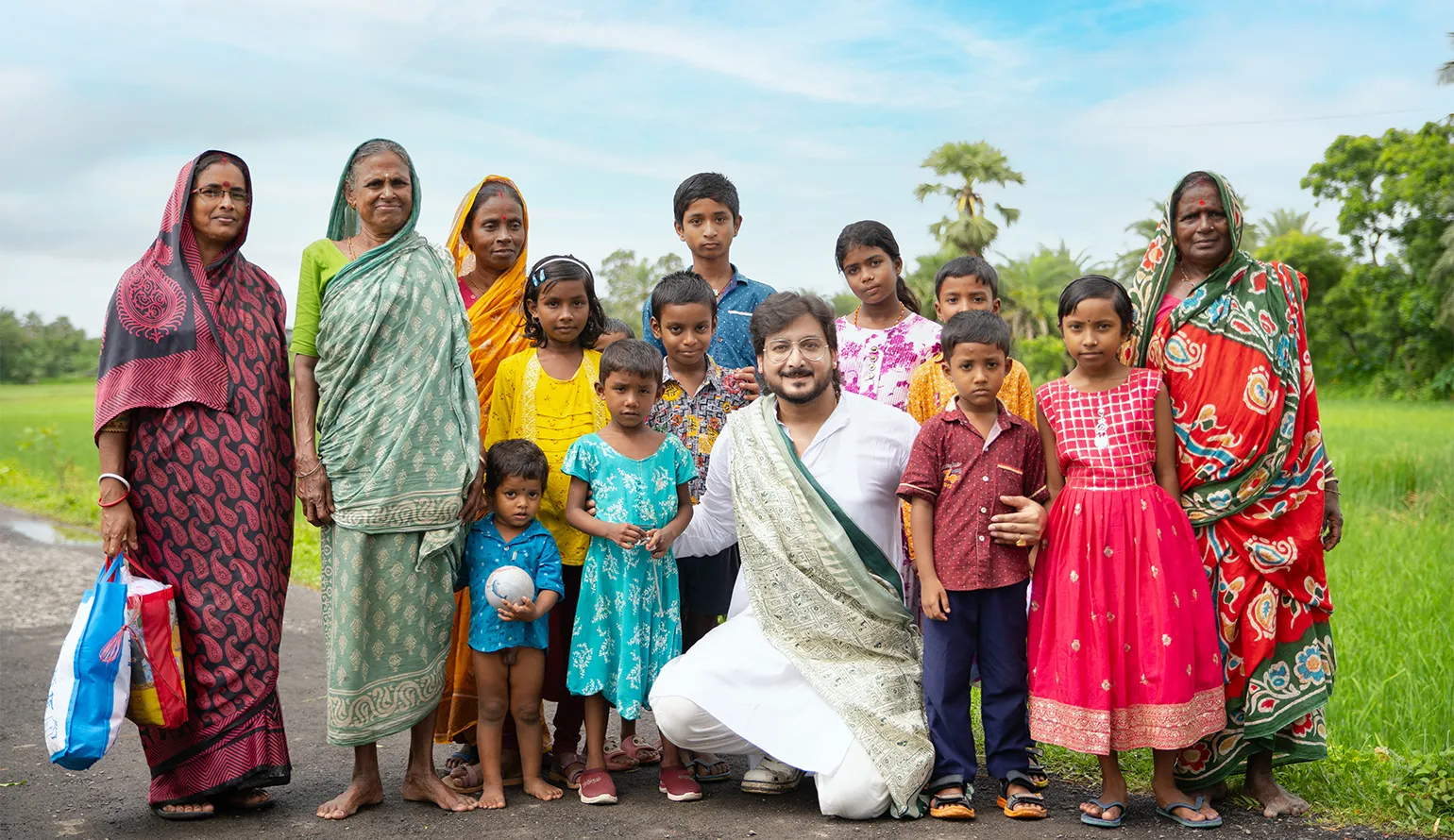
Community Outreach: Our dedicated outreach teams maintain a constant, compassionate presence in rural and semi-urban areas. We listen to the needs of the villagers, understand their specific challenges regarding temple upkeep, and tailor our support to address those unique requirements, building deep, trusting relationships over time.
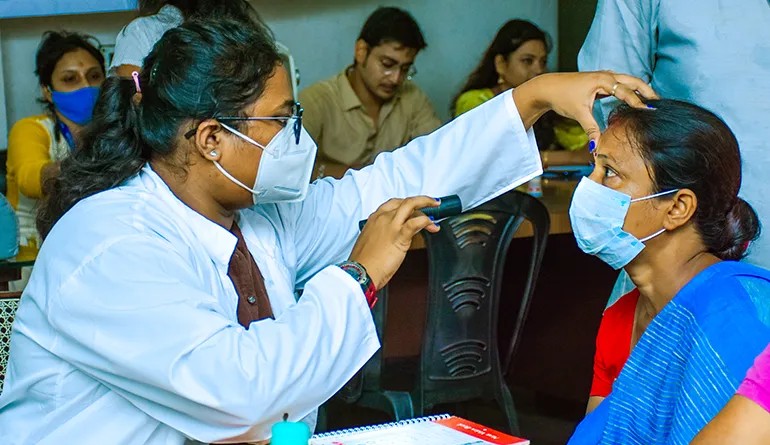
Medical Support: Recognizing that physical well-being is foundational to spiritual practice, we regularly organize free medical and health camps within the premises of restored temples. These camps provide essential healthcare services, check-ups, and medicines to elderly devotees and underprivileged community members who might otherwise lack access to medical facilities.
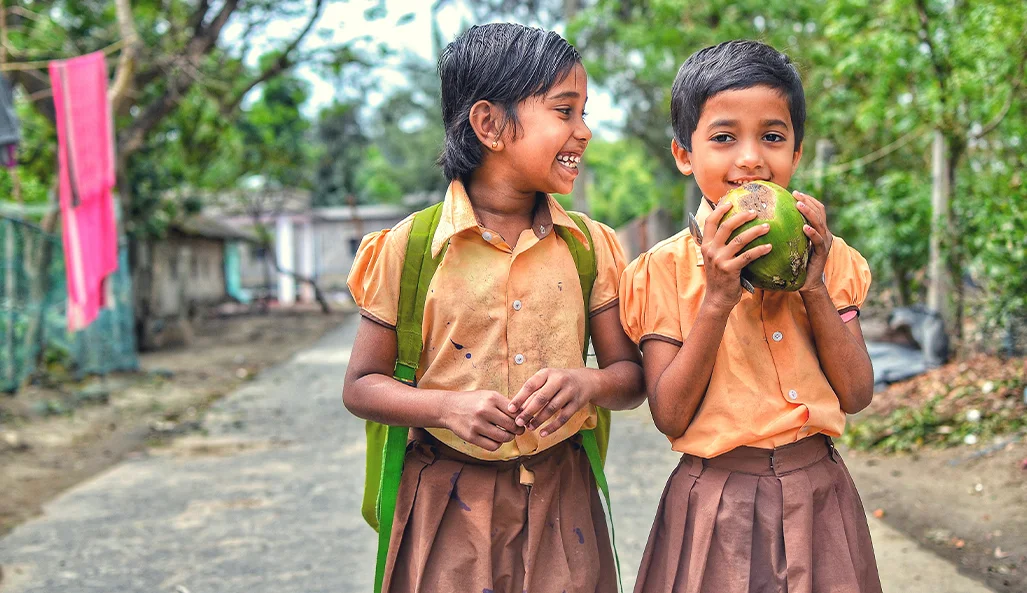
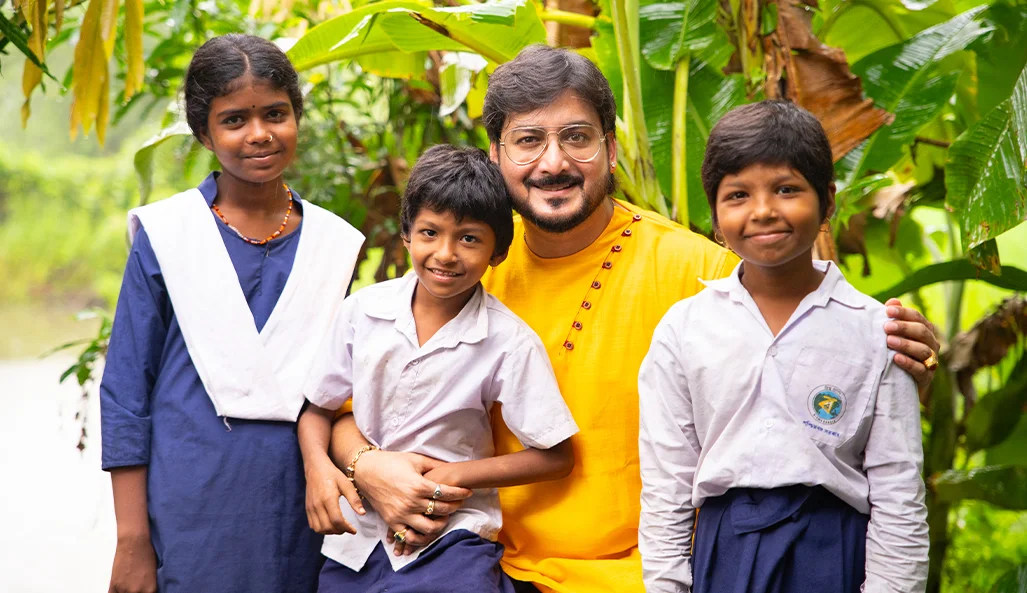
Educational Support: We are actively reviving the traditional Gurukul system by supporting educational initiatives near restored temple complexes. This includes providing resources for Vedic learning, Sanskrit education, and value-based schooling, ensuring that ancient wisdom is passed down to children in an environment steeped in cultural reverence.
Skill Development: Temple restoration provides a unique opportunity for economic empowerment. We identify and train local youth and artisans in traditional construction techniques, stone carving, woodwork, and mural painting. This skill development not only aids in the restoration process but also equips individuals with marketable skills for sustainable livelihoods.
Livelihood Support: We help create micro-enterprises around temple tourism and local crafts. By supporting women's self-help groups in producing and selling traditional items, flowers, and prasad, we generate a steady, dignified income stream for families, directly linking spiritual preservation with economic stability.
Relief Activities: In times of natural calamity, sturdy temple complexes often serve as the safest and most accessible shelters. We work to ensure that our restored temples are equipped to function as emergency relief centers, providing safe refuge, food, and basic necessities to displaced individuals during crises.
Counselling: The modern world brings immense psychological stress. We integrate traditional spiritual counselling with modern mental health support, offering a safe space within temple premises where individuals can seek guidance, find emotional relief, and reconnect with their inner peace through established spiritual practices.
Rehabilitation: For marginalized individuals or those displaced by societal changes, we facilitate their integration into the temple community. By involving them in the daily operations, maintenance, and management of the sacred space, we provide them with a renewed sense of purpose, belonging, and social dignity.
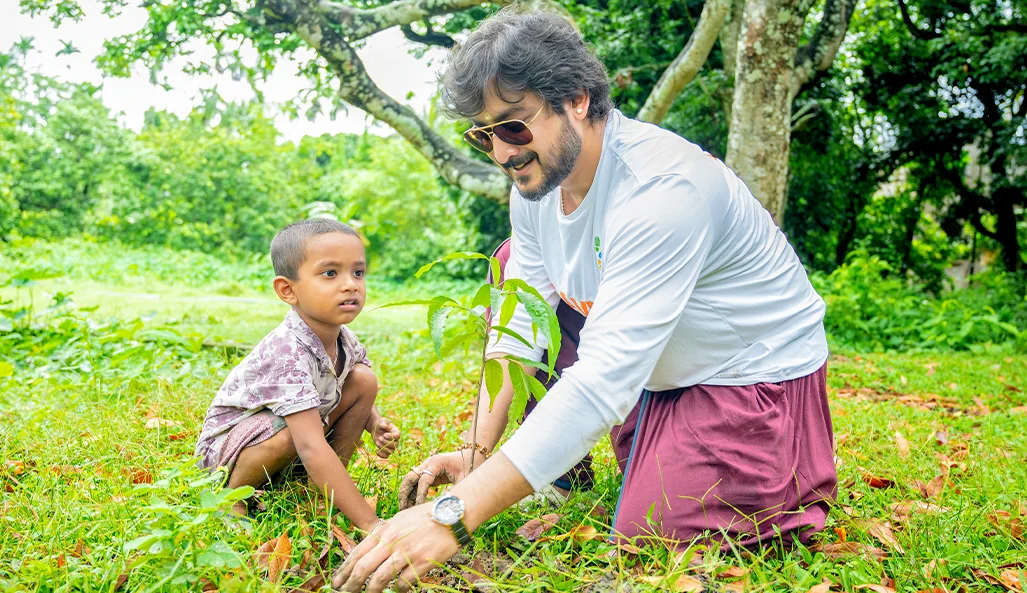
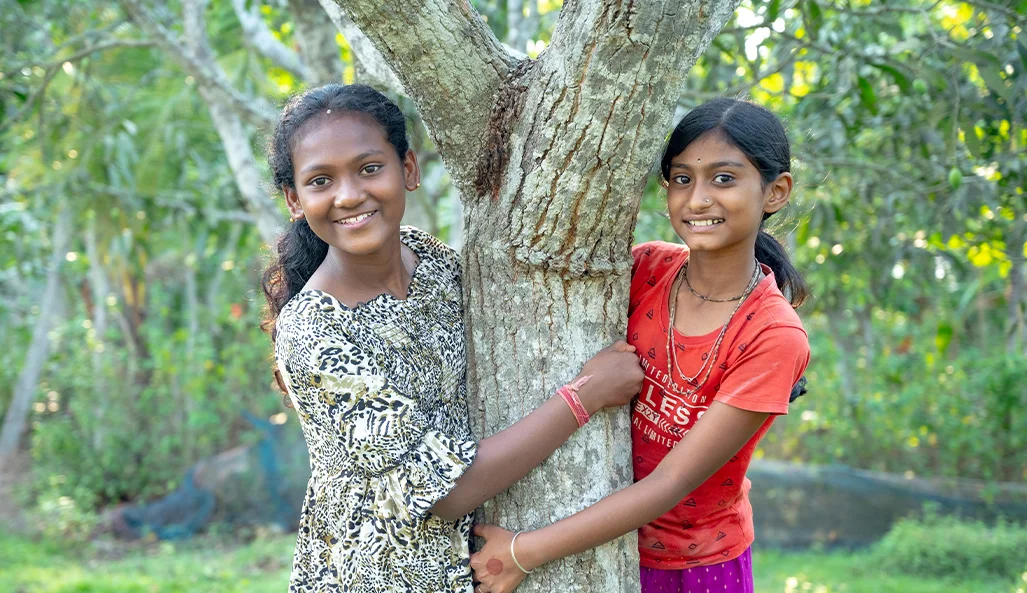
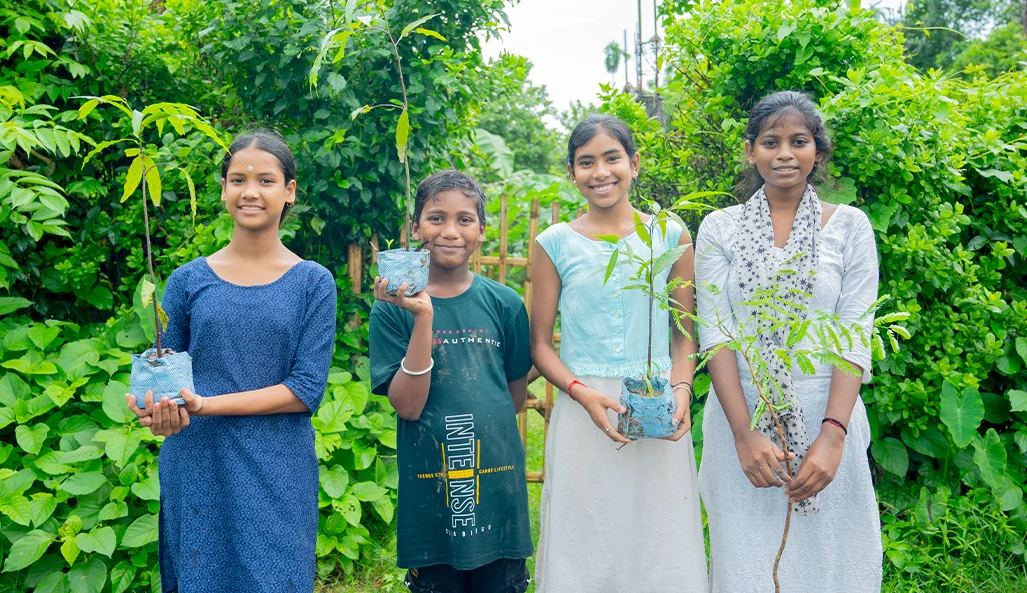
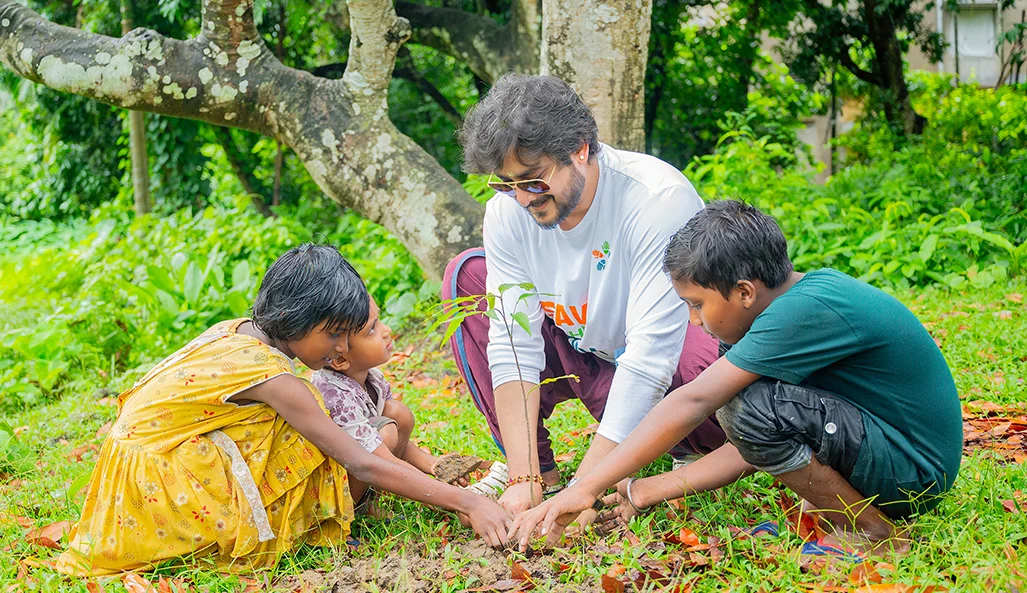
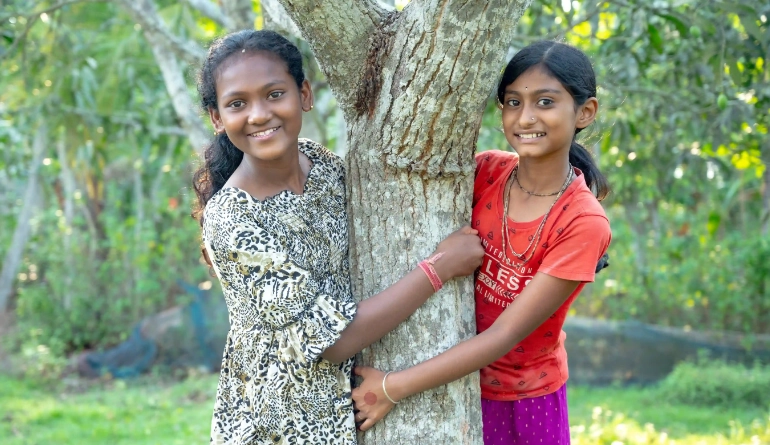
Tree Plantation: We are deeply committed to environmental stewardship. As part of our restoration projects, we develop sacred groves, or Vatikas, around temple premises. Planting native, spiritually significant trees not only enhances the ecological balance but also creates a serene, shaded environment conducive to meditation and prayer.
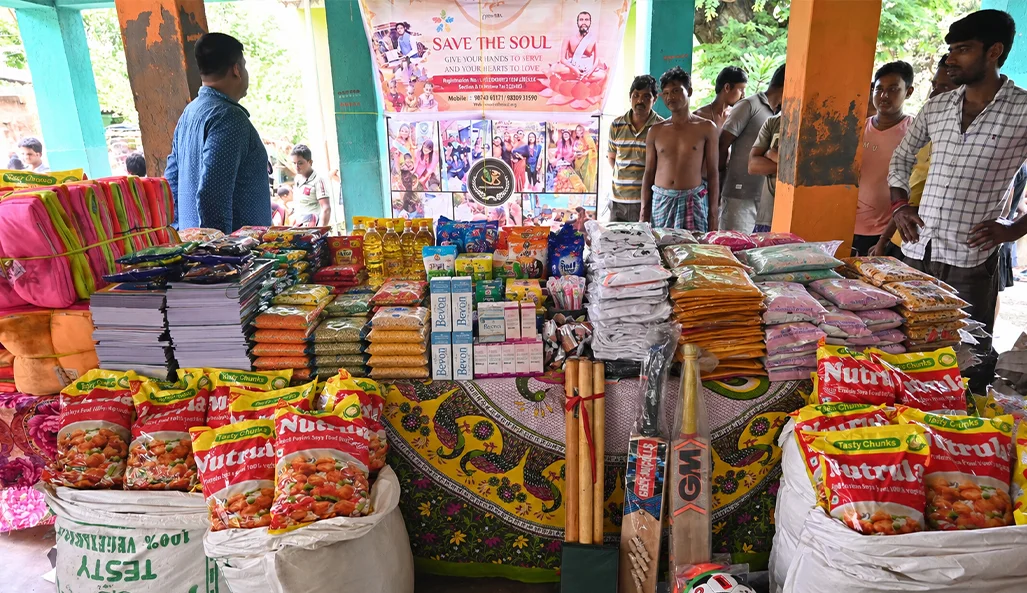
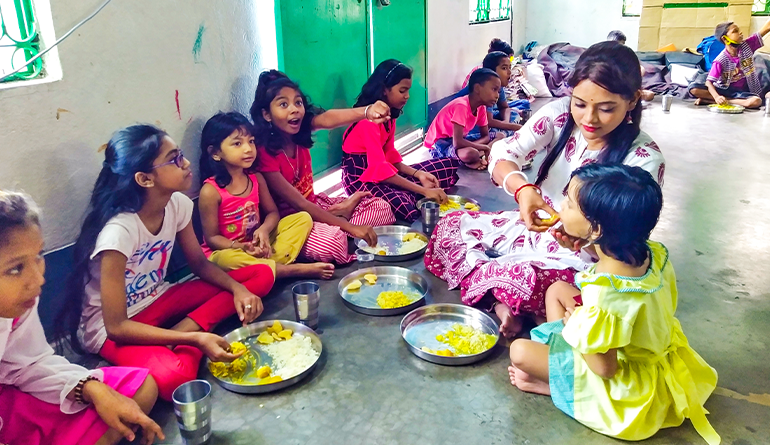
Nutrition Support: The ancient tradition of Annadanam, or the sacred offering of food, is central to our mission. We support and expand community kitchens associated with temples, ensuring that nutritious, wholesome meals are provided daily to the needy, the elderly, and visiting devotees, combating local food insecurity.
Women's Empowerment: We actively champion the role of women in spiritual and community leadership. By forming and supporting women-led committees responsible for temple management, floral decorations, and event organization, we empower women to take decisive roles in preserving their cultural heritage while gaining financial independence.
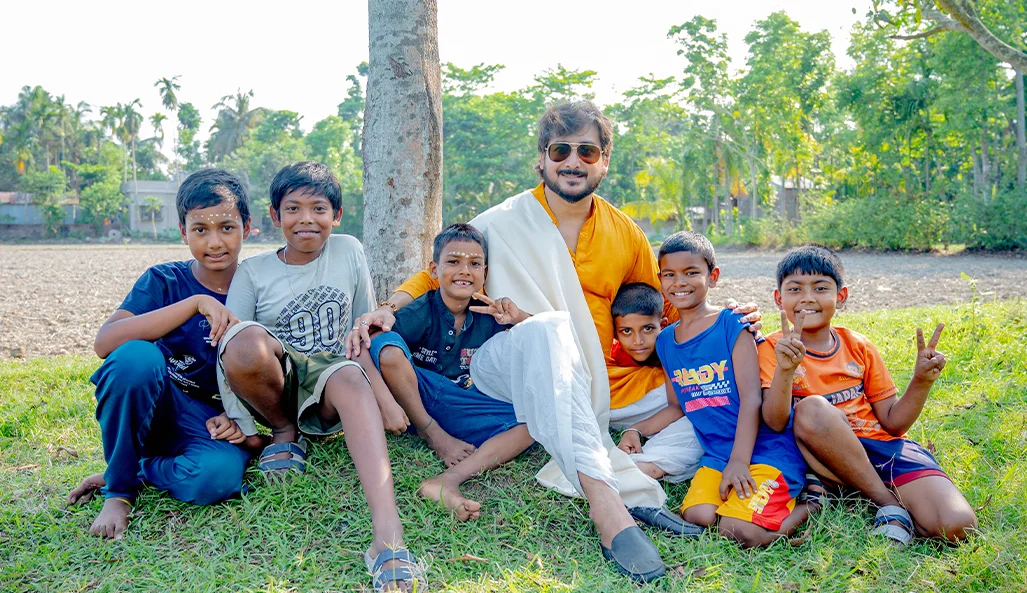
Child Development: Temples are transformed into safe, nurturing environments for children. We organize cultural workshops, storytelling sessions, and ethical education programs that ground children in positive values, keeping them engaged in constructive activities and away from negative societal influences.
Village Development: We view the temple as the nucleus of rural development. Our holistic approach ensures that the restoration of a temple is accompanied by improvements in local infrastructure, such as better pathways, clean water access, and sanitation facilities, elevating the overall quality of life in the village.
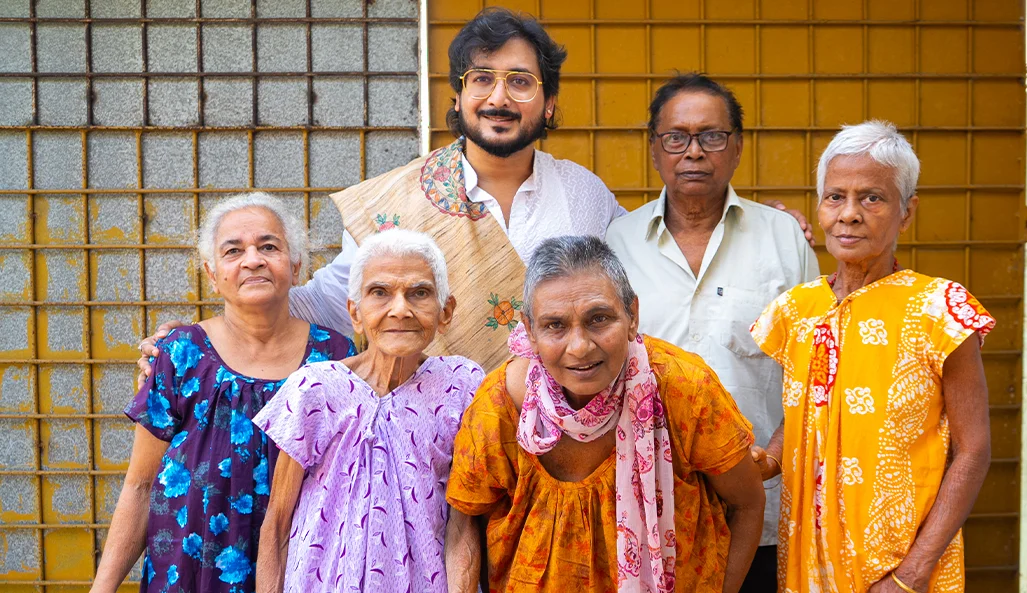
Elder Care: We hold our senior citizens in the highest regard. Our initiatives ensure that elderly devotees, who often find their greatest comfort in spiritual spaces, are provided with respectful care, comfortable seating, and engaging spiritual activities that honor their lifelong devotion and provide them with a vibrant community.
Disaster Relief: Beyond immediate shelter, our established temple networks serve as rapid response hubs for distributing essential supplies, coordinating volunteer efforts, and disseminating critical information to affected populations during floods, cyclones, or other regional disasters.
Environmental Sustainability: We mandate eco-friendly practices in all temple operations. This includes implementing waste management systems, promoting the use of natural, biodegradable materials for pujas, and installing rainwater harvesting systems to ensure that our spiritual practices nurture, rather than deplete, the natural environment.
Creating Sustainable Change
At Nabatara Foundation, we firmly believe that true humanitarian work must transcend temporary charity and aim for sustainable, systemic change. Restoring a temple is not an endpoint; it is the foundation upon which we build a self-reliant, empowered community. Sustainable development is woven into every aspect of our program, ensuring that the benefits of our work endure for generations.
Education and skill building are primary drivers of this sustainability. By training local artisans in heritage conservation, we are not just fixing a building; we are preserving a dying craft and creating a viable career path for the youth. This employment generation keeps talent within the community, preventing forced migration to urban slums and fostering local economic resilience. When a young person learns to carve stone or restore a mural, they are not only earning a livelihood but also becoming a custodian of their own cultural identity.
Health and self-reliance are equally critical. Our integrated medical camps and nutrition programs address the immediate physiological needs of the community, ensuring that individuals are healthy enough to participate in their own upliftment. We promote legal awareness by educating communities about their rights regarding land ownership, heritage protection laws, and government schemes, empowering them to advocate for themselves. Furthermore, we are introducing digital inclusion initiatives, helping temple management committees digitize their records, manage donations transparently online, and connect with a broader network of supporters, thereby modernizing their operational capacity without losing their traditional essence.
Environmental and social responsibility are the twin pillars of our long-term vision. By mandating eco-friendly practices and promoting community leadership, we ensure that the temple becomes a model of sustainable living. We focus on long-term empowerment by gradually transitioning the management and financial responsibility of the restored sites to trained local committees. We provide them with the tools, knowledge, and initial financial scaffolding needed to become entirely self-sustaining. This approach ensures that the Nabatara Foundation is not a perpetual crutch but a catalyst that ignites a community's inherent capacity to care for its own sacred heritage and its people.
The Vision of Gaurav Tribedi
The driving force behind this comprehensive and compassionate mission is the profound humanitarian philosophy of Gaurav Tribedi. His vision is not merely to repair buildings but to heal the spiritual and social fabric of communities that have been frayed by neglect and poverty. Gaurav Tribedi operates on the foundational belief that true Seva, or selfless service, is the highest form of worship. For him, the act of restoring a temple is intrinsically linked to the act of uplifting the people who depend on it. His commitment to Seva is visible in his relentless, hands-on approach to grassroots leadership, often working alongside villagers and artisans to understand their challenges firsthand.
Central to his philosophy is the principle of Antyodaya, a concept meaning the upliftment of the last, poorest, and most marginalized person in society. Gaurav Tribedi believes that the true measure of a civilization's progress is not found in its wealthiest enclaves but in how it treats its most vulnerable members. By centring our temple restoration efforts around the needs of the elderly, the disabled, and the economically disadvantaged, he ensures that our work directly serves those at the very bottom of the societal pyramid. His grassroots leadership style fosters deep trust, as he listens to the community's needs before imposing any external solutions.
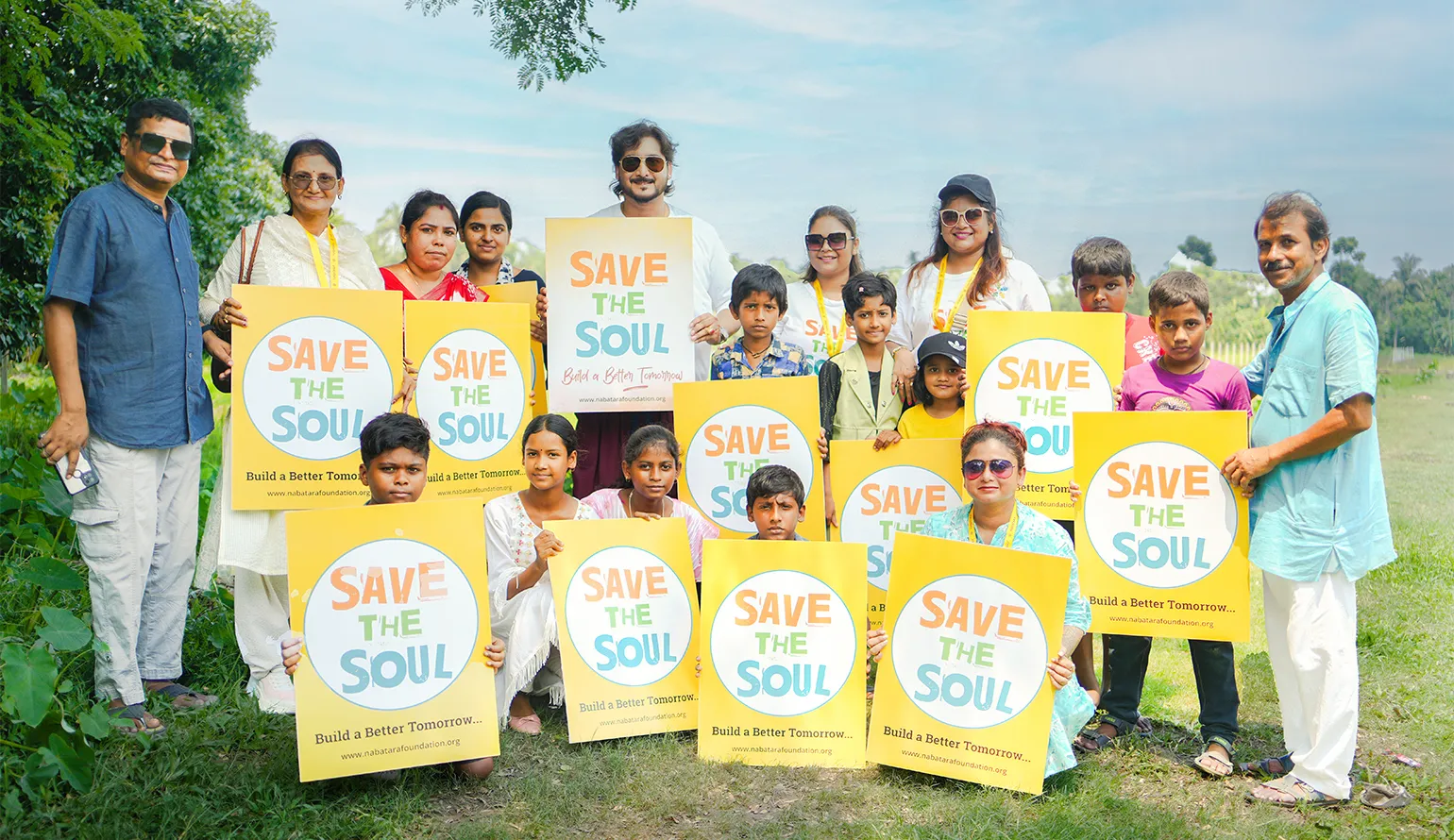
His vision for India is one of spiritual vibrancy coupled with social justice. He envisions a nation where ancient wisdom and modern humanitarianism coexist harmoniously, where every individual has access to both material well-being and spiritual nourishment. He understands that spirituality, when divorced from compassionate action, becomes hollow. Therefore, he insists that every spiritual initiative undertaken by this government-registered NGO must yield tangible, positive outcomes in the realms of education, health, and livelihood. It is this unique synthesis of deep spiritual reverence and rigorous, practical humanitarianism that defines the ethos of the organization, guiding every decision and every restored stone. Through this dedicated work, the core mission to save the soul of our communities is realized, ensuring that compassion remains the active, beating heart of our society.
Why Communities Trust Nabatara Foundation
Trust is the most valuable currency in the nonprofit sector, and at Nabatara Foundation, we have earned it through unwavering consistency, radical transparency, and deep respect for the communities we serve. Our reputation is built on a foundation of strict ethics and accountability. Every financial transaction, every land acquisition, and every restoration project is subjected to rigorous internal and external audits. We maintain an open-door policy, encouraging donors, volunteers, and community members to visit our project sites, review our progress, and see exactly how their contributions are being utilized. This transparency eliminates doubt and builds unshakeable confidence in our operations.
Our extensive volunteer network is a testament to the trust we have cultivated. Individuals from diverse professional backgrounds choose to dedicate their time and expertise to our cause because they know their efforts will be managed responsibly and effectively. We do not impose our will on communities; instead, we practise deep community participation. We consult with local priests, village elders, and residents at every stage of a project, ensuring that our interventions align with their cultural norms and actual needs. This collaborative approach guarantees that our grassroots presence is welcomed and valued, not resented.
Accountability is woven into our organizational DNA. We provide regular, detailed updates to our stakeholders, celebrating successes and honestly addressing any challenges we face. We believe in building long-term relationships, not transactional interactions. We remain committed to a community long after the initial restoration is complete, offering ongoing support and guidance. Above all, our work is guided by an absolute respect for human dignity. We treat every beneficiary, volunteer, and donor with the utmost reverence, recognizing the divine spark within each individual. This holistic commitment to ethical, transparent, and respectful engagement is why communities across West Bengal and beyond place their faith in Nabatara Foundation.
How You Can Become Part of This Mission
The preservation of India's spiritual heritage is a monumental task, and it cannot be achieved in isolation. We warmly invite you to become an integral part of this sacred mission. There are numerous meaningful ways to align your resources and values with our work, each offering a unique opportunity to create lasting, positive change.
Volunteer: Your time and skills are invaluable. Whether you are an architect, a teacher, a medical professional, or simply someone with a willing heart and strong hands, we welcome you to join our volunteer network. Your direct participation on the ground will leave an indelible mark on the communities we serve.
Donate: Financial contributions are the lifeblood of our restoration efforts. Your generous donation directly funds the purchase of authentic materials, the fair wages of skilled artisans, and the establishment of community kitchens. Every amount, no matter the size, accelerates our ability to rescue another sacred space from decay.
Sponsor: Consider sponsoring a specific aspect of a restoration project, such as the repair of a sanctum, the installation of a new roof, or the funding of a year's worth of daily pujas. Sponsorship allows you to see the direct, tangible impact of your generosity on a specific, meaningful element of the project.
Partner: We actively seek partnerships with like-minded organizations, cultural institutions, and academic bodies. By pooling our resources and expertise, we can amplify our impact and develop innovative approaches to heritage conservation and community development.
CSR Collaboration: For corporate entities looking to fulfill their corporate social responsibility mandates with deep, meaningful impact, we offer tailored CSR collaboration opportunities. Investing in temple restoration and the surrounding community development provides a profound, culturally resonant avenue for corporate giving that yields measurable social returns.
Corporate Volunteering: Engage your employees in team-building activities that truly matter. Organize a corporate volunteering day where your team can participate in community clean-ups, tree planting, or awareness campaigns at our project sites, fostering a culture of empathy and social responsibility within your organization.
Monthly Giving: Become a sustaining force for our mission by setting up a small, recurring monthly donation. This predictable stream of support allows us to plan long-term projects with confidence, knowing that our foundational operational costs are securely covered by our dedicated community of monthly givers.
Legacy Giving: Consider including Nabatara Foundation in your estate planning. A legacy gift ensures that your commitment to preserving spiritual heritage and uplifting communities will continue to bear fruit for generations to come, leaving a permanent, positive mark on the world.
Educational Sponsorship: Sponsor the education of a child in our Gurukul or value-based learning programs. Your support ensures that a young mind is nurtured in an environment of cultural pride and ethical grounding, breaking the cycle of poverty through knowledge.
Healthcare Sponsorship: Fund a medical camp or sponsor the healthcare needs of elderly devotees in our care. Your contribution ensures that those who have spent their lives in devotion are provided with the medical dignity and care they deserve in their later years.
Village Adoption: Take comprehensive responsibility for the holistic development of a specific village centered around a restored temple. This deep commitment allows you to fund integrated projects spanning sanitation, education, livelihood, and spiritual preservation, transforming an entire community.
Tree Plantation Sponsorship: Support our environmental initiatives by sponsoring the creation of a sacred grove. Your contribution will fund the planting and maintenance of native trees, creating a lasting, living legacy that purifies the air and provides a serene environment for worship.
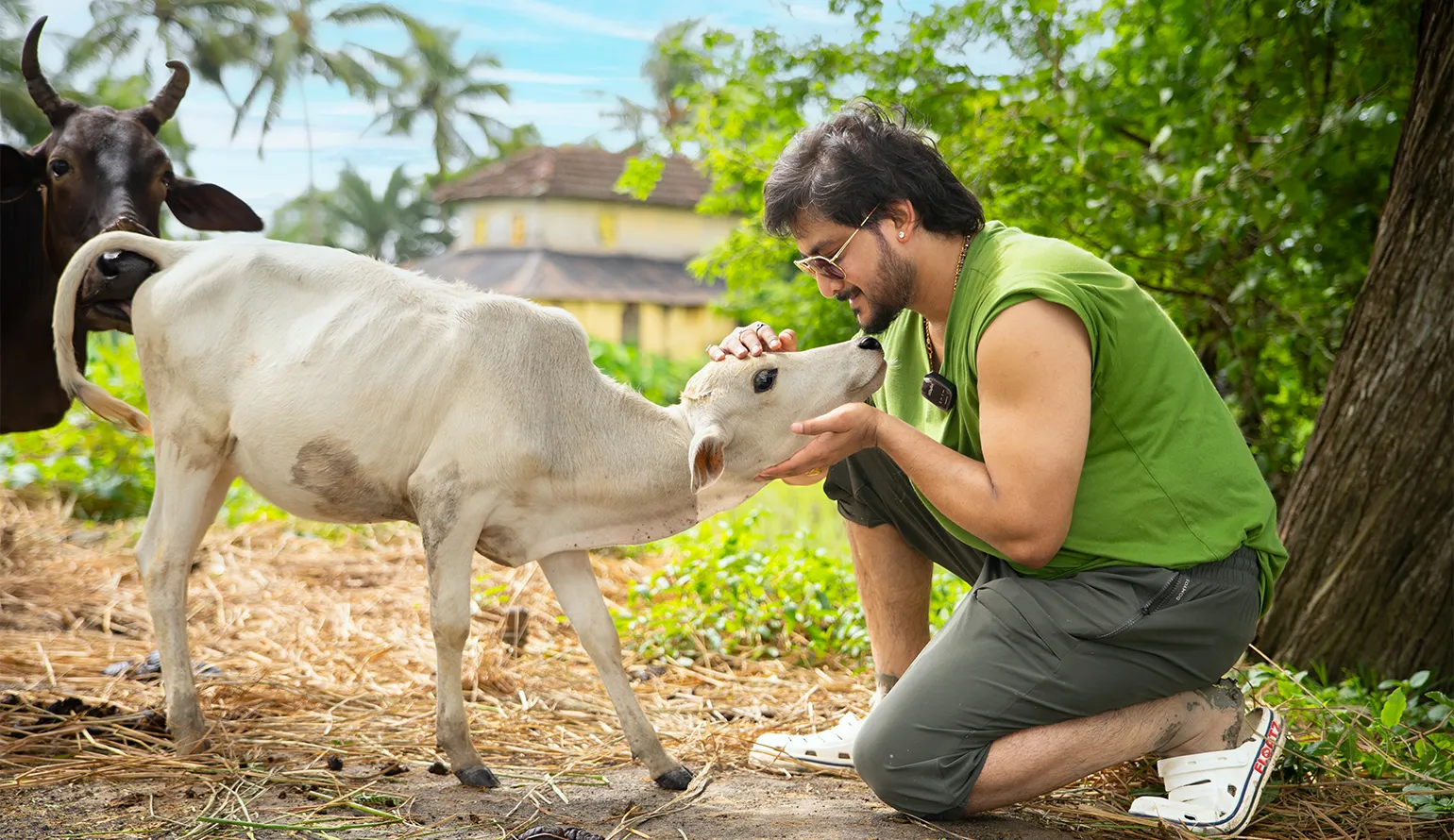
Animal Care Sponsorship: Many temple complexes are home to stray animals that are considered sacred. Sponsor the regular feeding, veterinary care, and shelter for these animals, ensuring that our compassion extends to all living beings within the temple's vicinity.
Your Contribution Creates Real Change
When you choose to support Nabatara Foundation, your contribution does far more than repair a physical structure; it sets off a ripple effect of profound, multidimensional change. Your generosity directly translates into tangible improvements in the lives of real people. It means more families have access to a safe, dignified community center where they can find support and solidarity. It means more children are provided with a secure environment to learn their cultural heritage and receive foundational education, protecting them from the vulnerabilities of the streets.
Your support empowers more women to step into leadership roles within their communities, managing temple resources and generating independent livelihoods, thereby shifting the dynamics of gender equality at the grassroots level. It ensures that more elderly individuals are treated with the reverence they deserve, provided with healthcare, nutrition, and a vibrant social circle that combats the isolation of old age. Through your contributions, more villages experience holistic development, as the restored temple becomes a hub for improved infrastructure, sanitation, and economic activity.
Furthermore, your involvement directly expands our capacity to deliver more healthcare through mobile clinics, more education through Gurukul support, and more sustainable livelihoods through artisan training. But beyond these measurable metrics, your contribution creates something even more vital: more hope. It sends a powerful message to marginalized communities that they are not forgotten, that their heritage is valued, and that a better, more dignified future is possible. Your act of giving is a profound affirmation of our shared humanity.
Together We Can Build a Better Tomorrow
The stones of our ancient temples have witnessed centuries of joy, sorrow, devotion, and resilience. They hold the collective memory of our ancestors and the spiritual aspirations of our future. But these sacred spaces cannot survive the ravages of time and neglect alone. They need us. They need your compassion, your vision, and your active participation. At Nabatara Foundation, we are already on the ground, working tirelessly, guided by unwavering transparency and a deep, abiding love for the communities we serve. We have proven our commitment through action, and we stand ready to do much more.
We invite you to join hands with us in this noble endeavor. Let us move forward together, driven by hope, guided by compassion, and united in our shared humanity. Whether you choose to make a financial contribution, offer your time as a volunteer, or forge a strategic partnership, your involvement is the catalyst that will transform decay into dignity and neglect into vibrant, sustainable life. We warmly invite you to Donate Now to fuel this mission or Become a Volunteer to experience the profound joy of service firsthand. If you represent an organization, we invite you to contact us to explore meaningful collaboration. Please also take a moment to explore our programs to see the full spectrum of our humanitarian work. Together, we can preserve our sacred heritage and build a brighter, more compassionate tomorrow for all.