
Programme Overview
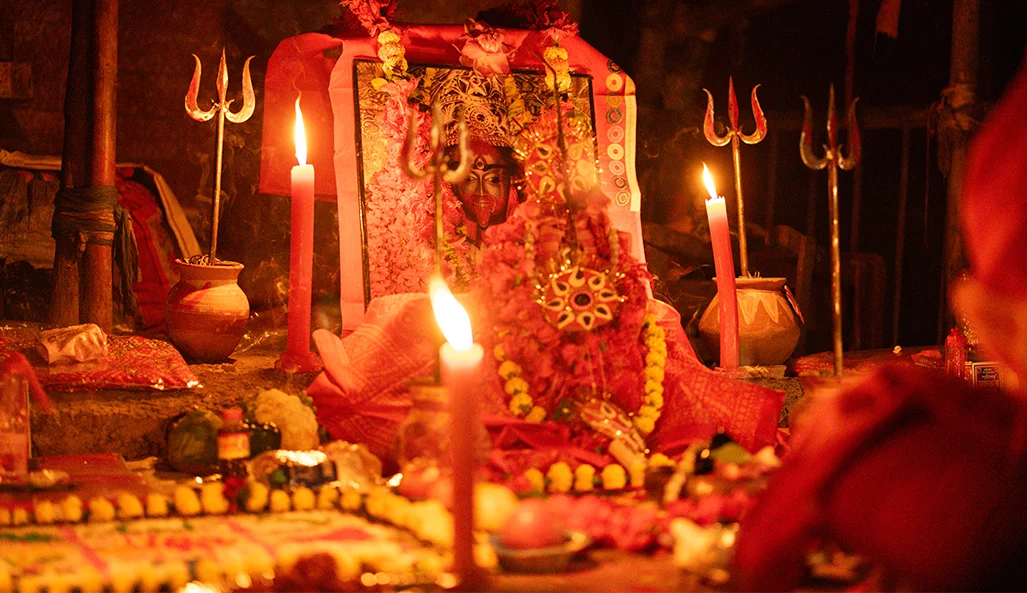
In the heart of West Bengal, where the rhythmic chants of ancient mantras once echoed through every village, a quiet crisis is unfolding. Centuries-old shrines dedicated to Maa Shakti, the divine feminine energy that has sustained communities through generations, are falling into disrepair. The Devi Sadhana program is a profound, heart-centered initiative dedicated to preserving the traditional worship of Maa Shakti while encouraging people to understand and participate in sacred practices responsibly. This is not merely about repairing brick and mortar; it is about healing the spiritual and cultural heartbeat of our communities.
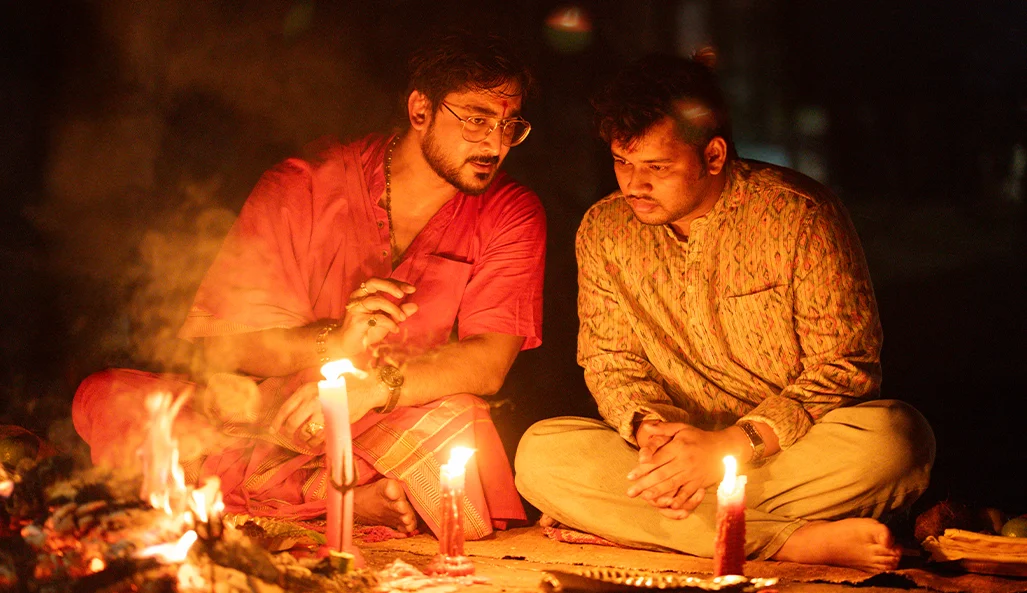
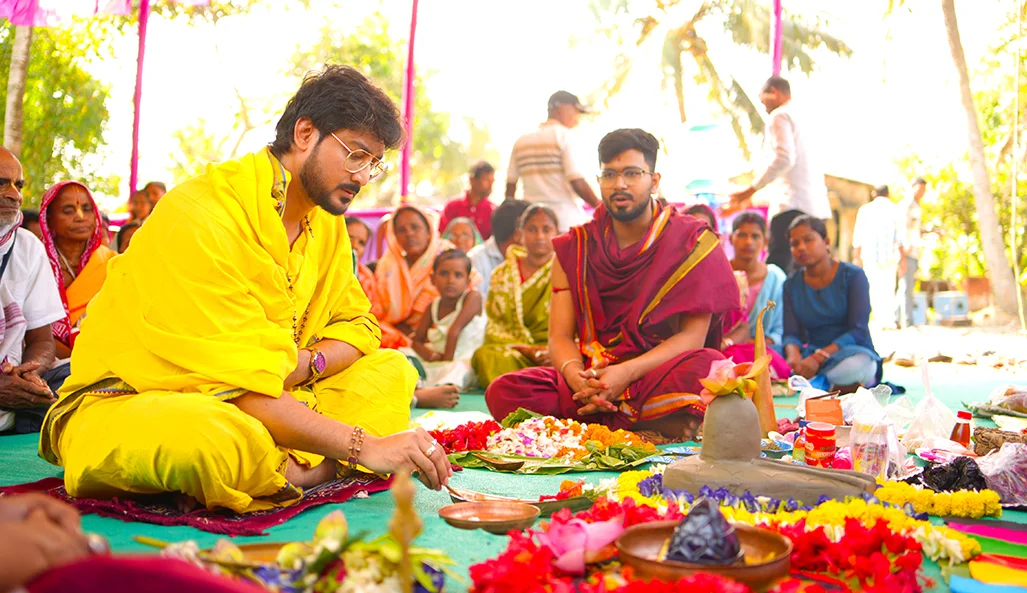
When a temple is neglected, a community loses its gathering space, its moral compass, and its connection to a rich ancestral heritage. The Devi Sadhana initiative addresses this critical gap by covering Devi Puja, Nitya Puja, traditional rituals, temple care, volunteering, and the preservation of spiritual customs. We focus on the maintenance of sacred spaces under suitable, authentic guidance, ensuring that the sanctity of the worship remains uncompromised. A major aspect of this initiative is identifying neglected Devi temples that require urgent restoration, maintenance, or responsible management. Lawful owners or custodians may also explore documented donation or collaboration with the Nabatara Foundation, creating a lawful, transparent pathway to cultural preservation.
Through restoration, regular worship, dedicated volunteering, and active community participation, Devi Sadhana aims to protect spiritual and cultural heritage for future generations. If anyone is unable to maintain a temple for any reason, through lawful donation to the temple, we can take the responsibility to sustain our culture. All are welcomed for sadhana practices. If anyone wants to donate for temple building, help for spiritual movement, offer land donation for a gurukul, or support the promotion of yoga and meditation, all are welcomed with open hearts. This program stands as a testament to the enduring power of faith and the collective responsibility we share to protect our sacred history.
The Reality We Witness Every Day
Travel a few miles outside the bustling center of Kolkata, West Bengal, and you will find a different reality. In quiet, rural villages, ancient temples dedicated to Maa Shakti stand silent. The vibrant colors of the walls have faded under the relentless monsoon rains. The courtyard, once filled with the laughter of children and the devotional singing of women preparing for evening aarti, is now overgrown with weeds. The elderly priest, who has served this shrine for over fifty years, performs the Nitya Puja alone, his hands trembling, knowing there is no younger generation to take up the mantle. This is not an isolated incident; it is a recurring sorrow we witness across the region.
The struggles faced by these communities are deeply human and profoundly complex. Migration to urban centers in search of livelihood has left villages depleted of their youth. The younger generation, disconnected from their roots, often views these sacred spaces as relics of the past rather than living centers of community life. The financial burden of maintaining a temple falls on aging custodians who survive on meager offerings. When the roof leaks or the walls crack, there are no resources to fix them. The issue exists not because of a lack of faith, but because of systemic neglect, economic hardship, and a gradual erosion of traditional knowledge transfer.
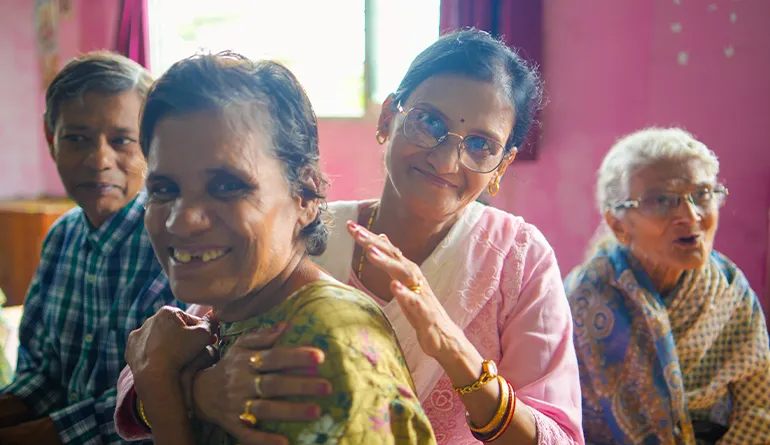
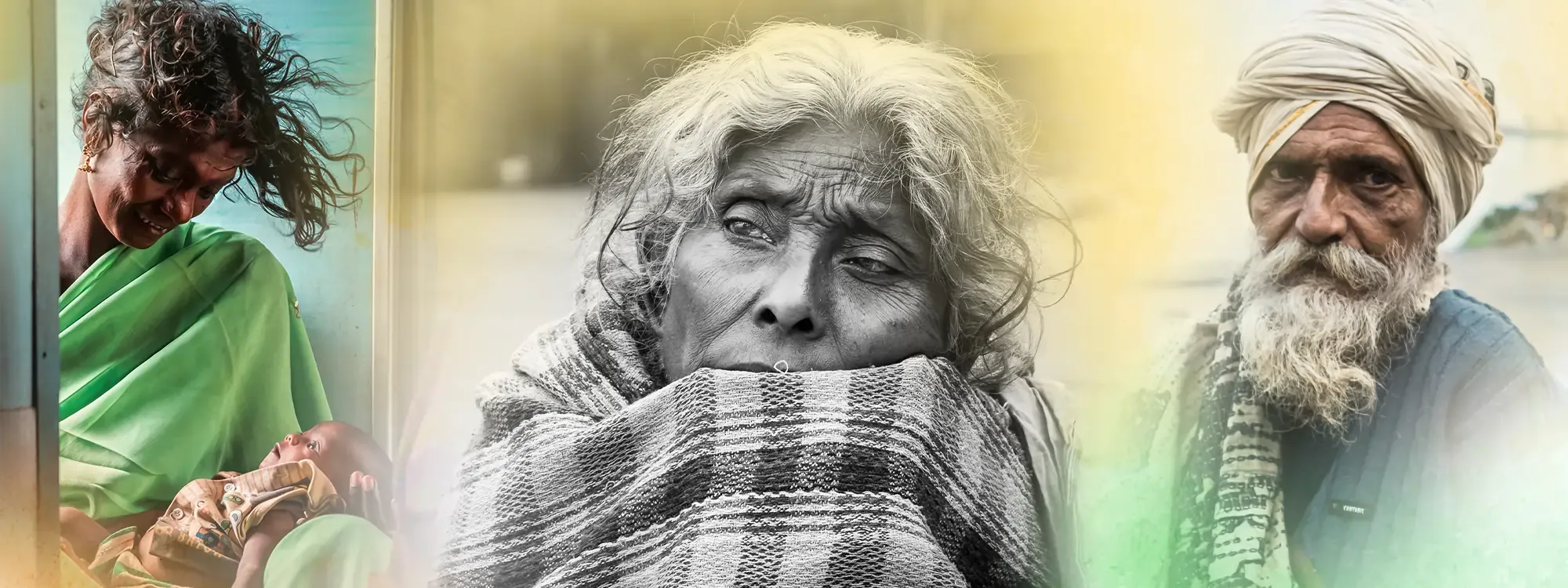
When a temple falls into disrepair, the community is affected in ways that extend far beyond religion. The temple has historically been the hub of social cohesion, a place where disputes are mediated, where the sick are cared for, and where cultural values are passed down. Its decline leads to a fragmentation of community identity. However, within this struggle, there is immense dignity and enduring hope. The elderly priests continue their devotion with unwavering faith. Local women still gather to clean the premises whenever they can. The desire to preserve their heritage remains alive, waiting for the right support to ignite it.
This is where Nabatara Foundation steps in. Founded by Gaurav Tribedi, our organization recognizes that cultural preservation is inseparable from human welfare. The Devi Sadhana program is our direct response to this reality. We do not arrive as outsiders imposing change; we arrive as humble servants, listening to the needs of the custodians and the community. By bringing resources, legal guidance, and volunteer energy to these sacred spaces, we help restore not just the physical structure but also the pride and unity of the people who call it home. In Kolkata and the surrounding districts of West Bengal, we are witnessing the slow, beautiful revival of these spaces, proving that with compassionate intervention, tradition can thrive alongside modernity.
Our Commitment to This Mission
Our commitment to the Devi Sadhana mission is absolute, structured, and deeply respectful of both divine sanctity and legal propriety. Nabatara Foundation operates on the principle that preserving sacred heritage requires a meticulous, multi-faceted approach. We do not engage in haphazard repairs. Instead, we initiate a comprehensive process that begins with careful identification and assessment. Our teams conduct thorough surveys to locate neglected Devi temples that require restoration, maintenance, or responsible management. Each site is evaluated for its historical significance, structural integrity, and the needs of the local community.
Once a temple is identified, we engage in transparent, respectful dialogue with the lawful owners or custodians. We understand that these spaces hold deep personal and familial significance. Therefore, we offer clear, documented pathways for collaboration or lawful donation. Every agreement is formalized with legal precision, ensuring that the rights of the original custodians are respected while granting the Nabatara Foundation the mandate to restore and manage the property for the public good. This legal clarity is the bedrock of our operations, preventing future disputes and ensuring the long-term security of the sacred space.
The restoration process itself is a blend of traditional craftsmanship and modern structural safety. We employ local artisans who possess the inherited knowledge of traditional temple architecture, ensuring that the aesthetic and spiritual authenticity of the shrine is preserved. Simultaneously, we introduce necessary structural reinforcements to protect the building from natural wear and environmental challenges. Throughout this process, the regular worship of the deity is never interrupted. We create temporary, dignified spaces for Nitya Puja and traditional rituals, maintaining the continuous flow of spiritual energy.
Volunteer participation is the lifeblood of this program. We do not merely seek labor; we seek devoted individuals who wish to engage in meaningful Seva. Volunteers undergo specialized training modules that cover the significance of Devi Puja, the protocols of temple care, and the importance of maintaining a sacred atmosphere. They learn how to assist in organizing community events, managing temple cleanliness, and supporting the elderly priests. This transforms volunteering from a simple task into a profound spiritual and humanitarian experience.
Community participation is equally vital. We establish local temple management committees comprising respected village elders, women leaders, and youth representatives. These committees are empowered to make decisions regarding the daily operations and future development of the temple. This decentralized approach ensures that the community feels a deep sense of ownership and responsibility for the restored space. Beneficiaries of our broader humanitarian programs are often integrated into this ecosystem, finding purpose and dignity through their involvement in temple activities.
Transparency is maintained through rigorous financial and operational reporting. Every rupee contributed to the Devi Sadhana program is tracked and allocated with absolute clarity. We provide regular updates to our donors, volunteers, and the local community, detailing the progress of restoration projects and the impact of community initiatives. This measurable impact is evident in the number of temples restored, the increase in daily devotees, the revival of local festivals, and the tangible improvement in the socio-economic conditions of the surrounding community. Our long-term commitment ensures that we do not abandon a project once the initial restoration is complete; we remain partners in the ongoing growth and vitality of the sacred space.
Our Ground-Level Initiatives
The Devi Sadhana program is not an isolated spiritual endeavor; it is the anchor for a wide array of ground-level humanitarian initiatives. We recognize that a thriving temple community requires holistic support. Therefore, our work naturally extends into multiple facets of community development, creating a supportive ecosystem around each restored sacred space.
Awareness Programmes: We conduct regular workshops and cultural sessions to educate the youth about the historical and spiritual significance of their local temples. By demystifying traditional rituals and explaining their deeper philosophical meanings, we bridge the generational gap and inspire young minds to take pride in their heritage.
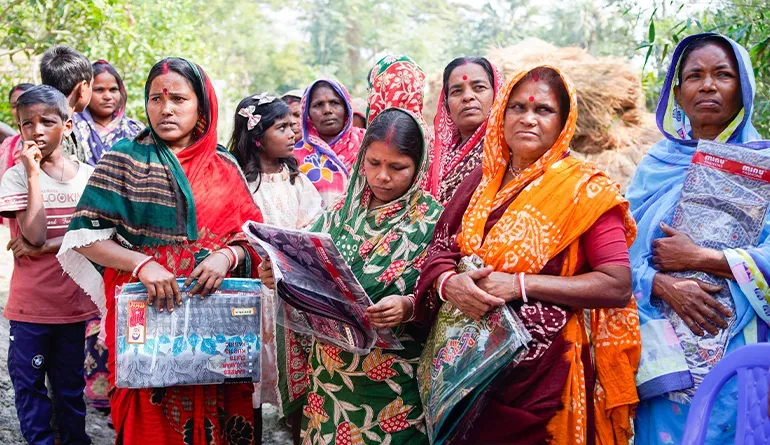
Community Outreach: Our teams maintain a constant, compassionate presence in rural villages. We listen to the needs of the residents, understanding that the temple is a focal point for addressing broader community challenges, from sanitation to social harmony.
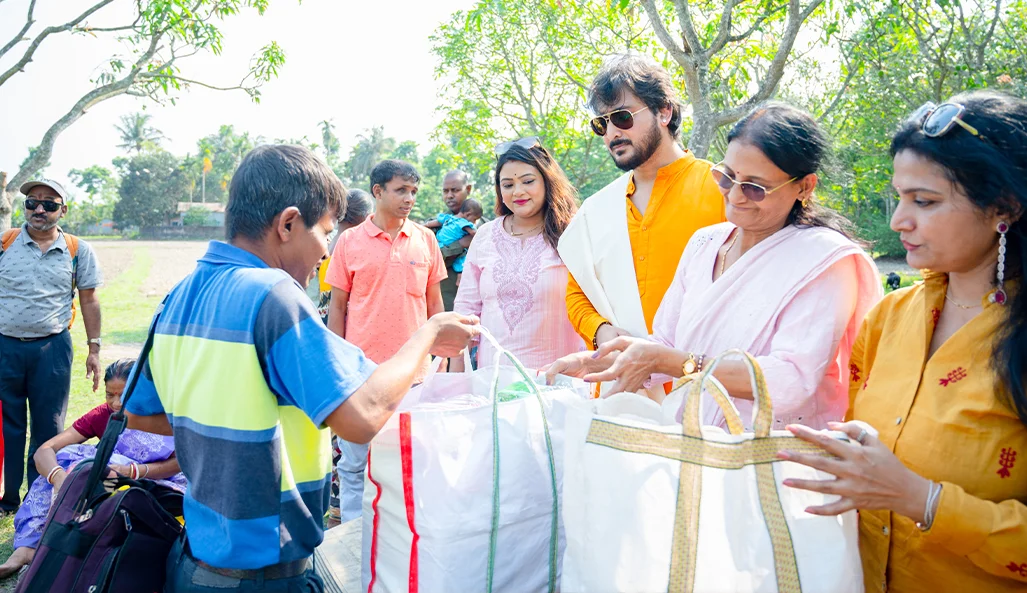
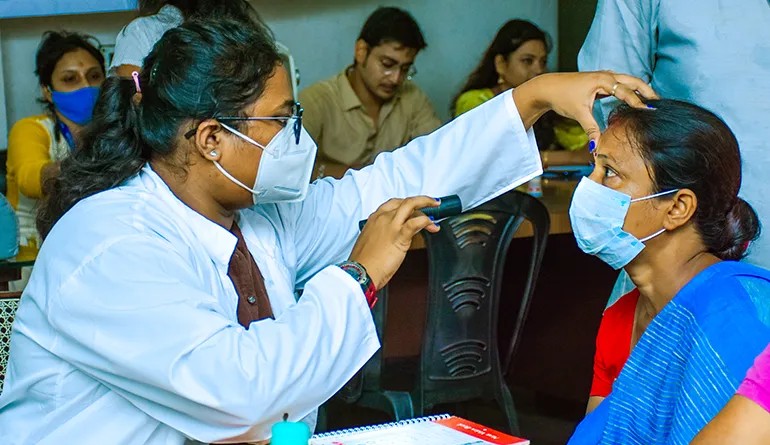
Medical Support: Recognizing that physical well-being is essential for spiritual practice, we organize regular free health camps on temple premises. These camps provide basic healthcare, eye check-ups, and distribution of essential medicines to elderly devotees and marginalized families who lack access to formal medical facilities.
Educational Support: We integrate spiritual learning with secular education. Through the establishment of small learning centers, or gurukul initiatives, near temple complexes, we provide children with foundational education, moral guidance, and instruction in classical arts, ensuring a well-rounded development.
Skill Development: We empower local individuals by training them in skills relevant to temple maintenance and cultural preservation. This includes training in traditional flower arrangement, idol crafting, musical instrument playing for rituals, and basic administrative management, creating viable livelihood opportunities.
Livelihood Support: By promoting local artisans and vendors who supply materials for worship, we stimulate the micro-economy of the village. We help these individuals connect with broader markets, ensuring their traditional crafts remain economically viable.
Relief Activities: Temples have historically served as sanctuaries during times of crisis. We formalize this role by stocking restored temples with emergency supplies, ensuring they can function as immediate relief distribution centers during floods or cyclones, which are common in West Bengal.
Counselling: We provide access to spiritual and mental health counselling. Trained volunteers and visiting experts offer guidance to individuals facing personal crises, using the peaceful environment of the temple to promote mental well-being and emotional healing.
Rehabilitation: We actively work to integrate marginalized individuals, including special-abilities persons and those recovering from addiction, into the temple community. By assigning them meaningful, dignified roles in temple upkeep or community kitchens, we facilitate their social rehabilitation and restore their self-worth.
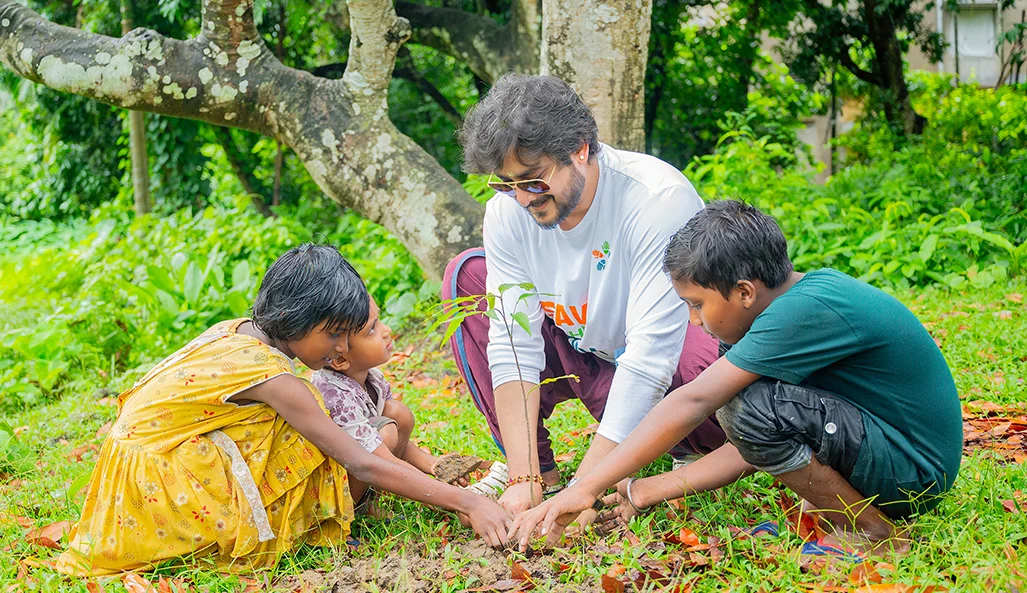
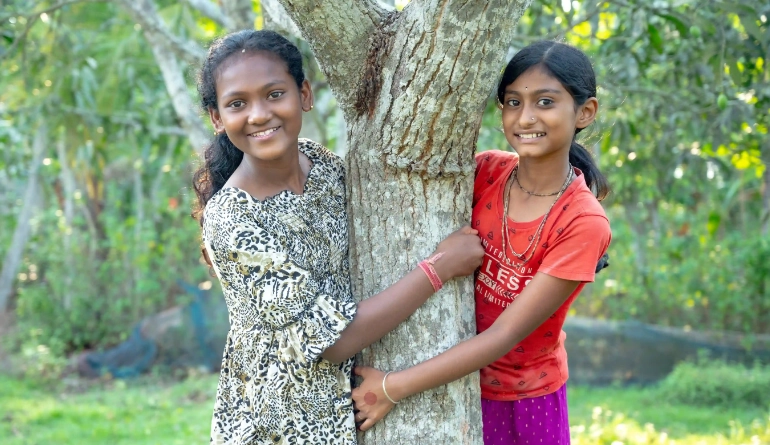
Tree Plantation: We revive the ancient tradition of sacred groves, or Vatikas, around temple premises. By planting native, spiritually significant trees, we enhance the local ecology, provide shade for devotees, and promote environmental sustainability alongside spiritual reverence.
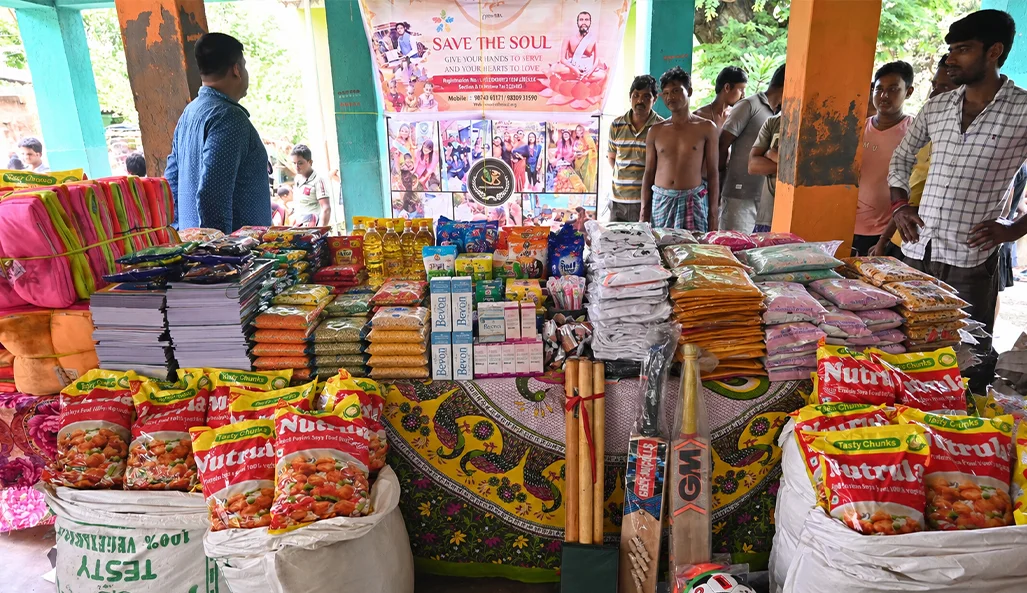
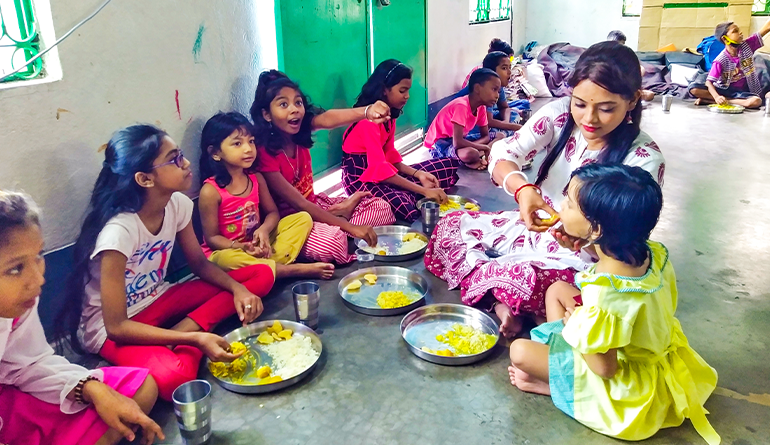
Nutrition Support: The practice of Annadanam, or the sacred offering of food, is central to our work. We organize regular, hygienic community meals that ensure no devotee, especially the elderly or destitute, goes hungry. This initiative directly combats malnutrition in vulnerable populations.
Women's Empowerment: We actively encourage and train women to take leadership roles in temple management and ritual preparation. By supporting women-led self-help groups that operate in conjunction with temple activities, we promote financial independence and social respect for women in rural communities.
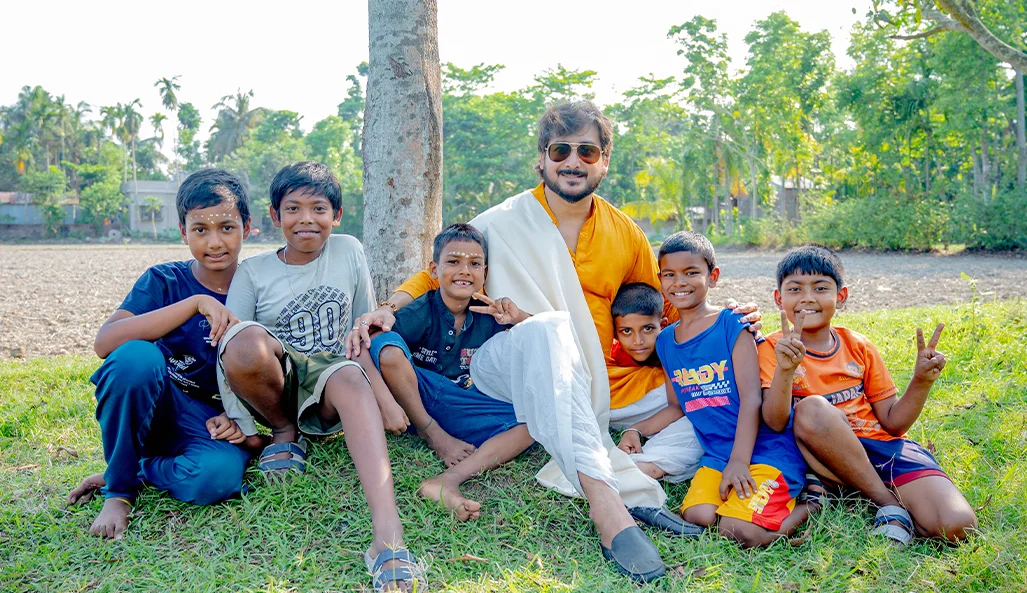
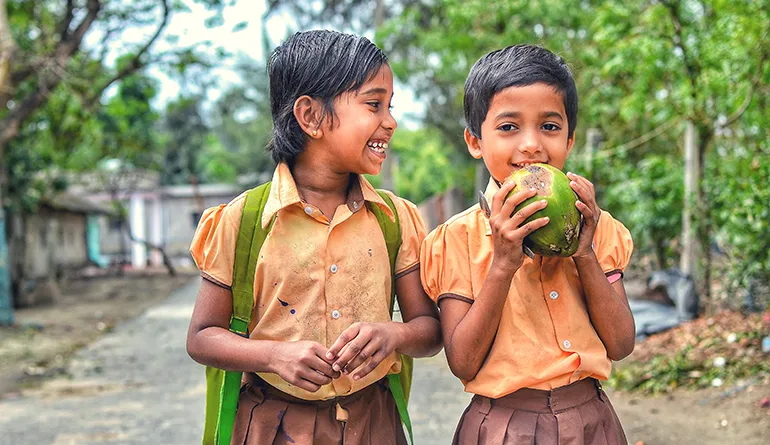
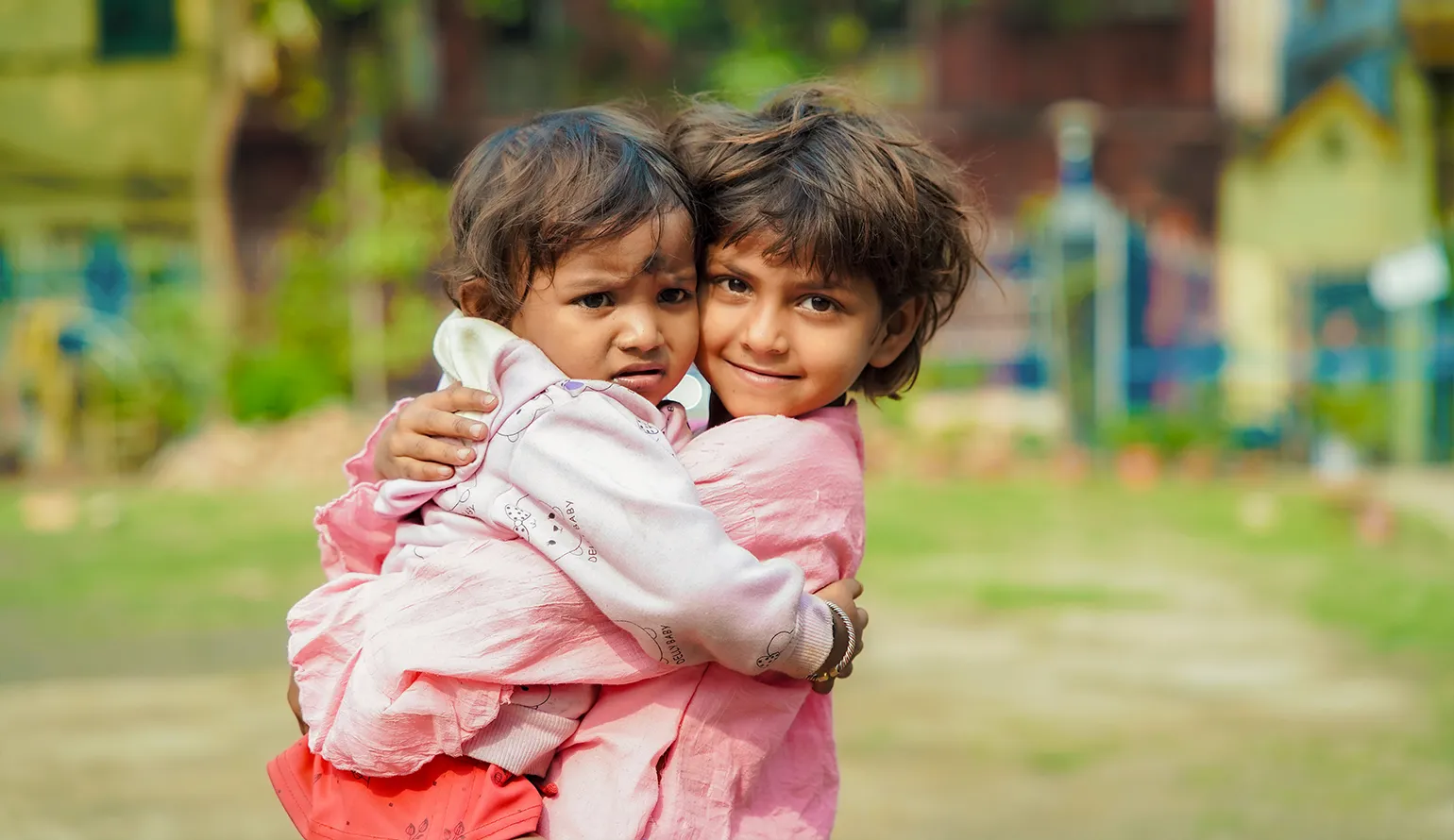
Child Development: Beyond formal education, we focus on the holistic development of children through cultural immersion. They learn classical music, dance, and the ethical stories associated with Devi worship, building a strong moral foundation and a sense of cultural identity.
Village Development: We view the temple as the nucleus of village development. By improving the infrastructure around the temple, such as pathways, lighting, and water facilities, we inadvertently uplift the entire village, making it safer and more accessible for all residents.
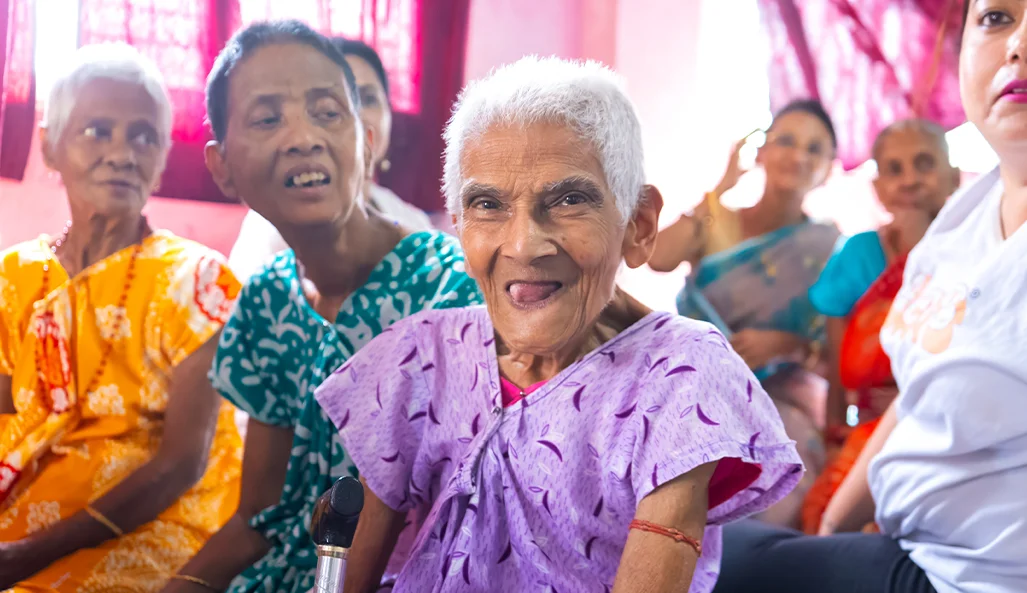
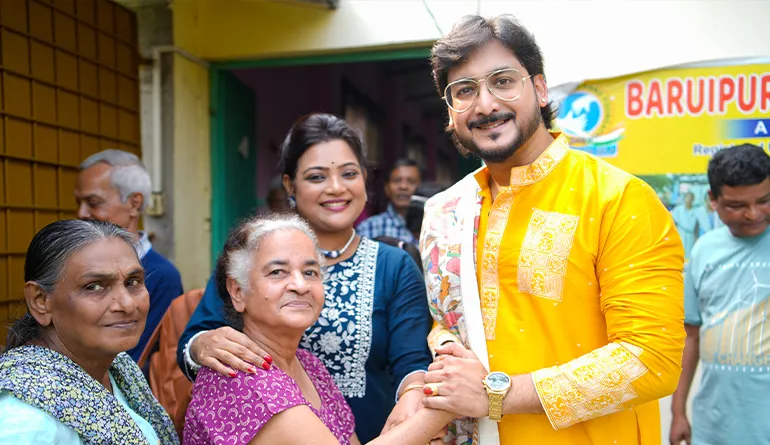
Elder Care: We provide dedicated support for aging priests and elderly devotees who have dedicated their lives to the temple. This includes ensuring they have access to healthcare, nutritious food, and a supportive community that honors their lifelong service.
Disaster Relief: In the aftermath of natural disasters, our network of restored temples becomes a critical node in the relief supply chain. We mobilize resources quickly, using these trusted community centers to distribute food, clothing, and medical aid to disaster victims efficiently.
Environmental Sustainability: We champion eco-friendly worship practices. We actively campaign against the use of single-use plastics and harmful chemical colors during festivals, promoting the use of biodegradable materials and traditional, natural offerings that protect the local environment.
Creating Sustainable Change
True humanitarian work does not stop at temporary relief; it strives for sustainable change. Nabatara Foundation is deeply committed to long-term empowerment rather than temporary charity. We understand that preserving a temple is only the first step; the ultimate goal is to create a self-reliant, thriving community that can sustain its own cultural and social well-being for generations to come.
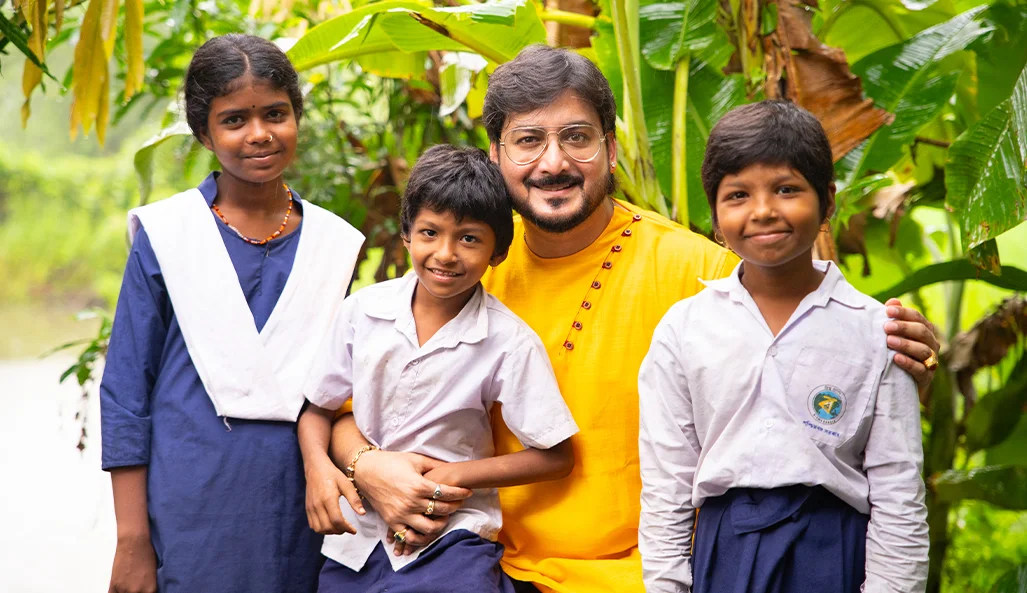
Education is the cornerstone of this sustainability. By ensuring that children in temple communities have access to quality learning, we break the cycle of poverty. We support their academic journey while grounding them in the ethical values of their culture, producing individuals who are both globally competent and locally rooted.
Employment and skill-building are intrinsically linked to our mission. We do not just give handouts; we create opportunities. By training local youth in heritage conservation, sustainable agriculture, and digital literacy, we equip them with the tools to build careers within their own communities, reducing the need for distress migration to urban slums.
Health and self-reliance are promoted through our continuous medical outreach and nutrition programs. A healthy community is a productive community. By addressing preventable diseases and malnutrition early, we ensure that individuals have the physical capacity to work, learn, and contribute to society.
We actively cultivate community leadership. By empowering local women and youth to lead temple committees and self-help groups, we ensure that the drive for development comes from within the community itself. This grassroots leadership is far more effective and sustainable than any top-down directive.
Legal awareness is another critical pillar. We educate communities about their rights, particularly regarding land ownership and the legal frameworks surrounding religious institutions. This empowers them to protect their heritage from exploitation and ensures that all collaborations with Nabatara Foundation are built on a foundation of lawful, mutual respect.
In an increasingly connected world, digital inclusion is vital. We introduce basic digital literacy programs in rural areas, helping communities access government schemes, market their local products online, and connect with a broader network of supporters and resources.
Environmental responsibility is woven into every aspect of our work. We teach communities that caring for the earth is a sacred duty. Through waste management initiatives, water conservation projects, and the promotion of organic farming around temple lands, we demonstrate that spiritual practice and ecological stewardship are one and the same.
Finally, we promote social responsibility among the privileged. We encourage successful individuals from these communities to give back, creating a virtuous cycle of philanthropy and support that ensures the longevity of our initiatives. Nabatara Foundation focuses on building systems that endure, ensuring that the light of compassion and cultural pride continues to burn brightly long after our initial intervention.
The Vision of Gaurav Tribedi
At the heart of the Nabatara Foundation lies the profound humanitarian philosophy of its founder, Gaurav Tribedi. His vision is not merely that of an administrator but of a compassionate seeker who understands that true societal transformation begins with the awakening of the human spirit. For Gaurav Tribedi, the preservation of cultural heritage and the upliftment of the underprivileged are not separate endeavors; they are two sides of the same coin, both essential for the holistic development of India.
His commitment to Seva, or selfless service, is the driving force behind every initiative. He believes that Seva is the highest form of worship, a practical expression of love for humanity that transcends all barriers of caste, creed, and economic status. This philosophy is deeply rooted in the principle of Antyodaya, the uplifting of the last person in society. Gaurav Tribedi envisions an India where no individual is left behind, where the most marginalized voices are heard, and where every person has the opportunity to live with dignity and purpose.
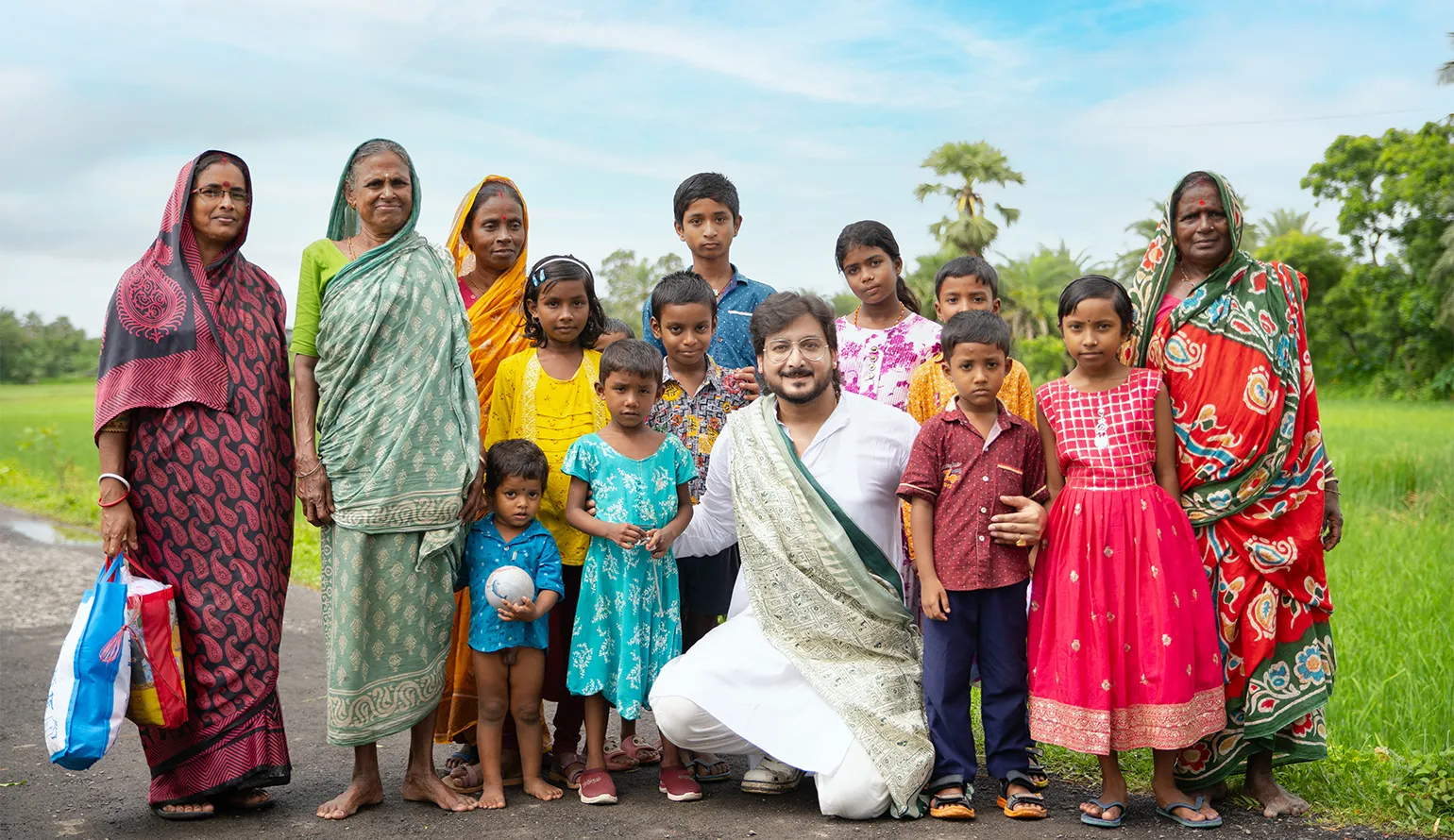
His grassroots leadership style is characterized by humility and direct engagement. He does not lead from a distant office; he walks the muddy paths of rural villages, sits with the elderly priests, and listens to the struggles of the community. This hands-on approach ensures that the programs designed by the Nabatara Foundation are always relevant, respectful, and deeply attuned to the actual needs of the people.
Spirituality, for Gaurav Tribedi, is not an escape from reality but the very fuel for compassionate action. He believes that the divine energy of Maa Shakti represents the power to nurture, protect, and transform. This spiritual inspiration compels him to fight against injustice, poverty, and cultural erosion. It is this deep-seated belief that guides the ethical framework of this government-registered NGO, ensuring that every action is aligned with higher moral principles.
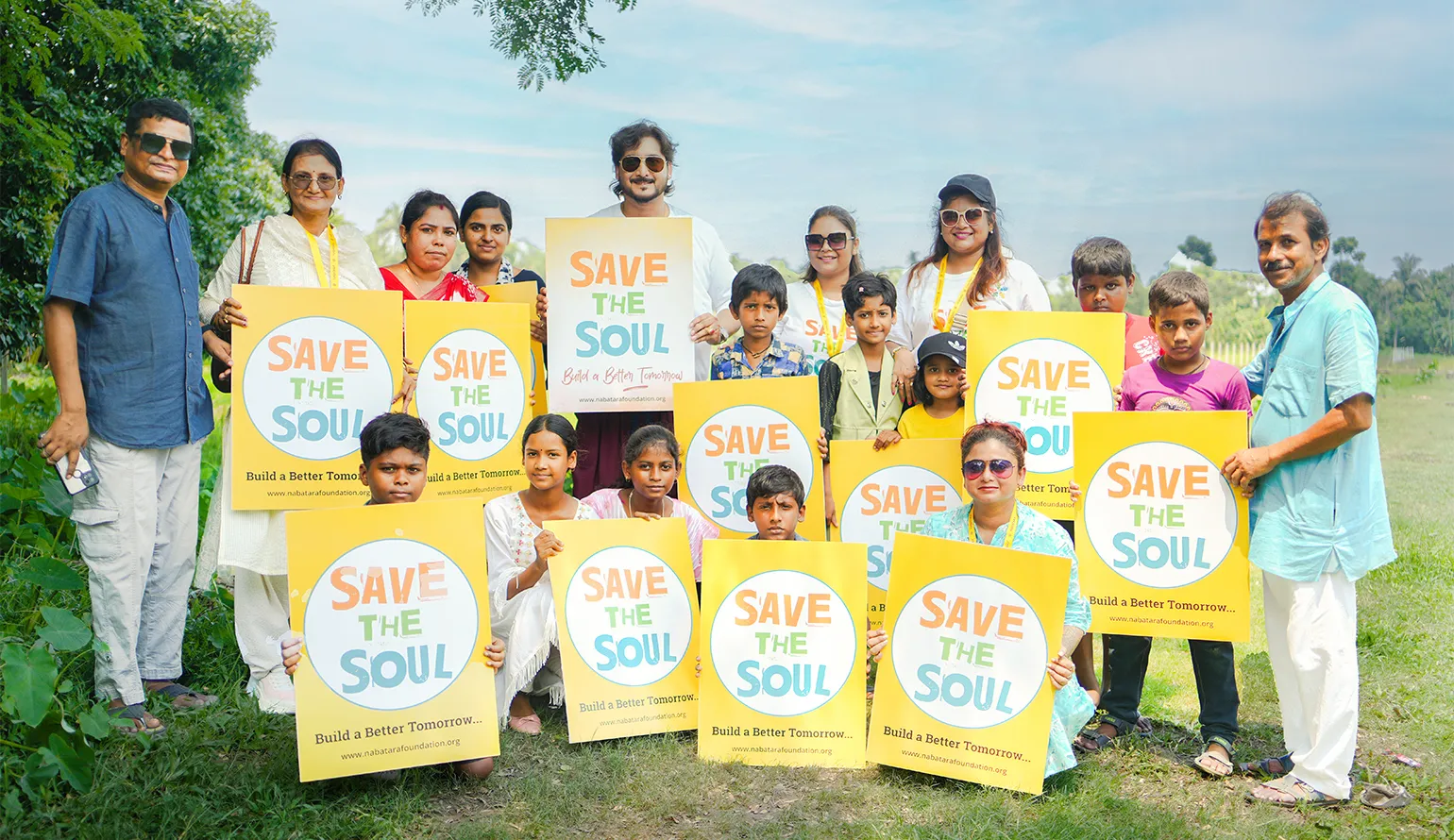
In this mission, the concept of 'dharma,' or righteous duty, plays a central role. It is our Dharma to protect the vulnerable and preserve the wisdom of our ancestors. We approach our work with a sense of kalyan, which signifies the ultimate welfare and well-being of all beings. This is achieved through Shramdaan, the noble practice of donating one's labor and time for the greater good, which we actively encourage among our volunteers. Furthermore, we always seek the right Upay, or practical, lawful, and ethical means, to solve complex social and cultural challenges, ensuring that our methods are as pure as our intentions. Through the dedicated efforts of Save The Soul, this vision continues to expand, touching lives and restoring hope across the nation.
Why Communities Trust Nabatara Foundation
Trust is not given; it is earned through consistent, transparent, and ethical action over time. Communities across West Bengal and beyond trust Nabatara Foundation because we have proven, time and again, that our words are matched by our deeds. Our reputation is built on a foundation of absolute transparency. We maintain open books and welcome scrutiny. Every financial contribution is accounted for, and we regularly publish detailed reports showing exactly how funds are utilized, ensuring that donors and community members alike can see the tangible results of their support.
Our unwavering commitment to ethics guides every interaction. We respect the lawful ownership of religious properties and never engage in coercive or manipulative practices. Our collaborations are built on mutual respect and clear, documented agreements that protect the interests of all parties involved. This ethical rigor extends to our volunteer network. Every volunteer undergoes a thorough vetting and training process, ensuring that they represent the organization with integrity, compassion, and professionalism.
Community participation is not an afterthought; it is the core of our methodology. We do not impose solutions from the outside. Instead, we work alongside local leaders, forming committees that give the community a genuine voice in decision-making. This collaborative approach ensures that our initiatives are culturally appropriate and genuinely desired by the people we serve. Our grassroots presence means we are not a distant entity. Our team members live and work within the communities, building deep, personal relationships that allow us to understand and respond to needs with speed and empathy.
Accountability is woven into our operational fabric. We conduct regular audits, both financial and operational, and we are fully compliant with all regulations governing a government-registered Section 8 NGO. This strict adherence to legal and regulatory standards provides an additional layer of security and confidence for our partners and donors. We believe in building long-term relationships, not just executing short-term projects. We remain committed to a community for years, evolving our support as their needs change, proving that we are partners in their journey, not just temporary visitors.
Above all, our work is defined by a profound respect for human dignity. We treat every individual, whether they are a village elder, a marginalized worker, or a corporate partner, with the utmost respect and reverence. We recognize the divine spark within every person, and this belief shapes every interaction, ensuring that our help is always delivered with grace, humility, and honor.
How You Can Become Part of This Mission
The revival of our sacred heritage and the upliftment of our communities is a collective responsibility. There are many meaningful ways you can align your resources and energy with this noble cause, and every contribution, regardless of size, creates a ripple effect of positive change. We invite you to explore how you can become an integral part of this mission.
Volunteer: Your time and skills are invaluable. Whether you can assist in physical restoration, teach children, organize community events, or offer professional expertise in law, medicine, or management, your active participation brings the mission to life. Become a volunteer and experience the profound joy of direct service.
Donate: Financial contributions are the lifeblood of our restoration and community programs. Your generous donation directly funds the repair of sacred structures, the procurement of medical supplies, and the sustenance of educational initiatives. Donate now to fuel this transformative work.
Sponsor: You can create a lasting legacy by sponsoring a specific aspect of our work. Sponsor a child's education, a family's livelihood training, or the complete restoration of a single, neglected shrine. Your name can be associated with a tangible, enduring improvement in someone's life.
Partner: If you represent an organization that shares our values, we invite you to contact us to explore strategic partnerships. Together, we can amplify our impact and reach more communities in need.
CSR Collaboration: For corporations seeking meaningful corporate social responsibility initiatives, the Devi Sadhana program offers a unique opportunity to invest in cultural preservation and rural development. We provide structured, measurable, and compliant CSR projects that align with your company's values while delivering profound social impact.
Corporate Volunteering: Engage your employees in team-building exercises that matter. Organize a day of Shramdaan with your team at a restoration site or a community kitchen. It is a powerful way to build company culture while serving the greater good.
Monthly Giving: Become a sustaining force. A small, recurring monthly donation provides us with the predictable funding needed to plan long-term projects and respond swiftly to emergencies. It is a continuous thread of compassion that you weave into the fabric of our work.
Legacy Giving: Consider including Nabatara Foundation in your estate planning. A legacy gift ensures that your commitment to cultural preservation and humanitarian service continues to inspire and uplift generations long into the future.
Educational Sponsorship: Invest in the minds of the future. By sponsoring educational materials, school fees, or gurukul programs, you are directly breaking the cycle of poverty and empowering the next generation of leaders.
Healthcare Sponsorship: Help us keep our communities healthy. Sponsor a medical camp, contribute to the purchase of an ambulance, or fund the ongoing medication for elderly devotees. Your support brings the gift of health to those who need it most.
Village Adoption: Take comprehensive responsibility for the holistic development of a single village. This deep, immersive partnership allows you to fund and monitor integrated development across education, health, infrastructure, and cultural preservation in one specific location.
Tree Plantation Sponsorship: Support our environmental initiatives by sponsoring the planting and maintenance of sacred groves. It is a beautiful way to honor nature and contribute to the ecological balance of the region.
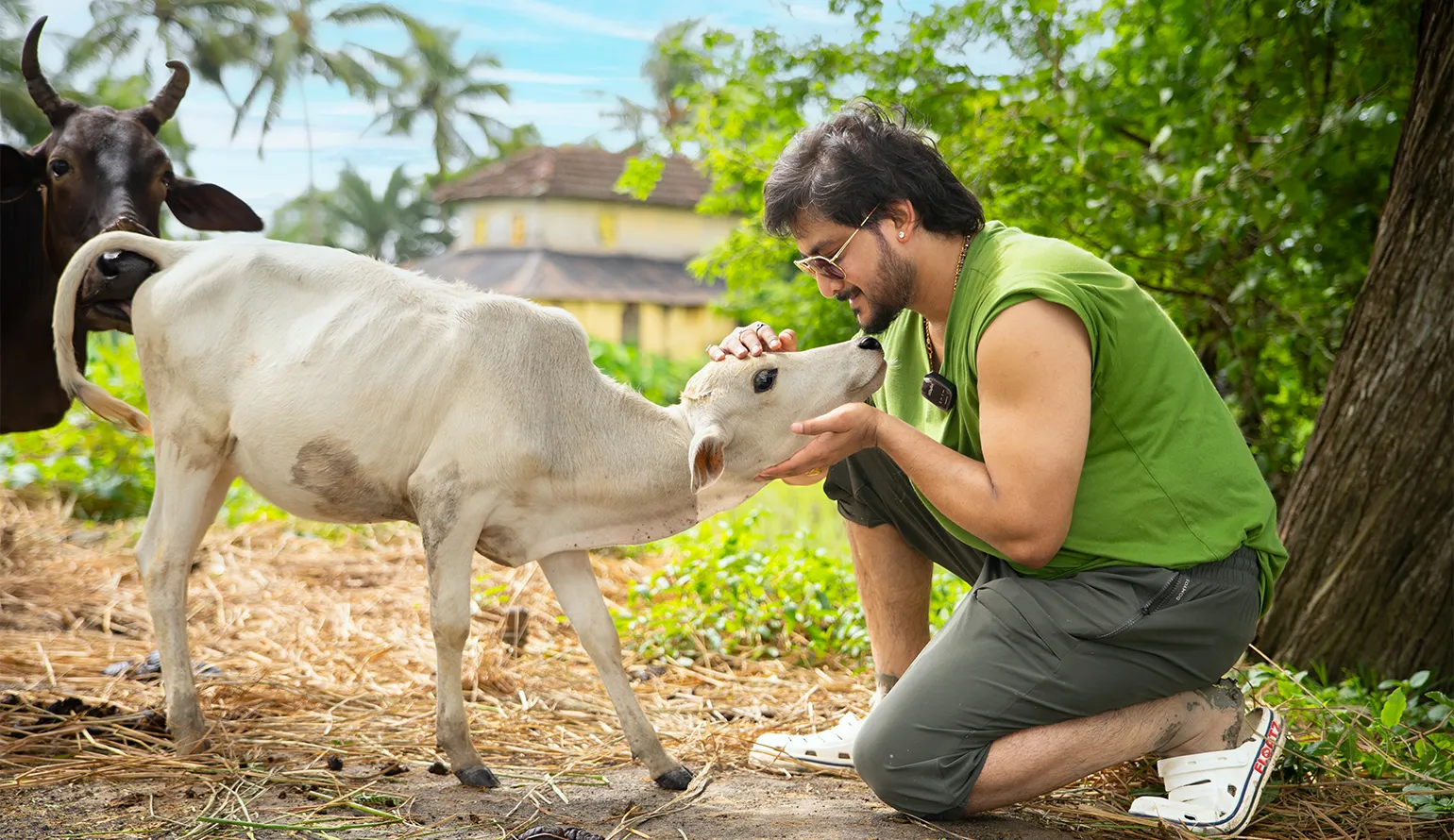
Animal Care Sponsorship: Many temples are home to cows and other animals that are considered sacred. Your sponsorship ensures these animals receive proper veterinary care, nutritious food, and a safe, dignified environment.
Your Contribution Creates Real Change
When you choose to support the Devi Sadhana program, your contribution does not disappear into an abstract administrative void. It manifests as real, visible, and deeply felt change in the lives of real people. Your generosity directly supports more families, providing them with the stability and resources they need to thrive. It reaches more children, offering them the dual gifts of modern education and timeless cultural wisdom, setting them on a path to a brighter future.
Your support empowers more women, giving them the platforms, skills, and confidence to become leaders and providers within their communities. It brings comfort and dignity to more elderly individuals, ensuring their twilight years are filled with care, respect, and devotion rather than neglect. Your contribution extends our reach to more villages, transforming isolated, struggling hamlets into vibrant, self-reliant communities centered around a restored, thriving spiritual hub.
Furthermore, your giving enables more healthcare interventions, bringing life-saving medical attention to doorsteps that would otherwise never see a doctor. It funds more education, building classrooms and funding scholarships that unlock human potential. It creates more livelihoods, supporting local artisans and farmers and injecting vital economic energy into rural economies. Above all, your contribution generates more hope. It sends a powerful message to every marginalized individual that they are seen, they are valued, and they are not alone in their struggles.
Together We Can Build a Better Tomorrow
The preservation of our sacred heritage and the upliftment of our most vulnerable communities is not a task for a single organization or a single individual. It is a collective calling, a shared dharma that requires the compassion, energy, and resources of all who believe in a more just and beautiful world. The Devi Sadhana program is a beacon of this possibility, demonstrating that when we honor our past, we can build a profoundly better future.
We have already begun the work on the ground. We are already restoring temples, feeding the hungry, educating the young, and empowering the marginalized. We are deeply committed to this path. But the need is vast, and the potential for positive transformation is limitless. With your support, we can reach many more lives, heal many more communities, and preserve the sacred flame of our culture for centuries to come.
We invite you to stand with us. Let your compassion translate into action. Let your resources become a force for enduring good. Whether you choose to Donate Now, Become a Volunteer, or Contact Us to explore a deeper partnership, your involvement is the catalyst for change. Share this mission with your friends, family, and networks. Let the story of this revival spread far and wide.
Together, rooted in hope, guided by compassion, and united in community, we can uphold our humanity and build a tomorrow where every individual thrives and every sacred tradition is honored. We invite you to explore our programs and find your unique place in this beautiful, transformative journey.