
Programme Overview
In the quiet corners of rural West Bengal, the echoing resonance of temple bells is slowly fading. Ancient structures that once served as the vibrant heart of community life now stand silent, overgrown, and forgotten. This is not merely a loss of brick and mortar; it is the gradual erosion of our cultural memory, our spiritual anchor, and the sacred spaces where generations have found solace, guidance, and unity. The Shiva Sadhana program is a profound response to this quiet crisis. It is a dedicated spiritual initiative designed to preserve traditional practices associated with the worship of Lord Shiva and to pass this sacred, timeless knowledge to future generations. Through meticulous restoration, responsible management, and community-led worship, we are breathing life back into neglected sacred spaces.
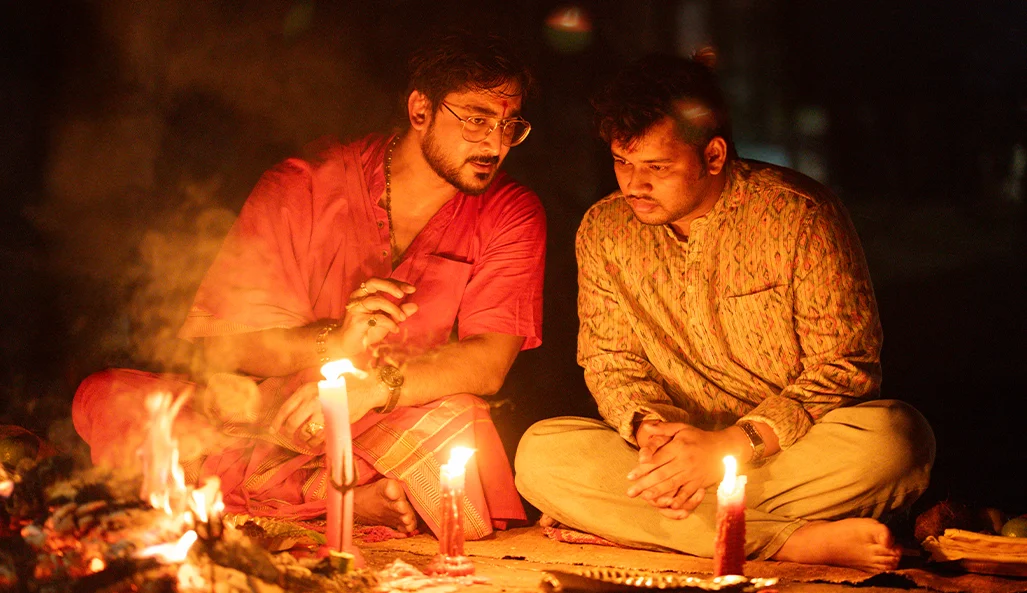
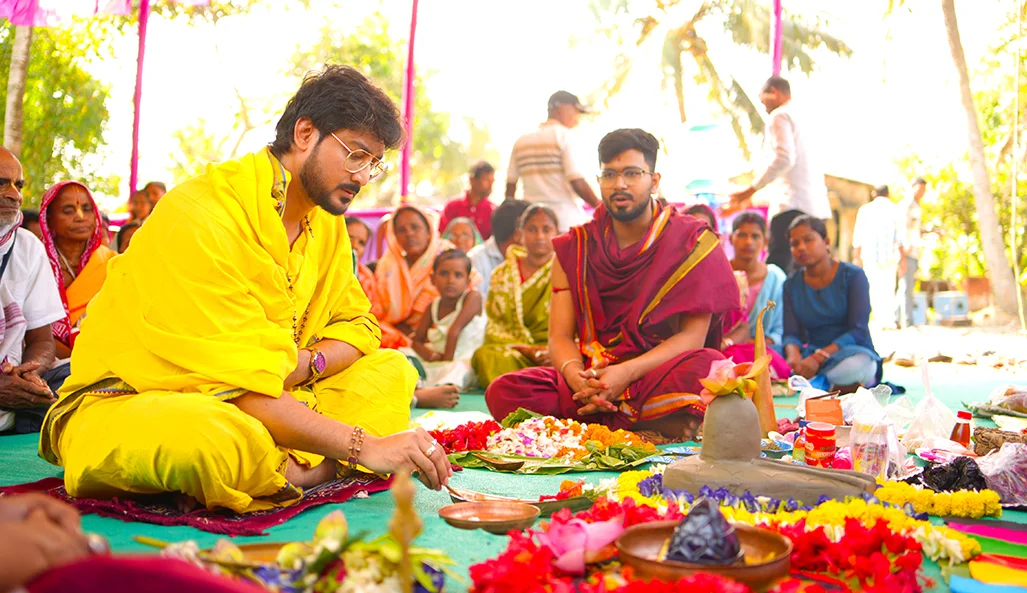
When a temple falls into disrepair, the community loses more than a place of prayer. It loses a center for education, a haven for the vulnerable, and a repository of traditional arts and ethics. The Shiva Sadhana initiative addresses this multifaceted loss by combining spiritual revival with tangible community development. We focus on traditional Shiva Puja, Nitya Puja, Rudrabhishek, and authentic Abhishek procedures, ensuring that the rituals are performed with the reverence and precision they demand. Beyond the rituals, this program encompasses the lawful restoration of temple structures, the training of local volunteers, and the responsible care of sacred spaces under appropriate guidance. By engaging with the Shiva Sadhana program, you are not just observing a religious act; you are participating in the active preservation of India's rich cultural heritage. We invite you to understand the depth of this work, the dignity of the communities involved, and the transformative power of restoring what is sacred.
The Reality We Witness Every Day
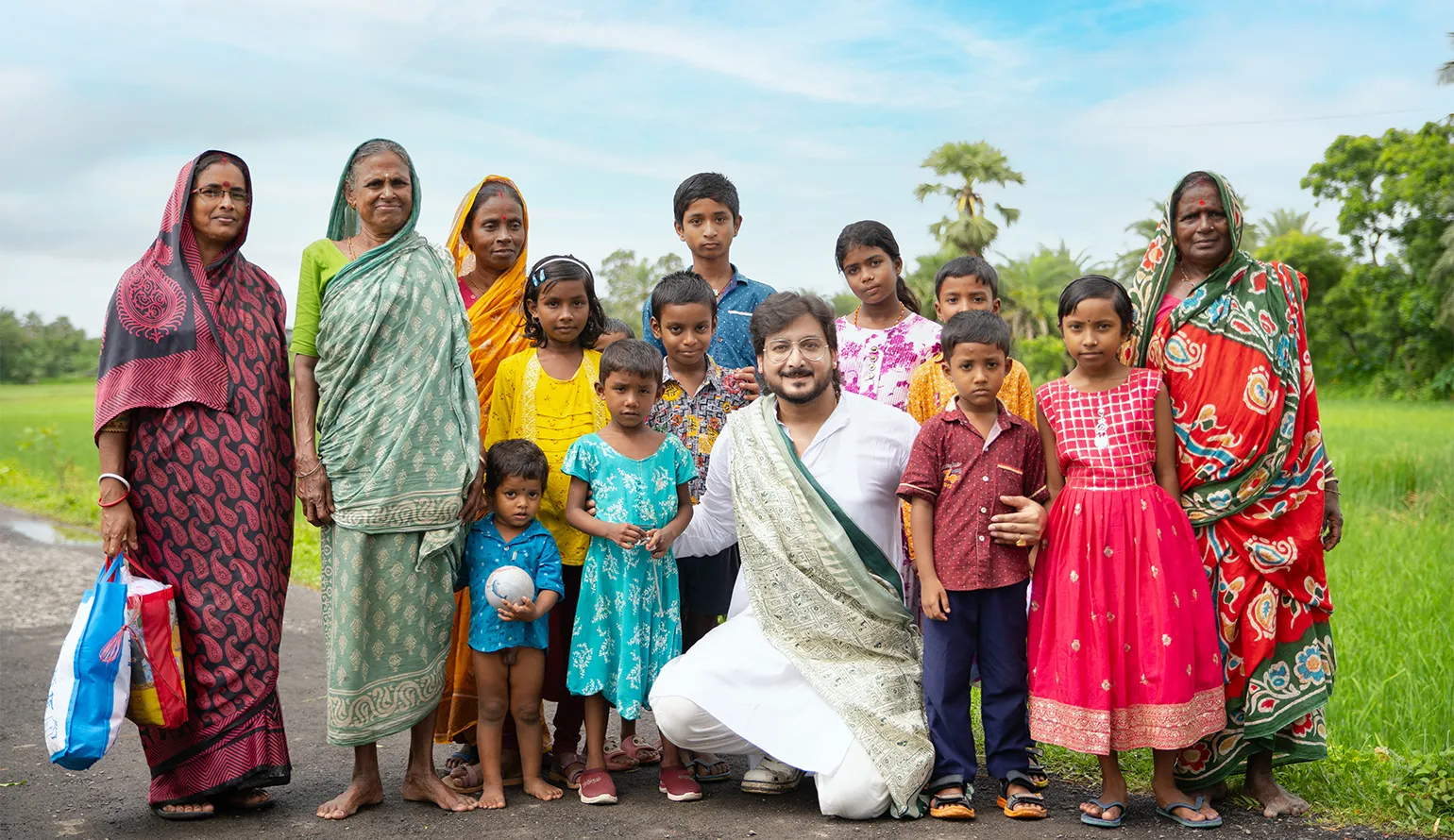
Travel through the rural outskirts of Kolkata, West Bengal, India, and you will encounter a poignant reality. Nestled among banyan trees and quiet village paths stand ancient Shiva temples, their intricate terracotta carvings weathered by time and neglect. In one such village, we met an elderly devotee who walks three kilometers every morning just to light a single earthen lamp before a crumbling stone lingam. There is no priest, no organized community, and no maintenance. The roof leaks during the monsoon, and the sacred courtyard is filled with debris. This elderly man represents thousands of individuals who hold onto their faith with quiet dignity, even as the physical structures of their devotion crumble around them. This is the reality we witness every day, and it is a reality that demands compassionate, structured intervention.
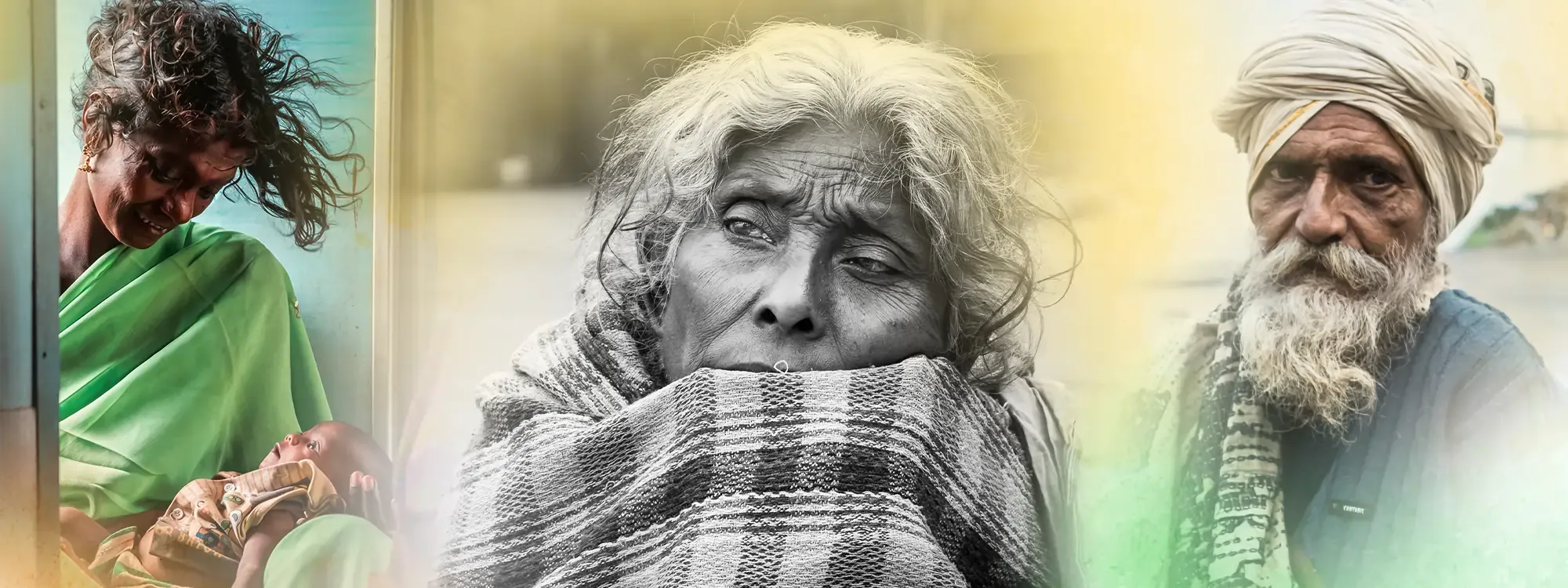
The decline of these sacred spaces is not due to a lack of faith but rather a lack of resources, legal awareness, and organized support. Many of these temples were built centuries ago by local communities whose descendants have since migrated to urban centers for livelihood. The remaining population, often consisting of the elderly, women, and marginalized families, lacks the financial means and administrative knowledge to maintain these structures. Consequently, these temples become vulnerable to encroachment, environmental degradation, and complete abandonment. When a temple is abandoned, the community fractures. The space that once hosted festivals, resolved local disputes, and provided shelter during disasters becomes a symbol of decay. The psychological impact on the community is profound, leading to a loss of cultural identity and a diminished sense of collective pride.
It was precisely this silent crisis that moved Gaurav Tribedi to action. Witnessing the disconnect between the rich spiritual heritage of Bengal and the current state of its rural temples, he recognized that spiritual preservation and humanitarian service are deeply intertwined. Under his guidance, the Nabatara Foundation initiated the Shiva Sadhana program to bridge this gap. We do not view these temples merely as religious sites; we see them as vital community assets that, when restored, can catalyze widespread social upliftment. By stepping into these villages, we listen to the stories of the local elders, we assess the structural needs of the temples, and we collaborate with the community to develop a sustainable plan for revival. The Shiva Sadhana initiative is our promise to these communities that their heritage will not be erased by time and that their sacred spaces will once again become beacons of hope, unity, and cultural continuity.
Our Commitment to This Mission
The Nabatara Foundation approaches the Shiva Sadhana program with unwavering dedication, structured methodology, and absolute transparency. Our commitment extends far beyond superficial repairs; we are dedicated to holistic revival. When we identify a neglected temple, our first step is to engage in deep, respectful dialogue with the local community, village elders, and any existing temple committees. We believe that true restoration cannot be imposed from the outside; it must be cultivated from within. Therefore, community participation is the cornerstone of our operations. We help form local stewardship groups, empowering residents to take ownership of their heritage. This ensures that the temple remains a living, breathing part of the village long after our initial restoration work is complete.
The operational framework of the Shiva Sadhana program is meticulous and legally sound. We navigate the complex legalities of temple management, ensuring that all restoration collaborations, land donations, and management transitions are conducted with full legal compliance and ethical integrity. For temples where the original managing bodies are unable to continue their duties, we facilitate lawful temple or land donations to the Nabatara Foundation. This legal transfer allows us to assume full responsibility for the sustainable management, structural repair, and spiritual revitalization of the site. Every step of this process is documented, audited, and made accessible to our stakeholders, ensuring the highest levels of transparency and accountability.
Volunteer participation is another vital pillar of our mission. We do not rely solely on external contractors; instead, we train local youth and community members in the sacred arts of temple maintenance and ritual preparation. Volunteers learn the authentic procedures of Puja preparations, the significance of Nitya Puja, and the precise methods of Rudrabhishek and Abhishek. This knowledge transfer serves a dual purpose: it preserves ancient traditions and provides valuable skills to the local youth, fostering a sense of pride and purpose. Beneficiaries of this program are not passive recipients; they are active co-creators of their community's revival. Whether it is a young woman learning to manage temple accounts or a group of men collaborating on structural repairs, every individual plays a crucial role.
Transparency in fund utilization is non-negotiable for the Nabatara Foundation. Every contribution directed toward the Shiva Sadhana program is tracked and allocated specifically to restoration materials, priest stipends, volunteer training, and community outreach activities. We provide regular, detailed reports to our donors and partners, showcasing the measurable impact of their support. We measure success not just by the number of temples restored but also by the resurgence of community gatherings, the revival of local festivals, and the renewed sense of dignity among the villagers. Our long-term commitment means we do not abandon a temple once the roof is fixed. We remain engaged, providing ongoing support for ritual supplies, maintenance, and community programs, ensuring that the sacred space continues to thrive for generations to come.
Our Ground-Level Initiatives
Awareness Programs and Cultural Education
Reviving a temple begins with reviving the awareness of its value. The Nabatara Foundation conducts extensive awareness programs in rural West Bengal, educating communities about the historical, cultural, and social significance of their local Shiva temples. We organize workshops and storytelling sessions for children and youth, teaching them about the mythology, architecture, and traditional rituals associated with Lord Shiva. By connecting the younger generation to their heritage, we ensure that the knowledge of Shiva Sadhana is not lost to time. These awareness campaigns also educate the public on the legal rights and responsibilities concerning temple management, empowering communities to protect their sacred spaces from encroachment or neglect.
Community Outreach and Grassroots Engagement
Our outreach efforts are deeply rooted in the daily lives of the people we serve. We do not operate from distant offices; our team is present in the villages, sharing meals, listening to concerns, and building genuine relationships. Through the Shiva Sadhana program, the temple courtyard becomes a neutral, welcoming ground for community dialogue. We facilitate meetings where villagers can discuss local issues, resolve conflicts, and plan collective actions. This grassroots engagement ensures that our interventions are always aligned with the actual needs and desires of the community, fostering a strong sense of unity and shared purpose.
Medical Support and Health Camps
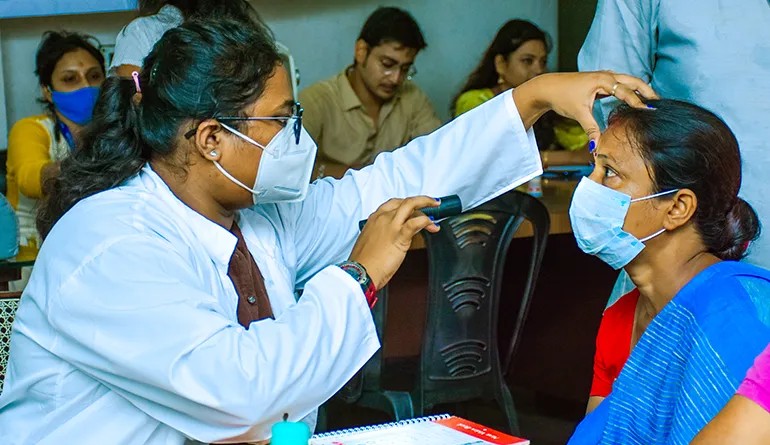
A revived temple naturally becomes a hub for community welfare, including healthcare. Recognizing the severe lack of medical facilities in rural areas, the Nabatara Foundation regularly organizes free medical health camps within the premises of restored Shiva temples. We partner with qualified doctors and healthcare professionals to provide basic health check-ups, eye care, and distribution of essential medicines to the elderly, women, and children. The sacred space, once a place of spiritual healing, now also facilitates physical healing, demonstrating the holistic nature of our humanitarian approach.
Educational Support and Moral Grounding
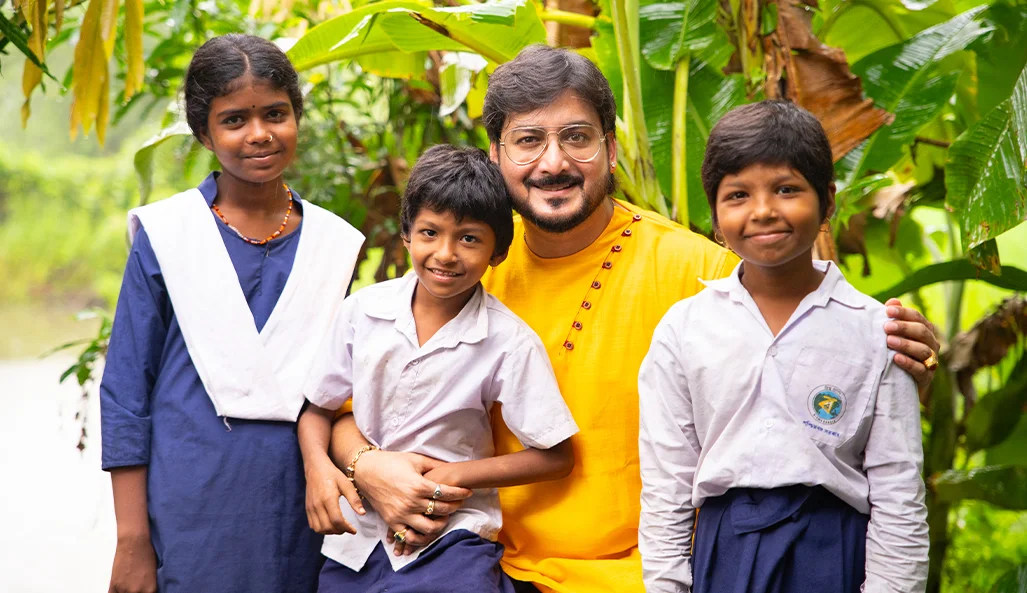
Education is the most powerful tool for breaking the cycle of poverty. Under the Shiva Sadhana initiative, we utilize the safe and serene environment of the temple premises to host evening educational support classes for underprivileged children. These sessions provide assistance with formal schooling while also incorporating moral and ethical education drawn from spiritual traditions. By blending academic support with character building, we help children develop into responsible, compassionate, and knowledgeable individuals who will eventually become the stewards of their own communities.
Skill Development and Livelihood Support
Spiritual preservation must go hand in hand with economic empowerment. The Nabatara Foundation integrates skill development into the Shiva Sadhana program by training local artisans and women in traditional crafts associated with temple worship. We provide training in making flower garlands, crafting traditional clay lamps, and producing organic incense. Furthermore, we assist in creating market linkages for these products, providing a sustainable source of income for marginalized families. This livelihood support ensures that the community can financially sustain the temple's daily operations while simultaneously improving their own economic standing.
Relief Activities and Disaster Response
Historically, temples have served as the first line of defense during natural calamities. The Nabatara Foundation reinforces this role by ensuring that restored Shiva temples are structurally sound and equipped to serve as emergency shelters during floods or cyclones, which are common in West Bengal. We maintain stockpiles of essential relief materials, including dry food, clean drinking water, and basic medical supplies within these sacred spaces. When disaster strikes, the temple immediately transforms into a coordinated relief distribution center, providing immediate aid and comfort to affected families.
Counselling and Psychological Rehabilitation
The loss of livelihood, migration, and poverty take a significant toll on mental health. Within the peaceful ambiance of the restored temples, we offer informal counselling and psychological support services. Trained volunteers and social workers provide a listening ear and guidance to individuals facing domestic challenges, grief, or economic despair. The spiritual environment of the Shiva Sadhana spaces naturally promotes calmness and reflection, aiding in the emotional rehabilitation of vulnerable individuals and helping them regain their inner strength.
Tree Plantation and Environmental Sustainability
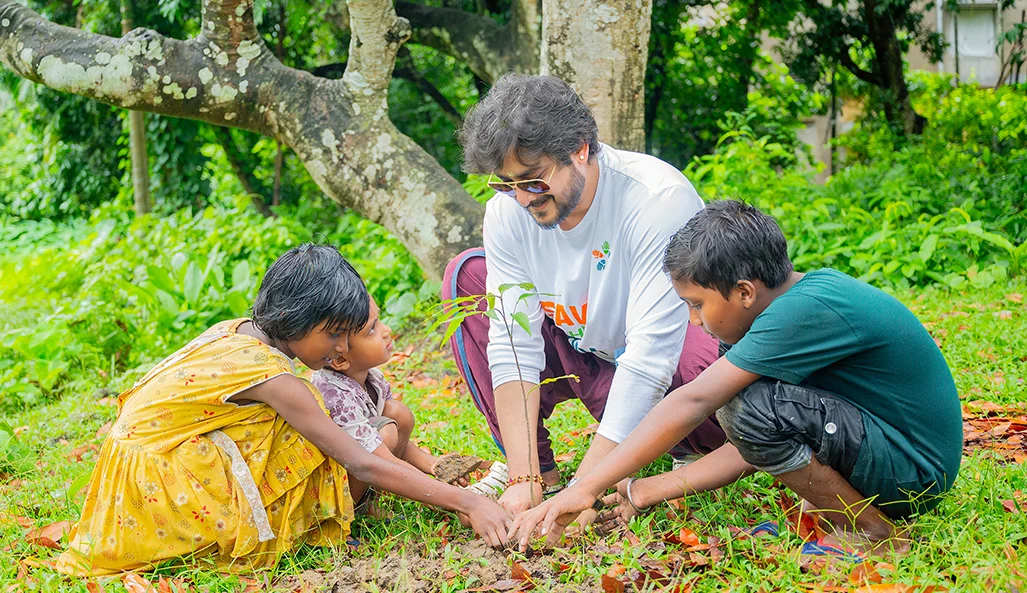
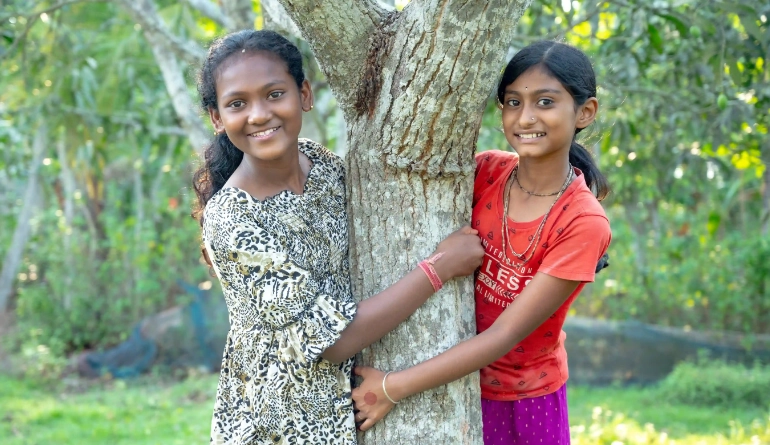
Sacred spaces and nature are intrinsically linked. The Nabatara Foundation actively promotes environmental sustainability through the Shiva Sadhana program by organizing large-scale tree plantation drives around temple premises. We plant native species, particularly the Bilva tree, which is sacred to Lord Shiva, along with fruit-bearing trees that can later provide sustenance to the community and temple animals. We also implement waste management systems and promote the use of eco-friendly materials in all rituals, ensuring that our spiritual practices protect rather than harm the natural environment.
Nutrition Support and Anna Daan
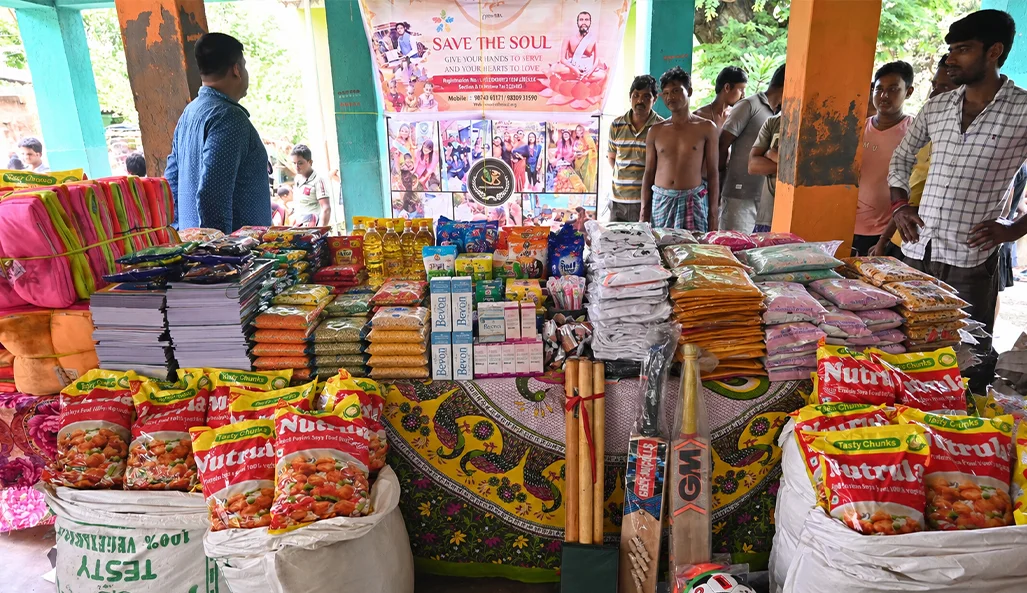
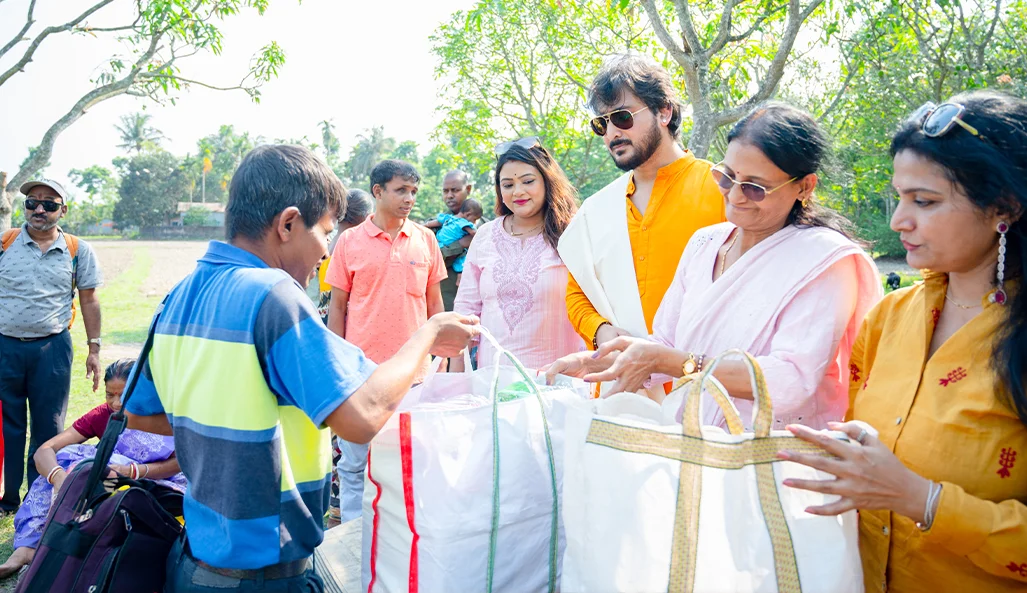
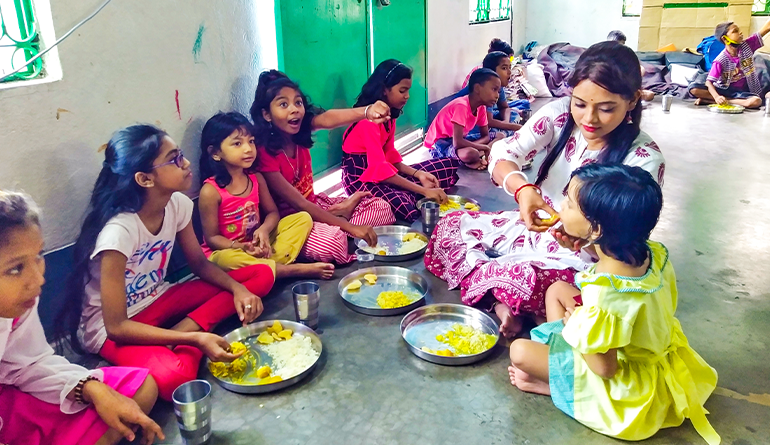
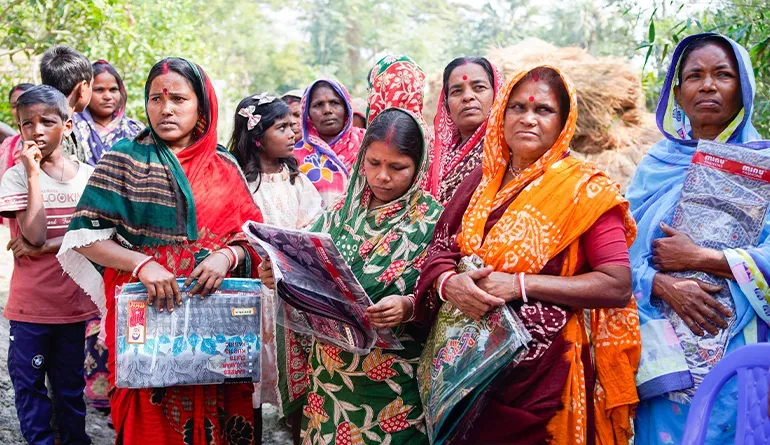
The concept of Anna Daan, or the donation of food, is a sacred duty in our culture. We ensure that the restored temples are equipped to facilitate regular community kitchens or periodic mass feeding programs. On auspicious days and festivals, we organize large-scale nutrition support initiatives, providing wholesome, hygienic meals to the elderly, orphans, and daily wage laborers. This initiative not only addresses immediate hunger but also reinforces the spirit of sharing and collective responsibility within the village.
Women's Empowerment and Leadership
The Nabatara Foundation is deeply committed to women's empowerment. Through the Shiva Sadhana program, we actively encourage and train women to take on leadership roles in temple management committees. We provide them with training in financial literacy, administrative management, and ritual organization. By placing women at the forefront of cultural preservation, we challenge traditional gender barriers and provide them with a respected, influential voice in community decision-making processes, thereby elevating their social status and self-reliance.
Child Development and Safe Spaces
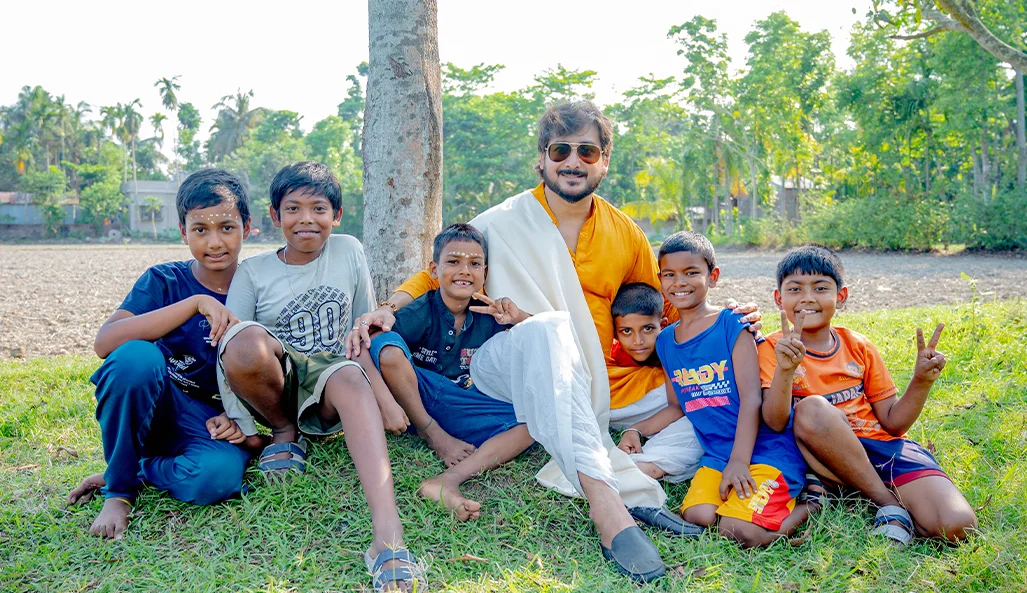
Children are the future custodians of our traditions. We ensure that the temple premises are developed into safe, child-friendly zones where children can play, learn, and participate in cultural activities without fear. We organize special events during festivals that focus on child development, including storytelling, traditional music, and dance classes. These activities keep children engaged in positive, culturally enriching environments, protecting them from negative influences and child labor.
Village Development and Infrastructure
The restoration of a temple often catalyzes broader village development. As part of our holistic approach, the Nabatara Foundation assists communities in improving the infrastructure surrounding the sacred space. This includes paving pathways, installing solar lighting for safety, and constructing clean public sanitation facilities. These improvements benefit the entire village, enhancing the overall quality of life and making the area more accessible and welcoming for all residents and visitors.
Elder Care and Dignified Support
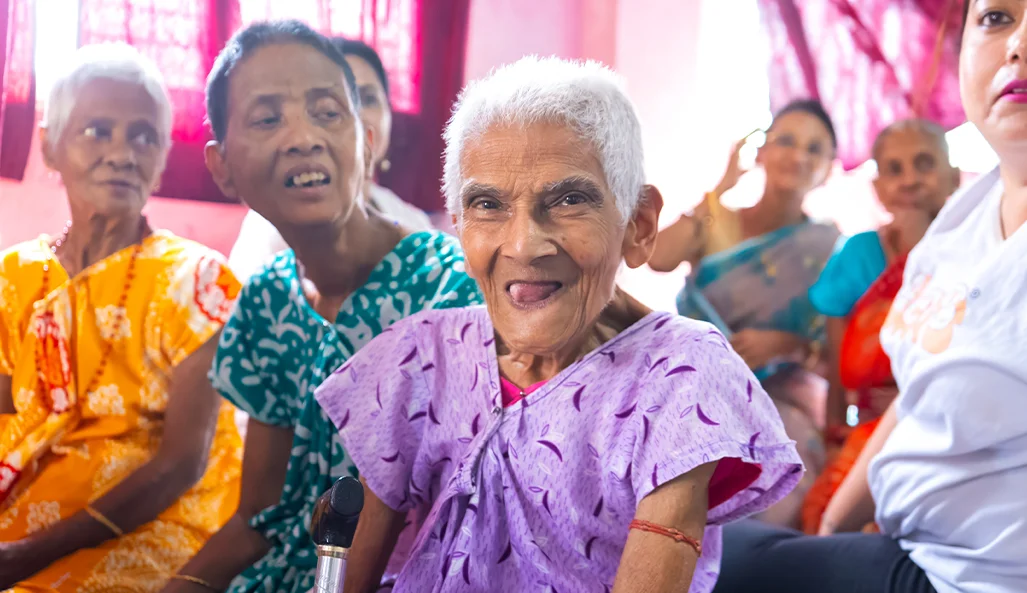
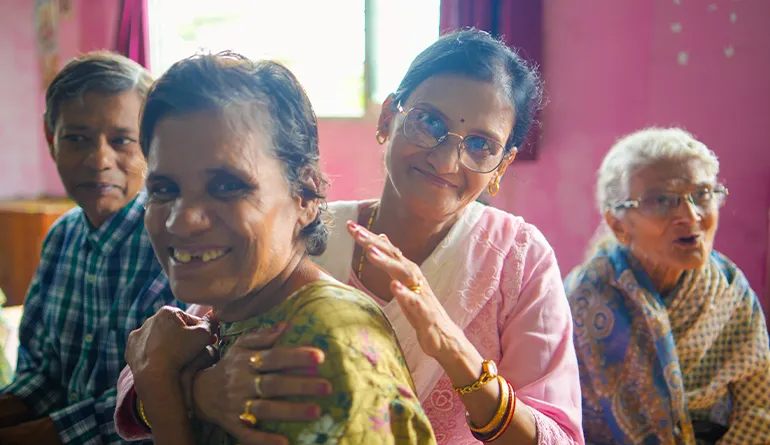
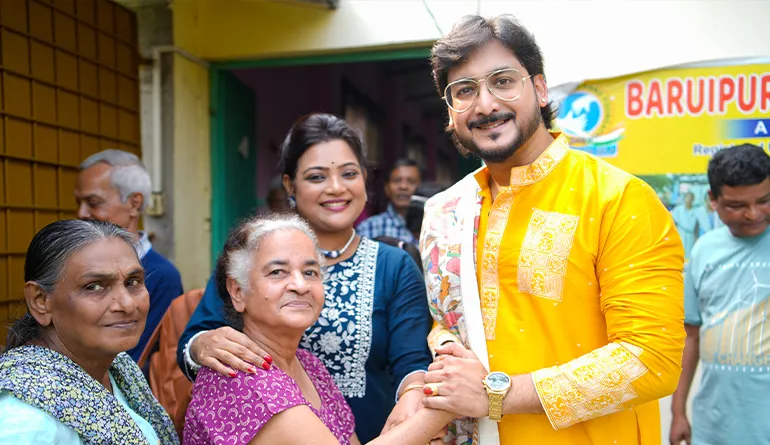
Our society's elders are the living repositories of wisdom and tradition. The Shiva Sadhana program places a special emphasis on elder care. We organize regular gatherings where the elderly are honored, fed, and provided with basic healthcare. The temple becomes a place where they can socialize, share their knowledge with the younger generation, and practice their faith with dignity, free from the isolation that often accompanies old age in rural settings.
Animal Welfare and Compassionate Care
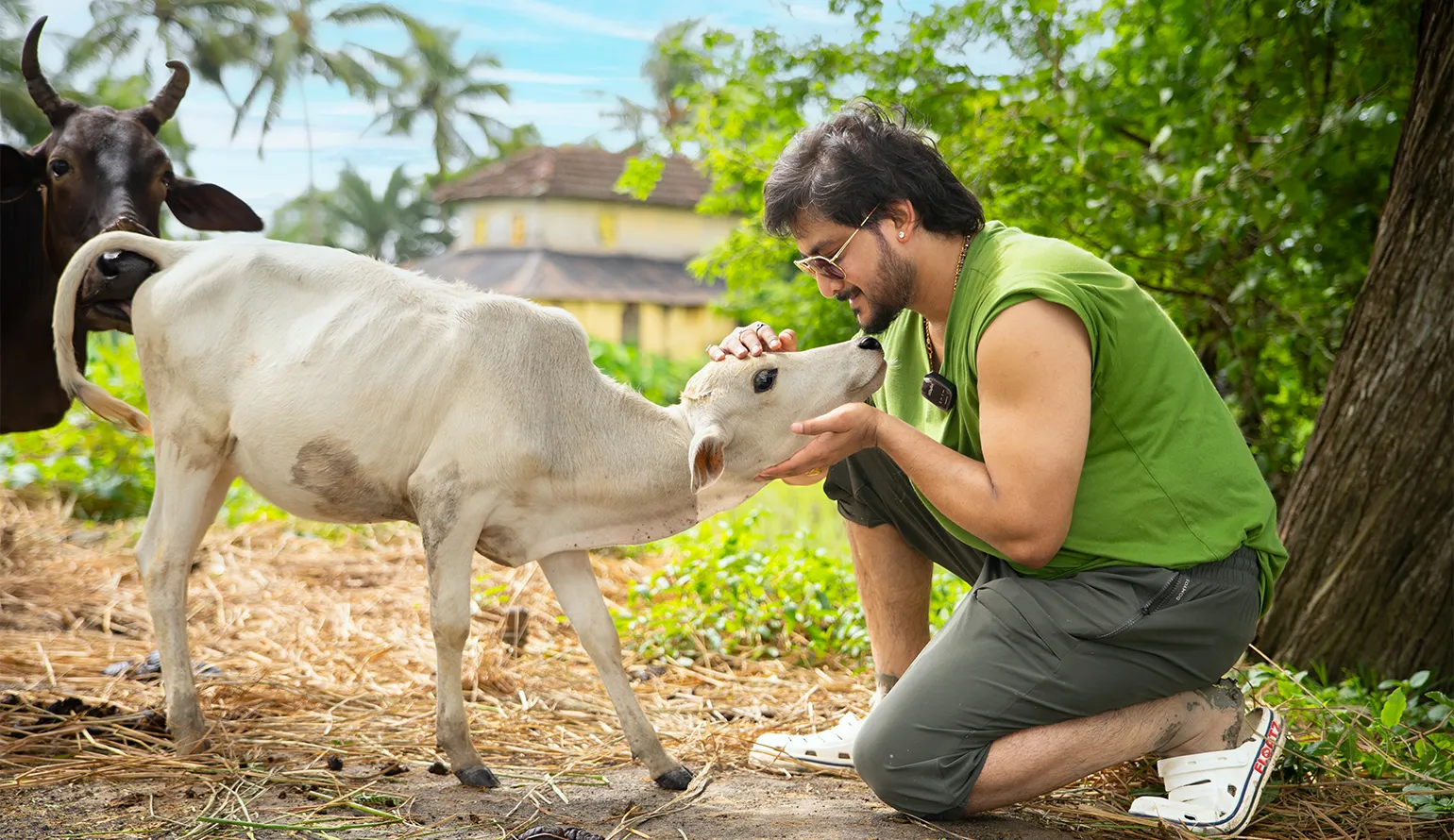
Compassion extends to all living beings. Recognizing that many temples traditionally care for stray animals, the Nabatara Foundation integrates animal welfare into the Shiva Sadhana initiative. We facilitate the provision of regular food and water for temple cows, dogs, and birds. We also collaborate with local veterinary services to ensure that these animals receive necessary medical care and vaccinations, promoting a harmonious coexistence between humans and animals within the sacred precincts.
Creating Sustainable Change
The Nabatara Foundation firmly believes that true humanitarian work must transcend temporary charity and aim for sustainable, long-term change. The Shiva Sadhana program is designed not as a short-term relief project but as a comprehensive framework for community empowerment. We understand that giving a community a restored temple is only the first step; the ultimate goal is to equip that community with the tools, knowledge, and resources to sustain and grow from that foundation independently. Sustainable development is the core philosophy that guides every action we take.
Education and skill building are the primary engines of this sustainability. By training local youth in temple administration, traditional arts, and digital literacy, we create new employment opportunities within the village. A young person who learns to manage the temple's digital presence or maintain its accounts gains a valuable, transferable skill. This focus on employment and self-reliance ensures that the economic benefits of the temple's revival remain within the community, reducing the need for outward migration and strengthening the local economy.
Health and well-being are equally critical to sustainable change. By establishing the temple as a regular site for health camps and nutrition programs, we create a consistent, accessible healthcare infrastructure for the most vulnerable. This proactive approach to health prevents minor issues from becoming catastrophic financial burdens for poor families. Furthermore, our emphasis on environmental responsibility, through tree plantation and eco-friendly rituals, ensures that the community's natural resources are protected for future generations, aligning spiritual duty with ecological stewardship.
Community leadership and legal awareness are the final pillars of our sustainable model. We do not create dependency; we cultivate leaders. By forming and training local temple committees, we ensure that the community has the legal awareness to protect their land and the administrative capability to manage their resources. We promote social responsibility by encouraging those who have benefited from the program to give back, creating a self-perpetuating cycle of generosity and mutual support. Through this multifaceted approach, the Nabatara Foundation ensures that the impact of the Shiva Sadhana program resonates for decades, transforming lives permanently.
The Vision of Gaurav Tribedi
At the heart of the Nabatara Foundation lies the profound humanitarian philosophy of its founder, Gaurav Tribedi. His vision is not confined to mere philanthropy; it is a deep, spiritual commitment to the concept of Seva, or selfless service. Gaurav Tribedi understands that true service is not an act of condescension but a recognition of the divine in every individual. His journey has been defined by a relentless dedication to walking alongside the most marginalized, listening to their struggles, and working tirelessly to restore their dignity and hope. For him, the restoration of a physical temple is intrinsically linked to the restoration of the human spirit.
Central to his philosophy is the principle of Antyodaya, the upliftment of the last person in society. Gaurav Tribedi believes that the true measure of a civilization is how it treats its most vulnerable members. This belief drives the grassroots leadership style of the Nabatara Foundation. We do not dictate solutions from above; we emerge from the community, working shoulder-to-shoulder with villagers to identify problems and co-create solutions. This grounded, empathetic leadership ensures that every initiative is relevant, respectful, and deeply effective.
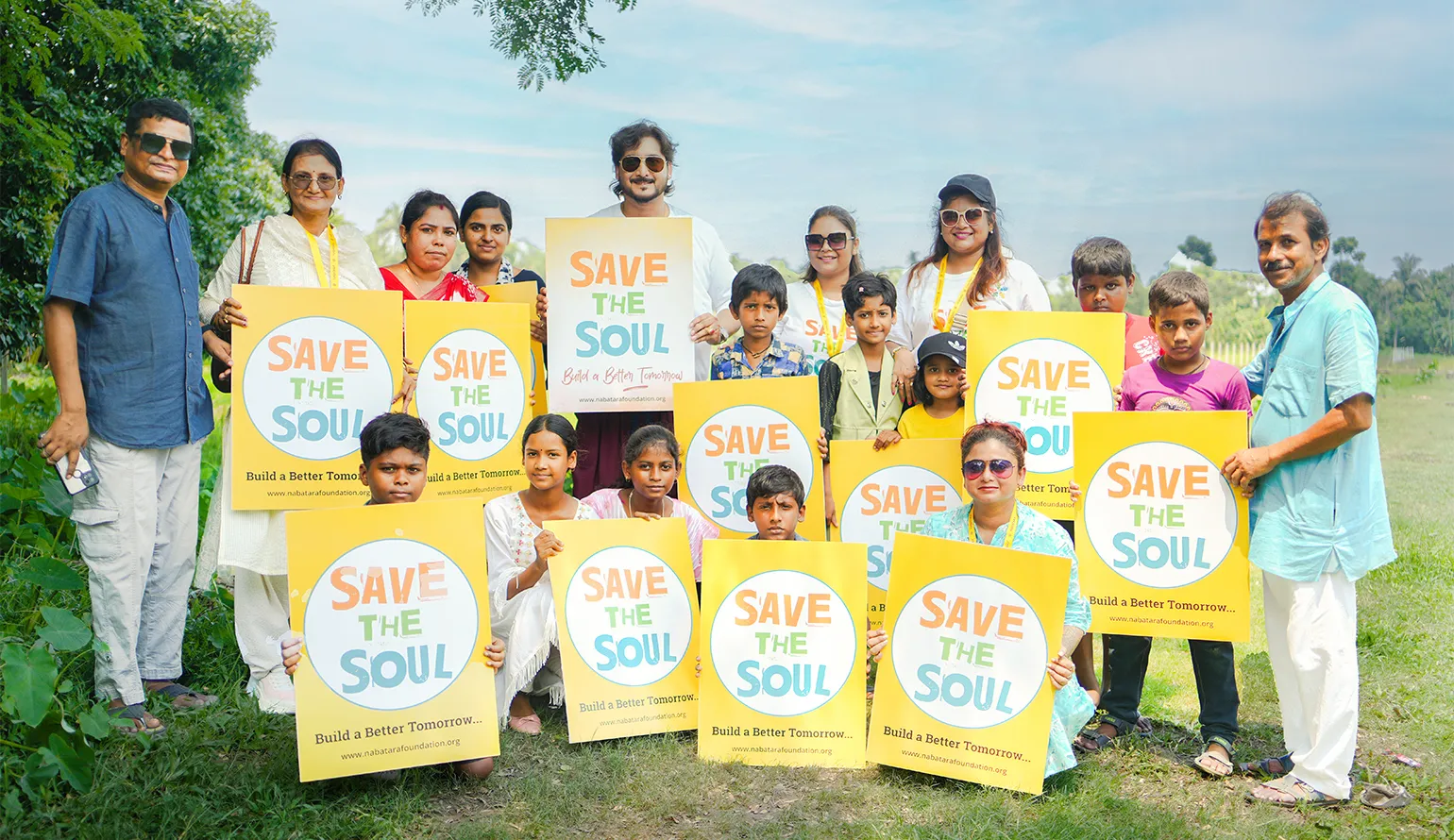
Gaurav Tribedi's vision for India is one where ancient wisdom and modern compassion converge. He sees spirituality not as an escape from worldly problems, but as the very fuel for compassionate action. When we perform Shiva Sadhana, we are not just chanting mantras; we are activating our Dharma, our righteous duty to protect and nurture our community and our environment. This spiritual grounding provides the resilience needed to tackle complex social issues like poverty, neglect, and inequality. As a government-registered NGO, the Nabatara Foundation operates with the highest standards of legal and ethical compliance, ensuring that this visionary work is structured, transparent, and impactful. Through the Save The Soul initiative, Gaurav Tribedi continues to inspire a movement where cultural preservation and humanitarian service are seamlessly unified, creating a more just and compassionate world.
Why Communities Trust Nabatara Foundation
Trust is not given; it is earned through consistent, transparent, and respectful action over time. The communities of West Bengal trust the Nabatara Foundation because we have proven our commitment to their well-being through tangible results and unwavering ethics. Transparency is the bedrock of our operations. From the moment a project is initiated, we maintain open communication with the community, local authorities, and our donors. Financial records, project timelines, and impact assessments are clearly documented and readily available, ensuring that every rupee is accounted for and utilized strictly for its intended purpose.
Our ethical framework is guided by a deep respect for human dignity and cultural sensitivity. We never impose external values or disrupt local traditions. Instead, we work within the existing cultural fabric, honoring the role of local priests, elders, and traditional practitioners. This respect fosters genuine community participation, transforming residents from passive beneficiaries into active partners in the Shiva Sadhana program. Our volunteer network is composed of dedicated individuals who are trained not only in practical skills but also in empathetic communication, ensuring that every interaction is rooted in kindness and respect.
The grassroots presence of the Nabatara Foundation is another key factor in building trust. We are not an absentee organization. Our team members live and work within the communities we serve, sharing their challenges and their triumphs. This physical and emotional proximity allows us to respond swiftly to emerging needs and to maintain long-term relationships that extend far beyond the completion of a single project. Accountability is woven into our organizational culture. We actively seek feedback from the community and adjust our strategies accordingly, demonstrating that we value their voices and are committed to continuous improvement. It is this combination of transparency, ethics, and genuine care that has established the Nabatara Foundation as a trusted pillar of support in rural West Bengal.
How You Can Become Part of This Mission
The revival of our sacred heritage and the upliftment of our communities is a collective responsibility, and there is a meaningful place for everyone in this mission. We invite you to join the Nabatara Foundation in this sacred journey of restoration and empowerment. Your involvement, in any form, creates a ripple effect of positive change that extends far beyond what you can see. Whether you have time, resources, or professional expertise to share, there is a pathway for you to contribute to the Shiva Sadhana program.
For those who wish to offer their time and energy, we warmly invite you to become a volunteer. Our volunteer programs offer diverse opportunities, from participating in physical temple restoration and organizing community health camps to teaching children or assisting in the documentation of cultural heritage. Corporate groups can engage through corporate volunteering initiatives, bringing their teams together for Shramdaan, or selfless physical labor, to clean and restore a sacred space, fostering team unity while serving a noble cause.
If you are moved to provide financial support, your Donate Now contribution becomes the lifeblood of our operations. We offer flexible giving options to suit your capacity. Monthly Giving allows you to provide sustained, predictable support that helps us plan long-term restoration projects with confidence. For those looking to make a profound, lasting impact, Legacy Giving enables you to include the Nabatara Foundation in your long-term financial planning, ensuring your values continue to generate good karma for generations.
We also welcome strategic partnerships. Businesses and organizations can engage in CSR collaboration, aligning their corporate social responsibility goals with our ground-level initiatives. Sponsoring a specific aspect of the program, such as educational sponsorship for underprivileged children studying in temple premises, healthcare sponsorship for our medical camps, or village adoption for comprehensive development, allows partners to see the direct, measurable impact of their investment. Furthermore, we facilitate Tree Plantation Sponsorship and Animal Care Sponsorship, enabling environmentally conscious individuals to contribute directly to the ecological harmony of these sacred spaces. For those with the means and the desire to make a monumental contribution, we welcome lawful land donation for gurukul development or direct financial support for major temple building projects. Every form of support is received with deep gratitude and utilized with the utmost integrity.
Your Contribution Creates Real Change
When you choose to support the Shiva Sadhana program, your contribution translates into immediate, tangible, and life-altering change. Your generosity does not disappear into administrative overhead; it manifests directly in the lives of those who need it most. Because of your support, more families can gather in a safe, clean, and spiritually uplifting environment, strengthening their communal bonds. More children gain access to educational support and moral guidance, setting them on a path away from poverty and toward a bright, empowered future.
Your contribution ensures that more women are given the platform, training, and respect they deserve to become leaders in their communities. It means that more elderly individuals are cared for with dignity, receiving the medical attention and social connection they need in their twilight years. Through your support, more villages are transformed from neglected outposts into vibrant, self-reliant communities equipped with better infrastructure, healthcare, and economic opportunities. Every rupee donated helps expand our medical outreach, bringing more healthcare to remote areas, and funds more educational initiatives, unlocking the potential of young minds.
Ultimately, your contribution creates more livelihoods, providing sustainable income for local artisans and workers. But beyond the material metrics, your support creates something even more valuable: more hope. It sends a powerful message to the most marginalized communities that they are not forgotten, that their heritage is valued, and that there are people who care deeply about their well-being. This hope is the catalyst for all lasting change, and it is a gift that you can provide.
Together We Can Build a Better Tomorrow
The preservation of our sacred traditions and the upliftment of our communities are not distant dreams; they are achievable realities, but they require our collective will and action. The Shiva Sadhana program stands as a testament to what is possible when compassion meets organized, dedicated effort. We have seen the transformation of crumbling structures into vibrant community hubs. We have witnessed the spark of hope return to the eyes of the elderly, the youth, and the marginalized. This transformation is fuelled by the unwavering belief that every individual deserves dignity, and every piece of our cultural heritage deserves protection.
We invite you to be a part of this beautiful, ongoing story. Let us move forward together, guided by the principles of hope, compassion, and shared humanity. Let us build a future where transparency and accountability are the norms and where every action is driven by a genuine desire to uplift others. The time to act is now. You can donate now to fuel the next phase of temple restoration, or you can become a volunteer to offer your hands and heart to the cause. We encourage you to contact us to discuss potential partnerships or simply explore our programs to learn more about the diverse ways we are serving the community. Share this mission with your network, and let the ripple effect of kindness grow. Together, with your support, we can preserve our past, empower our present, and build a profoundly better tomorrow for all.