

Achievement does not always begin on a large stage. It may begin in a classroom, a small business, a neighborhood initiative, a healthcare practice, an art studio, or a community organization. The Nabatara Star Achievement Awards 2026 offer an opportunity to bring such work into focus and recognize people and institutions whose efforts may deserve wider attention.
The 2026 ceremony is planned in Kolkata, a city shaped by education, enterprise, culture, creativity, and public service. The awards are intended to welcome nominations across approved fields, helping deserving achievers present their work through an organized nomination process.
This page is for individuals considering a self-nomination, families or colleagues wishing to recognize someone else, and representatives of businesses, schools, institutions, NGOs, or community groups exploring relevant categories. Students, children, and schools may be considered only where an appropriate approved category is open and the official rules permit their participation.
Before submitting, every applicant or nominator should confirm the official event schedule, eligibility criteria, available categories, fees, and terms. Category availability may change, and the conditions for one field may differ from those for another.
If you know an individual or organization whose work reflects dedication, progress, creativity, leadership, or service, begin by reviewing the current nomination information.
Check eligibility and start a nomination.
Recognition can help people pause and understand the value of what they have accomplished. Many achievers are so focused on their work that they rarely document their progress. A nomination gives them a reason to look back, organize evidence, and explain why their contribution matters.
Meaningful achievement is not limited to fame, revenue, or public visibility. It can take many forms. An educator may develop a more engaging way to teach. An entrepreneur may build a responsible service that solves a practical problem. A health or wellness professional may improve the experience of the people they serve. An artist may preserve a cultural practice or create work that starts an important conversation.
For an NGO or community leader, achievement might mean sustaining a local program despite limited resources. For a student, where an approved student category is available, it could involve academic progress, creativity, innovation, leadership, sport, service, or resilience. The relevance of any example will always depend on the published category description and eligibility rules.
Recognition also matters because effort is often distributed across a team. A visible outcome may rest on years of learning, collaboration, and persistence. A thoughtful nomination can acknowledge the nominee while also showing the environment, mentors, colleagues, family members, or community relationships that helped make the work possible.
A strong story does more than list titles or milestones. It explains the starting point, the challenge, the action taken, and the result. Context helps reviewers understand whether an outcome required originality, consistency, courage, specialist skill,
or a strong sense of responsibility.
For example, the impact of a community project cannot always be understood through numbers alone. Its value may be seen in continuity, participation, access, or a practical improvement in everyday life. Similarly, a young enterprise may not have decades of history, but it may demonstrate a clear purpose, ethical decision-making, and a useful response to a local need.
The most persuasive nominations are not necessarily the most dramatic. They are specific, honest, and supported by information that a reviewer can understand. Recognition becomes more credible when the achievement is presented without exaggeration and assessed according to clearly communicated criteria.
Submitting a nomination can be valuable even before a selection decision is made. The process encourages a nominee to define their work, gather records, and communicate achievements in a concise way. That exercise can support future applications, professional profiles, institutional reports, or conversations with potential collaborators.
An award platform can create a structured setting in which work is introduced to people beyond the nominee’s immediate circle. Visibility should never be assumed or treated as guaranteed publicity. However, participation may help an individual or organization prepare a clearer public account of its contribution.
Nominees should review the official communication, publication, and consent terms to understand how names, photographs, profiles, or submitted material may be used. Any promotional opportunity should be evaluated according to the confirmed event arrangements rather than assumptions.
A nomination can reassure someone that their effort has been noticed. This may be especially meaningful for emerging professionals, community contributors, first-generation entrepreneurs, independent creators, and others whose work develops away from highly visible networks.
Recognition should not replace learning or improvement. At its best, it encourages a person to continue responsibly, assess what worked, and set the next goal with greater confidence.
Many capable people have incomplete records of their work. They may remember outcomes but not dates, retain photographs without captions, or quote impact without noting its source. Preparing for the Star Achievement Awards 2026 Kolkata nomination process can prompt more careful documentation.
A well-organized record might include a short biography, project summaries, dated photographs, relevant certificates, publications, links, references, outcome data, or feedback that can be verified. Applicants should provide only what is requested and avoid sharing confidential, private, or sensitive information unnecessarily.
An award ceremony in Kolkata may bring together people working in different sectors. Depending on the final event format, participants may have opportunities to learn about other initiatives and begin useful conversations. Such connections are possibilities, not promised outcomes, and should be approached with professional courtesy rather than purely promotional expectations.
A credible recognition process should tell applicants what is being assessed, who is eligible, what the timeline is, and which terms apply. Prospective nominees should read the published information carefully and ask questions if anything is unclear. Transparency protects applicants as well as the integrity of the award platform.
The awards may cover a range of approved categories, but inclusion should never be assumed from a broad description alone. Final eligibility depends on the official category rules in force for the 2026 edition. Applicants should verify age conditions, location requirements, experience thresholds, nomination permissions, and any category-specific evidence before submitting.
Individuals may be able to enter categories related to their professional work, creative practice, leadership, service, or personal contribution. A self-employed professional, researcher, trainer, artist, community organizer, or independent practitioner should select the category that most accurately reflects the achievement being presented.
Where relevant approved categories are open, nominations may be accepted for students, educators, schools, or other educational institutions. Participation by children or students must follow the stated age, consent, and documentation rules. Parents, teachers, or institutions should nominate a student only when the official process permits them to do so.
Founders, entrepreneurs, business leaders, enterprises, and professional teams may be eligible under approved business categories. The nomination should distinguish genuine achievement from general advertising. Evidence could focus on responsible growth, innovation, customer value, employment practices, problem-solving, or a clear contribution to a sector or community.
Approved categories may be available for eligible healthcare, allied health, or wellness practitioners and organizations. Nominees should describe their qualifications and scope of practice accurately. They must not disclose patient or client information without appropriate authority, and any claims should be lawful, ethical, and capable of support.
Artists, cultural practitioners, writers, designers, performers, filmmakers, and other creators may be considered where relevant categories are confirmed. A nomination can explain the creative idea, body of work, audience, cultural value, technical development, or contribution to a community of practice.
Non-governmental organizations, volunteers, social entrepreneurs, project leaders, and community contributors may be eligible for an approved social-impact category. Legal status, nomination period, and evidence expectations may vary, so applicants should not assume that every informal initiative or organization automatically qualifies.
Where approved categories exist, practitioners working in spirituality, personal development, or related areas may be invited to present their contribution. Submissions should use respectful language, avoid unverifiable promises, and clearly differentiate personal guidance or spiritual practice from regulated medical or psychological care.
Fitness, beauty, fashion, entertainment, and additional professional or community categories may be offered if they appear in the current official list. Always rely on the active nomination form and published rules rather than an earlier announcement or a category from a previous edition.
Choosing the right category is one of the most important parts of an effective nomination. The best fit is usually the category whose purpose matches the central achievement, not simply the nominee’s job title. The examples below are preparation ideas, not a statement of official requirements. Confirm what the current form requests before collecting or uploading material.
Potential education categories may recognize learning, teaching, innovation, mentorship, institutional development, or student achievement. Searches for student achievement awards in Kolkata, student awards in West Bengal, or education achievement awards in Kolkata often come from families and schools looking for a constructive way to acknowledge progress. Participation is appropriate only if the relevant category is officially open and the nominee satisfies its conditions.
A student nomination might describe a project, academic milestone, creative accomplishment, leadership role, community activity, or other approved achievement. Useful supporting material could include a concise statement from the school, a project summary, result documentation, dated certificates, a portfolio, or links to relevant work. Do not upload report cards, identity documents, or information about a minor unless specifically requested through a secure official process.
An educator may focus on a teaching initiative, mentoring contribution, inclusive classroom practice, curriculum project, or sustained educational service. A school or institution might present a defined program and explain its purpose, implementation, and observable outcome. General claims such as “excellent school” are less useful than a clear account of what was done and whom it served.
Nominees exploring business excellence awards in Kolkata or entrepreneur awards in Kolkata should identify a specific achievement. This may involve a useful product, a responsible business model, process improvement, customer solution, workplace initiative, local employment contribution, or response to a difficult market need.
Possible evidence includes business registration details if requested, a brief company profile, product information, verified milestones, customer references with permission, media coverage, professional certifications, or independently supportable performance information. Financial or commercial data should be shared only when necessary and through the designated process.
A nomination should not rely entirely on promotional language. Explain the problem, the approach, and the outcome. If the enterprise is early-stage, describe progress proportionately rather than implying scale that has not yet been reached. If more than one founder contributed, state the nominee’s individual responsibility clearly.
For possible healthcare awards in Kolkata or wellness awards in Kolkata, accuracy and professional responsibility are essential. A nominee may describe service improvement, patient education, preventive awareness, responsible practice development, access initiatives, research, training, or innovation relevant to an approved category.
Preparation material might include verified qualifications, professional affiliations where relevant, program descriptions, anonymized outcome information, educational resources, publications, or references. Testimonials should be used only with permission, and private health information must not be exposed.
Wellness nominations should avoid claims that a service can cure, guarantee, or replace appropriate clinical care unless such statements are lawfully substantiated and within the nominee’s professional scope. Clear boundaries strengthen credibility.
The arts awards Kolkata category landscape may include visual art, writing, music, dance, theatre, film, photography, design, craft, or other approved creative disciplines. Kolkata and West Bengal have rich cultural communities, but each nomination still needs to explain the distinct contribution of the nominee.
Creators may prepare a portfolio, publication list, performance record, exhibition information, samples of work, reviews, project descriptions, or evidence of community engagement. Emerging creators do not need to imitate the profile of established professionals. A focused, honest account of artistic development can communicate more than inflated descriptions.
If the work draws on a traditional form or community heritage, explain the relationship respectfully. Give credit to collaborators, teachers, performers, craftspeople, and source communities where appropriate.
People seeking social impact awards in India, NGO recognition awards in India, or community service awards in Kolkata often undertake work that is complex and collaborative. A strong nomination should identify the need being addressed and avoid presenting beneficiaries merely as statistics.
Potential supporting material could include project reports, activity records, independently verifiable outcome information, photographs with consent, partnership letters, audited or governance material if requested, and a realistic explanation of reach. Numbers should have a source and a defined period. If impact is primarily qualitative, explain what changed and how that change was observed.
Volunteer-led or grassroots initiatives may have fewer formal documents. They can still prepare a timeline, describe responsibilities, retain permission-based photographs, and request factual references from community partners. The official rules will determine what is accepted.
Approved spirituality awards in India or personal-growth categories may recognize teaching, community-building, ethical leadership, reflective practice, or programs intended to support individual development. Because these fields can involve deeply personal beliefs, nominations should be inclusive and careful in their claims.
Useful evidence may include a program outline, training background, publications, recorded sessions, participant feedback used with consent, community activities, or examples of responsible practice. The nomination should not exploit vulnerability or present subjective belief as a universally proven fact.
These fields should be considered only when corresponding categories are listed as open. Fitness nominees might document coaching, safe practice, athlete development, or community access. Beauty professionals might present technical development, responsible service, education, or business contribution. Fashion nominees could show design work, craftsmanship, sustainability efforts, or cultural expression. Entertainment nominations may focus on performance, production, storytelling, or audience contribution.
Portfolios, professional records, project credits, event information, training evidence, and permission-based references may be useful. Edited images or promotional material should not misrepresent outcomes. Credit all collaborators accurately.
A careful submission is usually stronger than a rushed one. Allow time to confirm the rules, gather accurate information, and obtain consent. The following sequence can help you prepare, although the active nomination form and official terms remain authoritative.
Choose the most relevant category. Read the current category title and description closely. Select the category that reflects the main achievement rather than trying to place the same story everywhere.
Review eligibility before writing. Check who can apply, whether self-nominations or third-party nominations are accepted, the relevant achievement period, age conditions, geographical scope, and any professional requirements.
Prepare a truthful achievement summary. Introduce the nominee, identify the contribution, and explain why it is relevant. Include context, actions, and outcomes while staying within any stated word limit.
Provide accurate contact details. Use an email address and telephone number that are monitored. If nominating another person or an institution, make the relationship between the nominator and nominee clear.
Add supporting evidence if requested. Upload or link only the material the official process accepts. Label files clearly, check that links work, and remove unnecessary confidential information.
Read the fees, refund rules, and terms. Because event information can be updated, confirm the current fee, what it covers, whether taxes or additional costs apply, and when a refund may or may not be available. Review the published refund policy and terms and conditions before payment or submission.
Review every statement. Check names, titles, dates, figures, and links. Remove exaggeration, unsupported claims, and copied promotional language. Confirm that you have permission to share the supplied material.
Submit through the official channel. Retain any acknowledgement, reference number, or payment record generated by the authorised process. Avoid sending sensitive documents through unverified contacts.
Monitor official communication. Check your inbox and spam folder, and respond within stated deadlines if clarification is requested. Treat messages asking for unexpected payments or private information with caution and verify them through the official contact page.
Review the nomination details and prepare your entry.
A reviewer should quickly understand who the nominee is, what they did, and why it deserves consideration. Start with the most relevant achievement instead of a long life history. Additional background can follow where it helps explain the work.
A simple structure is effective: identify the situation, describe the nominee’s action, and show the resulting contribution. This approach works for achievement awards in Kolkata across education, business, culture, service, and professional fields.
Numbers can strengthen a nomination when they are accurate and meaningful. State the period covered and the source where appropriate. Rather than saying a program helped “many people,” provide a verified participation figure if one is available.
Not every achievement can be reduced to a metric. Observable evidence may include a new process, a completed body of work, sustained participation, improved access, professional feedback, or a documented change in practice. Never invent a number simply because it appears persuasive.
The same result can mean different things in different settings. Mention relevant limitations, starting conditions, or community needs without overstating hardship. Context should illuminate the achievement, not create an emotional distraction.
If the work was collaborative, state what the nominee personally contributed. Give colleagues and partner organizations appropriate credit. Reviewers should be able to distinguish leadership from participation and individual effort from the work of a wider team.
Evidence should connect directly to the nomination. A small, relevant set of clearly labelled documents is often more useful than a large collection with no explanation. Check whether the official process permits links, documents, images, videos, or references before sending them.
Direct language builds trust. Avoid excessive adjectives, vague praise, and claims that cannot be checked. “She established a weekly reading group and maintained it for two academic years” communicates more than “She is an unparalleled educational visionary.”
If you are nominating someone else, tell them whenever the rules require or permit it and obtain the necessary consent. This is especially important when sharing contact information, personal history, photographs, or documents. Nominations involving minors should follow all stated parental, guardian, and institutional requirements.
Applicants should be able to make an informed choice before entering any recognition awards in the Kolkata program. Clear public information supports confidence and reduces misunderstanding. Where details are still being finalized, the responsible approach is to state that they are subject to confirmation rather than presenting assumptions as facts.
Eligibility: who may enter, any restrictions, and the achievement period being assessed.
Categories: the purpose of each category and whether an individual, team, or institution can apply.
Assessment criteria: the qualities or evidence considered during review.
Committee or judging information: approved information about the review structure or assessors when it is available for publication.
Timelines: nomination windows, review stages, communication periods, and the confirmed ceremony schedule.
Fees and inclusions: the current amount, applicable charges, and what payment does or does not include.
Refund rules: the circumstances, process, and deadlines that govern a refund request.
Contact details: a clear route for category, payment, accessibility, or event questions.
Terms: consent, content use, disqualification, changes, cancellation, and other participation conditions.
Prospective applicants should confirm these points through official sources before submitting. If a detail is unclear, use the official contact channel rather than relying on social media comments, forwarded messages, or third-party assumptions.
A nomination is an application for consideration, not a promise of selection, a certificate, or a particular form of exposure. Paying a stated fee, where applicable, should not be interpreted as guaranteeing an award unless the official published structure explicitly explains otherwise. Applicants should read the process carefully and ask how nominations are reviewed.
Kolkata brings together long-established institutions, neighborhood networks, emerging businesses, cultural organizations, and diverse professional communities. A ceremony planned in the city can create a relevant setting for recognizing work connected with Kolkata, West Bengal, and other eligible regions, subject to the official scope of the awards.
Local recognition can matter because contribution is often easiest to understand close to where it happens. A school initiative may respond to the needs of a particular learning community. A local enterprise may solve a problem overlooked by larger providers. An artist’s work may carry the language, memory, or changing identity of a neighborhood. A community group may build trust through years of consistent presence.
At the same time, local relevance should not become an unsupported claim of dominance. The Nabatara Star Achievement Awards Kolkata should be considered on the strength of its published categories, process, and terms. Visitors looking for award nominations in Kolkata or excellence awards in Kolkata deserve specific information rather than broad claims.
Emerging achievers may have strong work but limited public profiles. A nomination gives them a format for presenting their contribution with evidence. This can be particularly useful for independent professionals, young founders, grassroots organizers, educators, craftspeople, and creators whose work grows through community trust rather than large promotional budgets.
Although the 2026 ceremony is planned in Kolkata, potential applicants should verify the geographic eligibility of their chosen category. Do not assume that residence in Kolkata is mandatory or that every applicant from elsewhere is eligible. The current rules should explain the relevant scope.
Visitors may discover the program while searching for an award platform India can access across different fields. Any national or regional participation should be confirmed through the official category information. Location, travel, attendance, and ceremony arrangements should also be checked before making commitments.
This guidance applies only if the 2026 awards include an approved category for students, educators, schools, or educational institutions. It does not mean that every child, student, or school is automatically eligible.
Families searching for awards for students in Kolkata or school awards in Kolkata should begin with the age range, education level, and category purpose. Some categories may focus on a particular kind of achievement or a defined period. Others may require the nomination to come from a school, parent, guardian, teacher, or authorized representative.
Use only the personal information required by the official form. Avoid publicly sharing home addresses, private identification numbers, medical details, full academic records, or other sensitive material. If photographs or videos are requested, confirm the applicable consent arrangements.
A student nomination may be strengthened by explaining the learning journey. What did the student attempt? What challenge did they address? How did their work develop? What role did they personally play? A result is useful, but the process can reveal creativity, discipline, teamwork, and initiative.
Parents, teachers, and institutions can help a student organize information when official rules allow. The nomination should still reflect the student’s genuine contribution. Adults should not embellish the record, write claims the student cannot support, or present a group outcome as an individual achievement.
An educator or institution should focus on a defined educational contribution rather than relying only on reputation. Examples might include a teaching practice, access initiative, mentoring program, student support system, or creative learning project. Evidence should respect the privacy of students and staff.
Choose a category that reflects a demonstrated contribution. A business nomination should be more than a company profile or sales brochure. Identify the relevant problem, explain the solution, and provide appropriately verified evidence of progress.
Founders should separate personal leadership achievements from company-wide outcomes. Businesses should disclose information accurately and avoid unsupported market-leadership claims. If confidential figures are not required, use clear non-sensitive evidence instead.
A professional nomination can highlight skill, service, innovation, leadership, education, or ethical practice. State qualifications accurately, particularly in regulated or health-related fields. Memberships, certifications, and titles should be current and capable of verification.
Client or patient stories require consent and may need anonymization. A nomination should never compromise confidentiality merely to appear more compelling.
Explain the need addressed, the people involved, the period of activity, and the nominee’s role. Use realistic impact language. If a project served a particular number of participants, note how the figure was recorded. If the main outcome was trust, awareness, or continuity, describe the signs that support that conclusion.
Where governance or registration material is requested, submit accurate current documents through the authorized method. Do not imply government endorsement, charitable status, or formal partnerships beyond what can be verified.
Institutional nominations should distinguish the work of the institution from that of a single employee or leader. Explain who designed and delivered the initiative, how long it operated, and what evidence shows its contribution. Obtain internal authorization before sharing records, branding, or staff information.
Organizations interested in supporting or collaborating with the Nabatara Foundation can review information for prospective corporate partners. Partnership enquiries are separate from award selection, and no organization should assume that a commercial relationship determines nomination outcomes.
Past recognition can help prospective nominees understand how an award program presents achievement. Visitors may explore the official previous winners page for profiles or announcements that Nabatara Foundation has chosen to publish.
When reviewing any winner information, look for names, categories, edition details, and context supplied by the official source. Do not treat an unrelated social media post or third-party listing as confirmation. This page does not add or imply winner details that have not been officially published.
Information about recognition documents may be available through the awards and certificates section. Applicants should confirm what a selected participant may receive, whether attendance or verification conditions apply, and how names or titles will appear. A nomination alone should not be understood as entitlement to a certificate.
Certificates and award references should be represented accurately after they are issued. Recipients should use the correct award title, year, and category and should not turn recognition into a claim of government approval, professional licensing, or endorsement unless such a claim is expressly and lawfully supported.
A thoughtful nomination can bring clarity to a story of effort, creativity, leadership, service, or progress. It can help an individual, team, or institution document what has been achieved and present that contribution for informed consideration.
Choose the category carefully. Check that the nominee is eligible. Gather relevant evidence, use honest language, and obtain consent wherever it is needed. Most importantly, read the current event information rather than relying on an earlier announcement.
The Nabatara Star Achievement Awards 2026 ceremony is planned in Kolkata. Before submitting, confirm the official event schedule, eligibility criteria, category availability, fees, refund rules, and terms. If students, schools, or children are involved, proceed only where the relevant approved category accepts them and all applicable consent conditions can be met.
Whether you are recognizing an educator, entrepreneur, professional, artist, community contributor, organization, or another eligible achiever, a clear and responsible nomination is the right place to begin.
Check eligibility and nominate a deserving achiever.
If you need clarification before proceeding, contact the Nabatara Foundation through the official enquiry channel.
The Star Achievement Awards honour individuals and organisations whose dedication, talent, and impact truly stand out on a global stage. This prestigious recognition enhances credibility, strengthens personal and professional branding, and elevates achievers into an international spotlight where excellence is celebrated, influence grows, and inspiring journeys receive the respect and honour they genuinely deserve.
Nominate NowGain worldwide visibility that elevates your credibility, authority, and professional reputation across industries and borders.
Celebrate excellence across spirituality, business, healthcare, arts, education, and social impact under one prestigious platform.
Connect with achievers, leaders, and influencers to unlock collaborations, growth, and global professional relationships.
Transform your achievements into a lasting legacy recognised, respected, and remembered beyond time and trends.





Nabatara Foundation partners with leading corporations, government departments, and global nonprofits to turn CSR budgets into measurable social impact. From the West Bengal State Government to top Indian and international brands, our CSR partners trust us for transparent reporting, audited results, and professionally managed programmes that align with the Sustainable Development Goals (SDGs).
Through our CSR projects in education, healthcare, disaster relief, women’s empowerment, and environmental protection, we deliver high-impact development initiatives across Kolkata, West Bengal, and India. By supporting the Star Achievement Awards, your organisation doesn’t just sponsor an event; it associates its brand with credible recognition, wide media coverage, and a strong social message that strengthens reputation and brand awareness year after year.


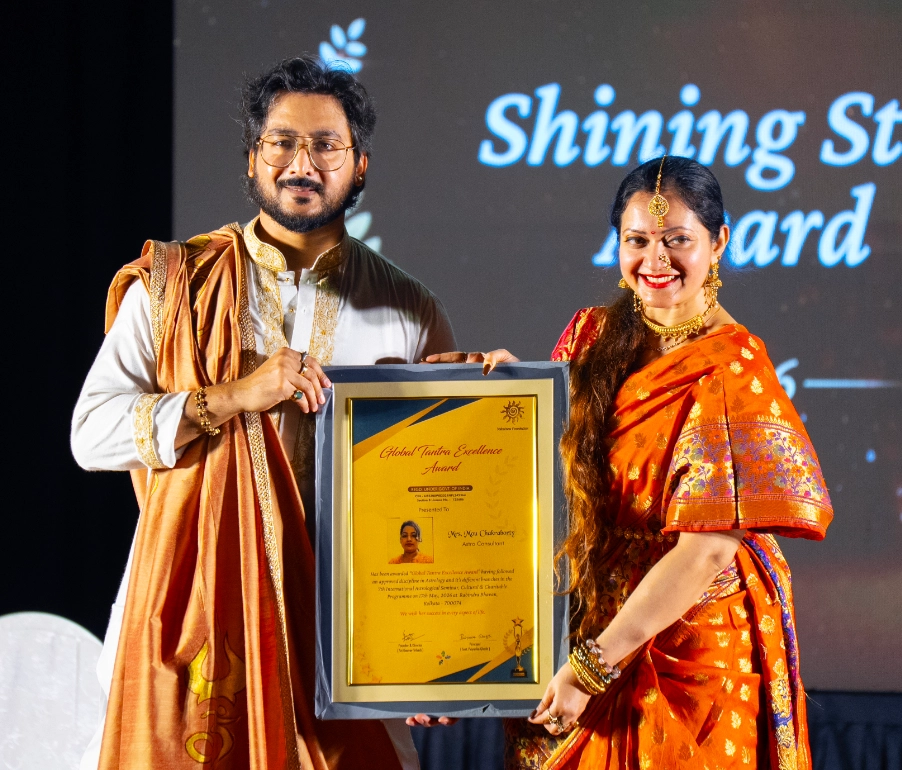
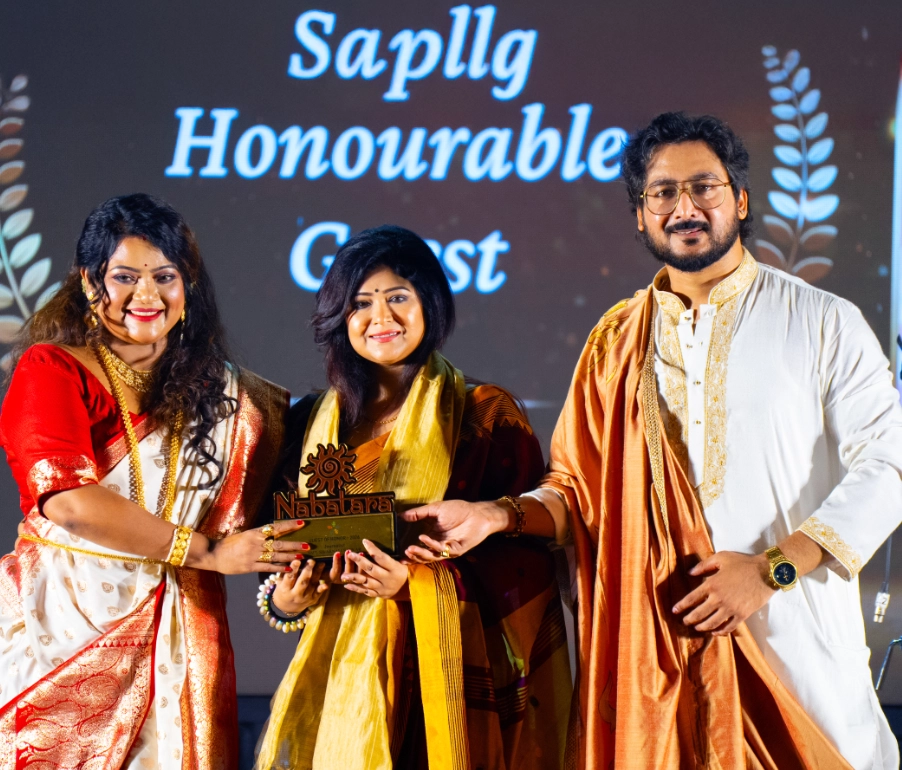
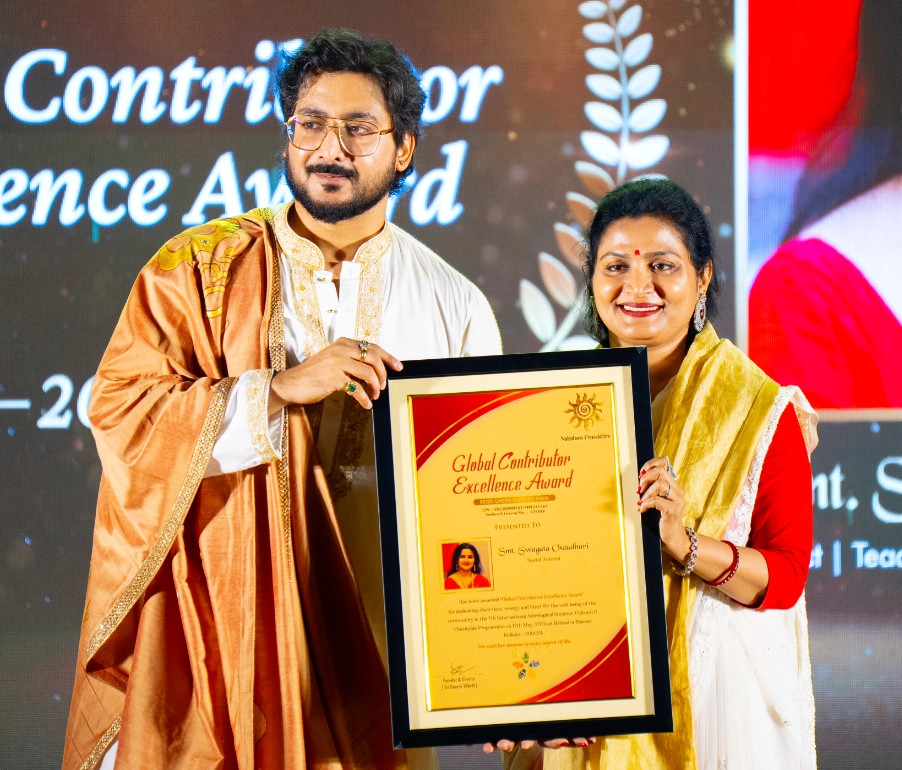
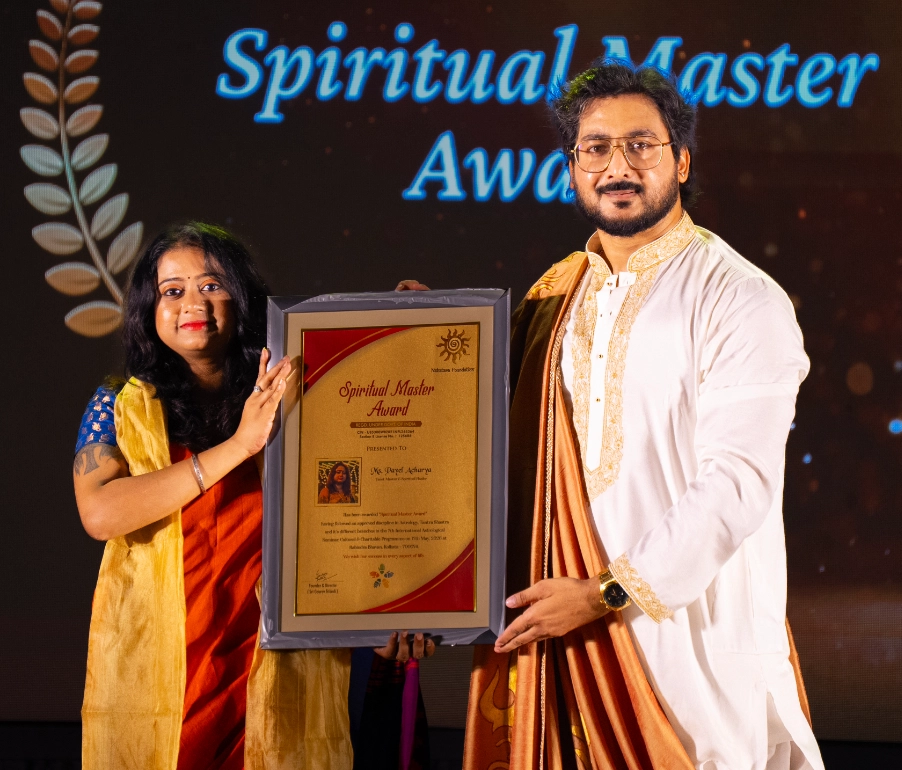
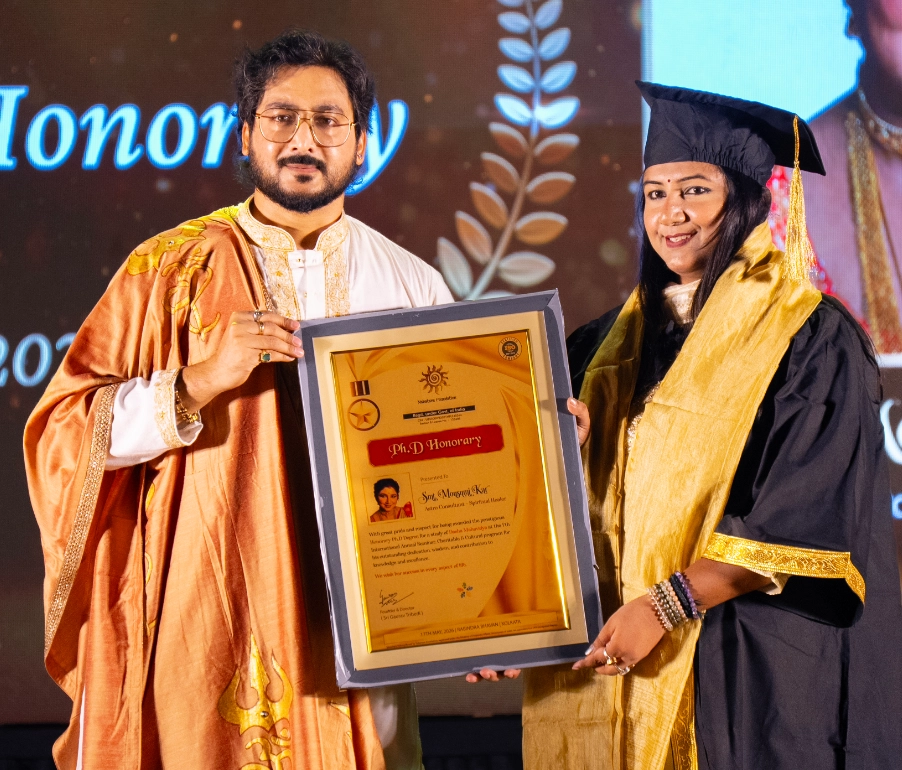
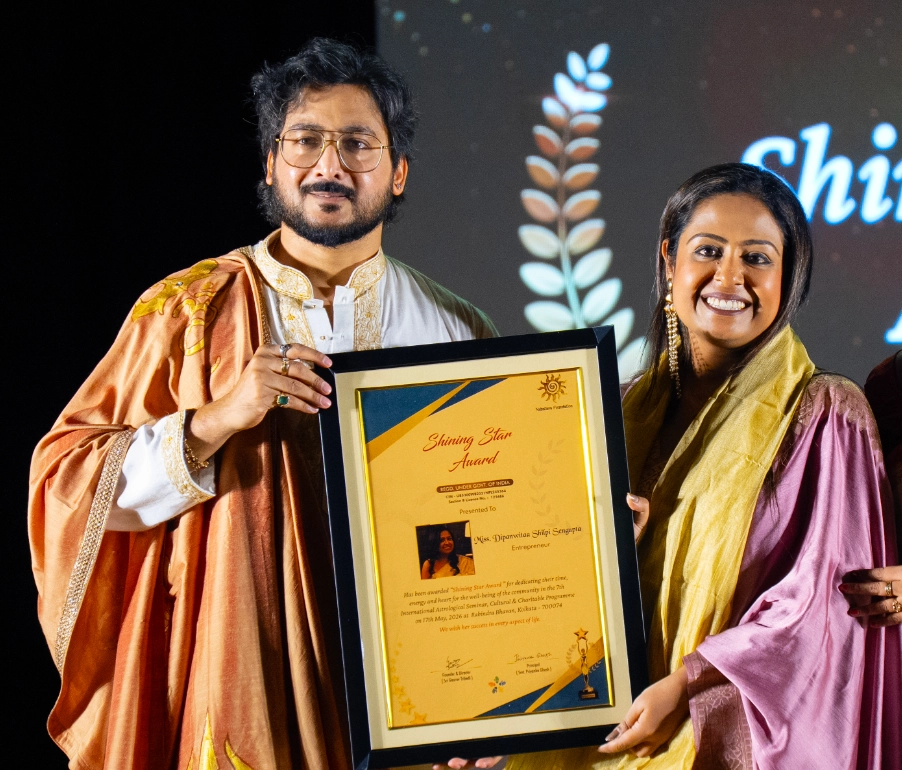
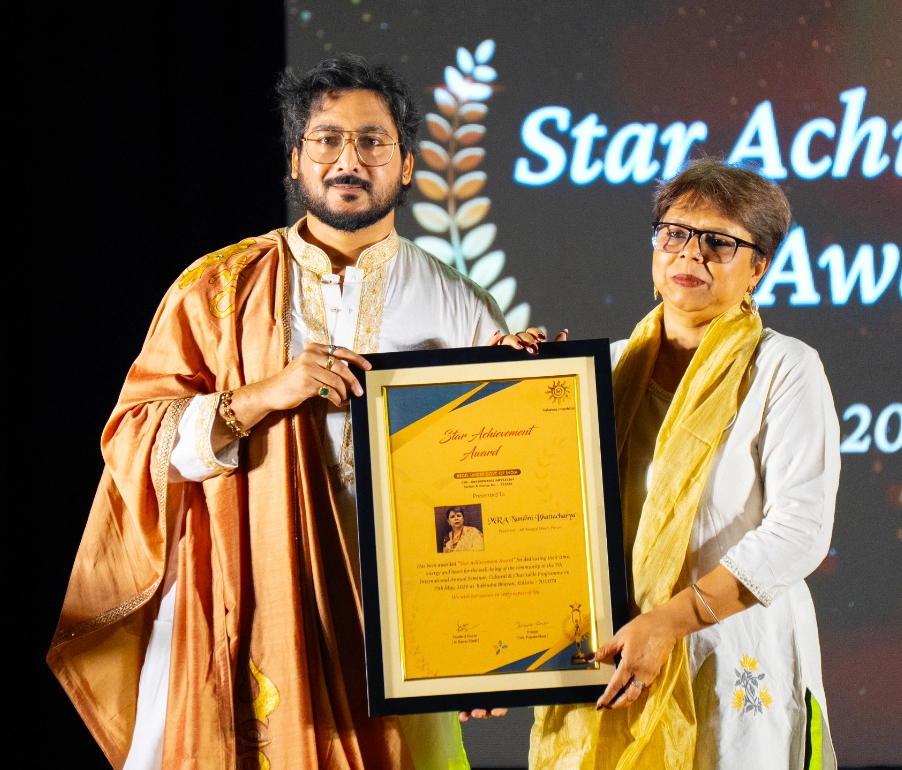
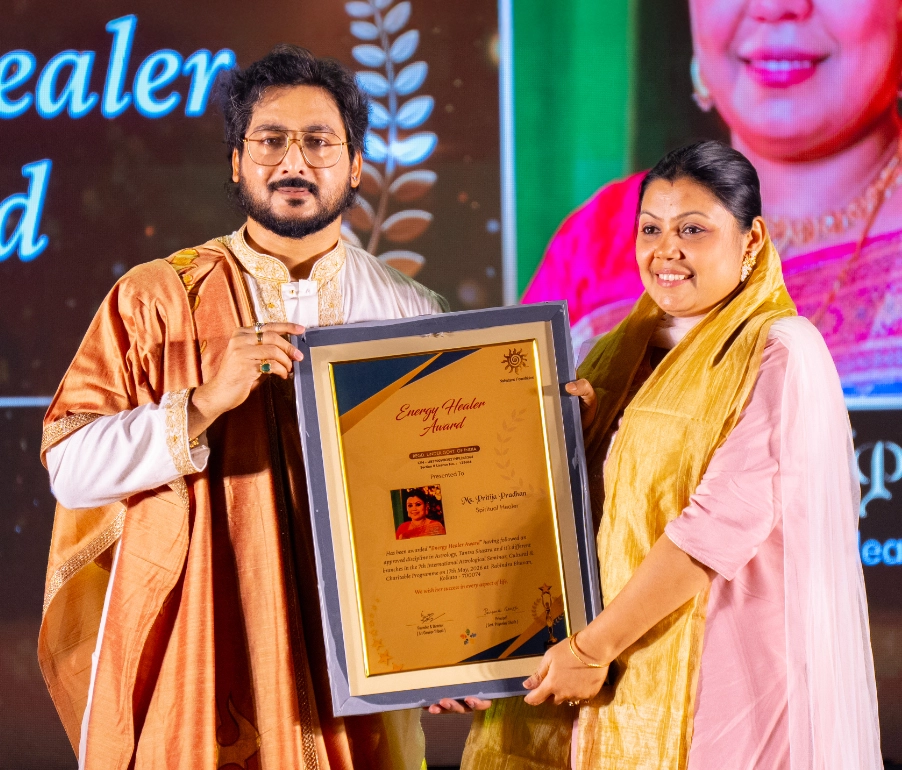
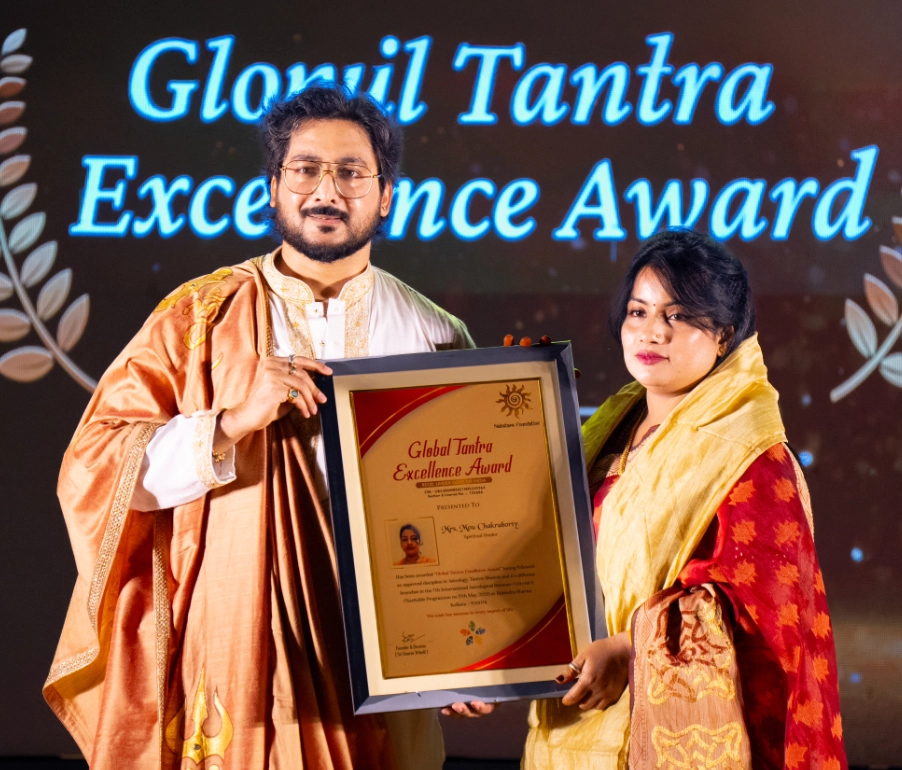
The Star Achievement Awards 2026 celebrated the extraordinary contributions of individuals and organisations across Kolkata, West Bengal & India. Here are some moments from the event.
The Star Achievement Awards are prestigious global recognition awards presented by the Nabatara Foundation to honor excellence, leadership, and impact across diverse professional and social fields. These achievement awards are respected worldwide because they focus on real contribution, ethical practice, and long-term influence rather than temporary popularity, making them a trusted global awards platform.
The Star Achievement Awards are open to individuals and organizations worldwide, including business entrepreneurs, startup founders, astrologers, spiritual healers, tarot readers, doctors, artists, singers, glamour professionals, social activists, NGOs, and institutions. Anyone who has demonstrated excellence and impact in their field can apply or self-nominate for these recognition awards.
Yes, the Star Achievement Awards include dedicated business awards for entrepreneurs, start-ups, MSMEs, and corporate leaders. These business awards recognize innovation, leadership, ethical growth, and social responsibility, helping entrepreneurs gain global credibility and professional visibility.
Absolutely. The achievement awards strongly recognize astrology, numerology, vastu, and tarot professionals who practice authentically and ethically. These recognition awards honor practitioners who have guided individuals and businesses through knowledge, experience, and positive impact.
Yes, spiritual healers, tantra practitioners, and holistic wellness professionals are honored under specialized categories. These global awards recognize disciplined spiritual practice, healing impact, and service to humanity, making them highly respected recognition awards in the spiritual domain.
Social activists, NGOs, and humanitarian organizations are highly encouraged to apply. The social impact awards under the Star Achievement Awards honor contributions in education, women's empowerment, healthcare access, animal welfare, rural development, and community upliftment at national and global levels.
Yes, doctors, therapists, wellness experts, clinics, and healthcare institutions are eligible. These achievement awards recognize excellence in patient care, ethical practice, innovation, and compassionate service, positioning recipients among globally respected healthcare leaders.
The Star Achievement Awards celebrate singers, musicians, artists, dancers, actors, and performers whose creative work inspires and influences society. These recognition awards honor artistic excellence, discipline, and cultural contribution on a global award show platform.
Yes, professionals from the glamour industry, including models, makeup artists, fashion designers, stylists, and beauty experts, can apply. These achievement awards recognize creativity, professionalism, and leadership within the global beauty and fashion ecosystem.
Unlike many award shows, the Star Achievement Awards focus on authenticity, impact, and long-term contribution. These recognition awards are backed by a credible foundation and structured evaluation process, making them trusted global awards rather than popularity-based honors.
Yes, the Star Achievement Awards are open to participants from across the world. Awardees receive international recognition, global visibility, and association with a respected recognition awards platform that attracts professionals from multiple countries and industries.
Yes, award charges are applicable. These charges support evaluation, verification, award presentation, and global recognition activities, ensuring that the achievement awards maintain credibility, quality, and professional value.
Winning these achievement awards enhances professional credibility, strengthens personal and brand authority, increases trust among clients and stakeholders, and provides global recognition. Awardees gain long-term value that supports career growth, business expansion, and social influence.
Yes, institutes, schools, academies, training centers, and companies are eligible. These recognition awards honor excellence in education, leadership, governance, innovation, and contribution to society, helping organizations build global trust and reputation.
Interested applicants can visit the official website and submit their nomination online. The Star Achievement Awards welcome self-nominations and organizational nominations, offering a transparent pathway to global recognition, credibility, and honor.