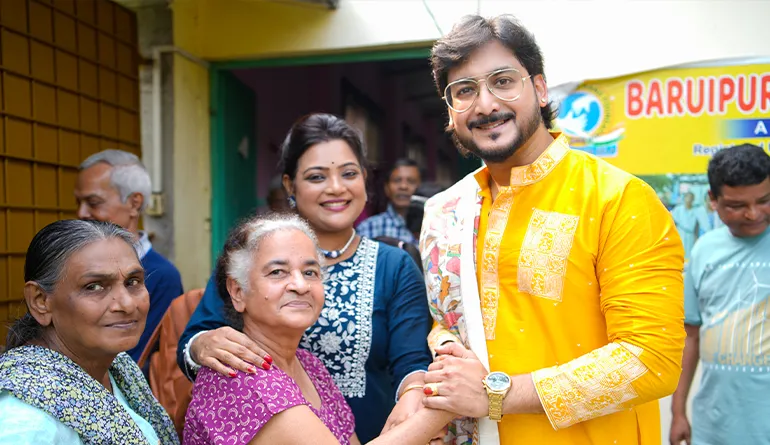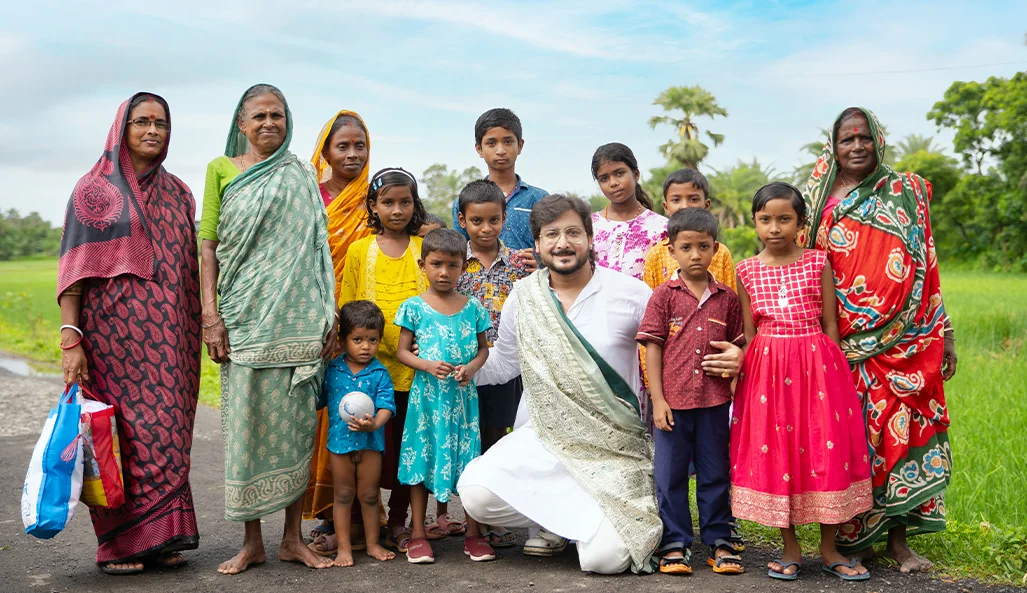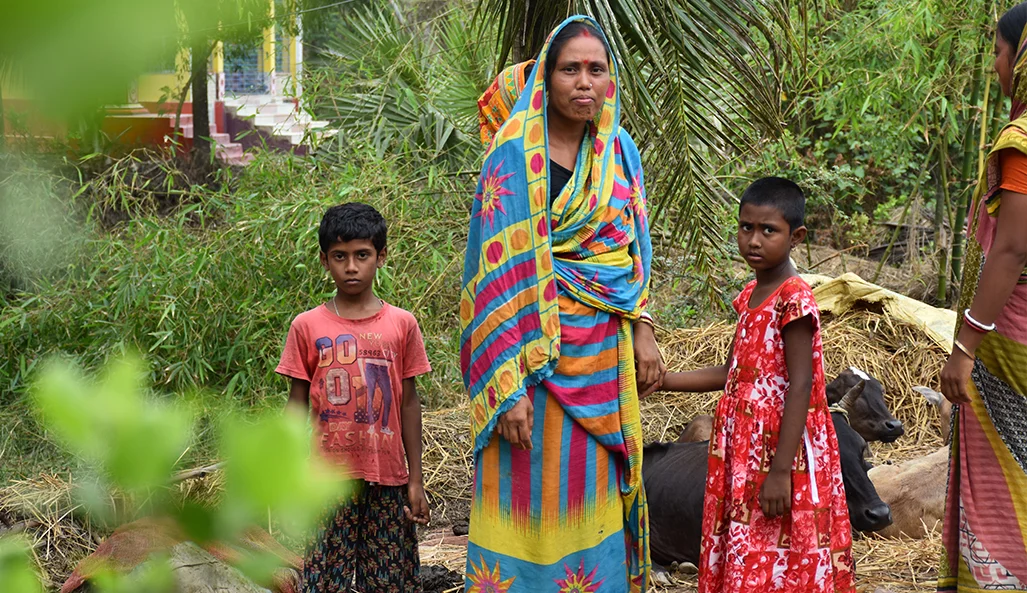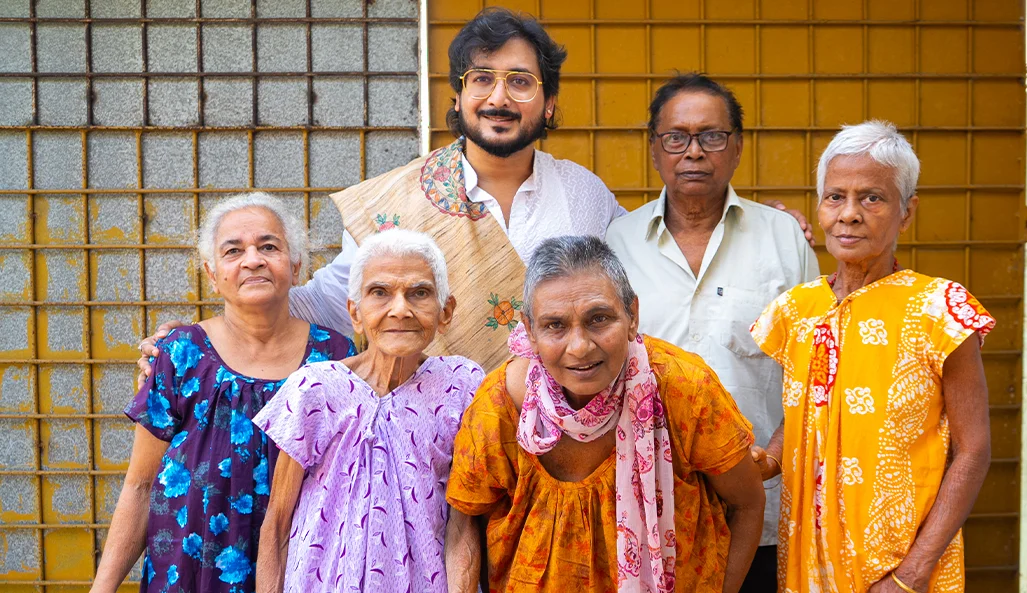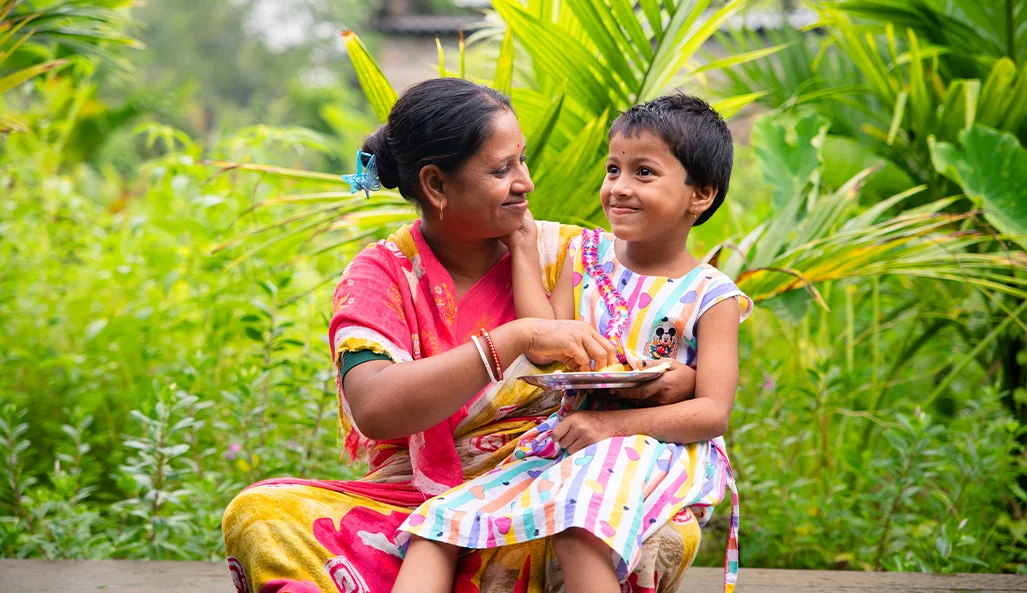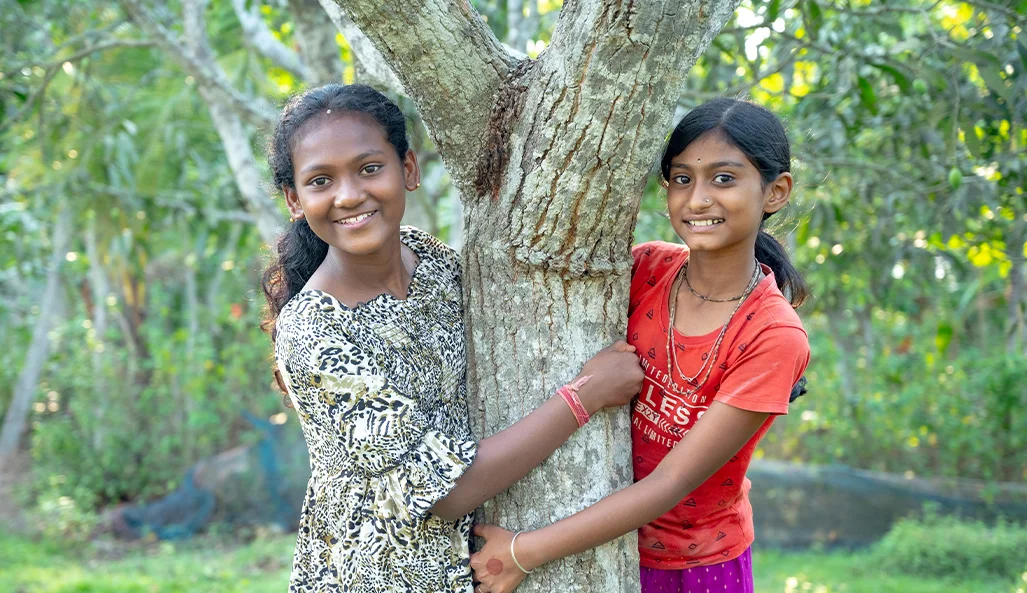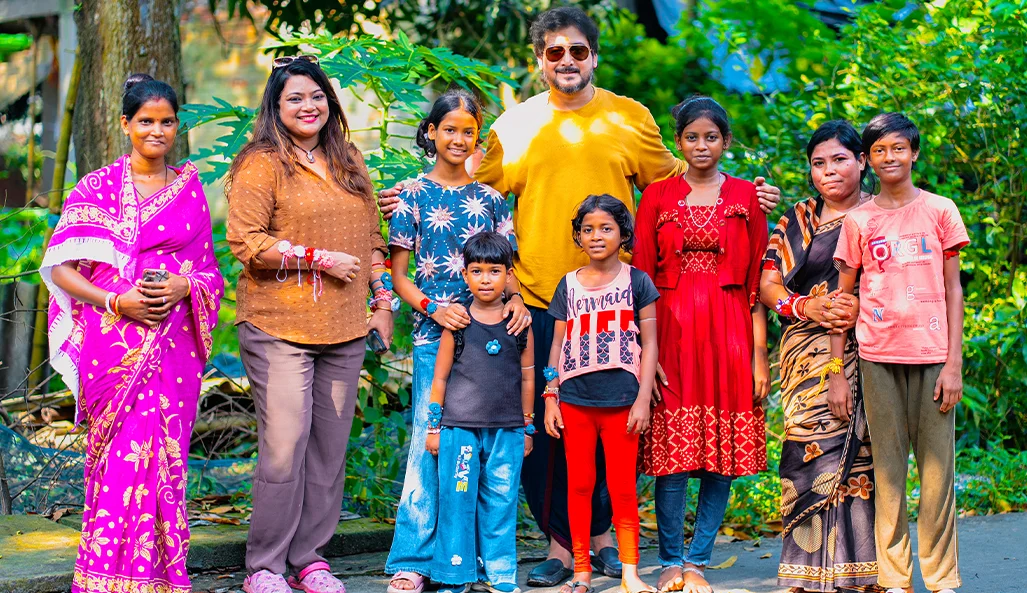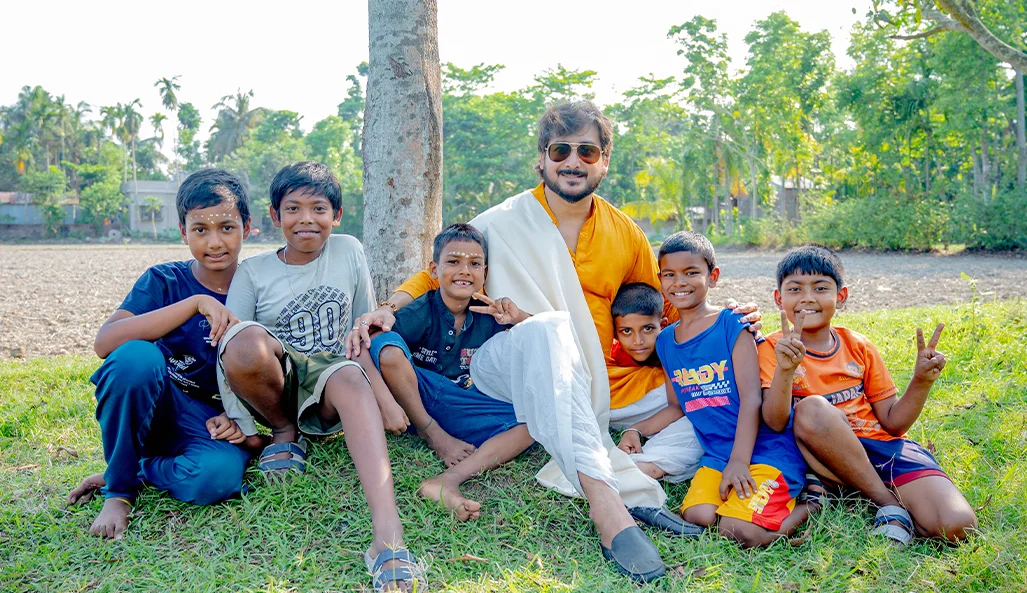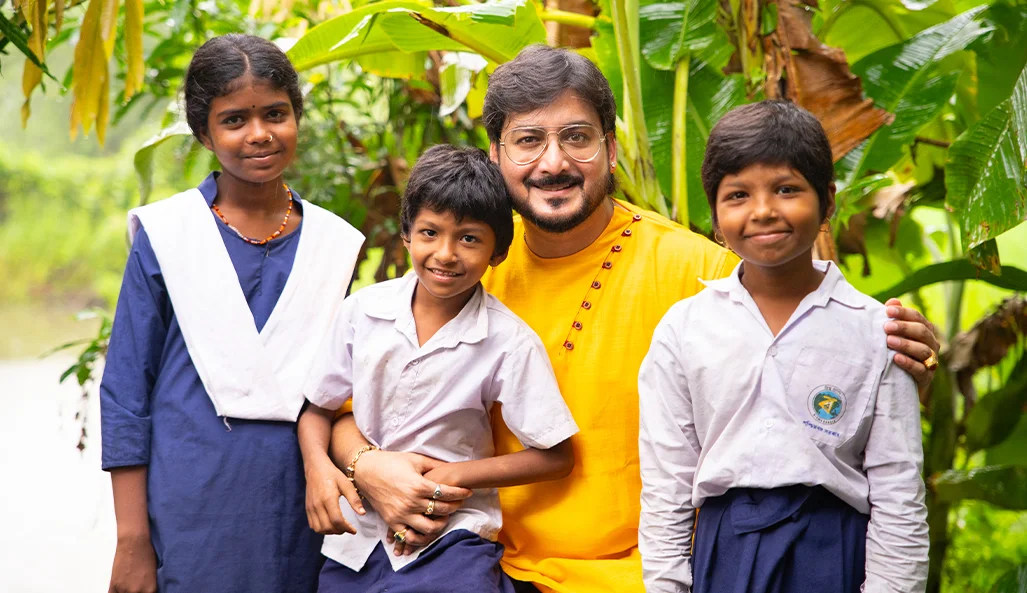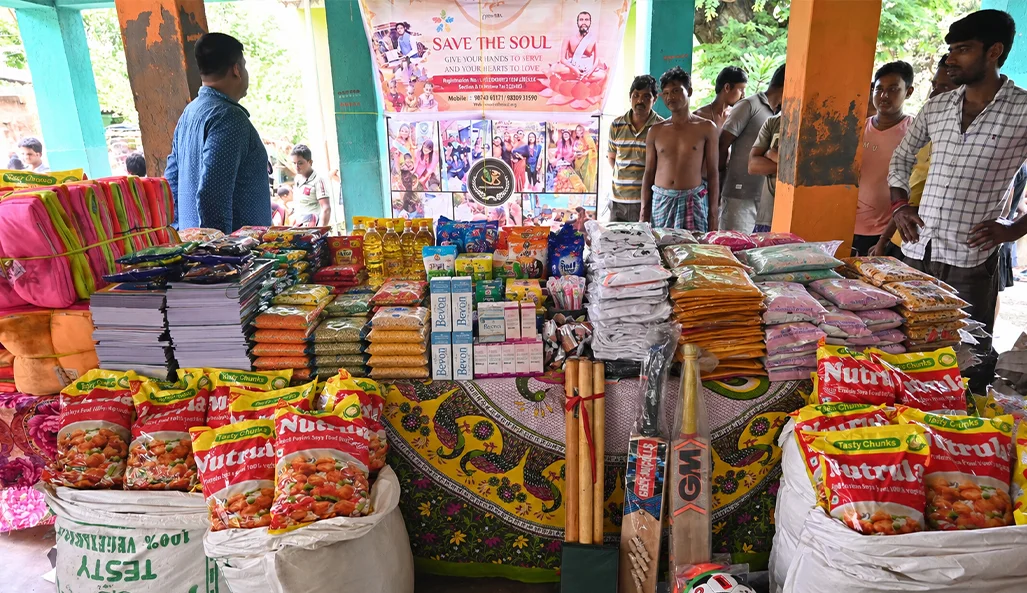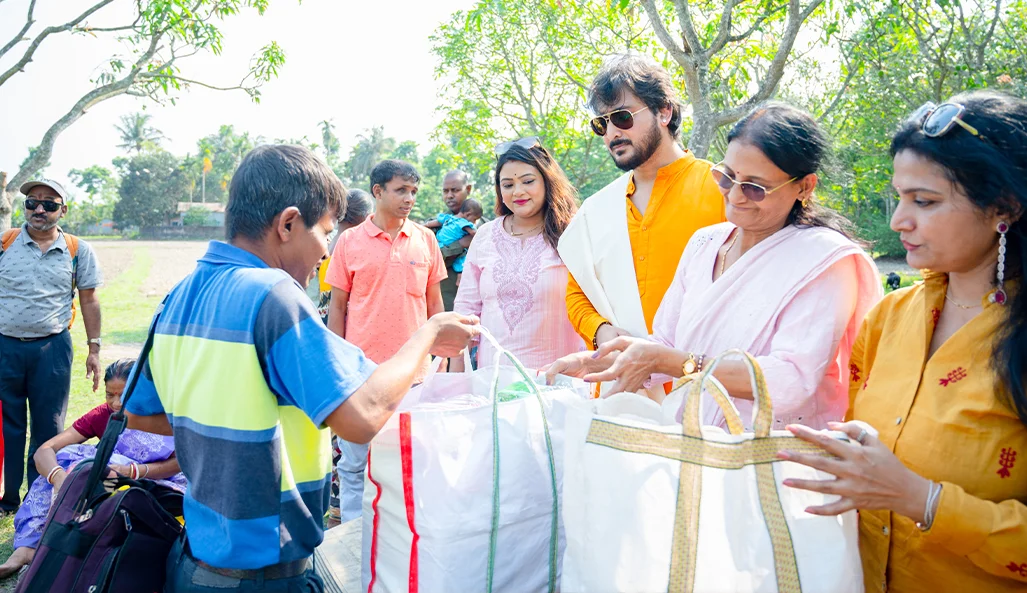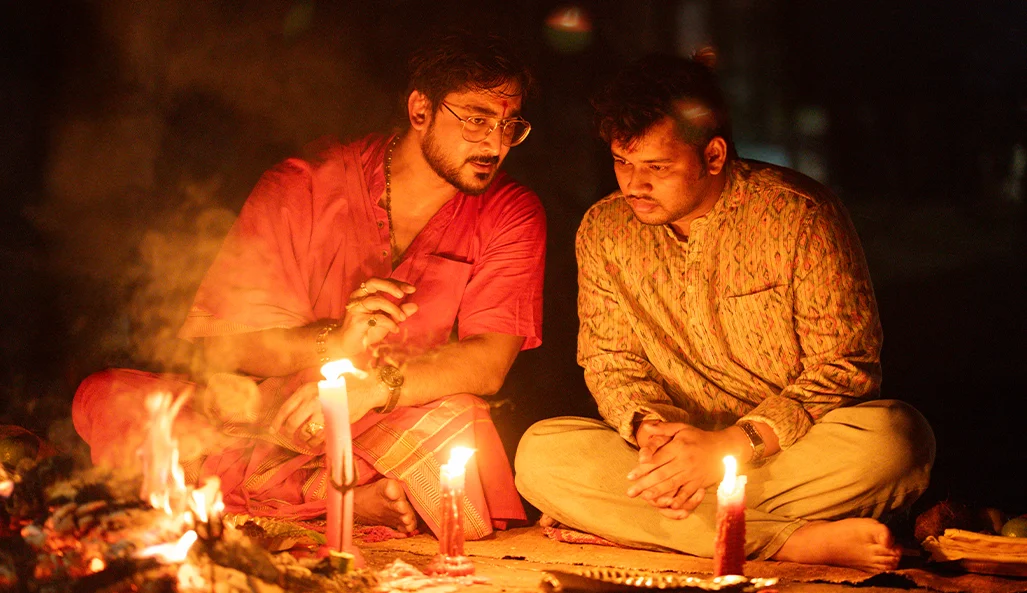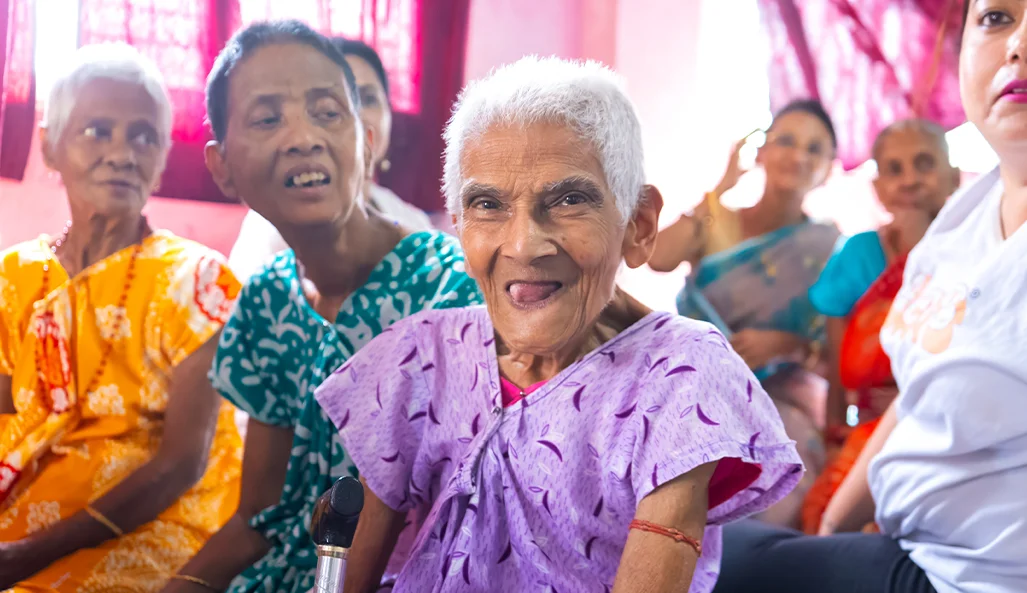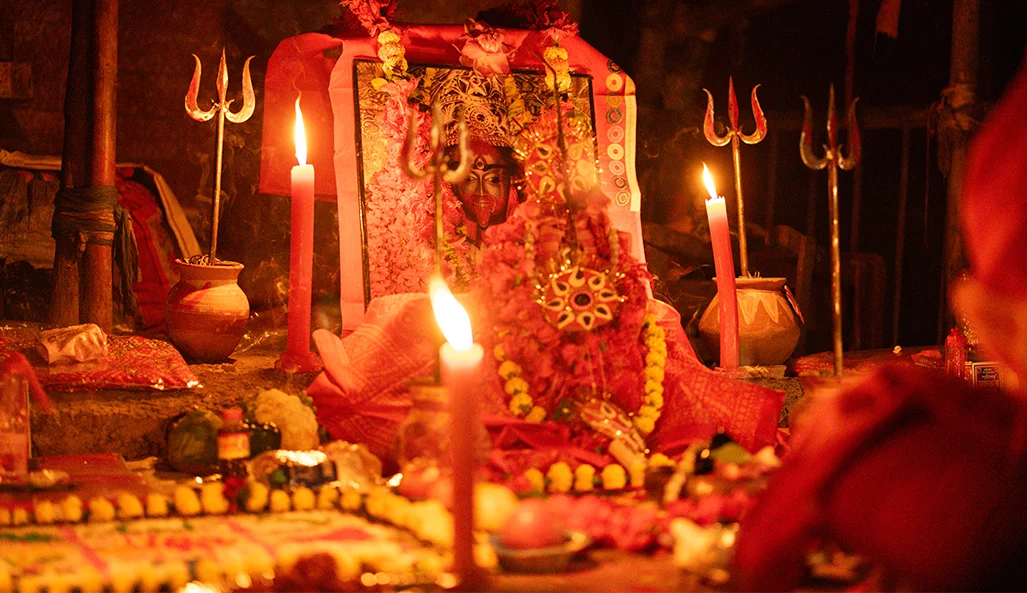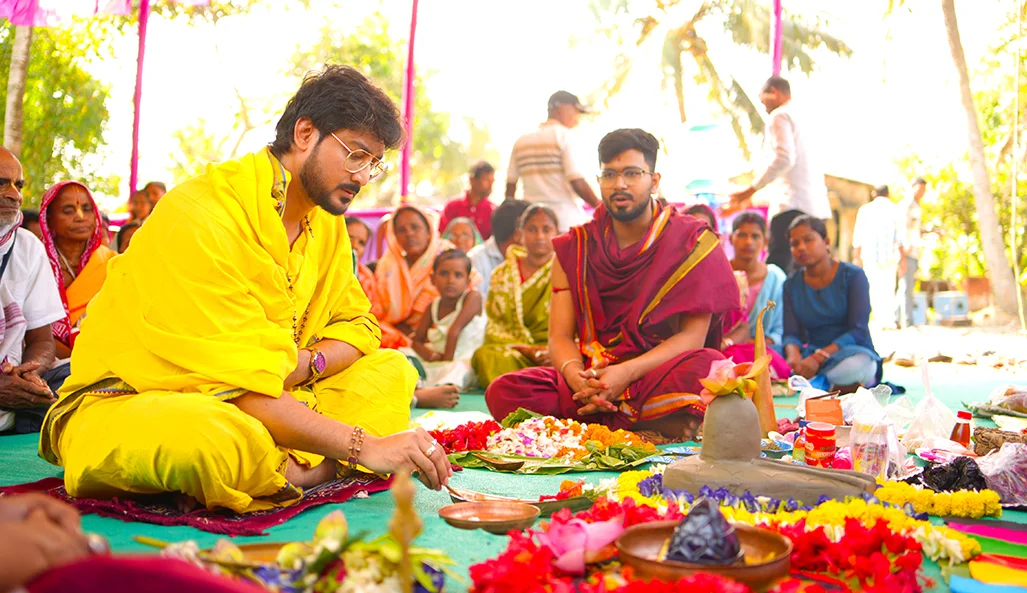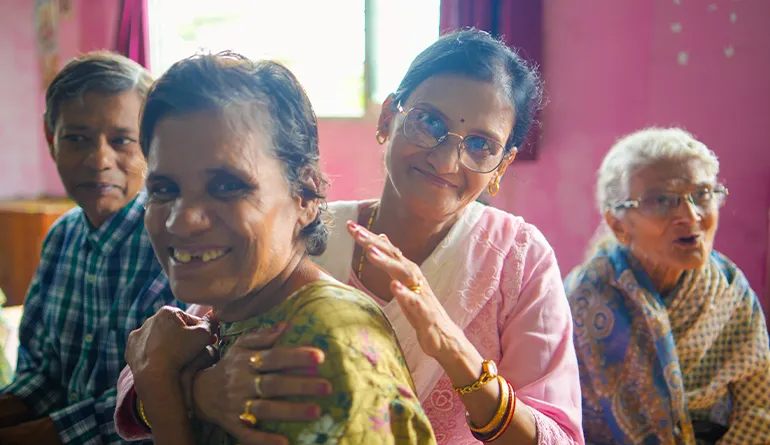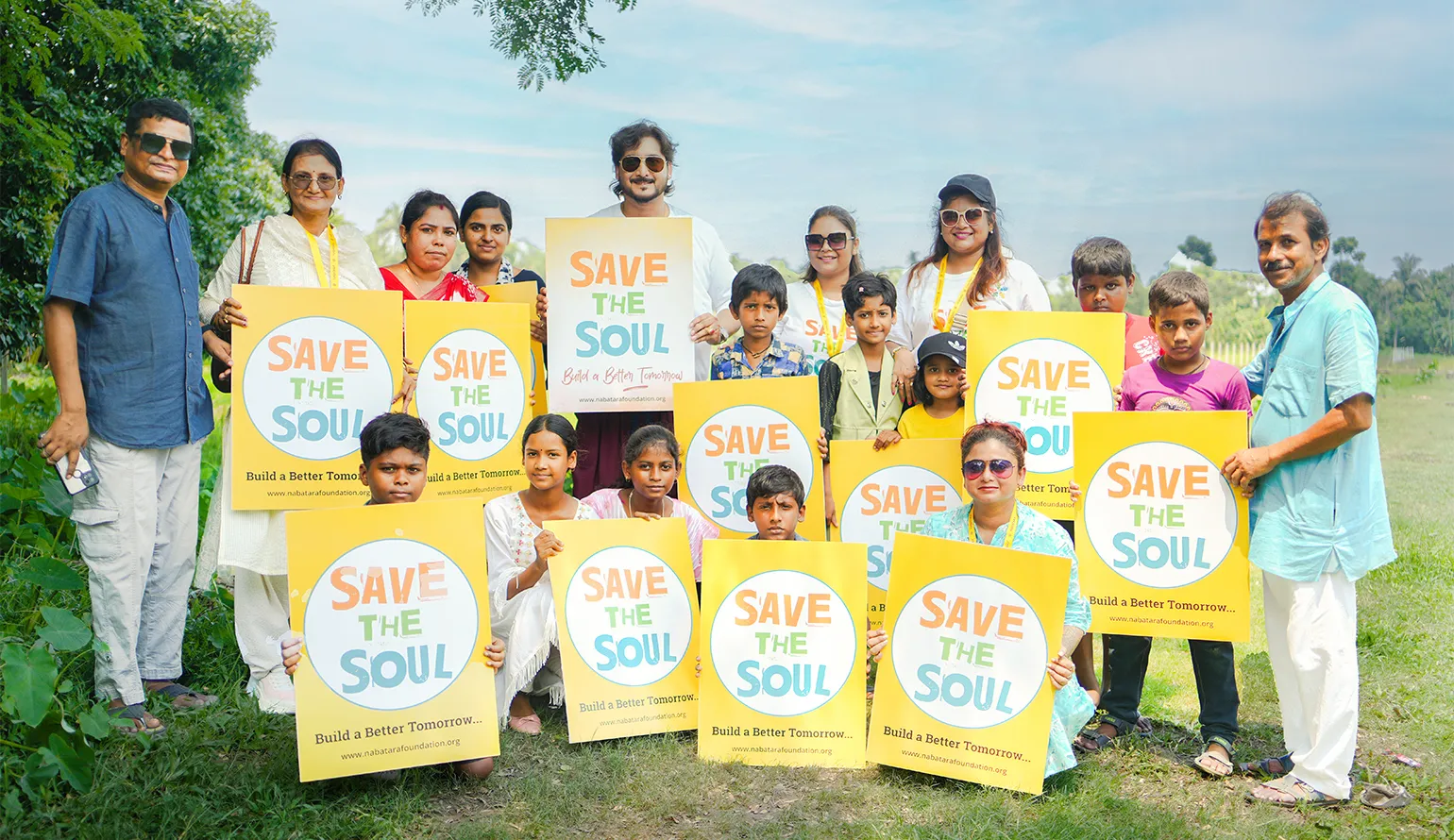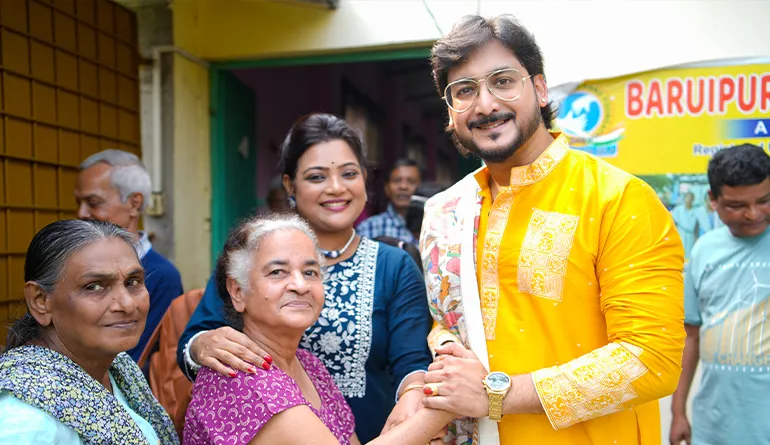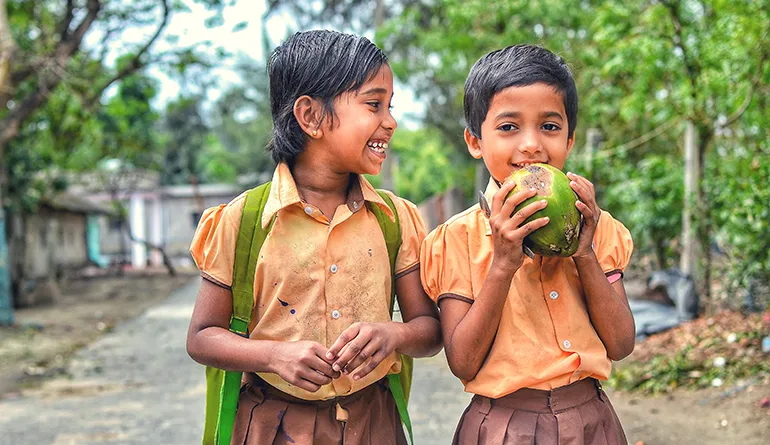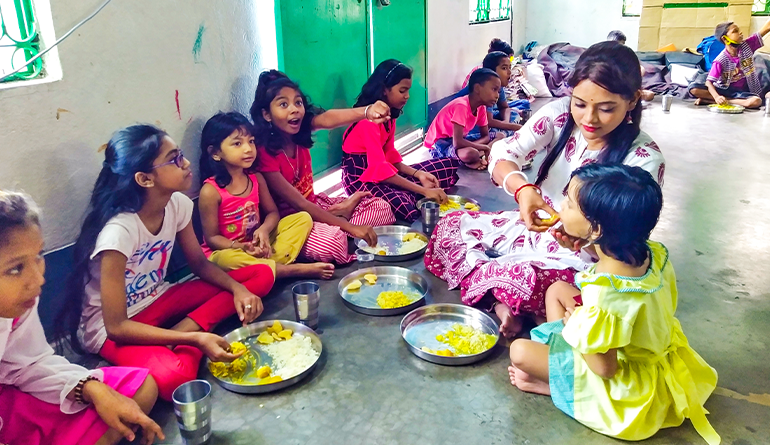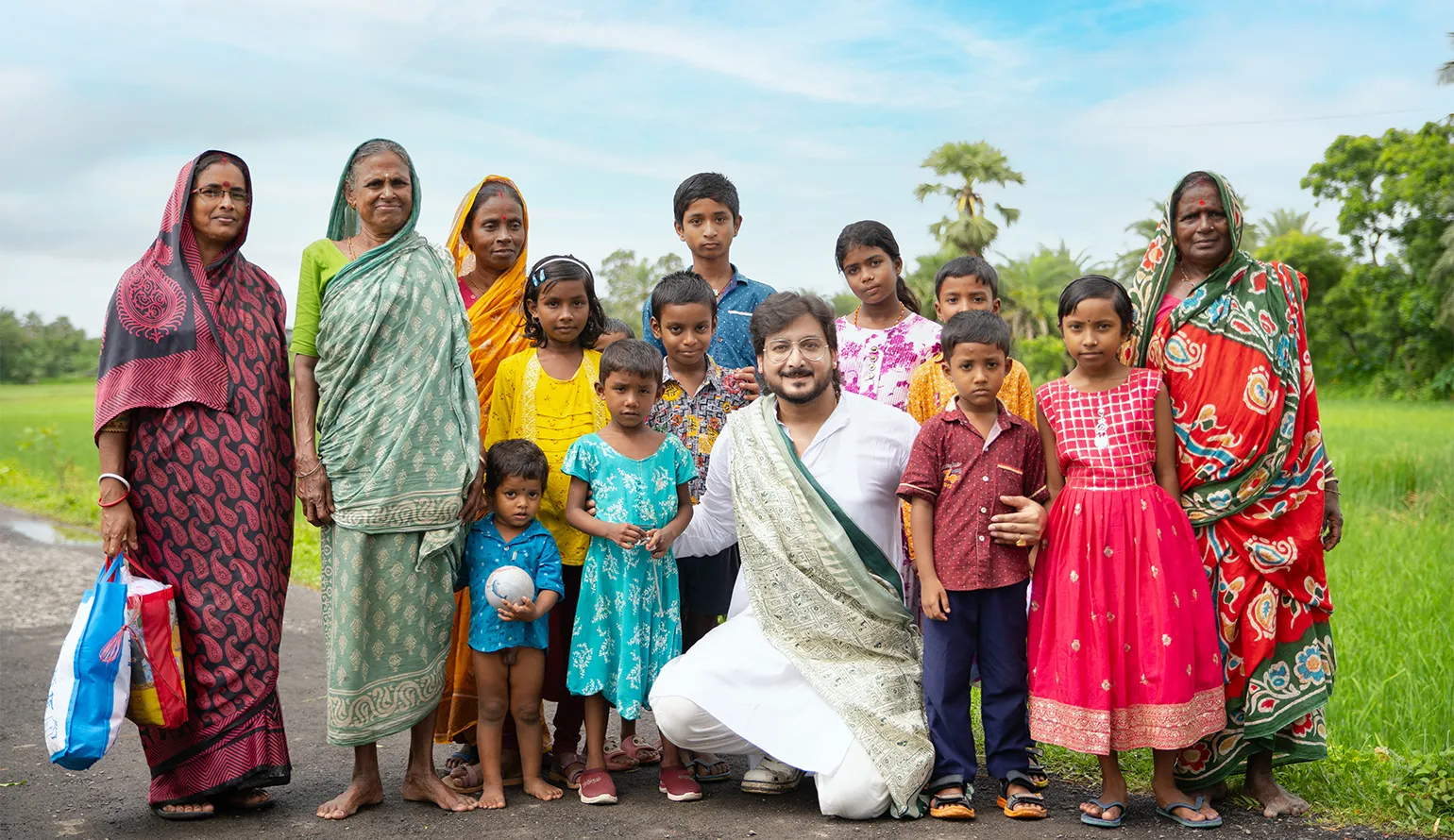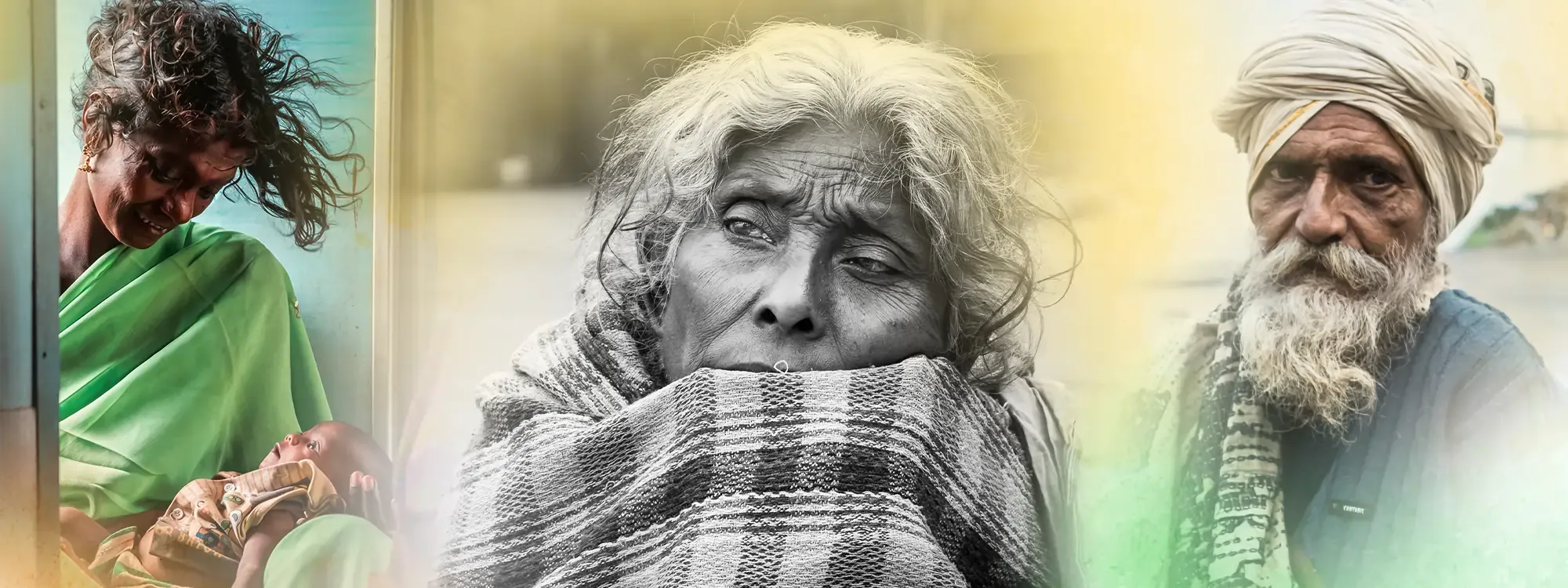
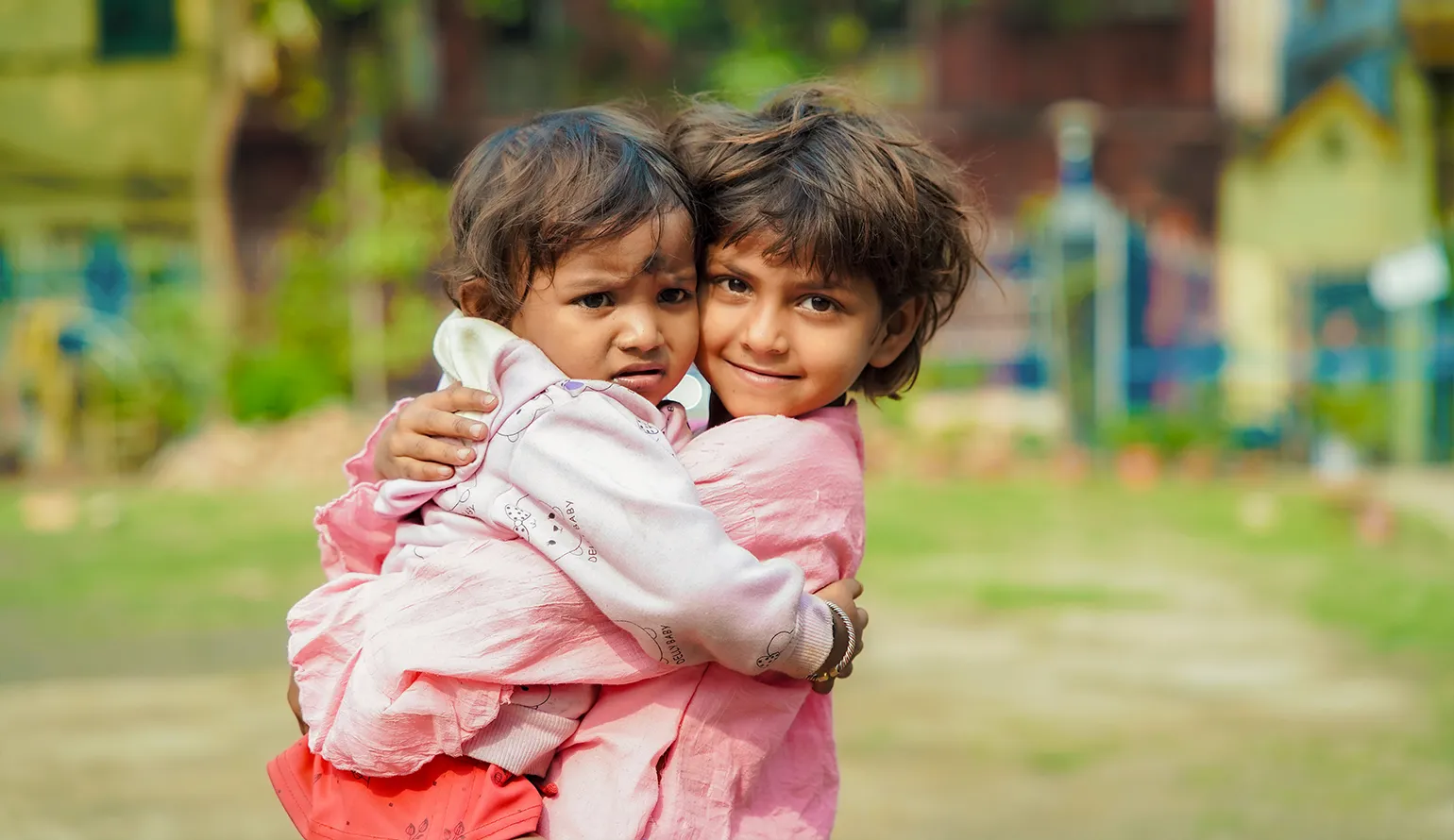
Human Rights Awareness NGO in Kolkata, India conducting workshop
Dignity

Awareness that protect

img
Human Rights Awareness NGO in Kolkata, India conducting workshop
Human Rights Awareness NGO in Kolkata, India

Nabatara Foundation’s “Human Rights Awareness” program aims to promote the understanding and protection of fundamental rights. Our focus is on educating individuals about their rights and advocating for justice and equality in society.

Human Rights Awareness NGO in Kolkata, India – Defending Dignity Where Silence Once Lived

When rights exist on paper but not in practice

There are rights written into law, and there are rights lived in daily reality. In many parts of India, the distance between the two remains wide. A woman enduring violence behind closed doors may know something is wrong but may be unaware that protection mechanisms exist. A young girl discouraged from continuing education may never hear the language of equality spoken aloud. A daily wage worker denied wages may accept injustice as fate.

In such spaces, awareness becomes power.

A human rights awareness NGO in Kolkata, India, is not simply an organization conducting seminars. It is a bridge between law and lived experience. It is a voice that reaches communities where silence has lasted too long, advocating for the rights of marginalized individuals and empowering them to speak out against injustices. It is a reminder that dignity is not negotiable.

Nabatara Foundation – Save The Soul, registered under the Ministry of Corporate Affairs, Government of India, as a Section 8 company, stands firmly within this responsibility. Its human rights awareness program has grown not from theory but from listening—listening to survivors of domestic violence, to women navigating systemic inequality, to families unsure of legal recourse, and to youth who want change but lack guidance.

This program exists because rights without awareness remain inaccessible.

Human rights are not privileges granted by society; they are dignity inherent in every human being. When awareness replaces silence and courage replaces fear, justice begins to breathe, and equality moves from law books into real lives.

The human rights landscape in India

India’s Constitution guarantees equality, protection from discrimination, and the right to live with dignity. Yet implementation remains uneven. Across urban and rural areas, violations persist in subtle and overt forms. Domestic violence remains widespread. Gender discrimination shapes opportunities. Marginalized communities face barriers to justice.

In West Bengal, including Kolkata and surrounding districts, social structures often discourage open discussion of rights violations. Many women hesitate to report abuse due to stigma or economic dependence. Many individuals remain unaware of legal protections available to them. Legal systems can feel distant and intimidating.

A human rights awareness NGO in Kolkata, India, must therefore operate at multiple levels—education, emotional support, legal awareness, and community mobilization.

Nabatara Foundation has taken up this responsibility with clarity and persistence.

The foundation’s commitment to dignity

Nabatara Foundation – Save The Soul functions within a structured legal framework, ensuring transparency and accountability in all programs. As a registered Section 8 organization under MCA, the foundation upholds compliance standards that reassure donors, volunteers, and CSR partners.

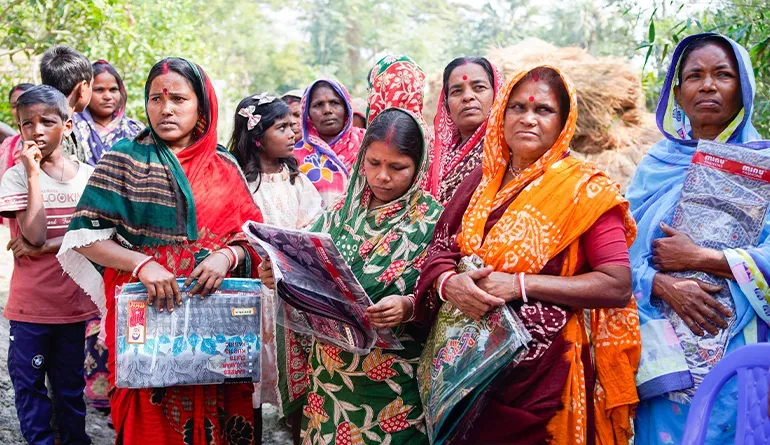
Its work as a human rights NGO Kolkata communities recognize it is grounded in direct community engagement. Teams conduct awareness sessions in neighborhoods, schools, women’s groups, and community centers. These sessions are not abstract lectures. They address real scenarios — domestic violence, workplace discrimination, child rights, legal recourse mechanisms, and the importance of reporting abuse.

When individuals understand their rights, they begin to see alternatives to silence.

Domestic violence: breaking the culture of secrecy

Domestic violence remains one of the most persistent human rights challenges in India. It crosses income levels, education backgrounds, and geographic boundaries. Many women endure physical, emotional, or economic abuse without external support.

As a domestic violence NGO in Kolkata, Nabatara Foundation conducts awareness campaigns that explain legal protections such as the Protection of Women from Domestic Violence Act. Survivors are informed about helplines, local support systems, and counseling services.

The foundation also facilitates counseling and emotional support for victims. Many women fear social consequences more than violence itself. Listening to their experiences, validating their pain, and guiding them through available options can be life-altering.

A human rights awareness NGO in Kolkata, India, must create safe spaces where survivors can speak without fear.

Women empowerment and the language of equality

Gender inequality often begins subtly—in household decisions, educational opportunities, or access to resources. Over time, it shapes entire life trajectories.

Nabatara Foundation’s women's rights NGO in India initiatives include workshops on self-confidence, financial literacy, legal literacy, and leadership. Discussions around gender equality are conducted in community gatherings where women share experiences openly.

Empowerment here is not a slogan. It is practical. It includes helping women understand inheritance rights, workplace protections, and avenues for legal assistance.

When women understand their rights, families begin to shift. Daughters are encouraged to pursue education. Decisions become shared rather than imposed.

Legal awareness as a tool for justice

Laws protect citizens, but only when they are known and accessible. A legal awareness NGO India communities can trust must translate legal language into everyday understanding.

The Nabatara Foundation organizes legal awareness sessions in partnership with legal professionals who explain rights related to domestic violence, property, labor, child protection, and gender equality. Participants are encouraged to ask questions freely.

For many attendees, these sessions mark the first time legal rights feel tangible rather than distant. Understanding how to file a complaint, where to seek assistance, and how to approach authorities builds confidence.

A human rights awareness NGO in Kolkata, India, must demystify the legal system.

Community-based rights education

Awareness spreads most effectively within community networks. The foundation’s human rights education NGO India program emphasizes grassroots engagement. Local volunteers are trained to facilitate discussions and disseminate information.

Community meetings create collective understanding. When neighbors discuss rights openly, stigma weakens. Social norms begin to shift.

These sessions address topics such as child protection, gender equality, prevention of abuse, and civic responsibility. They encourage both men and women to participate, recognizing that sustainable change requires inclusive dialogue.

Counselling and survivor support

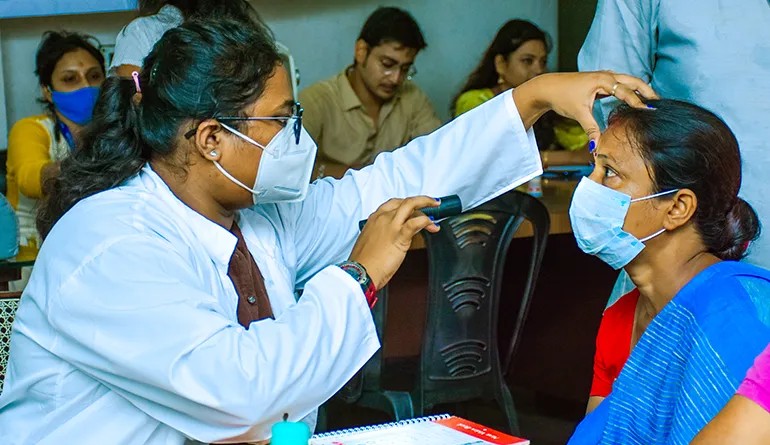
Beyond awareness, survivors need emotional and practical support. The Human Rights Awareness NGO in Kolkata, India, program includes counseling sessions for victims of domestic violence and discrimination. Trained counselors provide guidance, emotional reassurance, and information about next steps.

Support mechanisms also include connecting survivors to local legal aid resources, safe shelters, and medical assistance when necessary.

These interactions are handled with confidentiality and respect. Trust is fragile in cases of abuse. Consistent support rebuilds confidence.

Stories of quiet transformation

There was a woman who attended a community awareness session reluctantly. She had endured years of verbal abuse and economic control. Through counseling and legal awareness guidance, she gained clarity about her rights and began steps toward securing financial independence.

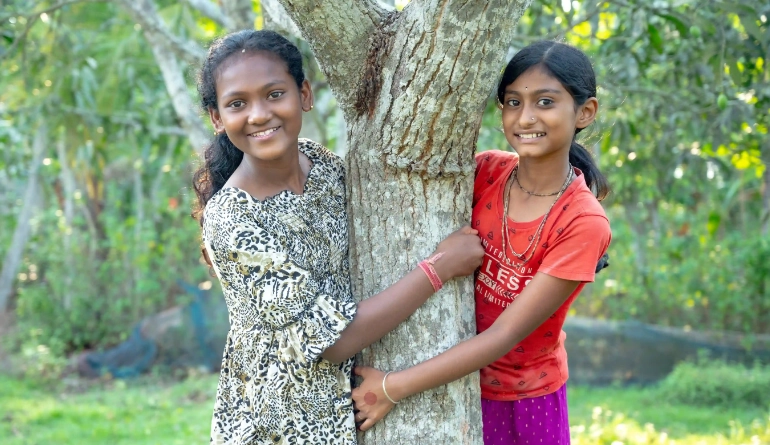
There was a teenage girl who believed education beyond a certain level was not meant for her. After attending a gender equality workshop organized by the Human Rights Awareness NGO in Kolkata, India, she began advocating for her own academic continuation.

There was a group of community members who previously dismissed domestic disputes as private matters. After multiple awareness sessions, they collectively supported a survivor seeking help.

Transformation often begins with conversation.

Why donors can trust this programme

Global donors supporting CSR human rights programs in India seek accountability and measurable impact. Nabatara Foundation’s legal registration, structured reporting, and documented community sessions ensure transparency.

Donations support awareness campaigns, counseling services, training materials, and outreach efforts. Impact is recorded not only in numbers of sessions conducted but also in behavioral shifts observed within communities.

Supporting this human rights awareness NGO in Kolkata, India, means contributing to long-term social change.

Why volunteers matter

Volunteers amplify awareness. Students, professionals, legal experts, and social workers contribute skills and time. They assist in organizing workshops, facilitating discussions, documenting impact, and providing mentorship.

For those seeking meaningful advocacy engagement, volunteering offers direct exposure to grassroots human rights work. Listening to stories of resilience reshapes understanding of justice.

A global appeal for partnership

Human rights are universal. Violations anywhere concern people everywhere. Corporate partners interested in CSR human rights programs in India can collaborate with the Nabatara Foundation to sponsor awareness campaigns, counseling initiatives, and educational materials.

Partnerships are structured with reporting mechanisms that demonstrate clear utilization of funds and community reach.

The foundation welcomes collaboration that aligns resources with responsibility.

The responsibility to speak

Silence allows injustice to persist. Awareness interrupts silence.

A human rights awareness NGO in Kolkata, India, stands as both educator and ally. Nabatara Foundation – Save The Soul continues to conduct sessions, listen to survivors, and advocate for dignity within communities.

For donors, volunteers, and partners across the world, the invitation is simple and urgent.

Support awareness. Support counseling. Support legal education. Stand with those who deserve equality.

Because rights are meaningful only when they are known, defended, and lived.

Post By: Gaurav Tribedi
Date: 2025-07-01
img

Related Programmes

community development NGO Kolkata rural outreachDevelopment
Community Development in Kolkata, India

At Nabatara Foundation, we believe building a community creates a stro...

24 Jul 2025 View More
Orphanage care ngo in Kolkata, India supporting children educationCare
Orphanage Care NGO in Kolkata, India

Building Families, Not Just Facilities When I visit our homes across K...

14 Jul 2025 View More
disaster relief NGO in Kolkata providing food and medical aid in flood affected areasSundarbans
Disaster Relief NGO in Kolkata, India

When Cyclone Amphan's 165 km/h winds tore through the Sundarbans in Ma...

26 Jan 2025 View More
Faq

GeneralQuestions

1 . What exactly does the Human Rights Awareness programme by Nabatara Foundation do?

The Human Rights Awareness programme by Nabatara Foundation functions as a dedicated Human Rights Awareness NGO in Kolkata, India, working at the grassroots to educate individuals, families, and communities about their fundamental rights. This programme conducts human rights education campaigns, domestic violence prevention sessions, gender equality discussions, legal awareness workshops, counselling for survivors, and community-based advocacy. It reaches both urban neighbourhoods and remote settlements, ensuring that vulnerable and marginalised individuals understand their rights and have access to support systems that protect dignity, equality, and justice.

2 . Why is human rights awareness important in India and Kolkata?

Despite constitutional guarantees, many citizens in India remain unaware of their legal rights or how to access protection mechanisms. In Kolkata and throughout West Bengal, social stigma, gender biases, economic dependence, and lack of education silence voices that need legal protection. A Human Rights Awareness NGO in Kolkata, India bridges this gap by bringing rights education into communities, explaining what dignity means in practice, and helping people recognise when their rights have been violated — which is the first crucial step toward justice.

3 . How does the programme address domestic violence issues?

Domestic violence remains a pervasive challenge in India, cutting across socio-economic and cultural lines. As a trusted domestic violence NGO in Kolkata, Nabatara Foundation conducts awareness sessions that explain the legal protections available under Indian law, such as the Protection of Women from Domestic Violence Act. Counsellors work directly with survivors, connecting them to support systems, helplines, safe spaces, and legal assistance while equipping families with knowledge that encourages healthier relationships and non-violent conflict resolution.

4 . What kind of legal awareness sessions are organized?

Legal awareness sessions are a cornerstone of this program, as recognized by communities in India and the legal awareness NGO. Partnering with legal experts, the foundation hosts workshops that explain laws related to domestic violence, gender discrimination, child rights, workplace protections, and civic rights. Participants are encouraged to engage in open dialogue, ask questions, and learn how to navigate the legal system when their rights are violated—demystifying what can often feel like an inaccessible process.

5 . Does this human rights initiative work with women survivors?

Yes. As a women's rights NGO in India, the foundation specifically addresses issues faced by women and girls who experience discrimination or violence. Through awareness sessions, counseling, community forums, and outreach campaigns, women learn about their rights regarding education, employment, family law, property rights, and protections under domestic violence legislation. This creates environments where girls can aspire to education and leadership without fear of discrimination or suppression.

6 . Can people in rural areas access this programme?

Absolutely. The Human Rights Awareness NGO in Kolkata, India, does not limit its work to urban cores. Outreach teams travel to peri-urban and rural communities across West Bengal to host human rights education sessions in local languages. These sessions cover gender equality, legal recourse, child protection, property rights, and community action plans. Bringing awareness to rural areas strengthens collective understanding and encourages reporting rights violations among communities that may otherwise feel isolated.

7 . How is counselling integrated into the human rights programme?

Understanding rights intellectually is only part of the journey. Many individuals who experience abuse or discrimination require emotional support alongside legal knowledge. The programme’s counselling mechanisms provide confidential, empathetic spaces where survivors of domestic violence, gender discrimination, or social exclusion can speak openly about their experiences. Trained counsellors offer coping strategies, emotional reassurance, and pathways to available legal and social support resources, creating a holistic approach to healing and empowerment.

8 . What makes Nabatara Foundation a credible human rights NGO Kolkata trusts?

Donors and volunteers seeking a credible human rights NGO in Kolkata look for transparency, accountability, and documented impact. Nabatara Foundation’s status as a Section 8 Company registered under the Ministry of Corporate Affairs, Government of India, ensures compliance with legal standards. Programme activities are tracked, reports are maintained, and measurable outcomes are shared with supporters. This level of accountability gives donors confidence that their contributions directly enable rights education campaigns, legal awareness sessions, counselling efforts, and community mobilisation.

9 . How does the programme encourage gender equality?

Gender equality discussions under this programme address both cultural norms and legal entitlements. The programme examines how societal biases affect access to education, employment, and personal autonomy for women and girls. Interactive sessions emphasise mutual respect, equal opportunity, and the importance of shared decision-making within families and communities. These conversations help dismantle stereotypes and encourage inclusive behaviour that respects the rights of all genders.

10 . Can volunteers from outside India participate in this programme?

Yes. Volunteers globally who are passionate about human rights can contribute meaningfully to the Human Rights Awareness NGO in Kolkata, India. Volunteers assist with campaign planning, community engagement, legal awareness translation, content creation for rights education materials, documentation, and advocacy support. While some volunteer roles may require local presence, many functions — such as digital campaign support and educational resource development — can be undertaken remotely, providing opportunities for global advocates to support rights awareness without geographic limitations.

11 . How do global donors support human rights education through this NGO?

Global donors seeking to donate for women's empowerment in India or support human rights education can partner with the Nabatara Foundation to fund awareness campaigns, community workshops, legal support services, training materials, counseling sessions, and outreach logistics. Donors receive regular reports detailing how programs have reached specific communities, the number of participants educated, the legal guidance provided, and testimonials from individuals whose lives improved because they understood their rights and gained access to assistance.

12 . Is this programme part of CSR human rights initiatives in India?

Yes. Corporations interested in CSR human rights programmes India find strong alignment with Nabatara Foundation’s work. CSR funding can be channelled into legal awareness workshops, counselling units, community mobilisation efforts, capacity building for grassroots rights advocates, and public campaigns promoting dignity and equality. Structured reporting and impact documentation ensure that contributions support clearly defined goals with measurable social outcomes.

13 . How are human rights awareness campaigns conducted in communities?

Awareness campaigns are conducted through interactive sessions in neighborhood halls, schools, community centers, and public spaces where local residents gather. These campaigns are designed to be culturally sensitive and linguistically accessible, ensuring that participants not only hear about their rights but also understand how to exercise them in real-life situations. These efforts bring human rights principles—such as equality before the law, freedom from discrimination, and access to justice—to everyday dialogue.

14 . What evidence of impact exists for this human rights programme?

The Human Rights Awareness NGO in Kolkata, India regularly collects data on programme reach, participant feedback, behavioural changes, and case outcomes where legal awareness directly enabled individuals to act. Donors and partners are provided with impact summaries showing the number of sessions conducted, demographics reached, counselling cases handled, legal referrals made, and community changes observed. This documentation strengthens trust and encourages ongoing support from global advocates and funders.

15 . How can individuals personally engage with this programme?

Individuals who want to engage with this human rights initiative can do so by volunteering time, sharing awareness materials within their networks, initiating community dialogues about rights, funding awareness campaigns, or mentoring others who wish to learn about legal protections. By supporting a Human Rights Awareness NGO in Kolkata, India, individuals contribute not only funds but also attention and advocacy, which are essential in ensuring that rights move from paper to practice.

img