


Nabatara Foundation
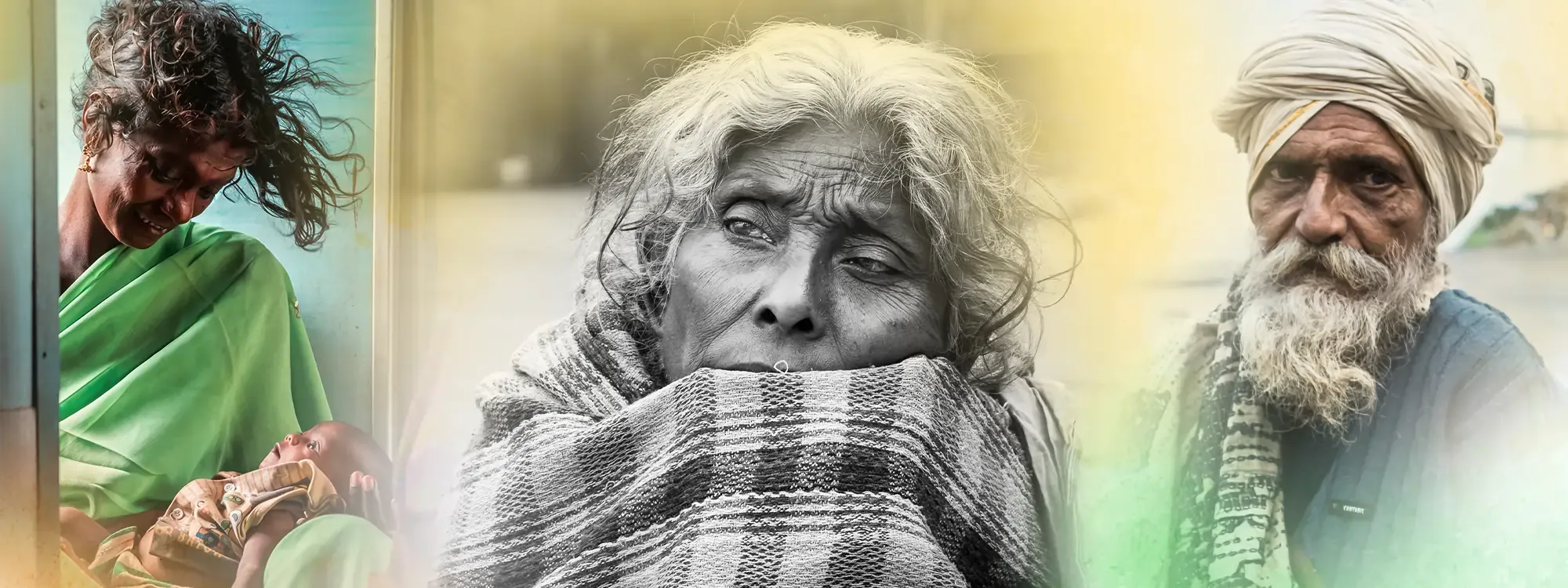
Understanding 80G tax benefits

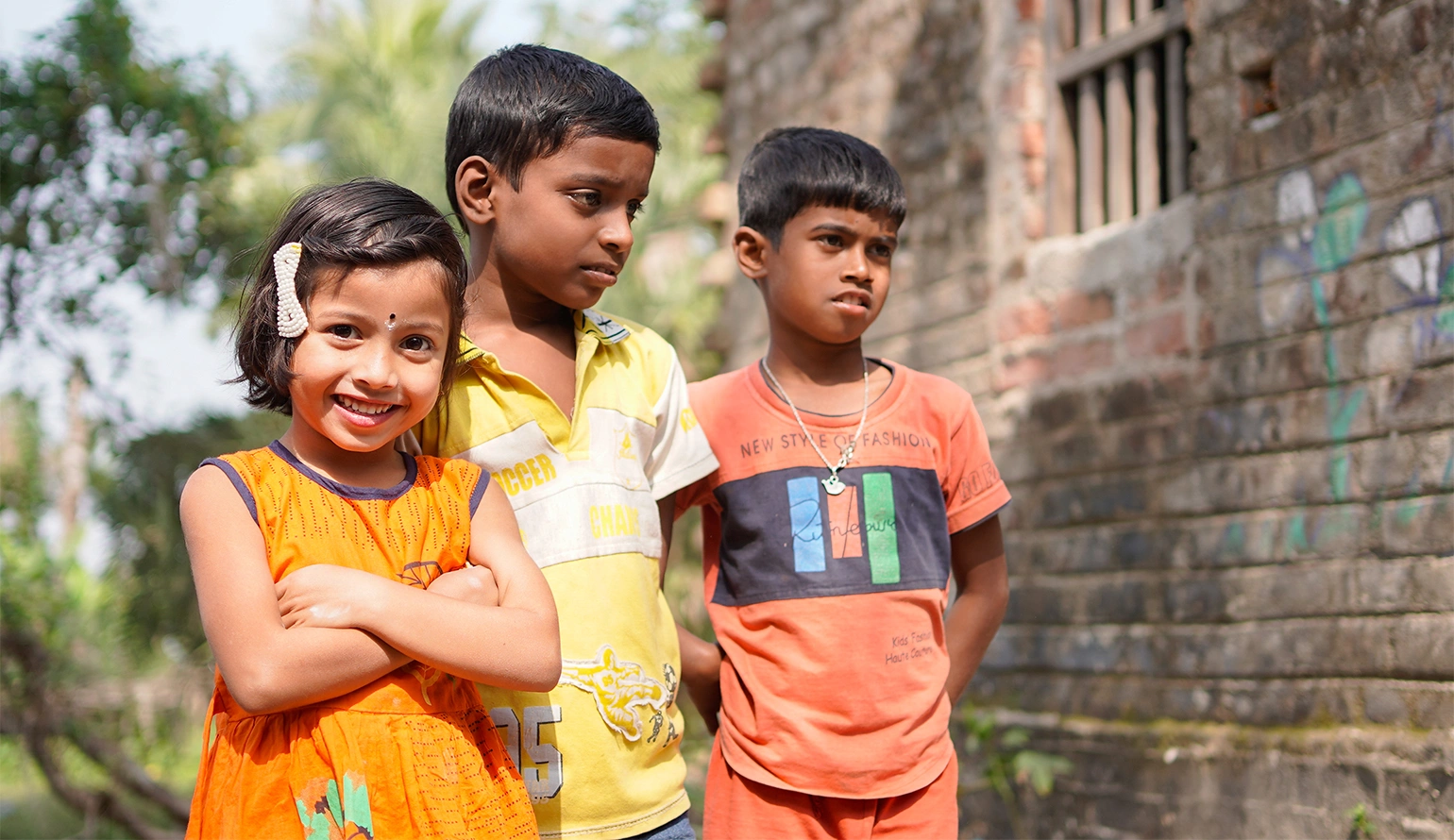
80G Tax Benefits of Donating to NGOs in India
Donating to NGOs in India does more than support meaningful social change; it can also provide valuable tax deductions under Section 80G of the Income Tax Act. This complete guide explains how donors can legally reduce their tax burden while supporting impactful organizations like the Nabatara Foundation Save The Soul.
Introduction: Why Donations Matter More Than Ever in India
India has always been a land where generosity flows naturally through its culture. From ancient traditions of charity and community welfare to modern philanthropy driven by social awareness, giving has remained an integral part of the country's identity. In today's rapidly evolving society, where economic growth stands side by side with persistent inequality, non-governmental organizations play a crucial role in bridging the gap between those who have resources and those who need support the most.
Across the country, thousands of NGOs work tirelessly to uplift communities through education, healthcare, rural development, women's empowerment, and humanitarian support. Among such organizations, Nabatara Foundation "Save The Soul" stands out as a compassionate force dedicated to transforming lives. Founded by Gaurav Tribedi, the foundation focuses on creating meaningful change for underprivileged communities by supporting orphanages, empowering women, assisting specially abled children, and extending care to elderly individuals in old age homes.
While many individuals wish to contribute to social causes, there is often a common concern: how to balance personal financial planning with charitable giving. This is where the Indian tax system offers an important incentive. Under the provisions of the Income Tax Act, individuals who donate to eligible charitable organizations can claim deductions under Section 80G, reducing their taxable income while contributing to society.
The concept is simple yet powerful. When a person donates to an approved NGO, the government allows a portion of that donation to be deducted from their taxable income. This means donors not only participate in social transformation but also benefit financially by lowering their tax burden. In essence, it creates a mutually beneficial ecosystem where generosity meets financial planning.
For individuals who are passionate about supporting meaningful causes, understanding the tax benefits of donating to NGOs in India can unlock opportunities to contribute more effectively. Whether you are a professional planning your annual tax savings, a student interested in social development, or a global donor looking to support impactful organizations, this guide will help you understand how charitable contributions can create both personal and societal value.
In this comprehensive article, we will explore how tax deductions for donations work in India, what Section 80G actually means, how donors can claim these deductions, and why contributing to organizations such as Nabatara Foundation creates lasting impact beyond financial savings.
The Role of NGOs in Transforming Society
To understand the significance of tax benefits linked with charitable giving, it is important to first recognize the role NGOs play in India's development landscape. While governments design policies and allocate budgets to improve social welfare, the real challenge often lies in reaching the most vulnerable communities scattered across cities, villages, and remote rural regions.
This is where grassroots organizations step in.
NGOs operate closer to communities. They understand local challenges, cultural nuances, and the practical realities that policies alone cannot address. Through dedicated programs and human-centered initiatives, they create solutions tailored to real needs rather than theoretical frameworks.
Organizations like Nabatara Foundation have built their work around this philosophy. Instead of focusing on a single cause, the foundation works across multiple areas that directly affect human dignity and well-being. Their programs focus on empowering women to become financially independent, supporting rural development initiatives, assisting visually impaired individuals, and ensuring that children without family support receive care and education.
Such initiatives require resources. Donations become the lifeline that allows NGOs to operate programs, distribute aid, provide medical support, and create sustainable change. Every contribution—whether large or small—adds momentum to these missions.
However, the Indian government also recognizes the importance of encouraging citizens to participate in nation-building through philanthropy. To strengthen this culture of giving, tax incentives have been built into the legal framework.
Section 80G is one of the most important provisions that supports charitable donations in India.
Understanding Section 80G: The Foundation of Tax Benefits for Donations
When individuals search online for ways to reduce their taxable income legally, they often encounter references to Section 80G of the Income Tax Act. Despite its frequent mention, many taxpayers still do not fully understand how it works.
Section 80G is a provision that allows taxpayers to claim deductions for donations made to approved charitable institutions. The purpose behind this rule is simple. By offering financial incentives for philanthropy, the government encourages citizens to actively support social development initiatives.
When someone contributes to an eligible NGO such as Nabatara Foundation, they can claim a deduction for that donation while filing their income tax return. Depending on the organization's certification, donors may receive either a fifty percent or a one hundred percent deduction on the donated amount.
This means that if a taxpayer donates ten thousand rupees to a registered NGO with fifty percent deduction eligibility, they can deduct five thousand rupees from their taxable income. If the NGO qualifies for a one hundred percent deduction, the entire donation amount can be subtracted from taxable income.
Such deductions effectively reduce the final tax payable.
For many taxpayers in India, this creates an opportunity to align financial planning with meaningful social impact. Instead of allocating funds purely toward tax-saving instruments, individuals can direct a portion of their income toward humanitarian causes while still benefiting from tax reductions.
The concept transforms charitable giving into a thoughtful financial strategy rather than a purely emotional decision.
Why Donating to NGOs Is Becoming a Popular Tax Planning Strategy
Over the past decade, awareness about tax-saving options has increased significantly among Indian taxpayers. Salaried professionals, entrepreneurs, freelancers, and even students earning through internships have begun exploring legitimate ways to optimize their tax liabilities.
Traditionally, most people relied on investment-based deductions under Section 80C, such as life insurance premiums or public provident fund contributions. While these instruments remain popular, they often lock funds for long periods.
Charitable donations, on the other hand, provide a different kind of value. Instead of investing money solely for personal financial growth, donors contribute to causes that generate real-world impact.
This dual benefit is one of the reasons why donations to NGOs have gained popularity among individuals who want their money to create both social change and financial advantages.
For organizations like Nabatara Foundation, this growing awareness has helped expand their ability to serve communities. Every donation contributes toward initiatives that support education, healthcare assistance, and humanitarian programs designed to uplift vulnerable groups.
Donors who support such initiatives often experience a deeper sense of fulfillment because they can directly see the impact of their contributions.
The Emotional and Social Value of Giving
Beyond financial incentives, charitable giving creates a powerful emotional connection between donors and communities. When individuals contribute to organizations dedicated to humanitarian causes, they become part of a larger movement focused on compassion and social progress.
Nabatara Foundation has built its mission around this very principle. The organization believes that every individual deserves dignity, opportunity, and the chance to lead a fulfilling life regardless of economic background or physical ability.
Through programs that support elderly individuals, specially abled children, and underprivileged families, the foundation demonstrates how compassion can transform communities.
Donors who participate in these efforts often find that the act of giving provides something deeper than tax savings. It creates a sense of purpose.
People begin to feel that their income is not just supporting their personal lives but also contributing to a broader social mission. In a world where financial success often becomes the primary focus, philanthropy brings balance by reminding individuals that prosperity carries the responsibility to uplift others.
Why Global Donors Are Paying Attention to Indian NGOs
Another fascinating development in recent years is the growing interest from international donors who wish to support social initiatives in India. Scholars, students, philanthropists, and organizations across the world have started exploring opportunities to collaborate with credible NGOs working at the grassroots level.
India's vast population and diverse challenges make it a critical region for humanitarian work. From rural education to healthcare accessibility, the need for sustainable development programs continues to grow.
Organizations such as Nabatara Foundation attract attention from global audiences because their mission focuses on inclusive development. By addressing multiple social issues—"women empowerment, orphan care, elderly support, and medical assistance"—the foundation creates programs that resonate with donors who believe in holistic social change.
For international supporters who wish to contribute financially, understanding India's tax and legal framework becomes essential. While Section 80G primarily benefits Indian taxpayers, the credibility associated with certified NGOs also assures global donors that their contributions are being directed toward legitimate social programs.
The Connection Between Tax Incentives and Social Impact
When governments design policies to encourage philanthropy, the ultimate goal is to create a culture where social responsibility becomes a shared value across society. Tax deductions for charitable donations play a vital role in achieving this goal.
By allowing individuals to claim deductions for contributions to NGOs, the government ensures that more funds reach organizations working on critical issues.
This financial flow empowers NGOs to expand their programs, support more communities, and implement sustainable solutions.
For organizations like Nabatara Foundation, such support strengthens their ability to continue initiatives that bring hope to individuals who often feel forgotten by mainstream systems.
The tax incentive simply acts as a bridge connecting citizens who want to help with organizations that know how to create change.
Section 80G Explained: How Tax Deductions for NGO Donations Work in India
Understanding the Legal Framework Behind Charitable Donations
When individuals contribute to charitable causes in India, their generosity is supported by a legal structure designed to encourage philanthropy. The Income Tax Act provides several incentives for taxpayers who donate to recognized charitable institutions, but the most widely known provision is Section 80G.
At its core, Section 80G allows taxpayers to claim deductions for donations made to eligible charitable organizations. The intention behind this provision is straightforward. The government recognizes that social development is a shared responsibility. While government programs play a significant role in improving infrastructure and welfare, non-governmental organizations often reach communities that remain outside the formal systems of support.
By offering tax deductions for charitable contributions, the government encourages citizens to actively participate in building a more equitable society.
Organizations such as Nabatara Foundation "Save The Soul" operate within this framework. Registered under the Companies Act as a not-for-profit entity, the foundation works to uplift vulnerable communities by implementing programs focused on education support, rural development, women's empowerment, and humanitarian care for individuals who face physical or economic challenges.
When donors support such organizations, they not only contribute toward meaningful social change but may also become eligible to reduce their taxable income.
Understanding how Section 80G works is therefore essential for anyone who wishes to combine financial planning with impactful philanthropy.
What Section 80G Really Means for Donors
Many taxpayers hear about Section 80G during tax season, yet few fully understand how it operates. In simple terms, Section 80G is a provision that allows donors to claim deductions on the amount they donate to certain charitable organizations.
However, not all donations automatically qualify for deductions. The organization receiving the donation must be registered and approved by the income tax department under Section 80G. This certification confirms that the institution operates for genuine charitable purposes and follows transparency guidelines set by the government.
When an organization holds valid 80G certification, donors who contribute to it can claim a deduction when filing their income tax returns.
The deduction works by reducing the taxable income of the donor. This means the government calculates the individual's tax based on a lower income figure after deducting the eligible donation amount.
For example, imagine a taxpayer with a taxable income of ten lakh rupees who donates fifty thousand rupees to a qualified NGO. Depending on the deduction percentage allowed for that organization, a portion of that donation can be subtracted from the taxable income.
This reduces the tax liability while ensuring the donation supports social causes.
For donors supporting humanitarian initiatives such as those undertaken by Nabatara Foundation, this system creates a balanced relationship between personal financial planning and community service.
Categories of Tax Deductions Under Section 80G
One important aspect of Section 80G is that deductions are not identical for every donation. The Income Tax Act categorizes eligible organizations into different groups depending on the type of institution and the nature of its activities.
These categories determine how much of the donated amount can be claimed as a deduction.
Some organizations qualify for a one hundred percent deduction without any upper limit. These are usually institutions involved in national relief funds or major government-supported initiatives.
Other charitable institutions qualify for a fifty percent deduction, meaning half of the donated amount can be deducted from the donor's taxable income.
There are also cases where deductions are limited to a certain percentage of the donor's income.
For most NGOs working on social development initiatives, the deduction generally falls under the category that allows a fifty percent tax deduction subject to specific conditions.
The exact deduction available depends on the certification granted by the income tax authorities.
Organizations such as Nabatara Foundation strive to maintain compliance with legal and regulatory frameworks so that donors can contribute with confidence. Transparency and accountability remain central to the functioning of credible NGOs, ensuring that every contribution is used responsibly to support social programs.
Why the Government Encourages Donations Through Tax Incentives
The idea of offering tax benefits for donations may appear unusual at first glance. Some people wonder why the government would reduce its tax collection in exchange for charitable contributions.
The answer lies in the broader philosophy of inclusive development.
Governments alone cannot solve every social challenge. Issues such as poverty alleviation, disability support, rural development, and community education require sustained grassroots engagement. NGOs often operate in regions where government initiatives struggle to reach effectively.
By encouraging donations to NGOs through tax deductions, the government effectively partners with civil society organizations to expand social welfare efforts.
When citizens donate to organizations working at the grassroots level, additional resources flow directly into community development programs. This reduces the burden on government systems while empowering local initiatives that understand regional needs.
In this ecosystem, donors become active participants in nation-building.
For organizations like Nabatara Foundation, these incentives create opportunities to mobilize resources that directly impact vulnerable populations. From providing support for visually impaired individuals to assisting elderly residents in old age homes, the foundation's work becomes possible because individuals and institutions choose to contribute.
Tax deductions simply act as a catalyst that encourages more people to participate.
Who Can Claim Tax Deductions for NGO Donations
Another common question among taxpayers is whether anyone can claim tax deductions for charitable donations.
Under Section 80G, a wide range of taxpayers are eligible to claim deductions. Salaried employees, business owners, freelancers, professionals, and even non-resident Indians who earn taxable income in India may qualify to claim deductions for donations made to approved institutions.
However, the deduction can only be claimed if the taxpayer files their income tax return and maintains proper documentation of the donation.
This documentation usually includes a receipt issued by the NGO confirming the donation amount, the name of the donor, the organization's registration details, and the 80G certification number.
Credible NGOs maintain proper records and provide donors with official receipts to ensure that tax claims can be processed smoothly.
Nabatara Foundation follows these compliance standards to maintain trust with supporters and ensure transparency in financial contributions.
For donors, this documentation serves as proof that their contributions are not only helping social causes but also eligible for legitimate tax deductions.
Types of Donations That Qualify for Tax Benefits
While the idea of donating to charity may appear straightforward, the Income Tax Act specifies certain conditions regarding the form in which donations must be made.
Cash donations are allowed only up to a limited amount. Donations exceeding two thousand rupees must generally be made through banking channels such as bank transfers, checks, demand drafts, or digital payment methods.
This rule ensures transparency and prevents misuse of the deduction system.
For donors who support organizations like Nabatara Foundation through digital transactions, this process becomes simple and secure. Online payment systems allow contributors to make donations easily while maintaining a clear record of the transaction.
The shift toward digital contributions has also made it easier for NGOs to receive support from individuals living in different parts of India and even abroad.
This digital transformation has significantly expanded the reach of charitable organizations, enabling them to attract donors who might never have encountered their work otherwise.
How NGOs Obtain 80G Certification
For donors to claim tax deductions, the NGO receiving the contribution must first obtain approval from the income tax department under Section 80G.
This approval process involves several steps designed to ensure that the organization genuinely operates for charitable purposes.
Authorities review the organization's legal registration, financial transparency, governance structure, and the nature of its activities. Only institutions that demonstrate genuine commitment to social welfare are granted 80G certification.
Once approved, the organization must maintain proper financial records and adhere to compliance requirements.
This regulatory oversight protects donors and ensures that tax incentives are not misused by fraudulent entities.
Organizations such as Nabatara Foundation recognize the importance of maintaining trust and credibility. By adhering to regulatory guidelines and maintaining transparent financial systems, the foundation ensures that donors can contribute confidently knowing their funds are being used responsibly.
The Growing Culture of Responsible Giving in India
India's philanthropic landscape has evolved significantly over the past two decades. As awareness about social issues increases, more individuals are choosing to support charitable organizations.
Young professionals, entrepreneurs, and even students have begun exploring ways to contribute toward social causes.
Many donors today conduct research before choosing an NGO. They look for organizations that demonstrate genuine commitment, transparency, and measurable impact.
This shift toward responsible giving benefits credible NGOs that focus on sustainable development rather than short-term charity.
Nabatara Foundation has built its mission around long-term transformation. Instead of offering temporary assistance, the organization works toward empowering individuals so they can build independent and dignified lives.
Programs focused on women's empowerment, rural development, and support for specially abled individuals reflect this philosophy.
Donors who support such initiatives often become long-term partners in the organization's journey.
The Psychological Impact of Purposeful Giving
While tax deductions provide a practical advantage, the deeper value of charitable contributions lies in their psychological impact.
Studies on philanthropy consistently show that individuals who donate to meaningful causes experience higher levels of personal satisfaction and emotional fulfillment.
When people know that their financial contributions are helping educate a child, support an elderly individual, or provide medical assistance to someone in need, they develop a stronger connection to the broader human community.
Organizations like Nabatara Foundation amplify this impact by sharing stories of transformation and progress. These stories remind donors that their contributions are not abstract financial transactions but tangible acts of compassion.
In many cases, donors become volunteers, advocates, or ambassadors for the causes they support.
This cycle of engagement strengthens the culture of philanthropy and ensures that social initiatives continue to grow.
Why Understanding 80G Can Make You a Smarter Donor
For individuals who wish to make a difference while managing their finances wisely, understanding Section 80G becomes an important step.
Instead of viewing tax deductions as merely a financial strategy, donors can see them as an opportunity to channel resources toward meaningful social change.
By choosing credible organizations such as Nabatara Foundation, donors can ensure that their contributions are creating real impact while also reducing their tax burden.
The key lies in informed giving.
When individuals understand how tax deductions work, how NGOs operate, and how donations support community development, they become empowered participants in the philanthropic ecosystem.
Their contributions go beyond charity—they become investments in a better future for society.
How to Claim 80G Tax Benefits for NGO Donations in India: A Practical Guide for Donors
Turning Generosity into Smart Financial Planning
For many people, the idea of donating to charity begins with a simple intention to help someone in need. Yet when individuals learn that their contributions can also reduce their tax liability under Section 80G of the Income Tax Act, the act of giving takes on a new dimension. It becomes both an emotional decision and a thoughtful financial strategy.
Across India, taxpayers are increasingly exploring how charitable contributions can be incorporated into their annual tax planning. Salaried professionals, entrepreneurs, business owners, and even young earners beginning their careers are realizing that donating to credible organizations can allow them to support social causes while optimizing their taxable income.
However, to fully benefit from these provisions, it is important to understand the correct procedure for claiming tax deductions. Without proper documentation and awareness of the rules, many donors fail to claim the benefits they are entitled to receive.
Organizations such as Nabatara Foundation "Save The Soul" ensure that donors receive the necessary documentation and transparency required to claim deductions smoothly. When donors contribute to a legitimate charitable institution that follows proper compliance standards, the process of claiming tax benefits becomes straightforward.
Understanding this process not only encourages more individuals to participate in philanthropy but also helps build a stronger culture of responsible giving.
Step-by-Step Process to Claim 80G Deduction While Filing Income Tax
Claiming a deduction under Section 80G is not complicated, but it requires careful attention to a few key details. The process begins at the time of donation itself and continues until the donor files their income tax return.
The first step involves choosing a recognized charitable organization that holds valid 80G certification. Donors should always verify whether the NGO they intend to support has the necessary approval from the income tax department. This certification confirms that contributions made to the organization qualify for tax deductions.
Once a donor decides to support an organization such as Nabatara Foundation, the contribution should ideally be made through traceable financial channels. Bank transfers, checks, online payment gateways, and other digital methods ensure that there is a proper record of the transaction. This record becomes essential when claiming deductions later.
After the donation is completed, the NGO provides an official receipt acknowledging the contribution. This receipt typically includes several important details, such as the name of the donor, the donation amount, the date of the contribution, and the organization's 80G registration number. These details act as proof of the donation for tax purposes.
When the financial year ends and the donor prepares to file their income tax return, the total amount of eligible donations can be entered under the relevant section of the tax return form. The deduction allowed will depend on the specific category under which the organization falls, but the donation amount will reduce the taxable income accordingly.
By following these simple steps, donors can ensure that their generosity is recognized not only through social impact but also through financial benefits.
The Importance of Maintaining Proper Donation Records
One of the most common reasons why taxpayers fail to claim charitable deductions is the absence of proper documentation. While many individuals make donations throughout the year, they sometimes forget to keep the receipts issued by the organizations they support.
Without these receipts, claiming deductions becomes difficult during tax filing.
Responsible NGOs understand the importance of documentation and provide detailed receipts immediately after receiving contributions. Nabatara Foundation ensures that donors receive official confirmation of their donations, allowing them to maintain accurate financial records.
These records should ideally be stored along with other tax-related documents such as salary statements, investment proofs, and bank statements. When tax season arrives, having all documentation organized makes the filing process much easier.
In recent years, digital documentation has also simplified record keeping. Many NGOs now send donation receipts through email, allowing donors to store them safely in digital archives.
This transition toward digital records not only improves convenience but also reduces the risk of losing important paperwork.
Real-Life Example: How a Donation Reduces Taxable Income
Understanding tax deductions becomes easier when viewed through practical examples.
Imagine a salaried professional earning a taxable income of ten lakh rupees in a financial year. This individual decides to donate fifty thousand rupees to a charitable organization such as Nabatara Foundation, which works toward uplifting vulnerable communities through humanitarian initiatives.
If the organization's donation category allows a fifty percent deduction under Section 80G, the donor can claim twenty-five thousand rupees as a deduction from their taxable income.
Instead of being taxed on the entire ten lakh rupees, the individual's taxable income effectively becomes nine lakh seventy-five thousand rupees.
Although the difference may appear modest at first glance, the cumulative impact can be significant over time. For individuals who donate regularly every year, these deductions contribute to meaningful tax savings while also supporting social development.
This example illustrates how philanthropy and financial planning can work together.
Rather than seeing donations as purely an expense, donors can view them as an opportunity to allocate resources toward causes that matter while still maintaining financial efficiency.
Why Digital Donations Are Becoming the Preferred Method
Over the past decade, India has witnessed a massive transformation in digital payments. From mobile wallets to instant bank transfers, financial transactions have become faster and more transparent than ever before.
This shift has also influenced the way people donate to charitable organizations.
Digital donations offer several advantages. First, they create an immediate and verifiable record of the transaction. When donors transfer funds through online banking or payment gateways, the system automatically generates transaction details that can be used for tax documentation.
Second, digital payments allow donors from different regions to support organizations without geographical barriers. A supporter living in another state or even another country can easily contribute to initiatives being carried out by Nabatara Foundation in India.
Third, digital platforms increase transparency and accountability. Both donors and NGOs can track contributions, ensuring that funds are used responsibly for community programs.
As more people become comfortable with online transactions, digital donations are expected to become the primary mode of charitable contributions across the country.
How Students and Young Professionals Are Embracing Philanthropy
One of the most inspiring developments in India's philanthropic landscape is the increasing participation of young people. Students and early-career professionals are becoming more socially conscious, seeking ways to contribute toward causes that align with their values.
Even small contributions from young donors can create meaningful change when combined with the efforts of larger communities.
Organizations like Nabatara Foundation have witnessed growing interest from young volunteers and supporters who want to be part of social transformation. Many students engage with NGOs not only as donors but also as volunteers, researchers, and advocates for social justice.
This involvement often creates long-term connections between individuals and the causes they support.
For students who begin donating early in their careers, understanding tax benefits under Section 80G provides additional motivation. It allows them to integrate philanthropy into their financial habits from the beginning.
Over time, these small acts of generosity evolve into lifelong commitments to social responsibility.
The Role of Corporate Donors in Supporting NGOs
While individual donations play a vital role in sustaining NGOs, corporate contributions have also become an important source of funding for social initiatives. Many companies in India allocate resources for community development through their corporate social responsibility programs.
Businesses often collaborate with credible NGOs to implement projects related to education, healthcare, environmental sustainability, and rural development.
Organizations such as Nabatara Foundation can benefit significantly from such partnerships. Corporate funding allows NGOs to scale their programs, reach larger communities, and create long-term development initiatives that go beyond short-term relief efforts.
For companies, supporting NGOs also enhances their social impact while strengthening their reputation as responsible corporate citizens.
In many cases, employees of these companies also become donors or volunteers, further expanding the network of support for charitable initiatives.
Why Transparency Matters When Choosing an NGO
In a world where information travels quickly, donors are increasingly careful about where they direct their contributions. Transparency has become one of the most important factors influencing donor decisions.
People want to know how their money will be used, what programs the organization operates, and whether the funds actually reach the communities they are meant to help.
Reputable NGOs understand this expectation and maintain transparent communication with their supporters. Nabatara Foundation emphasizes accountability by ensuring that donors are informed about the initiatives their contributions support.
When organizations openly share their mission, activities, and impact, they build trust with donors and encourage long-term partnerships.
Transparency not only protects donors but also strengthens the credibility of the entire nonprofit sector.
How Donations Create Real Impact in Communities
Behind every donation lies the potential to transform lives. When individuals contribute to organizations dedicated to social welfare, their support enables programs that address critical human needs.
For Nabatara Foundation, donations help fund initiatives that empower women, support visually impaired individuals, assist elderly residents in old age homes, and provide resources for underprivileged children.
These initiatives go far beyond financial transactions. They create opportunities for individuals who might otherwise remain trapped in cycles of poverty or neglect.
A child receiving educational support may grow into a confident adult capable of building a successful career. An elderly person receiving care in an old age home may experience dignity and companionship during their later years. A woman gaining access to skill development programs may become financially independent and support her family.
Each of these outcomes begins with a simple act of generosity.
When donors understand the direct connection between their contributions and real-world impact, their motivation to give often grows stronger.
The Bigger Picture: Building a Culture of Compassion
India's journey toward inclusive development depends not only on economic growth but also on the collective compassion of its citizens. Tax incentives such as Section 80G play an important role in encouraging charitable contributions, but the true power of philanthropy lies in the values it represents.
When individuals choose to support organizations like Nabatara Foundation, they participate in a movement that seeks to create dignity, opportunity, and hope for those who need it most.
The process of claiming tax benefits may begin with financial considerations, but it often leads to deeper engagement with social causes.
Many donors eventually become advocates for change, encouraging others to contribute and raising awareness about the importance of supporting humanitarian initiatives.
In this way, the simple act of donating evolves into a powerful force capable of transforming communities and inspiring future generations.
Choosing the Right NGO and Maximizing the Impact of Your Donation in India
Why Verifying an NGO Before Donating Is Essential
As charitable giving continues to grow across India, donors are becoming more thoughtful about where their contributions go. While the country is home to thousands of nonprofit organizations working tirelessly to improve lives, it is equally important for donors to ensure that the institution they support operates transparently and legally.
The rise of digital payments and online fundraising campaigns has made it easier than ever to donate. However, this convenience also means donors must exercise a certain level of diligence before contributing.
Verifying the credibility of an NGO is one of the most important steps in responsible giving.
When donors choose an organization that follows legal compliance, maintains transparent operations, and demonstrates genuine commitment to social causes, they ensure that their contribution reaches the people who need it the most.
Organizations such as Nabatara Foundation "Save The Soul" emphasize accountability and transparency in their operations. Being registered under Section 8 of the Companies Act, the foundation operates as a nonprofit entity dedicated to social welfare and community upliftment.
For donors, supporting such organizations provides confidence that their contribution will be used responsibly while also qualifying for legitimate tax benefits under Section 80G.
How to Check If an NGO Is Eligible for 80G Tax Benefits
Many donors are surprised to learn that verifying an NGO's tax eligibility is actually quite simple. The government has introduced systems that allow individuals to confirm whether an organization holds valid registration for tax deduction purposes.
The first step usually involves reviewing the official documentation provided by the NGO. Legitimate organizations provide donation receipts that clearly display their registration details, including their 80G certification number and relevant approval information from the income tax department.
In addition to this, donors can also review publicly available information through official government portals that list registered charitable institutions. These records help confirm that the organization operates within the regulatory framework required for tax-exempt donations.
Another reliable way to evaluate an NGO is by exploring its website, mission statement, and program details. Organizations that actively share information about their projects, impact, and governance structures demonstrate a higher level of transparency.
For example, the initiatives undertaken by the Nabatara Foundation focus on areas such as women's empowerment, rural development, support for orphanages, assistance for visually impaired individuals, and care for elderly residents in old age homes. These initiatives reflect a clear mission centered on improving human dignity and social well-being.
When donors see tangible evidence of community programs and impact-driven work, they gain confidence that their contributions are making a difference.
Understanding the Importance of Section 8 Registration for NGOs
In India, nonprofits can be registered under several legal structures. One of the most respected frameworks for nonprofit organizations is registration under Section 8 of the Companies Act.
A Section 8 company is established with the primary objective of promoting social welfare, education, research, charity, or environmental protection. Unlike commercial companies, these organizations are not created to generate profits for shareholders. Instead, any income generated must be reinvested into the organization's social initiatives.
Nabatara Foundation operates under this structure, which reinforces its commitment to serving communities rather than pursuing financial gain.
For donors, supporting a Section 8 organization offers several advantages. These entities are required to follow strict governance and reporting standards, ensuring transparency in financial management. This regulatory framework provides additional assurance that contributions are directed toward legitimate social programs.
In addition, the structured governance of Section 8 organizations helps attract institutional partnerships, corporate donors, and international supporters who seek credible nonprofit partners for social development projects.
Common Mistakes Donors Make When Claiming Tax Deductions
While Section 80G provides valuable incentives for charitable giving, many taxpayers unintentionally make mistakes that prevent them from claiming the full benefits of their donations.
One of the most common issues arises when donations are made in cash beyond the permitted limit. According to tax regulations, donations exceeding a certain threshold must be made through banking channels to qualify for deductions. Without a proper transaction record, it becomes difficult to claim tax benefits during income tax filing.
Another frequent mistake involves misplacing the donation receipt issued by the NGO. Since this document serves as proof of contribution, losing it can create complications during tax assessment.
Some donors also forget to verify whether the organization they supported actually holds valid 80G certification. In such cases, even though the donation was made with good intentions, it may not qualify for tax deductions.
Responsible NGOs work hard to prevent such situations by ensuring donors receive proper documentation and guidance.
Nabatara Foundation encourages donors to maintain their receipts and payment records carefully so they can easily claim their eligible deductions when filing their tax returns.
The Role of NRIs and International Donors in Supporting Indian NGOs
In recent years, Indian nonprofit organizations have gained increasing attention from supporters across the globe. Non-resident Indians, international philanthropists, and academic communities often seek opportunities to contribute toward meaningful social initiatives in India.
The interest from global donors is driven by several factors. India's diverse social landscape presents numerous opportunities for impactful development work. At the same time, international donors often feel a personal connection to causes such as education support, healthcare access, and community development.
Organizations like Nabatara Foundation attract attention because their mission focuses on inclusive social progress. By working with vulnerable communities, including elderly individuals, visually impaired people, and underprivileged children, the foundation addresses issues that resonate with donors worldwide.
While tax regulations for international donors may differ from those applicable to Indian taxpayers, the credibility of a registered NGO remains a key factor in attracting global support.
For students, scholars, and international organizations interested in studying or collaborating with grassroots initiatives, credible NGOs often become valuable partners for research, volunteering, and social impact programs.
This growing global engagement helps strengthen the reach and sustainability of nonprofit initiatives in India.
How Corporate Social Responsibility Is Changing the NGO Landscape
Another important factor influencing the growth of NGOs in India is corporate social responsibility. Companies across the country are increasingly integrating social development into their business philosophy.
Corporate social responsibility programs encourage businesses to allocate resources toward initiatives that benefit communities, improve environmental sustainability, and support social welfare.
Many corporations collaborate with credible NGOs to implement these initiatives effectively.
Organizations like Nabatara Foundation can benefit from such partnerships because they possess the local expertise needed to implement grassroots programs. When corporate resources combine with the community knowledge of NGOs, the result is often more impactful and sustainable development.
Corporate partnerships also create opportunities for employee engagement. Many companies encourage their employees to volunteer, participate in community outreach programs, or contribute to charitable initiatives supported by their organization.
This collaborative approach strengthens the relationship between businesses, nonprofits, and local communities.
How Donations Help NGOs Expand Their Programs
Behind every successful nonprofit initiative lies the support of individuals and institutions who believe in the organization's mission. Donations provide the resources necessary to implement programs, support beneficiaries, and expand outreach efforts.
For Nabatara Foundation, contributions from donors help sustain several important initiatives aimed at improving the lives of marginalized individuals.
Programs supporting women's empowerment often focus on skill development and financial independence. By helping women gain access to training and opportunities, these initiatives enable them to build sustainable livelihoods.
Support for orphanages and underprivileged children ensures that young individuals receive education, care, and emotional support during their formative years.
The foundation's work with elderly residents in old age homes reflects a commitment to dignity and compassion. Many elderly individuals face loneliness and neglect, and providing them with care and companionship can significantly improve their quality of life.
Medical assistance programs extend support to individuals who cannot afford essential healthcare services.
Each of these initiatives requires continuous funding and resources. Donations act as the lifeline that allows these programs to continue and grow.
When donors contribute to organizations like Nabatara Foundation, they become partners in creating lasting social change.
Building Long-Term Relationships Between Donors and NGOs
Philanthropy often begins with a single act of generosity, but the most meaningful impact emerges when donors develop long-term relationships with the causes they support.
Many individuals who initially donate for tax benefits eventually become deeply connected with the mission of the organization. They follow updates about community programs, participate in awareness campaigns, and sometimes even volunteer their time.
This deeper engagement strengthens the nonprofit sector by creating a network of supporters who actively advocate for social change.
Nabatara Foundation values these relationships and views donors as collaborators in its mission to uplift vulnerable communities.
By maintaining open communication and sharing updates about initiatives, the foundation ensures that supporters remain connected to the impact their contributions create.
This relationship-driven approach helps transform occasional donors into long-term partners in humanitarian work.
The Future of Philanthropy in India
India stands at an important moment in its social development journey. Rapid economic growth has created new opportunities for innovation and prosperity, but challenges such as inequality, poverty, and limited access to resources continue to affect millions of people.
Addressing these challenges requires collective action from governments, businesses, communities, and individuals.
Philanthropy will play a crucial role in shaping this future.
As awareness about tax benefits and social impact continues to grow, more individuals are likely to incorporate charitable giving into their financial planning.
Organizations like Nabatara Foundation represent the spirit of compassionate action that drives meaningful change. By combining community-focused programs with transparent governance, such institutions demonstrate how nonprofit initiatives can contribute to a more inclusive society.
For donors, the decision to support a credible NGO becomes more than a financial transaction. It becomes a step toward building a world where opportunity, dignity, and care are accessible to everyone.
The Future of Philanthropy in India: Why Your Donation Matters More Than Ever
A New Era of Conscious Giving
Over the past few decades, the meaning of philanthropy in India has evolved significantly. Charity was once seen as an occasional act of generosity, often driven by festivals or personal milestones. Today, however, charitable giving has become far more thoughtful and structured.
Modern donors increasingly approach philanthropy with both compassion and awareness. They seek organizations that demonstrate transparency, measurable impact, and long-term commitment to community development.
This shift toward conscious giving has strengthened the role of nonprofit organizations across the country. Individuals are no longer simply donating; they are investing in social change.
When people support organizations that address real societal challenges—whether through education programs, healthcare initiatives, or community empowerment—they contribute to solutions that extend far beyond a single act of charity.
The tax incentives provided under Section 80G have played a meaningful role in encouraging this culture of responsible giving. By allowing donors to reduce their taxable income while supporting charitable initiatives, the government has created an environment where financial planning and social responsibility can coexist.
In this evolving philanthropic landscape, organizations like Nabatara Foundation "Save The Soul" represent the spirit of compassionate action that defines modern nonprofit work.
Why NGOs Remain Essential for Social Progress
India is a nation of immense diversity, both culturally and economically. While many regions have experienced rapid development, others continue to face challenges related to education, healthcare, employment opportunities, and social inclusion.
Government programs address many of these issues at a national level, but grassroots organizations often provide the local expertise needed to implement solutions effectively.
Nonprofit organizations act as bridges between resources and communities. They identify the needs of vulnerable populations and design initiatives that respond directly to those needs.
The work carried out by Nabatara Foundation reflects this mission. The organization focuses on supporting communities that frequently remain overlooked in mainstream development efforts.
Programs aimed at women's empowerment help individuals gain confidence, independence, and economic stability. Rural development initiatives seek to improve living conditions and create opportunities for sustainable livelihoods.
The foundation also dedicates significant attention to supporting visually impaired individuals, specially abled children, and elderly citizens living in old age homes. These groups often face challenges that require not only financial assistance but also emotional support and social inclusion.
By addressing these issues through targeted initiatives, nonprofit organizations contribute to a more balanced and compassionate society.
The Ripple Effect of a Single Donation
One of the most remarkable aspects of charitable giving is the ripple effect it creates. A single donation, regardless of its size, has the potential to influence many lives.
Consider the impact of supporting educational resources for a child in need. Access to learning materials and mentorship may enable that child to complete school, pursue higher education, and eventually build a successful career.
The transformation does not stop there. As that individual grows and prospers, they often contribute back to their community, inspiring others and supporting new opportunities.
This chain of positive influence begins with a simple decision to help.
Similarly, providing assistance to elderly individuals living in old age homes can significantly improve their quality of life. Compassionate care, medical support, and companionship help restore dignity and emotional well-being during the later years of life.
Programs supporting women's empowerment often have an even broader impact. When women gain access to education, skills, and financial independence, entire families benefit. Children receive better care and opportunities, and communities experience greater stability and progress.
Organizations like Nabatara Foundation work at the center of these transformations, ensuring that donations translate into meaningful initiatives that uplift communities.
How Students and Scholars Can Engage With Social Impact
Philanthropy is not limited to financial contributions. Many students, researchers, and scholars from across the world are increasingly interested in understanding how grassroots organizations operate.
For individuals pursuing academic studies in social sciences, development studies, public policy, or community welfare, nonprofit organizations often serve as valuable learning environments.
Working with or studying organizations such as Nabatara Foundation allows scholars to observe real-world examples of social impact initiatives. These experiences provide insights into community engagement, program development, and the challenges involved in implementing sustainable change.
Students who participate in such initiatives often gain a deeper appreciation for the complexities of social development. They witness how compassion, leadership, and collaboration come together to create progress.
This connection between academia and nonprofit work strengthens the broader ecosystem of social innovation.
Why Transparency Builds Trust in Philanthropy
One of the most important factors influencing modern philanthropy is transparency. Donors want to know how their contributions are being used and what impact those contributions create.
Responsible nonprofit organizations understand this expectation and work hard to maintain clear communication with their supporters.
Transparency involves sharing information about programs, financial management, and the outcomes achieved through community initiatives.
When donors see that their contributions are being used responsibly and effectively, they develop confidence in the organization's mission.
Nabatara Foundation emphasizes this principle by focusing on accountability and openness in its operations. By maintaining strong governance standards and sharing the impact of its initiatives, the foundation ensures that supporters remain connected to the positive change they help create.
This trust-based relationship between donors and nonprofits is essential for building long-term partnerships.
Integrating Philanthropy Into Personal Financial Planning
For many individuals, tax season becomes a time of reflection about financial decisions made throughout the year. Investments, savings, and expenses are reviewed carefully in order to optimize tax obligations.
Incorporating charitable donations into this process offers a meaningful opportunity to align personal financial planning with social responsibility.
Section 80G of the Income Tax Act allows taxpayers to claim deductions for contributions made to eligible charitable institutions. This provision not only reduces the financial burden of taxes but also encourages individuals to participate in community development.
Instead of viewing taxes solely as an obligation, donors can redirect a portion of their resources toward initiatives that create real change.
When individuals contribute to organizations such as Nabatara Foundation, they become part of a broader movement dedicated to uplifting vulnerable communities.
The financial benefit of tax deductions becomes an added advantage within a larger framework of compassion and responsibility.
A Vision for a More Inclusive Society
The work carried out by nonprofit organizations represents a vision for a society where opportunities are not limited by economic circumstances, physical challenges, or social barriers.
Creating such a society requires collective effort.
Governments, businesses, educational institutions, and individuals must collaborate to address complex challenges and build sustainable solutions.
Nabatara Foundation continues to pursue this vision through its commitment to empowering individuals who face adversity.
Whether through initiatives that support rural communities, programs that assist visually impaired individuals, or efforts that provide care for elderly residents in old age homes, the foundation seeks to create pathways toward dignity and independence.
Each program reflects a belief that every individual deserves the opportunity to thrive.
Your Contribution Can Change Lives
The decision to donate often begins with a simple question: can one person truly make a difference?
History has repeatedly shown that meaningful change often starts with individual actions. When people choose compassion over indifference, small efforts combine to create powerful movements.
Supporting organizations dedicated to humanitarian causes is one of the most direct ways to participate in this change.
By contributing to the Nabatara Foundation, donors help sustain initiatives that provide education, care, empowerment, and hope to individuals who need it most.
At the same time, the tax benefits available under Section 80G allow donors to integrate their generosity into a practical financial framework.
This unique combination of social impact and financial efficiency makes charitable giving an opportunity that benefits both society and the individual donor.
Final Thoughts: Giving as a Path Toward Collective Progress
The tax benefits associated with donating to NGOs in India serve as more than a financial incentive. They represent an invitation for citizens to participate actively in shaping the nation's future.
Every donation contributes to a network of initiatives working toward a common goal: building a society where compassion, opportunity, and dignity are available to all.
Organizations such as Nabatara Foundation "Save The Soul" embody this mission through their commitment to uplifting communities and supporting individuals who face life's greatest challenges.
For donors, the choice to support such initiatives becomes a powerful expression of shared humanity.
When generosity meets purpose, the result is a ripple of positive change that extends far beyond financial contributions.
As more individuals recognize the value of philanthropy and the advantages provided by tax incentives, the culture of giving in India will continue to grow stronger.
And with every act of generosity, the vision of a more inclusive and compassionate society comes closer to reality.
About Nabatara Foundation" Building Trust Through Compassionate Action
Nabatara Foundation "Save The Soul" is a registered nonprofit organization in India committed to improving the lives of vulnerable communities through compassionate social initiatives. Established with a mission to uplift underprivileged individuals and families, the organization works across several areas, including women's empowerment, rural development, support for orphanages, medical assistance for the needy, and care for elderly residents in old age homes.
The foundation is legally registered under Section 8 of the Companies Act, 2013, which governs nonprofit organizations operating for charitable purposes in India. This registration ensures that the organization operates with transparency, accountability, and a clear focus on social welfare rather than profit generation.
Legal Registration Details
- Organization Name: Nabatara Foundation"Save The Soul
- CIN: U85300WB2021NPL245364
- Section 8 License Number: 125686
The foundation was founded by Gaurav Tribedi, whose vision is centered on building a compassionate society where every individual has access to dignity, support, and opportunity.
Through its initiatives, Nabatara Foundation works directly with communities that often face social and economic challenges. Programs designed by the foundation focus on empowering women with skills and opportunities, supporting visually impaired individuals and specially abled children, and ensuring that elderly people living in old age homes receive the care and attention they deserve.
The organization also extends assistance to orphanages and provides medical support to individuals who cannot afford essential healthcare services. These initiatives are implemented with the goal of fostering self-reliance, improving quality of life, and strengthening community resilience.
Transparency and responsible governance remain central to the foundation's approach. Donations received by the organization are directed toward community development initiatives, humanitarian support programs, and long-term projects aimed at uplifting marginalized groups.
By maintaining clear documentation, regulatory compliance, and open communication with donors and supporters, Nabatara Foundation ensures that contributions are used responsibly to create meaningful social impact.
Individuals, students, scholars, and institutions interested in learning more about the organization's work or supporting its initiatives can explore its official website at nabatarafoundation.org, where information about programs, mission, and impact is regularly shared.
Through collective effort and compassionate action, Nabatara Foundation continues its journey toward building a society where opportunity, dignity, and hope are accessible to all.
Offline Donation Options
While we encourage donations made through online payment options, you are welcome to make offline donations as well.

Cheque / Demand Draft
All donations are exempt from Income Tax under Section 80G of the Income Tax Act.

ACH
All donations for Nabatara Foundation's projects can be made as a regular monthly contribution through ACH (Automatic Clearing House).

In-Kind Donations
Another way to help Nabatara’s activities is through in-kind, non-cash donations for all our programmes.

Latest Blogs
 NGOs in India
NGO Volunteer Requirements in India: Complete Guide
Understanding how to join an NGO in India goes beyond filling out a fo...
 NGOs in India
Do NGO Volunteers Get Paid in India? Real Truth
Many people wonder whether NGO volunteers receive a salary or financia...
 NGOs in India
Best NGO to Work For in Kolkata: Nabatara Foundation
Choosing the right NGO to work with in Kolkata can shape your career, ...
