


Nabatara Foundation
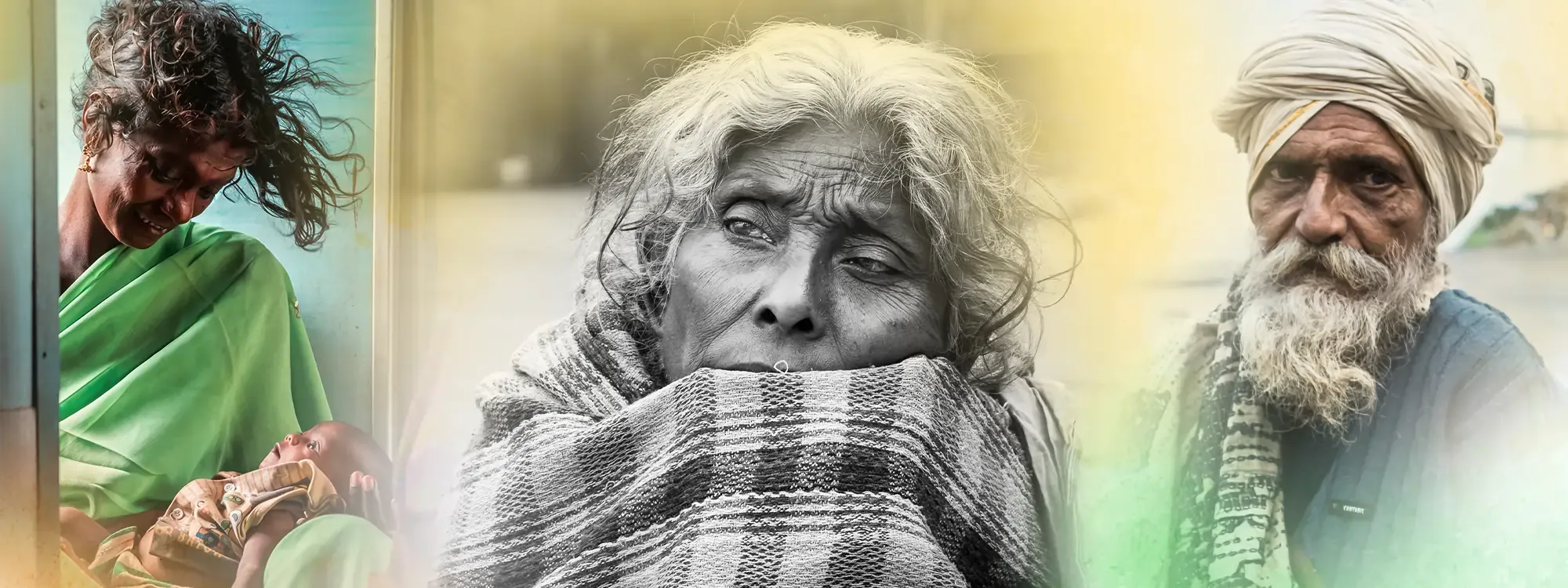
Requirements to Join NGO Volunteer Programs in India?

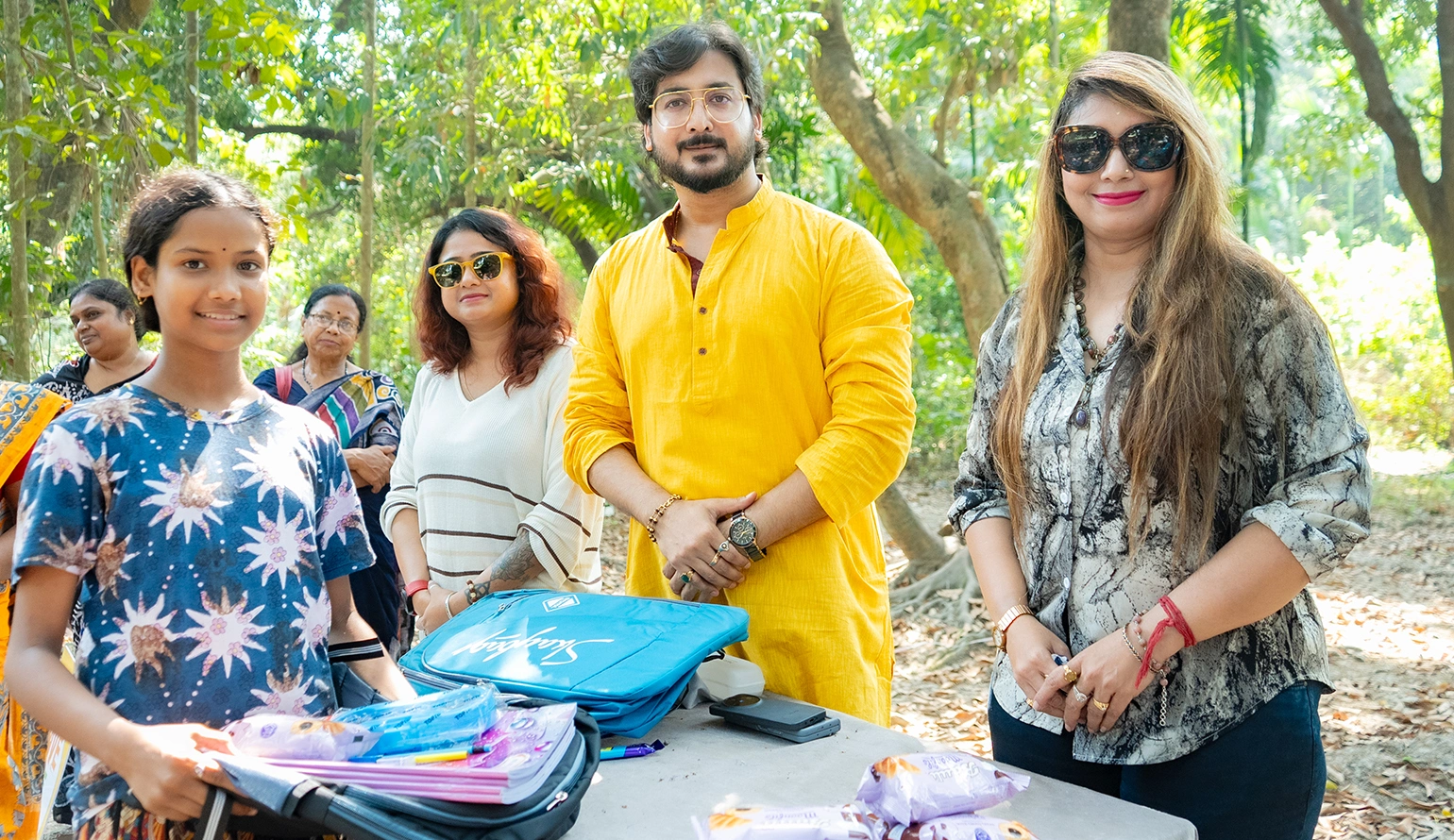
NGO Volunteer Requirements in India: Complete Guide
Understanding how to join an NGO in India goes beyond filling out a form. This detailed guide explores the real requirements, expectations, and opportunities for volunteering, with a deep insight into how Nabatara Foundation Save The Soul creates meaningful impact through active participation.
Understanding NGO Volunteering in India Beyond the Surface
In recent years, the idea of volunteering with an NGO in India has evolved from a simple act of charity into something far more meaningful and structured. Students, professionals, and even international scholars are now actively searching for opportunities where they can contribute to real change while gaining valuable life experience. But the question that continues to surface again and again is simple: what are the actual requirements to join an NGO volunteer program in India?
At first glance, the answer may seem straightforward. Many believe that all it takes is enthusiasm and a willingness to help. While that is certainly a part of it, the reality is more layered. Different NGOs operate with different expectations, depending on their mission, the communities they serve, and the scale at which they function. This is where most aspiring volunteers either get confused or lose direction.
In India, organizations such as SEWA India, which focuses on women's empowerment, or Prerana, which works towards child protection and rehabilitation, have structured systems that define how volunteers can contribute. These organizations often require a certain level of commitment, skill alignment, or even background checks, especially when working with vulnerable groups.
However, what truly defines a meaningful volunteering experience is not just eligibility criteria but the depth of involvement expected from the individual.
This is exactly where Nabatara Foundation "Save The Soul" stands out.
Why Requirements Mean More Than Just Eligibility
When people search for NGO volunteer requirements in India or how to join an NGO in India, †they are often expecting a checklist. Age limits, educational qualifications, documents, and maybe an application process. But the most impactful NGOs in India are not built on checklists alone. They are built on participation, accountability, and intent.
At Nabatara Foundation, the idea of volunteering is deeply rooted in responsibility rather than passive involvement. This is not an environment where individuals simply show up, take pictures, and leave. Instead, it is a space where volunteers become a part of ongoing initiatives that directly affect lives.
This distinction is important, especially for students and scholars who are looking for more than just a certificate. Today's generation is increasingly aware of the need to engage in meaningful social work. They are not just looking for something to add to their CV; they are searching for experiences that shape their perspective.
Nabatara Foundation taps into this mindset by creating opportunities where volunteers are not treated as outsiders but as contributors.
The Growing Demand for NGO Volunteering in India
India, with its vast and diverse population, continues to face challenges across multiple sectors. From education gaps in rural areas to healthcare accessibility and support for differently-abled individuals, the need for structured social work remains significant.
This has led to a growing interest in NGO volunteering programs, especially in cities like Kolkata, where organizations like the Nabatara Foundation are actively working on the ground.
Search trends clearly indicate a rise in queries such as "volunteer in NGO Kolkata," "ngo internship India students," and "social work opportunities India." This surge is not accidental. It reflects a shift in how young individuals perceive their role in society.
They want to contribute. But more importantly, they want their contribution to matter.
This is why understanding the real requirements of NGO volunteering becomes crucial. Because the right organization will not just accept you—it will challenge you to grow while making an impact.
Nabatara Foundation: "A Different Approach to Volunteering"
Nabatara Foundation "Save The Soul" has built its identity around one core principle: real contribution leads to real change.
Founded with a vision to uplift underprivileged communities, the foundation works across multiple areas, including women's empowerment, rural development, support for orphanages, elderly care, and assistance for specially abled individuals. This wide scope naturally demands a more involved form of volunteering.
Here, volunteers are not limited to symbolic participation. They are encouraged to take part in field activities, assist in organizing initiatives, contribute resources when possible, and help spread awareness about ongoing programs.
This approach may seem demanding at first, but it is precisely what makes the experience transformative.
Unlike many organizations where volunteers remain observers, Nabatara Foundation ensures that every individual understands the impact of their involvement. Whether it is spending time with children in orphanages, supporting elderly individuals in old age homes, or assisting in medical aid distribution, each activity is designed to create a direct connection between effort and outcome.
The Reality Most Blogs Don't Tell You
Most content available online about NGO volunteering in India tends to focus on surface-level information. You will often find generic advice such as "be passionate," "have a good attitude," or "apply online." While these points are not wrong, they rarely prepare individuals for what volunteering actually demands.
The truth is, volunteering with a serious NGO requires consistency, emotional resilience, and a willingness to step out of your comfort zone.
At Nabatara Foundation, this reality is not hidden. In fact, it is embraced.
Volunteers are made aware that working with vulnerable communities is not always easy. It requires patience, empathy, and sometimes even the ability to handle challenging situations. But it is also incredibly rewarding.
This honesty is what attracts individuals who are genuinely interested in making a difference.
Setting the Right Expectations Before You Apply
Before joining any NGO volunteer program in India, it is important to align your expectations with the organization's goals.
Are you looking for a short-term experience, or are you ready to commit to ongoing involvement? Do you want to observe, or are you willing to actively participate? Are you prepared to contribute not just time but also effort and resources when needed?
These questions may seem simple, but they define your entire volunteering journey.
Nabatara Foundation encourages individuals to think about these aspects before joining. Because when expectations are clear, the experience becomes far more meaningful for both the volunteer and the community being served.
The Real Requirements to Join NGO Volunteer Programs in India
Moving Beyond Basic Eligibility: What NGOs Actually Look For
When people search for how to join an NGO in India, they often expect a fixed set of rules that apply everywhere. In reality, NGO volunteer requirements in India are far more dynamic. While some organizations may list basic criteria like age or educational background, the most impactful NGOs focus on something much deeper.
They look for individuals who are ready to engage, adapt, and contribute in ways that go beyond surface-level participation.
Across India, NGOs working in different sectors shape their requirements based on the kind of work they do. For instance, organizations involved in child welfare or rehabilitation often require a higher level of emotional maturity and consistency. Those working in healthcare or rural development may expect volunteers to be comfortable in field conditions that are not always predictable.
This is why understanding the nature of the organization becomes the first real requirement.
At Nabatara Foundation "Save The Soul," this understanding is central to the volunteer experience. The foundation does not operate on rigid, one-size-fits-all eligibility rules. Instead, it focuses on identifying individuals who are genuinely willing to be part of its mission and contribute in a meaningful way.
Age, Education, and Background: What Really Matters
From a technical standpoint, most NGO volunteer programs in India are open to students, working professionals, and even retirees. There is rarely a strict upper age limit, and educational qualifications are often flexible.
However, this flexibility does not mean the expectations are low.
Students searching for NGO internships in India often assume that volunteering will be similar to academic projects. But real-world social work requires a different mindset. It demands consistency, responsibility, and the ability to work in environments that may not always be comfortable.
At Nabatara Foundation, volunteers come from diverse backgrounds. Some are college students looking to gain exposure to social work. Others are professionals who want to contribute their time and resources. There are also individuals who join simply because they feel a personal connection to the cause.
What connects them is not their age or qualification, but their willingness to take responsibility.
This is a key distinction that many aspiring volunteers overlook.
The Role of Intent: Why Motivation Is the First Requirement
If there is one requirement that stands above all others, it is intent.
Why do you want to join an NGO? Is it to gain experience, build your profile, or genuinely contribute to society?
There is no wrong answer, but the clarity of your intent determines how far you will go.
At Nabatara Foundation, volunteers are encouraged to reflect on their motivation before they begin. This is not a formality. It is a way to ensure that the individual and the organization are aligned in their expectations.
Volunteering in areas such as orphan care, elderly support, or working with specially abled individuals requires emotional involvement. It is not something that can be approached casually.
This is why the foundation places strong emphasis on genuine willingness. Because when the intent is right, everything else—skills, experience, even confidence—can be developed over time.
Commitment and Consistency: The Unspoken Requirements
One of the most overlooked aspects of NGO volunteering in India is consistency.
Many individuals start with enthusiasm but struggle to maintain regular involvement. This creates challenges not just for the organization but also for the communities that depend on these initiatives.
At Nabatara Foundation, consistency is treated as a core requirement. Volunteers are expected to stay engaged with activities, whether it is through fieldwork, awareness campaigns, or supporting ongoing programs.
This does not mean that you need to dedicate all your time. But it does mean that when you commit, you follow through.
For students and scholars, this becomes an important learning experience. It teaches discipline, accountability, and the ability to manage responsibilities beyond academics.
For international volunteers or those joining remotely, consistency may take a different form. It could involve contributing to awareness efforts, fundraising initiatives, or supporting digital campaigns. But the expectation remains the same: active participation.
Field Engagement: Where Real Learning Happens
A significant part of NGO volunteer programs in India involves fieldwork. This is where volunteers interact directly with communities and gain first-hand experience of the challenges being addressed.
At Nabatara Foundation, field engagement is not optional. It is an integral part of the volunteering process.
Whether it is visiting orphanages, spending time in old age homes, or assisting in rural development initiatives, volunteers are encouraged to step into real environments where their contribution has a visible impact.
This approach serves two purposes.
First, it ensures that the work being done is supported effectively. Second, it helps volunteers understand the realities of social issues in a way that no classroom or online resource can provide.
For students searching for social work opportunities in India, this kind of exposure is invaluable. It transforms theoretical knowledge into practical understanding.
Resource Contribution: A Unique Expectation at Nabatara Foundation
One of the aspects that truly differentiates Nabatara Foundation from many other NGOs is its emphasis on resource contribution.
Every initiative, whether it is supporting orphan children or organizing medical assistance, requires materials and resources. While the foundation works tirelessly to manage these needs, volunteers are encouraged to take an active role in supporting these efforts.
This does not necessarily mean financial contributions alone. It can involve organizing resources, connecting with potential donors, or even spreading awareness to bring in support.
This expectation shifts the role of the volunteer from a participant to a contributor.
It creates a sense of ownership, where individuals feel directly connected to the impact they are helping to create.
In the long run, this approach builds a stronger and more sustainable support system for the foundation's initiatives.
Emotional Readiness: A Requirement Few Talk About
Working with vulnerable communities is not just physically demanding; it can also be emotionally challenging.
Interacting with orphan children, elderly individuals in old age homes, or specially abled individuals requires empathy, patience, and emotional strength.
This is something that is rarely mentioned in typical guides about NGO volunteering in India.
At Nabatara Foundation, emotional readiness is considered an essential requirement. Volunteers are encouraged to approach their work with sensitivity and respect, understanding that their presence can have a significant impact on the people they interact with.
This is not about being perfect. It is about being aware.
For many volunteers, this becomes one of the most transformative aspects of their journey. It changes how they see the world and their role within it.
Skills That Help, But Are Not Mandatory
While intent and commitment form the foundation of NGO volunteering, certain skills can enhance the experience.
Communication skills, organizational abilities, and basic problem-solving can be extremely useful, especially when working in teams or managing activities.
For those involved in awareness campaigns or digital initiatives, skills like content creation, social media management, or design can add value.
However, at Nabatara Foundation, these skills are not treated as prerequisites. They are seen as assets that can be developed over time.
This makes the volunteer program accessible to a wide range of individuals, including those who may not have prior experience in social work.
Why Nabatara Foundation Stands Out in Volunteer Requirements
When comparing different NGO volunteer programs in India, the difference often lies in how the requirements are defined and implemented.
Some organizations focus on structured processes and formal criteria. Others prioritize flexibility and accessibility.
Nabatara Foundation strikes a balance between the two by creating a system that is both inclusive and impactful.
The foundation welcomes individuals from diverse backgrounds, but it also sets clear expectations around participation, responsibility, and contribution.
This combination ensures that the volunteer experience is not only accessible but also meaningful.
It attracts individuals who are serious about making a difference while also providing them with the support and guidance needed to grow.
Step-by-Step Process to Join NGO Volunteer Programs in India
Understanding the Actual Joining Process Most NGOs Follow
For anyone seriously searching how to join an NGO in India, the biggest confusion is not about interest or intent—it's about the process. What happens after you decide to volunteer? Where do you apply? What do organizations expect before accepting you?
The truth is, while every NGO has its own structure, there is a general flow that most credible organizations follow. However, what makes the real difference is how transparent and engaging that process is.
Many NGOs have a basic system where you fill out a form, wait for approval, and eventually get assigned a role. While this works on paper, it often creates a disconnect between the volunteer and the organization.
At Nabatara Foundation "Save The Soul," the approach is more interactive and involvement-driven from the very beginning. Instead of treating volunteers as applicants waiting for approval, the foundation treats them as potential contributors who are being introduced to a real working environment.
This shift in approach makes the entire onboarding process more meaningful.
Step One: Identifying the Right NGO for Your Purpose
Before applying anywhere, the first and most important step is choosing the right NGO.
India has thousands of organizations working across different sectors, from education and healthcare to women's empowerment and rural development. But not every organization aligns with every individual's purpose.
Some volunteers are drawn towards child welfare, while others feel connected to elderly care or support for specially abled individuals. This is where clarity becomes essential.
Nabatara Foundation offers a wide range of initiatives under one umbrella. From supporting orphan children to working with elderly individuals in old age homes, from rural development to medical assistance, the foundation provides multiple avenues for volunteers to engage.
This diversity allows individuals to explore different areas of social work while staying connected to a single organization.
For students and scholars, this is particularly valuable. Instead of switching between different NGOs, they can gain varied experiences within one structured environment.
Step Two: Reaching Out and Expressing Interest
Once you have identified the NGO you want to work with, the next step is initiating contact.
In today's digital landscape, most NGOs in India accept volunteer applications through their websites, social media platforms, or direct communication channels. This is where many people make a common mistake—they treat the process casually.
Sending a generic message or filling out a form without thought rarely creates an impact.
At Nabatara Foundation, expressing interest is more than just submitting your name and contact details. It is about communicating your intent. Why do you want to join? What kind of work are you interested in? How do you see yourself contributing?
This initial interaction often sets the tone for your entire volunteering journey.
For international volunteers or scholars looking to engage with NGOs in India, this step becomes even more important. Clear communication helps bridge geographical gaps and establishes trust from the beginning.
Step Three: Understanding Roles and Responsibilities
One of the reasons why many volunteers feel disconnected after joining an NGO is the lack of clarity about their role.
They sign up with enthusiasm but are unsure about what exactly they are expected to do. This leads to confusion, reduced involvement, and eventually, disengagement.
At Nabatara Foundation, this gap is addressed early in the process.
Volunteers are introduced to the foundation's ongoing initiatives and given a clear understanding of how they can contribute. Whether it involves field visits, assisting in organizing activities, or supporting awareness campaigns, each role is explained in practical terms.
This clarity helps volunteers prepare themselves mentally and practically.
It also ensures that the organization's expectations and the volunteer's capabilities are aligned from the start.
Step Four: Active Participation Begins Immediately
Unlike many NGOs where volunteers go through a long waiting period before getting involved, Nabatara Foundation encourages early participation.
Once the initial interaction is complete and expectations are aligned, volunteers are gradually introduced to real activities.
This could involve visiting project sites, interacting with beneficiaries, or assisting in ongoing programs. The idea is to move from intention to action as quickly as possible.
This approach has a strong psychological impact.
Instead of feeling like outsiders waiting to be assigned work, volunteers immediately feel like part of the organization. This increases engagement, builds confidence, and strengthens commitment.
For students searching for NGO internships in India, this kind of hands-on involvement creates a far more valuable experience compared to passive observation.
Step Five: Contribution and Responsibility
As volunteers become more familiar with the foundation's work, the level of responsibility naturally increases.
This is where Nabatara Foundation's approach becomes distinct.
Volunteers are not just expected to show up—they are encouraged to contribute. This could involve helping organize resources, supporting specific initiatives, or even taking ownership of certain activities.
This gradual increase in responsibility transforms the volunteer experience.
It shifts the mindset from "helping occasionally" to "being part of a system that creates impact."
For many individuals, especially those looking to build a career in social work or development sectors, this experience becomes a strong foundation for future opportunities.
Step Six: Continuous Engagement and Growth
Joining an NGO is not a one-time activity. It is an ongoing journey.
At Nabatara Foundation, volunteers are encouraged to stay connected and continue contributing over time. This continuity benefits both the organization and the individual.
For the foundation, it ensures stability in ongoing initiatives. For the volunteer, it provides deeper exposure and a stronger sense of purpose.
Over time, volunteers develop a better understanding of social issues, improve their communication and organizational skills, and build meaningful connections.
This long-term engagement is what separates a temporary experience from a truly impactful journey.
How Students and Scholars Can Join NGO Programs in India
One of the fastest-growing segments in NGO volunteering in India is students and academic scholars.
With increasing awareness about social responsibility and the importance of practical experience, more students are actively seeking opportunities to engage with NGOs.
Nabatara Foundation provides a strong platform for this audience.
Students can participate in field activities, assist in awareness campaigns, and even contribute to research or documentation efforts. This not only enhances their understanding of social issues but also adds depth to their academic journey.
For international scholars, the foundation offers a unique opportunity to experience grassroots-level social work in India.
By engaging with real communities and real challenges, they gain insights that go far beyond theoretical knowledge.
This makes the volunteer experience both educational and transformative.
Documents and Formalities: What You May Need
While the focus of NGO volunteering is on participation and contribution, there are certain basic formalities that may be required.
These can include identity verification, basic personal details, and in some cases, consent forms for participating in specific activities.
For international volunteers, additional documentation may be required depending on the nature of involvement.
However, at Nabatara Foundation, the process is kept simple and accessible. The goal is not to create barriers but to ensure that the volunteering experience is structured and secure.
This balance between simplicity and responsibility makes the onboarding process smooth and efficient.
Why the Joining Process Matters More Than You Think
Many people underestimate the importance of the initial joining process. They see it as a formality rather than a foundation.
But in reality, this phase determines how connected you will feel to the organization.
A clear, engaging, and responsibility-driven process creates a sense of belonging from the very beginning.
This is exactly what Nabatara Foundation aims to achieve.
By focusing on intent, clarity, and early involvement, the foundation ensures that every volunteer starts their journey with the right mindset.
And when the beginning is strong, the impact that follows becomes far more meaningful.
Why Volunteering with an NGO in India Can Change Your Life
The Personal Shift That Begins with a Simple Decision
There is a moment, often very quiet and personal, when someone decides they want to volunteer. It does not always come from a place of certainty. Sometimes it begins with curiosity, sometimes with a sense of responsibility, and sometimes with a feeling that there must be more to life than routine.
In India, where social challenges and human resilience exist side by side, that decision carries a unique weight.
Volunteering here is not just about giving time. It is about stepping into real stories, real struggles, and real transformations. It is about understanding lives that are very different from your own and, in the process, discovering something deeper about yourself.
At Nabatara Foundation "Save The Soul," this transformation is not treated as an abstract idea. It is something that unfolds naturally through consistent involvement, meaningful interactions, and a sense of purpose that grows stronger with time.
From Experience to Perspective: What Volunteers Actually Gain
Many people begin their search for NGO volunteering opportunities in India with practical goals. Students look for exposure, professionals look for meaningful engagement, and international participants often seek cultural understanding.
While all of these are valid, what they gain goes far beyond initial expectations.
Working closely with orphan children, for example, is not just about spending time. It is about witnessing resilience in its purest form. It changes the way you look at privilege, opportunity, and even your own challenges.
Spending time with elderly individuals in old age homes brings a different kind of awareness. It highlights the importance of dignity, companionship, and emotional support—things that are often overlooked in fast-paced modern life.
At Nabatara Foundation, these experiences are not isolated events. They are part of a continuous journey where volunteers gradually develop a deeper, more grounded perspective on life.
This shift in perspective is one of the most powerful outcomes of volunteering.
Building Real-World Skills That Go Beyond Classrooms
For students searching for NGO internships in India, one of the biggest advantages of volunteering is the development of real-world skills.
These are not skills that can be fully learned through textbooks or lectures. They are shaped through interaction, responsibility, and problem-solving in real environments.
At Nabatara Foundation, volunteers often find themselves managing situations that require quick thinking and adaptability. Whether it is coordinating a small event, assisting in resource distribution, or communicating with diverse groups of people, every activity contributes to skill development.
Communication improves naturally when you interact with people from different backgrounds. Organizational skills develop when you are involved in planning and execution. Emotional intelligence grows when you learn to understand and respond to real human needs.
These are qualities that hold immense value, not just in social work, but in any professional field.
For scholars and international participants, this experience adds a practical dimension to academic knowledge. It bridges the gap between theory and reality, making learning far more impactful.
The Emotional Connection That Stays with You
One of the aspects of NGO volunteering that is rarely discussed in detail is the emotional connection it creates.
When you spend time with individuals who are going through difficult circumstances, the interaction is not one-sided. It is not just about giving—it is also about receiving.
A simple conversation, a shared moment, or even a silent understanding can leave a lasting impression.
At Nabatara Foundation, volunteers often speak about the bonds they form during their journey. These connections are not temporary. They stay with you, influencing your thoughts, your choices, and even your priorities.
This emotional depth is what makes volunteering different from any other activity.
It is not something you complete and move on from. It becomes a part of your story.
Why Nabatara Foundation Offers a More Meaningful Experience
While there are many NGOs in India offering volunteer programs, the quality of the experience can vary significantly.
Some organizations provide structured exposure but limit active involvement. Others offer flexibility but lack depth in engagement.
Nabatara Foundation stands out because it combines both.
The foundation provides opportunities across multiple areas, including women's empowerment, rural development, elderly care, support for orphanages, and assistance for specially abled individuals. This diversity ensures that volunteers are not confined to a single type of activity.
At the same time, the emphasis on real contribution ensures that every volunteer plays an active role.
This balance creates a volunteering experience that is both enriching and impactful.
It allows individuals to explore different aspects of social work while staying connected to a consistent mission.
A Strong Addition to Academic and Professional Growth
In today's competitive environment, students and professionals are constantly looking for ways to stand out.
Academic scores and technical skills are important, but they are no longer enough on their own. Institutions and employers increasingly value individuals who demonstrate awareness, empathy, and the ability to work in diverse environments.
Volunteering with a recognized organization like the Nabatara Foundation adds a strong dimension to your profile.
It reflects initiative, commitment, and a willingness to engage with real-world challenges.
For students applying to higher education programs, especially in fields related to social sciences, public policy, or development studies, this experience can make a significant difference.
For professionals, it showcases a broader perspective and a sense of social responsibility.
But beyond these practical advantages, the experience itself remains the most valuable outcome.
Global Exposure with Local Impact
One of the unique aspects of volunteering in India is the opportunity to experience diversity at multiple levels.
For international volunteers, India offers a complex and dynamic environment where social issues intersect with culture, tradition, and rapid development.
Nabatara Foundation provides a structured entry point into this environment.
By working directly with communities, international participants gain insights that go far beyond surface-level understanding. They experience the realities of grassroots development, interact with local communities, and contribute to initiatives that create tangible impact.
At the same time, their presence brings a global perspective to the foundation's work.
This exchange of ideas and experiences creates a richer, more inclusive environment for everyone involved.
The Balance Between Learning and Contribution
One of the biggest challenges in NGO volunteering is maintaining a balance between learning and contributing.
Some individuals focus too much on gaining experience, while others feel unsure about how much they can actually contribute.
Nabatara Foundation addresses this by creating a system where both aspects go hand in hand.
Volunteers are encouraged to learn through participation, and at the same time, they are given opportunities to contribute in meaningful ways.
This balance ensures that the experience remains engaging and purposeful.
It prevents volunteering from becoming either too passive or too overwhelming.
Instead, it creates a steady rhythm where growth and contribution happen simultaneously.
A Journey That Extends Beyond Volunteering
For many individuals, volunteering begins as a short-term decision. But over time, it often evolves into something much more significant.
Some volunteers continue their association with the organization for years. Others carry the lessons they have learned into their personal and professional lives.
At Nabatara Foundation, this continuity is encouraged.
The foundation does not see volunteering as a one-time activity. It views it as the beginning of a longer journey—one that can take different forms for different individuals.
Whether it leads to deeper involvement in social work, influences career choices, or simply changes the way someone looks at the world, the impact remains.
Final Thoughts: What It Really Takes to Become an NGO Volunteer in India
When Willingness Turns Into Action
By the time someone reaches this stage of understanding, the original question—what are the requirements to join NGO volunteer programs in India? —no longer feels like a checklist. It becomes something far more personal.
Because the truth is simple, even if it is not always easy to accept.
There is no perfect moment to start volunteering. There is no stage in life where you suddenly become fully ready. †What exists instead is a decision—a decision to step forward, to participate, and to contribute in whatever way you can.
Across India, thousands of individuals search every day for ways to get involved in social work. They look up terms like "how to join an NGO in India," "volunteer in an NGO in Kolkata," or "NGO internship for students. " Many of them have the intent, but only a few take the next step.
What separates them is not qualification or experience.
It is action.
At Nabatara Foundation "Save The Soul," this action is welcomed, shaped, and transformed into meaningful impact.
Why the Right NGO Makes All the Difference
Choosing where to volunteer is just as important as deciding to volunteer.
An organization defines not only the kind of work you will do but also the kind of experience you will have. It determines whether you remain on the sidelines or become part of something real.
Nabatara Foundation has built its work around direct engagement with communities that need consistent support. From orphan children to elderly individuals, from rural development initiatives to medical assistance programs, every activity is grounded in real needs.
This creates an environment where volunteers are not just present but involved.
It allows individuals to see the direct result of their efforts, to understand the value of their time, and to feel a sense of connection that goes beyond surface-level participation.
A Space Where Contribution Is Valued
One of the defining characteristics of the Nabatara Foundation is its emphasis on contribution.
Volunteers are not expected to be perfect. They are not required to have extensive experience. But they are encouraged to take responsibility.
This responsibility can take many forms.
It can be the willingness to show up consistently. It can be the effort to engage with people respectfully. It can be the initiative to support ongoing activities or help bring in resources.
These actions may seem small individually, but together, they create a system that supports real change.
This is what makes the volunteer experience at Nabatara Foundation different.
It is not about doing something once and moving on. It is about becoming part of something that continues to grow.
For Students, Scholars, and Global Volunteers
If you are a student looking for NGO internships in India, this is an opportunity to move beyond theory and experience real-world impact.
If you are a scholar exploring social development, this is a chance to engage with communities at a grassroots level.
If you are an international volunteer seeking meaningful exposure, this is a way to understand India not just as a country, but as a complex and evolving society.
Nabatara Foundation offers a platform where all of these journeys can begin.
It does not matter where you come from or what your background is. What matters is your willingness to be involved.
The Quiet Impact That Stays with You
Not every impact is visible immediately.
Sometimes, it appears in the way you start thinking differently. Sometimes, it reflects in how you respond to situations. Sometimes, it simply stays as a memory that reminds you of what truly matters.
Volunteering with an NGO is not always about large, visible outcomes. It is often about small, consistent efforts that add up over time.
At Nabatara Foundation, these efforts are part of everyday work.
They may not always make headlines, but they change lives—both for the communities being served and for the individuals who choose to be part of the journey.
Taking the First Step Toward Real Change
If you have reached this point, you already have more clarity than most.
You understand that NGO volunteer requirements in India are not just about eligibility. They are about intent, commitment, and participation.
You understand that the experience is not limited to what you give but also includes what you gain.
And most importantly, you understand that the next step is yours to take.
Nabatara Foundation "Save The Soul" continues to welcome individuals who are ready to move beyond intention and into action.
Because real change does not begin with systems or structures.
It begins with people.
Why You Can Trust This Guide on NGO Volunteering in India
Built on Real Experience, Not Assumptions
This guide is not based on generic research or second-hand information. It reflects real-world insights drawn from the ongoing work and volunteer engagement practices of the Nabatara Foundation. "Save The Soul," a legally registered Section 8 organization under the Companies Act, 2013, Government of India.
With an active presence in community development, including women's empowerment, rural support, elderly care, and assistance for specially abled individuals, the foundation works directly at the grassroots level. The volunteer expectations and processes described in this article are shaped by actual on-ground involvement, not theoretical frameworks.
This ensures that readers are not just informed but prepared.
Backed by Organizational Credibility and Legal Recognition
Trust is a critical factor when it comes to choosing an NGO, especially for volunteers, students, and international participants. Nabatara Foundation "Save The Soul" operates with full legal recognition, holding a valid Corporate Identification Number (CIN: U85300WB2021NPL245364) and Section 8 License Number (125686).
This registration under the Government of India reflects compliance, transparency, and a structured approach to social work. It also ensures that all activities are conducted within a regulated framework, offering assurance to volunteers who wish to contribute responsibly.
Ground-Level Authority in Social Impact Work
Unlike organizations that operate primarily at a conceptual level, Nabatara Foundation is actively involved in fieldwork. Its initiatives extend across orphan support, old age care, medical assistance, and community development programs that directly impact lives.
This ground-level presence gives the foundation a unique authority. The insights shared in this blog are not based on assumptions about NGO volunteering in India—they come from continuous interaction with real communities and real challenges.
For readers, this translates into guidance that is practical, relevant, and aligned with actual needs.
A Volunteer-Centric Approach That Builds Trust
One of the defining strengths of the Nabatara Foundation is its focus on meaningful volunteer engagement. Instead of treating volunteers as temporary participants, the organization integrates them into ongoing initiatives.
This approach creates a transparent and accountable environment where individuals understand their role, their impact, and the expectations involved.
For students, scholars, and professionals exploring NGO volunteering opportunities in India, this level of clarity builds confidence and trust.
Commitment to Transparency and Ethical Practices
In the social sector, trust is built through consistent action and openness. Nabatara Foundation maintains a clear focus on ethical practices, ensuring that all initiatives are carried out with respect, dignity, and accountability.
Volunteers are encouraged to engage responsibly, and all activities are designed to prioritize the well-being of the communities being served.
This commitment to transparency not only strengthens the organization's credibility but also ensures that volunteers are part of a system they can विशà¥à¤µà¤¾à¤¸ and stand behind.
Continuously Evolving Through Real Engagement
The landscape of NGO volunteering in India is constantly changing, shaped by social needs, policy frameworks, and community dynamics. Nabatara Foundation adapts to these changes through continuous engagement and learning.
This article reflects that evolving understanding. It is not a static piece of content but a representation of ongoing experience and insight.
For readers, this means access to information that remains relevant, grounded, and aligned with real-world conditions.
A Final Word on Trust
Choosing to volunteer is a personal decision. Choosing where to volunteer is a matter of trust.
This guide has been created to provide clarity, remove confusion, and offer a realistic understanding of what NGO volunteering in India truly involves. With Nabatara Foundation "Save The Soul" at its core, the intention is not just to inform but to guide individuals toward meaningful action.
Because trust is not built through words alone. It is built through consistent work, real impact, and a commitment to doing what truly matters.
Offline Donation Options
While we encourage donations made through online payment options, you are welcome to make offline donations as well.

Cheque / Demand Draft
All donations are exempt from Income Tax under Section 80G of the Income Tax Act.

ACH
All donations for Nabatara Foundation's projects can be made as a regular monthly contribution through ACH (Automatic Clearing House).

In-Kind Donations
Another way to help Nabatara’s activities is through in-kind, non-cash donations for all our programmes.

Latest Blogs
 NGO India
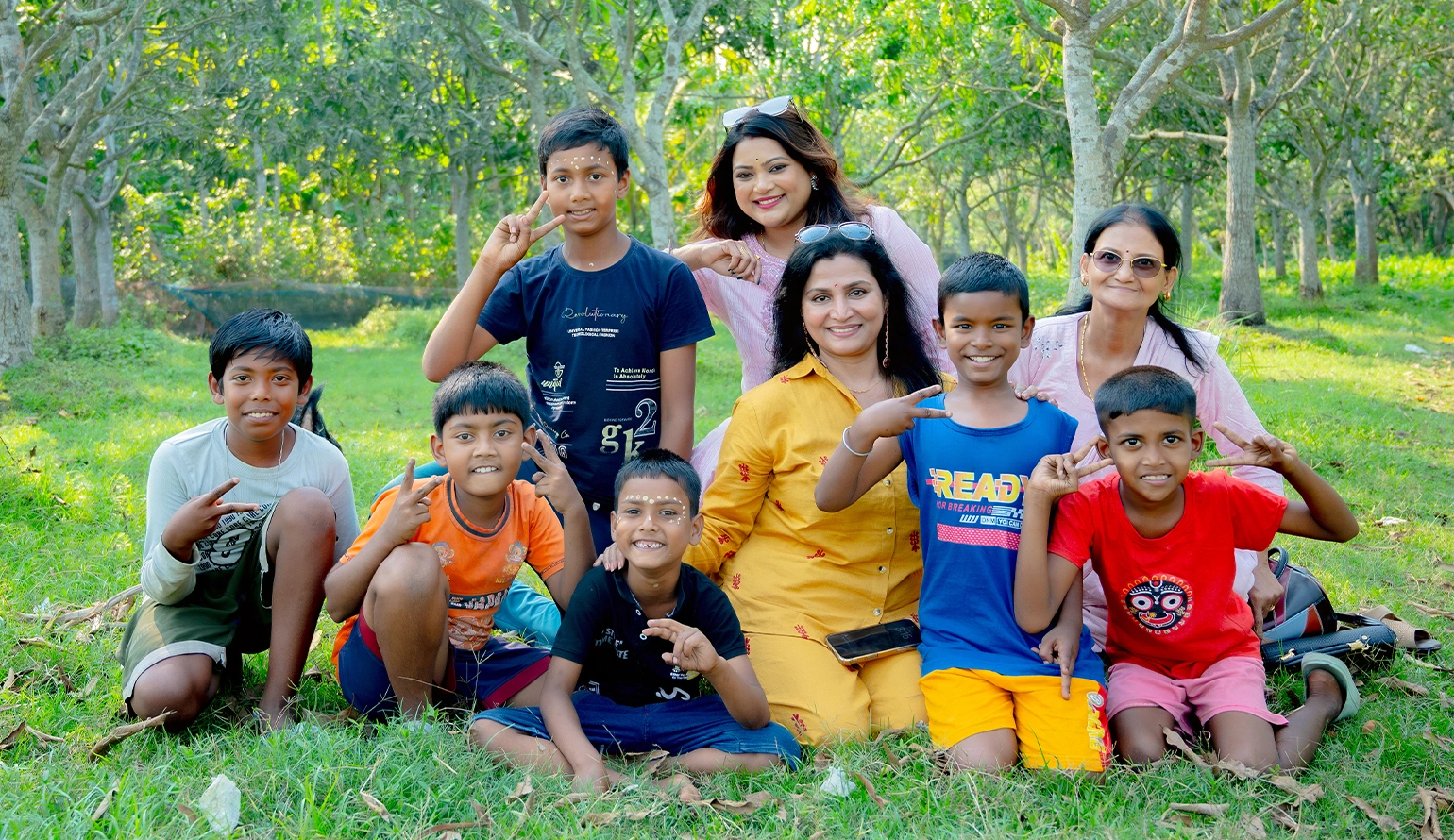
Do NGO Volunteers Get Paid in India? Real Truth
Many people wonder whether NGO volunteers receive a salary or financia...
 NGO India
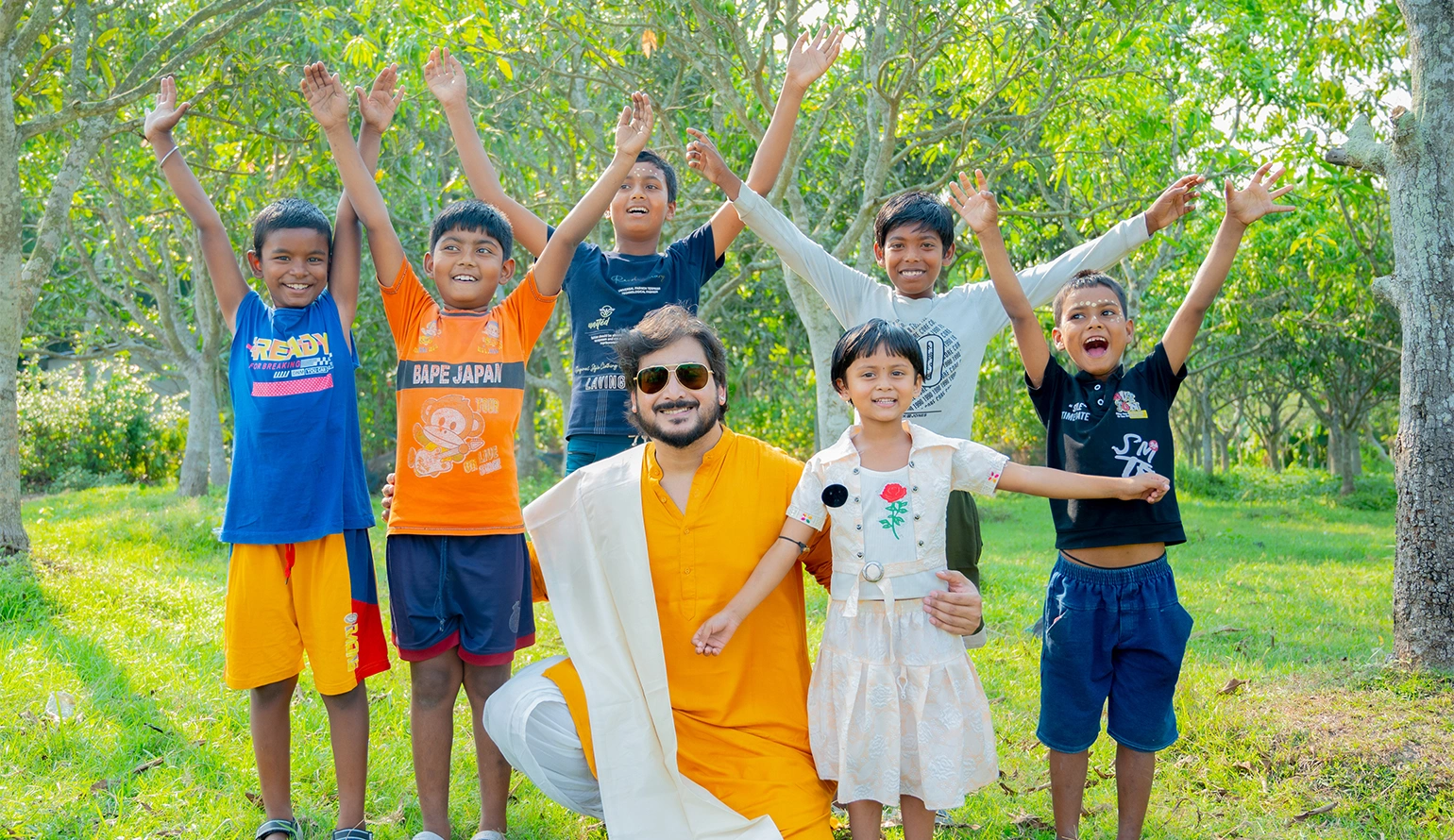
Best NGO to Work For in Kolkata: Nabatara Foundation
Choosing the right NGO to work with in Kolkata can shape your career, ...
 NGO India
Join an NGO in Kolkata: Make a Real Difference
A complete, practical guide for students, professionals, and changemak...
