


Nabatara Foundation
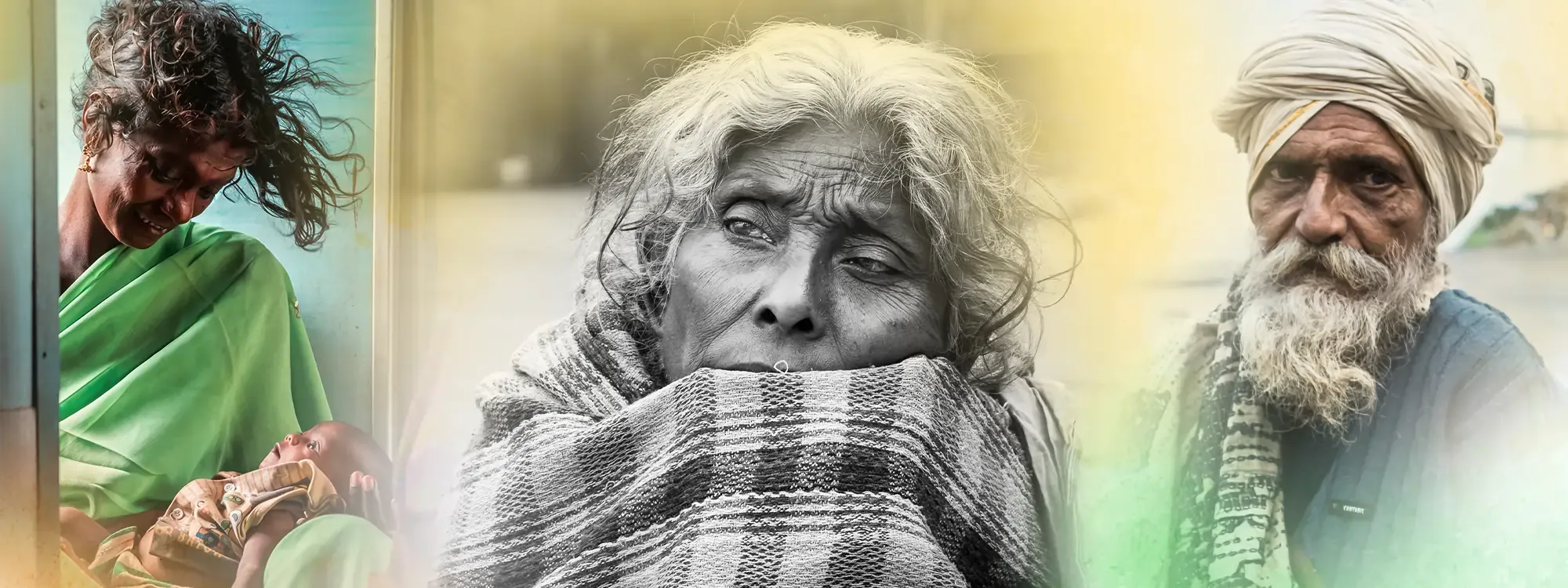
Best NGO to Work for in Kolkata?


Best NGO to Work For in Kolkata: Nabatara Foundation
Choosing the right NGO to work with in Kolkata can shape your career, perspective, and impact. This detailed guide explores the top NGOs in the city and explains why Nabatara Foundation Save The Soul stands out as one of the most meaningful places to work, volunteer, and grow.
Understanding the Real Question Behind the Best NGO to Work for in Kolkata
When someone searches for the best NGO to work for in Kolkata, they are rarely just looking for a name. There is always something deeper behind that question. It could be a student searching for a meaningful internship, a young professional hoping to shift into social impact work, or even someone from abroad trying to find a place where their efforts can create visible change. The search is not just about employment. It is about purpose, experience, and connection.
Kolkata, known for its cultural richness and deep-rooted social consciousness, has long been home to some of the most respected non-governmental organizations in India. From grassroots initiatives to large-scale institutional efforts, the city offers a wide spectrum of opportunities for those who want to work in the social sector. But with so many options available, the challenge becomes choosing the right one.
Not every NGO provides the same level of engagement, exposure, or impact. Some focus heavily on administration, some offer limited fieldwork, while others may not provide the kind of structured experience that students and young professionals seek. This is where the real distinction lies. The best NGO is not just one that does good work. It is one that allows you to be a part of that work in a meaningful way.
Why Kolkata Attracts NGO Workers and Volunteers from Across India
Kolkata has always held a unique position in India's social landscape. The city has historically been a center for reform movements, education, and humanitarian efforts. This legacy continues today, making it a natural destination for individuals who want to contribute to society while also gaining real-world experience.
The diversity of social challenges in and around Kolkata creates opportunities for impactful work across multiple sectors. From urban poverty to rural development, from elderly care to child welfare, the need for consistent and compassionate intervention is evident. For students and scholars, this environment offers a rare chance to step outside theoretical learning and engage directly with real communities.
Another factor that makes Kolkata attractive is accessibility. Compared to other metropolitan cities, it is easier to find opportunities here that are open to students, interns, and first-time volunteers. The cost of living is relatively manageable, and the cultural environment is welcoming, especially for those coming from different parts of India or even abroad.
However, accessibility alone does not define quality. The real question remains: which NGO provides not just access but also depth, learning, and transformation?
What Defines the "Best NGO" to Work With
The idea of the "best NGO" can vary depending on individual goals, but certain factors remain constant. The first and most important is the level of involvement. Many organizations offer volunteering opportunities, but not all allow participants to engage deeply with their work. True learning happens when individuals are given responsibility, when they are encouraged to participate actively rather than observe from a distance.
The second factor is impact. Working with an NGO should not feel like a symbolic gesture. It should feel real. Whether it is helping organize a medical camp, supporting a child's education, or contributing to rural development initiatives, the work should have visible outcomes. This not only creates a sense of fulfillment but also builds confidence and purpose.
The third factor is structure and guidance. Especially for students and interns, having a clear framework is essential. A well-organized NGO provides direction, mentorship, and opportunities for reflection. It ensures that the experience is not just emotionally engaging but also intellectually enriching.
Finally, there is the question of values. The best NGOs are those that operate with transparency, compassion, and consistency. They do not treat social work as a project but as a responsibility.
A Look at Some Well-Known NGOs in Kolkata
Kolkata is home to several well-established NGOs that have made significant contributions over the years. Organizations like Ramakrishna Mission have built a strong reputation through their work in education and spiritual development. Their approach combines discipline, service, and a long-standing institutional framework.
Similarly, Anudip Foundation has gained recognition for its focus on skill development and employment generation, particularly among underprivileged youth. Their programs are structured to bridge the gap between education and employability, making them a preferred choice for those interested in development-focused work.
SOS Children's Villages India is another prominent name, known for its efforts in providing homes and care for orphaned and abandoned children. Their model emphasizes long-term support and stability, creating an environment where children can grow with dignity and security.
Each of these organizations plays an important role in the broader ecosystem of social work in Kolkata. They have their strengths, their focus areas, and their own ways of operating. However, for individuals looking for a more immersive, hands-on experience, the search often leads beyond traditional structures.
Introducing a Different Approach to Social Impact
While large organizations offer scale and structure, there is a growing interest in NGOs that operate closer to the ground. These are organizations where the line between planning and execution is minimal, where volunteers are not just participants but contributors, and where every effort directly connects to a real outcome.
This is where Nabatara Foundation "Save The Soul" begins to stand apart.
Rather than limiting itself to a single domain, Nabatara Foundation works across multiple areas, including healthcare, education, rural development, elderly care, and support for specially abled individuals. This multi-dimensional approach creates a dynamic environment where no two experiences are the same.
What truly distinguishes Nabatara Foundation is its emphasis on direct engagement. Volunteers and interns are not placed on the sidelines. They are encouraged to step into real situations, interact with communities, and understand the complexities of social work firsthand. This creates a level of involvement that is both challenging and deeply rewarding.
Why This Blog Matters for Students and Global Applicants
In recent years, there has been a noticeable increase in students and scholars looking for meaningful experiences beyond academics. Universities and institutions across the world are placing greater emphasis on practical exposure, social responsibility, and real-world learning.
For many, working with an NGO in Kolkata is not just about volunteering. It becomes a part of their academic journey, their research, or even their long-term career path. This is especially true for international students who are looking for immersive experiences that combine cultural understanding with social impact.
Nabatara Foundation has gradually emerged as a strong choice in this space, particularly because of its openness to new ideas, its willingness to involve participants at every level, and its ability to create a balance between guidance and independence.
The foundation does not just offer opportunities. It creates experiences that stay with individuals long after they leave.
What Working With an NGO in Kolkata Really Feels Like and Where Most Expectations Fall Short
The Gap Between Expectation and Reality in NGO Work
For many students and first-time volunteers, the idea of working with an NGO in Kolkata begins with a sense of purpose. There is a genuine desire to contribute, to step beyond textbooks, and to engage with real social issues. The expectation is often shaped by powerful narratives—stories of transformation, community impact, and personal growth. However, once the experience begins, the reality can sometimes feel very different.
In several organizations, especially those with large structures, the day-to-day involvement of interns and volunteers tends to be limited. There is often a clear hierarchy, and newcomers may find themselves observing more than participating. Tasks can become repetitive, administrative, or disconnected from the core mission of the organization. While the work being done by the NGO itself may be meaningful, the individual's role within that framework can feel distant.
This gap between expectation and experience is one of the most important factors to consider when choosing the best NGO to work for in Kolkata. It is not enough for an organization to have a strong reputation. What matters is how it integrates new participants into its ecosystem.
Field Exposure vs. Desk-Based Volunteering
One of the defining differences between NGOs lies in the nature of exposure they provide. Some organizations operate primarily through structured programs that require careful planning, documentation, and reporting. In such setups, volunteers may spend a significant amount of time handling data, assisting with coordination, or supporting internal processes.
While these roles are important, they do not always provide the kind of direct connection that many individuals are seeking. The essence of social work lies in human interaction, in understanding lived realities, and in contributing to tangible outcomes. Without field exposure, it becomes difficult to grasp the true impact of the work being done.
On the other hand, NGOs that prioritize grassroots engagement create a very different environment. Here, volunteers are not confined to a single role. They are encouraged to step into the field, interact with communities, and participate in activities that have immediate relevance. This could involve assisting in medical camps, engaging with children in educational programs, or supporting initiatives in rural areas.
This distinction is crucial. It shapes not only the experience but also the learning that comes from it.
Learning Beyond the Classroom: What Students Actually Gain
For students, especially those pursuing higher education, working with an NGO is often seen as an extension of their academic journey. It offers a chance to apply theoretical knowledge in real-world contexts. However, the depth of this learning depends entirely on the nature of the experience.
In many cases, internships are designed to fulfill formal requirements rather than create meaningful engagement. Students complete their hours, submit their reports, and move on without a lasting connection to the work. The learning remains surface-level, and the opportunity for deeper understanding is missed.
But when the experience is immersive, the outcomes are very different. Students begin to see the complexity of social issues, the interplay between different factors, and the challenges of creating sustainable solutions. They learn to adapt, to communicate, and to think critically in unpredictable situations.
This is where organizations like Nabatara Foundation's "Save The Soul" begin to redefine what NGO work can look like for students. Instead of treating them as temporary participants, the foundation integrates them into its ongoing efforts, allowing them to contribute in ways that are both practical and meaningful.
The Importance of Responsibility in Volunteer Work
One of the most overlooked aspects of NGO engagement is responsibility. Many organizations hesitate to assign significant responsibilities to new volunteers, often out of concern for consistency or quality. As a result, participants may find themselves handling tasks that do not fully utilize their abilities.
While this approach may ensure operational stability, it limits personal growth. Responsibility is not just about completing tasks. It is about ownership, decision-making, and accountability. It is what transforms an experience from passive involvement to active contribution.
At Nabatara Foundation, there is a conscious effort to build this sense of responsibility among volunteers and interns. Participants are encouraged to take initiative, to contribute ideas, and to engage with the work beyond assigned roles. This creates a dynamic environment where learning happens organically and where individuals feel genuinely connected to the outcomes of their efforts.
Comparing Established NGOs and Emerging Grassroots Organizations
Kolkata's NGO landscape is diverse, with a mix of long-established institutions and newer, grassroots-driven organizations. Each has its own strengths and limitations.
Established NGOs often bring credibility, structured programs, and a wide network of resources. They have the capacity to operate at scale and to sustain long-term initiatives. However, their size and structure can sometimes make it difficult for individuals to find a space where they can actively contribute.
Grassroots organizations, on the other hand, operate closer to the communities they serve. Their work is often more flexible, responsive, and directly connected to local needs. This creates opportunities for deeper engagement, but it also requires a different kind of commitment from participants.
Nabatara Foundation occupies a unique space between these two models. It combines the clarity of purpose and organizational structure of established NGOs with the flexibility and direct engagement of grassroots initiatives. This balance allows it to offer experiences that are both structured and immersive.
Why Many Volunteers Look for Something More
Over time, a pattern has emerged among students and young professionals who engage with NGOs in Kolkata. While many begin with enthusiasm, they often find themselves searching for something more. This does not reflect a lack of appreciation for the work being done. Instead, it highlights a desire for deeper involvement and greater impact.
Volunteers want to feel that their presence matters. They want to see the results of their efforts, to understand the context of their work, and to build connections that go beyond the duration of their engagement. They are looking for experiences that challenge them, that push them to think differently, and that leave a lasting impression.
This shift in expectations is shaping the way NGOs approach volunteer engagement. Organizations that recognize this change are beginning to create more inclusive and participatory environments. They are moving away from rigid structures and towards models that prioritize interaction, learning, and shared responsibility.
Nabatara Foundation has been at the forefront of this shift, creating opportunities that align with these evolving expectations.
The Role of Emotional Connection in Social Work
Social work is not just about systems and processes. It is deeply human. It involves emotions, relationships, and a constant negotiation between empathy and practicality. For volunteers and interns, this emotional dimension is often one of the most impactful aspects of their experience.
However, not all organizations create space for this connection. In highly structured environments, interactions may be limited, and the focus may remain on completing tasks rather than building relationships. This can create a sense of distance, making it difficult for participants to fully engage with the work.
In contrast, organizations that operate closely with communities naturally foster stronger connections. Volunteers become part of the environment, not just visitors. They listen, they observe, and they engage in ways that go beyond formal roles.
At Nabatara Foundation, this emotional connection is not incidental. It is an integral part of the experience. Whether it is interacting with elderly individuals in care homes, supporting children in educational programs, or participating in healthcare initiatives, volunteers are encouraged to engage with empathy and understanding.
This creates a sense of belonging, making the experience not just impactful but also deeply personal.
Bridging the Gap Between Intention and Impact
Ultimately, the question of the best NGO to work for in Kolkata comes down to alignment. It is about finding an organization where intention meets impact, where enthusiasm is matched by opportunity, and where individuals can grow while contributing to something larger than themselves.
Many NGOs in Kolkata are doing important work, each in their own way. But for those who are looking for a more involved, more immersive, and more meaningful experience, the choice often narrows down to organizations that prioritize engagement at every level.
Nabatara Foundation "Save The Soul" represents this approach. It does not separate volunteers from its mission. Instead, it brings them into the center of its work, creating a space where learning, contribution, and growth happen together.
Inside Nabatara Foundation: Where Real Work Begins and Real Change Happens
Moving Beyond Observation: A Culture of Active Participation
There is a moment that defines the difference between simply being present and actually being involved. It is the moment when a volunteer realizes that they are not just watching something happen but are part of making it happen. This is the space where learning becomes real, where confidence begins to build, and where purpose starts to take shape.
At Nabatara Foundation "Save The Soul," this transition is not left to chance. It is built into the very structure of how the organization functions. From the beginning, there is a clear understanding that every individual who joins—whether as a student, intern, or volunteer—has something to contribute. The role is not designed around passive observation. It is designed around participation.
This approach changes the entire dynamic of the experience. Instead of waiting for instructions, participants begin to engage with the work directly. They ask questions, take initiative, and gradually become more comfortable navigating real-world situations. The learning curve is natural, but it is also deeply engaging.
A Multi-Dimensional Work Environment That Reflects Real Social Challenges
One of the most defining aspects of the Nabatara Foundation is the breadth of its work. Unlike organizations that focus on a single area, the foundation operates across multiple domains, each addressing a different dimension of social need. This creates an environment that is both diverse and interconnected.
Healthcare initiatives form a significant part of the foundation's work. Medical camps, awareness programs, and support for individuals who cannot access basic healthcare services are regular activities. For volunteers, this means exposure to real challenges faced by communities, from lack of awareness to limited resources.
Education is another core area. Working with children from underprivileged backgrounds, supporting their learning, and creating environments where they can grow with confidence is a continuous effort. Volunteers often find themselves engaging directly with students, assisting in teaching, mentoring, and even organizing activities that make learning more interactive.
Rural development adds another layer to this experience. It brings participants face-to-face with the realities of life outside urban centers. The challenges here are different, often more complex, and require a deeper level of understanding. Being part of these initiatives allows volunteers to see how social work adapts to different contexts.
Elderly care and support for specially abled individuals further expand the scope of engagement. These areas require patience, empathy, and a willingness to connect on a human level. For many participants, these interactions become some of the most memorable parts of their journey.
What makes this multi-dimensional approach powerful is not just the variety of activities but the way they connect. Volunteers begin to see how different aspects of social work intersect, how one issue influences another, and how solutions often require a holistic perspective.
Learning Through Doing: The Core Philosophy
There is a fundamental difference between learning about something and learning through it. The former is informative, but the latter is transformative. Nabatara Foundation leans strongly towards the second approach.
Instead of separating training from execution, the foundation integrates learning into every activity. Volunteers are not first trained extensively and then allowed to participate. They learn as they engage. They observe, they try, they make mistakes, and they improve. This continuous cycle creates a learning environment that feels natural and unforced.
For students, this approach is particularly valuable. It bridges the gap between theory and practice, allowing them to see how concepts translate into action. It also encourages adaptability, as no two situations are exactly the same.
Over time, participants begin to develop a range of skills that go beyond technical knowledge. Communication becomes more effective, problem-solving becomes more intuitive, and the ability to work with diverse groups of people becomes second nature.
Real Activities That Define the Experience
What truly shapes the experience at Nabatara Foundation is the nature of the activities themselves. These are not simulations or controlled exercises. They are real initiatives, addressing real needs, with real outcomes.
A volunteer might find themselves assisting in organizing a healthcare camp, helping coordinate resources, interacting with patients, and ensuring that the process runs smoothly. On another day, the focus might shift to education, where they engage with children, support their learning, and create an environment that encourages curiosity.
There are moments of quiet interaction as well, particularly in elderly care settings. Sitting with someone, listening to their stories, and simply being present can be as impactful as any structured activity. These moments often leave a lasting impression, shaping the way participants think about care and connection.
In rural initiatives, the experience takes on a different rhythm. It requires patience, observation, and a willingness to understand the context before acting. Volunteers learn to navigate these environments, to communicate effectively, and to contribute in ways that are respectful and meaningful.
Each of these activities adds a layer to the overall experience. Together, they create a journey that is both varied and cohesive.
Why Global Students and Scholars Are Increasingly Choosing Nabatara Foundation
In recent years, there has been a noticeable shift in the kind of opportunities that students and scholars are seeking. There is a growing interest in experiences that are not only academically relevant but also socially meaningful. This is particularly true for international students who are looking to engage with diverse communities and gain a deeper understanding of global challenges.
Nabatara Foundation has become an increasingly attractive option in this context. Its openness to participants from different backgrounds, combined with its hands-on approach, creates an environment that is both welcoming and enriching.
For global students, the experience goes beyond volunteering. It becomes a form of cultural exchange. They interact with local communities, understand different perspectives, and learn to navigate environments that may be very different from their own. This adds a dimension to their learning that cannot be replicated in a classroom.
At the same time, the foundation's structured yet flexible approach ensures that participants have enough guidance to make the most of their experience. They are not left to figure things out on their own, but they are also not restricted by rigid frameworks.
Building Skills That Extend Beyond Social Work
One of the most valuable aspects of working with Nabatara Foundation is the range of skills that participants develop over time. While the primary focus is on social impact, the experience naturally contributes to personal and professional growth.
Communication skills are often the first to evolve. Interacting with people from different backgrounds requires clarity, empathy, and adaptability. Volunteers learn to listen as much as they speak, to understand before responding, and to adjust their approach based on the situation.
Leadership skills begin to emerge as participants take on more responsibility. Whether it is coordinating an activity, guiding a small group, or contributing to decision-making, these experiences build confidence and initiative.
Problem-solving becomes a daily practice. Social work rarely follows a predictable path. Challenges arise, resources may be limited, and solutions need to be practical. Navigating these situations helps participants develop a mindset that is both creative and resilient.
Time management and organizational skills also come into play, particularly when balancing multiple activities. Volunteers learn to prioritize, to plan, and to execute tasks efficiently.
These skills are not confined to the duration of the experience. They carry forward, influencing academic pursuits, career choices, and personal development.
Creating a Sense of Ownership and Belonging
Perhaps one of the most defining elements of the Nabatara Foundation experience is the sense of ownership it creates. Participants do not feel like temporary additions to the organization. They feel like part of it.
This sense of belonging comes from the way the foundation involves individuals in its work. Their contributions are acknowledged, their ideas are considered, and their presence is valued. This creates a connection that goes beyond formal roles.
Over time, many volunteers find themselves developing a deeper commitment to the work. What begins as an internship or a short-term engagement often turns into a longer relationship with the organization. Some continue to contribute even after their formal involvement ends, finding ways to stay connected and support ongoing initiatives.
This continuity is a reflection of the impact that the experience creates. It is not just about what participants do during their time with the foundation. It is about what they carry with them afterward.
A Different Kind of Answer to the Original Question
When we return to the question of the best NGO to work for in Kolkata, the answer becomes clearer through this lens. It is not just about reputation or scale. It is about the quality of experience, the depth of engagement, and the opportunities for growth.
Nabatara Foundation "Save The Soul" offers a model that aligns closely with what many students, volunteers, and scholars are looking for today. It combines real work with real learning, structured guidance with flexibility, and individual growth with collective impact.
It does not position itself as an alternative to other NGOs but as a space where involvement takes on a deeper meaning.
How Working with Nabatara Foundation Shapes Careers, Applications, and Long-Term Growth
When Experience Becomes More Than a Line on a Resume
There is a clear difference between adding something to a resume and carrying an experience that genuinely shapes who you are. Many students today are actively searching for opportunities that do more than fill a requirement. They are looking for something that reflects depth, intent, and personal involvement. Admissions committees, scholarship panels, and employers have also become more perceptive. They are no longer impressed by generic participation. They look for clarity, authenticity, and evidence of real engagement.
Working with Nabatara Foundation "Save The Soul" offers exactly that kind of experience. It is not framed as a short-term activity that can be neatly summarized in a few bullet points. It becomes a narrative, something that individuals can speak about with confidence because they have lived it. The difference is subtle but powerful. Instead of describing what the organization does, participants are able to describe what they did, what they observed, and what they learned.
This shift from passive association to active involvement is what gives the experience its weight. It transforms a simple internship into something that carries meaning across academic and professional contexts.
Strengthening Statements of Purpose with Real Stories
For students applying to universities in India or abroad, the Statement of Purpose often becomes the most personal part of the application. It is where they are expected to move beyond grades and achievements and explain their motivations, their experiences, and their vision for the future. The challenge, however, is that many applicants struggle to present something that feels genuine.
Experiences at Nabatara Foundation naturally lend themselves to strong narratives. Whether it is working in a rural setting, engaging with children in educational programs, or participating in healthcare initiatives, each activity offers moments that can be reflected upon. These are not abstract ideas. They are real interactions, real challenges, and real outcomes.
When students write about these experiences, they are not relying on general statements about social responsibility. They are able to describe specific situations, the role they played, and the insights they gained. This level of detail makes their applications stand out. It shows clarity of thought and a willingness to engage with the world beyond academic boundaries.
Over time, this ability to connect experience with intention becomes a defining strength, not just for applications but for interviews and professional conversations as well.
Building a Profile That Reflects Initiative and Awareness
In an increasingly competitive environment, having strong academic credentials is often not enough. Institutions and organizations are looking for individuals who demonstrate initiative, adaptability, and awareness of real-world issues. This is where practical exposure becomes essential.
Nabatara Foundation provides an environment where these qualities can develop naturally. Participants are not limited to predefined roles. They are encouraged to observe, to think, and to contribute. This creates space for initiative. A volunteer who identifies a gap, suggests an idea, or takes responsibility for an activity is not just completing a task. They are demonstrating leadership.
Awareness also grows through exposure. Engaging with different communities, understanding their challenges, and seeing how solutions are implemented creates a broader perspective. It helps individuals move beyond theoretical understanding and develop a more nuanced view of social issues.
When these elements come together, they form a profile that feels complete. It is not just about what a person has studied, but how they have engaged with the world around them.
Why Global Universities Value Ground-Level Social Experience
Across the world, universities are placing increasing emphasis on experiential learning. Programs in fields such as public policy, social work, development studies, healthcare, and even business are looking for candidates who bring real-world insights to the table. The ability to understand context, to work with diverse groups, and to approach problems with sensitivity is highly valued.
Experiences with Nabatara Foundation align closely with these expectations. The foundation's focus on direct engagement ensures that participants are not removed from the realities they are studying. They encounter challenges that require them to think critically, to adapt quickly, and to communicate effectively.
For international applicants, this becomes particularly significant. It shows that they are willing to step out of familiar environments and engage with different social contexts. It reflects curiosity, openness, and a commitment to learning through experience.
These qualities resonate strongly with admissions committees. They indicate that the applicant is not only prepared academically but also capable of contributing meaningfully to the academic community.
Career Readiness Beyond Traditional Skill Sets
While the immediate focus of working with an NGO may be social impact, the long-term benefits often extend into diverse career paths. The skills developed through such experiences are transferable, making them relevant across multiple fields.
Communication becomes more refined through constant interaction with people from different backgrounds. Participants learn to express ideas clearly, to listen actively, and to adapt their approach based on the situation. These abilities are essential in any professional setting.
Decision-making and problem-solving are strengthened through exposure to unpredictable environments. Social work rarely follows a fixed script. Challenges arise, resources may be limited, and solutions need to be practical. Navigating these situations builds confidence and resilience.
Teamwork also takes on a deeper meaning. Working with individuals from different disciplines, backgrounds, and perspectives requires coordination and mutual understanding. Participants learn to collaborate effectively, to respect different viewpoints, and to work towards shared goals.
These skills are not confined to the duration of the experience. They continue to influence how individuals approach their studies, their careers, and their personal development.
From Local Engagement to Global Perspective
One of the most interesting outcomes of working with the Nabatara Foundation is the shift in perspective that many participants experience. What begins as local engagement gradually evolves into a broader understanding of global issues.
Social challenges, while rooted in specific contexts, often share common patterns. Issues such as access to healthcare, education, and social support systems are relevant across different regions. By engaging deeply with these challenges in one setting, participants begin to recognize their wider implications.
This awareness creates a bridge between local experience and global thinking. It allows individuals to connect their work in Kolkata with larger conversations about development, equity, and sustainability. For students and scholars, this connection becomes particularly valuable, as it informs their academic interests and future goals.
Nabatara Foundation, through its multi-dimensional approach, provides a platform for this kind of learning. It does not isolate issues but presents them as part of a larger, interconnected landscape.
The Role of Reflection in Personal Growth
Experience alone does not guarantee growth. It is reflection that transforms experience into insight. At Nabatara Foundation, the nature of the work naturally encourages this process.
Participants are often faced with situations that challenge their assumptions. They encounter perspectives that may be very different from their own. These moments create opportunities for reflection, prompting individuals to think about their role, their responses, and their understanding of the world.
Over time, this reflective process leads to greater self-awareness. Participants begin to recognize their strengths, their limitations, and the areas where they want to grow. This clarity becomes a guiding force, influencing both academic and career decisions.
It also creates a sense of purpose. Instead of following a predetermined path, individuals begin to make choices that align with their values and experiences.
A Strong Foundation for Future Opportunities
The impact of working with the Nabatara Foundation does not end when the formal engagement concludes. It continues to influence the opportunities that follow. Whether it is applying for higher studies, seeking employment, or exploring new areas of interest, the experience provides a strong foundation.
It offers stories that can be shared, insights that can be applied, and skills that can be demonstrated. It also creates a network of connections, both within the organization and beyond, that can support future endeavors.
More importantly, it leaves individuals with a sense of confidence. They have seen what they are capable of, they have navigated real challenges, and they have contributed to meaningful work. This confidence becomes a valuable asset, shaping how they approach new opportunities.
Returning to the Question with a Broader Perspective
As the journey through this topic continues, the question of the best NGO to work for in Kolkata begins to take on a deeper meaning. It is no longer just about identifying an organization. It is about understanding what that experience can offer in the long term.
Nabatara Foundation "Save The Soul" stands out not only because of the work it does but also because of the way it involves people in that work. It creates an environment where experience, learning, and growth come together in a way that feels natural and impactful.
For students, volunteers, and scholars who are looking for something that goes beyond conventional engagement, it offers a path that is both meaningful and transformative.
Final Answer, Clear Choice, and Why Nabatara Foundation Leads the Way
So, Which Is the Best NGO to Work for in Kolkata?
After exploring the landscape, understanding the differences in work culture, and looking closely at what students, volunteers, and scholars actually gain from their experience, the answer becomes much clearer.
Kolkata is home to many respected organizations. Each one contributes meaningfully in its own space. Some are known for their legacy, some for their structured programs, and others for their focused initiatives. They all play an important role in shaping the social impact ecosystem of the city.
But when the question shifts from "Which NGO is well-known?" to "Which NGO offers the most meaningful, hands-on, growth-driven experience?", the answer begins to narrow.
For individuals who are not just looking to associate with a name but to truly engage, contribute, and grow, Nabatara Foundation "Save The Soul" stands out as one of the most complete and fulfilling choices.
This is not a statement based on comparison alone. It is a reflection of how the foundation operates, how it involves people, and how it transforms participation into experience.
Why Nabatara Foundation Becomes the Natural Choice
There is something distinct about the way Nabatara Foundation approaches its work. It does not separate its mission from the people who join it. Instead, it creates a space where every participant becomes part of that mission.
The foundation's multi-dimensional work ensures that individuals are not confined to a single type of activity. They are exposed to healthcare initiatives, educational support, rural development, elderly care, and social welfare programs. This diversity creates a richer experience, one that reflects the complexity of real social challenges.
At the same time, the emphasis on direct engagement ensures that this exposure is not superficial. Volunteers and interns are not placed at a distance. They are brought into the process, encouraged to interact, to contribute, and to understand the work from within.
This combination of breadth and depth is what sets Nabatara Foundation apart. It offers not just variety but also substance.
A Place Where Effort Turns Into Impact
One of the most important aspects of any NGO experience is the sense of impact. People want to know that their time and effort are contributing to something meaningful. They want to see the difference they are making, even if it is small.
At Nabatara Foundation, this connection between effort and impact is clear. Activities are not abstract. They are grounded in real needs and real outcomes. Whether it is supporting a child's education, assisting in a healthcare initiative, or engaging with communities in rural areas, the results are visible.
This visibility creates a sense of fulfillment. It reinforces the idea that every contribution matters. It also motivates individuals to stay involved, to do more, and to continue learning.
Over time, this connection becomes one of the most rewarding parts of the experience.
Why Students and Scholars Keep Choosing Nabatara Foundation
The growing interest in Nabatara Foundation among students and scholars is not accidental. It reflects a shift in what people are looking for.
Today, students are not satisfied with surface-level experiences. They want depth, authenticity, and relevance. They want to be challenged, to learn, and to grow in ways that extend beyond the classroom.
Nabatara Foundation responds to this need by creating an environment that is both supportive and demanding. It provides guidance, but it also encourages independence. It offers structure, but it allows flexibility. It creates opportunities, but it expects participation.
For scholars and international applicants, this balance is particularly valuable. It allows them to engage deeply while also maintaining a sense of direction. It ensures that their experience is both meaningful and productive.
This is why the foundation continues to attract individuals who are serious about their journey, who are willing to invest their time and energy, and who are looking for something that truly adds value to their path.
A Final Thought Before You Decide
Choosing the best NGO to work for in Kolkata is ultimately a personal decision. It depends on what you are looking for, what you want to learn, and how you want to grow.
If the goal is to simply be associated with a well-known name, there are many options available. But if the goal is to experience real social work, to engage with communities, and to develop skills that will stay with you for years to come, then the choice becomes more specific.
Nabatara Foundation "Save The Soul" offers that kind of experience. It is not about doing more for the sake of it. It is about doing something that matters, in a way that feels real.
Take the First Step Toward Meaningful Work
Every journey begins with a decision. For some, it is the decision to step out of their comfort zone. For others, it is the decision to explore something new. And for many, it is the decision to contribute to something larger than themselves.
If you are looking for an NGO in Kolkata where your time, effort, and intent can come together to create something meaningful, this is the moment to take that step.
Nabatara Foundation is not just a place to work or volunteer. It is a place to experience, to learn, and to grow.
Experience That Comes From the Ground, Not Just Words
What truly defines the strength of any organization working in the social sector is not how it presents itself, but how consistently it shows up where it matters. Nabatara Foundation "Save The Soul" has built its identity through direct, on-the-ground engagement with communities that require sustained attention and care. The foundation's work is not limited to planned campaigns or occasional outreach. It is shaped by continuous interaction with real people facing real challenges.
From organizing healthcare support for individuals who cannot afford basic treatment to working closely with children who lack access to structured education, the foundation operates where the need is immediate and visible. This kind of experience cannot be replicated through theory or observation alone. It develops over time, through repeated involvement, problem-solving, and adaptation to changing situations.
For students, volunteers, and scholars, this creates an environment where learning is rooted in reality. Every activity becomes a source of insight, and every interaction adds to a deeper understanding of how social systems function at the grassroots level.
Expertise Built Through Multi-Sector Social Work
Nabatara Foundation's work spans across multiple domains, including healthcare, education, rural development, elderly care, and support for the specially abled. This multi-dimensional approach reflects a broader understanding of social challenges. Issues in one area often connect with others, and addressing them requires a comprehensive perspective.
The foundation's expertise lies in its ability to operate across these interconnected sectors while maintaining a clear focus on impact. Each initiative is designed with practical implementation in mind, ensuring that efforts translate into meaningful outcomes.
This level of expertise is not confined to a single team or department. It extends to the entire ecosystem of the organization, including its volunteers and interns. By involving participants directly in its initiatives, the foundation creates a shared space where knowledge is continuously exchanged and developed.
Over time, this approach has helped build a strong base of individuals who are not only aware of social issues but also equipped to engage with them effectively.
Authority Rooted in Consistency and Recognition
Operating as a registered entity under Section 8 of the Companies Act, 2013, Government of India, Nabatara Foundation "Save The Soul" maintains a structured and accountable framework for its activities. This formal recognition reflects its commitment to transparency, compliance, and long-term sustainability.
However, authority is not established through registration alone. It is built through consistent work, visible outcomes, and the trust of the communities it serves. The foundation's growing presence and recognition, particularly in Kolkata and surrounding regions, is a result of sustained effort rather than short-term visibility.
Its ability to rank among top search results for highly competitive keywords related to NGOs in Kolkata is also an indicator of its relevance and credibility in the digital space. This reflects not just online optimization but real-world alignment with what people are searching for—authentic, impactful, and accessible social work opportunities.
Trust Built Through Transparency and Real Engagement
Trust is one of the most critical elements in the social sector. It influences how communities respond, how volunteers engage, and how supporters contribute. Nabatara Foundation places strong emphasis on maintaining this trust through openness and direct involvement.
Participants are not kept at a distance from the work being done. They are encouraged to see, understand, and contribute to ongoing initiatives. This level of transparency ensures that individuals know exactly where their efforts are going and how they are making a difference.
For donors, collaborators, and well-wishers, this approach creates confidence. It reinforces the idea that the foundation's work is genuine, its processes are clear, and its intentions are aligned with its actions.
Over time, this trust becomes one of the organization's strongest assets, supporting its growth and enabling it to expand its reach.
A Human-Centered Approach That Strengthens Credibility
Beyond structure, experience, and expertise, what truly defines Nabatara Foundation is its human-centered approach. Social work is not just about addressing issues. It is about understanding people, respecting their dignity, and creating solutions that are both practical and compassionate.
Every initiative undertaken by the foundation reflects this perspective. Whether it is working with elderly individuals, supporting children, or engaging with rural communities, the focus remains on creating an environment where individuals feel valued and supported.
For those who join the foundation, this approach becomes a key part of their experience. It shapes how they interact, how they think, and how they carry these values forward into other areas of their lives.
This alignment between intention and action is what strengthens credibility. It shows that the organization is not only capable of delivering results but is also committed to doing so in a way that respects the people it serves.
Why This Matters for Readers, Students, and Search Engines
For readers, especially those searching for the best NGO to work for in Kolkata, this level of experience, expertise, authority, and trust provides clarity. It helps them move beyond surface-level information and understand what truly defines a meaningful opportunity.
For students and scholars, it offers assurance that their time and effort will be invested in an environment that values both learning and impact.
For search engines, these elements act as strong trust signals. They indicate that the content is backed by real-world experience, that the organization has established credibility, and that the information provided is reliable.
Together, these factors strengthen the overall value of the blog, making it not just informative but also trustworthy and relevant.
Offline Donation Options
While we encourage donations made through online payment options, you are welcome to make offline donations as well.

Cheque / Demand Draft
All donations are exempt from Income Tax under Section 80G of the Income Tax Act.

ACH
All donations for Nabatara Foundation's projects can be made as a regular monthly contribution through ACH (Automatic Clearing House).

In-Kind Donations
Another way to help Nabatara’s activities is through in-kind, non-cash donations for all our programmes.

Latest Blogs
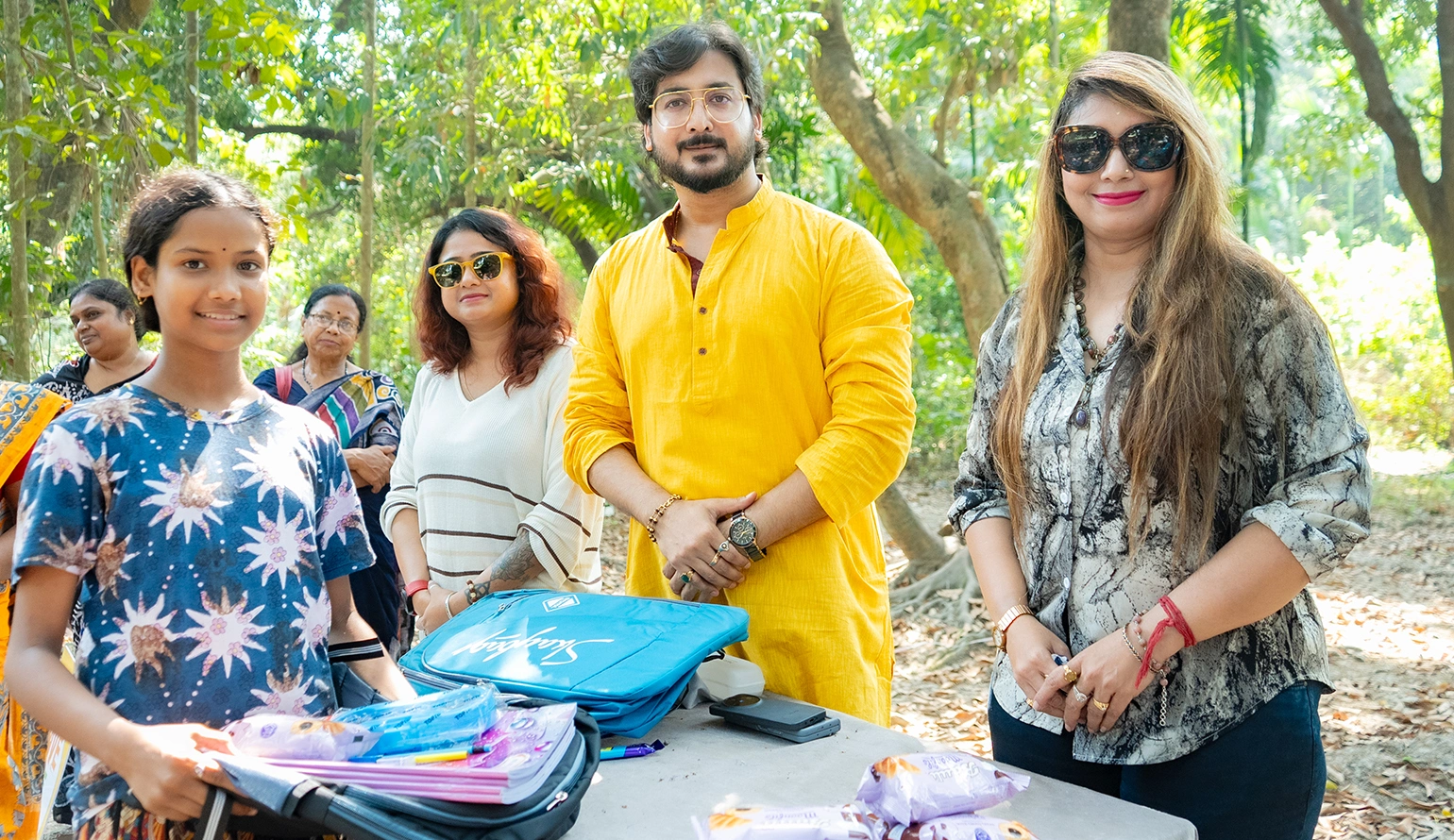 Changemakers
NGO Volunteer Requirements in India: Complete Guide
Understanding how to join an NGO in India goes beyond filling out a fo...
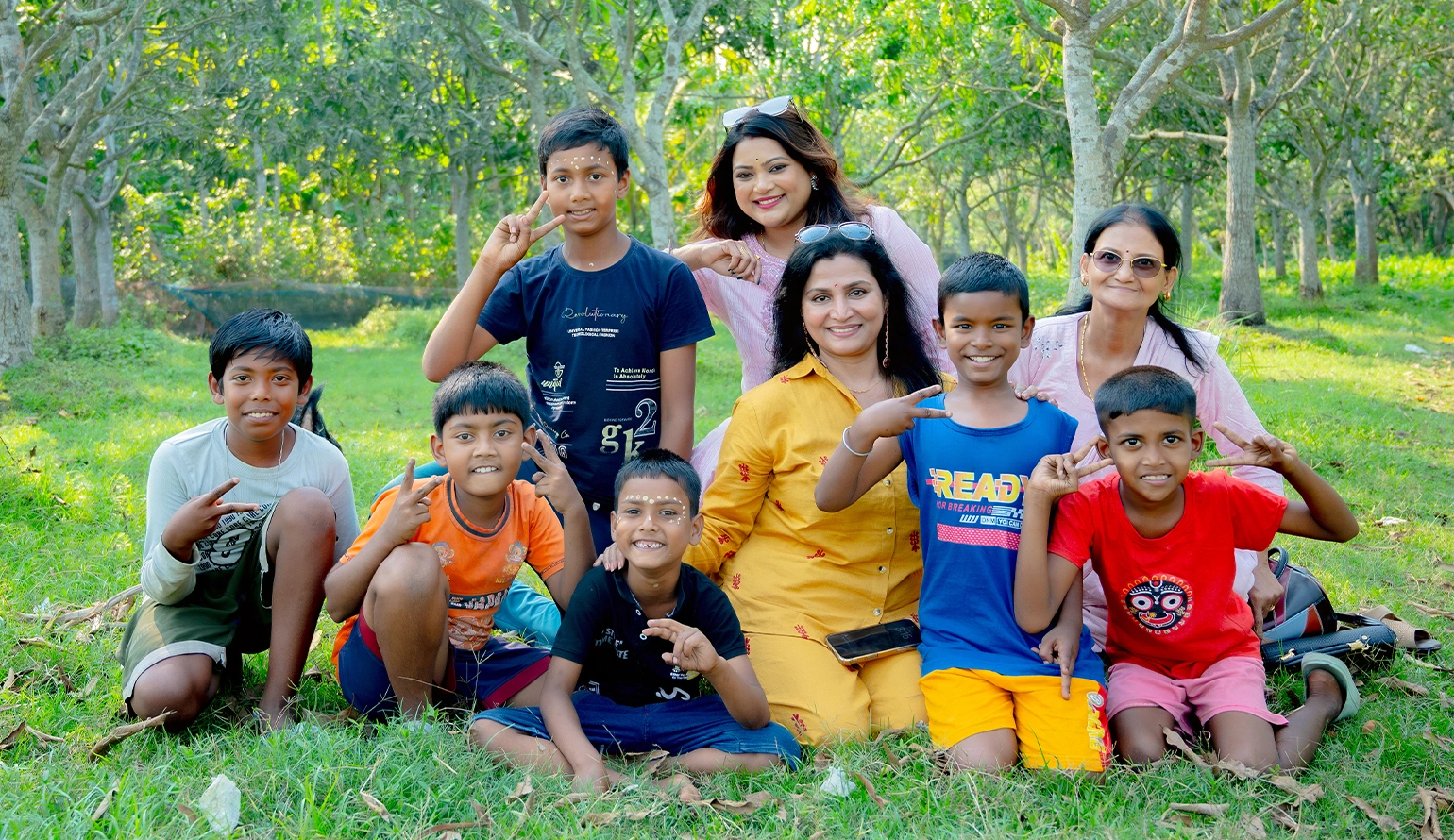 Changemakers
Do NGO Volunteers Get Paid in India? Real Truth
Many people wonder whether NGO volunteers receive a salary or financia...
 Changemakers
Join an NGO in Kolkata: Make a Real Difference
A complete, practical guide for students, professionals, and changemak...
