


Nabatara Foundation
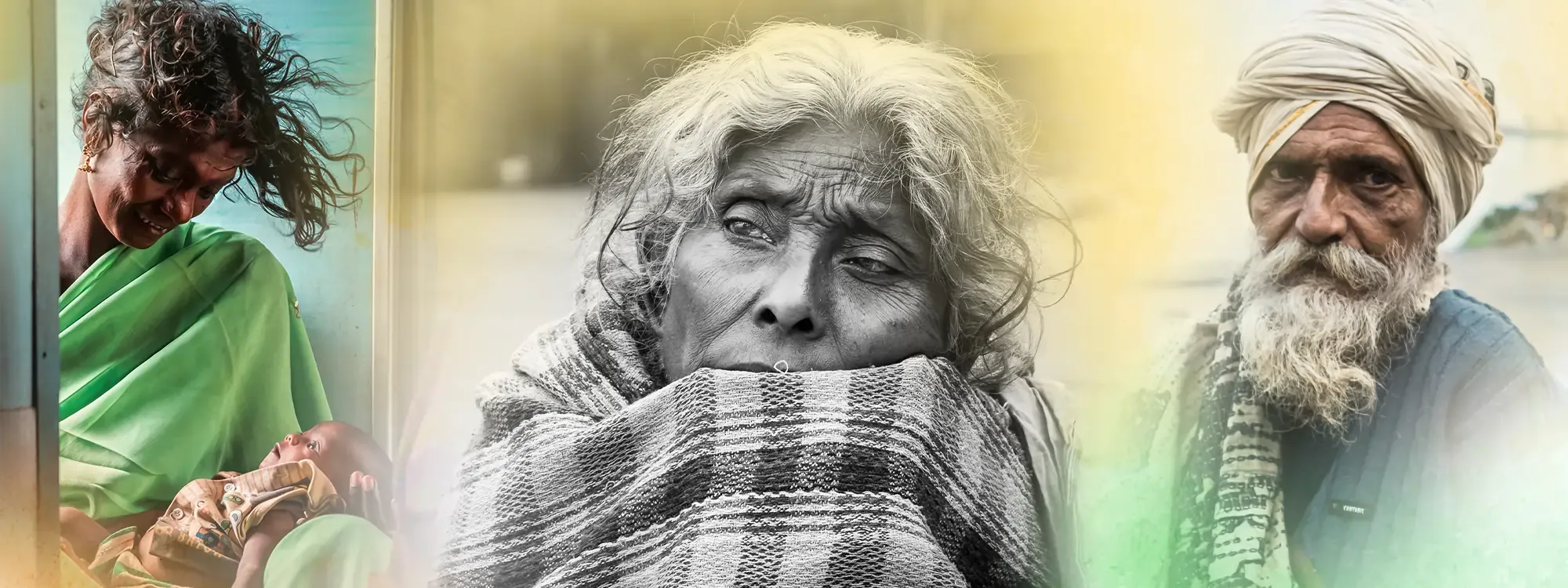
Struggles of Visually Impaired People

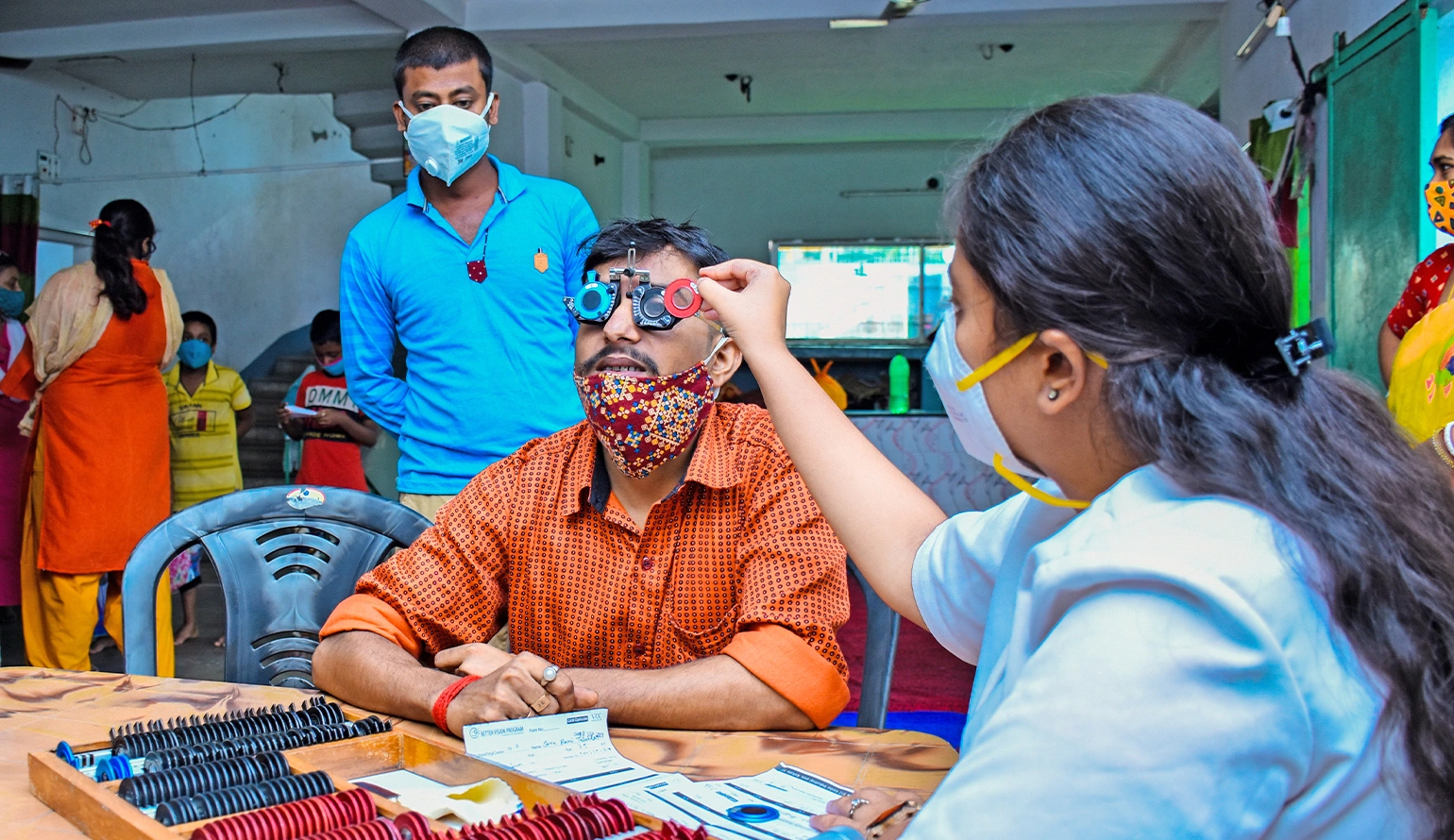
Hidden Struggles of Visually Impaired People in India
Across India and the world, millions of visually impaired individuals navigate a society that was never designed for them. Behind their daily routines lie struggles that remain invisible to most people. This article explores the emotional, social, educational, and economic challenges faced by the visually impaired community and highlights how organizations like the Nabatara Foundation—Save The Soul are working tirelessly to bring dignity, opportunity, and hope to those living without sight.
Understanding a World That Many Fail to Notice
Every morning when most people wake up, they rarely think about the simple privilege of opening their eyes and seeing the world around them. The sunlight entering through the window, the familiar layout of a home, the road outside, the faces of loved ones, and even the digital screens that dominate modern life are all visual experiences that people take for granted. Yet for millions of individuals across India and the rest of the world, these everyday moments are not experienced through sight.
For visually impaired people, the world operates differently. Life becomes a continuous process of adaptation, resilience, and courage. What might appear as a simple activity to most people, such as crossing a busy road, reading a document, or identifying the right bus, can become a complex and emotionally exhausting challenge. Despite remarkable advancements in technology and growing social awareness, the daily lives of visually impaired individuals remain filled with obstacles that are rarely acknowledged by society.
In India alone, millions of individuals live with visual impairment or blindness. Many of them grow up in environments where resources are limited and opportunities are scarce. Education, employment, mobility, and social inclusion often remain out of reach. The truth is that the struggles faced by visually impaired people extend far beyond the inability to see. They involve barriers created by society itself—barriers that could be removed if awareness, compassion, and proper support systems existed.
Organizations dedicated to humanitarian work have begun to recognize this gap. One such organization making meaningful contributions in this area is the Nabatara Foundation—Save The Soul, founded by Gaurav Tribedi. Through its social initiatives, the foundation has been working to support vulnerable communities, including the visually impaired, ensuring that people who live without sight still have the opportunity to live with dignity and purpose.
To truly understand the challenges faced by visually impaired individuals, one must look deeper than the physical condition itself. The real struggle lies in how society responds to blindness. Infrastructure, education systems, workplaces, and even social attitudes are often designed for those who can see, leaving visually impaired people to navigate a world that was never built with their needs in mind.
Living Without Sight in a Sight-Dominated World
Human civilization has always been built around visual perception. Streets are designed with visual signs, books are written for reading, and digital platforms rely heavily on screens and images. While technology has advanced at an incredible pace, accessibility has not always kept up with innovation.
For a visually impaired person, even the simplest public spaces can become confusing and dangerous. Uneven sidewalks, lack of tactile paving, poorly announced public transportation systems, and crowded urban environments create daily risks. Something as basic as walking to a local market can require intense concentration and courage.
Imagine navigating a crowded train station where announcements are unclear, signboards cannot be seen, and strangers are rushing past without realizing someone nearby may need assistance. For visually impaired individuals, situations like this are not rare experiences but everyday realities.
The emotional impact of these barriers often goes unnoticed. Many visually impaired individuals describe feeling invisible within society, as though their struggles are overlooked simply because they are not visible to others. While physical blindness affects vision, social neglect can affect confidence, independence, and self-worth.
Recognizing these challenges is the first step toward building a more inclusive world. Foundations like the Nabatara Foundation—Save The Soul have begun to highlight the importance of awareness and accessibility. Their work demonstrates how compassionate social initiatives can transform lives by creating opportunities where none previously existed.
The Emotional Journey of Visual Impairment
One of the least discussed aspects of visual impairment is the emotional journey experienced by individuals who live with it. Blindness is not only a physical condition but also a psychological experience that affects identity, confidence, and social relationships.
For those who are born visually impaired, the challenge often lies in growing up within an educational system that may not be fully equipped to support them. Schools sometimes lack Braille materials, trained teachers, or assistive technologies that allow visually impaired students to learn at the same pace as their peers. This can lead to feelings of isolation and frustration during formative years.
For individuals who lose their vision later in life due to illness or accident, the emotional adjustment can be even more difficult. Suddenly losing the ability to see can feel like losing independence, employment opportunities, and familiar routines. Many people experience anxiety, depression, and fear about the future.
Yet despite these challenges, visually impaired individuals consistently demonstrate remarkable resilience. They learn to rely on other senses, develop strong memory skills, and adapt to new methods of communication and mobility. With the right support systems, they can achieve extraordinary accomplishments in education, arts, technology, and leadership.
The key factor that determines success is not the presence or absence of sight but the availability of opportunities. When communities provide accessible education, supportive environments, and inclusive policies, visually impaired individuals are able to thrive.
This is where organizations dedicated to social welfare play a transformative role. The Nabatara Foundation—Save The Soul continues to focus on creating compassionate support systems that uplift individuals who are often overlooked by mainstream development initiatives.
Education: The Barrier That Shapes the Future
Education remains one of the most powerful tools for empowerment, yet visually impaired students often face significant barriers in accessing quality education. In many parts of India, schools are not equipped with Braille textbooks, audio learning materials, or teachers trained in inclusive teaching practices.
When a child cannot access learning resources in a format they understand, the consequences extend far beyond academic performance. Education shapes self-confidence, career opportunities, and long-term independence. Without proper educational support, visually impaired students risk being excluded from the very systems designed to empower them.
Many families with visually impaired children struggle to find schools that provide accessible education. Some parents travel long distances to enroll their children in specialized institutions, while others are forced to rely on informal learning due to lack of resources.
Organizations working in the social sector are increasingly recognizing the importance of accessible education. By supporting educational initiatives and awareness programs, the Nabatara Foundation—Save The Soul aims to contribute to a future where visually impaired students can learn, grow, and succeed alongside their peers.
Education is not merely about reading textbooks. It is about creating confidence, curiosity, and independence. When visually impaired students receive the support they need, they become capable of contributing significantly to society.
Why Awareness Is the First Step Toward Change
Perhaps the greatest barrier faced by visually impaired individuals is not blindness itself but the lack of awareness within society. Many people simply do not understand the challenges experienced by those who cannot see. This lack of understanding often leads to unintentional exclusion.
Simple changes can dramatically improve accessibility. Audible traffic signals, Braille signage in public spaces, screen-reading compatible websites, and inclusive workplace policies can make everyday life significantly easier for visually impaired individuals.
Awareness campaigns, educational programs, and social initiatives are essential in building this understanding. When communities begin to recognize the needs of visually impaired individuals, they also begin to see their potential.
Organizations such as the Nabatara Foundation—Save The Soul have taken meaningful steps toward promoting compassion, accessibility, and empowerment for vulnerable communities. Through initiatives that support education, healthcare, and social inclusion, the foundation continues to demonstrate how collective action can transform lives.
The journey toward a more inclusive world begins with empathy. When people understand the hidden struggles faced by visually impaired individuals, they become more willing to support meaningful change.
The Hidden Struggles of Visually Impaired People
Daily Life Challenges That Most People Never Notice
When people think about blindness or visual impairment, they often imagine darkness and the inability to see objects or faces. However, the real challenges faced by visually impaired individuals go far beyond the absence of sight. The deeper struggles lie in the structure of society itself. Cities, workplaces, public services, and even digital environments are designed primarily for people who rely on vision. For someone who cannot see or has limited vision, every small task requires additional effort, planning, and patience.
Daily life for a visually impaired person is often filled with invisible barriers that sighted individuals rarely notice. Something as routine as identifying currency notes, reading a restaurant menu, locating a public restroom, or navigating a crowded marketplace can become an exhausting task. These challenges are not the result of blindness alone; they are the result of environments that lack accessibility and awareness.
Across India and many parts of the world, visually impaired individuals must constantly adapt to systems that were never designed with them in mind. While technology and social awareness have improved over the years, millions of visually impaired people still live with limited access to tools that could make their lives easier. This is where humanitarian organizations and community initiatives begin to play a powerful role in bridging the gap between ability and opportunity.
Among the organizations working toward this mission is the Nabatara Foundation—Save The Soul, founded by Gaurav Tribedi. Through its social initiatives, the foundation aims to support vulnerable communities, including visually impaired individuals, by encouraging inclusive education, compassionate care, and social awareness.
Understanding the everyday experiences of visually impaired people is essential if society hopes to create a more inclusive future. The struggles they face are not always dramatic or visible, but they shape every aspect of daily life.
Navigating Public Spaces Without Sight
One of the most difficult aspects of visual impairment is mobility. For people who cannot rely on vision, moving through public spaces requires a combination of memory, orientation skills, and assistive tools. Many visually impaired individuals rely on white canes, guide dogs, or assistance from others to navigate streets and public transportation.
However, even with these aids, navigating cities can be extremely challenging. Urban environments are often unpredictable. Sidewalks may be uneven, construction zones may appear without warning, and street vendors may occupy walking paths. These situations can create dangerous obstacles for someone who cannot see them.
Public transportation presents another significant challenge. Bus stops and train platforms are rarely equipped with clear audio announcements or tactile guidance paths. A visually impaired person waiting for a bus may have difficulty identifying the correct vehicle unless someone nearby informs them. In crowded environments, asking for assistance can also feel uncomfortable or unsafe.
These mobility challenges can lead to reduced independence. Many visually impaired individuals limit their travel because of safety concerns or fear of getting lost. This restriction can affect education, employment opportunities, and social engagement.
When communities introduce accessible infrastructure, the difference is remarkable. Tactile paving on sidewalks, audible traffic signals at intersections, and clear audio announcements in public transportation systems can dramatically improve independence for visually impaired individuals.
Social initiatives supported by organizations such as the Nabatara Foundation—Save The Soul encourage communities to think about accessibility not as a luxury but as a fundamental necessity. By promoting awareness about inclusive environments, these efforts help create cities that welcome everyone regardless of physical ability.
The Silent Struggle With Everyday Tasks
For many visually impaired individuals, daily household tasks require careful adaptation. Activities such as cooking, organizing personal belongings, identifying clothing colors, or reading product labels become complex challenges.
Cooking, for example, is not impossible for visually impaired individuals, but it requires specialized techniques and heightened awareness of sound, smell, and touch. Determining whether food is cooked properly may rely on scent or texture rather than visual cues. Measuring ingredients requires tools designed with tactile markings or audio assistance.
Even shopping for groceries can become difficult without accessible labeling. Most packaged goods rely entirely on printed text for product identification and expiration dates. Without Braille labels or audio-enabled tools, visually impaired consumers often depend on assistance from others.
Handling currency also presents unique challenges. Although many countries have introduced tactile markings or different note sizes, recognizing denominations quickly can still be difficult in busy environments. Digital payment systems have helped to some extent, but they require accessible mobile applications that work effectively with screen-reading technology.
These small everyday struggles accumulate over time. They demand patience, creativity, and resilience. Yet they also highlight an important truth: when products and services are designed with accessibility in mind, life becomes significantly easier for everyone.
Organizations focused on social welfare have started encouraging inclusive design in everyday systems. The work carried out by the Nabatara Foundation—Save The Soul reflects this philosophy by promoting dignity, independence, and support for individuals who face these hidden challenges.
The Role of Technology in Empowering the Visually Impaired
While society still has many accessibility gaps, technology has opened new possibilities for visually impaired individuals. In recent years, assistive technologies have transformed how blind and visually impaired people interact with the world.
Screen-reading software has become one of the most important tools for digital accessibility. These programs convert text displayed on a screen into spoken audio, allowing visually impaired users to access websites, emails, documents, and educational materials. Smartphones now include built-in accessibility features that enable visually impaired individuals to use mobile applications, browse the internet, and communicate with ease.
Voice assistants have also become powerful tools for independence. Tasks such as setting reminders, searching for information, or sending messages can be completed through voice commands. Navigation applications with audio guidance help visually impaired users travel more confidently.
There are even mobile applications that use artificial intelligence to describe surroundings. By using a smartphone camera, these apps can identify objects, read printed text aloud, or recognize faces. Such innovations demonstrate how technology can bridge the gap between limitation and possibility.
However, accessibility in technology is still inconsistent. Many websites are not optimized for screen readers, and some applications rely heavily on visual interfaces that are difficult to navigate without sight. When digital platforms overlook accessibility, they unintentionally exclude millions of users.
This is why awareness and advocacy remain essential. Organizations working in social development continue to emphasize the importance of inclusive digital design. Through community outreach and educational initiatives, the Nabatara Foundation—Save The Soul highlights the need for accessible systems that empower visually impaired individuals rather than restrict them.
Technology alone cannot solve every challenge, but when combined with social awareness and inclusive policies, it becomes a powerful tool for transformation.
Social Misconceptions About Blindness
Another major struggle faced by visually impaired individuals is the presence of social misconceptions. Many people still believe that blindness automatically limits a person's abilities or prevents them from leading independent lives. These assumptions can create barriers that are even more restrictive than physical obstacles.
In reality, visually impaired individuals possess a wide range of talents and capabilities. Many excel in fields such as music, literature, law, education, technology, and entrepreneurship. History has repeatedly shown that the absence of sight does not diminish intelligence, creativity, or determination.
Unfortunately, societal stereotypes often influence how visually impaired individuals are treated. Some people assume they require constant assistance, while others underestimate their professional capabilities. These attitudes can lead to discrimination in education and employment.
Breaking these misconceptions requires exposure and education. When people interact with visually impaired individuals and understand their abilities, stereotypes begin to disappear. Schools, workplaces, and communities must actively promote inclusion so that visually impaired individuals are recognized for their talents rather than defined by their limitations.
Social organizations play an important role in shaping this awareness. The Nabatara Foundation—Save The Soul continues to advocate for compassionate understanding and equal opportunities for vulnerable communities. By supporting initiatives that empower visually impaired individuals, the foundation helps shift the narrative from limitation to potential.
Community Support and Human Compassion
While accessibility tools and policies are essential, human compassion remains equally important. Small acts of kindness can have a profound impact on the daily experiences of visually impaired individuals. Offering assistance when someone appears lost, reading important information aloud when needed, or simply treating visually impaired individuals with respect and patience can make environments more welcoming.
Community awareness programs encourage people to understand how to assist visually impaired individuals properly. For example, guiding someone safely across a street involves offering your arm rather than pulling them unexpectedly. Clear verbal communication can also help avoid confusion in unfamiliar environments.
When communities become more aware of these simple practices, the experience of navigating public spaces becomes less intimidating for visually impaired individuals. Compassion and awareness together create a supportive environment where everyone feels valued.
Organizations committed to humanitarian service continue to promote this culture of empathy. Through various social initiatives, the Nabatara Foundation—Save The Soul works toward building communities where people support one another regardless of physical limitations.
True social progress is measured not only by technological advancement but also by the compassion shown toward those who face challenges. When societies choose inclusion over indifference, visually impaired individuals gain the freedom to pursue their aspirations without unnecessary barriers.
The Hidden Struggles of Visually Impaired People
Employment Barriers, Social Isolation, and the Silent Battle for Independence
For many visually impaired individuals, the struggle for independence does not end with learning mobility skills or gaining access to education. One of the most difficult barriers they encounter appears when they attempt to enter the workforce. Employment represents more than financial stability; it symbolizes dignity, self-reliance, and participation in society. Yet for countless visually impaired people across India and around the world, meaningful employment opportunities remain painfully limited.
Despite improvements in awareness and assistive technology, employers often hesitate to hire visually impaired candidates. This hesitation rarely stems from the candidate's ability but rather from misconceptions and lack of understanding about accessibility in the workplace. Many organizations assume that accommodating visually impaired employees will be expensive or complicated. In reality, most workplace adjustments are simple and affordable.
When visually impaired individuals are excluded from employment opportunities, the consequences reach far beyond financial limitations. Employment provides a sense of identity and purpose. Without access to professional opportunities, many visually impaired individuals experience frustration, dependency, and social marginalization.
This is why social organizations dedicated to community development play such an important role. Initiatives that encourage inclusive employment practices help break the cycle of exclusion. The Nabatara Foundation—Save The Soul has continuously emphasized the importance of empowerment and dignity for vulnerable communities. Founded by Gaurav Tribedi, the foundation promotes programs that aim to create opportunities for individuals who might otherwise be overlooked by traditional systems.
The path toward employment equality requires a shift in mindset. Employers, educators, and policymakers must recognize that visually impaired individuals possess valuable skills and perspectives that can enrich workplaces and communities.
The Challenge of Entering the Workforce
The journey toward employment for visually impaired individuals often begins with overcoming educational barriers. Even when students successfully complete their studies, transitioning into professional environments can be extremely difficult.
Recruitment processes frequently rely on written examinations, visually designed online forms, and interview environments that assume full visual ability. These systems unintentionally exclude visually impaired candidates before they even have the opportunity to demonstrate their skills.
Even when visually impaired individuals secure interviews, they may encounter skepticism about their capabilities. Employers sometimes question how a visually impaired person will navigate office spaces, use computers, or interact with colleagues. These concerns often arise from a lack of familiarity with assistive technology and accessible workplace design.
In reality, many visually impaired professionals successfully work in fields such as law, teaching, counseling, technology, journalism, music, and administration. Screen-reading software allows them to access documents and digital systems efficiently. Voice recognition technology enables hands-free writing and communication. With minor adjustments, workplaces can easily become inclusive environments.
However, the absence of awareness means that these solutions are not always considered. As a result, talented individuals remain unemployed despite their qualifications and determination.
Organizations focused on social empowerment have begun encouraging inclusive hiring practices. By raising awareness about accessibility and the capabilities of visually impaired professionals, the Nabatara Foundation—Save The Soul aims to inspire a culture where employment opportunities are based on talent rather than physical ability.
When workplaces embrace diversity, they not only transform individual lives but also strengthen the broader social fabric.
Financial Dependence and Its Emotional Impact
Financial independence is one of the most important factors in maintaining dignity and self-confidence. Unfortunately, unemployment rates among visually impaired individuals remain significantly higher than those of the general population. Many visually impaired adults depend on family members or charitable assistance for daily living expenses.
While families often provide loving support, long-term financial dependence can create emotional challenges. Some individuals feel that they are a burden on their loved ones, even when family members willingly offer assistance. This perception can gradually erode confidence and motivation.
Financial independence is about more than earning money. It represents control over personal choices, lifestyle, and future plans. When visually impaired individuals are denied access to employment, they are also denied the freedom to shape their own lives.
Empowerment programs that provide vocational training, skill development, and employment opportunities can dramatically change this situation. Social initiatives that encourage entrepreneurship or professional training help visually impaired individuals build sustainable careers.
The work of organizations such as the Nabatara Foundation—Save The Soul highlights how community support can help individuals regain confidence and independence. By promoting inclusive development and compassionate outreach, the foundation contributes to creating opportunities where none previously existed.
Social Isolation and the Hidden Loneliness
One of the most overlooked consequences of visual impairment is social isolation. Human relationships are often built through shared experiences, visual cues, and spontaneous interactions. When someone cannot easily navigate public spaces or participate in social activities, building and maintaining relationships becomes more challenging.
Many visually impaired individuals describe feeling disconnected from social life. Invitations to gatherings, cultural events, or recreational activities may become less frequent if friends and acquaintances assume participation will be difficult. Over time, this can lead to loneliness and emotional withdrawal.
Social isolation does not always occur because people intentionally exclude visually impaired individuals. Often it results from uncertainty about how to communicate or provide assistance. Some people worry about saying the wrong thing or unintentionally causing discomfort, which leads them to avoid interaction altogether.
Breaking this cycle requires greater awareness and openness. Visually impaired individuals, like everyone else, seek companionship, shared experiences, and meaningful conversations. When communities make small efforts to include them in everyday activities, social barriers begin to disappear.
Community-driven initiatives play a crucial role in fostering inclusion. Events that encourage interaction between visually impaired individuals and the broader public can help reduce misconceptions and build genuine connections. The Nabatara Foundation—Save The Soul actively supports programs that promote compassion, inclusion, and community engagement.
When people begin to understand the lived experiences of visually impaired individuals, relationships become more natural and supportive.
Mental Health Challenges Often Overlooked
The psychological impact of visual impairment is another dimension that rarely receives sufficient attention. Living with constant accessibility challenges, social barriers, and limited opportunities can take a toll on mental health.
Many visually impaired individuals experience anxiety related to mobility and safety. Navigating unfamiliar environments requires concentration and courage, especially in crowded urban areas. The fear of accidents or getting lost can discourage people from exploring new places.
Depression can also develop when individuals feel isolated or excluded from opportunities available to others. Without supportive social networks or accessible resources, these emotional challenges may remain unaddressed.
Mental health support tailored to visually impaired individuals is essential. Counseling services, peer support groups, and inclusive community programs can provide valuable emotional support. When individuals have spaces where they can share experiences and challenges openly, they are more likely to develop resilience and confidence.
Social organizations working in the humanitarian sector recognize the importance of emotional well-being. The Nabatara Foundation—Save The Soul continues to promote initiatives that focus not only on physical assistance but also on compassion, dignity, and human connection.
Mental health awareness must become an integral part of conversations about disability. Supporting emotional well-being is just as important as providing educational or economic opportunities.
The Power of Inclusive Workplaces
Creating inclusive workplaces is one of the most effective ways to empower visually impaired individuals. When organizations adopt accessible technologies and flexible policies, visually impaired employees can contribute their skills and creativity without unnecessary barriers.
Inclusive workplaces often discover that accessibility improvements benefit everyone. Voice recognition tools, clear communication systems, and flexible work environments enhance productivity for all employees, not just those with disabilities.
Moreover, diversity in the workforce encourages innovation. Employees with different life experiences bring unique perspectives that can inspire creative problem-solving. Visually impaired professionals often develop exceptional listening skills, attention to detail, and memory abilities that can be valuable in many professional settings.
Encouraging inclusive hiring practices requires collaboration between businesses, educational institutions, and social organizations. Awareness campaigns, training programs, and accessibility guidelines can help employers understand how simple adjustments can transform workplace culture.
The advocacy efforts supported by the Nabatara Foundation—Save The Soul aim to highlight the importance of equal opportunities for individuals facing physical challenges. Through community outreach and social initiatives, the foundation continues to inspire a future where visually impaired individuals can pursue careers without facing unnecessary obstacles.
Building a Society That Recognizes Ability
At its core, the struggle faced by visually impaired individuals is not simply about vision loss but about societal perception. When communities focus on limitations rather than abilities, barriers multiply. When they focus on potential, opportunities begin to emerge.
Recognizing the talents and aspirations of visually impaired individuals is essential for building a truly inclusive society. Education, employment, and social participation should be accessible to everyone regardless of physical ability.
Organizations committed to humanitarian service demonstrate that compassion and action can transform lives. Through programs that uplift vulnerable communities, the Nabatara Foundation—Save The Soul continues to highlight the power of empathy, support, and inclusive development.
Every step toward accessibility and understanding brings society closer to a future where visually impaired individuals can live with independence, dignity, and hope.
The Hidden Struggles of Visually Impaired People
Global Challenges, Innovation, and the Growing Movement for Accessibility
Across the world, visual impairment remains one of the most widespread disabilities affecting human lives. Millions of individuals wake up every day in environments that were designed without considering their needs. While different countries may vary in infrastructure, healthcare systems, and economic development, the experiences of visually impaired people share striking similarities. From urban cities to remote villages, the struggle for accessibility, dignity, and equal opportunity continues to shape the lives of those who live without sight.
The conversation about blindness has slowly begun to evolve. Governments, social organizations, and technology innovators are increasingly recognizing that visual impairment is not merely a medical condition but also a social challenge. Accessibility is becoming a global priority, and the voices of visually impaired individuals are finally beginning to influence policies, urban planning, and technological development.
In India, where millions of visually impaired individuals continue to face barriers in education, employment, and mobility, humanitarian organizations are playing a vital role in creating change. The Nabatara Foundation—Save The Soul has emerged as one of the initiatives dedicated to uplifting vulnerable communities and promoting compassionate support for individuals who often remain invisible within mainstream social development efforts.
Founded by Gaurav Tribedi, the foundation reflects a vision that social progress must include those who are frequently left behind. Its initiatives highlight how empathy, awareness, and community participation can contribute to building a more inclusive society.
To truly understand the importance of this work, it is necessary to explore the broader global landscape of visual impairment and the innovations that are transforming lives.
Visual Impairment as a Global Social Issue
Around the world, visual impairment affects people from every economic background, culture, and age group. While medical science has made remarkable progress in treating certain eye conditions, many causes of blindness remain difficult to prevent or reverse. Cataracts, glaucoma, diabetic retinopathy, retinal disorders, and congenital conditions continue to contribute to visual impairment across the globe.
In developing countries, the challenges are often compounded by limited access to healthcare, lack of early diagnosis, and insufficient rehabilitation services. Rural communities may have very few eye care facilities, making it difficult for individuals to receive timely treatment. When visual impairment goes untreated or unmanaged, it can lead to long-term disability that affects education, employment, and overall quality of life.
Even in countries with advanced healthcare systems, visually impaired individuals face accessibility barriers in everyday life. Modern cities are filled with visual information such as digital screens, traffic signals, advertisements, and navigation systems that assume users can see clearly. When accessibility features are not integrated into these systems, visually impaired individuals find themselves excluded from the very environments designed to serve the public.
However, the global conversation around disability rights has been gaining momentum. Advocacy groups, social activists, and humanitarian organizations have worked tirelessly to promote the idea that accessibility is a fundamental human right. Their efforts have inspired governments and institutions to reconsider how public spaces, education systems, and digital platforms can become more inclusive.
In India, where social awareness about disability continues to evolve, the work of organizations like the Nabatara Foundation—Save The Soul plays an essential role in encouraging communities to understand and support visually impaired individuals.
Technological Innovations Transforming the Lives of Blind Individuals
One of the most hopeful developments in recent years has been the rapid advancement of assistive technology. Technology has opened doors that were once unimaginable for visually impaired individuals. Devices and software designed specifically for accessibility have allowed people without sight to interact with the world in ways that were previously impossible.
Smartphones have become powerful accessibility tools. Built-in screen readers allow visually impaired users to hear the contents of their screens spoken aloud. Navigation applications provide audio guidance for walking routes and public transportation. Voice commands enable users to send messages, browse the internet, and access information without needing to see the screen.
Artificial intelligence has also begun to play an important role in accessibility. Image recognition technology can now identify objects, read printed text, and describe surroundings through smartphone cameras. These applications help visually impaired individuals perform tasks such as identifying currency notes, reading restaurant menus, or recognizing familiar faces.
Braille technology has also evolved significantly. Refreshable Braille displays allow users to read digital content through tactile dots that change dynamically on a device. This innovation has made it possible for visually impaired students and professionals to access large amounts of information without relying solely on audio.
Despite these remarkable advancements, technology alone cannot eliminate every barrier. Many digital platforms remain inaccessible because accessibility features were not included during development. Websites that rely heavily on visual navigation or images without descriptions can be extremely difficult for screen readers to interpret.
Promoting accessible technology requires awareness and commitment from developers, companies, and policymakers. Social organizations often play an important role in encouraging inclusive digital practices. By supporting education, awareness, and community outreach programs, the Nabatara Foundation—Save The Soul helps highlight the importance of accessibility in modern society.
Technology becomes truly powerful when it is designed for everyone.
The Role of Social Organizations in Creating Real Change
While governments and technology companies contribute to accessibility improvements, social organizations often serve as the bridge between vulnerable communities and available resources. Many visually impaired individuals come from economically disadvantaged backgrounds where assistive technologies, specialized education, or medical care may not be easily accessible.
Humanitarian organizations work directly with communities to provide support where it is most needed. Their efforts include distributing educational materials, organizing awareness campaigns, supporting medical assistance, and advocating for inclusive policies.
In India, community-based initiatives are particularly important because social challenges often intersect with economic limitations. When visually impaired individuals belong to underprivileged families, they face multiple layers of disadvantage. Access to education, employment opportunities, and assistive technology may become even more difficult.
Organizations that focus on holistic social development can help address these challenges by combining education, healthcare support, and community engagement. The work carried out by the Nabatara Foundation—Save The Soul reflects this approach. By extending support to vulnerable individuals, including the visually impaired, the foundation contributes to building an environment where compassion and opportunity coexist.
Founded by Gaurav Tribedi, the organization continues to inspire community participation in social service. Its mission extends beyond providing assistance; it aims to encourage awareness and empathy within society so that marginalized individuals receive the respect and support they deserve.
When communities unite around humanitarian causes, the impact can be transformative.
Building Inclusive Cities and Communities
Creating accessible cities is one of the most important goals of modern urban development. As populations grow and urban environments become more complex, the need for inclusive infrastructure becomes increasingly urgent.
Inclusive cities are designed with accessibility in mind from the beginning. Sidewalks include tactile paving that allows visually impaired individuals to follow safe walking paths using their canes. Traffic signals provide audible alerts to indicate when it is safe to cross the street. Public transportation systems include clear audio announcements and tactile indicators that guide passengers safely.
Accessible public buildings also play a crucial role. Braille signage, clear audio instructions, and well-organized layouts help visually impaired visitors navigate unfamiliar spaces. When these features are integrated into urban planning, visually impaired individuals gain greater independence and confidence.
Community awareness is equally important. When people understand how to interact respectfully and offer assistance when needed, public spaces become more welcoming. Schools, universities, and workplaces that encourage inclusive attitudes contribute to a culture of empathy and cooperation.
Humanitarian initiatives supported by organizations such as the Nabatara Foundation—Save The Soul encourage communities to think beyond charity and focus on long-term inclusion. Accessibility should not be viewed as a special accommodation but as a natural part of responsible social development.
When societies prioritize accessibility, they create environments where every individual can participate fully in public life.
The Growing Global Movement for Disability Rights
In recent decades, disability rights movements have gained significant momentum across the world. Advocates have worked tirelessly to highlight the challenges faced by people with disabilities and to demand equal opportunities in education, employment, and public participation.
These movements emphasize a powerful idea: disability is not simply an individual limitation but a social responsibility. When environments are designed inclusively, many disabilities become far less restrictive.
International agreements and policies have encouraged countries to improve accessibility and protect the rights of individuals with disabilities. Educational institutions are gradually adopting inclusive teaching methods, while companies are exploring accessible workplace practices.
Despite this progress, much work remains to be done. Millions of visually impaired individuals continue to experience discrimination, limited opportunities, and social exclusion. Sustained advocacy and community involvement are essential for maintaining momentum.
Organizations dedicated to humanitarian service continue to play a crucial role in this movement. By supporting vulnerable communities and promoting awareness, the Nabatara Foundation—Save The Soul contributes to a broader effort aimed at creating a world where visually impaired individuals can pursue their dreams without unnecessary barriers.
A Future Built on Compassion and Innovation
The story of visual impairment is not only a story of challenges but also a story of resilience, innovation, and hope. Visually impaired individuals around the world have demonstrated extraordinary determination in overcoming obstacles that society often places in their path.
With the support of accessible technology, inclusive policies, and compassionate communities, the future can become significantly brighter. Education systems that embrace accessibility, workplaces that value diversity, and cities designed for inclusion will create opportunities for millions of people who have long been overlooked.
Humanitarian organizations continue to inspire this transformation. The mission of the Nabatara Foundation—Save The Soul reflects the belief that every individual deserves dignity, respect, and the chance to lead a fulfilling life.
When compassion meets action, real change becomes possible.
The Hidden Struggles of Visually Impaired People
The Future of Inclusion, Education, and Global Compassion
As the world continues to move forward with technological progress and social transformation, an important question remains at the center of the conversation about visual impairment: what kind of society do we want to build for future generations? For decades, visually impaired individuals have been navigating systems that rarely considered their needs. Education, employment, public infrastructure, and digital platforms have historically been designed for people who rely on vision, leaving those without sight to constantly adapt and struggle for equal access.
However, the future does not have to repeat the patterns of the past. Across the world, a growing movement is pushing for inclusive development where accessibility is integrated into every layer of society. Governments, educators, technology developers, and humanitarian organizations are beginning to recognize that progress cannot truly exist if millions of people remain excluded.
In India, where social diversity and economic disparity often intersect with disability challenges, the need for inclusive initiatives is particularly urgent. Communities that already face poverty or limited educational resources are often the same communities where visually impaired individuals struggle the most. When blindness combines with financial hardship and social neglect, the result can be lifelong marginalization.
This is precisely why humanitarian efforts have become so vital. Organizations that focus on compassion-driven social development are helping to reshape how communities understand disability and inclusion. Among these initiatives, the Nabatara Foundation—Save The Soul continues to contribute toward building awareness and support for vulnerable individuals.
Founded by Gaurav Tribedi, the foundation represents a philosophy rooted in empathy and social responsibility. Its mission extends beyond providing assistance; it seeks to create an environment where individuals who face physical challenges are empowered to live with dignity, confidence, and opportunity.
As the global conversation about disability rights continues to evolve, the importance of inclusive education, student participation, and international collaboration becomes increasingly clear.
Inclusive Education and the Role of Academic Institutions
Education has always been one of the most powerful forces for social transformation. For visually impaired individuals, access to education can determine whether they remain dependent on others or develop the skills needed for independence and leadership.
In many parts of the world, inclusive education is gradually replacing outdated systems that separated students with disabilities from mainstream classrooms. Modern educational philosophy emphasizes that students with different abilities should learn together whenever possible, supported by accessible teaching methods and assistive technologies.
Inclusive classrooms benefit not only visually impaired students but also their peers. When children grow up learning alongside classmates who have different abilities, they develop empathy, patience, and respect for diversity. These values shape more compassionate societies in the long term.
However, implementing inclusive education requires thoughtful planning. Teachers must receive training on how to support visually impaired students effectively. Schools must provide learning materials in accessible formats such as Braille, audio books, or digital text compatible with screen-reading software. Classroom layouts must allow safe mobility and clear communication.
Universities and higher education institutions also play an important role. Many visually impaired students aspire to pursue advanced studies in fields such as law, psychology, social work, literature, and technology. When universities provide accessible digital resources and inclusive campus infrastructure, they create opportunities for these students to reach their full potential.
Educational initiatives supported by humanitarian organizations often complement these efforts by providing additional support systems for visually impaired learners. Through awareness programs and social outreach, the Nabatara Foundation—Save The Soul encourages communities to recognize education as a fundamental pathway toward empowerment for individuals with disabilities.
Why Students and Scholars Should Engage With Social Causes
Another important dimension of inclusive development involves the participation of students and researchers. Universities around the world encourage scholars to explore real-world social challenges through research, volunteering, and community engagement. Issues such as disability inclusion, accessibility technology, and rehabilitation programs offer meaningful opportunities for academic exploration.
Students who engage with humanitarian initiatives gain practical experience while contributing to positive social change. Working alongside communities that face physical or economic challenges helps students understand the complexities of social development beyond theoretical knowledge.
For visually impaired individuals, collaborations with academic institutions can lead to significant improvements in accessibility and innovation. Researchers can study how assistive technologies function in real-world environments. Designers can develop accessible infrastructure solutions. Social scientists can analyze policies that promote inclusion and equal opportunities.
Such collaborations benefit both communities and educational institutions. Students gain deeper insights into social realities, while vulnerable populations receive attention and support from emerging professionals who are passionate about change.
Organizations dedicated to humanitarian service often welcome this type of collaboration. By encouraging volunteers, scholars, and students to participate in community initiatives, the Nabatara Foundation—Save The Soul helps create meaningful connections between academic knowledge and compassionate action.
This type of engagement not only strengthens social programs but also inspires a new generation of socially responsible leaders.
The Importance of Global Awareness and International Support
In an interconnected world, social challenges rarely remain confined to one country. Visual impairment affects millions of people across continents, making it a truly global issue. International collaboration allows organizations, researchers, and policymakers to share knowledge, resources, and innovative solutions.
Global awareness campaigns play a crucial role in highlighting the experiences of visually impaired individuals. When people from different cultures and regions learn about these challenges, they are more likely to support initiatives that promote accessibility and inclusion.
Digital platforms have made it easier for humanitarian organizations to reach international audiences. Through online campaigns, educational articles, and awareness programs, organizations can connect with supporters, volunteers, and scholars from around the world.
This international engagement also opens doors for collaborative research and educational exchange. Scholars interested in disability studies, social work, or humanitarian development often seek opportunities to work with organizations that address real community needs.
Initiatives supported by the Nabatara Foundation—Save The Soul—reflect this spirit of global compassion. By sharing its mission and activities with a wider audience, the foundation encourages people from different backgrounds to contribute toward building a more inclusive society.
When global awareness meets local action, the impact can be transformative.
Creating a Society That Truly Sees Everyone
The hidden struggles of visually impaired individuals reveal an important truth about society. Often, the greatest barriers are not physical conditions but social structures that fail to consider the needs of every individual.
Accessibility should not be treated as a secondary concern or charitable gesture. It is a fundamental principle of human dignity. When cities are designed with inclusive infrastructure, when schools provide accessible education, and when workplaces embrace diversity, visually impaired individuals gain the freedom to participate fully in society.
Empathy plays a central role in this transformation. Understanding the experiences of visually impaired individuals encourages communities to rethink everyday systems and interactions. Small changes such as providing clear verbal communication, offering assistance respectfully, or supporting accessibility initiatives can create meaningful improvements.
Humanitarian organizations serve as powerful catalysts for these changes. By focusing on compassion, community support, and inclusive development, the Nabatara Foundation—Save The Soul continues to inspire awareness and action.
The mission of the foundation reminds society that progress is not measured only by economic growth or technological advancement. True progress is reflected in how we treat those who face the greatest challenges.
When communities choose empathy over indifference, the invisible struggles of visually impaired individuals begin to fade, replaced by opportunities, confidence, and hope.
Final Reflection
The journey of visually impaired individuals is often defined by resilience. Despite navigating a world that frequently overlooks their needs, they continue to pursue education, careers, relationships, and personal dreams. Their determination highlights the remarkable strength of the human spirit.
At the same time, their experiences serve as a reminder that society must continue to evolve. Accessibility, inclusion, and compassion must become central principles guiding the future of communities worldwide.
Through social awareness, educational engagement, and humanitarian action, meaningful change is possible. Organizations such as the Nabatara Foundation—Save The Soul demonstrate how collective efforts can uplift vulnerable individuals and create environments where everyone has the opportunity to thrive.
The hidden struggles of visually impaired people should not remain hidden forever. When society learns to truly see these challenges, it also learns how to overcome them together.
Our Commitment to Transparency, Expertise, and Community Impact
At the heart of every initiative led by the Nabatara Foundation—Save The Soul lies a deep commitment to transparency, compassion, and responsible social action. As a registered not-for-profit organization under the Government of India, the foundation operates with the goal of addressing real societal challenges through ethical practices and meaningful community engagement. Every project undertaken by the organization reflects a sincere effort to support individuals who often remain overlooked by mainstream development efforts.
The foundation was established with the belief that sustainable social change begins with empathy and informed action. Guided by the vision of its founder, Gaurav Tribedi, the organization continues to expand its initiatives across areas such as women's empowerment, rural development, support for visually impaired individuals, assistance to orphanages, and care for the elderly. These programs are designed not merely as charitable activities but as long-term efforts to restore dignity and independence to vulnerable communities.
A strong emphasis is placed on credibility and accountability. The organization is registered under Section 8 of the Companies Act, 2013, which governs nonprofit entities dedicated to social welfare and community development. This registration ensures that all activities are carried out within a structured legal framework focused on public benefit. Operating with this level of regulatory compliance reinforces the foundation's commitment to transparency and ethical governance.
Beyond legal recognition, the credibility of the organization is also reflected in the impact of its work on the ground. Volunteers, community members, and supporters who participate in various initiatives contribute to a growing network of individuals dedicated to humanitarian service. Their experiences provide valuable insight into the challenges faced by marginalized communities and help shape programs that respond to real needs.
The organization also values knowledge and research as essential components of social development. By encouraging collaboration with students, scholars, and socially conscious professionals, the foundation promotes a culture of learning and community engagement. Academic research, volunteer participation, and community outreach programs help build a deeper understanding of issues such as disability inclusion, poverty alleviation, and social empowerment.
Trust is further strengthened through consistent communication with the public. Information about the organization's mission, activities, and objectives is shared openly so that supporters and beneficiaries alike understand the purpose behind each initiative. Transparency builds confidence among donors, volunteers, and community partners who believe in the foundation's mission to create meaningful social change.
Ultimately, the goal of the Nabatara Foundation—Save The Soul is to foster a society where compassion and opportunity go hand in hand. By combining ethical leadership, community collaboration, and long-term social commitment, the organization continues to contribute toward a future where vulnerable individuals receive the support, respect, and opportunities they deserve.
Through responsible action and sincere dedication, the foundation aims to remain a trusted voice in the humanitarian sector while inspiring individuals and institutions to participate in building a more inclusive and compassionate world.
Offline Donation Options
While we encourage donations made through online payment options, you are welcome to make offline donations as well.

Cheque / Demand Draft
All donations are exempt from Income Tax under Section 80G of the Income Tax Act.

ACH
All donations for Nabatara Foundation's projects can be made as a regular monthly contribution through ACH (Automatic Clearing House).

In-Kind Donations
Another way to help Nabatara’s activities is through in-kind, non-cash donations for all our programmes.

Latest Blogs
 Real Stories
NGO Volunteer Requirements in India: Complete Guide
Understanding how to join an NGO in India goes beyond filling out a fo...
 Real Stories
Do NGO Volunteers Get Paid in India? Real Truth
Many people wonder whether NGO volunteers receive a salary or financia...
 Real Stories
Best NGO to Work For in Kolkata: Nabatara Foundation
Choosing the right NGO to work with in Kolkata can shape your career, ...
