


Nabatara Foundation
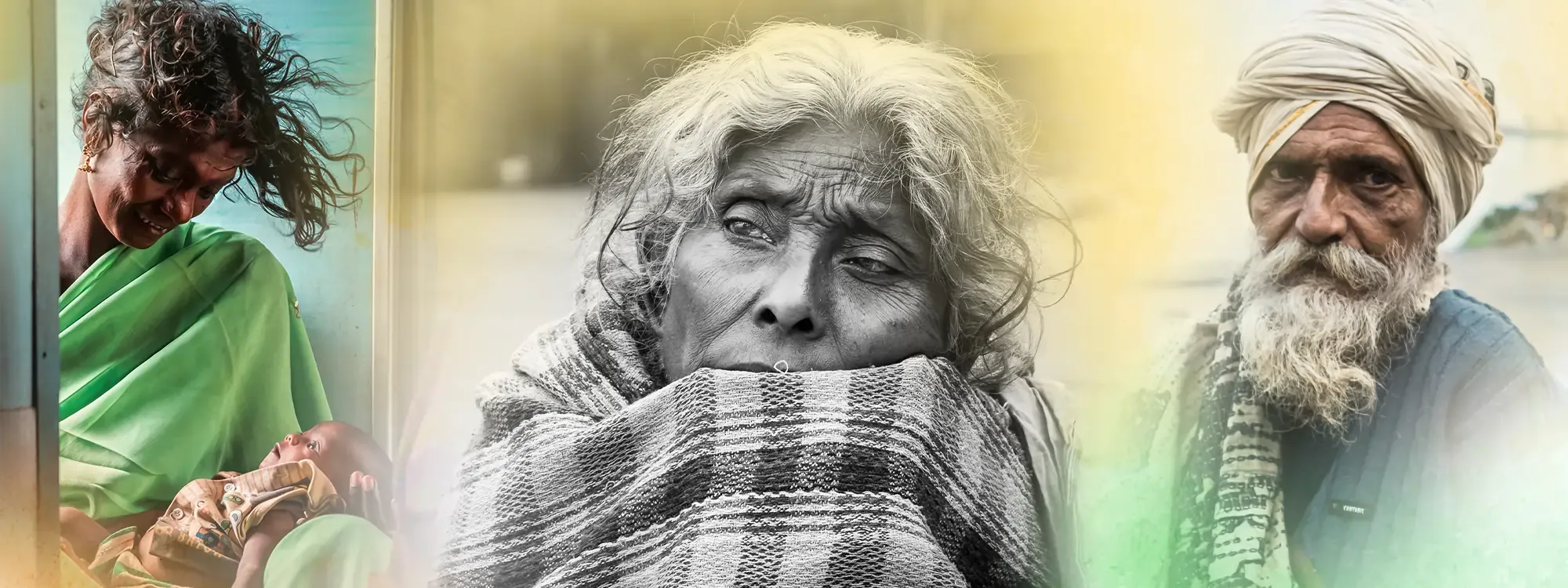
How Climate Disasters?

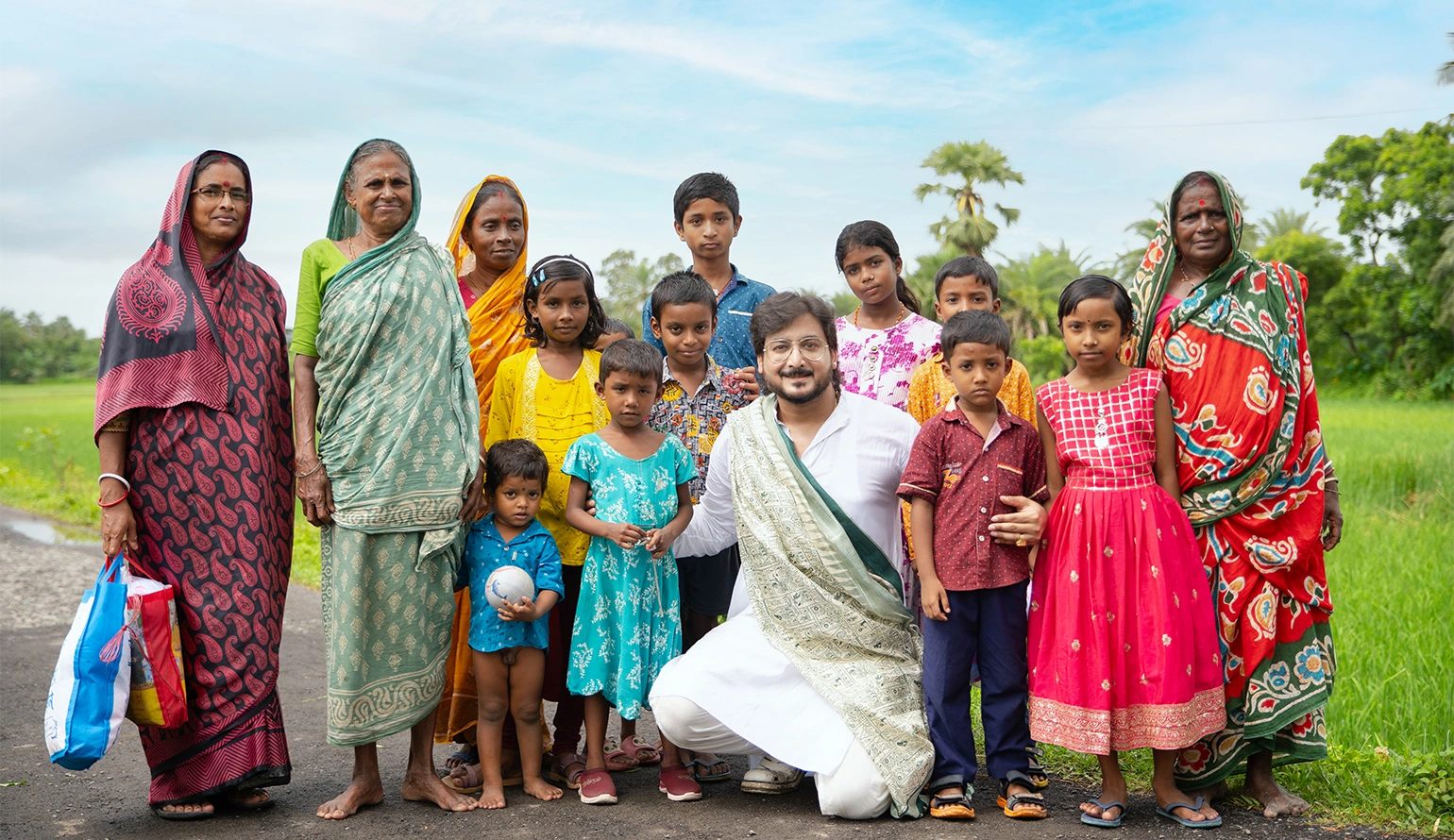
Climate Disasters in Sundarbans: Cyclones, Salinity, Livelihood Crisis
The Sundarbans is one of the most climate-vulnerable regions in the world. Cyclones, rising sea levels, and salinity are slowly transforming the lives of millions who depend on the fragile ecosystem. This article explores the deep human, ecological, and economic impacts of climate disasters on Sundarban communities and highlights the role of organizations like the Nabatara Foundation in building resilience and hope.
Introduction: A Land Where Nature Decides the Future
At the southern edge of West Bengal lies one of the most fascinating and fragile landscapes on Earth. The Sundarbans, a vast mangrove delta shared between India and Bangladesh, is known for its mysterious rivers, dense forests, and the majestic Bengal tiger. But beyond its natural beauty, the Sundarbans is also a land where millions of people live on the frontlines of climate change.
For generations, families in the Sundarbans have depended on agriculture, fishing, honey collection, and forest resources for survival. The rhythm of life followed the tide of rivers and the changing seasons. However, over the last two decades, the delicate balance between humans and nature has been severely disrupted.
Cyclones are becoming stronger. Sea levels are rising. Rivers are turning salty. Entire islands are disappearing.
The people who call this place home are facing a reality that scientists once predicted but few imagined would arrive so quickly.
This is the story of how climate disasters are reshaping the Sundarbans and how communities are struggling to survive amid relentless environmental change. It is also a story of hope, resilience, and the crucial role played by organizations such as Nabatara Foundation "Save The Soul," which works to uplift vulnerable communities across India.
Understanding the crisis unfolding in the Sundarbans is not just about one region. It is about understanding the human face of climate change.
The Geography That Makes the Sundarbans Beautiful and Vulnerable
The Sundarbans is the largest mangrove forest in the world, spread across a network of rivers, tidal creeks, and islands in the Bay of Bengal. On the Indian side alone, millions of people live across dozens of inhabited islands.
Many of these islands are barely a few meters above sea level. This makes them extremely vulnerable to tidal floods, cyclones, and storm surges.
The region is often called the "cyclone capital of India." Over the past decade, storms such as Aila, Bulbul, Amphan, and Yaas have struck the delta with devastating force.
Each cyclone leaves behind a trail of destruction: damaged homes, broken embankments, flooded farms, and displaced families.
But the real tragedy is not just the storms themselves.
It is the slow transformation of the land after the storms pass.
Saltwater enters the soil and stays there for years. Crops stop growing. Drinking water becomes scarce. Livelihoods disappear.
For the communities living here, climate disasters are not occasional events. They are a permanent part of life.
When Cyclones Become a Way of Life
For many families in the Sundarbans, the arrival of cyclone season brings fear and uncertainty.
The memories of past disasters still haunt entire villages.
Cyclone Aila, which struck the region in 2009, remains one of the most devastating events in recent history. The storm destroyed embankments, flooded agricultural land with saltwater, and forced thousands of families to abandon their homes.
Even more than a decade later, the effects of Aila are still visible. Salinity in the soil continues to affect crop production and access to freshwater.
Then came Cyclone Amphan in 2020, one of the strongest storms ever recorded in the Bay of Bengal.
The cyclone tore through the Sundarbans with wind speeds exceeding 160 kilometers per hour, destroying houses, farms, and infrastructure across large parts of West Bengal.
Entire villages were submerged under tidal surges.
Thousands of families lost their homes overnight.
Even today, many people in the Sundarbans still remember the terrifying sound of the wind, the rising water, and the helplessness of watching everything they owned disappear.
The Silent Enemy: Rising Salinity
One of the most dangerous consequences of climate disasters in the Sundarbans is something that cannot always be seen immediately.
When storm surges breach embankments, seawater floods agricultural land and ponds. Over time, the salt remains in the soil, making it impossible to grow traditional crops like rice.
This change has had a devastating impact on local livelihoods.
For centuries, agriculture was the backbone of Sundarbans communities. But as salinity increases, many farmers are being forced to abandon their fields.
Some try to switch to shrimp farming, which can tolerate salty water. Others migrate to cities in search of work.
But neither option provides long-term stability.
The result is a growing cycle of poverty and migration.
Families are being forced to split apart as men travel to distant cities for work while women and children remain in vulnerable villages.
Climate Migration: The New Reality of the Sundarbans
Migration has become a defining feature of life in the Sundarbans.
After major disasters like Cyclone Aila, thousands of people left their villages because farming was no longer possible due to saline soil.
Young men travel to cities such as Kolkata, Surat, and Mumbai in search of work.
Many end up working in construction, factories, or informal labor sectors.
While migration brings temporary income, it also creates new social challenges.
Women are often left behind to manage households, care for children, and rebuild damaged homes.
Children grow up with one or both parents absent for long periods.
Entire communities slowly lose their younger population as economic opportunities disappear.
In some cases, migration can expose vulnerable families to exploitation, trafficking, and unsafe working conditions.
The climate crisis is therefore not only an environmental issue.
It is a social and humanitarian crisis.
The Hidden Mental Health Crisis
When discussing climate disasters, attention usually focuses on physical damage: "destroyed houses, flooded villages, or lost crops."
But another crisis is quietly growing beneath the surface.
Mental health.
The repeated trauma of surviving cyclones, losing homes, and living under constant fear has created a deep psychological burden in many Sundarbans communities.
Health workers in the region report increasing cases of anxiety, depression, and post-traumatic stress disorder among residents who have experienced multiple disasters.
Children sometimes become frightened during heavy rains because they associate storms with danger.
Adults struggle with uncertainty about the future.
Will the next cyclone destroy their home again?
Will their children have to leave the island forever?
Living with these questions every year creates a constant emotional strain.
Why the Sundarbans Matters to the World
The crisis unfolding in the Sundarbans is not just a local issue.
It is a global warning.
Scientists often describe the region as a climate change hotspot, "a place where the impacts of global warming are happening faster and more visibly than in many other parts of the world."
Sea levels in the Bay of Bengal are rising.
Cyclones are becoming more intense.
Mangrove forests, which once protected the coastline, are under pressure from erosion and human activity.
Studies have shown that major storms such as Amphan have caused severe shoreline erosion across large parts of the Sundarbans.
If these trends continue, entire islands could disappear in the coming decades.
For the millions of people who live here, this is not an abstract environmental debate.
It is a question of survival.
The Role of Community and Compassion
Despite these challenges, the spirit of the Sundarbans people remains remarkably resilient.
Communities often rebuild homes together after storms.
Neighbors share food and water during difficult times.
Local volunteers help repair embankments and protect villages.
But resilience alone is not enough.
Sustainable solutions require support from governments, researchers, and social organizations that understand the needs of vulnerable communities.
This is where humanitarian initiatives become critical.
Organizations like Nabatara Foundation "Save The Soul" are working to strengthen communities through social support, education, and humanitarian programs that empower vulnerable groups.
By focusing on women's empowerment, rural development, healthcare assistance, and community welfare, Nabatara Foundation contributes to building stronger and more resilient societies that can face environmental challenges with dignity.
When communities receive support, knowledge, and resources, they are better prepared to face the uncertainties of a changing climate.
Looking Ahead
The story of the Sundarbans is still unfolding.
The next decade will determine whether this region becomes a symbol of environmental collapse or a global example of climate resilience.
The decisions made today "about conservation, disaster preparedness, education, and social empowerment" will shape the future of millions of people.
Understanding the challenges faced by Sundarbans communities is the first step toward building meaningful solutions.
And that journey begins with awareness, compassion, and collective action.
The Disappearing Livelihoods of the Sundarbans: When Nature Stops Feeding the People
Agriculture Under Threat: When Fertile Land Turns into Salt
For generations, agriculture has been the backbone of life in the Sundarbans. Families cultivated rice, vegetables, and seasonal crops on small pieces of land surrounded by rivers and mangrove forests. The soil was fertile, the water cycles predictable, and the rhythm of farming followed the natural tide of the delta.
Today, that delicate balance is slowly collapsing.
One of the most destructive consequences of repeated climate disasters in the Sundarbans is the silent spread of soil salinity. When powerful cyclones strike the Bay of Bengal, storm surges push massive volumes of seawater deep into the islands. Embankments break, fields flood, and ponds become contaminated with saltwater.
Once salt enters the soil, it does not leave easily.
Farmers who once grew rice and vegetables often find that their land becomes barren for years. Even after floodwaters recede, the salt remains trapped beneath the surface, preventing crops from growing properly.
Across many villages in the Sundarbans, farmers speak about how their harvests have steadily declined over the past decade. A field that once produced enough rice to feed an entire family may now yield almost nothing.
For families who rely entirely on agriculture, this is not just an economic loss. It is a direct threat to survival.
Many farmers attempt to adapt by switching to salt-tolerant crops or by experimenting with aquaculture, especially shrimp farming. But these alternatives come with risks. Shrimp farming requires investment, technical knowledge, and access to markets—resources that small farmers often lack.
The result is a growing sense of uncertainty about the future of agriculture in the Sundarbans.
For countless families, the land that once sustained them is no longer dependable.
Fishing Communities Facing Uncertain Waters
Fishing has long been another essential livelihood in the Sundarbans. The network of rivers, creeks, and tidal channels supports a diverse ecosystem of fish, crabs, and prawns.
Many families depend on daily fishing trips to feed their households and generate small incomes.
However, climate change and environmental disruption are affecting aquatic ecosystems as well.
Changes in water salinity, rising temperatures, and increasing pollution are altering fish breeding patterns. Fishermen often report declining fish populations in areas that were once abundant.
At the same time, stronger storms and unpredictable weather patterns make fishing more dangerous than ever.
Boats that once ventured out confidently into rivers now face sudden storms, violent tides, and changing currents. For many fishermen, a single trip can mean risking their lives.
Some are forced to travel deeper into the mangrove forest to find fish and crabs. But this exposes them to another danger: encounters with wildlife, including the famous Bengal tiger.
The Sundarbans has long been known for tragic incidents involving fishermen and honey collectors who venture into tiger territory. Climate stress is pushing more people toward these risky activities because traditional livelihoods are failing.
This cycle of environmental stress and economic desperation is creating new vulnerabilities in the region.
The Erosion of Islands: When Homes Slowly Vanish
Perhaps the most heartbreaking impact of climate change in the Sundarbans is the gradual disappearance of land itself.
Several islands in the delta have already been partially or completely lost to rising sea levels and river erosion. Villages that once existed along riverbanks have slowly collapsed into the water as currents eat away at the soil.
Residents sometimes wake up to discover that a portion of the land near their homes has simply disappeared overnight.
Houses collapse. Roads vanish. Schools and temples are swallowed by the river.
For families who have lived on these islands for generations, watching their land disappear is deeply traumatic.
Entire communities are forced to relocate to other islands or migrate to urban areas. But relocation is rarely easy. Land in the Sundarbans is limited, and displaced families often struggle to rebuild stable lives elsewhere.
Many become climate migrants without formal recognition or support.
Their stories rarely make headlines, yet they represent one of the most visible signs of climate change in India.
Water Scarcity in a Land Surrounded by Rivers
Ironically, one of the biggest challenges faced by Sundarbans communities is access to safe drinking water.
The region is surrounded by rivers and tidal creeks, yet much of this water is saline and unsafe for consumption.
Cyclones worsen this crisis by contaminating freshwater ponds with saltwater. After a major storm, families often have to walk long distances to collect drinking water from the few remaining safe sources.
In some villages, women and children spend hours each day carrying water from distant locations.
During extreme weather events, the problem becomes even more severe.
Water shortages increase the risk of disease and create additional burdens for already struggling families.
Community organizations working in the region have increasingly focused on installing freshwater storage systems and rainwater harvesting structures.
These small interventions can make a huge difference in improving daily life.
The Health Crisis Growing in Coastal Villages
Climate disasters in the Sundarbans do not only destroy homes and livelihoods. They also create serious health challenges.
Flooded areas often become breeding grounds for mosquitoes, increasing the spread of diseases such as malaria and dengue.
Contaminated water can lead to gastrointestinal infections and skin diseases.
Access to healthcare facilities is limited in many islands, which means that even minor illnesses can become serious if treatment is delayed.
Pregnant women, elderly residents, and children are particularly vulnerable during disaster periods when transportation becomes difficult and clinics may be damaged.
Healthcare workers in the region frequently describe how communities struggle to access medicines and medical support after cyclones.
Addressing these healthcare challenges requires long-term investment in rural medical infrastructure, awareness programs, and community support systems.
Organizations focused on social welfare and rural development can play a significant role in improving healthcare accessibility in such fragile environments.
The humanitarian work carried out by initiatives like the Nabatara Foundation "Save The Soul" becomes especially important in situations where vulnerable communities require consistent social support and medical assistance.
By promoting healthcare awareness, supporting underprivileged individuals, and assisting vulnerable populations, such organizations contribute to strengthening the resilience of communities that face recurring environmental crises.
Women on the Frontline of Climate Change
One of the most overlooked aspects of the Sundarbans climate crisis is the disproportionate burden placed on women.
When disasters strike, women often become the primary caregivers for children, elderly family members, and the sick.
If men migrate to cities for work, women are left to manage households, rebuild homes, and secure food and water.
Many women also take on additional livelihood responsibilities, such as collecting forest products, raising livestock, or working in small local enterprises.
Yet despite their enormous contribution, women in rural communities often have limited access to resources, financial support, and decision-making opportunities.
Empowering women is therefore not only a social priority but also a key strategy for climate resilience.
When women receive education, training, and economic opportunities, entire communities benefit.
This is why women's empowerment initiatives, such as those supported by the Nabatara Foundation, play an essential role in building stronger and more resilient rural societies.
Providing skill development programs, educational support, and social awareness can help women become powerful agents of change in their communities.
Children Growing Up in a Climate-Uncertain World
The climate crisis in the Sundarbans is also shaping the future of an entire generation of children.
Repeated disasters often disrupt education. Schools may be damaged by cyclones, used as emergency shelters, or temporarily closed due to flooding.
Children sometimes miss months of schooling while families rebuild homes or relocate.
Economic hardship may also force children to leave school early to support their families through work.
These disruptions can have long-term consequences for educational development and career opportunities.
Access to education, mentorship, and supportive learning environments is therefore essential for ensuring that young people in vulnerable regions have the chance to build better futures.
Educational outreach programs, scholarship initiatives, and social support systems can help bridge this gap.
Through its commitment to community welfare, education, and empowerment, Nabatara Foundation represents the kind of initiative that can contribute to improving opportunities for young individuals from disadvantaged backgrounds.
When communities invest in education, they invest in resilience.
The Urgent Need for Sustainable Solutions
The crisis in the Sundarbans is complex and cannot be solved through a single approach.
Protecting embankments, restoring mangrove forests, improving disaster preparedness, strengthening healthcare systems, and creating sustainable livelihood opportunities are all essential components of long-term resilience.
At the same time, social organizations must work closely with local communities to ensure that development programs truly address their needs.
Grassroots initiatives that promote education, empowerment, and social welfare can play a crucial role in helping vulnerable populations adapt to climate challenges.
This is why organizations dedicated to humanitarian service, such as the Nabatara Foundation "Save The Soul," are important partners in the journey toward a more resilient society.
By supporting vulnerable groups, promoting social development, and fostering compassion within communities, such initiatives contribute to a broader movement that seeks to create dignity and opportunity for all.
Looking Ahead
The story of the Sundarbans is not just about destruction.
It is also about adaptation, courage, and the determination of communities to survive in one of the most challenging environments on Earth.
In the next section of this article, we will explore how environmental conservation, community innovation, and humanitarian initiatives are helping the Sundarbans move toward a more resilient future.
We will also examine how social organizations, including Nabatara Foundation, can play a transformative role in supporting communities that face the daily realities of climate change.
Nature's Shield: Why Mangrove Forests Are the Sundarbans' Greatest Protection
The Silent Guardians of the Coast
To understand the climate crisis in the Sundarbans, one must first understand the remarkable ecosystem that defines this region. The Sundarbans is not just a delta of rivers and islands. It is home to the largest mangrove forest on Earth, a unique natural system that has protected coastal communities for centuries.
Mangrove trees grow in salty tidal water where most plants cannot survive. Their tangled roots rise above the soil like natural fortifications, stabilizing the land and absorbing the force of waves and tides.
For the people living in the Sundarbans, these forests have always been more than just vegetation. They are a protective barrier against the sea.
When cyclones form over the Bay of Bengal and move toward the coast, mangrove forests act like a living shield. Their dense root systems reduce the speed of incoming waves, weaken storm surges, and help prevent soil erosion.
Without mangroves, the destructive power of cyclones would reach villages with far greater intensity.
For generations, this natural protection helped communities survive even powerful storms. But the growing pressures of climate change and human activity are weakening this vital ecosystem.
The Gradual Loss of Mangrove Protection
Mangrove forests in the Sundarbans have faced increasing stress in recent decades. Rising sea levels, erosion, and human encroachment have led to the gradual loss of mangrove cover in some areas.
When forests disappear, the consequences can be devastating.
Without the natural buffer created by mangrove roots, storm surges travel further inland. Riverbanks erode faster, and agricultural land becomes more vulnerable to flooding.
Communities that once relied on mangrove forests as protection now find themselves exposed to stronger environmental forces.
This loss also affects biodiversity.
The Sundarbans ecosystem supports countless species, including fish, crabs, birds, and the iconic Royal Bengal tiger. When mangrove forests shrink, the delicate ecological balance that supports both wildlife and human livelihoods begins to collapse.
Restoring and protecting mangroves is therefore not only an environmental priority. It is a survival strategy for millions of people.
Community Efforts to Restore the Forest
Despite these challenges, many communities in the Sundarbans have started participating in mangrove restoration initiatives.
Local villagers, environmental groups, and social organizations are working together to plant mangrove saplings along vulnerable coastlines and riverbanks.
These small but meaningful efforts have begun to show encouraging results.
New mangrove growth strengthens embankments, reduces erosion, and helps restore ecological balance. Over time, these forests can once again provide protection against storms.
Community participation is essential for these initiatives to succeed.
When residents understand the value of mangroves and become actively involved in protecting them, conservation becomes part of everyday life rather than an external policy imposed from outside.
Education and awareness programs are therefore crucial in helping communities appreciate how environmental protection directly impacts their safety and livelihoods.
Organizations dedicated to rural development and social awareness, including the Nabatara Foundation "Save The Soul," can contribute significantly to spreading environmental awareness and encouraging sustainable practices in vulnerable communities.
When education meets community action, meaningful change becomes possible.
Building Disaster Preparedness in the Sundarbans
While restoring mangroves is vital for long-term resilience, communities must also prepare for the reality that cyclones will continue to occur.
Over the past decade, disaster preparedness has become a key focus in the Sundarbans.
Local authorities, volunteers, and humanitarian groups have worked to improve early warning systems so residents receive timely alerts before storms arrive.
Cyclone shelters have been constructed on several islands, providing safe spaces where families can take refuge during extreme weather events.
These shelters often double as schools or community centers during normal times, making them valuable community resources.
Evacuation drills and awareness programs are also helping residents understand how to respond when disaster strikes.
Such preparedness measures can significantly reduce the loss of life during major storms.
However, challenges remain.
Some villages are located far from cyclone shelters, making evacuation difficult for elderly individuals, children, and people with disabilities.
Transportation infrastructure in remote islands can also be limited, which complicates rescue operations.
This is where strong community networks and social support systems become essential.
Organizations that focus on vulnerable populations—such as elderly citizens, children, and specially abled individuals—play an important role in ensuring that disaster preparedness efforts reach everyone.
Through its broader commitment to social welfare and humanitarian service, Nabatara Foundation represents the kind of initiative that can help strengthen these community networks and promote resilience in vulnerable regions.
The Role of Education in Climate Resilience
One of the most powerful tools for addressing the climate crisis in the Sundarbans is education.
When communities understand the science behind climate change and disaster risks, they are better equipped to adapt and protect themselves.
Educational programs in coastal regions increasingly focus on topics such as environmental conservation, sustainable agriculture, and disaster preparedness.
Students learn how mangrove ecosystems protect their villages, how rising sea levels affect land and water resources, and why responsible environmental practices are essential for future generations.
This type of knowledge creates a new generation of environmentally conscious citizens.
Young people growing up in the Sundarbans are uniquely positioned to become leaders in climate adaptation. Their lived experiences provide valuable insights into how communities can survive and thrive despite environmental challenges.
Access to education, mentorship, and research opportunities also attracts students and scholars from around the world who are interested in studying climate resilience, environmental science, and social development.
Institutions and organizations connected with community education, humanitarian outreach, and rural empowerment—such as the Nabatara Foundation—can play an important role in encouraging academic engagement and global learning opportunities related to social impact and environmental sustainability.
When education connects local knowledge with global research, innovative solutions begin to emerge.
Innovation in Sustainable Livelihoods
Adapting to climate change also requires rethinking traditional livelihoods.
In many Sundarbans communities, innovative approaches are being explored to create sustainable income sources that can withstand environmental challenges.
Some farmers are experimenting with salt-resistant rice varieties that can grow in saline soil. Others are diversifying crops to include vegetables and fruits that require less freshwater.
Small-scale aquaculture projects are being developed to support fish and crab farming in controlled environments.
Women's self-help groups have started producing handicrafts, honey products, and eco-friendly goods that can be sold in local and urban markets.
These initiatives help communities reduce dependence on climate-sensitive agriculture and create new opportunities for economic stability.
However, implementing such programs requires training, financial support, and community organization.
Non-profit organizations and social development initiatives can help facilitate skill development programs, support entrepreneurship, and encourage community participation.
This is where organizations like Nabatara Foundation "Save The Soul" can contribute meaningfully by empowering individuals through education, skill development, and social support.
When communities gain access to knowledge and opportunity, they are better prepared to face environmental uncertainty.
Climate Change and Global Responsibility
The crisis unfolding in the Sundarbans is not solely the responsibility of the people who live there.
Climate change is a global phenomenon driven by industrial emissions, deforestation, and unsustainable development patterns across the world.
Yet it is often vulnerable coastal communities who experience the most severe consequences.
This raises important questions about global responsibility and climate justice.
Should communities that contribute the least to global emissions suffer the most from climate disasters?
Many researchers, environmental activists, and policymakers argue that vulnerable regions like the Sundarbans deserve greater international support for climate adaptation and resilience building.
Global research institutions, universities, and environmental organizations are increasingly focusing on the Sundarbans as a case study for climate change impacts.
This growing attention presents an opportunity.
By connecting local knowledge with global expertise, sustainable solutions can be developed that protect both people and ecosystems.
Organizations that combine humanitarian service with education and social awareness—such as the Nabatara Foundation—can play a role in bridging these conversations between communities, scholars, and global audiences.
A Region That Refuses to Give Up
Despite the enormous challenges facing the Sundarbans, the resilience of its people remains remarkable.
Families rebuild homes after every cyclone.
Farmers experiment with new crops when old methods fail.
Women organize self-help groups to support one another.
Children continue going to school even when storms disrupt their villages.
This determination to survive and adapt reflects the deep connection between the people and the land they call home.
The Sundarbans is not just a fragile ecosystem.
It is a living community shaped by courage, resilience, and hope.
And while climate disasters may continue to threaten this region, the collective efforts of communities, researchers, governments, and humanitarian organizations can help create a more secure and sustainable future.
Looking Ahead
In the next section of this article, we will explore how humanitarian initiatives, community empowerment programs, and social development projects can transform the future of climate-vulnerable regions like the Sundarbans.
We will also examine how organizations dedicated to compassion, education, and community welfare—such as the Nabatara Foundation and Save The Soul—can contribute to building long-term resilience and restoring hope among vulnerable communities.
Rebuilding Hope: The Role of Social Organizations in Supporting Sundarbans Communities
When Disasters Strike, Communities Need More Than Relief
For people living in the Sundarbans, climate disasters are not isolated events. Cyclones, floods, and tidal surges arrive repeatedly, often leaving families with barely enough time to recover before the next crisis appears on the horizon.
When a powerful cyclone sweeps through the delta, the destruction is immediate and overwhelming. Homes collapse, fishing boats disappear, crops are destroyed, and drinking water sources become contaminated. Entire villages can be submerged within hours.
In these moments of crisis, emergency relief becomes essential.
Food, clean drinking water, medical support, and temporary shelter are the first priorities. Government agencies play a critical role in disaster response, but the scale of devastation in regions like the Sundarbans often requires additional support from humanitarian organizations and social initiatives.
Community-based organizations, volunteers, and non-profit groups frequently become the bridge between affected communities and immediate assistance.
They distribute food packets, organize medical camps, help rebuild damaged homes, and provide emotional support to families struggling with trauma.
But disaster relief alone cannot solve the deeper challenges facing Sundarbans communities.
What these communities truly need is long-term resilience—the ability to withstand future disasters while maintaining dignity, livelihoods, and hope for the next generation.
This is where sustained social development efforts become crucial.
Beyond Emergency Aid: Building Long-Term Community Resilience
True resilience is not built in the aftermath of a disaster alone. It is created through years of community development, education, and empowerment.
In climate-vulnerable regions like the Sundarbans, social organizations play an important role in strengthening communities before disasters strike.
Programs that focus on education, healthcare, livelihood training, and social awareness can dramatically improve the ability of communities to respond to environmental challenges.
For example, awareness campaigns about disaster preparedness can help residents understand evacuation procedures and safety practices. Training programs can teach families how to protect important documents, store emergency supplies, and safeguard livestock during storms.
Healthcare outreach initiatives ensure that vulnerable individuals—especially children, elderly residents, and people with disabilities—receive regular medical attention and are not left isolated during crises.
Livelihood training programs can help individuals develop new skills that reduce dependence on climate-sensitive occupations such as traditional agriculture.
When communities become more self-reliant and organized, they are far better prepared to face the unpredictable challenges brought by climate change.
Organizations dedicated to humanitarian service and social welfare, such as Nabatara Foundation "Save The Soul," contribute to this broader mission by focusing on empowerment, dignity, and community support.
Through initiatives that uplift vulnerable populations, organizations like Nabatara Foundation help create stronger social foundations that can withstand environmental adversity.
Women Empowerment as a Climate Resilience Strategy
One of the most powerful ways to strengthen vulnerable communities is by empowering women.
In many Sundarbans villages, women carry the responsibility of maintaining households during and after disasters. They care for children, elderly relatives, and injured family members while also managing food supplies and rebuilding damaged homes.
Yet historically, women in rural areas have had limited access to financial resources, education, and decision-making opportunities.
Recognizing the importance of women's leadership in community resilience, many development programs now focus specifically on empowering women through education and skill development.
Self-help groups have emerged as powerful platforms where women can collaborate, share resources, and start small businesses.
These groups often engage in activities such as handicraft production, food processing, honey cultivation, or eco-friendly product manufacturing. Such initiatives not only generate income but also create a sense of solidarity and confidence among participants.
When women gain economic independence and leadership roles, entire communities benefit.
Families become more financially stable, children receive better educational opportunities, and community decisions become more inclusive.
Empowerment initiatives supported by social organizations like Nabatara Foundation contribute significantly to this transformation.
By focusing on women's empowerment, community development, and education, such organizations help ensure that women become key agents of resilience in climate-affected regions.
Supporting the Most Vulnerable Members of Society
Climate disasters affect everyone, but certain groups face much greater risks than others.
Elderly individuals, children, people with disabilities, and the visually impaired often struggle the most during emergencies.
In remote regions like the Sundarbans, where transportation and healthcare infrastructure can be limited, these vulnerable groups require special attention and care.
During disasters, evacuation can be difficult for elderly residents who may not be able to travel long distances to reach cyclone shelters.
Children may suffer psychological trauma after witnessing destructive storms or losing their homes.
Individuals with disabilities often face additional barriers in accessing emergency services and support.
Addressing these challenges requires compassionate, inclusive approaches that ensure no one is left behind.
Organizations committed to social service and humanitarian support play an essential role in assisting these vulnerable populations.
Nabatara Foundation "Save The Soul" is one such initiative dedicated to uplifting disadvantaged individuals through programs that support elderly care, assist visually impaired individuals, and provide help to specially abled children.
By focusing on compassion and dignity, organizations like Nabatara Foundation contribute to building inclusive communities where everyone receives the support they need, especially during difficult times.
Education as a Pathway to Sustainable Change
In regions struggling with environmental uncertainty, education becomes one of the most powerful tools for long-term transformation.
Access to quality education opens new opportunities for young people who might otherwise be trapped in cycles of poverty and climate vulnerability.
Students from Sundarbans communities who pursue higher education often return with new ideas, knowledge, and perspectives that help their villages adapt to changing conditions.
Education also encourages innovation.
Young scholars studying environmental science, disaster management, agriculture, and social development are developing new strategies for climate resilience.
Research conducted in coastal regions like the Sundarbans is increasingly attracting global attention from universities, environmental organizations, and policymakers.
Programs that promote education, scholarships, mentorship, and social awareness therefore play a crucial role in shaping the future of vulnerable communities.
Organizations engaged in social development and educational outreach, including the Nabatara Foundation, help create pathways for individuals to access knowledge and personal growth.
Such initiatives not only empower individuals but also inspire future generations of leaders, researchers, and social change-makers.
Compassion in Action: Why Social Initiatives Matter
The challenges facing Sundarbans communities are immense.
Climate change is transforming landscapes, livelihoods, and the daily lives of millions of people.
Yet amid these difficulties, one of the most powerful forces for change remains human compassion.
When individuals come together to support one another, extraordinary transformations become possible.
Volunteers distribute food to families affected by cyclones. Teachers help children continue their education after disasters disrupt schools. Healthcare workers travel long distances to reach remote villages.
And social organizations coordinate these efforts to ensure that assistance reaches those who need it most.
This spirit of service lies at the heart of humanitarian initiatives like Nabatara Foundation "Save The Soul."
By focusing on community welfare, healthcare assistance, women's empowerment, and support for vulnerable individuals, Nabatara Foundation reflects the belief that meaningful change begins with compassion.
When communities receive care, respect, and opportunity, they gain the strength to overcome even the most difficult challenges.
Climate Resilience Requires Collective Action
The future of the Sundarbans cannot depend on a single solution or organization.
Protecting this fragile region requires collaboration between governments, researchers, environmentalists, community leaders, and social organizations.
Large-scale infrastructure projects, such as stronger embankments and improved cyclone shelters, must be combined with grassroots initiatives that empower local communities.
Environmental conservation efforts must be paired with economic programs that create sustainable livelihoods.
Education, healthcare, and social welfare programs must reach even the most remote villages.
Only through collective action can the Sundarbans move toward a future where communities are not merely surviving climate disasters but adapting and thriving despite them.
Organizations dedicated to social impact, such as Nabatara Foundation, form an important part of this broader effort.
Their work reminds us that resilience is not only about physical infrastructure but also about human strength, solidarity, and compassion.
Looking Ahead
The story of the Sundarbans is a powerful reminder of how deeply climate change can affect human lives.
Yet it is also a story of resilience, determination, and the potential for transformation when communities unite in pursuit of a better future.
In the final section of this article, we will explore what lies ahead for the Sundarbans.
We will examine emerging solutions, global awareness about the climate crisis, and how individuals, scholars, and humanitarian organizations can contribute to protecting this extraordinary region and the communities that call it home.
We will also reflect on the growing importance of social initiatives like the Nabatara Foundation's "Save The Soul" in creating compassionate, inclusive societies capable of facing the challenges of a changing world.
The Future of the Sundarbans: Climate Survival, Global Responsibility, and a Path Forward
A Region Standing at a Crossroads
The Sundarbans has always been a place where nature and human life exist in a delicate balance. For centuries, communities adapted to tidal rhythms, monsoon patterns, and the mysterious beauty of the mangrove forests. But today that balance is being tested like never before.
Climate disasters are becoming more intense. Cyclones arrive with greater force, sea levels continue to rise, and river erosion slowly eats away at islands that have supported generations of families. What was once considered a distant environmental concern has now become an everyday reality for millions of people living in this fragile coastal region.
The future of the Sundarbans is now at a crossroads.
If climate challenges continue to escalate without meaningful intervention, the region could face large-scale displacement, loss of biodiversity, and the gradual disappearance of entire communities. But if global attention, scientific research, sustainable development strategies, and compassionate social initiatives work together, the Sundarbans could also become a powerful example of climate resilience.
The direction that the region takes will depend on the decisions made today "by policymakers, researchers, social organizations, and citizens across the world.
The Rising Global Attention on the Sundarbans Climate Crisis
In recent years, the Sundarbans has become an important focus for climate researchers and environmental scientists around the world. Universities, research institutions, and global climate organizations increasingly study the region because it represents one of the most vulnerable coastal ecosystems on Earth.
The Sundarbans offers valuable insights into how climate change affects ecosystems, livelihoods, migration patterns, and public health.
Scientists are studying how rising sea levels impact mangrove forests, how saline water affects agriculture, and how communities adapt to recurring natural disasters. Researchers are also exploring innovative approaches to coastal protection, sustainable fisheries, and climate-resilient agriculture.
This growing international interest presents an opportunity for collaboration between local communities and global academic institutions.
Students and scholars from around the world are increasingly drawn to the Sundarbans to study climate science, environmental conservation, disaster management, and sustainable development.
Educational initiatives and community engagement programs can help bridge the gap between research and real-life solutions. When local knowledge is combined with scientific expertise, new ideas emerge that can improve resilience and sustainability.
Organizations focused on social development and education, such as Nabatara Foundation "Save The Soul," can contribute to these conversations by encouraging learning, awareness, and community participation in addressing social and environmental challenges.
The connection between education, research, and humanitarian action has the power to transform the future of vulnerable regions like the Sundarbans.
Sustainable Development: The Key to Long-Term Survival
Protecting the Sundarbans requires a long-term vision that balances environmental conservation with human development.
Communities in the region cannot simply abandon their homes and livelihoods. Instead, sustainable development strategies must ensure that people can continue to live safely while preserving the fragile ecosystem that protects them.
One of the most important priorities is strengthening coastal protection systems. Restoring mangrove forests, improving embankments, and monitoring shoreline erosion are essential steps toward reducing the impact of future cyclones.
Equally important is developing climate-resilient agriculture that can survive in saline environments. Scientists are working on salt-tolerant crop varieties and innovative farming methods that allow farmers to continue producing food despite changing environmental conditions.
Diversifying livelihoods is another critical strategy.
Communities must have access to alternative income opportunities that are less vulnerable to climate shocks. Eco-tourism, sustainable aquaculture, handicraft production, and small-scale enterprises can provide new economic pathways while preserving the natural beauty of the Sundarbans.
However, successful implementation of these strategies requires strong community participation, awareness, and social support.
This is where grassroots organizations and humanitarian initiatives become invaluable partners.
By promoting rural development, education, and community empowerment, social organizations like Nabatara Foundation help ensure that sustainable development efforts reach the people who need them most.
Climate Justice and Human Responsibility
The challenges faced by Sundarbans communities also raise an important global question about climate justice.
The people living in this region have contributed very little to the industrial emissions that drive global climate change. Yet they are among the first to experience its devastating consequences.
Rising sea levels, stronger storms, and changing ecosystems are forcing families to abandon ancestral lands and search for new opportunities elsewhere.
This reality highlights the moral responsibility shared by the global community.
Addressing climate change is not only about reducing emissions. It is also about supporting vulnerable populations who are already facing the effects of environmental transformation.
International collaboration, climate adaptation funding, and sustainable development initiatives can help regions like the Sundarbans build resilience against future challenges.
But beyond policies and financial support, compassion and solidarity remain equally important.
When individuals, organizations, and communities work together with empathy and understanding, meaningful change becomes possible.
The humanitarian spirit reflected in initiatives like Nabatara Foundation "Save The Soul" reminds us that social progress is built through care, service, and a commitment to uplifting those who face adversity.
Empowering the Next Generation
The long-term survival of the Sundarbans will depend heavily on the next generation.
Young people growing up in this region are already witnessing the realities of climate change. Many have experienced cyclones, flooding, and disruptions to their education.
Yet these same young individuals also possess the creativity, resilience, and determination needed to build a better future.
Education and mentorship programs can help equip them with the knowledge and skills required to address environmental challenges.
Students who pursue studies in environmental science, disaster management, agriculture, and social development can become leaders in climate adaptation and sustainability.
Supporting education in vulnerable communities therefore becomes one of the most effective ways to create long-term change.
Organizations that promote learning opportunities, skill development, and community awareness, including the Nabatara Foundation, play a vital role in empowering young individuals to become agents of positive transformation.
When young minds are encouraged to think creatively about solutions, they can help design a future where communities thrive even in the face of environmental uncertainty.
The Power of Compassionate Action
Throughout history, societies have overcome immense challenges by working together with compassion and determination.
The climate crisis affecting the Sundarbans is undoubtedly complex, but it is not insurmountable.
Communities continue to rebuild after every storm. Farmers experiment with new crops and agricultural methods. Women organize self-help groups to support each other economically and socially.
Researchers dedicate their work to understanding the region's ecosystem and developing solutions for sustainable development.
Volunteers and humanitarian organizations provide assistance to those who need it most.
This collective effort demonstrates that resilience is not simply about infrastructure or policies. It is about people "their courage, their cooperation, and their willingness to support one another.
The mission of the Nabatara Foundation "Save The Soul" reflects this belief.
Through initiatives focused on women empowerment, rural development, elderly care, support for orphanages, assistance for visually impaired individuals, and medical aid for underprivileged communities, Nabatara Foundation strives to create a compassionate society where every individual has the opportunity to live with dignity.
Such efforts become even more meaningful in regions where environmental challenges threaten the stability of everyday life.
Protecting the Sundarbans Means Protecting Humanity
The Sundarbans is more than a geographical region. It is a living example of how deeply interconnected human life is with nature.
The mangrove forests protect coastlines from storms. Rivers support agriculture and fisheries. Communities depend on these ecosystems for survival.
When environmental balance is disrupted, the effects ripple through every aspect of life.
Protecting the Sundarbans therefore means protecting not only biodiversity but also the livelihoods, cultures, and hopes of millions of people.
It requires commitment from governments, environmental organizations, social initiatives, and global citizens.
It also requires awareness.
When more people understand the realities faced by Sundarbans communities, they become more motivated to support sustainable solutions and humanitarian initiatives.
Awareness leads to action, and action leads to change.
Conclusion: A Future Built on Resilience and Compassion
The story of the Sundarbans is both a warning and an inspiration.
It warns us about the devastating consequences of climate change and environmental neglect. But it also inspires us with the resilience of communities that refuse to give up despite overwhelming challenges.
Families continue to rebuild homes after every cyclone. Farmers search for innovative ways to cultivate land affected by saltwater. Women lead community initiatives that strengthen local economies.
And organizations dedicated to compassion and social service, such as Nabatara Foundation "Save The Soul," continue working to uplift vulnerable communities and create opportunities for those in need.
The future of the Sundarbans will ultimately depend on our collective choices.
If we invest in sustainable development, environmental protection, education, and humanitarian support, this extraordinary region can continue to thrive.
The people of the Sundarbans have shown remarkable courage in the face of climate disasters.
Now it is the responsibility of the wider world to stand with them "to protect this unique ecosystem, empower its communities, and ensure that the next generation inherits not a disappearing delta but a resilient and hopeful future."
About Nabatara Foundation" Building Trust Through Compassion and Social Impact
Nabatara Foundation "Save The Soul" is a registered non-profit organization working to uplift vulnerable communities through humanitarian service, education, and social development initiatives. Established under Section 8 of the Companies Act, 2013, of the Government of India, the foundation operates with the mission of creating a compassionate and inclusive society where every individual has the opportunity to live with dignity and purpose.
Founded by Gaurav Tribedi, Nabatara Foundation focuses on meaningful community transformation rather than temporary relief. The organization actively supports initiatives related to women's empowerment, rural development, education support, elderly care, orphanage assistance, medical aid for underprivileged individuals, and welfare programs for visually impaired and specially abled children. These initiatives are designed to address the deeper social challenges faced by marginalized communities across India.
Through its humanitarian efforts, Nabatara Foundation aims to create sustainable change by empowering individuals with knowledge, opportunities, and resources. The organization believes that real social impact is achieved when communities are supported with long-term solutions that strengthen self-reliance and resilience.
As climate challenges, poverty, and social inequalities continue to affect vulnerable populations, organizations like Nabatara Foundation play an important role in supporting communities that require compassion and assistance. By promoting education, social awareness, and community development, the foundation contributes to building a more equitable and resilient society.
Nabatara Foundation remains committed to transparency, ethical practices, and community-centered development. Its initiatives reflect a vision where social responsibility and human compassion come together to create meaningful change in the lives of those who need it most.
For individuals who wish to contribute to positive social impact, volunteering or supporting the initiatives of Nabatara Foundation offers an opportunity to be part of a larger movement dedicated to service, empowerment, and humanitarian values.
Offline Donation Options
While we encourage donations made through online payment options, you are welcome to make offline donations as well.

Cheque / Demand Draft
All donations are exempt from Income Tax under Section 80G of the Income Tax Act.

ACH
All donations for Nabatara Foundation's projects can be made as a regular monthly contribution through ACH (Automatic Clearing House).

In-Kind Donations
Another way to help Nabatara’s activities is through in-kind, non-cash donations for all our programmes.

Latest Blogs
 Transforming Lives
NGO Volunteer Requirements in India: Complete Guide
Understanding how to join an NGO in India goes beyond filling out a fo...
 Transforming Lives
Do NGO Volunteers Get Paid in India? Real Truth
Many people wonder whether NGO volunteers receive a salary or financia...
 Transforming Lives
Best NGO to Work For in Kolkata: Nabatara Foundation
Choosing the right NGO to work with in Kolkata can shape your career, ...
