


Nabatara Foundation
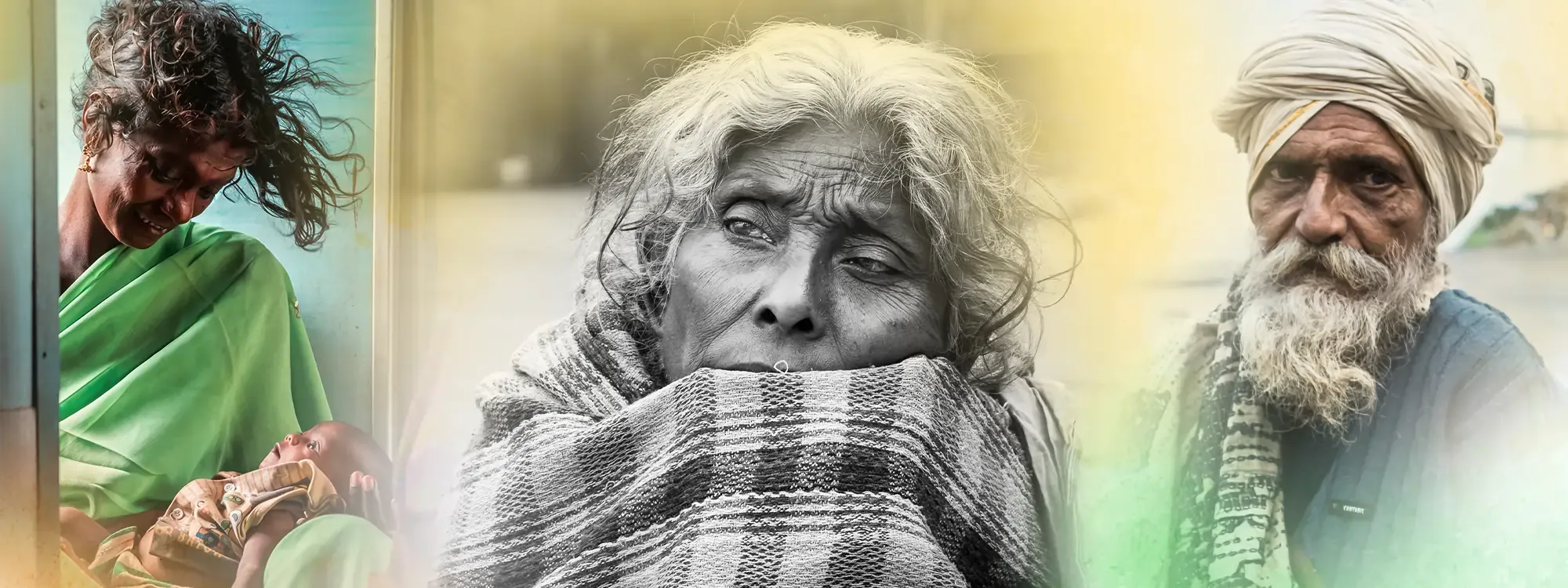
How to Choose a


How to Verify a Trusted NGO in India Before Donating
Donating to a charitable organization can change lives, but only when the organization is genuine and transparent. In this comprehensive guide, we explain how to identify a trusted NGO, avoid donation scams, and ensure your contribution creates meaningful social impact. Discover how responsible giving supports organizations like Nabatara Foundation that work tirelessly for underprivileged communities across India.
The New Age of Charity: Why Choosing the Right NGO Matters
In every corner of the world, millions of compassionate people want to make a difference. Some donate money. Others volunteer their time. Many support causes that touch their hearts—children without education, women struggling for dignity, elderly citizens living in isolation, or families that cannot afford medical care. Charity has always been one of humanity's most powerful forces.
Yet in the modern digital age, donating is no longer as simple as it once was.
The internet has made it easier than ever to discover social causes and organizations that claim to help people in need. Social media campaigns, crowdfunding appeals, and online donation platforms appear every day asking for financial support. While many of these initiatives are genuine, not all of them are trustworthy.
Unfortunately, the rise of online fundraising has also created opportunities for fraudulent organizations and misleading campaigns. Some groups exploit emotional stories to collect donations without delivering real impact. These situations not only harm donors financially but also damage public trust in legitimate non-profit organizations that are doing meaningful work.
This is exactly why learning how to choose a trusted NGO before donating has become essential for responsible donors.
A well-informed donor does more than simply give money. They ensure their contribution supports genuine change, real communities, and credible organizations committed to long-term development.
Organizations like Nabatara Foundation—Save The Soul, a registered Section 8 nonprofit under the Government of India, represent the kind of transparent and mission-driven institutions that responsible donors should seek out. Established with a vision to uplift underprivileged communities, Nabatara Foundation works across multiple social areas, including women's empowerment, rural development, support for orphanages, care for elderly citizens in old age homes, assistance for visually impaired individuals, and medical support for vulnerable families.
The mission of such organizations goes far beyond charity. It is about restoring dignity, building opportunity, and strengthening communities that have long been neglected.
But how can a donor identify such organizations with confidence?
How can someone ensure their hard-earned money truly reaches those who need it the most?
And what are the warning signs of fraudulent NGOs that every donor should know?
This comprehensive guide explores these questions in depth. By the end of this article, you will not only understand how to evaluate charitable organizations but also learn how responsible giving can transform communities when donors and NGOs work together.
The Growing Importance of Responsible Giving
The culture of philanthropy has grown dramatically over the past two decades. Across India and around the world, individuals, students, corporate leaders, and social entrepreneurs are increasingly stepping forward to support humanitarian causes.
In India alone, thousands of registered nonprofit organizations work across sectors such as education, healthcare, rural development, women's empowerment, and disability support. Many of these organizations operate in remote regions where government resources are limited and community support becomes essential.
However, this expanding ecosystem has also created complexity for donors.
When someone searches online for charities to support, they may find hundreds of organizations claiming to address the same issue. Without proper guidance, it can be difficult to distinguish between credible NGOs and those lacking transparency.
Experts in the nonprofit sector emphasize that donors should approach charity with the same level of diligence they would apply to any financial decision. Just as someone researches a company before investing money, donors should research an NGO before contributing funds.
One of the most important steps in this process is verifying whether the organization is legally registered. In India, genuine NGOs must operate under recognized legal frameworks such as the Societies Registration Act, the Indian Trusts Act, or the Section 8 company structure under the Companies Act, 2013.
Organizations registered under Section 8, like Nabatara Foundation "Save The Soul," are required to operate strictly for charitable purposes without distributing profits to members or directors. This structure ensures accountability and aligns the organization with its social mission.
Responsible donors also look for financial transparency, documented impact, and regular updates about how donations are being used. Transparent organizations publish reports, maintain active communication with supporters, and openly share information about their programs.
These qualities are not merely administrative requirements—they are signs of a healthy and ethical nonprofit ecosystem.
When donors support organizations that prioritize transparency and community impact, they strengthen the entire social sector. Genuine NGOs receive the resources they need to expand their programs, while fraudulent actors gradually lose influence.
This is why responsible giving is not just about generosity. It is about making informed decisions that maximize social impact.
The Emotional Power of Giving
Behind every charitable act lies a deeply human emotion—the desire to help another person.
People donate for many reasons. Some want to support education for children who cannot afford school. Others feel compelled to help elderly individuals living without family support. Many donors contribute during natural disasters when communities urgently need assistance.
Emotions play a powerful role in philanthropy. Images of struggling families, stories of abandoned children, or accounts of rural communities lacking healthcare can move anyone to take action.
But emotions alone should never guide a donation decision.
Fraudulent campaigns often rely heavily on emotional manipulation. They present heartbreaking stories designed to create urgency, pushing donors to act quickly without verifying the legitimacy of the organization. In many cases, donors later discover that the funds were never used for the intended purpose.
Experts advise donors to pause and verify before contributing. Genuine NGOs understand that donors need time to research and make informed decisions. Ethical organizations provide clear information about their mission, programs, and financial structure rather than relying solely on emotional appeals.
When donors support a credible organization, their contribution becomes far more powerful. Instead of simply responding to emotion, they become partners in a long-term mission to improve lives.
For instance, organizations like Nabatara Foundation do not focus only on short-term relief. Their initiatives aim to create sustainable change—empowering women with opportunities, supporting specially abled children with care and education, and assisting elderly individuals who often face loneliness and neglect.
Such work requires consistent support from donors who believe in the organization's mission and trust its leadership.
In this sense, responsible giving becomes a partnership between compassionate individuals and dedicated social institutions.
Why Trust Is the Foundation of Charity
Trust is the invisible thread that connects donors, NGOs, and beneficiaries.
Without trust, the entire charitable ecosystem collapses.
When donors trust an organization, they feel confident that their contributions will be used responsibly. They are more likely to support long-term programs, recommend the organization to others, and become regular supporters of its mission.
For NGOs, donor trust is essential for sustainability. Social organizations rely on public support to continue their work, and transparency plays a critical role in maintaining that trust.
Trustworthy NGOs demonstrate accountability in several ways.
- They maintain clear communication with donors and regularly share updates about ongoing projects.
- They document their work through reports, photographs, and testimonials from beneficiaries.
- They also ensure that financial records are properly maintained and available for review.
Transparency allows donors to see the real impact of their contributions.
For example, when a donor supports an initiative led by Nabatara Foundation, they are contributing to programs that address real social challenges—helping women gain independence, supporting orphanages with essential resources, assisting visually impaired individuals, and providing medical aid to those who cannot afford treatment.
Such initiatives reflect a commitment to dignity, compassion, and social inclusion.
In contrast, organizations that lack transparency often avoid sharing detailed information about their activities. Their websites may contain vague descriptions of projects without clear evidence of results. They may also fail to provide proper documentation regarding their legal registration or financial management.
These warning signs should encourage donors to investigate further before making any contribution.
Responsible donors understand that charity is not just about generosity—it is about trust, accountability, and measurable impact.
The Role of Ethical NGOs in Social Transformation
While the risks of fraudulent campaigns are real, it is important to remember that thousands of ethical NGOs are doing extraordinary work across India and around the world.
These organizations operate in environments where resources are scarce and social challenges are complex. They work in remote villages, urban slums, disaster-affected regions, and marginalized communities where government services may not reach.
Their work often involves long-term engagement with communities.
Instead of offering temporary relief, they develop programs that empower individuals to improve their own lives. Education initiatives help children break cycles of poverty. Skill-development programs support women in building economic independence. Healthcare outreach programs provide medical services to families who cannot afford treatment.
Organizations like Nabatara Foundation "Save The Soul" embody this philosophy of sustainable impact.
Through its initiatives, the foundation strives to create a compassionate environment where underprivileged individuals can rebuild their lives with dignity and hope. Whether supporting elderly residents in old age homes or assisting specially abled children with care and attention, the organization aims to ensure that no vulnerable individual is left behind.
For donors who want their contributions to create lasting change, supporting such organizations becomes a meaningful choice.
Responsible giving strengthens these efforts, enabling NGOs to expand their programs and reach more communities in need.
A New Generation of Donors
One of the most encouraging developments in modern philanthropy is the growing involvement of young donors.
Students, young professionals, and global scholars are increasingly interested in social impact. Many of them are not only donating money but also volunteering their time, participating in awareness campaigns, and conducting research on social development.
Universities and research institutions across the world are now encouraging students to engage with nonprofit organizations to better understand real-world social challenges.
Organizations like Nabatara Foundation play an important role in this ecosystem by creating opportunities for students and scholars to engage with meaningful social work. Through community programs, awareness initiatives, and development projects, such foundations provide valuable learning experiences for those interested in social change.
When young donors and scholars collaborate with credible NGOs, the results can be transformative. Fresh ideas, academic research, and community engagement combine to create innovative solutions for long-standing social problems.
But before any collaboration or donation begins, one question remains crucial:
How can we identify a trustworthy NGO?
This question will guide the next section of our guide, where we explore the practical steps donors should take before contributing to any charitable organization.
How to Verify an NGO Before Donating Your Money
Why Verification Is the First Step of Responsible Giving
The intention to donate usually begins with compassion. Someone sees a social issue that needs attention, feels moved by a story, and decides to help. While that emotion is noble, the next step must always be verification.
In today's digital landscape, anyone can create a website, launch a social media campaign, and claim to represent a charitable cause. A well-designed webpage or an emotional message does not necessarily mean the organization behind it is genuine. Responsible donors understand that charity should be guided by both compassion and careful evaluation.
Verifying an NGO before donating is not an act of suspicion. It is an act of responsibility.
Every rupee donated has the potential to transform lives. When donors take time to research the organization they plan to support, they ensure their contribution reaches real communities instead of disappearing into fraudulent schemes.
Organizations that operate transparently welcome such verification. In fact, credible nonprofits make their legal information publicly accessible because transparency strengthens donor confidence.
For example, Nabatara Foundation"Save The Soul, a nonprofit working to uplift underprivileged communities in India—opens its registration details, legal structure, and mission. Registered under Section 8 of the Companies Act, 2013, with the Government of India, the foundation operates within a regulatory framework designed to ensure accountability and ethical governance.
Such openness is often the first indicator that an NGO values trust and transparency.
But beyond basic registration, responsible donors should examine several important aspects of an organization before contributing.
Understanding NGO Registration in India
India has one of the largest nonprofit ecosystems in the world. Thousands of organizations work across fields such as healthcare, education, rural development, disability support, and environmental protection.
To operate legally, these organizations must register under specific legal frameworks. Understanding these structures helps donors identify credible institutions.
Many NGOs in India operate under one of three primary legal categories.
Some are registered as public charitable trusts, which are commonly used for philanthropic activities involving property or community development. Others are registered as societies, often used by organizations working in education, cultural activities, and social reform.
A third category is the Section 8 company, which is widely considered one of the most structured and regulated forms of nonprofit registration in India.
A Section 8 organization is established under the Companies Act, 2013. Unlike traditional companies, these entities do not distribute profits to shareholders. Instead, all income and resources must be used exclusively for charitable purposes.
This structure ensures that the organization operates with a clear social mission while maintaining the governance standards expected of a corporate entity.
Nabatara Foundation "Save The Soul" operates under this structure, reflecting its commitment to transparency and responsible management.
For donors, supporting a Section 8 organization often provides additional reassurance because such entities must comply with regulatory requirements related to governance, documentation, and financial accountability.
Understanding these legal frameworks helps donors make informed decisions about where their contributions will have the greatest impact.
Why Legal Registration Matters for Donors
Legal registration does more than simply allow an organization to operate. It establishes a framework for accountability.
Registered NGOs must maintain proper documentation, financial records, and governance structures. They are also subject to regulatory oversight, which helps ensure that their activities remain aligned with their stated mission.
When donors contribute to a registered organization, they gain an added layer of protection because the NGO must operate within the law.
Unregistered groups, on the other hand, often lack transparency. They may not maintain formal financial records or may operate without proper oversight. This lack of accountability increases the risk that donations may not be used as intended.
Responsible donors therefore make it a habit to verify an NGO's legal status before donating.
This verification process is usually straightforward. Most legitimate organizations display their registration numbers, legal certificates, or compliance details on their official websites.
For instance, organizations like Nabatara Foundation provide clear documentation about their legal status, allowing donors to confirm their authenticity easily.
This openness reflects the foundation's commitment to operating with integrity while serving vulnerable communities.
Checking the NGO's Mission and Activities
Legal registration is only the beginning of the verification process. Donors should also take time to understand the organization's mission and how it translates into real-world action.
A genuine nonprofit typically focuses on specific social challenges and develops programs designed to address them in a sustainable way.
When exploring an NGO's website or public communications, donors should look for detailed information about the organization's initiatives. These descriptions should clearly explain what the organization does, who it serves, and how its programs create measurable impact.
For example, an organization working in rural development may describe projects related to agricultural training, community education, or access to clean water. An NGO supporting elderly individuals may operate old age homes, healthcare programs, or social support networks.
Clarity in mission and activity is an important indicator of authenticity.
Organizations that provide vague descriptions without clear program details may not be operating transparently. Responsible NGOs take pride in their work and are eager to share information about their impact.
Nabatara Foundation "Save The Soul" exemplifies this approach by working across multiple areas of social development. Its initiatives focus on empowering women, supporting orphanages, assisting visually impaired individuals, providing care for specially abled children, and extending support to elderly residents in old age homes.
Such programs demonstrate a commitment to improving lives across different segments of society.
When donors understand the mission behind an organization's work, they can better evaluate whether the NGO aligns with the causes they care about.
Transparency in Financial Reporting
Another crucial element of NGO verification is financial transparency.
Responsible organizations maintain clear records of how funds are received and how they are used. Many nonprofits publish annual reports, financial statements, or project summaries that provide insights into their activities.
These documents help donors understand how their contributions are being utilized.
Financial transparency does not require complex accounting knowledge. Donors simply need to look for signs that the organization is open about its finances.
Transparent NGOs often share information about their funding sources, project expenditures, and program outcomes. They may also publish updates showing how donations have helped support specific initiatives.
This openness builds trust between donors and organizations.
In contrast, NGOs that avoid discussing financial details or provide only minimal information may raise concerns. Responsible donors should feel comfortable asking questions about how their donations will be used.
Ethical organizations welcome such inquiries because they demonstrate donor engagement.
Organizations like Nabatara Foundation recognize the importance of accountability and strive to ensure that supporters understand how their contributions help fund meaningful social programs.
Transparency not only protects donors but also strengthens the credibility of the entire nonprofit sector.
Evaluating the Leadership Behind an NGO
Another important aspect of NGO verification involves understanding who leads the organization.
Leadership plays a significant role in shaping the vision and integrity of a nonprofit. Responsible donors often take time to learn about the individuals guiding the organization's mission.
A credible NGO typically shares information about its founders, board members, and leadership team. These individuals often have backgrounds in social work, community development, healthcare, education, or other relevant fields.
Learning about the people behind an organization helps donors understand the values driving its mission.
For instance, Nabatara Foundation was founded by Gaurav Tribedi, whose vision focuses on supporting vulnerable communities and building a compassionate environment where individuals can live with dignity.
Leadership rooted in social commitment often translates into programs that prioritize long-term impact rather than short-term visibility.
Donors who research an NGO's leadership gain valuable insight into its credibility and direction.
The Role of Digital Presence in NGO Transparency
In the modern world, an organization's digital presence often provides important clues about its authenticity.
Most reputable NGOs maintain official websites where they share information about their mission, activities, leadership, and programs. They also provide contact details, allowing donors and supporters to communicate directly with the organization.
A transparent digital presence typically includes regular updates about projects, events, and community initiatives.
Social media platforms also play an important role in demonstrating an NGO's ongoing work. Authentic organizations use these platforms to share photographs, stories, and updates from the field, helping donors see the real impact of their support.
For example, organizations involved in community development may share images of educational programs, healthcare camps, or rural outreach activities.
These updates create a sense of connection between donors and the communities they support.
Nabatara Foundation maintains an online presence that reflects its commitment to transparency and community engagement. Through its website and outreach initiatives, the foundation shares information about its mission and the social causes it supports.
Such communication helps donors understand how their contributions contribute to real social change.
Listening to the Voices of Beneficiaries
One of the most powerful indicators of an NGO's authenticity is the voice of the communities it serves.
Genuine organizations build long-term relationships with beneficiaries, ensuring that their programs address real needs rather than theoretical ideas.
Testimonials from beneficiaries, volunteers, and community members often provide valuable insights into an organization's work.
When donors read or hear stories from people whose lives have been improved by an NGO's programs, they gain a clearer picture of the organization's impact.
These stories are not marketing tools—they are reflections of real change.
For example, initiatives that support elderly individuals in old age homes often highlight how social support programs have improved the well-being of residents. Programs focused on women's empowerment may share stories of women who have gained financial independence through skill development training.
Organizations like Nabatara Foundation emphasize human dignity in their work, ensuring that vulnerable individuals are treated with respect and compassion.
Listening to the voices of beneficiaries helps donors understand the real value of their contributions.
The Power of Thoughtful Giving
Responsible giving requires patience, research, and thoughtful decision-making.
Donors who take time to verify an NGO before contributing are not only protecting their own resources but also strengthening the credibility of the nonprofit sector.
Every verified donation helps ensure that genuine organizations receive the support they need to continue their work.
For foundations like Nabatara Foundation "Save The Soul," donor trust plays a crucial role in sustaining programs that uplift underprivileged communities.
From supporting orphanages and assisting visually impaired individuals to empowering women and caring for elderly residents, the foundation's initiatives rely on the generosity of people who believe in its mission.
By verifying organizations before donating, donors become active partners in this mission of compassion and social transformation.
Warning Signs of Fake NGOs and Donation Scams Every Donor Should Know
The Hidden Risks Behind Emotional Charity Appeals
Charity has always relied on empathy. When people see someone suffering or hear a story of hardship, their instinct is to help. That instinct is one of humanity's greatest strengths. It inspires communities to come together and support those who are struggling.
Unfortunately, that same compassion can sometimes be exploited.
Over the past decade, as online donations and digital fundraising have become more common, fraudulent charity campaigns have also increased. Scammers have realized that emotional storytelling can quickly attract donations, especially when people feel urgency to help.
Many fake NGOs operate by creating emotional narratives designed to trigger immediate reactions. They often present stories about sick children, disaster victims, or elderly individuals in desperate conditions. The goal is not always to provide accurate information but to encourage donors to act quickly without verifying the authenticity of the organization.
Responsible donors must understand that emotional storytelling alone is not proof of a legitimate cause.
Genuine organizations share stories about their beneficiaries, but they also provide transparency, documentation, and evidence of their work. Real NGOs build long-term programs and maintain accountability to both donors and communities.
Organizations such as Nabatara Foundation "Save The Soul," which works to uplift underprivileged communities through women empowerment initiatives, rural development programs, support for orphanages, and care for elderly individuals, operate with a clear mission and transparent structure.
Understanding the difference between genuine social work and misleading fundraising is essential for every donor.
Why Fake NGOs Are Increasing in the Digital Age
Technology has made it easier for people around the world to contribute to charitable causes. With just a few clicks, donors can support organizations addressing issues such as poverty, healthcare, education, and disaster relief.
However, the same convenience has also opened doors for fraudulent actors.
Creating a website or social media page requires minimal effort. Some individuals exploit this simplicity by launching fake charity campaigns that mimic legitimate nonprofit organizations. They may copy images from real NGOs, fabricate stories about beneficiaries, or create donation pages that redirect funds to private accounts.
In many cases, these fraudulent campaigns disappear once they collect a significant amount of money.
The rise of online fundraising platforms has made it easier for donors to connect with causes, but it also means donors must exercise greater caution.
Experts in nonprofit accountability often advise donors to pause before making any online donation. Even when a campaign appears convincing, it is important to verify whether the organization behind it is legally registered and actively involved in social work.
Authentic NGOs typically maintain long-term digital footprints. They have established websites, documented programs, and visible community engagement.
For example, Nabatara Foundation operates through its official platform, where visitors can learn about its mission to support vulnerable communities and understand the initiatives it undertakes to create meaningful change.
These types of transparent online presences help donors distinguish credible organizations from deceptive campaigns.
Common Characteristics of Fraudulent Charity Campaigns
Although fake NGOs may appear convincing at first glance, they often share certain characteristics that can help donors identify potential risks.
One common tactic involves creating a sense of urgency.
Fraudulent campaigns frequently emphasize that immediate donations are required to save lives or prevent tragedy. While genuine emergencies do occur, ethical organizations still provide verifiable information about their efforts rather than relying solely on urgency.
Another common characteristic is the absence of detailed organizational information.
Fake NGOs often avoid sharing legal registration details, physical office addresses, or leadership information. Their websites may include emotional stories but lack concrete data about how funds are used or who manages the organization.
Responsible donors should also pay attention to how donations are requested.
Legitimate nonprofits typically use secure donation gateways or official bank accounts linked to the organization. Fraudulent campaigns, on the other hand, may request payments through personal accounts, informal digital wallets, or unverified payment links.
Transparency in communication is another important indicator.
Genuine NGOs are willing to answer questions from donors, provide documentation, and explain their programs. Organizations that avoid responding to inquiries or provide vague answers may not be operating transparently.
These warning signs do not always confirm fraud, but they should encourage donors to investigate further before contributing.
How Social Media Can Mislead Donors
Social media has become a powerful tool for raising awareness about social issues. Many nonprofits use platforms such as Instagram, Facebook, and YouTube to share updates about their programs and connect with supporters.
However, these platforms can also be used to spread misleading information.
Fraudulent campaigns often rely heavily on viral posts. They may share emotional photographs or videos designed to trigger sympathy. Sometimes these images are taken from unrelated events or even stolen from legitimate NGOs.
The goal is to generate rapid sharing among users who want to help but may not verify the source of the information.
Responsible donors should remember that social media popularity does not guarantee authenticity.
A campaign with thousands of shares or likes may still be fraudulent if the organization behind it lacks proper documentation.
When encountering charity appeals on social media, donors should always look for links to official websites, registration details, and clear information about the organization's leadership and programs.
Organizations that operate transparently often use social media to complement their official communication channels.
For example, initiatives led by the Nabatara Foundation "Save The Soul" focus on community engagement and awareness while maintaining transparency about the foundation's mission and programs.
Such responsible use of digital platforms helps donors understand the real impact of the organization's work.
The Psychological Techniques Used in Donation Scams
Fraudulent charity campaigns often rely on psychological tactics to persuade donors.
One common method involves creating emotional pressure.
Messages may suggest that failing to donate immediately could result in someone suffering or losing their life. This approach discourages donors from taking time to verify the information.
Another tactic involves presenting donors with a false sense of personal connection.
Scammers sometimes claim that the beneficiary is a distant relative, a student in urgent need, or a child from a nearby community. These narratives are designed to make donors feel personally responsible for helping.
Some campaigns also use exaggerated claims about the impact of donations.
They may promise that a small amount of money will completely transform a community or solve a major problem instantly. While donations can certainly create meaningful change, real social development usually requires long-term commitment and collaboration.
Authentic NGOs communicate this reality honestly.
Organizations like Nabatara Foundation understand that sustainable social change requires ongoing effort. Programs supporting women's empowerment, rural development, or elderly care often involve continuous engagement with communities rather than quick solutions.
By presenting realistic goals and transparent updates, credible NGOs build lasting relationships with their supporters.
The Consequences of Supporting Fake NGOs
When donors unknowingly support fraudulent campaigns, the consequences extend far beyond financial loss.
First and most importantly, the intended beneficiaries do not receive the help they desperately need. Communities that rely on charitable support may miss opportunities for education, healthcare, or basic resources.
Second, fraudulent activities damage public trust in the nonprofit sector.
When people hear stories about charity scams, they may become hesitant to donate in the future. This hesitation can harm genuine organizations that depend on public support to continue their work.
Finally, fake NGOs undermine the credibility of social initiatives that are making real progress.
Ethical nonprofits work tirelessly to build trust with donors and communities. When fraudulent actors exploit charitable intentions, they create barriers for organizations that are genuinely trying to improve lives.
This is why donor awareness is so important.
By learning how to identify potential scams, donors help protect both their own contributions and the integrity of the nonprofit sector.
Supporting credible organizations such as Nabatara Foundation "Save The Soul" ensures that charitable contributions reach the communities they are meant to serve.
Why Transparency Protects Donors and Communities
Transparency is the strongest defense against fraud in the nonprofit sector.
Organizations that operate openly create an environment where donors can see exactly how their contributions are being used. Regular updates, documented projects, and accessible communication channels help build trust between NGOs and supporters.
Transparent organizations also encourage donors to ask questions.
They understand that informed donors are more likely to become long-term partners in their mission.
For example, foundations dedicated to community development often provide updates about their programs, share stories from beneficiaries, and invite supporters to participate in awareness initiatives.
Nabatara Foundation follows this principle by focusing on compassion, dignity, and social inclusion. Its initiatives supporting women's empowerment, rural communities, orphanages, and elderly care reflect a commitment to creating meaningful change.
Such openness helps donors feel confident that their contributions are making a genuine difference.
A Smarter Approach to Giving
Charitable giving should always be guided by both compassion and knowledge.
While the desire to help others is admirable, responsible donors take time to ensure their contributions are supporting genuine organizations.
Verifying legal registration, reviewing program details, and evaluating transparency are all essential steps in the donation process.
By following these practices, donors not only protect themselves from fraud but also strengthen the impact of their generosity.
Every verified donation helps legitimate organizations expand their work and reach more communities in need.
For foundations like Nabatara Foundation"Save The Soul, donor trust enables initiatives that empower vulnerable individuals, support orphanages, assist visually impaired people, and provide care for elderly citizens.
These programs represent the true spirit of philanthropy—compassion guided by responsibility.
What Makes a Truly Trusted NGO? Understanding Transparency, Impact, and Accountability
Trust Is Earned Through Consistent Action
When someone chooses to donate to a charitable organization, they are not simply giving money. They are placing their trust in an institution to carry their compassion forward to people who need it most.
This trust is not built overnight. It develops through consistent action, transparent communication, and a genuine commitment to social responsibility.
Across India and around the world, thousands of nonprofit organizations work tirelessly to address social challenges. Some focus on education, others on healthcare, environmental protection, women's empowerment, or community development. Among these organizations, the ones that earn long-term donor support share a few essential qualities.
They operate transparently, communicate honestly with supporters, maintain ethical leadership, and demonstrate measurable impact in the communities they serve.
Organizations such as Nabatara Foundation"Save The Soul, a registered Section 8 nonprofit working to uplift underprivileged communities—represent this approach to responsible social service. By focusing on dignity, compassion, and sustainable development, the foundation has built programs that aim to support vulnerable groups, including women, elderly individuals, orphaned children, visually impaired people, and specially abled communities.
But what exactly separates a truly trusted NGO from the countless others that exist?
The answer lies in a combination of transparency, credibility, and genuine community engagement.
Transparency as the Core Value of Ethical NGOs
Transparency is often described as the backbone of responsible nonprofit work. For donors, transparency means having clear visibility into how an organization operates, how it uses resources, and what impact its programs create.
A transparent NGO does not hide its processes. Instead, it actively shares information about its activities, goals, and outcomes.
When donors visit the website of a credible organization, they should be able to understand what the NGO does, why it exists, and how it works toward solving social problems. The mission should be clearly defined, and the programs should reflect that mission.
Ethical NGOs regularly communicate with their supporters. They publish updates about ongoing projects, highlight milestones achieved by beneficiaries, and explain how donations contribute to specific initiatives.
For example, organizations engaged in rural development may share progress about community programs designed to improve livelihoods. NGOs supporting women's empowerment might provide insights into skill development workshops or initiatives that help women achieve financial independence.
Nabatara Foundation reflects this spirit of openness through its commitment to addressing multiple social challenges while maintaining transparency about its mission and activities.
By openly sharing its goals and initiatives, the foundation allows donors and supporters to understand how their contributions support meaningful community development.
Transparency not only strengthens donor confidence but also encourages accountability within the organization itself.
Real Impact Beyond Words
While transparency is essential, trust also depends on measurable impact.
A trustworthy NGO does not simply talk about change. It demonstrates that change through tangible outcomes.
Impact can take many forms depending on the organization's mission. In the field of education, impact might mean helping children gain access to quality schooling. In healthcare, it could involve providing medical assistance to families who cannot afford treatment.
For organizations working with elderly populations, impact might involve creating safe and supportive environments where senior citizens can live with dignity.
Programs focused on disability support often provide specialized care, education, and resources that enable individuals to lead independent lives.
The key point is that genuine NGOs focus on sustainable solutions rather than temporary relief.
Short-term assistance may be necessary during emergencies, but long-term social progress requires consistent effort and thoughtful program design.
Organizations like Nabatara Foundation "Save The Soul" aim to create lasting improvements in the lives of vulnerable communities. Through initiatives that support women's empowerment, rural development, orphanages, and elderly care, the foundation works toward building a compassionate society where individuals are not only helped but also empowered.
This focus on sustainable impact helps distinguish genuine nonprofits from organizations that rely mainly on promotional narratives without demonstrating real results.
Accountability in Leadership and Governance
Another defining characteristic of a trusted NGO is responsible leadership.
The individuals guiding a nonprofit organization play a critical role in shaping its values, priorities, and long-term vision.
Ethical leadership ensures that the organization remains focused on its mission while maintaining transparency and accountability.
Responsible NGOs typically have structured governance systems that include boards of directors, advisors, and leadership teams responsible for overseeing programs and financial management.
These structures help ensure that decisions are made thoughtfully and that resources are used effectively.
Leadership transparency also allows donors to understand who is guiding the organization's mission.
For example, Nabatara Foundation "Save The Soul" was founded by Gaurav Tribedi, whose vision centers on uplifting vulnerable communities and creating opportunities for people who often lack access to resources and support.
Leadership grounded in social commitment often leads to initiatives that prioritize long-term development rather than short-term visibility.
Donors who take time to learn about an NGO's leadership often gain valuable insight into the organization's credibility and dedication.
Community Engagement: The Heart of Real Social Work
One of the most reliable indicators of a trustworthy NGO is its connection with the communities it serves.
Authentic social work cannot exist without meaningful engagement with beneficiaries.
Rather than imposing solutions from outside, responsible NGOs collaborate with communities to understand their needs and challenges. This approach allows programs to be designed in ways that truly benefit the people they aim to support.
Community engagement also fosters trust between organizations and the individuals they serve.
When beneficiaries feel respected and involved in decision-making processes, programs become more effective and sustainable.
Organizations working in rural development, for example, often collaborate with local leaders and families to identify solutions that address issues such as education access, healthcare availability, or livelihood opportunities.
Similarly, initiatives focused on women's empowerment may involve training programs, awareness campaigns, and support networks that help women build confidence and independence.
Nabatara Foundation emphasizes compassion and dignity in its community engagement efforts. By supporting diverse groups such as elderly individuals in old age homes, specially abled children, and visually impaired communities, the foundation works to ensure that every individual receives respect and care.
This kind of community-centered approach is a hallmark of genuine nonprofit work.
Building Long-Term Relationships with Donors
Trustworthy NGOs understand that donors are not simply sources of funding. They are partners in a shared mission to create positive social change.
Strong relationships between donors and organizations are built through consistent communication and mutual respect.
Responsible nonprofits keep their supporters informed about the progress of projects and the outcomes of initiatives. They acknowledge the role donors play in making these programs possible and encourage continued engagement.
Some organizations also create opportunities for volunteers, students, and scholars to participate in social initiatives. These experiences allow supporters to witness the impact of nonprofit work firsthand while contributing their own time and expertise.
Foundations that operate with this spirit of collaboration often attract long-term supporters who believe deeply in their mission.
Nabatara Foundation "Save The Soul" reflects this philosophy by encouraging individuals to become part of its journey toward building a more compassionate and inclusive society.
Such relationships between NGOs and donors strengthen the entire ecosystem of social development.
Ethical Communication in the Nonprofit Sector
Another important aspect of a trusted NGO is how it communicates its message.
Ethical nonprofits strive to present information honestly and respectfully. They highlight social challenges without exploiting the dignity of beneficiaries.
Images, stories, and testimonials are often used to illustrate the impact of programs, but responsible organizations ensure that these narratives respect the privacy and humanity of the individuals involved.
This ethical approach to communication helps preserve the dignity of vulnerable communities while raising awareness about important social issues.
Organizations that exaggerate problems or use sensational messaging may attract attention temporarily, but such tactics can ultimately harm both beneficiaries and the credibility of the nonprofit sector.
Responsible NGOs focus on authentic storytelling that reflects the real experiences of the communities they serve.
This approach allows donors to understand the significance of their contributions without relying on emotional manipulation.
The Role of Compassion in Genuine Social Service
While transparency, governance, and impact are essential components of a trustworthy NGO, compassion remains the heart of nonprofit work.
Behind every program and initiative lies a fundamental belief in human dignity.
Organizations dedicated to social service strive to create environments where individuals facing hardship can find hope, support, and opportunity.
For example, elderly individuals living in old age homes often experience loneliness and neglect. Programs that provide companionship, healthcare assistance, and emotional support can significantly improve their quality of life.
Similarly, initiatives supporting visually impaired individuals or specially abled children help create opportunities for education, skill development, and independence.
Through its diverse programs, Nabatara Foundation "Save The Soul" seeks to embody this spirit of compassion by working to uplift individuals who may otherwise be overlooked by society.
This commitment to humanity is what ultimately defines the credibility of a nonprofit organization.
Choosing NGOs That Reflect Your Values
Every donor has personal values that influence their decision to support a particular cause.
Some individuals feel strongly about education and youth development. Others are passionate about healthcare access, environmental sustainability, or social justice.
Choosing an NGO that aligns with these values creates a deeper connection between donors and the causes they support.
When donors find organizations whose missions resonate with their beliefs, their contributions become part of a larger vision for social change.
Foundations like the Nabatara Foundation offer opportunities for donors who wish to support initiatives that address multiple social challenges simultaneously, from women's empowerment and rural development to elderly care and disability support.
By choosing organizations that reflect their values, donors can ensure that their contributions create meaningful impact while supporting causes they genuinely care about.
A Foundation Built on Trust
The most successful nonprofit organizations are those that consistently demonstrate integrity, compassion, and accountability.
Trustworthy NGOs do not rely on marketing alone to build credibility. They earn trust through their actions, their transparency, and the positive change they create in the lives of others.
For donors seeking to make a meaningful difference, supporting such organizations becomes an opportunity to participate in a larger movement toward social progress.
Nabatara Foundation "Save The Soul" represents the type of mission-driven organization that aims to create lasting change by supporting vulnerable communities and fostering an environment of compassion and dignity.
As we move to the final section of this guide, we will explore practical steps donors can take to ensure their contributions support genuine social work.
Understanding these steps will help every donor make informed decisions while strengthening the impact of charitable giving.
A Practical Donor Checklist and the Future of Responsible Giving
A Simple Checklist Every Donor Should Follow Before Donating
After understanding how nonprofit organizations operate and learning how to identify warning signs of fraudulent campaigns, the final step is developing a practical approach to responsible giving.
Donating should never feel complicated, but it should always involve thoughtful decision-making. A few careful steps can ensure that your generosity reaches people who genuinely need support.
The first thing every donor should do is verify whether the organization is legally registered. Authentic nonprofits openly share their registration details, legal structure, and operational framework. In India, organizations working for charitable purposes often operate under structures such as charitable trusts, societies, or Section 8 companies.
A registered organization such as Nabatara Foundation "Save The Soul," which operates under Section 8 of the Companies Act, reflects a commitment to accountability and ethical governance. Such frameworks ensure that the organization works exclusively for charitable purposes rather than personal profit.
Once legal verification is confirmed, donors should explore the organization's mission. A credible NGO always communicates a clear purpose. It explains the social issues it addresses and outlines the initiatives it has developed to tackle those challenges.
For example, organizations like the Nabatara Foundation focus on uplifting underprivileged communities through programs that support women's empowerment, rural development, orphanages, elderly care, and assistance for visually impaired individuals.
Understanding these programs helps donors see how their contributions translate into real-world impact.
Another important step involves reviewing the organization's transparency. Authentic NGOs are open about their activities and often share updates about projects, community programs, and milestones achieved through donor support.
Donors should also observe how the organization communicates with its audience. Ethical nonprofits respond to questions, provide information when requested, and maintain clear communication channels.
Finally, donors should consider whether the organization's values align with their own. Charitable giving becomes far more meaningful when it supports causes that resonate deeply with personal beliefs.
Following these simple steps ensures that every contribution becomes part of a genuine effort to create positive social change.
Why Responsible Donors Are the Backbone of Social Change
Every nonprofit organization depends on the trust and generosity of people who believe in its mission. Without donors, many initiatives that support vulnerable communities would struggle to exist.
Responsible donors play a unique role in shaping the future of social development.
When individuals choose to donate thoughtfully and verify organizations before contributing, they strengthen the credibility of the nonprofit sector as a whole. Their support allows genuine organizations to expand their programs and reach communities that might otherwise remain underserved.
For example, initiatives led by the Nabatara Foundation "Save The Soul" rely on compassionate individuals who want to support social causes such as women's empowerment, rural development, care for elderly citizens, and assistance for specially abled children.
Every contribution made to a trustworthy organization helps create opportunities for people who may not have access to basic resources.
Responsible donors are not just financial supporters. They become advocates for transparency, accountability, and ethical social work.
Their involvement encourages nonprofits to maintain high standards while inspiring others to participate in charitable initiatives.
In this way, responsible giving becomes a powerful force for positive change.
The Role of Students and Scholars in the Future of Philanthropy
The landscape of philanthropy is evolving rapidly. One of the most inspiring developments in recent years has been the growing involvement of young people in social initiatives.
Students, researchers, and scholars from around the world are increasingly interested in understanding real-world social challenges and contributing to solutions.
Universities often encourage students to engage with nonprofit organizations as part of research projects, internships, or volunteer programs. These experiences provide valuable insights into how social development works at the grassroots level.
Organizations such as Nabatara Foundation create opportunities for young minds to engage with meaningful causes. Through community programs and outreach initiatives, students can gain firsthand exposure to the realities faced by underprivileged communities.
This interaction benefits both sides.
Students develop a deeper understanding of social issues, while nonprofit organizations gain fresh perspectives and innovative ideas from the next generation of changemakers.
As more scholars and young professionals engage with nonprofit work, the future of philanthropy becomes more collaborative and dynamic.
Technology and the Evolution of Charitable Giving
The digital age has transformed how people discover and support charitable causes.
Online platforms, social media networks, and digital payment systems have made it easier than ever to connect donors with organizations working to address social challenges.
However, technology also demands greater responsibility from donors.
The same tools that enable quick donations can also be misused by fraudulent campaigns. This makes awareness and verification even more important.
Fortunately, technology can also support transparency.
Many NGOs now use digital platforms to share updates about their projects, publish reports, and communicate directly with supporters. These tools allow donors to see the real impact of their contributions and stay connected with the organizations they support.
For example, organizations committed to social development often use their websites and communication channels to showcase the progress of their initiatives.
Nabatara Foundation "Save The Soul" maintains its digital presence to inform supporters about its mission to uplift vulnerable communities and build a compassionate society.
As technology continues to evolve, responsible use of digital platforms will play a crucial role in strengthening trust between donors and nonprofit organizations.
Why Supporting the Right NGO Creates Lasting Impact
Charitable giving becomes truly meaningful when it leads to sustainable change.
Short-term assistance can provide immediate relief during crises, but long-term development requires consistent support and thoughtful planning.
Organizations dedicated to community development focus on creating solutions that empower individuals rather than simply addressing symptoms of social problems.
Programs that promote education, healthcare access, and economic independence often have the most lasting impact.
For example, initiatives that empower women through education and skill development can transform entire communities. When women gain access to opportunities, they contribute to stronger families, healthier societies, and more resilient economies.
Similarly, programs that support elderly individuals or provide assistance to specially abled communities create environments where people can live with dignity and respect.
Nabatara Foundation—Save The Soul strives to build such environments by focusing on compassion, inclusion, and sustainable development.
Through its initiatives supporting orphanages, rural communities, elderly care, and disability support, the foundation works to ensure that vulnerable individuals receive the help they deserve.
Supporting organizations committed to long-term solutions allows donors to become part of a larger movement toward social progress.
A Final Thought on Compassion and Responsibility
At its heart, charitable giving is an expression of compassion.
It reflects the belief that every individual deserves dignity, opportunity, and support during difficult times.
But compassion alone is not enough.
In a world where information travels quickly and online campaigns appear daily, responsible giving requires awareness and thoughtful decision-making.
By verifying organizations, understanding their missions, and supporting those that operate transparently, donors can ensure that their generosity creates genuine impact.
Foundations like Nabatara Foundation "Save The Soul" demonstrate how dedication, transparency, and compassion can work together to uplift communities and bring hope to those who need it most.
Every informed donation strengthens this mission.
And every responsible donor becomes part of a global effort to create a more compassionate and inclusive world.
Offline Donation Options
While we encourage donations made through online payment options, you are welcome to make offline donations as well.

Cheque / Demand Draft
All donations are exempt from Income Tax under Section 80G of the Income Tax Act.

ACH
All donations for Nabatara Foundation's projects can be made as a regular monthly contribution through ACH (Automatic Clearing House).

In-Kind Donations
Another way to help Nabatara’s activities is through in-kind, non-cash donations for all our programmes.

Latest Blogs
 Trusted NGO
NGO Volunteer Requirements in India: Complete Guide
Understanding how to join an NGO in India goes beyond filling out a fo...
 Trusted NGO
Do NGO Volunteers Get Paid in India? Real Truth
Many people wonder whether NGO volunteers receive a salary or financia...
 Trusted NGO
Best NGO to Work For in Kolkata: Nabatara Foundation
Choosing the right NGO to work with in Kolkata can shape your career, ...
