


Nabatara Foundation
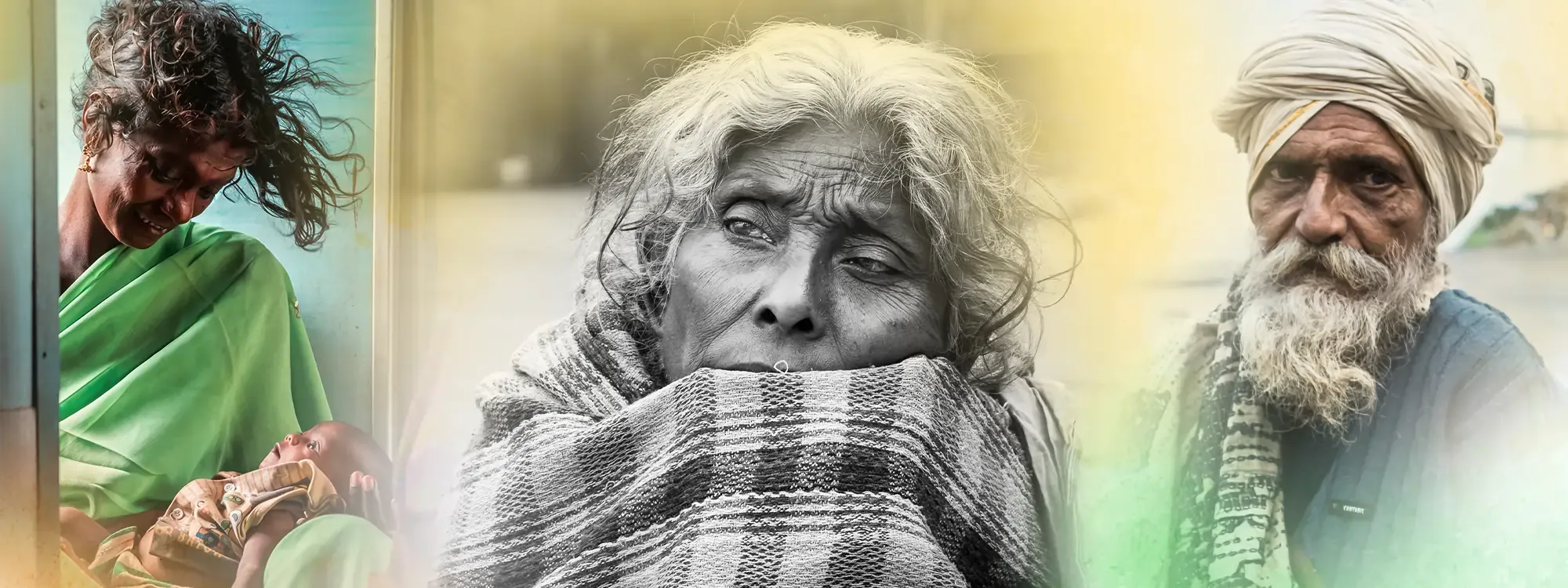
Child Education

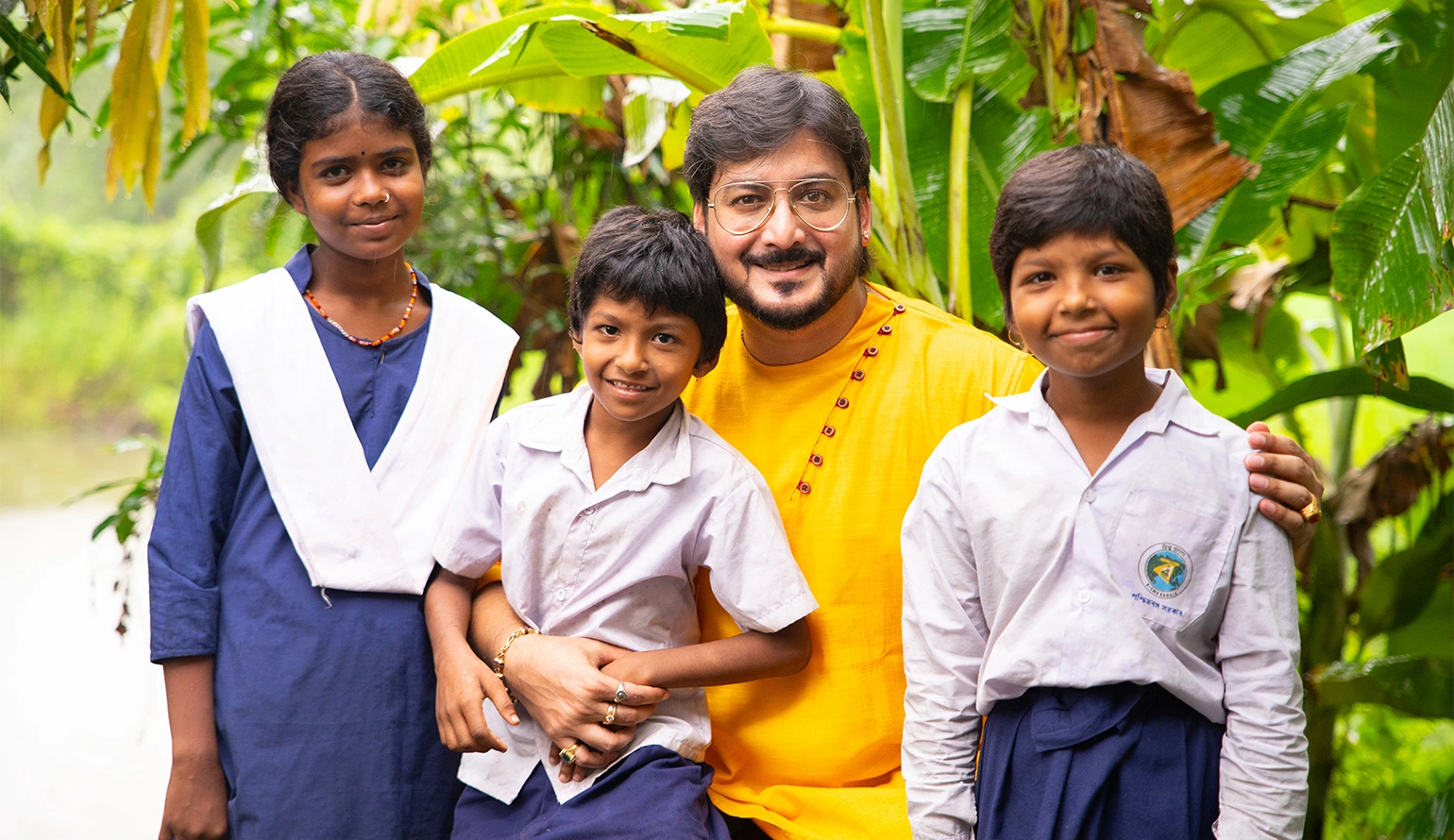
Child Education Crisis in India: Facts, Causes and Solutions
India has one of the largest education systems in the world, yet millions of children still struggle to access quality learning. This profound analysis explores the child education crisis in India, its root causes, shocking statistics, and how organizations like the Nabatara Foundation are helping vulnerable children reclaim their right to education.
Introduction: A Nation of Dreams Facing a Silent Education Emergency
India is often described as a land of opportunities, innovation, and rising global influence. The country proudly hosts one of the largest youth populations in the world. Yet behind the narrative of growth and progress lies a deeply troubling reality that rarely makes it to the center of public conversations. Millions of children across the country are still struggling to access basic education, and many of them never enter a classroom at all.
The child education crisis in India is not simply about school buildings or textbooks. It is about lost potential, forgotten communities, and children who are forced to abandon their dreams before they even begin to understand them. For a nation that aspires to become a global knowledge leader, the reality that so many young minds remain disconnected from learning is both heartbreaking and alarming.
Across villages, urban slums, and marginalized communities, countless children grow up without the opportunity to study in a stable environment. Poverty, migration, lack of infrastructure, gender discrimination, and social inequality continue to push children away from the education system. Even when schools exist, many struggle with teacher shortages, poor facilities, or learning gaps that leave students behind.
Recent government data reveals that hundreds of thousands of children remain outside the school system each year. In the academic year 2025–26 alone, nearly 8.5 lakh children were recorded as out of school, with a large portion being girls. These numbers represent more than statistics. They represent real lives whose futures are quietly slipping away.
At the same time, studies indicate that millions of children have dropped out of the education system over the past five years due to economic pressure, family migration, or domestic responsibilities.
This is where the role of social organizations becomes crucial. Institutions like Nabatara Foundation "Save The Soul," founded by Gaurav Tribedi, are stepping forward to address these gaps by supporting underprivileged children and promoting access to education in vulnerable communities.
Education is not merely a pathway to employment. It is the foundation upon which dignity, confidence, and opportunity are built. When a child gains access to quality education, it changes not only their life but also the trajectory of entire families and communities.
Understanding the depth of the child education crisis in India is the first step toward solving it.
The Scale of the Child Education Crisis in India
India's education system serves hundreds of millions of students, making it one of the largest in the world. While this massive scale reflects the country's demographic strength, it also reveals the enormous challenges involved in ensuring equal access to education for every child.
Enrollment numbers have improved significantly over the past two decades, especially after the implementation of the Right to Education Act. Today, more than 260 million children are enrolled in schools across the country, which appears to be an encouraging figure on the surface. However, deeper analysis reveals a troubling reality.
Many children who enter school struggle to remain there until completion. Learning gaps, economic hardship, and social barriers continue to push students out of classrooms long before they complete their education.
Studies suggest that over 70 percent of students perform at basic or below-basic learning levels, indicating that access to schools does not necessarily guarantee meaningful education.
This means that millions of children are technically enrolled but are not receiving the quality learning they need to build a better future.
The crisis becomes even more severe when we examine dropout rates. Data indicates that millions of children between the ages of 6 and 17 have left the education system over the past few years due to financial pressures and social challenges.
Children from economically weaker families often face difficult choices. Many are forced to contribute to family income through informal labor, agricultural work, or household responsibilities. Education becomes a luxury they simply cannot afford.
In rural areas, the situation becomes even more complicated. Limited transportation, inadequate school infrastructure, and teacher shortages create barriers that discourage consistent attendance.
India's literacy rate has improved steadily over the years, reaching around 80.9 percent nationally, but the gap between urban and rural areas remains significant. Rural regions continue to struggle with lower literacy levels, particularly among girls.
For millions of children growing up in remote villages, education still feels like a distant dream.
The Hidden Learning Crisis Inside Classrooms
Even for children who attend school regularly, the quality of education remains a major concern.
One of the most alarming aspects of India's education challenge is what experts call the learning crisis. †Many students move from one grade to the next without mastering basic reading, writing, or mathematical skills.
Research indicates that one out of four children leaves Grade 8 without adequate reading abilities, highlighting serious gaps in foundational learning.
These learning gaps accumulate over time. By the time students reach higher classes, many struggle to keep up with the curriculum. This often leads to frustration, declining confidence, and eventual dropout.
Several factors contribute to this problem.
Teacher shortages remain a major challenge across many states. India currently faces over one million teacher vacancies, particularly in rural schools where the demand for qualified educators is highest.
In many villages, a single teacher may be responsible for teaching multiple grades simultaneously. This makes it extremely difficult to deliver personalized attention or maintain consistent learning standards.
Infrastructure issues also play a role. Some schools lack basic facilities such as libraries, laboratories, or reliable internet connectivity. These limitations restrict students' exposure to modern learning resources and digital education tools.
The digital divide has become especially visible in recent years. While smartphone ownership has increased in rural areas, many schools still lack adequate digital infrastructure for effective learning.
This gap became painfully clear during the COVID-19 pandemic when millions of children were unable to access online classes due to limited internet connectivity or the absence of digital devices.
The result was a massive learning loss that continues to affect students today.
Organizations such as Nabatara Foundation "Save The Soul" recognize that solving the education crisis requires more than just enrolling children in school. It requires addressing the deeper issues that prevent meaningful learning and long-term academic success.
Through initiatives that support vulnerable communities, NGOs like Nabatara Foundation aim to bridge the gap between access and opportunity.
Poverty: The Biggest Barrier to Education in India
To truly understand the child education crisis in India, one must examine the powerful role that poverty plays in shaping educational outcomes.
For families struggling to meet daily survival needs, education often becomes secondary to immediate financial responsibilities.
Children from low-income households frequently face situations where they must choose between attending school and supporting their families through work. In many rural areas, children assist with farming, livestock care, or small family businesses.
Urban slums present a different but equally challenging reality. Here, children may work in small shops, factories, or informal labor sectors to help supplement household income.
Economic hardship also influences school attendance in less obvious ways. Even when education is officially free, hidden costs such as transportation, uniforms, books, and examination fees can place a heavy burden on families living below the poverty line.
For parents struggling to feed their families, these expenses can make schooling feel impossible.
Girls are often the first to be withdrawn from school when financial pressures arise. In many communities, families prioritize the education of boys while expecting girls to assist with household duties or care for younger siblings.
This cycle of poverty and educational exclusion can persist across generations.
Breaking this cycle requires targeted interventions, community awareness, and long-term support systems.
This is precisely where organizations like Nabatara Foundation are making a difference.
By supporting education initiatives, assisting underprivileged families, and raising awareness about the importance of learning, Nabatara Foundation helps ensure that vulnerable children are not forced to abandon their dreams.
Education remains the most powerful tool for social transformation. When a child from a marginalized background gains access to quality education, it has the potential to lift entire families out of poverty.
The child education crisis in India may be vast, but with collective action and sustained commitment, it is not impossible to overcome.
Rural India and the Education Divide: Why Millions of Children Are Still Left Behind
The Rural Education Crisis That Rarely Makes Headlines
While India's urban centers often showcase modern schools, advanced technology, and access to global learning opportunities, the reality in many rural parts of the country is dramatically different. The child education crisis in India becomes far more visible once we move beyond cities and look at the everyday struggles of children living in villages and remote districts.
Rural India is home to a significant portion of the nation's population. For millions of children growing up in these regions, education remains a fragile opportunity rather than a guaranteed right. Many villages still lack adequate school infrastructure, trained teachers, and transportation facilities that make regular attendance possible.
In some areas, children must walk several kilometers just to reach the nearest school. During extreme weather conditions such as monsoons or scorching summer heat, these journeys become exhausting and sometimes dangerous. For younger children especially, these long distances often discourage consistent attendance.
The rural education system also faces challenges related to school infrastructure. Many institutions struggle with overcrowded classrooms, limited teaching materials, and outdated facilities. Even basic amenities such as clean drinking water, functional toilets, or electricity are not always available in rural schools.
When these conditions persist year after year, education slowly loses its priority in the minds of families struggling to survive economically.
Parents who depend on daily wage labor or agricultural income often need their children to assist with household work or farming activities. In such situations, school attendance becomes irregular, and children gradually fall behind academically.
Organizations such as Nabatara Foundation "Save The Soul" recognize the importance of reaching these communities where educational support is most urgently needed. By working directly with underprivileged families and vulnerable communities, Nabatara Foundation aims to encourage consistent schooling and provide assistance that allows children to continue their studies.
The rural education divide is not simply a logistical challenge. It is a complex issue deeply tied to poverty, infrastructure limitations, and long-standing social inequalities.
Gender Inequality in Education: The Silent Barrier Facing Millions of Girls
One of the most painful dimensions of the child education crisis in India is the persistent gender gap that affects millions of girls across the country.
While progress has been made in improving enrollment rates for girls, many still struggle to complete their education due to social pressures and economic constraints. In numerous communities, the education of boys is often prioritized while girls are expected to assist with domestic responsibilities.
Young girls frequently take on tasks such as caring for siblings, helping with household chores, or working in family businesses. These responsibilities gradually reduce the time and energy they can devote to school.
In some cases, girls are withdrawn from school altogether when families face financial hardship. Parents may believe that investing in a daughter's education offers limited long-term benefits, especially in communities where early marriage remains common.
Another significant barrier is the lack of proper sanitation facilities in schools. The absence of separate toilets for girls can create discomfort and embarrassment, particularly for adolescent students. As a result, many girls begin skipping school during puberty and eventually drop out.
Transportation challenges also affect girls disproportionately. Families often hesitate to send daughters to schools located far from home due to concerns about safety.
These challenges contribute to a situation where girls in certain rural districts are far more likely to drop out of school than boys.
Yet when girls receive education, the impact is transformative. Educated women are more likely to participate in the workforce, contribute to family income, and ensure that their own children receive proper schooling.
Recognizing this powerful ripple effect, the Nabatara Foundation places significant emphasis on initiatives that support women's empowerment and education for vulnerable children. By encouraging education for both boys and girls, the foundation works toward building communities where opportunities are not determined by gender.
Addressing gender inequality in education is essential if India hopes to fully unlock the potential of its young population.
The Burden of Child Labor and Its Impact on Education
Another deeply rooted challenge within the child education crisis in India is the persistence of child labor in various forms across different regions.
Although laws exist to protect children from exploitation, economic hardship continues to push many families into situations where children are required to contribute financially. These children often find themselves working in fields, factories, small shops, construction sites, or domestic environments.
For a child, the responsibility of earning money at a young age can drastically alter the course of life. Long working hours leave little time or energy for studying. Even when children remain technically enrolled in school, their attendance becomes irregular and their academic performance suffers.
In rural areas, seasonal agricultural work often requires children to assist their families during harvest periods. During these months, many students temporarily leave school and struggle to catch up when they return.
Urban environments present their own challenges. In crowded slums and economically marginalized neighborhoods, children sometimes become involved in informal labor markets. Small workshops, street vending, and waste collection are just a few of the occupations where underage workers can still be found.
Once children begin earning money, even small amounts, families may become dependent on that income. This dependency can make it extremely difficult for the child to return to school full-time.
The long-term consequences are severe. Without education, these children face limited employment opportunities in adulthood, often remaining trapped in cycles of poverty.
Breaking this cycle requires strong community support systems and educational initiatives that reach children who are most vulnerable to dropping out.
This is where organizations like Nabatara Foundation "Save The Soul" play an important role. By working closely with disadvantaged communities and raising awareness about the importance of education, the foundation helps families understand that schooling offers long-term stability and opportunity.
Every child rescued from the path of labor and brought back into education represents a life redirected toward a brighter future.
Social Barriers That Prevent Children From Staying in School
Education challenges in India are not always caused by economic hardship alone. Social and cultural factors also play a powerful role in shaping whether children remain in school.
In certain communities, long-standing traditions influence attitudes toward education. Some families believe that formal schooling is unnecessary for certain occupations or lifestyles. Others may view education as valuable only until a child reaches basic literacy.
Migration is another major contributor to educational disruption. Families that move frequently for seasonal employment often struggle to keep their children enrolled in school. Each relocation can interrupt learning, forcing children to adjust to new curricula or drop out entirely.
Language barriers can also affect children belonging to tribal or indigenous communities. When the language used in classrooms differs from the language spoken at home, students may find it difficult to understand lessons or participate confidently.
These experiences can gradually erode a child's motivation to attend school.
Children from marginalized social groups may also encounter discrimination or exclusion within educational environments. Even subtle forms of bias can create feelings of isolation that discourage students from continuing their studies.
Addressing these challenges requires more than policy changes. It requires compassion, awareness, and active community engagement.
Organizations such as Nabatara Foundation work toward building inclusive environments where children from all backgrounds feel valued and supported. Through initiatives that promote dignity, empowerment, and education, the foundation contributes to creating a society where every child is encouraged to learn and grow.
Why Community Support Is Essential for Solving the Education Crisis
The child education crisis in India cannot be solved by government initiatives alone. While national policies and funding programs are essential, real change often begins at the community level.
Parents, teachers, volunteers, and social organizations all play vital roles in ensuring that children remain connected to education.
Community awareness programs can help families understand the long-term benefits of schooling. When parents recognize how education can transform their children's futures, they are far more likely to prioritize regular attendance.
Local support networks also help identify children who are at risk of dropping out. Early intervention can prevent small challenges from becoming permanent barriers to education.
Non-profit organizations often act as bridges between communities and educational opportunities. By providing resources, mentorship, and awareness campaigns, NGOs help ensure that children do not fall through the cracks of the system.
Nabatara Foundation "Save The Soul" exemplifies this mission by working with vulnerable communities to promote dignity, self-reliance, and educational support. Through its broader humanitarian initiatives, the foundation creates an environment where children can access the opportunities they deserve.
When communities unite around the idea that education is a fundamental right, meaningful change becomes possible.
The child education crisis in India may be complex, but it is not impossible to overcome. With sustained efforts, collaborative partnerships, and compassionate initiatives like those led by Nabatara Foundation, millions of children can move closer to a future defined by knowledge, confidence, and hope.
Inside India's Classrooms: Infrastructure Gaps, Teacher Shortages, and the Growing Digital Divide
The Infrastructure Crisis Holding Back Millions of Students
When people think about education challenges in India, they often imagine children who cannot attend school at all. However, a large part of the child education crisis in India exists inside the schools themselves. Many students do attend classrooms, but the learning environment they encounter is far from ideal.
Across numerous rural and economically disadvantaged areas, school infrastructure remains a serious concern. Buildings may be old or poorly maintained, classrooms overcrowded, and essential learning facilities either limited or completely absent.
In many schools, children study in rooms that were never designed to accommodate large numbers of students. A classroom meant for thirty students may sometimes hold twice that number. In such conditions, teachers struggle to provide personalized attention, and students often hesitate to ask questions or participate in discussions.
Libraries, laboratories, and creative learning spaces are still missing from a significant number of schools. These resources play an important role in encouraging curiosity and deeper understanding, yet many children never have access to them during their entire school journey.
Even basic facilities that should be standard in every educational institution remain unavailable in some areas. Clean drinking water, functional toilets, electricity, and safe classroom furniture are still lacking in parts of rural India. When these fundamental needs are not met, the overall learning experience becomes uncomfortable and discouraging.
The absence of proper sanitation facilities affects attendance patterns, especially among adolescent girls. Many young students prefer to stay home rather than spend an entire day in an environment that does not offer basic comfort or privacy.
The child education crisis in India is therefore not simply about enrollment numbers. It is about creating learning spaces where children feel safe, supported, and motivated to grow intellectually.
Organizations such as Nabatara Foundation "Save The Soul" recognize that improving educational outcomes requires attention to these underlying conditions. Supporting infrastructure improvements, distributing learning materials, and raising awareness about the importance of education are crucial steps toward ensuring that children remain engaged in their academic journeys.
Education thrives in environments that nurture curiosity and confidence. Without proper infrastructure, that environment becomes difficult to sustain.
The Severe Shortage of Qualified Teachers
Another major challenge affecting India's education system is the shortage of trained teachers in many parts of the country. While cities may have access to experienced educators and specialized subject teachers, rural regions often struggle to recruit and retain qualified staff.
In some schools, a single teacher is responsible for teaching multiple subjects across several grade levels. This situation places enormous pressure on educators and limits the depth of instruction students receive.
For younger children, the presence of skilled teachers is particularly important. Early education forms the foundation upon which all future learning is built. When students do not receive strong guidance in basic literacy and numeracy during their early years, they carry those learning gaps throughout their academic lives.
Teacher absenteeism has also been a challenge in certain areas. Long travel distances, lack of housing near schools, and administrative responsibilities can reduce the time teachers spend interacting with students in classrooms.
Even when teachers are present and dedicated, they may not always receive sufficient training or professional development opportunities. Modern education requires innovative teaching methods, digital literacy, and the ability to engage students through interactive learning experiences.
Without access to continuous training programs, teachers may struggle to adapt to evolving educational standards.
The impact of teacher shortages becomes visible in student performance. When children cannot receive regular guidance, their confidence in learning decreases. Over time, this frustration may lead to reduced attendance or eventual dropout.
Solving the teacher shortage crisis requires long-term planning, policy support, and community engagement. Encouraging talented individuals to pursue careers in education and providing them with supportive working environments is essential.
Non-profit organizations and community-driven initiatives can also help bridge some of these gaps by providing mentorship programs, tutoring support, and educational resources.
Nabatara Foundation, through its commitment to uplifting underprivileged communities, understands that education cannot flourish without strong teaching support. By advocating for educational awareness and supporting vulnerable students, the foundation contributes to strengthening the broader ecosystem that allows children to succeed academically.
Teachers remain one of the most powerful influences in a child's life. Investing in their training and well-being ultimately strengthens the future of an entire nation.
The Learning Gap That Continues to Widen
While access to education has improved over the years, another serious challenge has emerged within India's classrooms: the widening gap between grade level and learning level.
Many students advance through grades without fully understanding the concepts they are expected to master. This phenomenon creates a situation where older students struggle with skills that should have been developed during their early schooling years.
For example, children in higher primary classes may still struggle with basic reading comprehension or simple mathematical calculations. When lessons become more complex in later grades, these students find it increasingly difficult to keep up.
This learning gap often leads to frustration and loss of confidence. Students who feel unable to understand their lessons may begin to disengage from classroom activities. Over time, this emotional distance from education can become one of the main reasons children eventually drop out.
The issue is not limited to rural areas alone. Even in urban schools, disparities in teaching quality and resource availability can contribute to inconsistent learning outcomes.
Another factor influencing the learning gap is the heavy emphasis on rote memorization in some parts of the education system. When students are encouraged to memorize answers rather than understand concepts, they may perform well in examinations but struggle to apply knowledge in real-world situations.
Educational experts increasingly emphasize the importance of experiential learning, critical thinking, and problem-solving skills. These approaches help students develop deeper understanding and prepare them for future challenges.
Bridging the learning gap requires coordinated efforts from educators, policymakers, and social organizations.
By promoting awareness about education and supporting vulnerable communities, Nabatara Foundation "Save The Soul" plays a meaningful role in ensuring that children not only attend school but also benefit from meaningful learning experiences.
Every child deserves the opportunity to develop knowledge, creativity, and confidence through education.
The Digital Divide and Its Impact on Education
In today's interconnected world, digital technology has become an essential component of modern education. Online learning platforms, digital classrooms, and educational applications offer students new ways to access knowledge and develop skills.
However, the rapid growth of digital learning has also exposed one of the most significant inequalities within India's education system: the digital divide.
While students in urban schools often have access to computers, tablets, and high-speed internet, many children in rural or economically disadvantaged areas remain disconnected from these resources.
For families struggling with financial challenges, purchasing smartphones or maintaining internet connections can be difficult. In households with multiple children, a single device may need to be shared among several students, limiting the time each child can spend studying online.
The consequences of this divide became especially visible during the COVID-19 pandemic, when schools across the country shifted to online learning. Millions of students who lacked access to digital tools were suddenly excluded from the education system for extended periods.
This interruption caused significant learning loss, particularly among younger children who rely heavily on interactive classroom environments.
Even today, digital access remains uneven. While urban students explore coding programs, virtual laboratories, and global learning platforms, many rural students continue to rely solely on traditional classroom instruction.
Closing this digital gap is essential for ensuring equal opportunities in education.
Community initiatives that provide digital learning resources, establish community study centers, or distribute educational materials can help reduce these disparities.
Organizations such as Nabatara Foundation are increasingly recognizing the importance of integrating modern educational tools into their broader mission of supporting underprivileged communities.
By advocating for educational access and encouraging social responsibility, Nabatara Foundation contributes to creating pathways where technology can become a bridge rather than a barrier.
The digital future of education must be inclusive if it is to truly empower the next generation.
Why Solving These Challenges Requires Collective Action
The infrastructure gaps, teacher shortages, learning disparities, and digital divide discussed in this section all highlight one important reality: the child education crisis in India is deeply interconnected.
No single solution can address every challenge. Progress requires collaboration between government institutions, educators, communities, and social organizations.
When communities actively support education, children feel encouraged to stay in school. When teachers receive training and resources, learning becomes more engaging and effective. When infrastructure improves, schools transform into environments where curiosity and creativity can flourish.
Organizations like Nabatara Foundation "Save The Soul" play an essential role in this collaborative effort. Through their dedication to uplifting underprivileged communities, they help ensure that education remains a priority for families facing economic hardship.
By supporting initiatives related to children, women's empowerment, and social welfare, Nabatara Foundation contributes to building a future where education becomes accessible and meaningful for everyone.
The challenges are significant, but the possibilities are even greater.
Every classroom improved, every teacher supported, and every child encouraged to continue learning brings India closer to a future where education truly becomes the foundation of national progress.
Government Efforts, Policy Gaps, and the Pandemic's Long Shadow on Child Education in India
Government Initiatives Aimed at Expanding Education Access
Over the past few decades, India has taken several significant steps to strengthen its education system and expand access for children across the country. Policymakers have recognized that education is not merely a social service but the foundation of long-term national development. As a result, numerous programs and legislative reforms have been introduced to improve enrollment rates, reduce dropout numbers, and enhance the overall quality of schooling.
One of the most transformative milestones in the country's education journey was the introduction of the Right to Education Act, which made elementary education a fundamental right for children between the ages of six and fourteen. This legislation required schools to ensure free and compulsory education while also emphasizing inclusive access for children from economically disadvantaged backgrounds.
The policy significantly improved school enrollment across India. Millions of children who previously had limited access to formal education were able to enter classrooms for the first time. New schools were built, teacher recruitment increased, and awareness about the importance of education grew in many communities.
Another widely recognized initiative is the midday meal program, which provides nutritious meals to students during the school day. This initiative serves two essential purposes. It helps combat child malnutrition while also encouraging families to send their children to school regularly.
For children from economically vulnerable households, the assurance of a daily meal can make a meaningful difference in school attendance. Over the years, the program has contributed to improved enrollment and retention rates in many regions.
India has also launched the Samagra Shiksha Abhiyan, an integrated education program designed to support school infrastructure, teacher training, digital learning, and inclusive education initiatives. The program aims to strengthen every stage of schooling, from early childhood education to secondary education.
These efforts demonstrate the government's commitment to addressing the child education crisis in India. However, despite these initiatives, many challenges remain unresolved. Implementation gaps, regional disparities, and resource limitations often prevent policies from reaching the communities that need them most.
This is where partnerships with non-profit organizations become increasingly valuable. Foundations such as Nabatara Foundation "Save The Soul" work at the grassroots level to complement national efforts by directly supporting vulnerable communities and raising awareness about education.
Government policies can create frameworks for progress, but real transformation often happens when community organizations help bridge the gap between policy and people.
Why Policy Implementation Remains a Challenge
While India has introduced several progressive education policies, the success of these initiatives depends heavily on effective implementation. Unfortunately, implementation remains one of the most complex challenges within the education system.
Policies created at the national level must travel through multiple layers of administration before reaching individual schools and communities. During this process, logistical challenges, resource limitations, and bureaucratic delays can slow progress.
For example, funds allocated for infrastructure development may take time to reach remote districts. Teacher recruitment initiatives may face delays due to administrative procedures or shortages of qualified applicants willing to work in rural areas.
Regional inequalities further complicate the situation. States with stronger economic resources often manage education programs more effectively, while economically weaker regions may struggle to maintain consistent standards.
Another issue is the lack of localized strategies. India is a diverse country with unique cultural, linguistic, and economic conditions across different states. Policies designed at the national level sometimes fail to fully address these local realities.
Community engagement also plays a crucial role in policy success. When families understand the importance of education and actively support school attendance, programs tend to achieve better outcomes.
However, awareness levels vary significantly across communities. Some families may still view formal education as secondary to traditional livelihoods or domestic responsibilities.
This is why organizations such as Nabatara Foundation are essential partners in the mission to strengthen education. By working directly with communities, raising awareness, and supporting vulnerable families, the foundation helps ensure that education policies translate into real opportunities for children.
Education reform is not simply about policy creation. It is about sustained collaboration between government bodies, educators, community leaders, and social organizations.
The Impact of the COVID-19 Pandemic on Education
No discussion about the child education crisis in India would be complete without acknowledging the profound impact of the COVID-19 pandemic. The global health emergency disrupted education systems worldwide, but its consequences were particularly severe for children in developing countries.
When schools closed during the pandemic, millions of students suddenly lost access to their primary learning environments. While many private and urban schools quickly shifted to online learning, large numbers of students in rural and low-income communities were unable to participate in digital classes.
The lack of reliable internet connectivity and digital devices created a massive barrier to continued learning. In households where smartphones were available, they were often shared among multiple family members, making consistent participation in online classes nearly impossible.
As months passed without regular schooling, many children experienced significant learning loss. Younger students who were still developing basic literacy and numeracy skills were especially affected.
For children already at risk of dropping out, the pandemic created additional pressures. Economic hardships forced many families to prioritize survival over education. Some children began working to support household income, while others became responsible for domestic tasks when parents were away.
When schools finally reopened, educators discovered that many students had fallen far behind academically. Some children had forgotten previously learned skills, while others struggled to read or write at their expected grade levels.
The pandemic also had psychological effects on students. Isolation, uncertainty, and disrupted routines affected motivation and confidence in learning.
Organizations like Nabatara Foundation "Save The Soul" recognized the urgent need to support vulnerable communities during this challenging period. Through community outreach, awareness initiatives, and humanitarian assistance, the foundation continued to promote the importance of education even during difficult times.
The pandemic served as a reminder that education systems must be resilient and adaptable. Future strategies must ensure that learning can continue even during unexpected disruptions.
Learning Recovery and the Path Forward
As schools across India resumed normal operations, educators and policymakers began focusing on learning recovery. The goal is not only to bring children back into classrooms but also to help them regain lost academic ground.
Many schools are introducing bridge courses and remedial learning programs to help students strengthen foundational skills before progressing to more advanced topics. These programs focus on reading comprehension, basic mathematics, and critical thinking abilities.
Teachers are also experimenting with more interactive and student-centered learning approaches. Activities such as group discussions, storytelling, and experiential learning exercises help rebuild students' confidence and enthusiasm for education.
Technology is playing an increasingly important role in recovery efforts. Educational platforms, digital classrooms, and online resources can supplement traditional teaching methods and provide students with additional learning opportunities.
However, ensuring equal access to these tools remains a priority. Bridging the digital divide is essential if technology is to benefit all students rather than deepen existing inequalities.
Community involvement continues to be a critical factor in learning recovery. Parents, volunteers, and local organizations can help monitor school attendance, encourage study habits, and support children who may be struggling academically.
Nabatara Foundation remains committed to uplifting underprivileged communities through initiatives that promote education, empowerment, and social well-being. By supporting vulnerable children and raising awareness about the importance of learning, the foundation contributes to the broader effort of rebuilding educational progress after the pandemic.
The road to recovery may take time, but every step toward stronger educational support brings India closer to a future where no child is left behind.
Why the Future of Education Requires Collective Responsibility
The child education crisis in India is a challenge that touches every aspect of society. Governments can design policies, schools can deliver instruction, and communities can encourage participation, but lasting change requires a shared commitment from all sectors.
Education must be viewed not only as a government responsibility but also as a collective mission. Businesses, philanthropists, educators, and social organizations all have a role to play in ensuring that children receive the opportunities they deserve.
Non-profit organizations often act as catalysts for change by reaching communities that may otherwise remain disconnected from formal systems. They provide awareness, resources, and compassionate support that help families recognize the value of education.
Nabatara Foundation"Save The Soul, founded by Gaurav Tribedi, stands as an example of how dedicated initiatives can make meaningful contributions to social progress. By supporting underprivileged communities and advocating for dignity, empowerment, and education, the foundation helps ensure that vulnerable children are not forgotten.
When society works together to prioritize education, the results extend far beyond classrooms. Educated individuals contribute to economic growth, social stability, and innovation. They become leaders, thinkers, and problem solvers who shape the future of their communities.
The journey toward solving the child education crisis in India is ongoing, but with collaboration, compassion, and sustained commitment, it is a challenge that can be overcome.
Creating Hope Through Education: How Nabatara Foundation Is Helping Shape a Better Future
When Compassion Meets Action
Across India, the child education crisis continues to affect millions of young lives. Behind every statistic lies a real story"a child who wants to learn but lacks the opportunity, a family struggling to keep their child in school, or a community searching for pathways toward a better future.
In situations like these, meaningful change often begins with individuals and organizations willing to take action where support is needed most. Social initiatives that prioritize dignity, empowerment, and access to education can transform lives in ways that extend far beyond classrooms.
This is where Nabatara Foundation "Save The Soul" has been working tirelessly to make a difference. Established under Section 8 of the Companies Act, 2013, the organization was founded with a mission to uplift underprivileged communities and create opportunities for those who need them most.
Guided by the vision of founder Gaurav Tribedi, the foundation has dedicated itself to building a compassionate ecosystem where vulnerable individuals can find support, encouragement, and hope.
Education remains at the heart of this mission. When children gain access to learning, they gain the power to change their own futures. They develop the skills, knowledge, and confidence required to break cycles of poverty and contribute positively to society.
Through its various initiatives, Nabatara Foundation works to ensure that education becomes a reality rather than a distant dream for many underprivileged children.
Supporting Children Who Need Education the Most
In many communities across India, children face circumstances that make regular schooling extremely difficult. Poverty, social inequality, family responsibilities, and lack of educational resources often stand in the way of consistent learning.
Organizations working at the grassroots level understand these challenges intimately because they interact directly with the families affected by them.
The approach adopted by Nabatara Foundation "Save The Soul" focuses on identifying vulnerable communities and supporting them through compassionate outreach programs. By engaging with families, raising awareness about the importance of education, and offering assistance where possible, the foundation helps ensure that children are encouraged to stay connected to their academic journeys.
Education support may come in many forms. Sometimes it involves providing basic learning materials such as books, stationery, or school supplies. In other situations, the focus may be on mentorship, awareness programs, or community engagement that highlights the long-term value of education.
For children living in marginalized environments, even small forms of support can have a profound impact. When a child receives encouragement from caring adults and supportive organizations, their confidence in pursuing education grows significantly.
The work carried out by Nabatara Foundation reflects a deep belief that every child deserves the opportunity to learn, grow, and explore their potential.
Empowering Communities Through Awareness and Education
Education does not exist in isolation. The success of a child's academic journey is closely connected to the environment in which they grow up. Families, communities, and social networks all influence whether children are able to attend school consistently and remain motivated to learn.
Recognizing this interconnected reality, the Nabatara Foundation places strong emphasis on community engagement and awareness. Encouraging families to value education is a critical step toward solving the broader child education crisis in India.
In many underprivileged areas, parents may not have had the opportunity to complete their own schooling. As a result, they may not fully understand the long-term benefits that education can bring to their children's lives.
Through dialogue, outreach, and community interaction, social organizations can help families see education not merely as a classroom activity but as a pathway toward economic stability and personal growth.
When communities collectively recognize the importance of education, children receive stronger support systems. Attendance improves, learning environments become more encouraging, and young students begin to imagine brighter futures for themselves.
The mission of Nabatara Foundation "Save The Soul" aligns closely with this philosophy. By fostering awareness, compassion, and collaboration within communities, the foundation helps create conditions where education can flourish.
Education as the Foundation of Social Transformation
Throughout history, education has been one of the most powerful forces for social transformation. Societies that invest in learning tend to experience stronger economic growth, healthier populations, and greater social stability.
For individuals, education offers far more than academic knowledge. It cultivates critical thinking, creativity, and problem-solving skills that enable people to navigate an increasingly complex world.
When children receive quality education, they gain the ability to pursue careers, contribute to innovation, and participate actively in democratic societies. Educated individuals are also more likely to advocate for equality, environmental sustainability, and community development.
The ripple effect of education extends across generations. Parents who have benefited from schooling are more likely to ensure that their own children receive proper education as well.
By promoting access to education, organizations like Nabatara Foundation contribute not only to individual success stories but also to broader societal progress.
Supporting a single child's education may seem like a small action, yet its impact can echo across decades.
The Role of Global Awareness and Collaboration
In today's interconnected world, education challenges are no longer confined to national boundaries. Global collaboration has become an essential component of addressing social issues such as poverty, inequality, and educational access.
Scholars, students, volunteers, and philanthropic organizations from different parts of the world are increasingly recognizing the importance of supporting education initiatives in developing regions.
International partnerships bring valuable resources, expertise, and perspectives that can strengthen local education programs. Collaborative research projects, volunteer opportunities, and awareness campaigns help amplify the voices of communities that might otherwise remain unheard.
The work carried out by Nabatara Foundation "Save The Soul" holds significant potential to inspire global engagement. By sharing stories of community empowerment and educational progress, the foundation can attract students, researchers, and supporters who wish to contribute to meaningful social change.
Education is a universal aspiration. Regardless of geography or culture, the desire to learn and grow connects people across the world.
When global communities unite around the goal of ensuring education for every child, the possibilities for progress become truly extraordinary.
How Individuals Can Contribute to Solving the Education Crisis
Addressing the child education crisis in India requires collective effort from people across different sectors of society. While governments and institutions play important roles, individual actions can also make a meaningful difference.
Supporting education initiatives, volunteering with community organizations, spreading awareness, or contributing resources are all ways individuals can help strengthen educational opportunities for children in need.
Students and scholars can participate by engaging in research, community projects, or awareness campaigns that highlight education challenges and solutions. Educators can contribute by sharing knowledge, mentoring young learners, or supporting educational programs.
Businesses and philanthropic institutions can assist by funding scholarships, building school infrastructure, or supporting digital learning initiatives.
For those who wish to make a direct impact, organizations like Nabatara Foundation "Save The Soul" provide a pathway to contribute meaningfully toward community development and educational empowerment.
Every action, no matter how small it may seem, brings society one step closer to ensuring that every child has access to quality education.
Looking Toward the Future of Education in India
India stands at a pivotal moment in its educational journey. The country possesses immense human potential, with millions of young minds capable of shaping the future through innovation, creativity, and leadership.
Yet unlocking this potential requires sustained commitment to addressing the challenges that continue to affect the education system.
Improving infrastructure, strengthening teacher training, bridging digital divides, and encouraging community participation are all essential components of long-term progress.
Equally important is the role played by compassionate organizations that work tirelessly to uplift marginalized communities.
Nabatara Foundation, through its dedication to social welfare, women's empowerment, rural development, and educational support, represents the kind of initiative that helps bring real change to people's lives.
By nurturing compassion, dignity, and opportunity, the foundation contributes to building a society where education is accessible to all.
Conclusion: A Shared Responsibility to Protect Every Child's Right to Learn
The child education crisis in India is a complex challenge shaped by economic hardship, social inequality, infrastructure gaps, and evolving global realities. Yet it is also a challenge filled with possibilities for transformation.
Across villages, cities, and communities, countless individuals are working to ensure that education reaches those who need it most. Teachers, parents, volunteers, policymakers, and social organizations all play roles in this collective effort.
Among these efforts, the work of the Nabatara Foundation "Save The Soul" stands as a powerful reminder that compassion and dedication can create meaningful change.
When communities unite around the belief that every child deserves the opportunity to learn, the path toward progress becomes clearer.
Education is not merely a privilege for the fortunate few. It is a fundamental right and a cornerstone of a just and inclusive society.
By supporting education, nurturing young minds, and empowering vulnerable communities, we take meaningful steps toward a future where every child in India can dream freely, learn confidently, and build a life filled with possibility.
About Nabatara Foundation"A Trusted Voice for Social Change
The insights shared in this article are closely aligned with the mission and real-world work carried out by Nabatara Foundation"Save The Soul, a registered non-profit organization dedicated to supporting underprivileged communities across India. Established under Section 8 of the Companies Act, 2013, of the Government of India, the foundation operates with the vision of creating a compassionate and inclusive society where every individual has the opportunity to live with dignity and purpose.
Founded by Gaurav Tribedi, Nabatara Foundation focuses on addressing some of the most pressing social challenges faced by vulnerable populations. The organization actively works in areas such as child welfare, women's empowerment, rural development, support for orphanages, assistance for the visually impaired, and care for elderly residents in old age homes.
Education remains one of the central pillars of the foundation's work. Over the years, the team behind Nabatara Foundation has engaged directly with communities where children often face significant barriers to education due to poverty, lack of resources, or social inequality. Through outreach programs, awareness initiatives, and support for vulnerable families, the organization strives to ensure that children are encouraged to continue their education and pursue brighter futures.
The experiences gained through these community interactions provide valuable insights into the realities discussed in this article. The challenges surrounding the child education crisis in India are not just theoretical issues but everyday situations that many families continue to face. By working closely with marginalized communities, Nabatara Foundation contributes to meaningful conversations around education access and social development.
As a legally registered non-profit entity with CIN: U85300WB2021NPL245364 and Section 8 License Number: 125686, the organization maintains transparency, accountability, and a strong commitment to ethical social work. Its initiatives are designed to promote self-reliance, compassion, and long-term community empowerment.
Through collaboration with volunteers, supporters, and socially conscious individuals, Nabatara Foundation continues to expand its efforts to uplift those who need help the most. By sharing knowledge, raising awareness, and encouraging public participation, the organization hopes to inspire collective action toward building a society where education and opportunity are accessible to all.
Readers who wish to learn more about the foundation's work, support its initiatives, or participate in community programs can visit the official website at nabatarafoundation.org.
Together, through awareness, compassion, and shared responsibility, it is possible to ensure that every child receives the chance to learn, grow, and contribute positively to the world.
Offline Donation Options
While we encourage donations made through online payment options, you are welcome to make offline donations as well.

Cheque / Demand Draft
All donations are exempt from Income Tax under Section 80G of the Income Tax Act.

ACH
All donations for Nabatara Foundation's projects can be made as a regular monthly contribution through ACH (Automatic Clearing House).

In-Kind Donations
Another way to help Nabatara’s activities is through in-kind, non-cash donations for all our programmes.

Latest Blogs
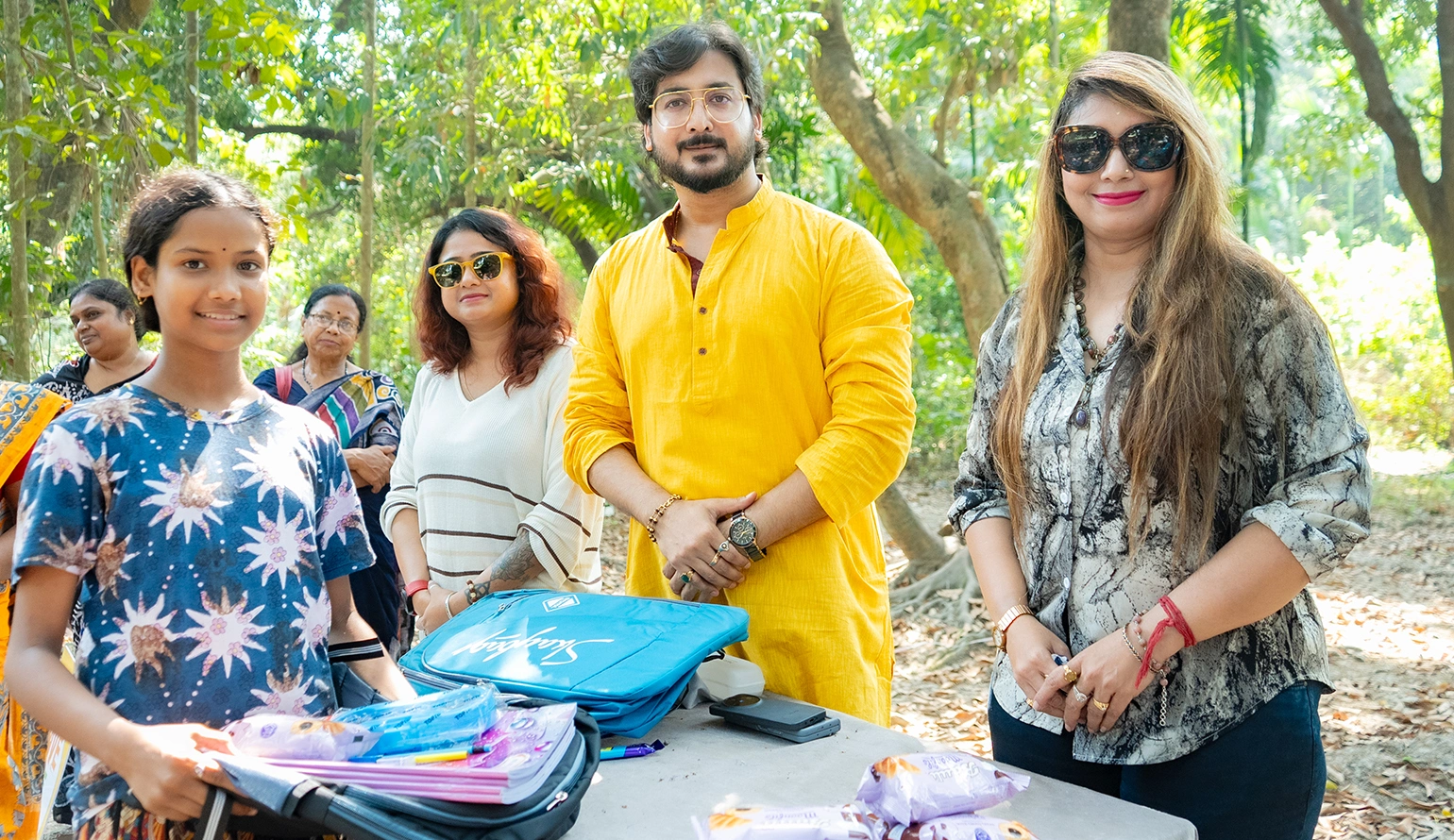 Crisis in India
NGO Volunteer Requirements in India: Complete Guide
Understanding how to join an NGO in India goes beyond filling out a fo...
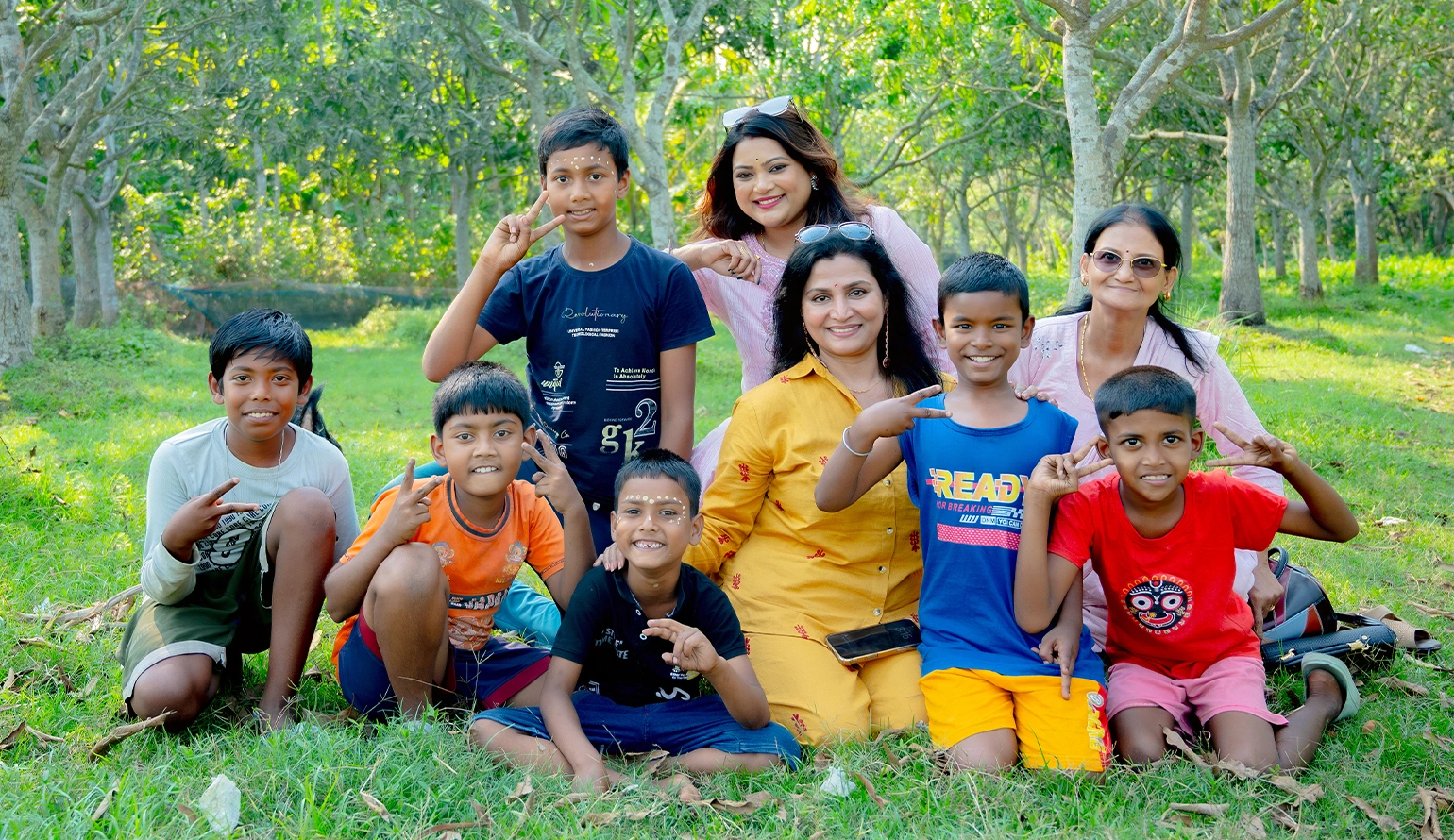 Crisis in India
Do NGO Volunteers Get Paid in India? Real Truth
Many people wonder whether NGO volunteers receive a salary or financia...
 Crisis in India
Best NGO to Work For in Kolkata: Nabatara Foundation
Choosing the right NGO to work with in Kolkata can shape your career, ...
