


Nabatara Foundation
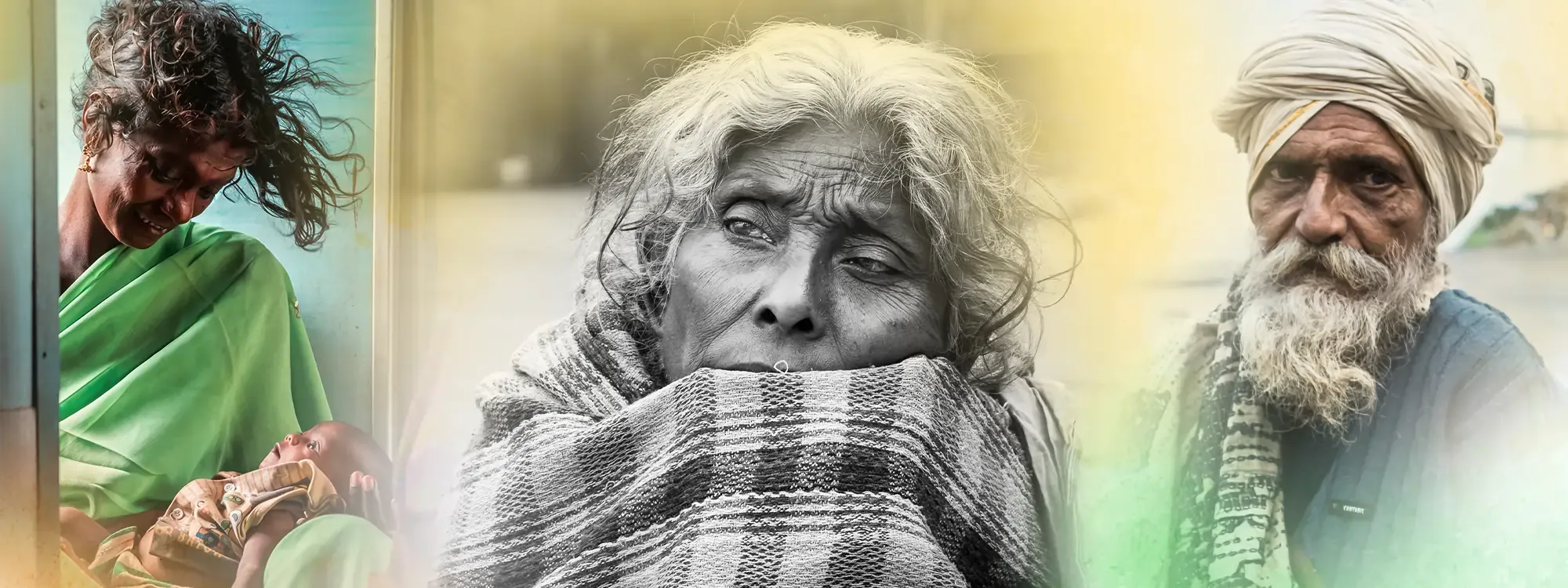
Volunteer vs Internship

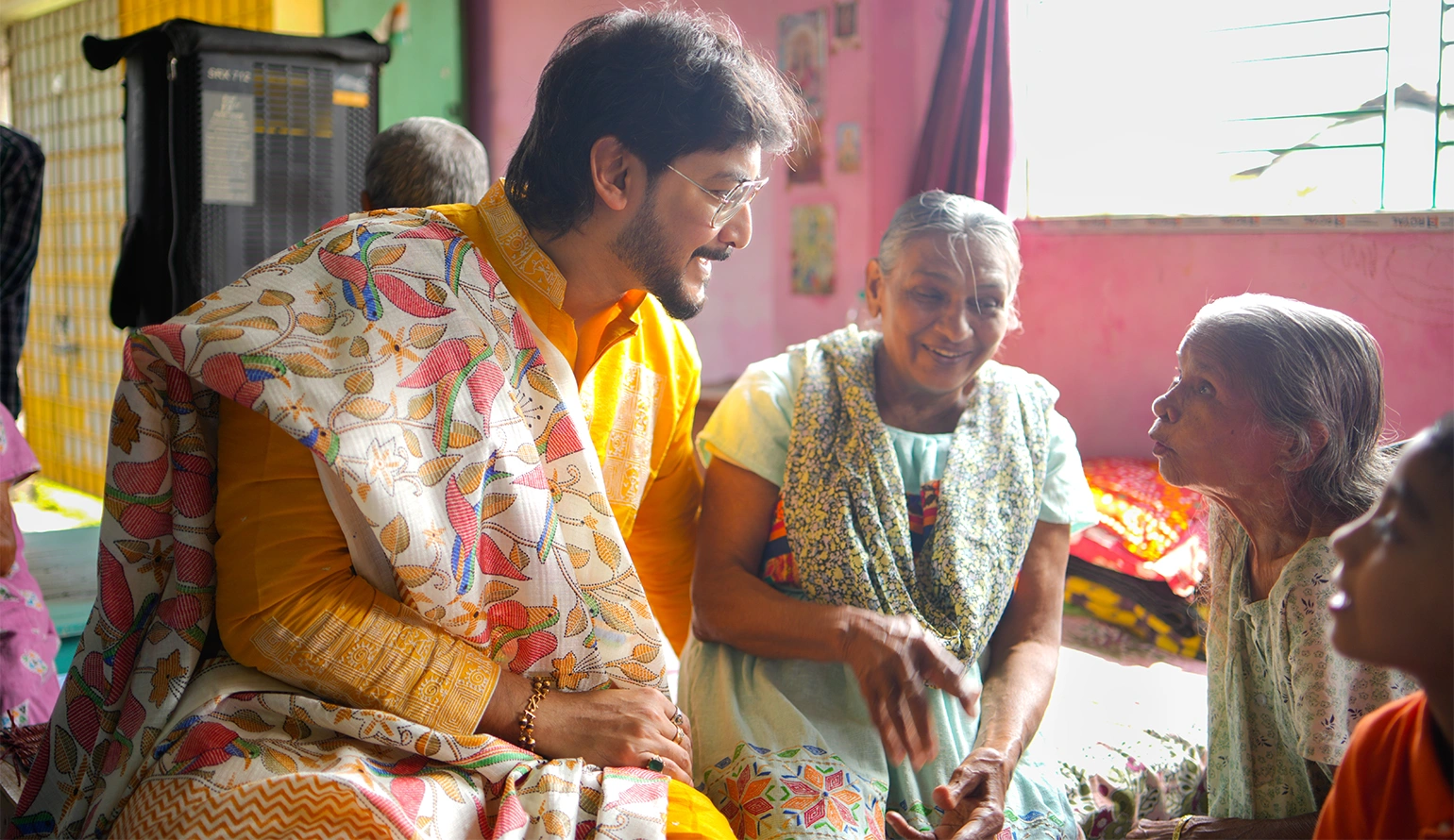
Volunteer vs NGO Internship: Key Differences & Benefits
Students across the world often feel confused when choosing between volunteering and internships with NGOs. While both offer valuable experiences, they serve different purposes in personal development, career building, and social impact. This comprehensive guide explains the real difference between volunteering and NGO internships, the benefits of each, and how students can gain meaningful experience through programs offered by the Nabatara Foundation.
The Rising Importance of NGOs and Why Students Are Turning Toward Social Impact Work
A New Generation Looking Beyond Traditional Careers
Over the past decade, a visible shift has taken place in the way students and young professionals think about their careers. Earlier, success was often defined by corporate jobs, high salaries, and stable career paths. Today, however, many students are beginning to look beyond conventional professions. They are increasingly drawn toward work that creates meaningful impact in society. This growing interest has led thousands of students to explore opportunities within non-governmental organizations, commonly known as NGOs.
Young people today are far more aware of social inequalities, environmental challenges, and humanitarian issues. The rise of digital media, global connectivity, and social awareness campaigns has made it impossible to ignore the realities faced by vulnerable communities. Students are no longer satisfied with simply reading about social issues in textbooks. They want to be involved. They want to contribute. They want to be part of something that improves lives.
This is where NGOs play a vital role. Organizations dedicated to social development offer opportunities where individuals can directly contribute to solving real problems. Whether it involves supporting education for underprivileged children, empowering women in rural communities, providing healthcare assistance, or caring for elderly individuals, NGOs provide a platform where compassion and action meet.
For students and scholars across India and around the world, NGOs offer two common pathways to participate in social development work. The first is volunteering, and the second is internships. At first glance, these two opportunities may appear very similar. Both involve working with NGOs, supporting community programs, and contributing time toward meaningful causes. However, when examined closely, volunteering and internships serve very different purposes.
Understanding the difference between volunteering and internships is essential for students who want to make informed decisions about their learning experiences. The choice between these two options can influence career direction, skill development, and long-term opportunities.
This is precisely why many aspiring social workers, students, and young researchers are searching online for answers to an important question: what is the difference between volunteering and internships in NGOs?
Why NGOs Are Becoming Learning Platforms for Students
Traditionally, universities and colleges have been the primary places where students acquire knowledge. While academic education continues to remain essential, modern learning increasingly extends beyond classrooms. Practical exposure has become just as important as theoretical knowledge.
Employers today are not only looking for degrees. They are looking for experience, problem-solving abilities, leadership skills, and emotional intelligence. Students who have worked in real-world environments often stand out during job applications, scholarship interviews, and research opportunities.
NGOs offer a unique environment where learning becomes practical, immersive, and deeply human. Unlike corporate workplaces that focus mainly on profit-driven outcomes, NGOs operate with the objective of social change. Students working with NGOs get the opportunity to understand how communities function, how development programs are designed, and how real challenges are addressed on the ground.
For example, a student volunteering at a rural development initiative may witness firsthand how lack of infrastructure affects education. Another student working with an NGO focused on women's empowerment may learn about gender inequality in ways that textbooks cannot fully explain. These experiences shape perspectives and deepen understanding of societal realities.
Organizations like Nabatara Foundation "Save The Soul" have emerged as important platforms where students can gain this kind of exposure. As a registered organization under Section 8 of the Companies Act, 2013, the foundation has been working tirelessly to support vulnerable communities across several areas, including women's empowerment, rural development, support for orphanages, care for elderly individuals in old age homes, assistance for visually impaired individuals, and medical support for those in need.
Students who engage with organizations like Nabatara Foundation do not simply observe social work from a distance. They become part of initiatives that are designed to restore dignity, improve living conditions, and create sustainable development opportunities.
This real-world involvement transforms learning into a powerful life experience.
The Growing Popularity of NGO Internships and Volunteer Programs
Across India, interest in NGO internships and volunteering opportunities has increased dramatically in recent years. Universities now encourage students to gain social exposure alongside academic studies. Many courses in fields like social work, psychology, public policy, development studies, sociology, and international relations even require internships with NGOs as part of their curriculum.
At the same time, volunteering has become an important part of personal development. Students who volunteer often gain qualities that employers value deeply. Empathy, communication skills, adaptability, and teamwork are often strengthened through volunteering experiences.
Another important factor driving the popularity of NGO involvement is the growing global emphasis on sustainable development and community empowerment. International organizations, research institutions, and scholarship programs increasingly prefer candidates who demonstrate real engagement with social causes.
This means that participating in NGO programs is no longer limited to those who want to pursue social work careers. Students from engineering, business management, medicine, law, and even technology fields are now actively seeking NGO experiences.
For instance, a management student might contribute to fundraising campaigns or project management initiatives within an NGO. A technology student may help develop digital systems for nonprofit organizations. A medical student might participate in community healthcare awareness programs.
This wide range of opportunities has created a dynamic environment where NGOs have become learning hubs for students across disciplines.
Within this evolving landscape, organizations such as Nabatara Foundation provide meaningful opportunities where students can participate in impactful initiatives while gaining valuable real-world experience.
Understanding the Motivation Behind Student Participation
Before exploring the difference between volunteering and internships, it is important to understand why students choose to engage with NGOs in the first place. The motivations can vary widely, but several common reasons appear consistently among young individuals seeking NGO experiences.
One major motivation is the desire to contribute to society. Many students feel a strong sense of responsibility toward helping those who face hardships. Participating in NGO programs allows them to transform compassion into action.
Another common reason is learning and exposure. Students recognize that working within social organizations provides insights that traditional education cannot offer. They learn how communities function, how social programs are implemented, and how policies affect everyday lives.
Career development also plays a significant role. Students often realize that practical experiences strengthen their professional profiles. NGO internships and volunteering programs demonstrate initiative, leadership, and commitment to social responsibility.
For scholars and researchers, NGOs provide opportunities to conduct field research, collect data, and understand the complexities of social development. Working closely with communities helps researchers develop more accurate perspectives and meaningful insights.
Global exposure is another motivation that has gained importance. Many international students look for opportunities to participate in development programs in countries like India. These experiences broaden cultural understanding and create connections across borders.
Organizations such as Nabatara Foundation "Save The Soul" have become attractive platforms for both domestic and international participants who wish to engage with meaningful social initiatives.
The Human Impact of Working With NGOs
One of the most powerful aspects of working with NGOs is the human connection it creates. Students who engage with social organizations often describe the experience as life-changing.
When individuals step into communities that face significant challenges, they witness resilience, strength, and hope in ways that deeply transform their perspectives. They begin to understand the importance of empathy, patience, and collaboration.
For example, working with children in orphanages can reveal the emotional strength of young individuals who continue to dream despite difficult circumstances. Supporting elderly individuals in old age homes can highlight the importance of companionship and dignity during later stages of life.
Similarly, interacting with visually impaired individuals or specially abled children can reshape one's understanding of ability and perseverance. These experiences leave lasting impressions that influence how individuals think about society and their role within it.
The initiatives led by the Nabatara Foundation are designed with precisely this human impact in mind. The organization's programs aim not only to provide assistance but also to create environments where individuals feel respected, valued, and empowered.
Students who participate in such programs often develop a deeper sense of purpose and social awareness.
Why Understanding the Difference Matters
While both volunteering and internships offer meaningful ways to engage with NGOs, they are not identical experiences. Each pathway comes with different expectations, structures, and outcomes.
Volunteering is often driven by passion and the desire to contribute time toward helping others. It typically focuses on service and community engagement. Volunteers may assist with activities such as organizing awareness campaigns, supporting community programs, or helping during social initiatives.
Internships, on the other hand, usually involve a more structured learning environment. Interns often work under supervision, complete assigned projects, and gain professional skills related to social development, research, program management, or nonprofit operations.
For students who are planning their career paths, understanding these differences is extremely important. Choosing the right opportunity can influence skill development, academic requirements, and professional growth.
Students who wish to build careers in social development, public policy, international relations, or nonprofit management may benefit significantly from internships. Meanwhile, individuals who want to contribute their time while exploring social impact work may find volunteering to be a rewarding starting point.
Organizations like Nabatara Foundation provide opportunities for both volunteers and interns, allowing individuals to choose the path that aligns with their goals.
The Journey Ahead
The growing interest in NGO participation reflects a positive transformation in how young individuals view their role in society. Students today are not only preparing for careers but also seeking ways to create meaningful change.
NGOs have become powerful spaces where learning, compassion, and action come together. Through volunteering and internships, students gain opportunities to understand social challenges, develop valuable skills, and contribute to initiatives that uplift communities.
However, the choice between volunteering and internships is not always straightforward. Each option offers unique advantages, responsibilities, and learning outcomes.
To make the best decision, students must first understand what volunteering truly means within the context of NGO work.
In the next section of this guide, we will explore the concept of volunteering in NGOs in greater depth. We will examine what volunteering involves, why it plays a crucial role in social development, and how students can gain meaningful experiences through volunteer programs offered by organizations like Nabatara Foundation "Save The Soul."
Understanding Volunteering in NGOs" Meaning, Purpose, and Real Impact
The True Meaning of Volunteering in Social Organizations
Volunteering has always been at the heart of social progress. Long before modern development institutions existed, communities relied on individuals who willingly stepped forward to help others without expecting financial rewards. This spirit of service continues to shape the work of non-governmental organizations across the world.
In the context of NGOs, volunteering refers to the act of offering time, energy, and skills to support social initiatives that aim to improve the lives of people facing various challenges. Volunteers participate in programs that may involve education support, healthcare awareness, environmental campaigns, rural development initiatives, or assistance to vulnerable communities.
Unlike formal employment or structured internships, volunteering is driven primarily by a sense of compassion and a desire to contribute to the greater good. Volunteers often participate because they believe in a cause, want to help communities in need, or wish to become part of meaningful social change.
Across India, volunteering has become an important pathway through which students, professionals, and even retired individuals contribute toward development programs. Universities often encourage students to volunteer during their academic years, recognizing that community engagement builds character, empathy, and leadership skills.
Organizations like Nabatara Foundation "Save The Soul" provide platforms where individuals can channel their willingness to serve into impactful action. Through various initiatives that focus on women empowerment, rural development, support for orphanages, care for elderly individuals in old age homes, assistance for visually impaired individuals, and medical aid for those in need, the foundation welcomes volunteers who wish to make a difference in society.
Volunteering in such programs often becomes more than just an activity. It becomes a journey of learning, connection, and transformation.
Why Students Are Increasingly Choosing to Volunteer
The modern student generation is far more socially aware than previous generations. With greater access to information through digital platforms and global discussions around sustainability and social justice, students are more conscious of the inequalities that exist in society.
Many young individuals feel a natural urge to do something meaningful rather than simply observe these issues from a distance. Volunteering provides a direct pathway to participate in social initiatives and contribute toward improving lives.
One reason students choose volunteering is the opportunity to step outside their routine academic environment. Classroom education often focuses on theory and conceptual understanding, but volunteering introduces students to real communities and real challenges. It allows them to experience how social programs function on the ground.
For example, a student who volunteers in rural development programs may witness how lack of infrastructure affects daily life. Another volunteer supporting educational programs for underprivileged children may understand the barriers that prevent many children from accessing quality learning opportunities.
These experiences provide valuable insights that go far beyond academic textbooks. They help students develop a deeper understanding of social realities and inspire them to become more responsible citizens.
Another reason students engage in volunteering is personal growth. Volunteering often pushes individuals out of their comfort zones. They interact with new people, adapt to unfamiliar environments, and learn to communicate across different social backgrounds.
Organizations like Nabatara Foundation often involve volunteers in activities that require teamwork, problem-solving, and community engagement. Through such experiences, volunteers gradually build confidence and leadership abilities.
Many volunteers discover strengths within themselves that they never realized before. They learn how to organize events, coordinate initiatives, support community members, and manage responsibilities in dynamic situations.
The Emotional Rewards of Volunteering
One of the most unique aspects of volunteering is the emotional fulfillment it provides. Unlike many professional roles that are driven by financial incentives, volunteering creates a sense of satisfaction that comes from knowing one's efforts are helping others.
Volunteers often describe their experiences as deeply meaningful. Whether they are assisting children in educational activities, spending time with elderly individuals in old age homes, or helping distribute resources during community outreach programs, the impact they witness directly reinforces the value of their contribution.
Working closely with communities can be a powerful experience. Volunteers may encounter individuals who face significant hardships yet continue to demonstrate resilience and hope. These encounters often leave lasting impressions that influence the volunteer's outlook on life.
For instance, when volunteers interact with children in orphanages supported by organizations like Nabatara Foundation, they may see how small acts of kindness can bring joy and encouragement to young lives. Similarly, volunteers who assist in elderly care programs often realize how important companionship and attention are for individuals who may otherwise feel isolated.
These emotional connections create a sense of purpose that motivates volunteers to remain involved in social initiatives for long periods.
Types of Volunteering Opportunities in NGOs
NGOs typically offer a wide range of volunteering opportunities depending on the nature of their programs and the communities they serve. Volunteers may engage in activities that involve direct community interaction or provide support behind the scenes.
Community outreach programs are one of the most common areas where volunteers contribute. These initiatives may involve organizing awareness campaigns, conducting educational workshops, or assisting with distribution of resources to communities that need support.
Educational volunteering is another widely popular area. Volunteers may help children with basic learning activities, assist teachers in informal education centers, or organize creative sessions that encourage curiosity and confidence among young learners.
Healthcare awareness initiatives also benefit greatly from volunteer participation. Volunteers may help spread information about hygiene practices, nutrition, preventive healthcare, and access to medical resources in underserved communities.
Environmental initiatives are another area where volunteers often participate. Tree plantation drives, community cleanliness campaigns, and sustainability awareness programs are examples of activities that attract enthusiastic volunteers.
Organizations such as Nabatara Foundation "Save The Soul" frequently involve volunteers in initiatives related to rural development, women empowerment, and support programs for visually impaired individuals and specially abled children. These programs allow volunteers to interact with communities while learning about the complexities of social development.
Flexibility and Accessibility in Volunteering
One of the reasons volunteering is so accessible is the flexibility it offers. Many volunteer programs allow individuals to contribute according to their availability. Some volunteers participate during weekends, while others dedicate longer periods during academic breaks or holidays.
This flexibility makes volunteering suitable for students who want to gain exposure without committing to long-term structured roles. Even short-term volunteering experiences can create meaningful impact and provide valuable learning opportunities.
Online volunteering has also emerged as an option in recent years. With digital platforms becoming more common, volunteers can assist NGOs with tasks such as content creation, digital awareness campaigns, research support, or social media outreach.
However, many students still prefer field-based volunteering because it allows them to interact directly with communities and observe the impact of social initiatives firsthand.
Programs conducted by Nabatara Foundation often provide opportunities for volunteers to engage directly with social initiatives, allowing them to experience the human side of development work.
Skills Developed Through Volunteering
Although volunteering is not always structured as a formal training program, it naturally helps individuals develop a variety of important skills. These skills often prove valuable in academic, professional, and personal contexts.
Communication skills improve significantly when volunteers interact with diverse groups of people. Volunteers learn how to listen carefully, explain ideas clearly, and connect with individuals from different backgrounds.
Teamwork is another skill that develops naturally during volunteering. Most social initiatives require collaboration between volunteers, community members, and organizational staff. Learning how to work effectively as part of a team becomes an essential part of the experience.
Problem-solving abilities also improve as volunteers encounter real-life challenges that require quick thinking and adaptability. Social programs often operate in dynamic environments where unexpected situations arise.
Leadership skills can also emerge when volunteers take initiative to organize activities or guide others during community programs.
Students who volunteer with organizations like Nabatara Foundation often gain exposure to these skills while contributing to meaningful causes. The combination of service and learning creates a well-rounded experience that benefits both the individual and the community.
Volunteering as a Gateway to Deeper Involvement
For many individuals, volunteering becomes the first step toward deeper involvement in social development work. Some volunteers eventually decide to pursue careers in fields such as social work, nonprofit management, public policy, or community development.
Others may choose to continue supporting NGOs as long-term contributors even while working in different professional sectors. Volunteering often strengthens a sense of social responsibility that remains with individuals throughout their lives.
Many students who begin as volunteers later decide to pursue formal NGO internships in order to gain structured experience and professional exposure.
This natural progression from volunteering to internships highlights the importance of understanding the distinction between the two roles.
While volunteering focuses primarily on service and community engagement, internships typically involve structured learning, professional responsibilities, and skill development aligned with career goals.
Organizations like Nabatara Foundation "Save The Soul" recognize the importance of both roles and provide opportunities for individuals to contribute according to their interests and aspirations.
Looking Ahead
Volunteering remains one of the most powerful ways for individuals to contribute to social change. It allows people from all backgrounds to participate in meaningful initiatives that improve the lives of others while enriching their own perspectives.
Through volunteering, students gain exposure to real-world challenges, develop valuable interpersonal skills, and build emotional connections with communities.
However, volunteering is only one side of the broader landscape of NGO engagement. Many students also seek more structured experiences that align closely with academic learning and career development.
This is where NGO internships come into the picture.
In the next section, we will explore what NGO internships involve, how they differ from volunteering, and why internships have become an essential stepping stone for students who wish to build careers in social development, research, and nonprofit leadership.
What is an internship in NGOs, and why does it matter for students and scholars?
Understanding the Concept of NGO Internships
As the world becomes increasingly interconnected and socially aware, students are no longer limiting their learning to classrooms alone. Practical exposure has become one of the most valuable aspects of modern education. This is where internships play a crucial role, especially within the field of social development and nonprofit organizations.
An internship in an NGO is a structured learning experience where students or young professionals work with an organization for a defined period of time to gain professional exposure, practical knowledge, and real-world skills related to social development. Unlike volunteering, which is generally driven by service and flexible participation, internships usually follow a more organized framework.
Interns are often assigned specific responsibilities, guided by mentors, and involved in projects that contribute to the organization's mission. The goal of an internship is not only to support the NGO's activities but also to help the intern develop a deeper understanding of how nonprofit organizations operate.
Students who participate in NGO internships gain firsthand experience in areas such as program management, community engagement, research, project coordination, fundraising strategies, social awareness campaigns, and development planning.
Organizations like Nabatara Foundation "Save The Soul" provide internship opportunities that allow students to immerse themselves in real social initiatives while learning about the practical aspects of nonprofit work. Interns working with the foundation often gain insights into programs that focus on women's empowerment, rural development, support for orphanages, assistance to visually impaired individuals, care for elderly residents in old age homes, and medical support for communities in need.
Through these experiences, interns begin to understand how compassion, strategy, and community collaboration come together to create sustainable social change.
Why NGO Internships Are Becoming Increasingly Popular
Over the past decade, the demand for NGO internships has grown significantly among students across India and around the world. Several factors have contributed to this growing interest.
One of the main reasons is the changing expectations of employers and academic institutions. Employers today are not only interested in academic degrees but also in practical experience. Students who have worked on real projects, interacted with communities, and participated in development initiatives often stand out during job applications and interviews.
Universities have also started encouraging internships as part of their academic curriculum. Many courses in fields such as social work, sociology, psychology, international relations, public policy, and development studies now require students to complete internships in social organizations.
These internships allow students to apply theoretical knowledge to real-world situations. For example, a student studying sociology may learn about social inequality in textbooks, but an internship with an NGO provides the opportunity to observe how these inequalities affect everyday lives.
Similarly, students studying public policy may learn about government programs in classrooms, but through NGO internships they can see how policies impact communities on the ground.
Organizations such as Nabatara Foundation play an important role in bridging the gap between academic learning and practical experience. By engaging interns in their community programs, the foundation provides opportunities for students to learn directly from fieldwork and social initiatives.
The Structure of an NGO Internship
Unlike volunteering, which can often be flexible and informal, internships usually follow a structured framework designed to maximize learning and productivity.
An NGO internship typically begins with an orientation process where interns are introduced to the organization's mission, values, and ongoing projects. This initial phase helps interns understand the purpose of the organization and the communities it serves.
During this stage, interns may also learn about the history and vision of the organization. For instance, interns working with Nabatara Foundation "Save The Soul" often learn about the foundation's commitment to uplifting underprivileged communities and its initiatives that focus on social dignity, empowerment, and inclusive development.
Once the orientation phase is completed, interns are usually assigned to specific projects or departments. These assignments depend on the intern's academic background, skills, and interests.
Some interns may work on community outreach initiatives, helping organize programs that support rural development or women's empowerment. Others may contribute to research activities that analyze social issues or evaluate the impact of development projects.
Interns may also assist with administrative tasks, documentation, content creation, social media campaigns, or fundraising initiatives that support the organization's sustainability.
Supervision is another key aspect of internships. Most NGOs assign mentors or project supervisors who guide interns throughout their experience. These mentors provide feedback, answer questions, and ensure that interns gain meaningful learning outcomes from their work.
At the end of the internship period, interns often receive certificates, recommendation letters, or evaluation reports that reflect their contribution and performance.
Skills Students Develop Through NGO Internships
One of the most valuable aspects of NGO internships is the wide range of skills that students develop during their experience. These skills often extend beyond technical knowledge and include personal growth as well.
Communication skills improve significantly when interns interact with community members, organizational staff, and other interns. Interns learn how to present ideas clearly, listen attentively, and build meaningful relationships.
Research and analytical skills are also strengthened during internships. Many NGOs conduct surveys, community assessments, and program evaluations. Interns involved in such activities learn how to collect data, analyze information, and understand social trends.
Project management skills are another important area of development. Interns often assist in planning activities, organizing events, and coordinating with different stakeholders. These experiences help them understand how development projects are designed and implemented.
Problem-solving abilities also improve as interns encounter real challenges that require practical solutions. Social initiatives often operate in complex environments where adaptability and creativity are essential.
Students interning with organizations like Nabatara Foundation gain exposure to these skills while participating in initiatives that support vulnerable communities. The experience helps interns understand the practical side of social work and development programs.
The Professional Advantage of NGO Internships
For many students, NGO internships serve as an important stepping stone toward their future careers. Employers across various sectors increasingly value candidates who demonstrate social awareness and community engagement.
Students who complete internships with NGOs often build stronger resumes because their experience reflects initiative, responsibility, and real-world exposure.
For example, a student who has participated in rural development initiatives through Nabatara Foundation may demonstrate valuable experience in community engagement and project coordination. Similarly, an intern who has assisted in organizing healthcare awareness campaigns may gain insights into public health challenges and outreach strategies.
These experiences can be particularly beneficial for students who wish to pursue careers in fields such as social work, public administration, nonprofit management, international development, education policy, or humanitarian aid.
Even students who plan to work in corporate sectors often find that NGO internships enhance their professional profiles. Companies increasingly appreciate employees who possess empathy, teamwork abilities, and strong communication skills.
The exposure gained through NGO internships also helps students build professional networks. Interns often connect with mentors, professionals, and fellow interns who share similar interests in social impact.
These connections can lead to future opportunities such as research collaborations, career guidance, or even long-term roles within nonprofit organizations.
NGO Internships and Global Learning Opportunities
Another important aspect of NGO internships is the opportunity for global exposure. Many international students seek internships in countries like India because of the diverse social challenges and development initiatives present in the region.
Working with NGOs allows international interns to learn about different cultures, communities, and development models. These experiences broaden perspectives and encourage cross-cultural understanding.
Organizations like Nabatara Foundation "Save The Soul" attract students and scholars who wish to engage with meaningful social initiatives in India. By participating in programs that focus on community empowerment and social welfare, interns gain insights into the realities faced by marginalized populations.
Such experiences are particularly valuable for students studying international relations, development studies, or global public policy.
The Learning Environment Within NGOs
One of the most enriching aspects of NGO internships is the collaborative environment in which learning takes place. Unlike traditional workplaces where roles may be strictly defined, NGOs often operate with a spirit of cooperation and shared purpose.
Interns working within nonprofit organizations frequently collaborate with volunteers, community leaders, program coordinators, and social workers. This collaborative atmosphere encourages open communication and mutual learning.
Students are often encouraged to share ideas, contribute creatively, and participate actively in discussions about development strategies. This environment helps interns build confidence and develop leadership abilities.
Within organizations such as Nabatara Foundation, interns may witness how different stakeholders come together to address social challenges. They observe how initiatives are planned, how resources are allocated, and how programs are implemented in communities.
These observations provide valuable insights that cannot be replicated through academic learning alone.
Preparing for a Future in Social Development
For students who aspire to build careers in social development, NGO internships serve as a foundational experience. They provide exposure to the practical realities of working within nonprofit sectors and help individuals identify the areas that interest them the most.
Some interns discover a passion for community development and choose to pursue further studies in social work or public policy. Others become interested in research and begin exploring opportunities in academic institutions or international organizations.
Internships also help students understand the challenges that NGOs face, including resource limitations, logistical constraints, and the complexities of addressing social issues. By witnessing these challenges firsthand, interns develop a realistic understanding of development work.
Organizations like Nabatara Foundation "Save The Soul" play a crucial role in shaping these learning experiences by providing platforms where students can engage directly with meaningful initiatives.
Looking Ahead to the Key Differences
By now it becomes clear that NGO internships provide structured learning experiences that focus on professional growth, practical exposure, and skill development.
However, students who are exploring opportunities within NGOs often remain confused about how internships differ from volunteering. Both involve contributing to social initiatives, and both offer valuable experiences.
Yet the differences between these two roles are significant and can influence how students approach their involvement with NGOs.
In the next section of this guide, we will examine the direct comparison between volunteering and internships within NGOs. We will explore how these two pathways differ in terms of responsibilities, expectations, learning outcomes, and career benefits.
Volunteer vs. Internship in NGOs" The Real Differences Students Must Understand
Why the Confusion Between Volunteering and Internships Exists
For many students exploring opportunities within nonprofit organizations, the line between volunteering and internships often appears blurred. At first glance, both roles involve working with NGOs, contributing to social initiatives, and interacting with communities that need support. Because both volunteers and interns participate in meaningful activities, it becomes easy to assume that these experiences are essentially the same.
However, when examined more closely, volunteering and internships represent two very different forms of engagement within social organizations. Each pathway serves a distinct purpose, offers different types of learning experiences, and involves different expectations from the organization as well as the individual.
Students searching for opportunities in NGOs frequently encounter both options while browsing through program listings. Without a clear understanding of the differences, they may struggle to decide which path aligns better with their academic goals, personal interests, or professional aspirations.
This is why understanding the distinction between volunteering and internships is extremely important, especially for students who wish to gain meaningful experience in the field of social development.
Organizations such as Nabatara Foundation "Save The Soul" provide opportunities for both volunteers and interns, recognizing that individuals contribute in different ways depending on their motivations and goals. While volunteers often support community initiatives through flexible participation, interns typically engage in structured programs designed to develop professional skills and deeper understanding of nonprofit operations.
Understanding these differences can help students make informed decisions about how they wish to participate in social impact work.
The Difference in Purpose and Motivation
One of the most fundamental differences between volunteering and internships lies in the purpose behind each role.
Volunteering is primarily driven by a desire to serve others and contribute to a cause. Volunteers usually participate because they believe in the mission of an organization and want to offer their time and effort to help communities in need. The focus of volunteering is often centered on service and compassion rather than structured learning.
For example, a volunteer may assist with organizing community awareness campaigns, supporting events, helping distribute resources, or spending time with children in orphanages or elderly residents in care homes. The volunteer's role is typically flexible and focused on contributing wherever help is needed.
Internships, on the other hand, are designed as structured learning experiences. Interns usually join an NGO with the intention of gaining professional exposure and developing specific skills related to their academic or career interests.
An intern may work on research projects, assist with program planning, contribute to documentation and reporting, or help design strategies for community development initiatives. Internships often include mentorship, supervision, and clearly defined responsibilities that support both the intern's learning and the organization's objectives.
Within organizations like the Nabatara Foundation, interns may participate in activities related to rural development programs, women's empowerment initiatives, social research, or project coordination. These experiences allow interns to understand the operational aspects of nonprofit organizations while contributing to meaningful social initiatives.
The Level of Structure and Responsibility
Another key difference between volunteering and internships is the level of structure involved in each role.
Volunteering typically offers greater flexibility. Volunteers may choose the activities they wish to participate in and the amount of time they can dedicate. Some volunteers may contribute only a few hours during weekends, while others may become more regularly involved depending on their availability.
The responsibilities of volunteers can vary depending on the needs of the organization at a particular time. Volunteers may assist with community outreach programs, participate in fundraising events, support awareness campaigns, or help coordinate activities during social initiatives.
Internships, in contrast, usually follow a defined structure. Interns often commit to a specific duration, which may range from a few weeks to several months. During this time, they are expected to engage consistently with assigned projects and responsibilities.
Interns may be required to maintain regular communication with supervisors, submit reports, participate in meetings, and contribute to ongoing projects. This structured environment helps interns gain a deeper understanding of how nonprofit organizations operate and how development programs are managed.
At Nabatara Foundation "Save The Soul," interns often work closely with project coordinators and team members to support initiatives that focus on community welfare. Through this structured engagement, interns gain insights into planning, implementation, and evaluation of social programs.
Learning Outcomes and Skill Development
While both volunteering and internships provide opportunities for personal growth, the type of learning experience they offer can differ significantly.
Volunteering often focuses on emotional and social development. Volunteers develop empathy, compassion, and a stronger understanding of social realities. They learn to interact with diverse communities and contribute to initiatives that support vulnerable individuals.
These experiences can be deeply meaningful and often inspire volunteers to remain involved in social causes throughout their lives. Volunteering encourages individuals to become more socially responsible and aware of the challenges faced by marginalized communities.
Internships, on the other hand, emphasize professional learning alongside social engagement. Interns typically develop technical skills that are relevant to their academic or career interests.
For instance, an intern working with Nabatara Foundation may gain experience in research methodologies, project documentation, data analysis, or program management. These skills are valuable for students who wish to pursue careers in fields such as social work, public policy, development studies, or nonprofit leadership.
Internships also provide opportunities for mentorship and feedback. Interns often receive guidance from experienced professionals who help them understand the complexities of development work.
This combination of practical exposure and mentorship helps interns build confidence and prepare for future career opportunities.
Time Commitment and Expectations
Another important factor that distinguishes volunteering from internships is the level of time commitment expected from participants.
Volunteering usually allows individuals to contribute according to their availability. Some volunteers may participate during short-term events, while others may engage in ongoing programs without a strict schedule.
This flexibility makes volunteering accessible to people from various backgrounds, including students who may have limited free time due to academic commitments.
Internships generally require a more consistent level of involvement. Interns are often expected to dedicate specific hours each week and remain actively engaged throughout the duration of the program.
This commitment allows interns to immerse themselves fully in the organization's work and gain deeper insights into the processes involved in managing development initiatives.
For students who wish to gain serious professional exposure within the nonprofit sector, internships often provide the depth of experience required to understand how NGOs function.
Recognition and Professional Value
Although volunteering is widely respected as an act of service, internships often carry additional professional recognition because they involve structured learning and documented contributions.
Interns frequently receive certificates of completion, evaluation reports, or recommendation letters from the organizations they work with. These documents can strengthen academic applications, scholarship proposals, and job resumes.
Students who complete internships with organizations like Nabatara Foundation "Save The Soul" often highlight their experiences as evidence of practical exposure to social development initiatives. Such experiences demonstrate initiative, responsibility, and commitment to social impact.
Volunteers may also receive certificates or appreciation letters in many cases, but the emphasis of volunteering remains focused on service rather than professional documentation.
Both forms of recognition are valuable, but they serve different purposes depending on the individual's goals.
Which Path Is Right for You?
Choosing between volunteering and internships ultimately depends on what the individual hopes to gain from the experience.
Students who want to contribute their time to social causes, explore community work, or simply support meaningful initiatives may find volunteering to be a rewarding option. Volunteering provides the freedom to participate without the pressure of structured responsibilities.
On the other hand, students who are seeking professional exposure, academic relevance, and career-oriented learning may benefit more from internships. Internships allow individuals to develop specific skills while gaining a deeper understanding of nonprofit operations.
Many students begin their journey with volunteering and later transition into internships once they develop a stronger interest in social development work.
Organizations like Nabatara Foundation recognize that both volunteers and interns play important roles in advancing social initiatives. By welcoming individuals with different motivations and aspirations, the foundation creates opportunities for meaningful engagement across multiple levels.
The Bigger Picture of Social Impact
Whether someone chooses to volunteer or pursue an internship, the most important outcome is the positive impact created through collective effort.
Every individual who contributes to social initiatives helps strengthen the mission of organizations that work tirelessly to support vulnerable communities. The combined efforts of volunteers, interns, and professionals enable NGOs to expand their reach and create sustainable development programs.
The initiatives led by Nabatara Foundation "Save The Soul" demonstrate how collaboration between dedicated individuals can bring real change to communities. From supporting orphanages and empowering women to assisting visually impaired individuals and providing care for elderly residents in old age homes, the foundation continues to create meaningful opportunities for engagement.
For students and scholars looking to make a difference while gaining valuable experience, NGOs provide an environment where learning and compassion come together.
Moving Toward Meaningful Engagement
Now that we have explored the key differences between volunteering and internships, the next important question becomes how students can find the right organization to begin their journey.
Not all NGOs provide the same level of mentorship, exposure, and impact. Choosing an organization that offers genuine community engagement and meaningful learning opportunities is essential.
In the final part of this guide, we will explore why many students and scholars choose Nabatara Foundation "Save The Soul" for their volunteering and internship experiences. We will also discuss how participating in the foundation's initiatives allows individuals to gain global exposure, develop practical skills, and contribute to programs that uplift vulnerable communities.
Why Students and Scholars Choose Nabatara Foundation for Volunteering and NGO Internships
Finding the Right NGO for Meaningful Learning and Social Impact
For students who wish to step into the world of social impact, choosing the right organization is one of the most important decisions they will make. While there are thousands of nonprofit organizations working across different sectors, not every organization provides the same level of learning opportunities, mentorship, and community engagement.
Students and scholars who seek experiences in the nonprofit sector usually look for organizations where they can do more than simply observe. They want to be part of meaningful initiatives, understand real social challenges, and contribute to programs that improve lives.
This is where Nabatara Foundation "Save The Soul" has emerged as a respected platform for students and volunteers who wish to engage with authentic social development initiatives.
Registered under Section 8 of the Companies Act, 2013, Government of India, Nabatara Foundation was founded with a clear mission to uplift underprivileged communities and bring dignity, care, and empowerment to individuals who are often overlooked by mainstream systems.
The organization's initiatives extend across several crucial areas, including women's empowerment, rural development, support for orphanages, assistance for visually impaired individuals, care for elderly residents in old age homes, and medical support for people who lack access to healthcare resources.
Students who join Nabatara Foundation as volunteers or interns quickly discover that they are not merely participating in a program. They are becoming part of a compassionate community that believes in creating meaningful change.
A Learning Environment Built Around Real Social Challenges
One of the defining characteristics of working with Nabatara Foundation "Save The Soul" is the opportunity to engage directly with real social issues. Unlike theoretical discussions that often remain confined to classrooms, the foundation's initiatives bring students face-to-face with communities that require genuine support and attention.
Students participating in the foundation's programs often gain exposure to rural communities where development challenges remain significant. These experiences help them understand the realities faced by families struggling with limited access to education, healthcare, and economic opportunities.
Through programs that support women's empowerment, interns and volunteers also gain insights into the barriers that many women face in achieving independence and equality. These interactions help students appreciate the importance of education, skill development, and social support in transforming lives.
Similarly, initiatives focused on supporting orphanages allow students to interact with children who have faced difficult circumstances yet continue to display remarkable resilience. Volunteers and interns often participate in educational activities, creative sessions, and mentorship programs designed to encourage confidence and learning among these children.
Care programs for elderly individuals in old age homes create another deeply meaningful experience. Many volunteers describe these interactions as emotionally transformative because they highlight the importance of compassion, companionship, and respect for those who have spent their lives contributing to society.
By engaging in these initiatives, students gain a deeper understanding of humanity and social responsibility.
Skill Development Through Real Work
While emotional connection and compassion remain central to the mission of Nabatara Foundation, the organization also provides opportunities for students to develop practical skills that are valuable for their professional futures.
Students participating in internships often become involved in research, project planning, community outreach, documentation, and social awareness campaigns. These responsibilities allow interns to understand how nonprofit organizations design and implement development programs.
For example, interns may assist in preparing reports that document the progress of community initiatives. They may help analyze data collected during surveys or support communication strategies that raise awareness about important social issues.
Volunteers may contribute by helping organize events, participating in awareness campaigns, or assisting in activities that bring communities together.
These experiences help students strengthen essential skills such as communication, teamwork, leadership, and problem-solving.
For students who aspire to build careers in fields like social work, public policy, international development, or nonprofit management, such exposure becomes an invaluable foundation.
Opportunities for Global Learning and Collaboration
Another important aspect that attracts students and scholars to Nabatara Foundation is the opportunity for global engagement. In recent years, there has been increasing interest among international students in participating in development programs in countries like India.
India presents a unique landscape where rapid economic growth exists alongside significant social challenges. For students studying global development, sociology, international relations, or humanitarian work, engaging with communities in India offers powerful learning opportunities.
Through programs offered by Nabatara Foundation"Save The Soul, international participants gain the chance to observe development initiatives firsthand while interacting with local communities.
These experiences promote cultural exchange and broaden perspectives. Students learn to appreciate the diversity of social conditions and understand how local solutions can address complex challenges.
Such exposure is particularly valuable for scholars who are conducting research or planning careers in international development sectors.
Building a Sense of Purpose Through Social Engagement
Many students who begin volunteering or interning with NGOs initially do so to gain experience or fulfill academic requirements. However, something interesting often happens during these experiences.
As students spend time with communities and witness the impact of social initiatives, their motivations begin to shift. What started as a learning opportunity gradually transforms into a deeper sense of purpose.
Students who participate in the initiatives of Nabatara Foundation often describe how the experience changed the way they view society and their role within it.
Working with children in orphanages, supporting programs for visually impaired individuals, or helping organize rural development initiatives often creates powerful moments of realization.
Students begin to understand that social change does not happen through large policies alone. It happens through small actions, compassionate interactions, and consistent efforts made by individuals who care.
This sense of purpose often inspires students to remain involved in social initiatives even after their volunteering or internship period ends.
Some participants continue supporting the foundation through awareness campaigns or fundraising efforts. Others pursue careers that allow them to contribute to social development on a larger scale.
The Role of Compassion in Social Development
At the core of Nabatara Foundation "Save The Soul" lies a philosophy built on compassion and dignity. The organization believes that every individual deserves respect, care, and the opportunity to lead a fulfilling life.
This philosophy shapes the way programs are designed and implemented. Rather than viewing communities simply as beneficiaries, the foundation focuses on empowering individuals to become active participants in their own development.
For students and interns, this approach provides an important lesson about ethical social work. Development initiatives are most effective when they involve collaboration with communities rather than imposing external solutions.
Through their engagement with Nabatara Foundation, students learn how compassion, empathy, and respect can transform social initiatives into meaningful partnerships.
These lessons often remain with participants long after their programs have ended.
A Platform for Future Changemakers
As the world continues to face complex challenges related to inequality, climate change, healthcare access, and education, the role of socially conscious individuals becomes increasingly important.
Young people who understand these challenges and possess the skills to address them will shape the future of development and policy.
Organizations like Nabatara Foundation play a crucial role in nurturing this new generation of changemakers. By providing opportunities for volunteering and internships, the foundation allows students to experience the realities of social development while building the skills needed to create meaningful impact.
Many former interns and volunteers carry these experiences into their future careers. Some pursue advanced studies in social work or development policy, while others bring a strong sense of social responsibility into corporate or entrepreneurial ventures.
Regardless of the path they choose, the values learned through engagement with social initiatives remain a guiding force in their professional and personal lives.
Final Thoughts
Understanding the difference between volunteering and internships in NGOs is an important step for students who wish to engage with social development initiatives.
Volunteering offers a flexible and compassionate way to contribute to communities while developing empathy and social awareness. Internships provide structured learning experiences that help students build professional skills and gain deeper insights into nonprofit operations.
Both pathways are valuable and serve different purposes depending on the individual's goals.
For students who wish to combine learning with meaningful service, organizations like Nabatara Foundation "Save The Soul" offer opportunities that extend beyond ordinary experiences. By participating in the foundation's programs, individuals become part of a mission dedicated to uplifting vulnerable communities and promoting dignity for all.
Whether someone chooses to volunteer their time or pursue a structured internship, the most important outcome remains the same: contributing to a world where compassion, opportunity, and respect are accessible to everyone.
For those who are ready to begin their journey in social impact, the door to meaningful change often starts with a simple step"getting involved.
About Nabatara Foundation" Building Real Impact Through Compassion and Action
Nabatara Foundation "Save The Soul" is a registered nonprofit organization working toward the upliftment of underprivileged communities across India. Established under Section 8 of the Companies Act, 2013, of the Government of India, the foundation operates with the objective of promoting dignity, opportunity, and social empowerment for individuals who often remain outside the reach of mainstream support systems.
With a strong commitment to community welfare, Nabatara Foundation focuses on multiple areas of social development, including women's empowerment, rural development, support for orphanages, assistance for visually impaired individuals, care for elderly residents in old age homes, and medical aid for people who cannot afford basic healthcare services.
Founded by Gaurav Tribedi, the organization was created with a vision to bring meaningful change through compassion-driven initiatives that place human dignity at the center of every program. Over the years, the foundation has developed a network of volunteers, interns, and social workers who actively participate in community outreach programs designed to support vulnerable populations.
The work carried out by the Nabatara Foundation is grounded in real field experience. Volunteers and interns who join the organization participate in initiatives that directly interact with communities, helping them understand the realities of social inequality while contributing to programs that promote sustainable development.
Through its programs, the foundation aims to create opportunities where individuals from different backgrounds can collaborate for a shared purpose"building a society where compassion, inclusion, and social responsibility guide collective progress.
Students, scholars, and professionals who engage with Nabatara Foundation often gain valuable exposure to the practical aspects of nonprofit work, community engagement, and social impact initiatives. These experiences not only support community development but also help participants develop deeper awareness about the challenges faced by marginalized groups.
By continuously expanding its outreach and strengthening its community partnerships, Nabatara Foundation remains committed to its mission of empowering lives and creating meaningful change through dedicated service.
Editorial Transparency and Content Integrity
The content published on nabatarafoundation.org is created with the objective of spreading awareness about social development, volunteering opportunities, nonprofit work, and community engagement. Articles are prepared with careful research and are reviewed to ensure they reflect the organization's values and real-world experience in social initiatives.
Our editorial approach focuses on providing accurate, responsible, and meaningful information that helps readers understand important social issues while encouraging positive action.
Whenever possible, insights shared in our articles are based on direct experiences from our programs, community engagement activities, and collaborative work with volunteers and interns.
Author Note
This article has been prepared by the editorial team at Nabatara Foundation to guide students, researchers, and aspiring volunteers who are interested in understanding the difference between NGO volunteering and internships. The insights shared in this guide are based on the foundation's experience working with volunteers and interns who actively contribute to social initiatives across multiple development areas.
Trust & Transparency
- Organization Name: Nabatara Foundation"Save The Soul
- Registration Type: Section 8 Company (Non-Profit)
- Registered Under: Companies Act, 2013"Government of India
- CIN: U85300WB2021NPL245364
- Section 8 License Number: 125686
- Official Website: nabatarafoundation.org
Offline Donation Options
While we encourage donations made through online payment options, you are welcome to make offline donations as well.

Cheque / Demand Draft
All donations are exempt from Income Tax under Section 80G of the Income Tax Act.

ACH
All donations for Nabatara Foundation's projects can be made as a regular monthly contribution through ACH (Automatic Clearing House).

In-Kind Donations
Another way to help Nabatara’s activities is through in-kind, non-cash donations for all our programmes.

Latest Blogs
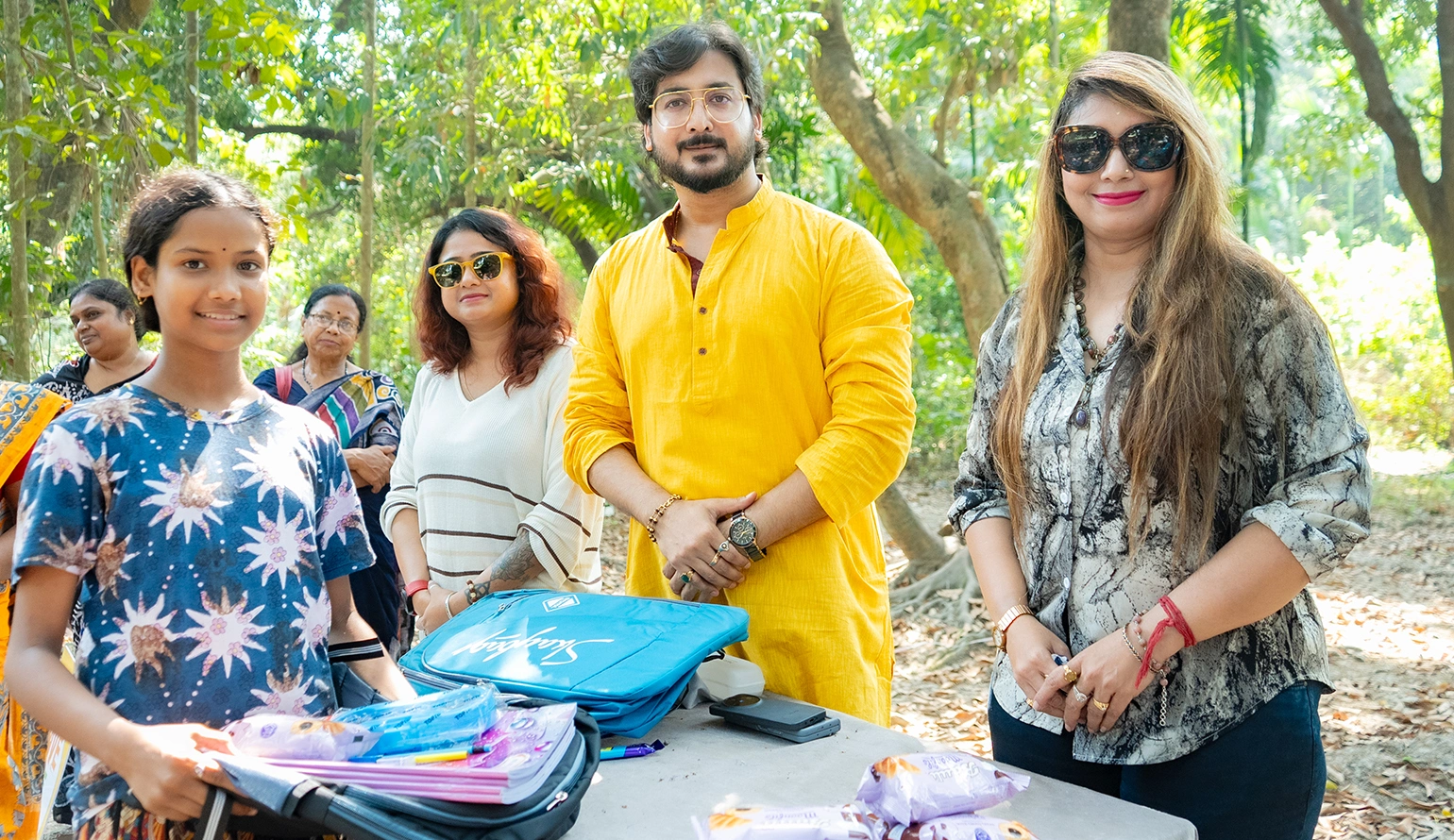 in NGOs
NGO Volunteer Requirements in India: Complete Guide
Understanding how to join an NGO in India goes beyond filling out a fo...
 in NGOs
Do NGO Volunteers Get Paid in India? Real Truth
Many people wonder whether NGO volunteers receive a salary or financia...
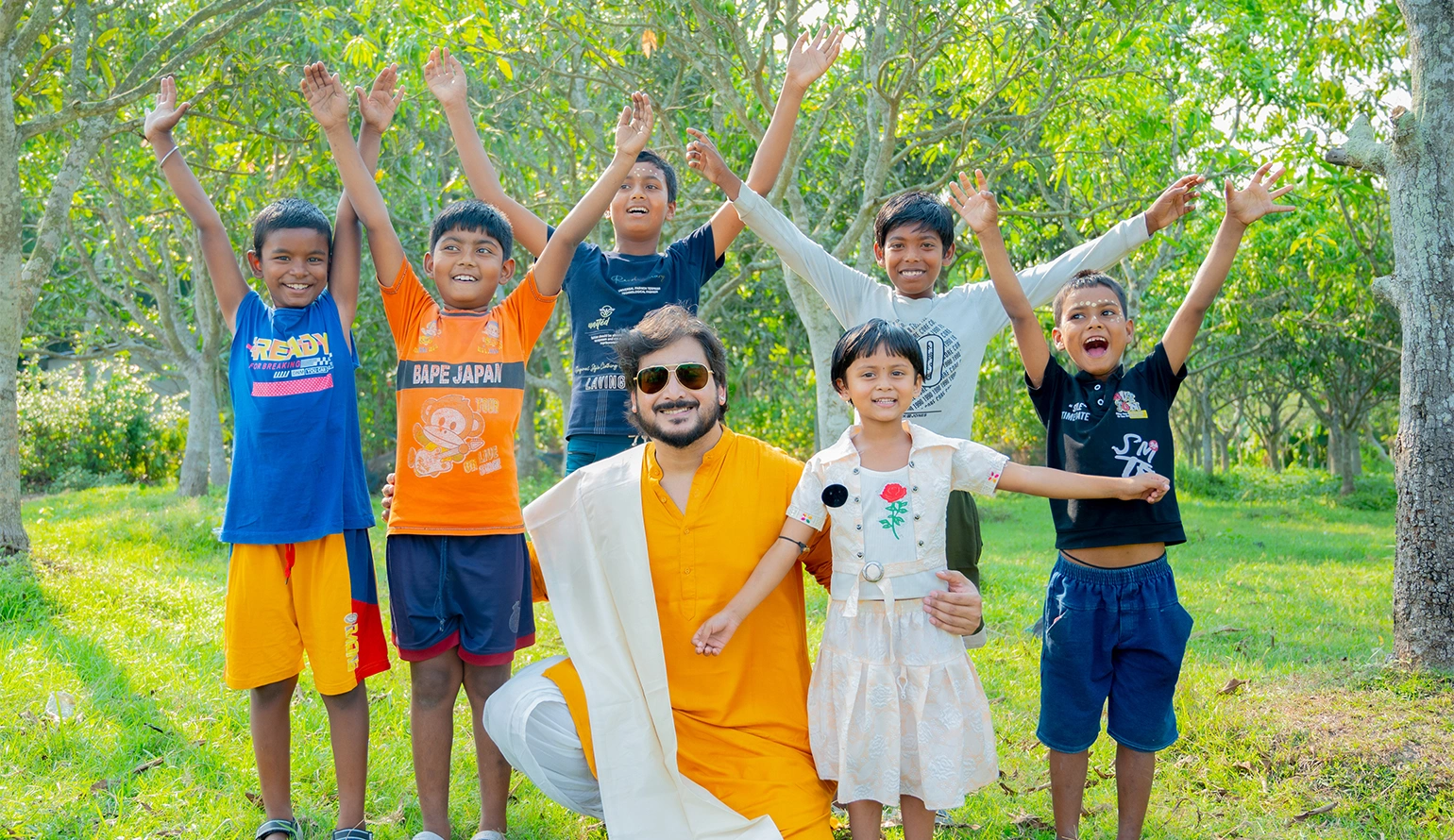 in NGOs
Best NGO to Work For in Kolkata: Nabatara Foundation
Choosing the right NGO to work with in Kolkata can shape your career, ...
