


Nabatara Foundation
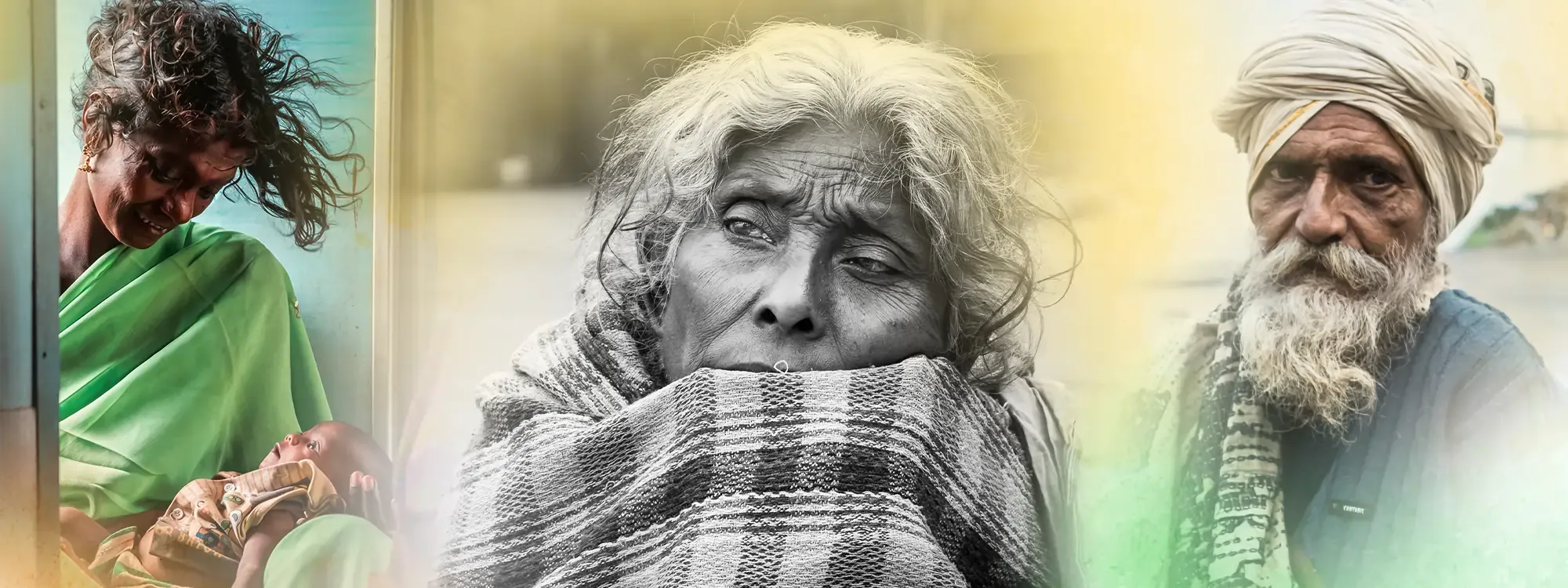
Students Can Volunteer

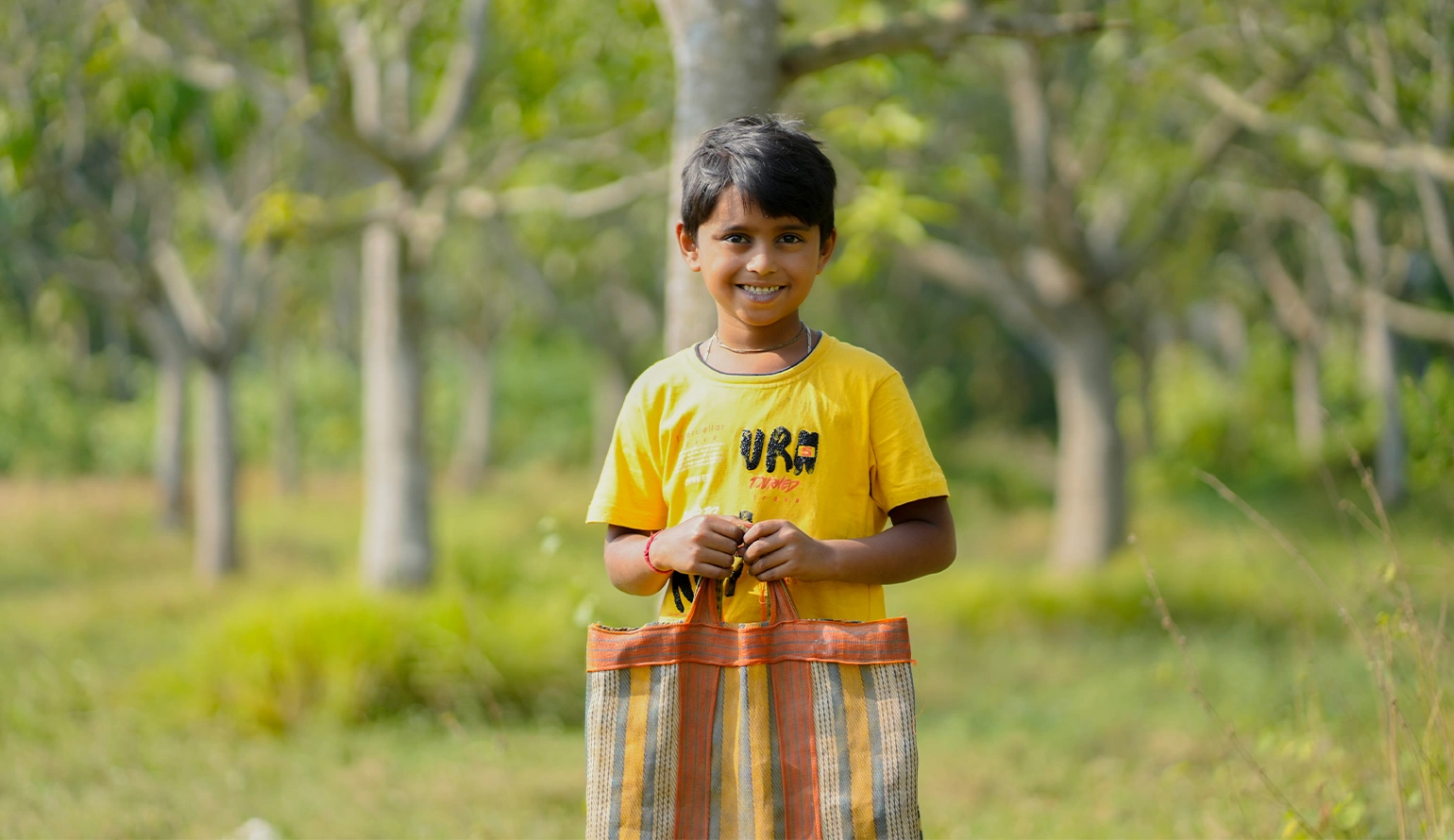
College Students Volunteer in India for Real Experience
College is not only about degrees and classrooms. Real learning often begins when students step into the world and experience real challenges. Volunteering offers college students an opportunity to build leadership, empathy, and practical skills while helping communities grow stronger. This article explores how students can gain meaningful real-world experience through volunteering and how organizations like Nabatara Foundation provide a powerful platform for young people who want to create real impact.
Why Volunteering Is Becoming the Most Valuable Experience for College Students
A New Definition of Learning Beyond the Classroom
For generations, college education was defined by classrooms, textbooks, lectures, and examinations. Students attended classes, studied theories, passed their exams, and eventually entered the professional world hoping that their academic achievements would prepare them for real life. But the modern world has changed dramatically. Employers, universities, and global institutions now expect students to bring more than just academic knowledge. They look for individuals who have real experience, practical understanding, empathy, leadership skills, and the ability to work with diverse communities.
This shift has transformed the way students think about their education. Many young people now realize that the most powerful lessons are often learned outside the classroom. Volunteering has emerged as one of the most meaningful ways for students to gain these experiences while contributing to something larger than themselves.
Across India and around the world, college students are discovering that community work can shape their character, sharpen their abilities, and open doors to opportunities that traditional academic pathways may not provide. Volunteering exposes students to real social challenges and allows them to become active participants in solutions rather than passive observers of problems.
Organizations such as Nabatara Foundation have created platforms where students can engage directly with communities and contribute to meaningful social initiatives. By participating in these programs, students do more than simply donate their time. They begin a journey of personal and professional transformation.
The Growing Importance of Real Experience for Young Professionals
The job market has become increasingly competitive. Every year thousands of graduates enter the workforce with similar academic qualifications. What often separates one candidate from another is practical experience. Employers want to see evidence that a candidate can adapt to real-world situations, communicate effectively, collaborate with others, and demonstrate leadership when challenges arise.
Volunteer experience provides exactly this kind of exposure. When students engage in community projects, they encounter situations that require initiative and creativity. They may help organize educational activities for children, assist with healthcare awareness campaigns, or contribute to programs that support elderly individuals and marginalized communities.
Through these experiences, students develop a deeper understanding of how organizations function and how projects are managed. They learn how to coordinate with teams, solve unexpected problems, and communicate with people from different social backgrounds.
Volunteer work also shows future employers that a student possesses qualities such as responsibility, compassion, and dedication. These qualities cannot be measured through academic transcripts alone. They become visible through actions, experiences, and contributions to society.
Discovering Purpose Through Community Engagement
College years are often described as a time of exploration. Students are searching not only for career paths but also for meaning and direction in their lives. Many young people feel uncertain about their future goals, and volunteering can help them discover passions they did not know they possessed.
When students work closely with communities facing social challenges, they begin to see the world through a different perspective. They witness the resilience of people who overcome difficult circumstances, and they learn how collective effort can improve lives.
At Nabatara Foundation, volunteers frequently participate in initiatives that support women's empowerment, rural development, and assistance for vulnerable individuals such as visually impaired citizens and elderly residents of old age homes. These programs expose students to real human stories and experiences that leave a lasting impact on their outlook.
Through this exposure, students begin to understand the significance of social responsibility. They realize that education is not only about personal success but also about contributing to the well-being of society.
Building Skills That Cannot Be Taught in a Classroom
One of the most valuable aspects of volunteering is the opportunity to develop practical skills that traditional education often overlooks. Communication, leadership, problem-solving, and emotional intelligence are essential qualities in every profession, yet they are rarely mastered through lectures alone.
Volunteering provides an environment where these abilities develop naturally. Students interact with community members, collaborate with fellow volunteers, and work under the guidance of experienced coordinators. Each interaction strengthens their interpersonal skills and builds confidence.
Communication becomes more effective because students must learn how to listen carefully and express ideas clearly. Leadership emerges when volunteers take initiative and guide activities. Problem-solving develops when challenges appear unexpectedly and require creative thinking.
Students also gain experience in teamwork. Community initiatives depend on cooperation among individuals who share a common goal. Volunteers learn how to support one another, manage responsibilities, and celebrate achievements together.
The Emotional Growth That Comes From Helping Others
Beyond professional skills, volunteering creates profound emotional growth. Many students enter volunteer programs with the simple intention of helping others, but they soon discover that the experience enriches their own lives in unexpected ways.
Helping someone overcome a difficulty, supporting a child's education, or assisting an elderly person can create moments of deep fulfillment. These experiences remind volunteers that their actions matter and that even small efforts can bring meaningful change.
At Nabatara Foundation, volunteers often describe their involvement as one of the most rewarding chapters of their college life. The connections they build with communities and fellow volunteers create memories that stay with them long after their academic journey ends.
Why Students Across India Are Turning Toward NGO Volunteering
India has a long tradition of social service and community cooperation. In recent years, however, a new generation of students has begun to approach volunteering with renewed enthusiasm. Many young individuals want to become active contributors to social development rather than simply observing issues from a distance.
NGOs play an essential role in enabling this engagement. Organizations such as Nabatara Foundation provide structured programs where students can participate in initiatives that address real needs. These programs create opportunities for volunteers to contribute their talents while learning from experienced social workers and community leaders.
The result is a powerful exchange of knowledge and energy. Communities benefit from the enthusiasm and creativity of young volunteers, while students gain insights that shape their personal and professional journeys.
The Beginning of a Transformational Journey
For many college students, volunteering begins with curiosity. They want to understand how community programs operate or how they can contribute their time in meaningful ways. But once they take the first step, they often realize that the experience offers far more than they expected.
Volunteering becomes a journey of growth, discovery, and connection. It allows students to explore their potential, develop valuable skills, and build relationships that transcend social boundaries.
Organizations like Nabatara Foundation continue to inspire young people to engage with society through compassion and action. By providing platforms for meaningful community work, they empower students to transform both their own lives and the lives of those they serve.
How Volunteering Helps College Students Build Career Skills That Employers Truly Value
The Real-World Skills Students Rarely Learn in Classrooms
A university education provides knowledge, but the world outside campus demands something deeper. Employers across industries are increasingly searching for young professionals who not only understand concepts but also know how to apply them in real situations. Many graduates discover this reality when they begin looking for internships or jobs and realize that academic achievements alone are not enough to stand out.
This is where volunteering becomes one of the most valuable experiences for college students. When students dedicate their time to community initiatives, they step into environments where theory meets reality. They interact with people facing real challenges, participate in meaningful projects, and learn to navigate situations that cannot be simulated in classrooms.
Community organizations such as Nabatara Foundation provide students with opportunities to engage in initiatives that support vulnerable communities. Through these experiences, students develop a wide range of professional skills while contributing to important social causes.
Communication Skills That Shape Future Leaders
Communication is one of the most important abilities in any profession. Whether someone becomes a teacher, engineer, doctor, entrepreneur, or researcher, the ability to express ideas clearly and listen carefully is essential.
Volunteering places students in situations where communication becomes a daily practice. When volunteers interact with community members, they learn to explain ideas in simple language and understand perspectives that may be very different from their own. These interactions strengthen empathy and patience, qualities that are critical in professional relationships.
Students who volunteer with organizations like Nabatara Foundation often participate in outreach programs, awareness campaigns, and educational activities. These experiences require them to speak confidently, coordinate with teams, and communicate effectively with people of different ages and backgrounds. Over time, this constant interaction builds confidence that students carry with them into their future careers.
Leadership Begins With Responsibility
Leadership is often misunderstood as a role reserved for those who hold titles or authority. In reality, leadership begins with responsibility and initiative. Volunteering creates an environment where students naturally develop these qualities.
During community projects, volunteers may help coordinate activities, guide younger participants, or assist in organizing events. These responsibilities encourage them to think beyond individual tasks and consider the success of the entire project.
At Nabatara Foundation, student volunteers often find themselves participating in initiatives that require collaboration and planning. Whether supporting women's empowerment programs or assisting in community outreach efforts, they learn how to organize resources, manage time effectively, and work together toward shared goals.
These experiences cultivate leadership qualities that are highly valued by employers and academic institutions. Students who demonstrate initiative during volunteer programs often become confident decision makers who can guide teams through complex situations.
Problem Solving in Real Situations
In academic environments, problems often come with clearly defined solutions. Real life, however, rarely follows such predictable patterns. Volunteering exposes students to situations where creativity and adaptability are necessary.
Community initiatives frequently involve logistical challenges, limited resources, and changing circumstances. Volunteers learn how to respond quickly and find practical solutions that support the success of their programs.
For example, when organizing educational sessions or health awareness activities, volunteers may encounter unexpected obstacles such as scheduling conflicts or resource shortages. These moments become valuable learning opportunities. Students learn to think critically, evaluate options, and collaborate with others to overcome difficulties.
Organizations such as Nabatara Foundation create spaces where students can experience this type of learning firsthand. By participating in real projects that impact communities, volunteers develop problem-solving skills that remain valuable throughout their professional lives.
The Power of Teamwork
No meaningful community project can succeed through individual effort alone. Volunteering teaches students how to collaborate effectively with others who share a common purpose. Teamwork becomes an essential part of every initiative.
Students often work alongside fellow volunteers, community members, and experienced coordinators. These collaborations require trust, respect, and clear communication. Volunteers learn how to support one another and contribute their unique strengths to achieve collective goals.
This experience is particularly valuable for students who may not have previously worked in diverse teams. Community projects bring together individuals from different educational backgrounds, cultural experiences, and perspectives. Learning to work harmoniously within such diversity prepares students for the global workplaces they will eventually enter.
Time Management and Personal Discipline
Balancing academic responsibilities with volunteer commitments requires careful planning. Students who dedicate time to community service must learn how to organize their schedules effectively.
This balance teaches valuable lessons about discipline and prioritization. Volunteers discover how to manage coursework, assignments, and personal responsibilities while still contributing meaningfully to social initiatives.
Over time, these habits strengthen productivity and focus. Students who successfully manage their time during college often carry these skills into their professional lives, allowing them to handle demanding workloads with confidence.
Building a Powerful Resume Through Volunteer Experience
One of the practical advantages of volunteering is its impact on a student's resume. Employers and academic institutions frequently look for evidence that candidates have engaged in meaningful activities beyond their academic studies.
Volunteer experience demonstrates initiative and dedication. It shows that a student is willing to contribute to society while developing valuable skills. When students include community service on their resumes, they highlight qualities such as leadership, teamwork, and social awareness.
Participation in initiatives organized by the Nabatara Foundation allows students to showcase involvement in programs that address real social challenges. These experiences often become powerful examples during interviews and application processes.
Many scholarship programs and international universities also consider community engagement when evaluating candidates. Students who demonstrate consistent volunteer work often stand out because they show commitment to positive change.
Networking Opportunities That Open Doors
Another significant advantage of volunteering is the opportunity to connect with professionals and community leaders. NGOs often collaborate with educators, healthcare experts, social workers, and policymakers who share a commitment to community development.
Students who volunteer gain exposure to these networks and learn from individuals with valuable experience. Conversations with mentors and coordinators can provide insights into different career paths and professional opportunities.
At Nabatara Foundation, volunteers frequently interact with individuals who are deeply involved in social service initiatives. These interactions allow students to learn about the challenges and rewards of community work while expanding their professional connections.
Networking through volunteering can sometimes lead to internships, research collaborations, or future employment opportunities. More importantly, it helps students build relationships that support their long-term growth.
Emotional Intelligence and Social Awareness
While technical skills are important, emotional intelligence is increasingly recognized as a key factor in professional success. The ability to understand emotions, respond with empathy, and maintain positive relationships is essential in every workplace.
Volunteering naturally cultivates these qualities. When students work closely with individuals facing social or economic challenges, they develop deeper empathy and compassion. They learn to approach situations with patience and respect.
Organizations like Nabatara Foundation encourage volunteers to engage with communities in ways that prioritize dignity and understanding. This approach helps students develop a strong sense of social responsibility while strengthening their interpersonal abilities.
These experiences prepare students to become thoughtful leaders who value collaboration and inclusivity.
Discovering Career Paths Through Volunteer Work
Many students enter college without a clear vision of their future careers. Volunteering can help them explore different interests and discover fields that align with their passions.
For example, students interested in education may find fulfillment in mentoring children. Those drawn to healthcare may become involved in awareness campaigns or community health initiatives. Students studying social sciences may gain valuable insights by participating in rural development programs.
Through involvement with the Nabatara Foundation, volunteers encounter a wide range of initiatives that address social issues such as women's empowerment, community support, and assistance for vulnerable individuals. Each experience offers a new perspective and may inspire students to pursue careers related to social development, public policy, or nonprofit leadership.
The Long-Term Value of Community Engagement
The benefits of volunteering extend far beyond the years spent in college. Students who engage in community service often develop a lifelong commitment to social responsibility. They carry the lessons learned during volunteer work into their professional lives and personal decisions.
Many successful leaders credit their early volunteer experiences with shaping their values and perspectives. The ability to understand community needs, collaborate with diverse groups, and approach challenges with empathy becomes an enduring strength.
Organizations such as Nabatara Foundation play an essential role in fostering this transformation. By creating opportunities for students to contribute their time and skills, the foundation helps cultivate a generation of compassionate and capable individuals who are prepared to make meaningful contributions to society.
A Step Toward a More Purposeful Future
For college students seeking ways to gain real experience and build valuable career skills, volunteering offers a powerful path forward. It transforms learning into action and connects education with purpose.
Students who choose to engage with organizations like Nabatara Foundation not only develop abilities that support their professional growth but also become part of a movement dedicated to uplifting communities.
Through communication, leadership, problem-solving, and empathy, volunteering shapes individuals who are ready to face the complexities of the modern world with confidence and compassion.
How NGOs Transform College Students Into Social Leaders and Real Change Makers
The Unique Learning Environment of Social Organizations
Many college students search for opportunities that allow them to apply their education to real life. While internships in companies offer professional exposure, volunteering with social organizations introduces a different and often deeper kind of learning. Non-profit organizations operate at the intersection of compassion, innovation, and community development. This environment encourages students to think beyond individual success and consider the broader impact of their actions.
When young volunteers enter a social organization, they become part of a mission that focuses on improving lives and strengthening communities. The experience is rarely limited to simple tasks. Instead, students participate in projects that require creativity, empathy, collaboration, and dedication. These experiences often reshape the way students think about leadership and responsibility.
Organizations like Nabatara Foundation create a space where education meets humanity. Volunteers are not merely observers of social initiatives; they become active participants in efforts that support vulnerable individuals and communities. Through its initiative Save The Soul, the foundation engages with causes such as women's empowerment, rural development, assistance for elderly citizens, and support for visually impaired individuals. When students participate in these initiatives, they witness how organized compassion can create meaningful change.
Exposure to Real Social Challenges
Classroom discussions often introduce students to concepts such as poverty, inequality, healthcare access, and education gaps. However, reading about these issues is very different from seeing them firsthand. Volunteering allows students to step into communities where these challenges exist and understand their complexities from a human perspective.
This exposure does not simply reveal problems. It also demonstrates resilience and strength within communities. Volunteers meet individuals who continue striving for better futures despite difficult circumstances. These interactions teach students that social development requires patience, understanding, and long-term commitment.
At Nabatara Foundation, volunteers frequently participate in initiatives that involve direct interaction with communities. Whether assisting in educational outreach programs or supporting initiatives for elderly residents of old age homes, students learn how empathy and action work together. They see that social progress is not achieved through isolated efforts but through consistent collaboration and compassion.
These experiences often become defining moments in a student's life. They shift perspectives from abstract understanding to meaningful engagement.
Developing a Sense of Social Responsibility
One of the most powerful outcomes of volunteering is the development of social responsibility. Many students grow up focusing primarily on academic success and personal ambitions. While these goals are important, volunteering introduces the idea that education can also serve a greater purpose.
When students contribute their time to community initiatives, they begin to see themselves as part of a larger social fabric. Their actions have the potential to influence real lives. This awareness encourages them to approach their future careers with a deeper sense of responsibility.
At Nabatara Foundation, volunteers often become deeply connected with the communities they serve. Supporting programs related to women's empowerment, community care, and assistance for specially abled children allows students to witness how small actions can bring hope and dignity to others.
This experience shapes their values. Many volunteers continue participating in social initiatives even after completing their college education. For them, community engagement becomes a lifelong commitment rather than a temporary activity.
Learning Through Collaboration and Mentorship
Another significant benefit of volunteering with NGOs is the opportunity to learn from experienced mentors. Social organizations are often led by individuals who have dedicated years to community development and humanitarian work. Their insights provide invaluable guidance for students exploring similar interests.
Mentorship within organizations such as Nabatara Foundation allows volunteers to understand how social initiatives are planned and executed. Students learn about project management, community engagement strategies, resource coordination, and ethical considerations involved in humanitarian work.
Working alongside experienced coordinators also helps volunteers develop professional discipline. They learn how to approach challenges with patience and responsibility while maintaining respect for the communities they serve.
The collaborative environment within NGOs encourages students to share ideas and contribute their creativity. Many young volunteers bring fresh perspectives that inspire new approaches to community programs. This exchange of knowledge benefits both the students and the organization.
Building Confidence Through Meaningful Contribution
Confidence often grows when individuals see the tangible results of their efforts. In volunteer settings, students frequently witness how their contributions make a real difference.
Helping organize an educational activity for children, supporting healthcare awareness programs, or assisting elderly residents in community homes can create moments of profound satisfaction. These experiences remind volunteers that their presence and dedication matter.
At Nabatara Foundation, volunteers often speak about the sense of fulfillment they feel when participating in community programs. Knowing that their time and energy contribute to improving someone's life creates a powerful sense of purpose.
This confidence extends into other areas of life. Students who have successfully contributed to community initiatives often approach academic challenges and professional opportunities with greater self-belief.
Understanding the Power of Grassroots Impact
Large social changes often begin with small grassroots initiatives. NGOs operate close to the communities they serve, which allows them to understand local needs and design programs that address specific challenges.
When students volunteer with organizations like Nabatara Foundation, they gain insights into how grassroots development works. They observe how community relationships are built and how trust becomes a foundation for sustainable progress.
These lessons are particularly valuable for students interested in careers related to social policy, public administration, education, or healthcare. Understanding grassroots development helps them appreciate the importance of listening to community voices and designing solutions that respect local realities.
Discovering the Human Stories Behind Social Issues
Statistics and reports often describe social challenges in numbers and percentages. While these figures are important, they rarely capture the human stories behind them. Volunteering allows students to connect with individuals whose lives reflect the realities behind these statistics.
When volunteers meet children striving for education, elderly individuals seeking companionship, or families working toward better living conditions, they begin to see social issues from a deeply human perspective. These interactions cultivate empathy and inspire students to approach problem-solving with compassion.
Organizations such as Nabatara Foundation emphasize dignity and respect in every program. Volunteers are encouraged to engage with communities in ways that honor their experiences and perspectives.
For many students, these human connections become the most memorable aspect of their volunteer journey.
A Platform for Future Social Leaders
Leadership is often shaped through experiences that challenge individuals to grow beyond their comfort zones. Volunteering provides exactly such opportunities. Students who participate actively in community initiatives frequently discover leadership abilities they did not know they possessed.
They learn how to coordinate teams, communicate ideas clearly, and motivate others toward shared goals. These experiences gradually transform volunteers into confident individuals capable of guiding meaningful projects.
At Nabatara Foundation, the encouragement of young volunteers reflects a belief that the future of social development lies in empowering the next generation. By engaging students in initiatives that address real needs, the organization helps cultivate individuals who are prepared to become advocates for positive change.
These students may go on to become educators, social entrepreneurs, policy researchers, healthcare professionals, or community leaders. Regardless of their chosen paths, the values and skills developed through volunteering remain integral to their identities.
Creating a Bridge Between Education and Humanity
Education is often described as the foundation of progress. Yet education reaches its fullest potential when it is connected with empathy and service. Volunteering creates this connection by allowing students to apply their knowledge in ways that benefit others.
Through involvement with the Nabatara Foundation, college students experience how compassion and action can work together to build stronger communities. They learn that true leadership is not measured only by personal achievements but also by the ability to uplift others.
This realization often inspires students to pursue careers that combine professional success with social contribution. They begin to see their future not only as a path toward individual accomplishment but also as an opportunity to support broader human development.
The Transformation That Shapes a Lifetime
The journey of volunteering rarely ends with a single project. For many students, it marks the beginning of a lifelong commitment to community engagement. The lessons learned during these experiences continue to influence their decisions, relationships, and aspirations.
Organizations like Nabatara Foundation play an important role in nurturing this transformation. By providing platforms where young people can participate in meaningful initiatives, they help shape a generation that values empathy, responsibility, and collaboration.
Students who volunteer often discover that the greatest rewards come not from recognition but from the knowledge that their actions have contributed to someone else's well-being. This realization strengthens their sense of purpose and encourages them to remain engaged with society long after their college years have passed.
How Volunteering Helps College Students Unlock Global Opportunities and Academic Success
The Growing Importance of Social Impact in Global Education
Higher education across the world is undergoing a quiet but significant transformation. Universities are no longer looking only at exam scores and academic records when evaluating students. Today, institutions want to understand the individual behind the grades. They want to know how students think, how they contribute to society, and whether they possess the empathy and leadership qualities necessary to make a meaningful difference in the world.
This shift has made community engagement and volunteer work one of the most powerful elements of a student's academic journey. Universities across North America, Europe, Australia, and Asia increasingly appreciate applicants who demonstrate a genuine commitment to social causes. When students include volunteer experiences in their academic portfolios, they present themselves as individuals who understand the responsibilities that come with education.
Volunteering with organizations such as Nabatara Foundation allows students to demonstrate exactly this type of commitment. By participating in community development initiatives, students show that they are willing to step beyond personal ambitions and contribute to collective progress.
These experiences often strengthen applications for scholarships, international programs, and global fellowships. Admissions committees frequently look for candidates who combine academic excellence with social awareness, and volunteering provides compelling evidence of this balance.
How Volunteer Experience Strengthens University Applications
When students apply for higher education programs, particularly international ones, universities evaluate multiple aspects of their background. Academic performance remains important, but it is rarely the only deciding factor. Admissions officers often search for stories that reveal a student's character, initiative, and leadership potential.
Volunteer work offers students powerful stories to share. Experiences gained through community service often demonstrate qualities such as perseverance, compassion, teamwork, and problem-solving. These qualities become especially valuable when students write personal statements or participate in interviews.
Students who volunteer with Nabatara Foundation frequently engage in initiatives related to community welfare, education support, women's empowerment, and assistance for vulnerable groups. These experiences allow them to speak authentically about social challenges and the role young individuals can play in addressing them.
When admissions committees read applications that include real experiences of community engagement, they see students who are prepared to contribute positively to campus communities and global society.
Scholarships That Value Community Leadership
Scholarship programs often prioritize applicants who demonstrate leadership and social responsibility. Many prestigious scholarships are designed to support individuals who aim to create positive change within their communities.
Students who participate in volunteer programs gain valuable experiences that align with these scholarship goals. They develop leadership skills, build collaborative relationships, and gain insights into social issues that matter globally.
Volunteering with organizations like Nabatara Foundation provides students with opportunities to contribute to programs that focus on human dignity and community empowerment. These experiences reflect a commitment to values that scholarship committees appreciate deeply.
When students describe their involvement in community initiatives, they demonstrate that their ambitions extend beyond personal advancement. They show that their education will ultimately benefit society as a whole.
Building an International Perspective Through Local Action
One of the most interesting aspects of volunteering is that it often begins at the local level but creates global awareness. Students who engage with their own communities develop insights that help them understand larger global challenges.
Issues such as education inequality, healthcare accessibility, and rural development exist in many parts of the world. When students volunteer locally, they gain perspectives that connect them with broader international conversations about social progress.
At Nabatara Foundation, volunteers participate in initiatives that address real needs within communities. Through programs supporting elderly individuals, specially abled children, and underprivileged families, students learn how compassion and organized effort can improve lives.
These experiences encourage students to think about how local solutions might inspire broader change. They begin to see themselves not only as members of their immediate communities but also as participants in global efforts toward human development.
Volunteering as a Gateway to Global Networking
Networking plays an important role in academic and professional growth. Volunteering introduces students to individuals who share similar passions for social development and community service.
Non-profit organizations often collaborate with educators, social workers, healthcare professionals, and international partners who support humanitarian initiatives. Through these connections, volunteers gain exposure to diverse perspectives and opportunities.
Students working with Nabatara Foundation often interact with individuals dedicated to social service and community leadership. These relationships provide valuable mentorship and inspiration. Conversations with experienced professionals can help students understand how social initiatives operate on both local and international levels.
For students interested in pursuing careers related to international development, public policy, education, or humanitarian work, these networks can become valuable stepping stones toward future opportunities.
Developing Cultural Awareness and Global Mindsets
Another important benefit of volunteering is the development of cultural awareness. Community engagement exposes students to diverse lifestyles, traditions, and perspectives. This exposure encourages respect for cultural differences and strengthens the ability to collaborate across boundaries.
Universities and global organizations value individuals who can work effectively within diverse environments. Cultural awareness helps students adapt to international academic settings where classmates and colleagues may come from many different countries.
Through volunteering with Nabatara Foundation, students often encounter communities with unique experiences and traditions. These interactions encourage open-mindedness and empathy. Volunteers learn that meaningful collaboration begins with listening and understanding.
Such qualities are highly appreciated in global academic environments where cooperation and mutual respect are essential.
How Volunteering Shapes Personal Narratives
Every student applying for scholarships or international programs must present a narrative about who they are and what motivates them. Volunteer experiences often provide the most compelling elements of this narrative.
When students describe moments where they helped organize community initiatives, supported educational activities, or contributed to programs assisting vulnerable individuals, they reveal a deeper dimension of their character.
Admissions committees appreciate authenticity. Volunteer work offers authentic experiences that demonstrate a student's commitment to service and growth.
Students associated with Nabatara Foundation often gain experiences that reflect genuine compassion and dedication. These stories illustrate how young individuals can contribute to meaningful change even during their college years.
The Role of Social Impact in Modern Careers
Employers across the world are increasingly recognizing the importance of social responsibility. Companies, research institutions, and international organizations are looking for individuals who understand the broader impact of their work.
Volunteer experience helps students develop this perspective early in their careers. They learn how professional skills can be applied to address real societal challenges.
Participation in initiatives organized by the Nabatara Foundation exposes students to the practical realities of community development. These experiences demonstrate how leadership, empathy, and collaboration contribute to meaningful progress.
Students who carry these lessons into their professional lives often become individuals who prioritize ethical practices and sustainable development.
A Bridge Between Local Action and Global Recognition
The journey of volunteering may begin with small actions, but its impact often reaches far beyond local communities. Students who dedicate their time to social initiatives frequently discover that their experiences open doors to unexpected opportunities.
Universities appreciate applicants who demonstrate social awareness. Scholarship programs seek individuals who are committed to positive change. Employers value professionals who combine expertise with compassion.
Organizations such as Nabatara Foundation provide a platform where students can begin this journey. By participating in programs that support vulnerable communities and promote human dignity, volunteers gain experiences that strengthen both their academic and professional aspirations.
Preparing Students for a Future of Meaningful Leadership
The world today faces complex challenges that require thoughtful and compassionate leadership. Future leaders must understand not only economic and technological systems but also the human realities that shape societies.
Volunteering offers students a pathway to develop this understanding. Through community engagement, they learn how cooperation, empathy, and dedication can drive meaningful change.
At Nabatara Foundation, volunteers become part of initiatives that reflect these values. Their contributions support programs that uplift individuals and communities while nurturing the leadership qualities that will shape tomorrow's world.
Students who embrace volunteering often discover that the experience enriches every aspect of their lives. It strengthens their academic journeys, expands their professional possibilities, and deepens their commitment to humanity.
How College Students Can Begin Their Volunteering Journey and Create Real Impact
The First Step Toward Meaningful Experience
For many college students, the desire to volunteer often begins as a simple curiosity. They may hear about community initiatives, read stories about social work, or watch others participate in humanitarian activities. Yet despite the interest, many students hesitate because they are unsure about where to begin.
The truth is that the journey into volunteering does not require extraordinary preparation. It begins with a genuine willingness to help others and a curiosity to understand the challenges faced by different communities. Once students take that first step, the experience gradually evolves into something far more meaningful than they initially expected.
Organizations such as Nabatara Foundation play a crucial role in guiding students who want to transform their curiosity into real action. Through its initiative Save The Soul, the foundation has built a platform where young individuals can contribute to programs that uplift underprivileged communities and bring hope to those who need it most.
For college students searching for ways to gain real experience, volunteering offers a pathway that combines personal growth with social impact.
Finding Purpose Through Community Service
One of the most remarkable aspects of volunteering is the way it helps students discover a deeper sense of purpose. During college years, many young people feel uncertain about their direction in life. They are exploring academic interests, career ambitions, and personal values.
Community service introduces students to experiences that often reshape their perspectives. When volunteers engage directly with individuals who face social or economic challenges, they begin to see how education, empathy, and cooperation can influence real lives.
At Nabatara Foundation, volunteers often participate in initiatives that focus on human dignity and community well-being. Programs supporting women's empowerment, rural development, and care for elderly individuals create opportunities for students to contribute in ways that truly matter.
These experiences remind students that their knowledge and skills can become tools for positive change.
Understanding the Value of Small Actions
Many students believe that social change requires large resources or extraordinary leadership. In reality, meaningful transformation often begins with small acts of compassion. A conversation that inspires a child to pursue education, a helping hand offered to an elderly individual, or a moment spent supporting a community activity can create ripples that extend far beyond the initial action.
Volunteering teaches students that every contribution matters. When young people dedicate their time and attention to community initiatives, they become part of a collective effort that strengthens society.
Within programs organized by Nabatara Foundation, volunteers frequently witness how consistent care and dedication bring visible improvements to the lives of individuals and families. These moments reinforce the belief that social progress grows from sustained collaboration.
Learning to See the World Differently
Volunteering has a powerful ability to change how students view the world. Many individuals grow up within familiar environments where their daily routines revolve around studies, family responsibilities, and personal ambitions. Community engagement introduces them to experiences beyond these boundaries.
When students interact with communities facing challenges related to education, healthcare, or economic stability, they begin to understand social realities from a human perspective. These encounters encourage empathy and inspire deeper reflection about how society functions.
Through involvement with the Nabatara Foundation, volunteers gain exposure to diverse communities and learn about the importance of inclusive development. They see that compassion combined with organized effort can help create environments where individuals feel respected and supported.
Such insights often remain with students long after their volunteer activities end.
Developing Confidence Through Real Experience
One of the most significant benefits of volunteering is the confidence it builds within students. Many young individuals hesitate to take initiative because they fear making mistakes or feel uncertain about their abilities. Volunteer environments encourage learning through experience rather than perfection.
Students who participate in community initiatives gradually develop the courage to express ideas, collaborate with teams, and handle responsibilities. Each successful activity strengthens their confidence and motivates them to take on new challenges.
At Nabatara Foundation, volunteers are often encouraged to contribute their creativity and enthusiasm to ongoing projects. Whether assisting in educational outreach programs or supporting community care initiatives, students learn that their participation adds genuine value.
This realization builds self-belief and prepares them for future academic and professional opportunities.
The Long-Term Impact of Early Volunteer Experiences
The influence of volunteering rarely ends when students graduate from college. In many cases, these experiences shape the direction of an individual's entire life. Students who engage deeply in community service often develop lasting commitments to social responsibility.
Some volunteers choose careers in social work, education, healthcare, or community development. Others enter corporate professions but continue supporting humanitarian initiatives through advocacy or philanthropy. Regardless of the path they choose, the lessons learned through volunteering remain deeply embedded in their values.
Organizations like Nabatara Foundation nurture these transformations by providing students with opportunities to witness the power of collective action. Volunteers leave these experiences with a stronger sense of purpose and a greater appreciation for the role individuals can play in building a compassionate society.
How Students Can Connect With Meaningful Volunteer Opportunities
Beginning a volunteer journey often starts with research and curiosity. Students may explore organizations that align with their personal interests and values. Choosing initiatives that resonate emotionally helps ensure that their involvement remains meaningful and fulfilling.
Many college students across India and beyond are discovering opportunities to participate in programs organized by the Nabatara Foundation. The foundation's work spans several areas of community support, offering volunteers the chance to contribute their skills in ways that create tangible impact.
When students reach out to such organizations, they often find welcoming environments where enthusiasm and dedication are valued. Volunteer programs provide structured activities while also encouraging participants to share ideas and learn from one another.
Through consistent involvement, students become part of a network of individuals committed to improving lives.
The Role of Young People in Shaping the Future
Young people possess extraordinary potential to influence society. Their creativity, energy, and optimism can drive progress in ways that inspire communities. Volunteering channels this potential into meaningful action.
Students who engage in community initiatives learn how collaboration can overcome challenges that may seem overwhelming at first. They witness how determination and empathy can transform lives and strengthen social bonds.
At Nabatara Foundation, the participation of young volunteers represents hope for a future where compassion and responsibility guide social development. Each student who contributes their time becomes part of a larger movement dedicated to uplifting vulnerable individuals and creating inclusive communities.
A Journey That Begins With a Simple Decision
The path toward volunteering often begins with a single decision. A student chooses to explore an opportunity, attend a community program, or offer assistance where it is needed. From that moment, a journey of discovery unfolds.
Through experiences with organizations like Nabatara Foundation, students realize that volunteering is not merely an extracurricular activity. It becomes a powerful learning experience that shapes their understanding of society and their role within it.
They gain real experience that strengthens their confidence, enriches their academic journeys, and prepares them for future leadership.
The Lasting Value of Compassionate Action
In a world that often measures success through competition and achievement, volunteering reminds students that compassion remains one of the most powerful forces for change. When individuals dedicate their time to helping others, they contribute to building a society grounded in empathy and mutual respect.
For college students seeking meaningful experiences beyond textbooks and classrooms, volunteering offers an opportunity to grow while making a difference. Through engagement with initiatives led by the Nabatara Foundation, students discover that their actions can create lasting impact within communities.
The lessons they learn through these experiences extend far beyond college years. They become part of a lifelong journey toward leadership, responsibility, and service to humanity.
Final Reflection
Volunteering allows college students to transform knowledge into action and compassion into progress. It provides real-world experience, strengthens career prospects, and cultivates the leadership qualities needed to navigate an increasingly complex world.
Through the efforts of the Nabatara Foundation, students gain opportunities to participate in initiatives that uplift communities while shaping their own personal growth. Each volunteer becomes a bridge between education and humanity, helping create a future where opportunity and dignity are accessible to all.
For young individuals searching for purpose, experience, and impact, volunteering may become one of the most meaningful decisions of their lives.
About Nabatara Foundation" Experience, Expertise, and Social Impact
The insights shared in this article are based on the real-world experience and community initiatives carried out by Nabatara Foundation, a registered non-profit organization in India working toward inclusive social development and humanitarian support.
Nabatara Foundation operates under Section 8 of the Companies Act, 2013 (Government of India), which recognizes organizations that work for charitable and social purposes. Since its establishment, the foundation has focused on building compassionate programs that uplift vulnerable communities and provide meaningful opportunities for young individuals who want to contribute to social change.
Founded by Gaurav Tribedi, the organization believes that sustainable development begins when communities and young leaders work together. Through its initiative Save The Soul, Nabatara Foundation supports a wide range of humanitarian causes, including women's empowerment, rural development, assistance for orphanages, care for elderly citizens living in old age homes, support for visually impaired individuals, and programs designed for specially abled children.
These initiatives are not theoretical concepts but ongoing community efforts that involve volunteers, social workers, educators, and supporters from different backgrounds. Students who participate in Nabatara Foundation programs gain real experience by engaging with communities, understanding social challenges, and contributing to projects that create tangible impact.
The foundation also actively encourages the participation of college students and young scholars who wish to gain practical exposure to social development work. By working alongside experienced coordinators and community leaders, volunteers learn how organized compassion and collective action can improve lives.
As a registered organization with a strong commitment to transparency and social responsibility, Nabatara Foundation continues to build partnerships that expand its reach and strengthen its ability to serve communities in need. The knowledge shared in this article reflects the organization's ongoing experience in guiding students toward meaningful volunteer opportunities and helping them transform their education into real-world impact.
Through its work, Nabatara Foundation aims to inspire a new generation of socially conscious leaders who understand that true success is not measured only by personal achievements but also by the positive difference they create in the lives of others.
Offline Donation Options
While we encourage donations made through online payment options, you are welcome to make offline donations as well.

Cheque / Demand Draft
All donations are exempt from Income Tax under Section 80G of the Income Tax Act.

ACH
All donations for Nabatara Foundation's projects can be made as a regular monthly contribution through ACH (Automatic Clearing House).

In-Kind Donations
Another way to help Nabatara’s activities is through in-kind, non-cash donations for all our programmes.

Latest Blogs
 Real Experience
NGO Volunteer Requirements in India: Complete Guide
Understanding how to join an NGO in India goes beyond filling out a fo...
 Real Experience
Do NGO Volunteers Get Paid in India? Real Truth
Many people wonder whether NGO volunteers receive a salary or financia...
 Real Experience
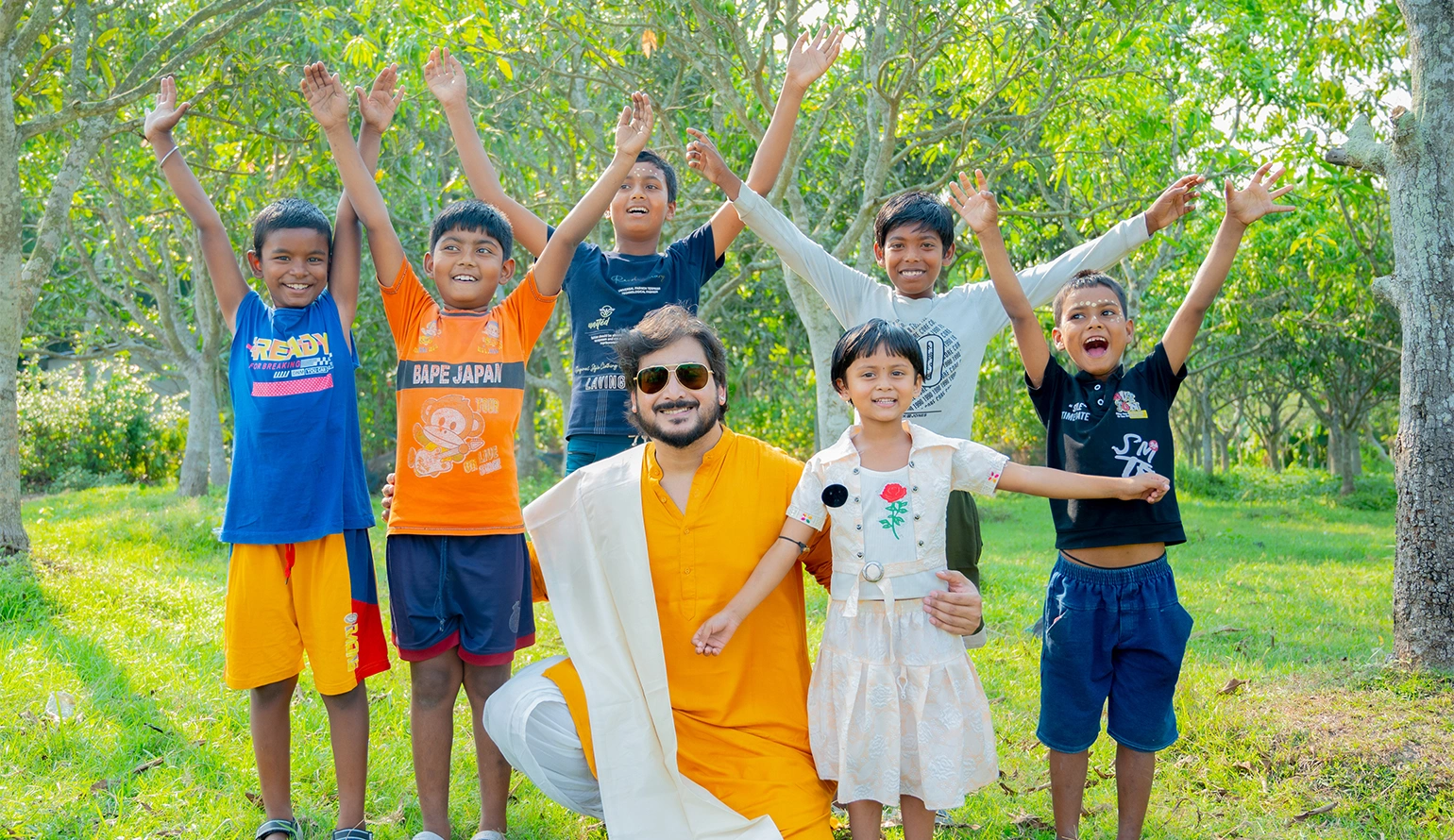
Best NGO to Work For in Kolkata: Nabatara Foundation
Choosing the right NGO to work with in Kolkata can shape your career, ...
