


Nabatara Foundation
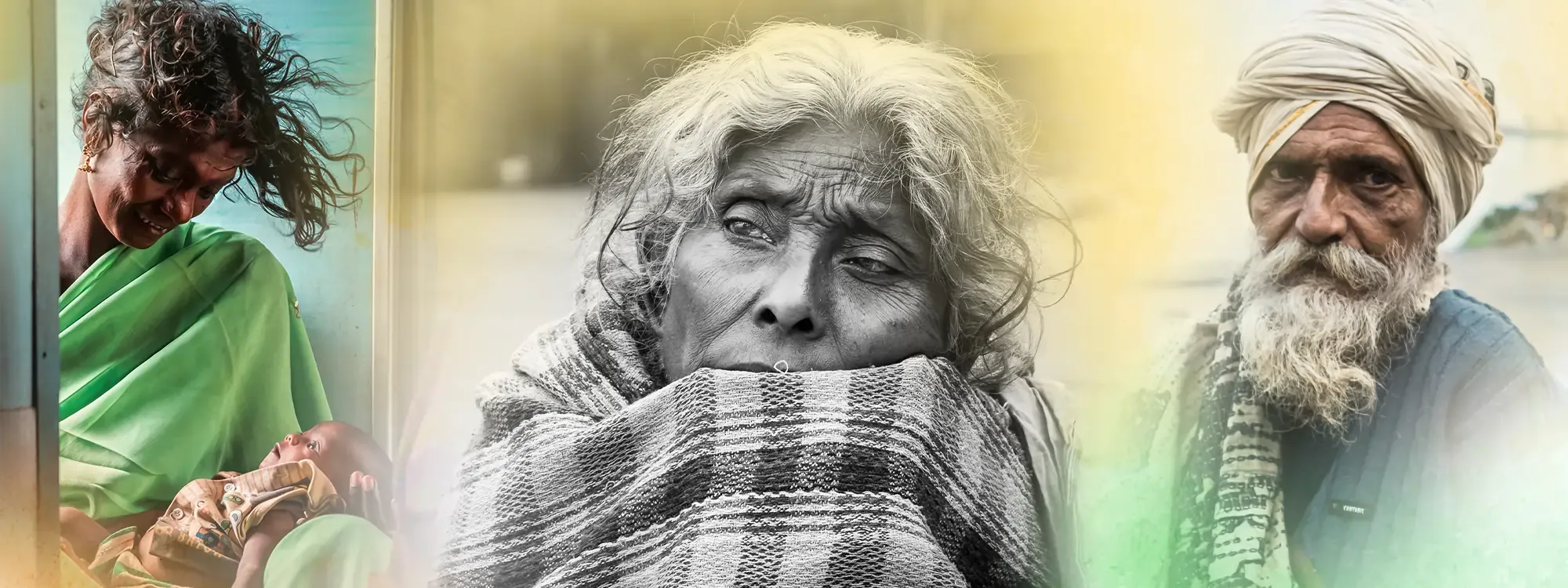
The Silent Crisis of Aging

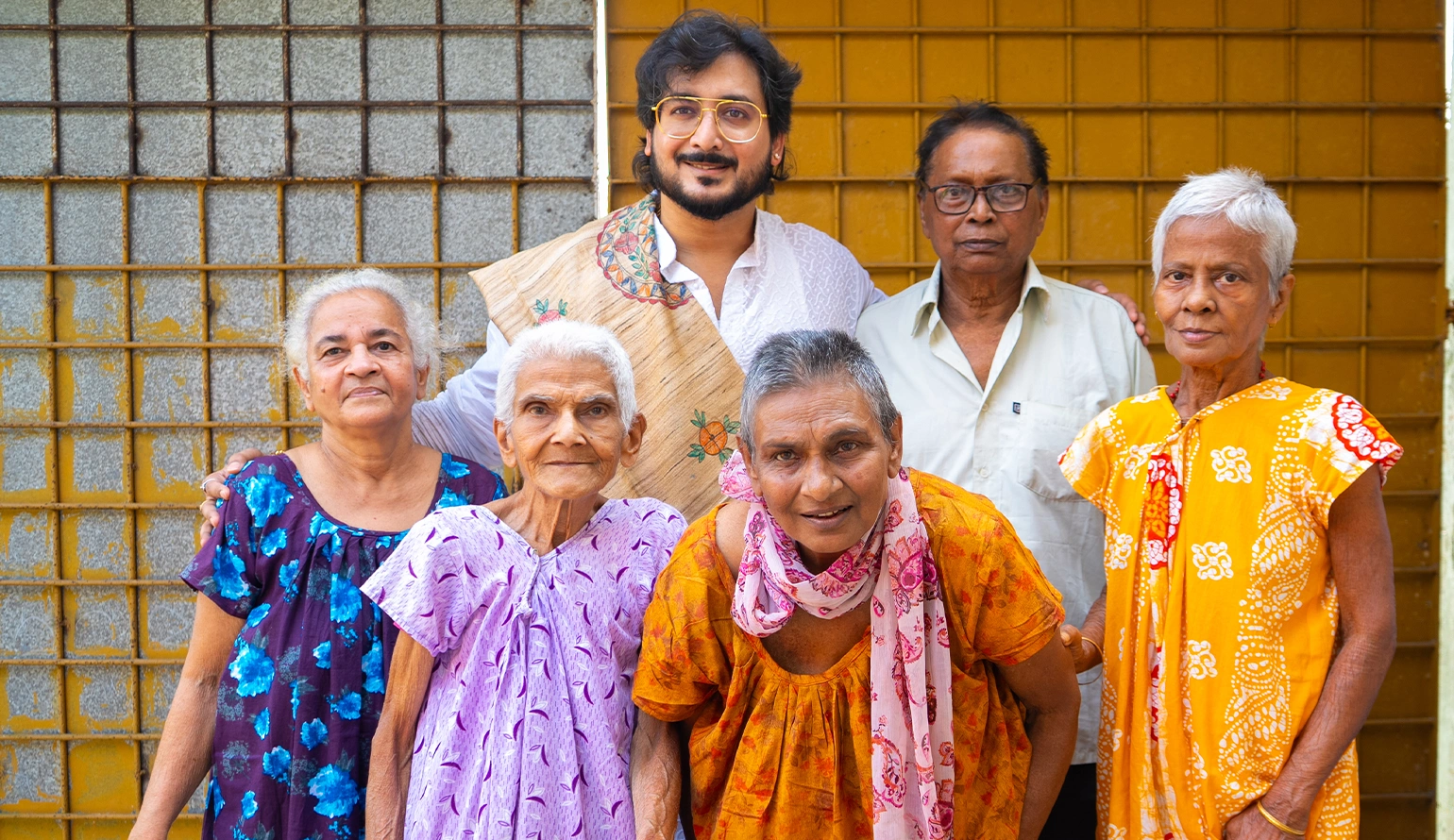
India's Silent Elder Care Crisis: Aging with Dignity
India is witnessing a silent yet powerful demographic shift. With millions of people entering old age every year, the challenges of elder care are becoming increasingly visible. Migration is separating generations, families are shrinking, and many elderly individuals lack emotional, financial, or medical support. This growing reality has turned elder care into one of the most pressing social issues in the country. Organizations like the Nabatara Foundation are stepping forward to restore dignity, compassion, and support for senior citizens who deserve security and respect in their later years.
Understanding the Rising Concern of Elder Care in India
India stands at a fascinating crossroads of demographic transformation. For decades the country has been known as a young nation, bursting with energy, ambition, and an ever-expanding workforce. Yet beneath this narrative lies another powerful shift that is slowly reshaping society. The population of elderly citizens is growing at an unprecedented rate, and with it comes a complex set of social responsibilities that India has not fully prepared for.
Across cities, towns, and rural villages, millions of individuals are entering their senior years. Longer life expectancy, improved healthcare systems, and better living standards have enabled people to live longer than previous generations. While this progress is something to celebrate, it also introduces new social challenges that require thoughtful attention and long-term planning.
In earlier decades, the structure of Indian families naturally provided support for aging parents and grandparents. Multi-generational households ensured that elders were rarely left alone. They lived among their children, participated in daily life, and shared their wisdom with younger generations.
However, the social structure of the modern Indian family is rapidly evolving. Urbanization, career mobility, global migration, and economic pressures have led to the rise of nuclear families. As younger individuals move away for education and employment opportunities, elderly parents often remain behind in their hometowns.
This gradual shift has created a growing gap in elder support systems. Many senior citizens now find themselves navigating aging without the daily companionship and care that once defined Indian family life.
Organizations such as Nabatara Foundation recognize that this demographic shift demands compassionate intervention. By acknowledging elder care as a social responsibility rather than a private family matter, initiatives like those led by the foundation seek to restore dignity and emotional security for aging individuals who may otherwise feel forgotten.
The Emotional Reality of Growing Old in Modern India
Aging is not merely a biological process; it is deeply emotional and social. For many elderly individuals in India, the later years of life bring an unexpected sense of isolation. Children who once filled the household with laughter may now live thousands of kilometers away. Neighborhoods change, friends pass away, and familiar routines slowly fade.
Loneliness among senior citizens has become an increasingly discussed issue in urban India. Many elderly individuals spend long hours alone, often with limited mobility and minimal social interaction. This emotional isolation can have profound effects on mental health, contributing to anxiety, depression, and a sense of abandonment.
The emotional needs of the elderly are often overlooked because society tends to focus primarily on physical health. Yet companionship, respect, and emotional support are just as important for a fulfilling life in old age.
Community-based initiatives are becoming essential in addressing these needs. Programs that encourage social interaction, shared activities, and volunteer engagement help elderly individuals reconnect with society and rediscover a sense of purpose.
This is where organizations like Nabatara Foundation play an important role. Through compassionate outreach and community engagement, the foundation works to ensure that elderly citizens are not treated as forgotten members of society but as valued individuals whose experiences enrich the community.
The Economic Vulnerability of the Aging Population
Another critical dimension of elder care in India is financial security. A significant portion of the elderly population lacks stable income sources after retirement. Unlike many developed countries that provide extensive pension systems, India still faces gaps in financial protection for senior citizens.
Many individuals who worked in informal sectors throughout their lives reach old age without savings, pensions, or reliable financial support. When health problems arise or mobility decreases, managing daily expenses becomes a serious challenge.
Medical costs, in particular, can place enormous pressure on elderly individuals and their families. Chronic illnesses, medications, hospital visits, and long-term care often require financial resources that many seniors simply do not possess.
In rural areas, the situation can be even more challenging. Access to healthcare facilities may be limited, and social support systems are often weaker due to migration patterns.
Recognizing these challenges, humanitarian initiatives have begun focusing on providing not just emotional support but also practical assistance. Efforts include healthcare camps, medical assistance programs, and community welfare initiatives aimed at improving the overall well-being of elderly citizens.
The mission of Nabatara Foundation reflects this broader approach to social welfare. By extending support to vulnerable communities—including the elderly, visually impaired individuals, and specially-abled children—the organization works toward building a compassionate ecosystem where every individual receives the care they deserve.
Cultural Values and the Changing Role of Family
India has long celebrated the idea that caring for elders is both a moral duty and a cultural value. Ancient traditions emphasized respect for parents and grandparents, viewing them as sources of wisdom and guidance. This value system still exists in many households, yet the pressures of modern life are making it increasingly difficult for families to fulfill these responsibilities alone.
Career demands often require younger generations to relocate to distant cities or even overseas. Work schedules leave little time for extended caregiving, and the physical distance between family members can make daily support impossible.
As a result, the role of community organizations and social welfare groups is becoming increasingly important. These organizations help bridge the gap between traditional values and modern realities.
By providing structured elder care programs, community outreach initiatives, and volunteer opportunities, groups like Nabatara Foundation ensure that the spirit of compassion remains alive even in a rapidly changing society.
The Emerging Need for Social Responsibility
Elder care is no longer simply a family matter. It is becoming a broader social responsibility that requires collective action. Governments, social organizations, communities, and individuals must work together to build systems that protect the dignity and well-being of aging populations.
Public awareness plays a critical role in this transformation. When society begins to recognize elder care as a shared responsibility, it opens the door for innovative solutions such as community living spaces, volunteer support networks, and social welfare programs.
Organizations like Nabatara Foundation are leading this shift by demonstrating how compassion-driven initiatives can transform lives. Their efforts highlight the importance of empathy, community participation, and social responsibility in addressing one of India's most pressing challenges.
The rise of elder care as a social issue is not merely a problem to be solved; it is also an opportunity for society to reaffirm its commitment to humanity, respect, and dignity.
The Real Challenges Faced by Senior Citizens in India
The Hidden Struggles of Aging in a Rapidly Changing Society
India is a country where the wisdom of elders has traditionally been regarded as a guiding force for families and communities. For centuries, grandparents were not only respected members of the household but also storytellers, decision-makers, and cultural anchors who shaped the values of younger generations. Their presence brought stability and emotional warmth to the family structure.
Yet the social fabric that once protected the elderly is undergoing profound transformation. Rapid urban growth, changing economic patterns, and increasing migration have quietly altered the dynamics of Indian households. While these changes have opened doors to new opportunities for younger generations, they have also created a reality in which many senior citizens find themselves struggling to adapt to an unfamiliar and often lonely environment.
The challenges faced by elderly individuals today extend far beyond the natural physical limitations that accompany aging. They include emotional isolation, financial uncertainty, declining health, and the absence of dependable support systems. These struggles are often invisible to the outside world, yet they shape the daily experiences of millions of older individuals across the country.
Recognizing these realities is essential for building a society that respects and protects its aging population. Organizations such as Nabatara Foundation have increasingly emphasized the importance of understanding these challenges in order to develop compassionate solutions that restore dignity and security to the lives of senior citizens.
Loneliness and Social Isolation Among the Elderly
One of the most painful aspects of aging in modern India is the growing sense of loneliness experienced by many elderly individuals. The feeling of being alone does not simply arise from physical separation from family members; it also stems from a gradual disconnection from the social circles that once defined daily life.
In many urban neighborhoods, elderly residents spend long hours indoors with little interaction beyond brief exchanges with neighbors or shopkeepers. Children who once lived under the same roof may now reside in distant cities or even abroad, pursuing careers and opportunities that require them to build new lives away from home.
While technological tools such as video calls and messaging applications have helped families stay connected, they cannot replace the emotional comfort of physical presence. For elderly individuals who grew up in an era of face-to-face relationships, digital communication often feels distant and impersonal.
Social isolation has serious consequences for mental health. Studies and social observations suggest that prolonged loneliness among elderly individuals can lead to depression, anxiety, and cognitive decline. Without regular conversation and companionship, even the most resilient individuals can begin to feel forgotten.
Community engagement programs have proven to be powerful tools in addressing this issue. Initiatives that bring elderly citizens together for social activities, shared meals, cultural events, or volunteer opportunities can significantly improve emotional well-being.
This is one of the areas where organizations like Nabatara Foundation play a meaningful role. By encouraging community participation and building spaces where elderly individuals can connect with others, the foundation helps restore a sense of belonging that many seniors deeply miss.
Health Challenges That Come With Age
The aging process inevitably brings changes to the human body. Reduced mobility, declining vision, slower reflexes, and chronic medical conditions become more common as individuals grow older. While these physical changes are natural, they can significantly affect a person's independence and quality of life.
In India, many elderly individuals live with health conditions such as diabetes, heart disease, arthritis, respiratory issues, and neurological disorders. Managing these conditions often requires regular medical check-ups, medications, and specialized care.
However, access to healthcare remains uneven across different regions of the country. In metropolitan cities, advanced hospitals and clinics are readily available, yet the cost of medical treatment can be overwhelming for retirees with limited income. In rural areas, the problem is often the opposite: healthcare facilities may be scarce, forcing elderly patients to travel long distances for basic medical services.
The challenge becomes even greater when elderly individuals live alone. A routine hospital visit can turn into a complicated task without someone to accompany them, arrange transportation, or manage prescriptions.
These circumstances highlight the importance of community support systems. Health camps, medical assistance programs, and volunteer-based care initiatives can help bridge the gap between elderly individuals and the healthcare services they require.
Nabatara Foundation recognizes the importance of addressing healthcare challenges as part of its broader mission of social welfare. By extending assistance to vulnerable populations, including senior citizens who require medical support, the foundation works toward ensuring that aging does not mean losing access to essential care.
Financial Insecurity and the Absence of Stable Income
Financial stability plays a crucial role in determining the quality of life during old age. Unfortunately, a large percentage of India's elderly population faces economic uncertainty after retirement.
Many individuals spent their working years in informal sectors such as agriculture, small businesses, or daily wage labor. These professions often lack structured pension systems or retirement benefits. As a result, when individuals reach their senior years, they may find themselves without a reliable source of income.
Even those who receive pensions may struggle to meet rising living costs. Urban housing expenses, healthcare bills, and daily necessities can quickly consume limited savings.
Financial dependency on children can sometimes create emotional discomfort for elderly parents who have spent their lives supporting their families. While many children willingly provide financial assistance, circumstances such as job instability or economic pressure can make it difficult for them to provide consistent support.
This financial vulnerability can lead to difficult decisions. Some elderly individuals reduce medical treatments to save money, while others avoid social activities because they cannot afford transportation or participation costs.
Charitable initiatives and community welfare programs can make a meaningful difference in such situations. By offering financial assistance, healthcare support, and access to essential services, organizations like Nabatara Foundation help reduce the economic burden faced by vulnerable senior citizens.
Through compassion-driven initiatives, the foundation demonstrates that elder care is not merely about physical support but also about preserving dignity and independence.
The Growing Concern of Elder Abuse
While many families continue to care for their elderly members with love and respect, there is a growing recognition that elder abuse is becoming a serious issue in certain parts of society. Abuse can take many forms, including neglect, emotional mistreatment, financial exploitation, and, in extreme cases, physical harm.
Often, these situations remain hidden because elderly individuals may hesitate to speak about their experiences. Fear of damaging family relationships or losing whatever support they still receive can prevent them from seeking help.
Social stigma also plays a role. In communities where family reputation is highly valued, elderly victims may feel pressure to remain silent rather than reveal difficult truths.
Addressing elder abuse requires awareness, education, and accessible support systems. Helplines, counseling services, and community outreach programs can help ensure that elderly individuals know where to turn if they feel unsafe or neglected.
Organizations dedicated to social welfare are increasingly working to raise awareness about the rights and well-being of senior citizens. Through advocacy and compassionate engagement, groups like Nabatara Foundation emphasize that every elderly individual deserves safety, respect, and protection.
Loss of Purpose After Retirement
Another challenge that many elderly individuals face is the psychological transition that follows retirement. Work often provides structure, identity, and a sense of accomplishment. When that routine suddenly disappears, some individuals struggle to find new ways to stay engaged and fulfilled.
The feeling of being no longer needed can slowly erode self-confidence. Without meaningful activities or opportunities to contribute, the days may begin to feel repetitive and unproductive.
However, aging does not diminish a person's capacity to share knowledge, creativity, and life experience. Many senior citizens possess invaluable wisdom that can inspire younger generations.
Encouraging elderly individuals to participate in mentorship programs, educational initiatives, and community service activities can help restore a sense of purpose. Volunteer opportunities, storytelling sessions, cultural workshops, and skill-sharing platforms can create meaningful connections between generations.
Nabatara Foundation strongly believes in the power of community engagement to uplift lives. By fostering inclusive environments where people of all ages can contribute and interact, the organization promotes the idea that aging should never mean becoming invisible to society.
The Need for Compassionate Solutions
The challenges faced by senior citizens in India are complex and deeply interconnected. Loneliness, health issues, financial insecurity, and social neglect cannot be addressed through isolated efforts. They require a comprehensive approach that combines family support, community engagement, government policies, and humanitarian initiatives.
India's aging population is not simply a statistic; it represents millions of individuals who have spent their lives contributing to the growth and progress of society. As they enter the later stages of life, they deserve care, respect, and security.
Organizations like Nabatara Foundation are helping to reshape the conversation around elder care by demonstrating that compassion and collective responsibility can transform lives. Their work reminds us that building a humane society means ensuring that no individual feels abandoned or forgotten during their most vulnerable years.
The growing awareness of elder care as a social issue is an important step toward meaningful change. By acknowledging the struggles faced by senior citizens and supporting initiatives that address their needs, communities can create an environment where aging is not feared but embraced with dignity and care.
Why Elder Care Infrastructure in India Is Still Developing
A Society Facing a New Reality
India is experiencing a profound demographic transition that is quietly reshaping the needs of its population. For generations the country has focused primarily on education, employment, and economic development for younger citizens. The assumption that families would naturally care for their aging members meant that elder care rarely appeared as a separate social priority.
However, the realities of modern life are changing this assumption. The number of elderly individuals is rising steadily every year, and the traditional family structure that once ensured their well-being is no longer as stable as it used to be. The shift toward nuclear households, the rapid growth of urban life, and the increasing migration of young professionals to other cities and countries have created a gap between the needs of senior citizens and the systems available to support them.
This gap reveals a deeper issue: India's elder care infrastructure is still in the early stages of development. While the country has made impressive progress in healthcare and social welfare programs, organized support systems for the elderly are still evolving.
In this changing environment, compassionate organizations such as Nabatara Foundation are becoming increasingly important. Their work highlights the urgent need to create stronger support networks that can ensure elderly citizens live their later years with dignity, security, and respect.
The Traditional Family Model and Its Limitations
For centuries, the Indian family structure functioned as the primary system of elder care. Multi-generational households ensured that aging parents remained surrounded by their children and grandchildren. Daily routines were shared, meals were taken together, and responsibilities were distributed naturally within the family unit.
This arrangement provided emotional comfort as well as practical support. Elderly individuals rarely had to worry about transportation, medical visits, or daily chores because younger family members were always present to assist.
However, the social and economic landscape of India has changed dramatically over the past few decades. Education and employment opportunities have encouraged millions of young people to move away from their hometowns. Many families now live in compact urban apartments where accommodating multiple generations under one roof is not always feasible.
As a result, the traditional caregiving system has begun to weaken. This does not mean that families care less about their elders. Rather, the realities of modern life often make it difficult to provide the constant support that aging parents may require.
This transformation has created an urgent need for community-based elder care services that can complement family support. Institutions, NGOs, healthcare providers, and volunteer networks must now work together to fill the gap left by changing family structures.
Organizations like Nabatara Foundation understand this transition deeply. By stepping into spaces where traditional support systems may no longer be sufficient, they help ensure that elderly individuals continue to receive compassion, assistance, and respect.
Limited Availability of Specialized Elder Care Facilities
Another factor contributing to the growing concern around elder care in India is the limited availability of specialized facilities designed specifically for senior citizens. Although the concept of old age homes has existed for many years, the number of well-equipped and compassionate institutions remains relatively small compared to the size of the aging population.
Many elderly individuals hesitate to consider residential care facilities because of cultural perceptions. In Indian society, sending parents to an old age home has historically been viewed as a sign that families have failed to fulfill their responsibilities. This stigma has discouraged the development of formal elder care institutions and limited public discussions around the subject.
However, the role of elder care facilities is gradually evolving. Instead of being seen as places of abandonment, many modern care centers aim to create supportive environments where senior citizens can live comfortably while receiving medical attention, social engagement, and emotional companionship.
Despite this progress, accessibility remains a major challenge. High-quality facilities are often concentrated in large metropolitan areas and may be expensive for many families. Rural regions and smaller towns frequently lack organized elder care services altogether.
The need for more inclusive and affordable solutions is becoming increasingly clear. Community outreach initiatives, day-care centers for senior citizens, and volunteer support programs can provide practical assistance without requiring elderly individuals to leave their homes.
Nabatara Foundation recognizes the importance of such community-focused solutions. By supporting elderly individuals through social welfare programs and humanitarian initiatives, the foundation contributes to building a more compassionate support system that extends beyond traditional institutional care.
Healthcare Systems Struggling to Adapt
Healthcare is one of the most critical aspects of elder care, yet it is also one of the areas where infrastructure gaps are most visible. While India has made remarkable advancements in medical technology and hospital services, the healthcare system is still adapting to the specific needs of an aging population.
Older individuals often require long-term medical care rather than short-term treatments. Chronic conditions such as diabetes, heart disease, arthritis, and neurological disorders demand continuous monitoring, specialized medication, and regular consultations with healthcare professionals.
Unfortunately, many healthcare facilities are designed primarily for acute medical care rather than long-term geriatric support. Specialized geriatric departments, rehabilitation services, and home-based healthcare programs are still developing in many regions of the country.
For elderly individuals living alone, even accessing existing healthcare services can be difficult. Transportation challenges, mobility limitations, and the complexity of hospital procedures can create significant barriers.
These realities highlight the importance of community-driven health initiatives. Medical camps, volunteer healthcare support, and mobile health services can play a vital role in reaching elderly citizens who might otherwise struggle to receive care.
Nabatara Foundation actively promotes humanitarian values through initiatives that provide medical assistance and social support to vulnerable communities. By recognizing the healthcare needs of senior citizens, the organization contributes to a broader movement aimed at strengthening India's elder care ecosystem.
Urbanization and Its Impact on Elder Support
Urbanization has transformed India's economic and social landscape in countless ways. Cities have become centers of innovation, opportunity, and cultural diversity. Yet the rapid pace of urban development has also introduced challenges that affect the well-being of elderly citizens.
In many urban environments, neighborhoods are less tightly connected than they once were. High-rise apartments and busy lifestyles often reduce opportunities for casual social interaction. For elderly individuals who live alone, this can lead to a sense of detachment from the community around them.
Urban living also brings practical challenges. Navigating crowded streets, using public transportation, or accessing healthcare facilities can become difficult for individuals with limited mobility.
Additionally, the rising cost of living in cities places financial pressure on retired individuals who depend on fixed incomes. Housing expenses, medical bills, and daily necessities may consume savings faster than anticipated.
These circumstances emphasize the importance of creating elder-friendly urban environments. Public spaces, healthcare accessibility, community centers, and volunteer networks can help ensure that elderly residents remain active participants in city life.
Organizations like Nabatara Foundation play a significant role in addressing these urban challenges. By fostering community awareness and encouraging compassionate engagement, the foundation helps create social environments where senior citizens feel valued rather than isolated.
The Role of Social Awareness
One of the reasons elder care infrastructure has developed slowly in India is that society is only beginning to recognize the scale of the issue. For many years the struggles of elderly individuals remained largely private, confined within family homes and rarely discussed in public forums.
However, awareness is gradually growing. Media coverage, social research, and advocacy by non-profit organizations have brought attention to the emotional and practical challenges faced by senior citizens.
As society becomes more aware of these realities, conversations about elder care are expanding beyond family circles. Policymakers, educators, healthcare professionals, and community leaders are increasingly exploring ways to create more inclusive support systems.
Education and public dialogue are essential components of this transformation. When younger generations understand the needs of elderly individuals, they are more likely to participate in initiatives that promote compassion and social responsibility.
Nabatara Foundation contributes to this awareness by actively engaging communities and highlighting the importance of caring for vulnerable members of society. Through its work in women's empowerment, rural development, medical assistance, and elderly support, the organization demonstrates how humanitarian values can translate into meaningful action.
Building the Foundation for a More Compassionate Future
The development of elder care infrastructure in India is still a work in progress, but the growing recognition of the issue offers hope for the future. As awareness spreads and communities begin to collaborate, innovative solutions are emerging that combine traditional values with modern resources.
Families will always remain at the heart of elder care in India. However, they no longer have to carry the responsibility alone. Community organizations, social initiatives, and volunteer networks can provide the additional support needed to ensure that elderly individuals receive the care and companionship they deserve.
Nabatara Foundation stands as a powerful example of how compassion can inspire meaningful change. By addressing the needs of vulnerable populations and promoting inclusive social development, the foundation helps build a society where aging is not associated with neglect or loneliness but with dignity, respect, and human connection.
How NGOs Are Transforming Elder Care in India and Restoring Dignity to Aging Lives
The Rise of Compassion-Driven Social Initiatives
Across India, a quiet transformation is taking place in the way society approaches the care and dignity of elderly citizens. While families continue to play a central role in supporting aging parents, the reality of modern life has created situations where additional support systems are necessary. In response to these evolving needs, non-profit organizations and social welfare groups have begun to emerge as powerful pillars of support for senior citizens.
Non-governmental organizations have gradually stepped forward to fill the gaps left by limited infrastructure and changing family structures. Their work extends far beyond basic charity. Many NGOs focus on creating sustainable support networks that ensure elderly individuals receive medical assistance, emotional companionship, financial guidance, and a sense of belonging within their communities.
This growing movement is reshaping the national conversation around elder care. Rather than viewing aging as a burden on families or institutions, NGOs promote the idea that caring for senior citizens is a shared responsibility that reflects the values of compassion, gratitude, and social respect.
Organizations such as Nabatara Foundation represent this philosophy in action. Through humanitarian initiatives and community outreach programs, the foundation works tirelessly to ensure that elderly individuals are not forgotten during the later stages of their lives. By recognizing the emotional and practical needs of senior citizens, Nabatara Foundation contributes to a larger movement aimed at restoring dignity and security to aging populations across India.
Community Support Programs That Reconnect the Elderly with Society
One of the most important contributions of NGOs in elder care is their ability to rebuild social connections for senior citizens who may feel isolated. As urban lifestyles become more fast-paced and families become geographically dispersed, many elderly individuals experience a sense of detachment from the community around them.
Community support programs organized by NGOs provide opportunities for elderly individuals to engage in meaningful activities and reconnect with others. These programs often include cultural gatherings, group discussions, educational workshops, health awareness sessions, and recreational activities designed specifically for senior citizens.
Such initiatives serve a deeper purpose than simple entertainment. They create spaces where elderly individuals can share their stories, express their ideas, and rediscover the joy of human interaction. Social engagement has been shown to significantly improve emotional well-being, reduce feelings of loneliness, and strengthen mental health among older adults.
Through its humanitarian vision, Nabatara Foundation emphasizes the importance of inclusive community engagement. By encouraging volunteers and local residents to interact with elderly individuals, the foundation fosters relationships that bring warmth and companionship into the lives of those who might otherwise feel overlooked by society.
In this way, community-based programs become powerful reminders that aging does not mean becoming invisible. Instead, senior citizens remain valued members of society whose life experiences enrich the collective wisdom of the community.
Medical Assistance and Healthcare Outreach
Healthcare remains one of the most pressing concerns for elderly populations. Chronic illnesses, declining physical strength, and the need for regular medical supervision often make healthcare access a daily challenge for senior citizens.
Many NGOs have recognized that providing healthcare support is essential for improving the quality of life of elderly individuals. As a result, they organize medical camps, health awareness programs, and mobile healthcare services that bring medical assistance directly to communities where elderly citizens reside.
These initiatives help bridge the gap between senior citizens and healthcare providers. Free health check-ups, consultations with medical professionals, distribution of essential medicines, and guidance on managing chronic conditions are often part of these programs.
The presence of such outreach services can significantly reduce the stress experienced by elderly individuals who may otherwise struggle to visit hospitals or clinics regularly. It also helps families feel reassured that their aging parents are receiving proper care even when they cannot be physically present.
Nabatara Foundation has consistently emphasized humanitarian healthcare assistance as part of its broader mission to uplift vulnerable communities. By extending support to individuals in need, including senior citizens, the foundation reinforces the idea that healthcare should be accessible and compassionate for everyone.
Through these efforts, elder care becomes not only a matter of medical treatment but also a reflection of social responsibility and collective empathy.
Creating Safe Spaces for the Elderly
Safety and security are fundamental concerns for many elderly individuals, particularly those who live alone. With increasing urbanization and changing neighborhood dynamics, senior citizens may sometimes feel vulnerable in their own homes.
NGOs often work to address these concerns by creating safe environments where elderly individuals can feel protected and supported. Some organizations establish residential facilities that provide a nurturing atmosphere for senior citizens who require full-time care. Others develop day-care centers where elderly individuals can spend time during the day engaging in activities and social interaction before returning home.
These safe spaces are designed not merely as shelters but as communities where elderly residents can live with dignity and companionship. Staff members and volunteers work together to ensure that residents receive proper nutrition, healthcare support, and emotional care.
Equally important is the sense of independence these environments encourage. Many elderly individuals prefer spaces that allow them to maintain personal autonomy while still having access to assistance when needed.
Nabatara Foundation supports the principle that elderly citizens deserve environments where they feel respected, secure, and valued. Through its dedication to social welfare and compassionate service, the foundation helps highlight the importance of building supportive spaces that prioritize the well-being of senior citizens.
Encouraging Volunteerism and Youth Participation
One of the most inspiring aspects of NGO-led elder care initiatives is the role of volunteers. Young people, students, professionals, and community members often come together to participate in programs designed to support senior citizens.
Volunteer involvement creates meaningful connections between generations. When young individuals spend time interacting with elderly citizens, they gain insight into life experiences, cultural traditions, and personal wisdom that cannot be learned in classrooms alone.
At the same time, elderly individuals benefit from the energy and enthusiasm of younger volunteers. Conversations, shared activities, and simple acts of kindness can transform an ordinary day into a meaningful experience.
Educational institutions and social organizations increasingly encourage students to participate in community service programs focused on elder care. These experiences foster empathy and social responsibility, shaping a generation that understands the importance of caring for vulnerable members of society.
Nabatara Foundation actively encourages volunteer engagement as part of its broader mission of community development. By creating opportunities for individuals to contribute their time and compassion, the foundation helps build bridges between generations while strengthening the spirit of social responsibility.
For students and scholars from around the world who are interested in social welfare, community development, and humanitarian initiatives, such programs also provide valuable learning experiences that extend beyond academic knowledge.
Advocacy and Awareness for Elder Rights
Beyond direct support services, NGOs also play a crucial role in raising awareness about the rights and well-being of elderly citizens. Advocacy efforts aim to ensure that society recognizes the importance of protecting senior citizens from neglect, discrimination, and abuse.
Public awareness campaigns often focus on promoting respect for elders, educating communities about the challenges of aging, and encouraging families to maintain strong emotional connections with older relatives.
Workshops, seminars, and educational outreach programs help spread knowledge about government welfare schemes, healthcare resources, and legal protections available to senior citizens. When elderly individuals and their families are informed about these resources, they are better equipped to access the support they need.
Organizations like Nabatara Foundation contribute to this awareness by promoting a culture of compassion and inclusivity. Their work reminds society that the elderly are not merely recipients of assistance but individuals who deserve recognition, appreciation, and respect.
The Transformative Impact of Compassionate Action
The involvement of NGOs in elder care has already begun to create meaningful change across India. From healthcare outreach programs to community engagement initiatives, these organizations demonstrate that compassionate action can transform lives.
The presence of dedicated social organizations also inspires communities to become more involved in supporting their elderly members. When people witness positive initiatives within their neighborhoods, they often feel motivated to contribute in their own ways.
Nabatara Foundation stands as a powerful example of how a vision rooted in empathy can grow into a movement that uplifts vulnerable communities. By addressing the needs of elderly citizens alongside other humanitarian causes such as women's empowerment, rural development, and medical assistance, the foundation embodies the spirit of inclusive social change.
The growing recognition of elder care as a major social issue has created an opportunity for individuals, communities, and organizations to come together in service of a common goal. Through collaboration, awareness, and compassion, society can ensure that aging does not lead to isolation or neglect but to a life filled with dignity and human connection.
The Future of Elder Care in India: Building a Compassionate Society for the Aging Generation
The Beginning of a New Social Responsibility
India stands at an important moment in its social development. The country is progressing rapidly in technology, education, healthcare, and economic growth. Cities are expanding, opportunities are increasing, and new generations are shaping the future of the nation with ambition and innovation.
Yet alongside this progress, another important responsibility is emerging. The growing population of senior citizens is reminding society that development must also include compassion, respect, and care for those who have already contributed their entire lives to building the nation.
The challenge of elder care is no longer a distant possibility. It is a present reality that affects millions of families across India. With longer life expectancy and changing family structures, the number of elderly individuals requiring emotional support, healthcare assistance, and social inclusion continues to rise every year.
However, this situation should not be viewed only as a problem. It also presents an opportunity for society to redefine its values and strengthen the bonds between generations. By acknowledging the importance of elder care, communities can begin building systems that ensure senior citizens experience security, dignity, and respect throughout their later years.
Organizations such as Nabatara Foundation have already begun contributing to this transformation. Their humanitarian initiatives demonstrate that when compassion meets collective action, meaningful change becomes possible.
Strengthening Social Policies for Elder Care
Government policies will play a crucial role in shaping the future of elder care in India. While several welfare schemes already exist for senior citizens, the rapidly growing aging population requires continuous improvement and expansion of these initiatives.
Access to affordable healthcare remains one of the most significant priorities. Many elderly individuals live with chronic health conditions that require regular medical attention. Expanding healthcare coverage, promoting geriatric care training among medical professionals, and improving accessibility to healthcare facilities can greatly improve the lives of senior citizens.
Financial security is another important factor that policymakers must address. Strengthening pension systems, expanding social security programs, and ensuring that elderly individuals receive reliable financial assistance can reduce economic vulnerability during retirement.
Urban planning also needs to evolve with the needs of senior citizens in mind. Cities designed with accessible public transportation, safe pedestrian pathways, community centers, and healthcare facilities can help elderly individuals maintain independence and social engagement.
While policy reforms are essential, they cannot replace the human element of compassion. Laws and programs can provide structure, but true care emerges when communities actively participate in supporting their elderly members.
This is where humanitarian organizations like Nabatara Foundation play a crucial role. By complementing policy initiatives with community-driven programs, they ensure that the spirit of compassion remains at the center of elder care efforts.
The Role of Youth in Supporting the Aging Population
One of the most powerful forces that can shape the future of elder care in India is the involvement of young people. Students, scholars, and professionals possess the energy and creativity needed to build innovative solutions for social challenges.
When young individuals engage with elderly communities, they gain valuable insights into life experiences, cultural traditions, and historical perspectives that cannot be learned through textbooks alone. These interactions foster empathy and understanding, creating a bridge between generations.
Volunteer programs focused on elder care offer meaningful opportunities for students to contribute to society. Spending time with senior citizens, assisting with daily activities, organizing community events, or simply sharing conversations can significantly improve the emotional well-being of elderly individuals.
Educational institutions around the world are increasingly encouraging students to participate in social service initiatives as part of their academic development. These experiences help cultivate responsible citizens who recognize the importance of community engagement.
Nabatara Foundation actively supports volunteer participation as a key component of its social welfare mission. By welcoming individuals who wish to contribute their time and compassion, the foundation creates an environment where learning and humanitarian service go hand in hand.
For international scholars and students interested in social development, community welfare, and humanitarian leadership, engaging with organizations like Nabatara Foundation offers valuable opportunities to understand real-world social challenges and contribute to meaningful solutions.
Building Elder-Friendly Communities
The future of elder care will not depend solely on institutions or government programs. It will also depend on the everyday actions of communities and individuals who choose to create inclusive environments for senior citizens.
An elder-friendly community is one where elderly individuals feel safe, respected, and actively involved in social life. Such communities encourage neighbors to look out for one another, promote intergenerational interaction, and provide accessible spaces where senior citizens can gather and participate in activities.
Simple initiatives can make a significant difference. Community centers can organize health awareness sessions, cultural events, and educational workshops that bring elderly individuals together. Local volunteers can assist with transportation to medical appointments or help with everyday errands.
Technology also offers promising possibilities for improving elder care. Digital platforms can connect volunteers with elderly individuals who need assistance, while telemedicine services can provide remote healthcare consultations for those who have difficulty traveling.
However, technology should complement human connection rather than replace it. The emotional warmth of personal interaction remains one of the most powerful forms of support for elderly individuals.
Nabatara Foundation continues to emphasize the importance of community-driven compassion. Through its initiatives supporting vulnerable groups—including elderly citizens, women, rural communities, and specially-abled individuals—the organization demonstrates how collective effort can build stronger and more inclusive societies.
The Importance of Compassion in Social Progress
Every society is ultimately defined by how it treats its most vulnerable members. The elderly population represents a generation that has dedicated decades of hard work, sacrifice, and wisdom to shaping the world that younger generations now inhabit.
Ensuring their well-being is not simply a matter of social policy; it is a reflection of gratitude and respect.
Compassion has always been a core value within Indian culture. Stories, traditions, and spiritual teachings have long emphasized the importance of honoring parents and elders. As society evolves, these values must continue to guide the way communities respond to the challenges of modern life.
Organizations like Nabatara Foundation embody this spirit of compassion through their humanitarian work. By focusing on social welfare initiatives that uplift marginalized communities, the foundation reminds us that progress must be measured not only by economic growth but also by the kindness and dignity we extend to others.
Through programs that support elderly individuals alongside other vulnerable groups, the foundation contributes to building a society where no one is left behind.
Why Elder Care Matters for the Future of Humanity
The issue of elder care extends far beyond national boundaries. Countries around the world are experiencing demographic changes that result in growing aging populations. India's experience reflects a global trend that challenges societies to rethink how they support individuals during the later stages of life.
By developing compassionate elder care systems today, communities can prepare for a future where aging is embraced rather than feared. A society that values its elders preserves wisdom, history, and cultural heritage while creating a supportive environment for future generations.
Students, scholars, volunteers, and social organizations all have a role to play in shaping this future. Through research, innovation, and humanitarian service, they can help design solutions that promote dignity and inclusion for elderly individuals.
Nabatara Foundation represents a meaningful step toward this vision. By addressing the needs of vulnerable populations and encouraging community participation, the organization contributes to a growing movement dedicated to building a more compassionate world.
Conclusion: A Collective Responsibility
The rise of elder care as a major social issue in India reflects the broader transformation of society. As families become smaller and lifestyles change, the responsibility of supporting senior citizens must be shared across communities, institutions, and social organizations.
Addressing the challenges faced by elderly individuals requires empathy, awareness, and sustained commitment. Healthcare access, financial security, emotional companionship, and community engagement must all become integral parts of a comprehensive elder care framework.
Nabatara Foundation stands as a beacon of hope in this journey. Through its dedication to humanitarian service, the foundation continues to uplift vulnerable communities and ensure that elderly citizens receive the respect and support they deserve.
The future of elder care in India will ultimately depend on how society chooses to respond today. By embracing compassion and collective responsibility, communities can ensure that every individual experiences aging not as a period of isolation but as a stage of life filled with dignity, respect, and human connection.
About Nabatara Foundation"Trusted Social Impact Organization in India
Nabatara Foundation "Save The Soul" is a legally registered non-profit organization committed to improving the lives of vulnerable communities across India. The organization operates under Section 8 of the Companies Act, 2013, Government of India, ensuring that its activities follow strict legal, financial, and ethical standards required for non-profit institutions in the country. With a registered Corporate Identification Number (CIN: U85300WB2021NPL245364) and an official Section 8 License Number: 125686, Nabatara Foundation functions with transparency, accountability, and a strong commitment to humanitarian service.
Founded by Gaurav Tribedi, the foundation was established with a clear mission to support underprivileged and marginalized communities through compassionate social initiatives. Over the years, Nabatara Foundation has expanded its work across multiple areas of social welfare, including women's empowerment, rural development, elderly care, support for orphanages, assistance for visually impaired individuals, and medical support programs for people who lack access to essential healthcare.
The organization's work reflects a deep understanding of the social challenges faced by vulnerable groups in India. Through community outreach programs, volunteer initiatives, and welfare activities, Nabatara Foundation actively contributes to creating a more inclusive and compassionate society where individuals from disadvantaged backgrounds can experience dignity, care, and opportunity.
Commitment to Ethical Service and Transparency
As a registered Section 8 organization, Nabatara Foundation operates strictly on a not-for-profit basis. All initiatives and programs are designed to generate social impact rather than financial profit. The foundation follows responsible governance practices and maintains transparency in its operations to ensure that every initiative genuinely benefits the communities it serves.
This commitment to transparency strengthens the organization's credibility among volunteers, donors, scholars, and social partners who wish to support meaningful humanitarian work. Every program organized by Nabatara Foundation is driven by the principle that social development must be ethical, accountable, and community-centered.
Expertise in Community Welfare and Social Development
Nabatara Foundation has developed experience in addressing a wide range of humanitarian challenges through carefully designed social initiatives. Its programs are focused on areas that directly affect the well-being of vulnerable populations, including:
- Support programs for elderly individuals who require emotional and medical assistance
- Community welfare initiatives that improve the quality of life in rural areas
- Women empowerment programs designed to promote independence and confidence
- Assistance for specially abled individuals and visually impaired citizens
- Outreach activities that support orphanages and children in need
- Medical aid initiatives that help underserved communities access healthcare
By focusing on these critical areas of social development, Nabatara Foundation demonstrates its commitment to building long-term positive change within society.
Building Trust Through Community Engagement
Trust is one of the most important elements of any social initiative. Nabatara Foundation believes that meaningful impact can only be achieved through active collaboration with communities, volunteers, and supporters. The organization encourages individuals from diverse backgrounds to participate in social welfare activities, creating a shared environment of compassion and responsibility.
Through volunteer engagement, educational outreach, and humanitarian programs, the foundation helps individuals understand the importance of community service and social empathy. Students, scholars, and socially conscious individuals often participate in these initiatives to gain real-world experience in humanitarian work and community development.
This collaborative approach not only strengthens the impact of the foundation's programs but also builds a network of individuals who are committed to creating a more caring and inclusive society.
Recognized Mission of Compassion and Social Responsibility
The vision of the Nabatara Foundation is rooted in the belief that every human life deserves respect, care, and opportunity. By supporting vulnerable populations and encouraging social responsibility, the organization contributes to a broader movement aimed at strengthening humanitarian values within society.
Whether addressing the needs of elderly citizens, empowering women, supporting children in need, or assisting individuals facing health challenges, Nabatara Foundation continues to demonstrate its dedication to compassionate service.
Through its work, the foundation reinforces the idea that true progress is not measured only by economic growth but also by the kindness and dignity extended to those who need support the most.
Offline Donation Options
While we encourage donations made through online payment options, you are welcome to make offline donations as well.

Cheque / Demand Draft
All donations are exempt from Income Tax under Section 80G of the Income Tax Act.

ACH
All donations for Nabatara Foundation's projects can be made as a regular monthly contribution through ACH (Automatic Clearing House).

In-Kind Donations
Another way to help Nabatara’s activities is through in-kind, non-cash donations for all our programmes.

Latest Blogs
 Elder Care
NGO Volunteer Requirements in India: Complete Guide
Understanding how to join an NGO in India goes beyond filling out a fo...
 Elder Care
Do NGO Volunteers Get Paid in India? Real Truth
Many people wonder whether NGO volunteers receive a salary or financia...
 Elder Care
Best NGO to Work For in Kolkata: Nabatara Foundation
Choosing the right NGO to work with in Kolkata can shape your career, ...
