


Nabatara Foundation
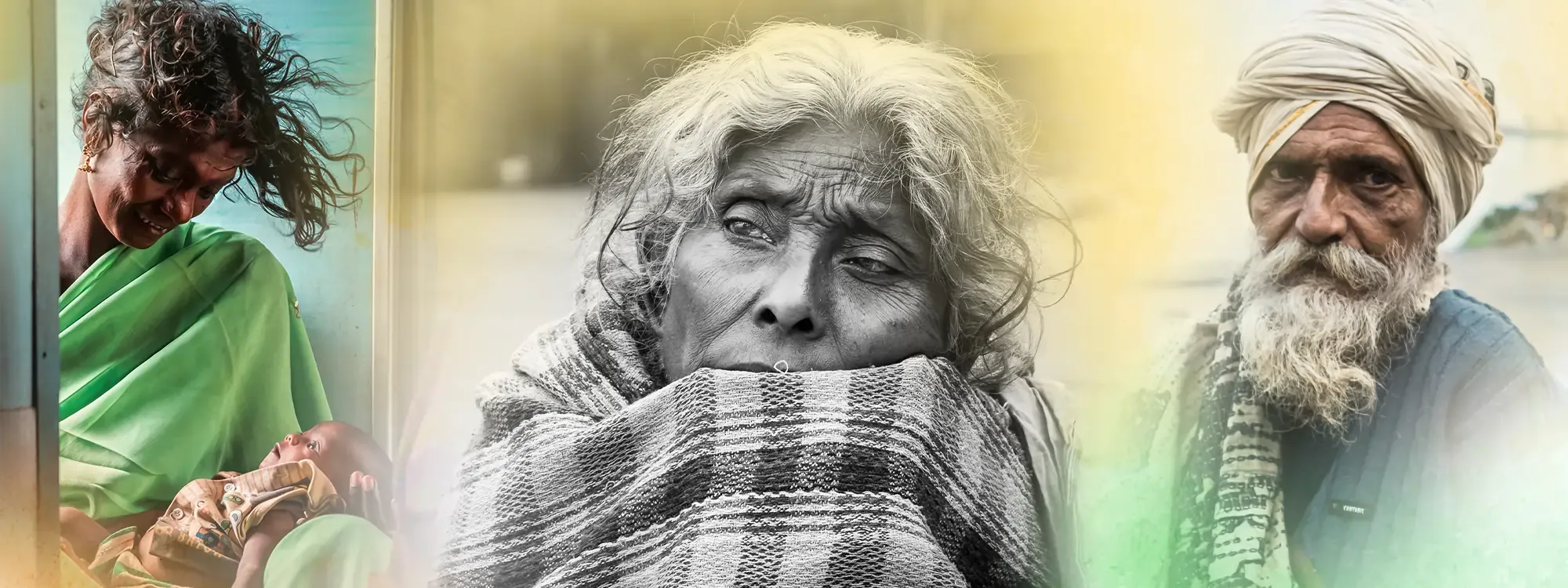
Women Empowerment

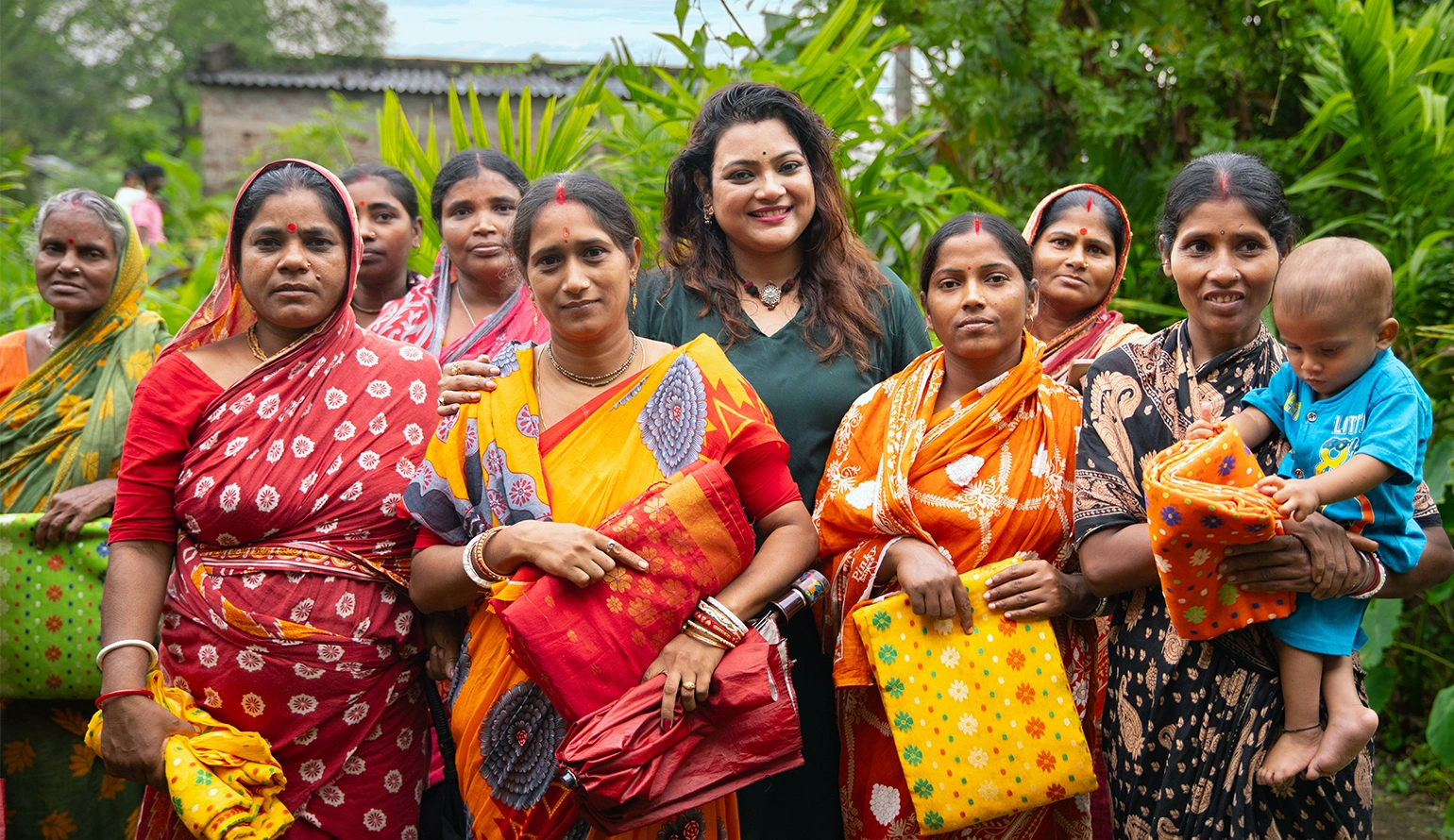
Women Empowerment in Rural India: Real Barriers, Real Solutions
Policies and conferences often discuss women empowerment in rural India, but the reality on the ground presents a far more complex story. Millions of women continue to face deep-rooted social barriers, economic dependency, health challenges, and limited access to education. This article explores the real challenges of rural women's empowerment in India and highlights how Nabatara Foundation Save The Soul is working to transform lives through grassroots initiatives.
Introduction: The Silent Strength of Rural Women
Across the vast rural landscapes of India, millions of women wake before sunrise and begin a day that rarely ends before nightfall. Their responsibilities stretch far beyond the walls of their homes. They work in fields, care for families, fetch water, cook meals, and often contribute quietly to the local economy. Yet despite their immense contribution, rural women remain among the most underserved and underrepresented groups in the country.
Women's empowerment in rural India is not merely a development slogan. It is one of the most urgent social transformations India must undertake to ensure inclusive growth and long-term national progress. When rural women are empowered through education, healthcare, financial independence, and social support, entire communities rise with them.
However, the reality is far more complicated. Deeply rooted cultural traditions, economic dependency, lack of access to education, and systemic inequality continue to restrict the progress of millions of rural women.
Organizations like Nabatara Foundation "Save The Soul" have recognized that empowering women is not simply about providing resources. It requires building confidence, creating opportunities, and restoring dignity to those who have long been denied it.
The journey toward rural women's empowerment is therefore not only about development. It is about justice, dignity, and the fundamental right of every woman to shape her own future.
Understanding Women's Empowerment in the Rural Indian Context
Women's empowerment in rural India carries a meaning that goes far beyond policy documents or academic discussions. In villages across the country, empowerment often begins with small but meaningful changes.
It may start with a girl being allowed to continue her education instead of being forced into early marriage. It may begin with a woman learning a new skill that allows her to contribute financially to her household. It may take shape when women participate in community decisions or gain the confidence to speak openly about their rights.
Empowerment in rural India is deeply connected with independence. When women gain access to knowledge, healthcare, economic opportunities, and social recognition, they move from the margins of society toward positions of influence and respect.
Yet the scale of the challenge remains immense.
In many rural communities, women still face limitations on their mobility, decision-making power, and access to education. Even though they contribute significantly to agriculture and household economies, their work often remains invisible.
Women make up a large portion of the agricultural workforce in India, yet fewer than fifteen percent own land.
Without land ownership or financial control, rural women struggle to access credit, training programs, or government schemes that could improve their livelihoods.
This structural inequality continues to shape the lives of millions of women across rural India.
The Historical Roots of Gender Inequality in Rural India
To truly understand the challenges of women's empowerment in rural India, one must look at the historical and cultural forces that have shaped gender roles for generations.
For centuries, rural societies in India have been built around deeply patriarchal structures. These traditions defined strict roles for men and women within families and communities.
Men were seen as decision-makers and breadwinners, while women were expected to focus primarily on household responsibilities and caregiving.
While these traditions once reflected social norms of earlier times, they gradually evolved into barriers that restricted women's access to education, employment, and leadership roles.
In many villages, girls were historically discouraged from pursuing higher education because their primary responsibility was believed to be marriage and family life.
This pattern has changed slowly over the past few decades, yet the legacy of these cultural expectations continues to influence rural society.
Even today, many rural families hesitate to invest in girls' education because they believe daughters will eventually leave the household after marriage.
This mindset contributes directly to the ongoing gender gap in literacy and employment.
Recent studies indicate that only about sixty-five percent of rural women are literate compared to a much higher literacy rate among rural men.
Education is one of the strongest foundations of empowerment. Without it, rural women face limited opportunities to improve their lives.
Breaking these long-standing cultural barriers therefore requires persistent social change, community engagement, and dedicated grassroots work.
This is where organizations such as the Nabatara Foundation "Save The Soul" play a transformative role.
Education: The First Step Toward Empowerment
Education has always been the most powerful tool for social transformation. For rural women, it often represents the first step toward independence.
A girl who receives an education gains more than knowledge. She gains the confidence to question injustice, the ability to earn a livelihood, and the power to make informed decisions about her own life.
However, many rural girls still face barriers that prevent them from completing their education.
Distance from schools, lack of transportation, financial hardship, and social expectations often force girls to drop out of school at an early age.
Early marriage continues to be another significant obstacle in several rural regions. Once married, young women are expected to prioritize family responsibilities rather than personal development.
This cycle keeps generations of women trapped in limited opportunities.
When girls are unable to complete their education, their chances of accessing skilled employment become extremely low. They are more likely to remain dependent on male family members or engage in low-income labor.
Breaking this cycle requires long-term commitment from communities, policymakers, and social organizations.
Nabatara Foundation "Save The Soul" recognizes that education is not only about classrooms. It is about awareness, mentorship, and creating an environment where young girls are encouraged to dream beyond traditional limitations.
By supporting education initiatives and community awareness programs, the foundation contributes to building a future where rural girls can pursue their ambitions with confidence.
Health and Nutrition Challenges Among Rural Women
Health remains one of the most overlooked aspects of women's empowerment in rural India.
In many villages, healthcare facilities are limited, and women often prioritize the needs of their families over their own well-being.
As a result, many rural women suffer from untreated health conditions, chronic anemia, and poor nutrition.
Data from national health surveys indicates that more than half of rural women in India suffer from anemia, a condition that weakens the body and reduces overall productivity.
Malnutrition also remains a major concern. Around twenty-three percent of rural women are undernourished, which affects both maternal health and child development.
These health challenges are closely linked to poverty, lack of awareness, and limited access to healthcare services.
Pregnant women in rural areas often struggle to access proper prenatal care, increasing the risk of complications during childbirth.
In addition to physical health issues, rural women also face mental health challenges that often go unnoticed. The pressures of household responsibilities, financial stress, and social expectations can create emotional strain that rarely receives attention.
Empowering rural women therefore requires improving access to healthcare services, nutrition programs, and medical awareness campaigns.
This is another area where the Nabatara Foundation "Save The Soul" plays a meaningful role.
Through medical assistance initiatives and community support programs, the foundation works to ensure that vulnerable women receive the care and attention they deserve.
The Invisible Labor of Rural Women
One of the most striking realities of rural India is the invisible nature of women's labor.
From early morning until late evening, rural women perform countless tasks that sustain households and communities. They collect firewood, fetch water, cook meals, care for children, work in agricultural fields, and manage livestock.
Yet much of this work is unpaid and rarely recognized as an economic contribution.
Because their labor is not formally recorded in economic systems, rural women remain excluded from financial decision-making and social recognition.
This invisibility has far-reaching consequences.
Women who contribute significantly to agricultural production often have no ownership of the land they cultivate. Without legal ownership or property rights, they cannot access loans, agricultural subsidies, or government programs designed to support farmers.
This lack of economic recognition reinforces a cycle of dependency that limits women's autonomy.
Empowering rural women therefore requires recognizing their contributions and creating pathways for financial independence.
Programs that provide skill development, entrepreneurship training, and access to microfinance can transform women's roles within families and communities.
Nabatara Foundation "Save The Soul" works with the understanding that empowerment begins when women are given the opportunity to become self-reliant.
By supporting initiatives that encourage livelihood development and community participation, the foundation contributes to creating a more equitable rural society.
The Growing Need for Grassroots Organizations
Government policies and national programs play an important role in promoting women's empowerment in India. However, meaningful change often happens at the grassroots level.
Local organizations that work directly with communities are able to understand the unique challenges faced by rural women.
They build trust, provide mentorship, and create long-term support systems that empower women to take control of their lives.
This is precisely the approach followed by Nabatara Foundation"Save The Soul.
Through initiatives focused on women's empowerment, rural development, healthcare support, and social welfare, the foundation is working to create lasting change in the lives of vulnerable communities.
Its work reflects a simple yet powerful belief: when women are empowered, families grow stronger, communities become more resilient, and society moves closer to equality.
Economic Barriers and the Struggle for Financial Independence Among Rural Women in India
The Hidden Economic Inequality Faced by Rural Women
Across rural India, economic participation by women remains one of the most underrecognized pillars of the country's rural economy. Women cultivate crops, raise livestock, process food, and contribute significantly to family income. Despite this enormous contribution, financial independence remains a distant dream for many of them.
Economic empowerment is one of the strongest foundations of women's empowerment in rural India. When women gain control over income and resources, they develop the ability to make decisions not only about their own lives but also about the well-being of their families. Yet the financial ecosystem in many rural areas continues to exclude women from meaningful economic opportunities.
The rural economy has historically been structured in a way that limits women's ownership of resources. Land ownership remains heavily concentrated among men. Without property rights, women are often unable to access bank loans, government agricultural support schemes, or financial services that could help them grow their economic activities.
This lack of financial inclusion creates a cycle where rural women work tirelessly yet remain economically dependent on male family members. Economic dependency weakens women's bargaining power within households and limits their participation in community decision-making.
Breaking this cycle requires more than policy reforms. It requires grassroots interventions that help women gain skills, confidence, and financial awareness. This is where community-driven organizations like Nabatara Foundation "Save The Soul" are playing a crucial role by supporting livelihood development and economic empowerment programs for vulnerable communities.
The Gender Gap in Rural Employment
India has witnessed remarkable economic growth in recent decades, but the benefits of that growth have not been evenly distributed across genders in rural areas.
One of the most concerning trends is the low participation of women in the formal workforce. While rural women contribute significantly to agriculture and informal labor, many of these activities remain outside the formal economy.
Agriculture continues to employ a large number of rural women. However, most women are involved as unpaid family workers rather than independent farmers. Their labor is essential to agricultural production, yet it rarely translates into financial control or ownership.
This gap becomes even more visible when rural women attempt to move beyond traditional roles. Opportunities for employment in rural areas are often limited, and social expectations sometimes discourage women from seeking work outside the home.
In many communities, families worry about safety, reputation, and social judgment if women pursue employment far from their villages. As a result, many talented women remain confined to household responsibilities despite having the capability to contribute economically.
The consequences extend beyond individual families. When half of the rural population is unable to participate fully in economic activity, the entire economy loses valuable productivity.
Experts often point out that increasing women's participation in the workforce could significantly boost India's economic growth. But this change can only happen when rural women are given access to education, vocational training, and supportive community structures.
Organizations like Nabatara Foundation "Save The Soul" recognize that empowering rural women economically is essential not only for gender equality but also for sustainable rural development.
Limited Access to Financial Services
Access to financial services is a critical factor in determining whether individuals can build stable livelihoods. Unfortunately, rural women in India often face multiple obstacles when trying to access banking systems.
In many villages, financial institutions are located far from residential areas. Limited transportation options make it difficult for women to visit banks regularly. Additionally, many rural women lack the necessary documentation required to open bank accounts or apply for financial services.
Another barrier is financial literacy. Many rural women have never received formal education about savings, investments, or credit systems. Without this knowledge, navigating banking procedures can feel intimidating.
Even when women manage to open bank accounts, they may not have control over how the money is used. In some households, male members manage financial decisions, leaving women with limited autonomy over their own earnings.
The result is a financial system that often fails to serve the very people who could benefit from it the most.
Empowering rural women economically therefore requires increasing financial literacy, improving access to banking services, and encouraging women to take leadership roles in financial decision-making.
Community organizations are uniquely positioned to address these challenges. Through awareness campaigns and skill-building initiatives, Nabatara Foundation "Save The Soul" works toward creating a culture where women feel confident managing financial resources and pursuing economic opportunities.
Skill Development: A Path Toward Self-Reliance
One of the most effective ways to empower rural women economically is through skill development. When women learn practical skills that can generate income, they gain a sense of independence and self-worth.
Skill training programs have the potential to transform the lives of rural women. Whether it involves tailoring, handicrafts, food processing, digital literacy, or small-scale entrepreneurship, these skills can create sustainable income sources.
However, many rural women lack access to structured training opportunities. Educational institutions and vocational centers are often located in urban areas, making them inaccessible to those living in remote villages.
Social expectations also play a role. Women who wish to participate in training programs may face resistance from family members who prioritize household responsibilities over personal development.
Overcoming these barriers requires a community-based approach that involves families, local leaders, and social organizations.
This is why organizations like Nabatara Foundation "Save The Soul" emphasize grassroots initiatives that bring skill development opportunities directly to communities.
By organizing awareness programs and supporting initiatives aimed at self-reliance, such organizations help rural women build capabilities that can transform their economic future.
When women gain access to skills and knowledge, they become capable of starting small businesses, contributing to household income, and creating opportunities for others within their communities.
The Role of Self-Help Groups in Rural Women's Empowerment
One of the most successful models of rural women's empowerment in India has been the rise of self-help groups.
Self-help groups are small collectives of women who come together to save money, access microcredit, and support each other's economic activities. These groups provide not only financial support but also emotional solidarity and confidence.
For many rural women, joining a self-help group represents the first opportunity to participate in financial decision-making. Through regular meetings and savings contributions, women learn about budgeting, investments, and entrepreneurship.
These groups often serve as platforms where women discuss community issues, share experiences, and collectively address challenges.
Over time, self-help groups can grow into powerful networks that drive economic and social change within villages.
Women who once felt isolated within their households suddenly find themselves part of a supportive community where their voices matter.
Organizations working in rural development frequently collaborate with such groups to deliver training programs, financial literacy workshops, and livelihood initiatives.
The philosophy behind Nabatara Foundation "Save The Soul" aligns closely with this approach. By encouraging community participation and collective empowerment, the foundation contributes to creating stronger support systems for rural women.
Entrepreneurship Opportunities for Rural Women
Entrepreneurship is increasingly being recognized as a powerful tool for women's empowerment in rural India.
When rural women start small businesses, they not only generate income but also inspire others within their communities to pursue economic independence.
Small enterprises such as food processing units, tailoring businesses, handicraft production, dairy farming, and small retail ventures have become important sources of income in many villages.
However, rural women entrepreneurs face several challenges.
Access to capital remains a major obstacle. Without collateral or financial history, obtaining loans from traditional banks can be difficult.
Market access is another barrier. Many rural women produce high-quality products but struggle to find buyers beyond their local communities.
Transportation and digital connectivity also influence business growth. Women who lack access to smartphones, internet services, or transportation networks may find it difficult to expand their businesses.
Addressing these challenges requires a supportive ecosystem that includes training, mentorship, financial access, and marketing opportunities.
This is where social organizations play a transformative role. By creating networks that connect rural women with resources and opportunities, groups like Nabatara Foundation "Save The Soul" help unlock entrepreneurial potential within communities.
Entrepreneurship does more than improve income levels. It changes how women are perceived within their families and villages.
A woman who runs a successful enterprise becomes a role model for younger girls. Her success challenges outdated beliefs about gender roles and demonstrates that women can be powerful agents of change.
The Psychological Impact of Economic Empowerment
Economic empowerment has a profound psychological impact on rural women.
When women earn their own income, they gain more than financial security. They gain confidence, self-respect, and a stronger voice within their households.
Women who contribute economically are more likely to participate in family decisions related to education, healthcare, and financial planning.
This shift in power dynamics often leads to healthier family environments where both partners share responsibilities and respect each other's contributions.
Economic independence can also reduce vulnerability to domestic abuse and social exploitation. Women who have financial resources are better equipped to protect themselves and their children from harmful situations.
In many rural communities, empowerment begins with a simple realization that women are capable of shaping their own futures.
Organizations like Nabatara Foundation "Save The Soul" understand that empowerment is not just about providing resources. It is about nurturing confidence and building a sense of dignity among women who have long been denied opportunities.
Through initiatives focused on rural development and social welfare, the foundation aims to create an environment where women feel valued, respected, and capable of achieving their aspirations.
The Economic Future of Rural Women in India
India's rural economy is undergoing gradual transformation. Technological advancements, government initiatives, and the efforts of social organizations are opening new opportunities for rural women.
However, the journey toward full economic empowerment remains ongoing.
To create lasting change, rural women must have access to education, financial services, skill development programs, and supportive community networks.
Empowering women economically is not simply a matter of social justice. It is a powerful strategy for national development.
When rural women succeed, families prosper, communities grow stronger, and entire regions experience sustainable progress.
Organizations like Nabatara Foundation "Save The Soul" continue to play a vital role in this transformation by working directly with communities and addressing the real challenges faced by vulnerable populations.
The path toward women's empowerment in rural India may be complex, but with consistent effort, awareness, and grassroots action, a more equitable future is within reach.
Social Norms, Gender Discrimination, and Safety Challenges for Rural Women in India
The Invisible Walls Built by Social Norms
Across rural India, the journey toward women's empowerment is often shaped by traditions that have been followed for generations. These traditions are not always written into laws, yet they influence everyday life in powerful ways. They determine who speaks during community meetings, who makes financial decisions in households, and even who gets the opportunity to pursue education or employment.
For many rural women, the struggle for empowerment begins with confronting these invisible social boundaries.
Cultural expectations have long defined women primarily as caregivers and homemakers. While these roles are deeply valued within families, they have also been used to justify restricting women's participation in public life. In many villages, women are still expected to seek permission before traveling outside the community or participating in activities beyond household responsibilities.
These limitations often prevent women from accessing education, healthcare services, or economic opportunities that could transform their lives.
Such restrictions are rarely imposed out of deliberate hostility. In many cases, they emerge from long-standing beliefs about protecting family honor, maintaining social stability, or preserving cultural identity. However, these beliefs can unintentionally reinforce gender inequality.
True women's empowerment in rural India requires challenging these inherited assumptions and creating a social environment where women are encouraged to pursue their ambitions without fear of judgment.
Organizations working at the grassroots level understand that lasting change must come from within communities themselves. Nabatara Foundation "Save The Soul" recognizes that empowering rural women involves building awareness, encouraging dialogue, and helping communities rethink traditional roles in ways that promote equality while respecting cultural values.
Early Marriage and Its Impact on Rural Women
One of the most significant social challenges affecting rural women's empowerment in India is the prevalence of early marriage.
Despite legal regulations that establish the minimum marriage age, early marriages continue to occur in many rural regions due to social pressure, economic insecurity, and traditional beliefs.
Families often see marriage as a way to ensure financial security or social protection for daughters. In communities where resources are limited, marrying daughters at a young age may appear to reduce the economic burden on families.
However, the consequences of early marriage are far-reaching.
Girls who marry early are far more likely to drop out of school, which limits their opportunities for higher education and employment. Without education or vocational training, they often become financially dependent on their spouses and families.
Early marriage also affects health outcomes. Young brides frequently face early pregnancies that carry higher medical risks for both mothers and children. Limited access to healthcare services in rural areas can further increase these risks.
Beyond physical health, early marriage can also affect emotional well-being. Young women who are thrust into adult responsibilities at a very early age may struggle to adjust to the pressures of marriage, household management, and motherhood.
Addressing this issue requires sustained awareness campaigns that highlight the long-term benefits of educating girls and delaying marriage.
Community organizations play a crucial role in this transformation. Through educational initiatives and social outreach, Nabatara Foundation "Save The Soul" contributes to creating awareness about the importance of education, health, and personal development for young women.
When communities begin to recognize that educated daughters can contribute significantly to family prosperity and social progress, attitudes toward early marriage gradually begin to change.
Gender-Based Discrimination in Everyday Life
Gender discrimination remains one of the most persistent challenges in rural India. It manifests in subtle ways that influence daily interactions, opportunities, and expectations.
In many households, boys and girls grow up with different levels of freedom and responsibility. Boys may be encouraged to pursue education and careers, while girls are often expected to prioritize domestic duties.
This difference in expectations can affect the confidence and aspirations of young girls. When girls are repeatedly told that their primary role is within the home, they may hesitate to pursue higher education or professional opportunities.
Discrimination can also appear in access to resources. Families facing financial constraints sometimes prioritize the education of sons over daughters, believing that sons will eventually support the family financially.
Over time, these patterns reinforce gender inequality across generations.
However, change is slowly taking place. Awareness campaigns, government policies, and the efforts of social organizations are gradually shifting attitudes in many communities.
Initiatives that highlight the achievements of successful women from rural backgrounds are helping challenge outdated stereotypes.
Organizations such as the Nabatara Foundation "Save The Soul" understand that empowerment begins with changing mindsets. By engaging with families, educators, and community leaders, the foundation helps promote a culture where girls are encouraged to pursue their potential and contribute actively to society.
Safety and Mobility Challenges for Rural Women
Safety remains a major concern that affects the mobility and independence of rural women.
In many villages, women are hesitant to travel long distances alone, particularly after sunset. Poor infrastructure, lack of reliable transportation, and concerns about harassment often restrict women's ability to move freely.
This limitation has a direct impact on education and employment opportunities. Girls may drop out of school if the nearest educational institution is located far from their village. Women may avoid pursuing jobs or training programs that require daily travel.
Even accessing healthcare services can become challenging if medical facilities are located far from residential areas.
Mobility is closely linked with empowerment. When women feel safe traveling within and beyond their communities, they gain access to education, markets, financial institutions, and social networks that support personal and economic growth.
Improving rural infrastructure, transportation systems, and community safety measures is therefore essential for advancing women's empowerment in rural India.
At the same time, social awareness is equally important. Communities must actively work toward creating safe environments where women can move freely without fear or stigma.
Grassroots organizations contribute significantly to this effort by promoting dialogue around women's safety and encouraging community responsibility.
Nabatara Foundation "Save The Soul" works with the belief that empowering women also means creating environments where they feel secure, respected, and supported in every aspect of life.
The Emotional and Psychological Burden Carried by Rural Women
While discussions about women's empowerment often focus on education, employment, and legal rights, the emotional challenges faced by rural women receive far less attention.
Many rural women carry immense psychological responsibilities. They manage households, care for children and elderly family members, contribute to agricultural labor, and often navigate financial stress within families.
Despite these responsibilities, their efforts are not always acknowledged or appreciated.
The absence of emotional support systems can create feelings of isolation and exhaustion. Women who experience personal struggles may find it difficult to seek help due to social stigma or lack of awareness about mental health.
Cultural expectations often encourage women to remain silent about emotional difficulties. Expressing stress or frustration may be interpreted as weakness or disobedience.
Over time, this silence can affect mental well-being.
Empowerment therefore requires creating spaces where women feel comfortable sharing their experiences and seeking support.
Community programs that encourage open discussions, peer support groups, and counseling services can play an important role in improving emotional well-being.
Organizations like Nabatara Foundation "Save The Soul" recognize that true empowerment involves addressing both physical and emotional needs.
By building compassionate community networks, the foundation helps ensure that vulnerable women receive not only material support but also encouragement and understanding.
The Power of Community Awareness
One of the most effective strategies for promoting women's empowerment in rural India is community awareness.
When families and community leaders understand the benefits of gender equality, they become powerful allies in the empowerment movement.
Awareness campaigns that highlight the economic and social contributions of women can gradually reshape attitudes. When communities witness women succeeding as educators, entrepreneurs, healthcare workers, or local leaders, they begin to recognize the value of investing in women's potential.
Education programs that involve both men and women are particularly effective. When men understand the importance of women's rights and opportunities, they are more likely to support their daughters, wives, and sisters in pursuing education and careers.
Community gatherings, workshops, and awareness events can create opportunities for dialogue about gender equality, education, and health.
Organizations working in rural development often serve as facilitators for these discussions.
Nabatara Foundation "Save The Soul" plays an important role in fostering such conversations by working closely with communities and encouraging collaborative solutions to social challenges.
Through consistent engagement and outreach, the foundation helps promote a culture where women are seen not as dependents but as equal partners in building strong and prosperous communities.
Changing Generations and New Possibilities
While many challenges remain, rural India is also witnessing signs of positive change.
Younger generations are increasingly exposed to new ideas through education, media, and digital technology. These influences are gradually reshaping perspectives on gender roles and opportunities.
Many young girls in rural areas now aspire to become teachers, doctors, entrepreneurs, and leaders within their communities.
Parents who once hesitated to educate daughters are beginning to recognize the value of education as a pathway to a better future.
Government programs promoting girls' education, combined with the efforts of social organizations, are helping accelerate this transformation.
However, sustained progress requires continued commitment from all sectors of society.
Grassroots organizations remain at the heart of this movement because they work directly with communities and understand the realities faced by rural women.
Nabatara Foundation "Save The Soul" continues to support initiatives that empower women, promote education, and create opportunities for marginalized communities.
By addressing social barriers and encouraging community participation, the foundation contributes to building a future where rural women can pursue their aspirations without limitations.
Education, Digital Access, and the Changing Future of Women's Empowerment in Rural India
Education as the Turning Point for Rural Women
Across rural India, education has emerged as one of the most powerful forces capable of transforming the lives of women. For generations, rural women were often denied access to formal education due to financial constraints, cultural expectations, or limited infrastructure. Today, however, the importance of educating girls is increasingly being recognized as a key factor in social and economic development.
Education provides rural women with far more than academic knowledge. It equips them with confidence, awareness, and the ability to understand their rights. When a girl receives quality education, she gains the tools to make informed decisions about her life, health, and future career.
In many villages, the presence of a single educated woman can influence the aspirations of an entire community. Educated women often become advocates for better healthcare, improved sanitation, and stronger educational opportunities for younger generations.
Despite this progress, significant challenges remain. Many rural schools still lack adequate infrastructure, qualified teachers, and learning resources. In some areas, long distances between villages and schools discourage girls from continuing their education beyond primary levels.
Economic pressures also contribute to school dropouts. Families struggling with financial hardship sometimes prioritize immediate income over long-term educational benefits.
For these reasons, organizations working on the ground continue to emphasize the importance of educational support and awareness programs.
Nabatara Foundation "Save The Soul" recognizes that empowering rural women begins with investing in education. By promoting educational awareness and supporting initiatives that encourage girls to pursue learning, the foundation contributes to building a generation of confident and capable women who can shape the future of their communities.
The Digital Divide in Rural India
The digital revolution has transformed many aspects of modern life, yet its benefits have not reached everyone equally. In rural India, millions of women remain disconnected from the digital world.
Access to smartphones, computers, and reliable internet connectivity is still limited in many rural regions. Even when digital infrastructure is available, social and economic factors may prevent women from utilizing these resources.
In some households, technology is considered a privilege reserved primarily for male members or younger boys. Women may hesitate to use digital devices due to lack of familiarity or fear of social criticism.
This digital divide creates a new form of inequality in the modern era.
Digital literacy has become increasingly important for accessing information, education, healthcare services, and employment opportunities. Women who lack digital skills may find themselves excluded from programs and opportunities that could significantly improve their livelihoods.
Bridging this gap requires a combination of infrastructure development, digital education, and social awareness.
Training programs that introduce women to digital tools can open new doors for communication, financial services, and entrepreneurship.
Organizations dedicated to rural development understand that technology can be a powerful ally in the mission of women's empowerment.
Through community engagement and awareness initiatives, Nabatara Foundation "Save The Soul" encourages efforts that help rural women adapt to changing technological landscapes and benefit from the opportunities created by the digital economy.
Digital Literacy and Economic Opportunities
The growing digital economy offers remarkable opportunities for rural women who gain access to digital literacy.
With basic technological skills, women can explore new avenues for income generation that were previously unimaginable in remote villages.
Digital platforms allow rural entrepreneurs to connect with wider markets, promote handmade products, and access online training programs that enhance their skills.
For example, women involved in handicrafts, tailoring, or small-scale food production can use digital platforms to showcase their products beyond their immediate communities. This access to broader markets can significantly increase their earning potential.
Online education has also become a valuable resource for rural women seeking to expand their knowledge. Digital learning platforms provide access to courses in entrepreneurship, financial literacy, healthcare awareness, and vocational training.
The ability to learn from anywhere empowers women who may not have the freedom to travel long distances for educational opportunities.
However, unlocking these possibilities requires supportive community environments where women feel encouraged to explore new technologies.
Grassroots organizations play an essential role in building this supportive ecosystem.
By promoting awareness and facilitating access to learning opportunities, Nabatara Foundation "Save The Soul" contributes to helping rural communities embrace the benefits of technological advancement while ensuring that women are not left behind in the process.
The Role of Education in Breaking Generational Cycles
One of the most powerful outcomes of women's empowerment in rural India is its impact on future generations.
When women receive education and opportunities, they are far more likely to invest in the education and well-being of their children. This creates a ripple effect that can transform entire communities over time.
Educated mothers often prioritize schooling for both sons and daughters, helping reduce gender disparities in education. They are also more likely to adopt healthier lifestyles, seek medical care when necessary, and advocate for improved sanitation and nutrition within their households.
This generational transformation is one of the most compelling reasons why investing in rural women's empowerment is essential for national development.
Every educated woman becomes a catalyst for change within her family and community.
Organizations committed to social progress understand the importance of supporting women not only as individuals but also as influential members of society.
Through its initiatives in rural development and community support, Nabatara Foundation "Save The Soul" works toward creating environments where women can become leaders, educators, and role models for the next generation.
The Influence of Government Initiatives
Government programs have also played an important role in advancing women's empowerment in rural India. Over the past two decades, several national and state-level initiatives have focused on improving education, healthcare, and economic opportunities for women.
Programs that promote girls' education, provide scholarships, and support skill development have helped reduce gender disparities in many regions.
Financial inclusion schemes have encouraged women to open bank accounts and participate in formal financial systems. These initiatives have made it easier for women to access government benefits and savings programs.
Rural employment initiatives have also provided opportunities for women to contribute to community development projects while earning wages.
However, the success of these programs often depends on effective implementation at the grassroots level. Without awareness and community participation, many eligible women may not fully benefit from available resources.
This is where community organizations play a vital role in bridging the gap between policy and practice.
Nabatara Foundation "Save The Soul" helps strengthen the impact of social initiatives by engaging directly with communities and spreading awareness about opportunities that can improve the lives of rural families.
By working closely with local communities, the foundation contributes to ensuring that the benefits of development reach those who need them most.
Leadership Opportunities for Rural Women
Another important aspect of women's empowerment in rural India is the emergence of women as leaders within their communities.
In recent years, more women have begun participating in local governance through village councils and community committees. These leadership roles allow women to influence decisions related to education, healthcare, infrastructure, and social welfare.
When women participate in leadership positions, community priorities often shift toward issues that directly affect family well-being, such as sanitation, water access, and education.
However, stepping into leadership roles requires confidence and community support.
Women who have been historically excluded from public decision-making may initially feel hesitant to express their opinions in community forums.
Training programs, mentorship opportunities, and supportive networks can help women develop the skills needed to become effective leaders.
Organizations working in rural development frequently support leadership initiatives that encourage women to take active roles in community governance.
Nabatara Foundation "Save The Soul" recognizes that empowering women also means nurturing leadership potential. By promoting community participation and awareness, the foundation encourages women to become active contributors to social progress.
A Changing Landscape for Rural Women
The social landscape of rural India is evolving. Access to education, increasing awareness, and expanding digital connectivity are gradually reshaping traditional gender roles.
Many rural women are now exploring opportunities that were once considered beyond their reach. From starting small businesses to pursuing higher education and participating in local governance, women are demonstrating remarkable resilience and determination.
However, these positive changes must be supported through continuous effort.
Education systems must be strengthened, digital access must be expanded, and communities must continue to challenge outdated social norms.
Grassroots organizations remain essential partners in this transformation.
Through its commitment to social welfare, rural development, and women's empowerment, Nabatara Foundation "Save The Soul" continues to support initiatives that create opportunities for vulnerable communities.
The foundation's work reflects the belief that empowering women is one of the most powerful ways to build a more equitable and prosperous society.
The Role of Nabatara Foundation in Empowering Rural Women and Building a More Inclusive Future
The Importance of Grassroots Action in Rural India
Discussions about women's empowerment in rural India often revolve around policies, statistics, and national development strategies. While these efforts are undoubtedly important, real change usually begins at the grassroots level. It is within villages and communities that the everyday realities of inequality are experienced, and it is there that meaningful transformation must take place.
Grassroots organizations have the advantage of working closely with communities. They understand the local challenges, cultural sensitivities, and economic conditions that influence people's lives. Instead of applying one-size-fits-all solutions, these organizations build relationships with communities and develop initiatives that address specific needs.
This approach creates a stronger foundation for long-term impact. When community members are actively involved in development programs, they feel a sense of ownership over the progress being made.
In the context of women's empowerment, grassroots initiatives play a particularly important role. Many rural women may initially feel hesitant to participate in development programs due to social expectations or lack of confidence. When organizations engage with families, local leaders, and community members, they create a supportive environment that encourages women to take their first steps toward independence.
This is the philosophy that guides the work of the Nabatara Foundation"Save The Soul. Established with the mission of uplifting vulnerable communities, the foundation focuses on creating opportunities that empower individuals while strengthening social bonds within communities.
Through its initiatives in women's empowerment, rural development, healthcare assistance, and social welfare, the organization continues to make meaningful contributions to improving lives across underserved regions.
Nabatara Foundation and the Mission of Women Empowerment
Women's empowerment stands at the heart of many social development efforts, and Nabatara Foundation "Save The Soul" recognizes its transformative potential.
The foundation understands that empowering women is not only about providing resources or financial assistance. True empowerment involves creating an environment where women feel respected, valued, and capable of making decisions about their own lives.
This process often begins with awareness. In many rural communities, women have grown up with the belief that their role is limited to household responsibilities. Changing this perception requires dialogue, education, and encouragement.
By engaging with communities and promoting awareness about the importance of gender equality, Nabatara Foundation helps challenge outdated stereotypes and encourages families to support the aspirations of women and girls.
Education remains one of the most powerful tools in this process. When women gain access to learning opportunities, they develop the knowledge and confidence needed to pursue new possibilities.
Through its commitment to social welfare and rural development, Nabatara Foundation "Save The Soul" continues to support initiatives that promote education, awareness, and personal development among women.
Supporting Vulnerable Communities with Compassion
One of the defining qualities of Nabatara Foundation is its holistic approach to social service.
The foundation does not view women's empowerment as an isolated issue. Instead, it recognizes that women's well-being is closely connected with the health, education, and economic stability of entire communities.
For this reason, the organization works across multiple areas of social development.
Its initiatives extend beyond women's empowerment to include support for orphanages, assistance for elderly individuals living in old age homes, and programs that help visually impaired individuals and specially abled children.
Medical assistance programs provide support to individuals who may otherwise struggle to access essential healthcare services.
By addressing multiple social challenges simultaneously, Nabatara Foundation "Save The Soul" helps create an ecosystem of care where vulnerable individuals receive the support they need to lead dignified lives.
Within this broader mission, empowering women remains a central priority because women often serve as the backbone of families and communities. When women are supported and empowered, the benefits extend to children, elders, and the entire social fabric of rural society.
Building Confidence and Self-Reliance Among Rural Women
Empowerment is not merely about changing external conditions. It is also about strengthening internal confidence.
Many rural women possess remarkable resilience and capabilities, yet they may hesitate to step forward due to years of social conditioning. Encouragement, mentorship, and community support can help unlock their potential.
Organizations working directly with communities understand the importance of nurturing this confidence.
Through awareness programs, community interactions, and supportive networks, Nabatara Foundation "Save The Soul" encourages women to recognize their strengths and pursue opportunities that improve their lives.
Confidence can begin with small steps. A woman who participates in community discussions, attends educational workshops, or learns a new skill may gradually discover her ability to influence positive change.
As more women begin to participate actively in community development, their presence challenges traditional assumptions about gender roles.
These changes may appear gradual, but over time they create powerful social transformation.
The Ripple Effect of Women's Empowerment
One of the most inspiring aspects of women's empowerment in rural India is the ripple effect it creates across generations.
When women gain access to education and opportunities, they become advocates for progress within their families and communities. They encourage their children to pursue education, promote better health practices, and support social harmony.
A single empowered woman can influence the lives of many others.
Her success becomes a source of inspiration for younger girls who begin to believe that their dreams are achievable. Families that witness the positive impact of women's empowerment often become more supportive of education and professional aspirations for daughters.
Over time, these changes reshape community attitudes and create an environment where gender equality becomes the norm rather than the exception.
Through its dedication to social welfare and rural development, Nabatara Foundation "Save The Soul" contributes to this ripple effect by supporting initiatives that empower individuals and strengthen communities.
The organization's work reflects a belief that meaningful progress begins with compassion, commitment, and collective action.
The Role of Students, Scholars, and Global Communities
In an increasingly interconnected world, the movement for women's empowerment in rural India is not limited to local communities alone. Students, scholars, researchers, and global development organizations are showing growing interest in understanding and supporting grassroots social initiatives.
Educational institutions often collaborate with nonprofit organizations to conduct research, community development projects, and social innovation programs.
Such collaborations create valuable opportunities for knowledge exchange and practical learning.
Students who engage with rural development initiatives gain firsthand insights into the challenges and resilience of rural communities. These experiences often inspire new ideas and solutions that contribute to long-term social progress.
Nabatara Foundation "Save The Soul" welcomes the participation of individuals who are passionate about social impact. Through partnerships with volunteers, researchers, and supporters, the foundation continues to expand its efforts to uplift marginalized communities.
The involvement of students and scholars also helps amplify awareness about the importance of women's empowerment and rural development on a global scale.
A Future Built on Equality and Opportunity
India's future depends significantly on the progress of its rural communities. Empowering women within these communities is one of the most effective ways to ensure sustainable development and social stability.
When women are educated, healthy, and economically independent, they contribute actively to the growth of their families and communities. Their participation strengthens democratic institutions, improves social welfare, and fosters inclusive economic progress.
Despite the challenges that remain, there are many reasons to feel optimistic about the future.
Awareness about gender equality is growing, educational opportunities are expanding, and social organizations continue to work tirelessly to address the needs of vulnerable communities.
Among these organizations, Nabatara Foundation "Save The Soul" stands as a compassionate force dedicated to uplifting lives through service, awareness, and community engagement.
Conclusion: Empowering Women, Transforming Communities
The journey toward women's empowerment in rural India is both complex and inspiring. It involves confronting long-standing social barriers, improving access to education and healthcare, and creating economic opportunities that enable women to achieve independence.
While government policies and national initiatives play important roles in this process, lasting change often begins with the efforts of dedicated individuals and organizations working directly with communities.
Nabatara Foundation "Save The Soul" exemplifies this spirit of grassroots transformation. Through its commitment to social welfare, rural development, and women's empowerment, the foundation continues to create meaningful opportunities for those who need them most.
By supporting education, promoting awareness, and providing assistance to vulnerable populations, the organization helps build a society where compassion and equality guide progress.
Women's empowerment is not simply a social goal. It is a powerful catalyst for community development, economic growth, and human dignity.
When women are empowered, families grow stronger, communities become more resilient, and societies move closer to achieving justice and equality.
As India continues its journey toward inclusive development, the collective efforts of communities, organizations, and individuals will play a crucial role in shaping a future where every woman has the opportunity to thrive.
And in that journey, initiatives like those led by the Nabatara Foundation—Save The Soul—will remain vital in bringing hope, opportunity, and transformation to rural communities across the nation.
About Nabatara Foundation"Save The Soul
Nabatara Foundation "Save The Soul" is a socially committed organization dedicated to uplifting vulnerable and underserved communities across India. Registered under Section 8 of the Companies Act, 2013, Government of India, the organization operates with the mission of creating sustainable social change through compassion, awareness, and community-driven initiatives.
The foundation was established with the belief that meaningful progress begins when individuals and communities are empowered with knowledge, opportunities, and dignity. Through a wide range of programs focused on women empowerment, rural development, support for orphanages, assistance for elderly individuals in old age homes, and care for visually impaired and specially abled children, Nabatara Foundation works tirelessly to ensure that no one is left behind in the journey toward social equality.
Over the years, the organization has built a strong reputation for its grassroots approach to community service. Rather than implementing short-term solutions, Nabatara Foundation emphasizes long-term empowerment by addressing the root causes of social and economic challenges faced by marginalized populations.
Women's empowerment remains one of the central pillars of the foundation's work. Rural women often face barriers related to education, healthcare, economic independence, and social mobility. Through awareness initiatives and community engagement programs, Nabatara Foundation encourages women to recognize their potential and participate actively in building stronger communities.
The organization's work extends beyond direct assistance. By collaborating with volunteers, community leaders, and social development advocates, Nabatara Foundation promotes a culture of empathy and collective responsibility. Its initiatives aim to create environments where individuals feel supported, respected, and empowered to pursue opportunities that improve their quality of life.
Transparency, accountability, and compassion remain the guiding principles behind every initiative undertaken by the foundation. As a registered nonprofit organization operating under Indian corporate law, Nabatara Foundation maintains a structured and ethical approach to social service, ensuring that resources are utilized responsibly to benefit those in need.
Through continuous efforts in community development and social welfare, Nabatara Foundation "Save The Soul" continues to build pathways of hope for countless individuals. Its mission reflects a simple yet powerful vision"to create a society where every person, regardless of background or circumstance, has the opportunity to live with dignity, independence, and purpose.
For more information about the foundation's initiatives and social impact programs, visit the official website:
Offline Donation Options
While we encourage donations made through online payment options, you are welcome to make offline donations as well.

Cheque / Demand Draft
All donations are exempt from Income Tax under Section 80G of the Income Tax Act.

ACH
All donations for Nabatara Foundation's projects can be made as a regular monthly contribution through ACH (Automatic Clearing House).

In-Kind Donations
Another way to help Nabatara’s activities is through in-kind, non-cash donations for all our programmes.

Latest Blogs
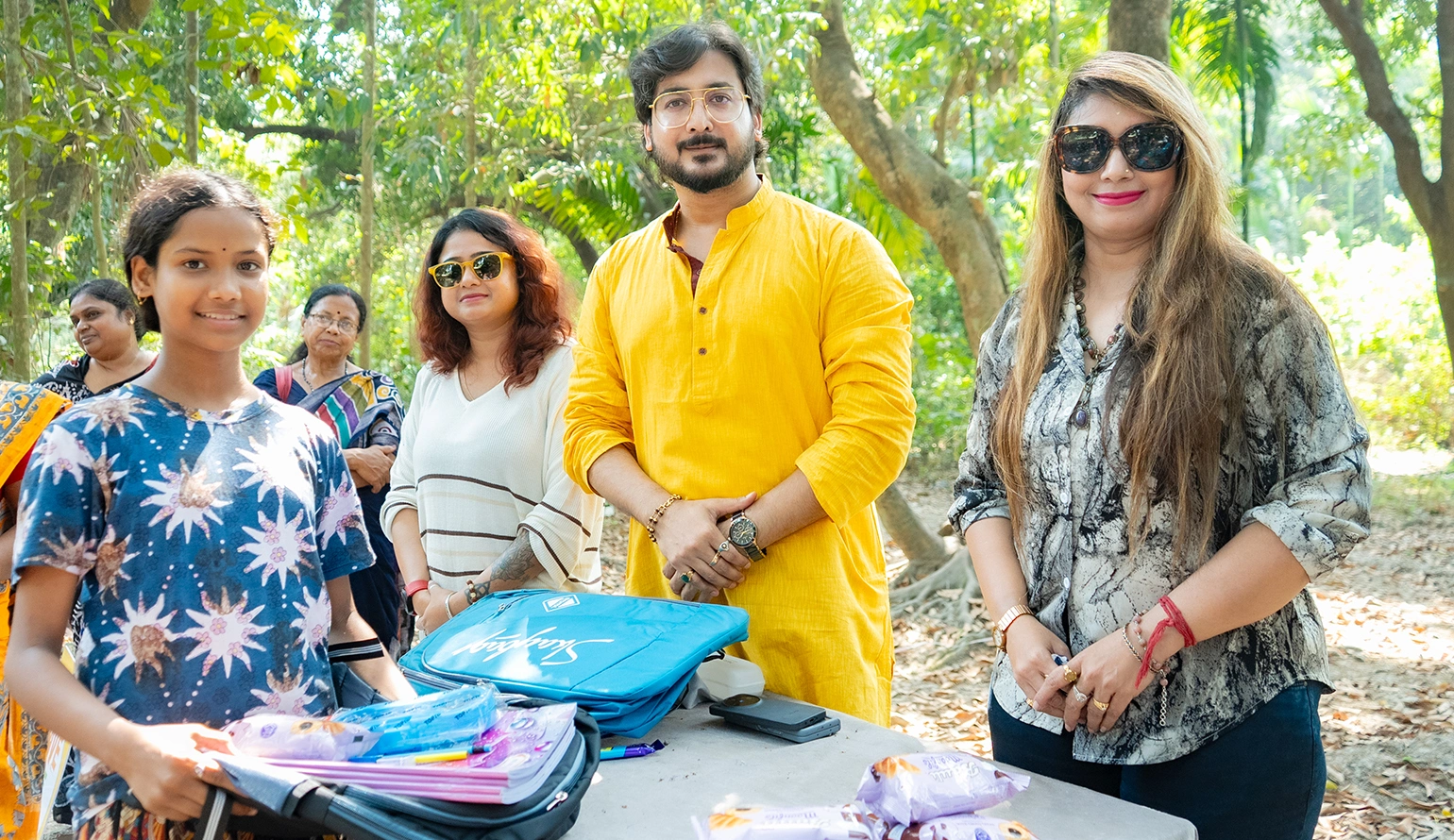 Rural India
NGO Volunteer Requirements in India: Complete Guide
Understanding how to join an NGO in India goes beyond filling out a fo...
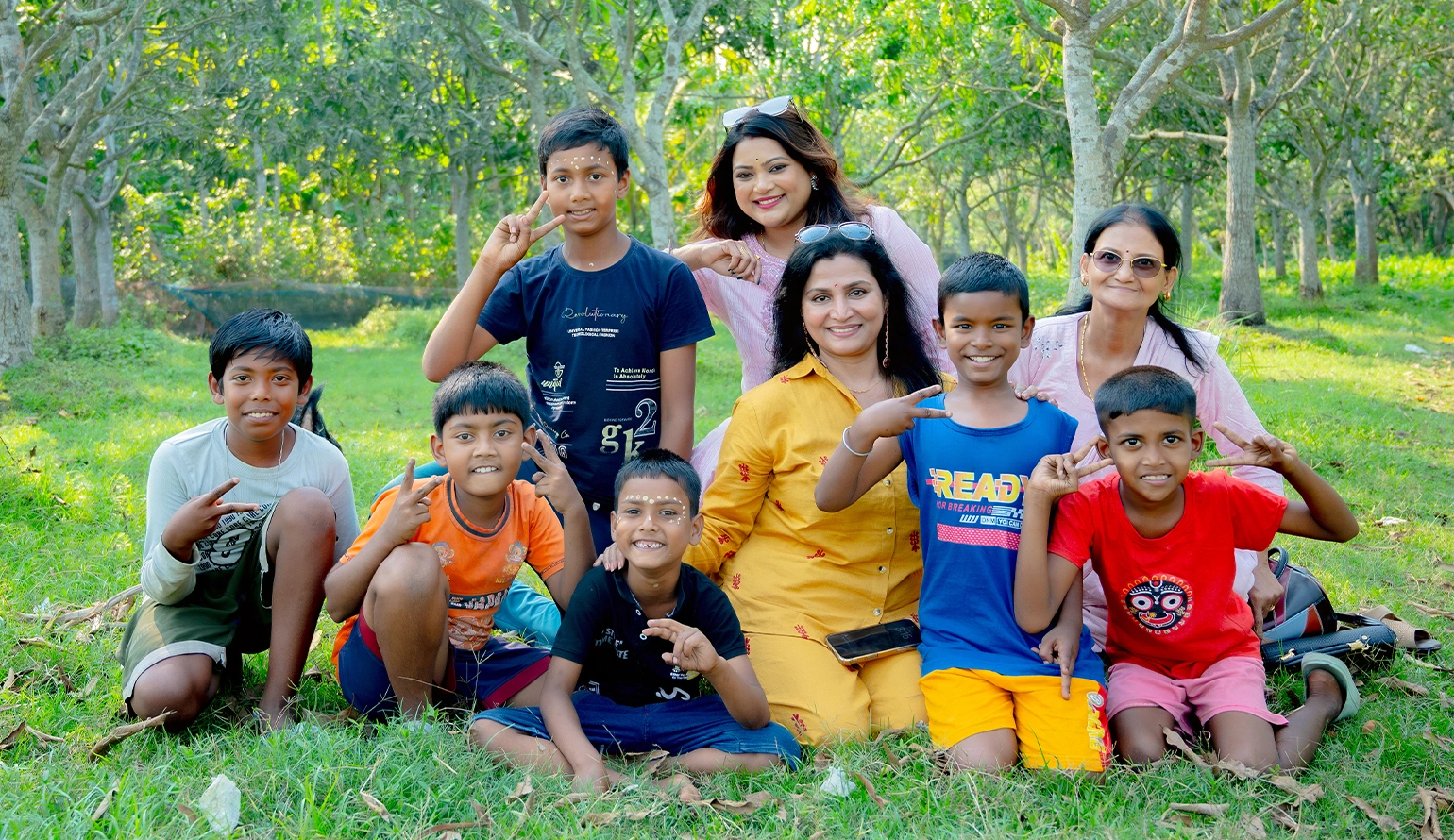 Rural India
Do NGO Volunteers Get Paid in India? Real Truth
Many people wonder whether NGO volunteers receive a salary or financia...
 Rural India
Best NGO to Work For in Kolkata: Nabatara Foundation
Choosing the right NGO to work with in Kolkata can shape your career, ...
