


Nabatara Foundation
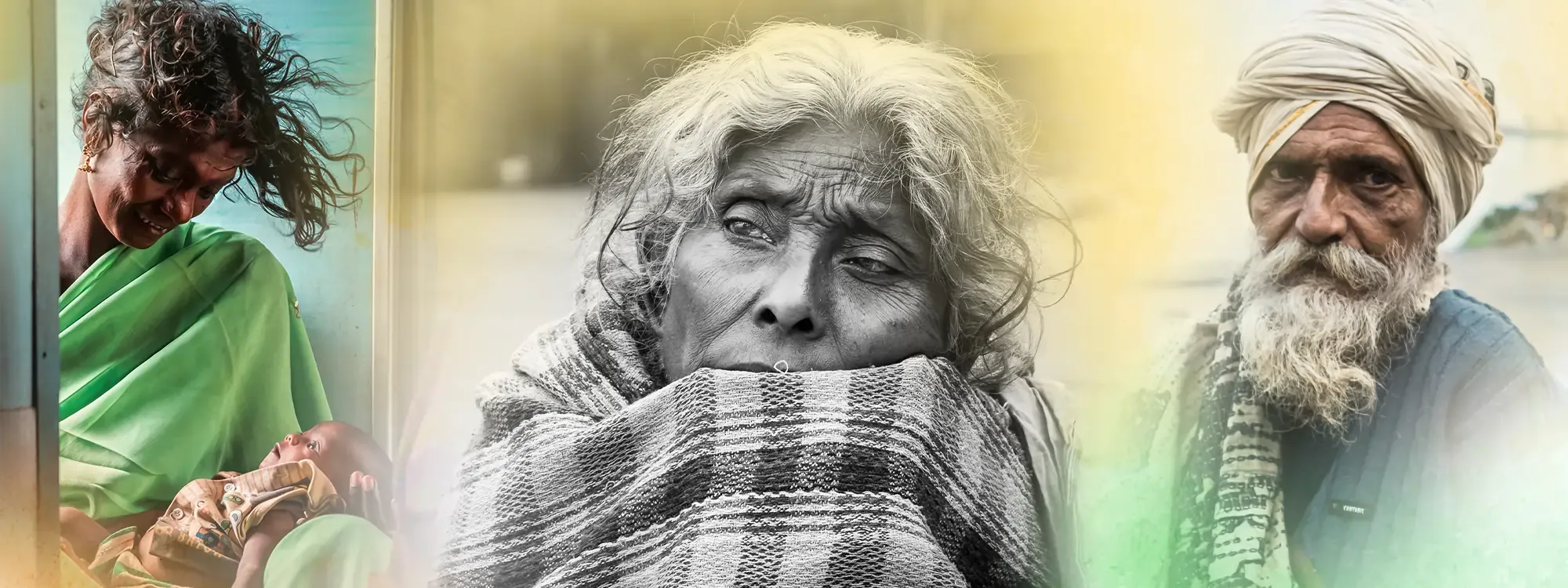
Life Changing Experience

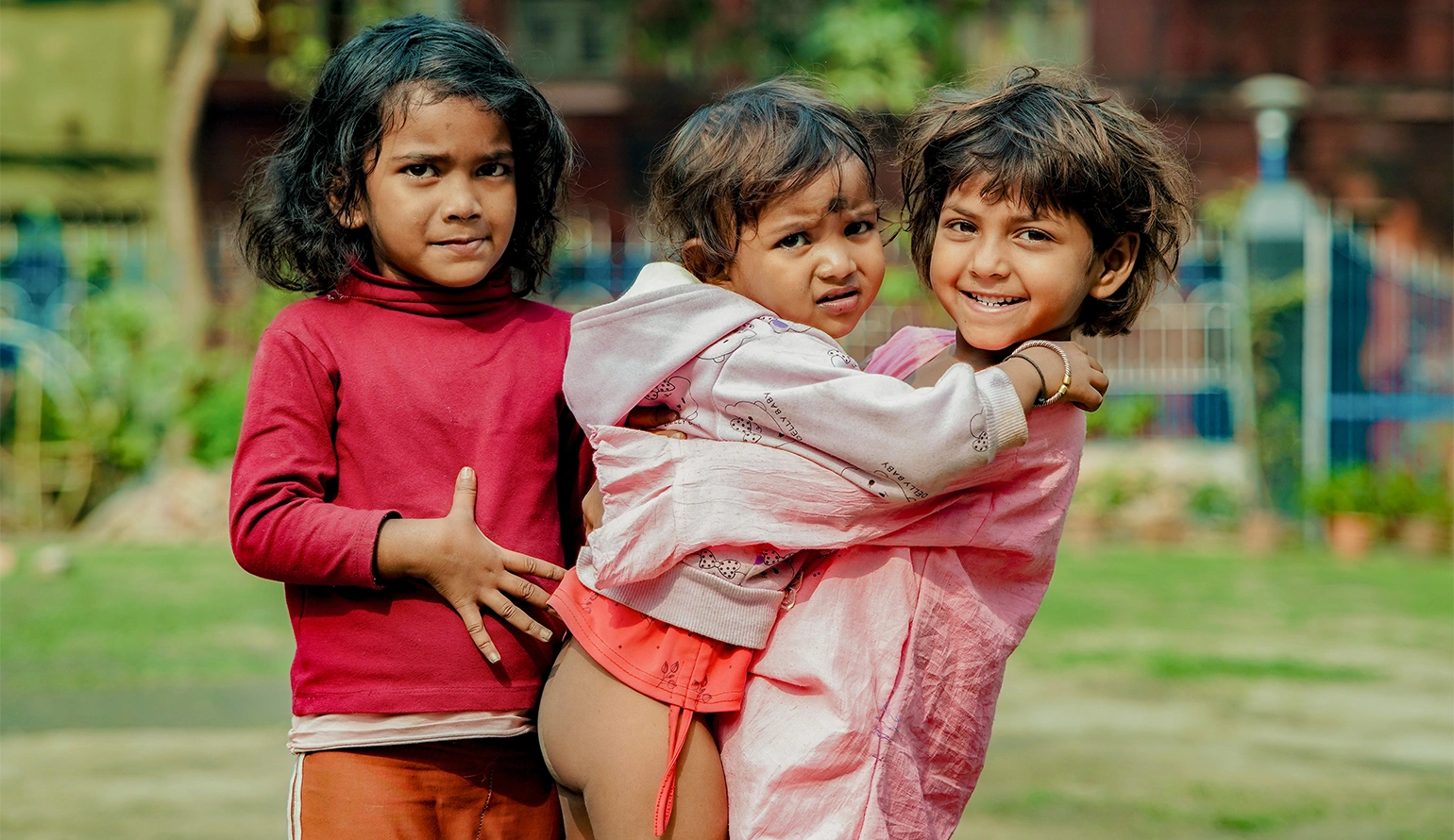
Top Career Skills Gained Volunteering With Us
Volunteering with an NGO is more than an act of kindness—it is a powerful journey of personal and professional growth. In this in-depth guide, discover the essential skills you can learn while volunteering with organizations like Nabatara Foundation and how these experiences can transform your future.
Introduction: Why Volunteering Is Becoming a Powerful Learning Platform
Across the world, volunteering with social organizations is no longer seen only as an act of charity. For many students, scholars, and young professionals, volunteering has evolved into a meaningful way to learn skills that universities often fail to teach in classrooms. The experience of working closely with communities, understanding social challenges, and participating in real development programs gives individuals a deeper understanding of leadership, empathy, communication, and problem solving.
Today, organizations such as Nabatara Foundation "Save The Soul," founded by Gaurav Tribedi, are creating opportunities where volunteers do not just contribute to society but also gain practical experience that shapes their careers and perspectives. In a rapidly changing world where employers increasingly value emotional intelligence, teamwork, and social awareness, volunteering with an NGO offers a unique pathway for personal development.
When students and scholars participate in social initiatives organized by Nabatara Foundation, they enter an environment that encourages compassion and action. From supporting rural communities to assisting specially abled children, volunteers experience real situations that require thoughtful decisions and meaningful interaction. These experiences naturally cultivate skills that remain valuable throughout life.
Many young people in India and around the world are now searching for opportunities where they can grow while also making a difference. This is where volunteering becomes transformative. It bridges the gap between academic knowledge and practical human experience.
The truth is simple yet powerful. Volunteering teaches lessons that cannot be found in textbooks.
And the skills learned through volunteering often shape the kind of leaders people become.
The Growing Importance of NGO Volunteering for Students
In recent years, universities and global academic institutions have started encouraging students to engage in volunteer programs. This is not simply to fulfill community service hours but because volunteering exposes individuals to real social issues and teaches them how to respond with empathy and responsibility.
Students who volunteer often develop a stronger sense of purpose. They begin to understand how their skills can contribute to society. Working with communities facing challenges such as poverty, lack of education, or limited healthcare resources creates a deeper awareness of social realities.
At Nabatara Foundation, volunteers are introduced to initiatives focused on women's empowerment, rural development, care for the elderly, and support for visually impaired individuals. When students participate in these initiatives, they move beyond theory and witness the direct impact of social work.
Imagine a student helping organize a health camp in a rural village. While the activity may appear simple, the process involves planning, communication, teamwork, and coordination with multiple people. Through this experience, the student develops organizational abilities, learns to communicate with diverse communities, and gains the confidence to handle responsibilities.
These are not just temporary lessons. They become lifelong skills.
For international scholars who wish to understand India's social development landscape, volunteering with organizations like Nabatara Foundation provides a valuable learning experience. It offers exposure to grassroots initiatives and cultural perspectives that are rarely accessible through academic programs alone.
Why Employers Value Volunteer Experience
One of the biggest misconceptions about volunteering is that it has limited professional value. In reality, employers across industries increasingly appreciate candidates who have volunteer experience.
When recruiters evaluate a candidate, they often look beyond academic achievements. They want individuals who can collaborate, adapt, communicate effectively, and demonstrate empathy. These qualities are often developed through real-world experiences rather than formal education.
Volunteering demonstrates initiative. It shows that a person is willing to invest time and effort in something meaningful beyond personal gain.
Students who volunteer with Nabatara Foundation often gain experience in project coordination, community outreach, event planning, and social communication. These experiences naturally strengthen their professional profiles.
For example, a volunteer who participates in organizing educational programs for underprivileged children develops skills related to teaching, leadership, and patience. These skills are highly valued in professions ranging from corporate management to public policy and international development.
Furthermore, volunteering also enhances global perspectives. Scholars who engage in NGO activities often develop a deeper understanding of cultural diversity and social responsibility. These insights make them more adaptable in international academic or professional environments.
This is why many universities across the world encourage students to include volunteer experiences in their resumes and scholarship applications.
Understanding the Mission of the Nabatara Foundation
To truly understand the skills gained from volunteering, it is important to understand the environment where those skills are developed. Nabatara Foundation operates with a vision of creating a compassionate and inclusive society where every individual has the opportunity to live with dignity.
The organization works across multiple social sectors, including women's empowerment, rural development, support for orphanages, and care for elderly individuals in old age homes. It also extends support to visually impaired individuals, specially abled children, and those who require medical assistance.
Volunteers who work with Nabatara Foundation become part of initiatives that directly impact lives. Whether it involves distributing essential resources, organizing educational programs, or supporting community health activities, volunteers gain hands-on exposure to social development work.
This environment encourages volunteers to step out of their comfort zones. They learn to communicate with people from different backgrounds and adapt to diverse situations. In the process, they develop resilience, patience, and problem-solving abilities.
Unlike classroom learning, where outcomes are often theoretical, volunteering offers immediate feedback. When volunteers contribute to a project and witness the positive change it brings to someone's life, they understand the real value of their efforts.
This sense of impact often inspires volunteers to continue engaging in social initiatives long after their initial experience.
Volunteering as a Path to Personal Growth
Personal growth is one of the most powerful outcomes of volunteering. When individuals dedicate time to helping others, they begin to see the world from new perspectives. This shift in perspective often leads to greater emotional maturity and social awareness.
At Nabatara Foundation, volunteers often share stories about how their experiences changed the way they view life. Some describe how interacting with elderly residents in old age homes taught them the importance of compassion and patience. Others recall how working with children from underprivileged communities inspired them to pursue careers in education or social development.
These experiences create a deep sense of connection with society. Volunteers begin to realize that small actions can create meaningful change.
This realization builds confidence and purpose. It helps individuals understand their own strengths and motivates them to use those strengths to contribute positively to society.
For students and scholars who are still shaping their career paths, this sense of purpose can be incredibly valuable. It allows them to explore their interests while gaining real experience.
The First Skill You Learn While Volunteering: Empathy
Among all the skills gained through volunteering, empathy is perhaps the most profound. Empathy is the ability to understand and share the feelings of others. It is a quality that strengthens human relationships and encourages compassionate decision-making.
When volunteers interact with communities supported by the Nabatara Foundation, they hear stories of resilience, struggle, and hope. These interactions allow volunteers to see life from perspectives very different from their own.
A volunteer assisting in programs for visually impaired individuals, for instance, may begin to understand the daily challenges faced by those with limited vision. This understanding fosters patience, kindness, and respect.
Empathy influences the way people communicate and collaborate. It helps volunteers build trust with the communities they serve and creates a supportive environment where everyone feels valued.
In professional settings, empathy is equally powerful. Leaders who understand the needs of their teams are better equipped to inspire collaboration and motivation.
Volunteering offers one of the most authentic ways to develop empathy because it involves genuine human interaction.
The Connection Between Volunteering and Global Learning
In an increasingly interconnected world, learning about different cultures and social systems has become essential. Volunteering with NGOs provides a unique opportunity for global scholars to experience local communities and understand real social dynamics.
International students who volunteer with Nabatara Foundation often gain insights into India's diverse cultural landscape. They learn how community-driven initiatives operate and how grassroots organizations address complex social challenges.
These experiences enhance academic research, particularly in fields such as sociology, public policy, development studies, and international relations.
More importantly, they build cross-cultural understanding. Volunteers learn to appreciate different traditions, communication styles, and social values.
This global perspective becomes an invaluable asset in both academic and professional environments.
The Beginning of a Transformational Journey
Volunteering is rarely a one-time experience. For many individuals, it becomes the beginning of a lifelong commitment to social responsibility.
The journey often starts with curiosity. A student signs up for a volunteer opportunity, hoping to contribute a few hours of service. But as the experience unfolds, it reveals new lessons, friendships, and perspectives.
Organizations like Nabatara Foundation provide the platform where these journeys begin. Through structured programs and community initiatives, volunteers discover the power of collective effort and compassionate action.
They also discover themselves.
Leadership, Communication, and Teamwork: Skills That Grow Through Volunteering with an NGO
Discovering Leadership in the Most Unexpected Places
Leadership is often misunderstood as a position of authority. Many people associate leadership with titles, corporate roles, or managerial responsibilities. However, the reality is very different. Leadership is not about hierarchy or control. It is about influence, responsibility, and the ability to inspire others to work toward a common purpose.
One of the most powerful places where leadership naturally develops is within volunteer environments. When individuals step into the world of social work and community engagement, they often encounter situations where initiative and decision-making become essential. Unlike structured academic environments, volunteering presents real challenges that require thoughtful action and collaboration.
At Nabatara Foundation "Save The Soul," volunteers frequently find themselves participating in community programs where leadership emerges organically. A volunteer who initially joins to assist with a small task may soon discover that they are coordinating activities, guiding new volunteers, or helping manage an event that impacts dozens of people.
This gradual shift from participant to organizer is where leadership begins to take shape. Volunteers learn to observe, adapt, and guide others toward meaningful outcomes. They begin to understand that leadership is less about authority and more about responsibility toward people and communities.
For students and scholars who aspire to build careers in public service, business, education, or global development, this experience becomes incredibly valuable. It teaches them that leadership is not confined to boardrooms or offices. It is developed through empathy, collaboration, and the willingness to take initiative when it matters most.
How Volunteering Builds Authentic Leadership Qualities
The leadership skills gained through volunteering are often deeper and more authentic than those learned through traditional training programs. This is because volunteering places individuals in situations where the focus is not on personal success but on collective impact.
When volunteers participate in initiatives organized by the Nabatara Foundation, they are encouraged to think about how their actions affect the lives of others. Whether they are assisting in rural development programs or supporting activities for children in orphanages, the emphasis is always on creating positive outcomes for communities.
Through these experiences, volunteers gradually develop qualities that define strong leaders. They learn how to listen carefully to the needs of others before making decisions. They begin to understand the importance of patience, empathy, and thoughtful planning.
Leadership also requires resilience. Community work often involves challenges such as limited resources, logistical constraints, and unpredictable circumstances. Volunteers learn how to remain calm and focused even when situations become complicated. These lessons teach adaptability and perseverance, two qualities that are essential in any leadership role.
At Nabatara Foundation, volunteers often share stories about how their experiences helped them discover confidence they never knew they possessed. A student who once hesitated to speak in public may eventually find themselves addressing a group of volunteers or coordinating an awareness campaign.
These moments of growth demonstrate how volunteering nurtures leadership in its most genuine form.
Communication Skills That Cannot Be Learned in Classrooms
Communication is one of the most valuable skills in both personal and professional life. Yet many individuals struggle to develop strong communication abilities through traditional education alone. Classroom learning often focuses on theoretical knowledge, while real communication requires human interaction, emotional understanding, and adaptability.
Volunteering with an NGO offers a unique environment where communication skills evolve naturally. Volunteers interact with people from different age groups, cultural backgrounds, and social circumstances. Each conversation requires patience, clarity, and respect.
At Nabatara Foundation, volunteers often communicate with community members who may have different educational backgrounds or languages. In such situations, effective communication becomes essential for building trust and understanding.
For example, a volunteer helping organize a health awareness program in a rural village must explain important information in a way that is simple and relatable. This requires the ability to translate complex ideas into clear and meaningful messages.
These experiences strengthen communication abilities in ways that textbooks cannot replicate.
Volunteers learn how to listen carefully before responding. They understand the value of body language and tone when interacting with individuals who may be experiencing emotional or financial hardship. They also learn how to express ideas confidently when collaborating with fellow volunteers.
Over time, these interactions help volunteers become thoughtful communicators who can connect with people from diverse backgrounds.
The Art of Listening: A Skill Developed Through Community Work
While speaking effectively is important, true communication begins with listening. Many people underestimate the power of listening, yet it is one of the most essential skills in building meaningful relationships.
Volunteering often requires individuals to listen to the stories and concerns of others. When volunteers spend time with elderly residents in old age homes supported by the Nabatara Foundation, they hear stories filled with memories, emotions, and experiences. These conversations teach volunteers how to listen with empathy and patience.
Listening also plays a crucial role when working with children or individuals with disabilities. Volunteers learn to understand nonverbal cues and emotional expressions that reveal what someone may be feeling even when words are limited.
This ability to listen deeply strengthens emotional intelligence. Volunteers become more aware of how their responses affect others. They develop sensitivity and respect for different perspectives.
In professional environments, strong listening skills lead to better collaboration and conflict resolution. Leaders who listen carefully are better equipped to understand the needs of their teams and communities.
Volunteering provides a rare opportunity to cultivate this skill in an authentic and meaningful way.
Teamwork: The Heart of Every Successful NGO Initiative
No social initiative can succeed without teamwork. Community development projects require collaboration among volunteers, organizers, local leaders, and beneficiaries. Each individual contributes unique strengths that collectively create positive change.
Volunteering with Nabatara Foundation introduces individuals to the dynamics of teamwork in a real-world context. Volunteers quickly realize that every activity, from organizing donation drives to planning educational workshops, depends on cooperation.
In these environments, teamwork is not just about completing tasks. It is about understanding how different perspectives can work together toward a shared goal.
For example, a volunteer with strong organizational skills may focus on planning logistics for an event, while another volunteer with creative abilities may design awareness materials or social campaigns. When these talents combine, the outcome becomes far more impactful than any individual effort.
Through teamwork, volunteers learn to appreciate diversity. They recognize that every person brings valuable ideas and experiences to the table. This understanding fosters mutual respect and open communication.
Teamwork also teaches accountability. When volunteers commit to a project, they understand that their actions affect the success of the entire team. This sense of responsibility encourages discipline and reliability.
These lessons are essential not only in social initiatives but also in corporate and academic environments where collaboration plays a central role.
Problem Solving in Real Social Environments
Another important skill developed through volunteering is problem-solving. Community projects often present unexpected challenges that require creative thinking and quick decision-making.
For instance, an event organized to distribute educational materials to children may encounter logistical difficulties such as transportation delays or limited supplies. In such situations, volunteers must quickly evaluate options and find practical solutions.
At Nabatara Foundation, volunteers frequently work in environments where flexibility is necessary. These experiences encourage individuals to think critically and adapt to changing circumstances.
Problem solving in community settings also involves understanding human needs and emotions. Volunteers must consider how their decisions affect the people they serve. This perspective encourages thoughtful and ethical decision-making.
The ability to approach challenges with creativity and empathy becomes a valuable skill in any professional field.
Confidence That Comes from Real Impact
Confidence is often built through meaningful experiences. When individuals see the positive results of their efforts, they gain a sense of accomplishment that strengthens self-belief.
Volunteers working with the Nabatara Foundation frequently experience moments where they realize the impact of their contributions. A child who smiles after receiving educational support, an elderly person who feels comforted by conversation, or a community that benefits from a medical assistance program—these moments remind volunteers that their actions matter.
This realization builds confidence in a profound way. Volunteers begin to trust their abilities and feel motivated to take on greater responsibilities.
Confidence developed through volunteering is different from the confidence gained through competition or personal achievement. It is rooted in service and compassion. It reflects an understanding that success is not only about personal progress but also about the well-being of others.
Building Relationships That Last Beyond Volunteering
One of the most beautiful aspects of volunteering is the relationships that develop through shared experiences. Volunteers often form friendships with people who share their passion for social impact.
Working together toward meaningful goals creates bonds that extend beyond the duration of a single project. Volunteers learn to support and motivate one another, creating a sense of community within the organization.
At Nabatara Foundation, volunteers frequently describe their experiences as transformative not only because of the skills they learned but also because of the connections they formed. These relationships often continue long after the volunteering experience ends.
For students and scholars, these connections can become valuable networks for collaboration and future opportunities.
Why Students and Scholars Are Choosing NGO Volunteering
As the global job market becomes increasingly competitive, students are searching for experiences that help them stand out. Volunteering provides exactly that. It demonstrates initiative, social awareness, and a willingness to contribute beyond personal interests.
Scholars conducting research in fields such as development studies, sociology, or public health also benefit from volunteering experiences. Working with organizations like Nabatara Foundation allows them to observe community programs firsthand and understand how grassroots initiatives operate.
These insights enrich academic research and provide practical knowledge that complements theoretical learning.
For international students who wish to experience social development work in India, volunteering offers a meaningful way to engage with local communities while gaining valuable skills.
The Human Side of Skill Development
Perhaps the most important aspect of volunteering is that it develops skills in a deeply human context. Unlike corporate training programs or classroom exercises, volunteering connects learning with real human experiences.
Every conversation, every project, and every community interaction becomes an opportunity to grow. Volunteers discover strengths they did not know they possessed and learn lessons that stay with them throughout life.
Organizations like Nabatara Foundation create environments where these transformations happen naturally. By bringing together passionate individuals and meaningful causes, they provide a platform where compassion and skill development go hand in hand.
Time Management, Emotional Intelligence, and Social Awareness: Life Skills Gained Through Volunteering with an NGO
Learning the Value of Time Through Purposeful Service
Time is one of the most valuable resources any individual possesses. Yet many people struggle to manage it effectively. Students often find themselves balancing academic responsibilities, personal commitments, and career aspirations, while professionals navigate demanding schedules and multiple priorities. In such circumstances, the ability to manage time wisely becomes essential.
Volunteering with an NGO introduces individuals to the importance of using time with intention. Unlike casual commitments that can be postponed or rescheduled, community initiatives depend on punctuality and dedication. When volunteers participate in activities organized by Nabatara Foundation "Save The Soul," they quickly realize that every moment invested in service has the potential to create meaningful impact.
Imagine a volunteer helping coordinate a community health awareness program. The event may involve arranging medical professionals, organizing supplies, communicating with local residents, and ensuring that the program runs smoothly within a limited time frame. These responsibilities require careful planning and disciplined time management.
Through such experiences, volunteers begin to understand how to prioritize tasks and allocate their time efficiently. They learn to balance personal responsibilities with social commitments, ensuring that both receive the attention they deserve.
This skill becomes especially valuable for students and scholars who wish to pursue ambitious academic or professional goals. The discipline developed through volunteering often translates into improved productivity in other areas of life.
Over time, volunteers develop a deeper appreciation for how thoughtful use of time can contribute to both personal growth and social progress.
How Volunteering Teaches Practical Project Management
Project management is often considered a specialized professional skill associated with corporate environments. However, the fundamental principles of project management are equally relevant in the world of social initiatives.
Every successful community program requires careful planning, coordination, and execution. Volunteers working with Nabatara Foundation frequently participate in activities that resemble small-scale projects. These initiatives may involve organizing educational workshops, distributing essential resources to rural communities, or supporting programs for visually impaired individuals.
Each initiative begins with an idea and gradually evolves into a structured activity that requires collaboration among multiple participants. Volunteers contribute to various stages of the process, including planning, communication, logistics, and evaluation.
Through these experiences, individuals naturally develop project management abilities. They learn how to set clear objectives, organize tasks, and monitor progress. They also gain insight into how effective coordination can transform a simple idea into a successful initiative that benefits many people.
One of the most valuable lessons volunteers learn is the importance of flexibility. Community projects often involve unpredictable factors such as weather conditions, transportation challenges, or sudden changes in attendance. Volunteers must adapt quickly and find practical solutions that keep the initiative moving forward.
These experiences cultivate a problem-solving mindset and encourage volunteers to remain calm under pressure. In professional environments, these abilities are highly valued because they demonstrate the capacity to manage complex situations with confidence and creativity.
Emotional Intelligence: Understanding People Beyond Words
In a world that increasingly emphasizes technological advancement and digital communication, emotional intelligence has become one of the most sought-after human qualities. Emotional intelligence refers to the ability to recognize, understand, and manage one's own emotions while also being sensitive to the emotions of others.
Volunteering offers one of the most authentic environments for developing this skill.
When volunteers interact with communities supported by the Nabatara Foundation, they encounter individuals from diverse backgrounds who may be facing challenging circumstances. Some may be struggling with economic hardships, health issues, or social isolation. These interactions require sensitivity, compassion, and patience.
For example, volunteers assisting in programs for elderly residents in old age homes often discover that companionship and conversation are just as important as material support. Listening to stories, offering reassurance, and showing genuine interest in someone's experiences can bring comfort to individuals who may feel forgotten or lonely.
Similarly, volunteers working with children in orphanages learn to respond with empathy and encouragement. These children may come from difficult backgrounds, and volunteers play an important role in creating a positive and supportive environment.
Through these experiences, volunteers develop a deeper understanding of human emotions. They learn how to communicate with kindness and respect, even in emotionally complex situations.
Emotional intelligence also involves self-awareness. Volunteers often reflect on their own reactions and learn to manage stress, frustration, or uncertainty in constructive ways.
These lessons extend far beyond volunteering. In professional environments, emotional intelligence enhances leadership, teamwork, and conflict resolution. Leaders who understand the emotional dynamics of their teams are better equipped to inspire motivation and collaboration.
Cultural Awareness Through Community Engagement
India is a country rich in cultural diversity. Languages, traditions, and lifestyles vary widely across regions and communities. For volunteers and scholars who engage in social work, this diversity provides an extraordinary opportunity for cultural learning.
When individuals volunteer with Nabatara Foundation, they often interact with communities that represent different cultural backgrounds. These experiences allow volunteers to observe how traditions, values, and social structures influence daily life.
Cultural awareness develops naturally when volunteers approach these interactions with curiosity and respect. They learn to appreciate differences while also recognizing shared human values such as kindness, resilience, and cooperation.
For international students and scholars who choose to volunteer in India, this cultural exposure becomes especially meaningful. It provides insights that cannot be gained through textbooks or academic lectures.
Living and working alongside local communities allows volunteers to experience traditions, customs, and social practices firsthand. This understanding fosters mutual respect and strengthens cross-cultural communication.
Cultural awareness is an essential skill in today's globalized world. Professionals who can navigate cultural differences with sensitivity are better prepared to collaborate in international environments.
Volunteering creates opportunities to develop this skill through authentic human interaction.
Social Awareness: Seeing the World Through a Broader Lens
One of the most transformative aspects of volunteering is the development of social awareness. Social awareness refers to the ability to understand the broader challenges and inequalities that exist within society.
Many individuals grow up with limited exposure to the realities faced by marginalized communities. Volunteering provides an opportunity to witness these realities firsthand and understand the factors that contribute to social inequality.
When volunteers participate in initiatives organized by Nabatara Foundation, they gain insight into issues such as rural development, access to education, healthcare challenges, and the importance of supporting vulnerable populations.
These experiences encourage volunteers to think critically about how societies function and how individuals can contribute to positive change.
Social awareness also fosters a sense of responsibility. Volunteers begin to realize that meaningful progress requires collective effort and compassion. They understand that even small contributions can create ripple effects that benefit communities over time.
For students and scholars, this awareness often influences academic interests and career aspirations. Some may choose to pursue careers in social work, public policy, education, or international development after witnessing the impact of community initiatives.
Others may apply the lessons learned through volunteering to their existing professional fields, ensuring that their work contributes to ethical and socially responsible outcomes.
Adaptability: Thriving in Unpredictable Situations
Another valuable skill developed through volunteering is adaptability. Community initiatives often involve circumstances that are different from structured academic or corporate environments.
Volunteers may need to adjust plans, respond to unexpected challenges, or work with limited resources. These situations encourage creativity and resilience.
For instance, a community event organized by the Nabatara Foundation may attract more participants than anticipated. Volunteers must quickly adapt by organizing additional materials, managing crowd flow, or adjusting schedules to accommodate everyone.
Experiences like these teach volunteers how to remain flexible and resourceful. They learn to focus on solutions rather than obstacles.
Adaptability is increasingly important in today's rapidly changing world. Professionals who can adjust to new environments and challenges are better equipped to succeed in dynamic industries.
Volunteering provides an ideal setting for developing this mindset.
Building a Global Perspective Through Local Action
In many ways, volunteering begins with local action but leads to global understanding. When individuals work within communities and observe the challenges faced by people around them, they begin to see how social issues are interconnected across regions and countries.
Students and scholars who volunteer with Nabatara Foundation often develop a broader perspective on development, sustainability, and social justice. They begin to recognize how education, healthcare, economic opportunities, and community support systems influence overall well-being.
This global perspective encourages volunteers to think about how local initiatives contribute to wider efforts aimed at improving quality of life around the world.
Many volunteers eventually pursue international collaborations, research projects, or advocacy work that builds upon the experiences they gained through community service.
The Quiet Confidence That Comes from Service
Beyond practical skills and knowledge, volunteering also nurtures a quiet sense of confidence. This confidence does not come from personal achievements alone but from the realization that one's actions have positively influenced the lives of others.
Volunteers who contribute their time and energy to social initiatives often discover a deeper sense of purpose. They recognize that their efforts matter and that they have the ability to create change, even in small ways.
Organizations like Nabatara Foundation provide a supportive environment where individuals can explore their potential while contributing to meaningful causes.
Through time management, emotional intelligence, cultural awareness, and social engagement, volunteers gain life skills that extend far beyond the duration of their service.
Career Growth, Academic Opportunities, and Global Exposure Through NGO Volunteering
Why Volunteering Strengthens Your Career Journey
In today's highly competitive academic and professional world, having strong qualifications is no longer enough to stand out. Employers and universities increasingly look for individuals who demonstrate real-world awareness, leadership potential, and a genuine commitment to society. Volunteering with an NGO provides exactly that kind of experience.
When students or young professionals choose to volunteer with Nabatara Foundation "Save The Soul," they enter an environment where social responsibility and personal development go hand in hand. The experiences gained during community service often become powerful additions to academic profiles and professional resumes.
Employers are drawn to candidates who have shown initiative beyond the classroom or workplace. Volunteering demonstrates that an individual is willing to contribute time and energy toward meaningful causes. It reflects dedication, empathy, and the ability to collaborate with people from diverse backgrounds.
More importantly, volunteering reveals qualities that cannot easily be measured through academic grades alone. It shows that a person understands the value of teamwork, social responsibility, and ethical leadership.
For students who aspire to work in fields such as international development, public policy, education, healthcare, or corporate leadership, volunteering provides valuable insights into how real communities function. It bridges the gap between theoretical knowledge and practical understanding.
Many individuals who begin volunteering with Nabatara Foundation initially seek an opportunity to help others. Yet they often discover that the experience also shapes their own personal and professional journeys in remarkable ways.
How Volunteer Experience Enhances Your Resume
A resume tells a story about a person's experiences, values, and abilities. While academic achievements and professional qualifications remain important, volunteer work adds a unique dimension that captures the attention of recruiters and admissions committees.
When individuals include volunteering experience with Nabatara Foundation on their resumes, they are not simply listing an activity. They are highlighting real involvement in initiatives that create positive change within communities.
For instance, a volunteer who helped organize educational programs for underprivileged children can demonstrate skills related to planning, coordination, and communication. Someone who participated in medical assistance initiatives may highlight experience working alongside healthcare professionals and community members.
These experiences reflect initiative and responsibility. They show that the individual has stepped outside their comfort zone to contribute to meaningful causes.
Many employers appreciate candidates who have demonstrated social awareness and empathy. Such qualities often translate into strong workplace relationships and effective leadership.
Additionally, volunteering often involves problem-solving and adaptability. Community initiatives sometimes require volunteers to adjust plans quickly or address unexpected challenges. These experiences strengthen the ability to remain calm and focused under pressure.
By including volunteering experience with organizations like Nabatara Foundation, individuals present themselves as well-rounded candidates who understand the importance of both professional excellence and social responsibility.
Volunteering as a Gateway to Academic Research Opportunities
For scholars and university students pursuing research-oriented careers, volunteering can provide valuable exposure to real-world social issues. Academic research often benefits from direct engagement with communities, especially in fields such as sociology, development studies, public health, and education.
Volunteering with Nabatara Foundation offers scholars the opportunity to observe grassroots initiatives and understand how social programs operate in practice. This exposure can inspire meaningful research topics and provide insights that enrich academic projects.
For example, a student studying rural development may gain firsthand experience by participating in community programs that address education, healthcare, or livelihood support. Observing these initiatives in action allows scholars to develop a deeper understanding of the challenges faced by rural communities.
Similarly, students researching disability inclusion may gain valuable insights through programs that support visually impaired individuals and specially abled children. These interactions offer perspectives that cannot be fully captured through theoretical study alone.
Volunteering also encourages scholars to think critically about social policies and development strategies. They witness both the successes and challenges of grassroots initiatives, which can inspire innovative solutions and research ideas.
For international scholars seeking meaningful field experience in India, volunteering with Nabatara Foundation provides a valuable opportunity to connect academic learning with practical community engagement.
Networking Opportunities That Extend Beyond Volunteering
Another important benefit of volunteering is the opportunity to build meaningful professional networks. Community initiatives bring together individuals from diverse backgrounds who share a common commitment to social impact.
Volunteers often collaborate with educators, healthcare professionals, social workers, and community leaders. These interactions create opportunities for learning and mentorship that may not be available in traditional academic environments.
At Nabatara Foundation, volunteers frequently work alongside passionate individuals who are dedicated to improving the lives of vulnerable communities. These connections often evolve into long-lasting relationships based on shared values and mutual respect.
Networking in volunteer environments tends to feel more genuine than in formal professional settings. Because participants are united by a common purpose, conversations often revolve around ideas, experiences, and collaborative opportunities rather than competition.
For students and scholars, these relationships can lead to internships, research collaborations, and career opportunities in fields related to social development.
Even for those pursuing careers outside the nonprofit sector, the connections formed through volunteering can provide valuable insights and inspiration.
Many successful professionals credit their volunteer experiences with introducing them to mentors and networks that helped shape their career paths.
Global Learning Through Local Community Work
Volunteering with organizations such as Nabatara Foundation offers more than just local engagement. It also provides exposure to global issues and perspectives.
Challenges such as education inequality, healthcare access, and support for vulnerable populations exist in many parts of the world. By working with communities in India, volunteers gain insights into how these challenges are addressed through grassroots initiatives.
This experience encourages volunteers to think globally while acting locally. They begin to understand how social challenges are interconnected and how collaborative efforts can create meaningful solutions.
International students who volunteer with the Nabatara Foundation often describe the experience as a transformative cultural exchange. They learn about India's rich traditions, community values, and resilience while contributing their own ideas and perspectives.
These interactions create an environment of mutual learning where volunteers and community members benefit from shared knowledge and experiences.
Global exposure gained through volunteering helps individuals develop cultural sensitivity and adaptability, qualities that are essential in international careers.
How Volunteering Builds Professional Confidence
Confidence plays a crucial role in career development. Yet confidence is not simply a personality trait; it is often built through meaningful experiences that demonstrate one's ability to overcome challenges and contribute positively to society.
Volunteering provides numerous opportunities for individuals to step outside their comfort zones. A volunteer may initially feel hesitant about speaking in front of a group or coordinating an event. However, as they participate in community activities and witness the positive impact of their efforts, their confidence begins to grow.
At Nabatara Foundation, volunteers often take part in initiatives that require communication, planning, and collaboration. These experiences gradually strengthen their sense of capability.
Confidence gained through volunteering is rooted in service rather than self-promotion. It emerges from the realization that one's actions can improve the lives of others.
This form of confidence often translates into stronger performance in academic and professional environments. Individuals who have experienced the rewards of meaningful service tend to approach challenges with determination and optimism.
Why Students Around the World Are Choosing NGO Volunteering
Students today are increasingly aware that education extends beyond textbooks and classrooms. Many seek opportunities that allow them to explore real-world issues while developing practical skills.
Volunteering with NGOs provides exactly that kind of experience. It allows students to combine learning with social impact, creating a sense of purpose that enriches their academic journeys.
Organizations like Nabatara Foundation attract students and scholars who are passionate about making a difference. These individuals often bring fresh perspectives and creative ideas that enhance community initiatives.
At the same time, the organization provides a supportive platform where volunteers can learn from experienced professionals and community leaders.
This combination of learning and service creates a dynamic environment where volunteers grow intellectually, emotionally, and socially.
For students who aspire to become global citizens and responsible leaders, volunteering offers a powerful pathway to understanding the complexities of society.
The Long-Term Impact of Volunteer Experiences
The benefits of volunteering do not end when a program concludes. Many individuals find that their experiences continue to influence their decisions and aspirations long after their volunteer work is complete.
Some volunteers choose to pursue careers in social work, education, healthcare, or public policy after witnessing the impact of community initiatives. Others carry the values of compassion and responsibility into their existing professions.
Even individuals who pursue careers in business or technology often maintain a commitment to social responsibility because of the lessons they learned through volunteering.
Organizations like Nabatara Foundation play an important role in nurturing this sense of purpose. By providing opportunities for individuals to engage with communities and contribute to meaningful causes, they help cultivate a generation of socially conscious leaders.
A Pathway Toward Purposeful Careers
For many volunteers, the journey that begins with a simple act of service eventually becomes a guiding influence in their lives. They discover that meaningful work is not only about personal success but also about creating positive change in society.
Volunteering with Nabatara Foundation offers individuals the opportunity to explore this path while gaining valuable skills and experiences.
Whether someone is a student seeking career clarity, a scholar pursuing research opportunities, or a professional looking to contribute to social impact, volunteering provides a powerful platform for growth.
The lessons learned through community service often shape the way individuals approach both their careers and their responsibilities as global citizens.
Why Volunteering with Nabatara Foundation Can Transform Your Life and Career
A Unique Environment Where Compassion Meets Learning
Every volunteer journey is shaped by the environment in which it takes place. While many organizations offer opportunities to contribute to society, only a few create spaces where compassion, learning, and personal growth come together in a meaningful way. Nabatara Foundation "Save The Soul" stands as one of those rare platforms where volunteers are not only encouraged to serve communities but also to discover their own potential.
Founded with the vision of building a compassionate and inclusive society, Nabatara Foundation works across several critical social sectors, including women's empowerment, rural development, support for orphanages, assistance for visually impaired individuals, and care for elderly residents in old age homes. These initiatives create an ecosystem where volunteers interact with diverse communities and witness the real impact of social service.
What makes volunteering with Nabatara Foundation truly unique is the human connection that emerges during these initiatives. Volunteers do not simply participate in structured activities; they become part of stories that unfold within communities. They learn about resilience from people who have overcome adversity, and they experience the joy that comes from bringing hope into someone's life.
These experiences shape volunteers in ways that extend far beyond the duration of a single program. They encourage reflection, empathy, and a deeper understanding of society.
How Students Can Begin Their Volunteering Journey
Many students often wonder how they can begin their journey as volunteers. The process is usually much simpler than they expect. Most individuals start with curiosity and a desire to contribute their time toward something meaningful.
When students connect with Nabatara Foundation through its official website, they gain access to opportunities that allow them to participate in community initiatives and social development programs. Some volunteers assist in organizing educational support activities for children, while others contribute to awareness campaigns related to health, women's empowerment, and community welfare.
Each experience becomes an opportunity to learn something new. Students often discover abilities they had never explored before. A quiet individual may find confidence in communicating with communities. Someone interested in event planning may discover a talent for organizing social initiatives.
Over time, these experiences accumulate into a valuable foundation of practical knowledge and personal growth.
For students who aspire to build careers in leadership, education, research, or social development, volunteering provides a strong starting point.
Opportunities for Scholars and International Participants
Volunteering is not limited to local participants. Scholars and international students frequently seek opportunities to engage with grassroots initiatives in different parts of the world. India, with its diverse social landscape and vibrant communities, offers an especially meaningful environment for such experiences.
Nabatara Foundation provides an avenue where global scholars can observe and participate in community-based initiatives while gaining cultural insight into Indian society. For researchers studying topics such as development economics, social policy, disability inclusion, or education access, volunteering can provide invaluable real-world context.
These experiences often enrich academic research by connecting theoretical frameworks with lived realities. Scholars who engage with community programs develop a deeper understanding of how policies and social initiatives affect people at the grassroots level.
Beyond academic value, international volunteers often describe their experiences as transformative cultural exchanges. They learn about local traditions, community values, and the importance of collective effort in addressing social challenges.
This mutual exchange of ideas creates a learning environment where both volunteers and communities benefit from shared knowledge and perspectives.
The Emotional Rewards of Serving Others
While volunteering provides numerous practical benefits, its most profound impact is often emotional. Helping others creates a sense of fulfillment that cannot easily be replicated through personal achievements alone.
Volunteers frequently recall moments that remain etched in their memories long after the programs conclude. A child who smiles after receiving educational support, an elderly individual who feels comforted by companionship, or a visually impaired person who gains access to essential resources—these moments remind volunteers that their actions matter.
Such experiences foster gratitude and humility. Volunteers begin to appreciate the small privileges of daily life and recognize the strength of communities that continue to persevere despite challenges.
This emotional connection is one of the reasons why many volunteers choose to remain involved with social initiatives for years. Once individuals experience the joy of contributing to meaningful change, they often feel inspired to continue supporting similar causes.
Organizations like Nabatara Foundation create opportunities for these moments of connection to occur naturally. By bringing together compassionate individuals and communities in need of support, the foundation fosters an environment where kindness becomes a powerful catalyst for transformation.
The Role of Young People in Shaping a Better Future
Young people have always played an important role in shaping the future of societies. Their ideas, creativity, and energy often drive innovation and social progress. Volunteering provides a platform where these qualities can be directed toward meaningful causes.
Students and young professionals who volunteer with Nabatara Foundation contribute to initiatives that address real challenges faced by communities. Their participation brings fresh perspectives and enthusiasm that help strengthen ongoing programs.
At the same time, these experiences help young volunteers develop a deeper sense of responsibility toward society. They begin to understand that positive change requires active participation rather than passive observation.
The lessons learned during volunteering often influence how individuals approach their careers and personal lives. Many volunteers carry forward the values of empathy, cooperation, and social responsibility into whatever fields they eventually pursue.
In this way, volunteering becomes more than an activity; it becomes a guiding philosophy that shapes the way individuals interact with the world around them.
Why Volunteering Matters More Than Ever
The modern world faces numerous challenges ranging from social inequality to environmental sustainability and access to education and healthcare. Addressing these issues requires collective effort and compassionate leadership.
Volunteering offers a simple yet powerful way for individuals to contribute to solutions. Even small actions can create ripple effects that inspire broader change.
Organizations such as Nabatara Foundation demonstrate how community-driven initiatives can make a meaningful difference in the lives of vulnerable populations. By supporting women's empowerment, assisting elderly residents, and providing medical assistance to those in need, the foundation continues to strengthen the fabric of society.
Volunteers play an essential role in this mission. Their dedication and enthusiasm help bring these initiatives to life and ensure that support reaches those who need it most.
A Future Built on Compassion and Collaboration
As societies continue to evolve, the importance of compassion and collaboration will only grow. The challenges of the future cannot be solved by isolated efforts; they require communities working together with shared purpose.
Volunteering provides a foundation for this collective spirit. It teaches individuals how to cooperate, communicate, and support one another in pursuit of common goals.
Nabatara Foundation represents a vision of what such collaboration can achieve. By creating opportunities for volunteers, scholars, and community members to work together, the organization fosters an environment where positive change becomes possible.
For those who wish to make a difference while developing valuable life skills, volunteering offers an extraordinary pathway.
Final Thoughts: The Skills You Gain Will Stay with You Forever
Every volunteer begins their journey with a simple intention—"to help someone else. Yet along the way, they often discover that the experience transforms them as well.
Through volunteering, individuals learn empathy, leadership, communication, and adaptability. They develop confidence and gain insights into the realities faced by communities around the world. Most importantly, they realize that meaningful change begins with compassionate action.
Nabatara Foundation continues to inspire volunteers to embrace this philosophy. By bringing together people who believe in the power of kindness and service, the organization creates opportunities for individuals to grow while contributing to a better society.
For students, scholars, and professionals who wish to expand their horizons and create meaningful impact, volunteering with Nabatara Foundation offers a journey that is both educational and deeply fulfilling.
The skills gained through this journey will not only enhance careers but also shape the way individuals understand their role in the world.
And in many cases, that realization becomes the beginning of a lifelong commitment to service.
About Nabatara Foundation"A Trusted Organization for Community Impact
Nabatara Foundation "Save The Soul" is a registered non-profit organization committed to supporting vulnerable communities across India. Established with a vision to promote compassion, dignity, and equal opportunities for all, the foundation works actively in areas such as women's empowerment, rural development, elderly care, orphan support, disability inclusion, and medical assistance for those in need.
The organization operates under Section 8 of the Companies Act, 2013, Government of India, which governs non-profit entities dedicated to social development and public welfare.
CIN: U85300WB2021NPL245364
Section 8 License Number: 125686
This legal framework ensures that Nabatara Foundation operates with transparency, accountability, and a strong commitment to social service.
The foundation was established by Gaurav Tribedi with the belief that sustainable change begins when communities receive not only support but also empowerment. Through a wide range of programs and outreach initiatives, the organization focuses on creating opportunities for individuals who often remain overlooked in society.
Our Experience in Social Development
Over the years, Nabatara Foundation has worked closely with communities to address some of the most pressing social challenges. Volunteers and team members regularly collaborate with educators, healthcare professionals, and local leaders to create programs that improve the quality of life for disadvantaged individuals.
- supporting educational programs for children from underprivileged backgrounds,
- assisting visually impaired individuals and specially abled children,
- providing care and companionship to elderly residents in old age homes,
- organizing community awareness programs,
- and delivering medical assistance to families who cannot afford essential treatment.
Through these activities, the foundation has developed valuable experience in community engagement and grassroots development. This experience forms the foundation of the insights shared throughout this article.
Why We Share Knowledge About Volunteering
At Nabatara Foundation, volunteering is not viewed merely as a contribution of time. It is seen as a meaningful journey where individuals learn about society while developing skills that shape their future.
Students, scholars, and professionals who volunteer with the foundation gain real-world exposure to community initiatives. They interact with diverse groups of people and participate in programs designed to uplift vulnerable populations. These experiences naturally foster empathy, leadership, communication, and social awareness.
The purpose of publishing articles such as this one is to provide readers with practical insights about volunteering and encourage more individuals to become active participants in social change.
By sharing authentic experiences and knowledge from the field, Nabatara Foundation hopes to inspire a new generation of compassionate leaders who believe in the power of collective action.
Our Commitment to Transparency and Trust
Trust is the cornerstone of every nonprofit organization. Nabatara Foundation believes that transparency and accountability are essential in building lasting relationships with volunteers, donors, and communities.
The organization follows responsible governance practices and ensures that its programs remain focused on meaningful social impact. Volunteers and supporters are encouraged to learn more about the foundation's initiatives and participate in activities that contribute to community welfare.
By maintaining open communication and adhering to ethical practices, the foundation continues to strengthen its mission of creating a compassionate and inclusive society.
Join the Mission
Individuals who wish to contribute to meaningful social initiatives are always welcome to explore opportunities with Nabatara Foundation. Whether you are a student seeking learning experiences, a researcher interested in community engagement, or a professional who wants to give back to society, volunteering can be a powerful way to make a difference.
To learn more about current initiatives, volunteer opportunities, and community programs, visit the official website:
Together, small acts of kindness can create lasting change.
Offline Donation Options
While we encourage donations made through online payment options, you are welcome to make offline donations as well.

Cheque / Demand Draft
All donations are exempt from Income Tax under Section 80G of the Income Tax Act.

ACH
All donations for Nabatara Foundation's projects can be made as a regular monthly contribution through ACH (Automatic Clearing House).

In-Kind Donations
Another way to help Nabatara’s activities is through in-kind, non-cash donations for all our programmes.

Latest Blogs
 NGO Kolkata
NGO Volunteer Requirements in India: Complete Guide
Understanding how to join an NGO in India goes beyond filling out a fo...
 NGO Kolkata
Do NGO Volunteers Get Paid in India? Real Truth
Many people wonder whether NGO volunteers receive a salary or financia...
 NGO Kolkata
Best NGO to Work For in Kolkata: Nabatara Foundation
Choosing the right NGO to work with in Kolkata can shape your career, ...
