


Nabatara Foundation
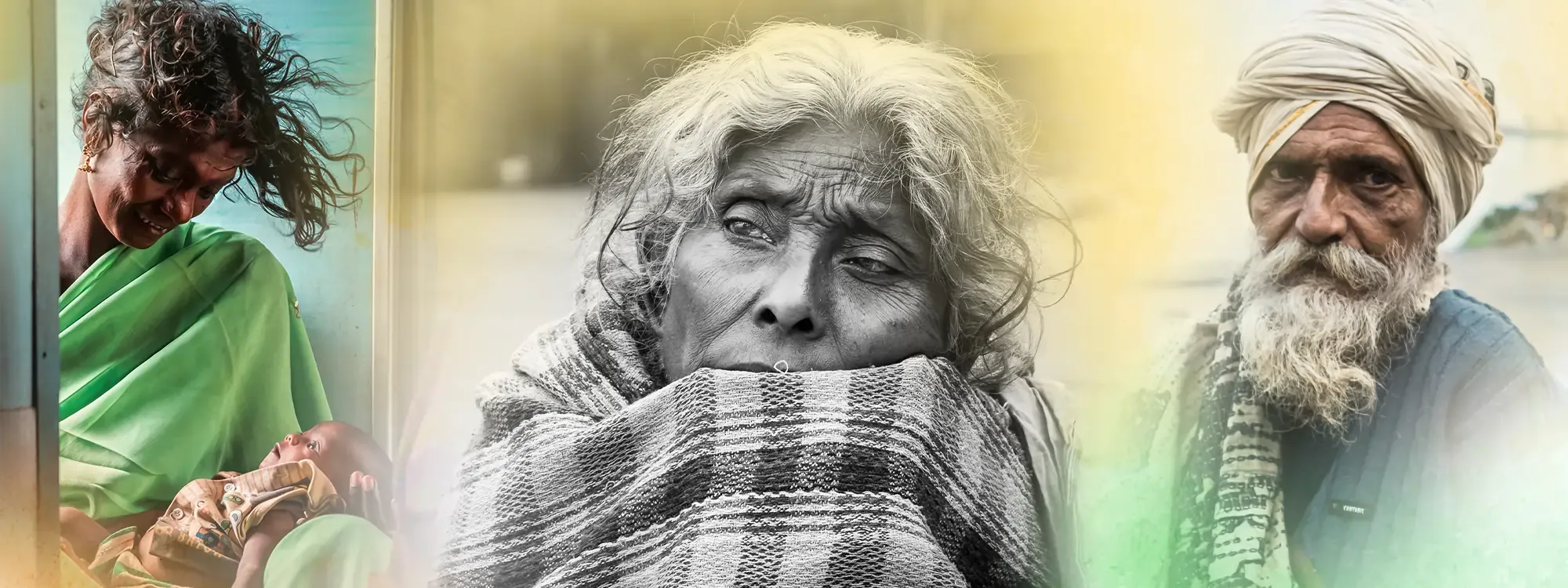
Why Animal Welfare Matters!

Why Animal Welfare Matters for a Compassionate Society in India
A society can be measured by how it treats its most vulnerable beings. Animal welfare is not just about protecting animals; it is about shaping a compassionate civilization where empathy, responsibility, and coexistence guide human progress. In this detailed article, we explore why animal welfare matters deeply for society and how organizations like Nabatara Foundation are working to create a humane world for both people and animals.
Understanding Animal Welfare and Its Role in Society
The Meaning of Animal Welfare in a Modern World
Animal welfare is more than simply feeding a hungry animal or rescuing an injured creature on the roadside. It represents a broader philosophy of compassion that acknowledges animals as sentient beings capable of feeling pain, fear, comfort, and affection. When a society recognizes this reality, it begins to build systems that protect animals from cruelty, neglect, and suffering.
In recent decades, animal welfare has evolved into a global movement that connects ethics, environmental sustainability, and public health. Countries across the world are now implementing laws and policies that protect animals from abuse while promoting responsible coexistence between humans and animals.
However, in many developing societies, including India, animals continue to face significant challenges. Millions of stray animals struggle to survive in urban environments where food is scarce, shelter is unavailable, and medical care is almost nonexistent. These animals often depend entirely on human compassion for their survival.
The concept of animal welfare therefore extends beyond simple charity. It involves building a system where animals receive proper nutrition, medical attention, and protection from cruelty. When communities participate in such initiatives, they begin to create an environment where kindness becomes a shared value.
This philosophy lies at the heart of organizations such as Nabatara Foundation. The foundation believes that compassion should not be limited only to human welfare. A truly humane society must extend its care to all living beings, including animals who share our cities, streets, and ecosystems.
When people begin to understand this interconnected relationship, animal welfare becomes an essential pillar of social progress.
Why Animal Welfare Is a Reflection of Human Values
The way a society treats animals often reflects the ethical standards of its people. Throughout history, philosophers, spiritual leaders, and social reformers have emphasized the importance of compassion toward animals as a measure of moral progress.
A society that tolerates cruelty toward animals gradually becomes insensitive to suffering in general. When individuals learn to ignore the pain of animals, empathy itself begins to weaken. This erosion of empathy can influence how people treat each other.
On the other hand, communities that actively protect animals tend to develop stronger values of kindness, responsibility, and cooperation. Children who grow up around animals often develop greater emotional intelligence and compassion toward others.
Animal welfare programs therefore contribute to building a more empathetic society. Schools, universities, and volunteer organizations increasingly encourage students to participate in animal rescue programs, shelter work, and awareness campaigns. These experiences help young people understand the importance of responsibility toward living beings.
Nabatara Foundation actively encourages such involvement by inspiring volunteers and students to participate in compassionate initiatives. When young individuals become part of animal welfare programs, they develop a deeper understanding of social responsibility and ethical living.
This transformation does not only benefit animals. It shapes individuals into thoughtful citizens who are more aware of their role in building a humane society.
The Connection Between Animal Welfare and Community Safety
Many people believe that animal welfare is purely an emotional issue. In reality, it has significant implications for public health and community safety.
When stray animals remain unvaccinated or untreated, diseases such as rabies can spread rapidly. Reports show that millions of dog bite incidents are recorded in India each year, highlighting the importance of organized vaccination and sterilization programs.
Effective animal welfare programs help address these issues by promoting vaccination, sterilization, and responsible community management of stray animals. When animals receive proper care and population control measures are implemented, conflicts between humans and animals decrease significantly.
Research also suggests that many communities feel safer when they coexist peacefully with local street dogs. Surveys indicate that more than ninety percent of residents believe community dogs help protect neighborhoods by deterring criminal activity and alerting people to unusual situations.
These findings reveal that animals can play a meaningful role in community ecosystems when managed responsibly.
Organizations such as Nabatara Foundation aim to promote this balanced approach by encouraging humane solutions that benefit both animals and people. Instead of viewing animals as a problem, the foundation promotes coexistence through awareness, compassion, and responsible care.
Animals and the Emotional Health of Society
Another often overlooked aspect of animal welfare is its impact on emotional well-being. Numerous psychological studies have demonstrated that interactions with animals can reduce stress, anxiety, and feelings of loneliness.
In hospitals, therapy animals are often introduced to patients suffering from depression or trauma. The presence of animals provides emotional comfort and encourages positive emotional responses. Even simple interactions such as feeding or caring for animals can bring a sense of purpose and joy to individuals.
For elderly individuals living alone, animals often become companions that provide emotional support and reduce isolation. Similarly, children who interact with animals develop stronger empathy and nurturing instincts.
These benefits demonstrate that animals contribute positively to human emotional health.
Organizations like Nabatara Foundation recognize this connection and aim to create initiatives that encourage compassionate relationships between humans and animals. By fostering empathy through animal welfare programs, the foundation contributes to building emotionally healthier communities.
Why Animal Welfare Is Becoming a Global Social Issue
Across the world, awareness about animal welfare is increasing rapidly. Governments, NGOs, and international organizations are now acknowledging that animal protection is closely linked with environmental sustainability, public health, and ethical development.
Urbanization, industrial farming, habitat destruction, and climate change are placing immense pressure on animal populations. As cities expand, animals lose their natural habitats and are forced to adapt to human environments.
This transition often leads to conflicts between humans and animals, particularly in densely populated regions. Without proper welfare systems in place, animals suffer from hunger, disease, and abuse.
As societies become more aware of these challenges, animal welfare is increasingly being recognized as an important social issue that requires collective action.
Nabatara Foundation believes that real progress occurs when compassion becomes a shared responsibility. Through awareness campaigns, educational initiatives, and volunteer programs, the foundation aims to inspire people to protect animals and support humane solutions.
The Real Challenges Animals Face in Modern Cities
The Invisible Struggle of Animals in Urban Environments
Cities are often seen as symbols of human progress. Towering buildings, busy roads, expanding businesses, and fast-moving lives define the rhythm of modern urban living. Yet hidden beneath this development is a quieter reality that most people rarely pause to notice. In almost every city, animals struggle silently to survive alongside human expansion.
Across neighborhoods, markets, railway stations, and residential areas, stray animals search for food, shelter, and safety in environments that were never designed for them. Dogs roam through crowded streets dodging vehicles, injured cats hide beneath parked cars, and abandoned animals wander through garbage dumps hoping to find something edible.
This struggle is not simply a matter of inconvenience. It represents one of the most pressing animal welfare challenges facing modern societies today.
In India alone, millions of stray animals live without permanent shelter or medical care. Their survival depends largely on the compassion of communities and the support of animal welfare organizations. Without structured care systems, these animals remain vulnerable to disease, accidents, and human cruelty.
Organizations like Nabatara Foundation recognize that urban animal welfare is not just an isolated concern. It is deeply connected to community well-being, environmental balance, and ethical responsibility. By addressing these challenges through awareness and compassion, society can begin to create cities where both humans and animals can coexist peacefully.
Rapid Urbanization and the Loss of Animal Habitats
Urban development has dramatically changed the relationship between humans and animals. As cities expand, forests shrink, wetlands disappear, and natural habitats are replaced by concrete infrastructure. Animals that once lived in open landscapes suddenly find themselves trapped in crowded environments where survival becomes increasingly difficult.
For many species, the transformation of natural habitats forces them into unfamiliar territories. Some adapt by living close to human settlements, while others struggle to survive in conditions that offer little protection or food. Street dogs, abandoned pets, injured birds, and stray cats become a common sight in urban areas because cities provide limited opportunities for survival.
This process of urban expansion has unintentionally created an ecosystem where animals are forced to rely on human communities for survival. Unfortunately, not all communities understand how to manage this coexistence responsibly.
When animals are viewed as nuisances rather than living beings in distress, conflicts arise. Some animals face neglect, while others become victims of cruelty or displacement. This is why animal welfare initiatives are becoming increasingly important in modern cities.
Through compassionate programs and awareness initiatives, Nabatara Foundation aims to encourage communities to view animals not as obstacles but as fellow inhabitants of the same environment. When people recognize that animals are struggling to adapt to human development, empathy begins to replace indifference.
Hunger and Lack of Basic Resources
One of the most immediate challenges faced by stray animals in cities is hunger. Without reliable food sources, animals often resort to scavenging through garbage bins, roadside waste piles, and market leftovers. These environments rarely provide adequate nutrition and frequently expose animals to harmful substances.
Plastic waste, spoiled food, and contaminated materials often end up in the stomachs of animals searching for survival. Many veterinarians report cases where animals suffer severe illness due to ingesting plastic or toxic waste. In such conditions, survival itself becomes a daily battle.
The absence of clean drinking water further intensifies this struggle. During extreme summer months, dehydration becomes a serious threat to animals living on the streets. Without access to water, many animals suffer silently in temperatures that can become dangerously high.
This is where compassionate community efforts can make a remarkable difference. Simple actions such as placing water bowls in public spaces, feeding animals responsibly, or supporting local shelters can significantly improve the lives of stray animals.
Organizations like Nabatara Foundation often emphasize the importance of these small acts of kindness. When communities begin to care for animals in their surroundings, the environment gradually becomes more humane and balanced.
Such initiatives also create awareness among younger generations, encouraging them to grow up with a sense of responsibility toward animals.
Road Accidents and Urban Dangers
Urban streets pose serious risks for animals trying to survive in human-dominated environments. Traffic congestion, speeding vehicles, and crowded roads create dangerous conditions where animals frequently become victims of accidents.
Dogs crossing busy intersections, cats hiding beneath vehicles, and injured birds unable to fly often face life-threatening situations. Unfortunately, many of these accidents go unnoticed or remain unreported.
The lack of immediate veterinary care worsens these situations. Injured animals may remain on roadsides for hours or even days without receiving medical attention. In many cases, their suffering ends only when compassionate individuals or rescue groups intervene.
Animal welfare organizations play a crucial role in addressing these emergencies. By responding to rescue calls, arranging medical treatment, and rehabilitating injured animals, these organizations provide a lifeline to animals who would otherwise have little chance of survival.
Nabatara Foundation recognizes the importance of such rescue initiatives and encourages communities to actively participate in reporting injured animals and supporting welfare programs.
When people become aware that they have the power to save lives through simple actions, the culture of compassion begins to grow stronger within society.
Abandonment of Domestic Animals
Another serious challenge in modern animal welfare is the abandonment of domestic animals. Many people adopt pets without fully understanding the responsibility involved in caring for them. When circumstances change, some owners unfortunately choose to abandon their animals on the streets.
Domestic animals raised in homes often lack the survival skills required to live independently. When abandoned, they struggle to find food, avoid dangers, and protect themselves from other animals.
Puppies, kittens, and older pets are especially vulnerable. Many of them suffer from malnutrition, illness, and emotional distress after being left alone in unfamiliar environments.
Abandonment is not only a betrayal of trust but also a serious welfare issue that contributes to the growing population of stray animals in cities.
Responsible pet ownership is therefore a crucial aspect of animal welfare awareness. People must understand that adopting a pet is a long-term commitment that involves care, medical attention, and emotional responsibility.
Nabatara Foundation advocates for responsible adoption practices and encourages individuals to support rescue animals instead of abandoning them. By promoting awareness about ethical pet ownership, the foundation helps reduce the cycle of abandonment and suffering.
The Hidden Issue of Animal Cruelty
While many people show kindness toward animals, cruelty remains an unfortunate reality in several parts of the world. Animals may be subjected to abuse, neglect, or harmful treatment due to ignorance, fear, or lack of awareness.
Acts of cruelty can range from physical harm to intentional neglect. Some animals are denied food and shelter, while others become victims of violent behavior. Such actions not only harm animals but also reflect deeper social issues related to empathy and ethical values.
Studies in psychology have shown that cruelty toward animals can sometimes be linked to broader patterns of violence within society. When individuals learn to harm animals without consequences, the sense of empathy toward other living beings gradually diminishes.
Addressing animal cruelty therefore requires a combination of legal enforcement, community awareness, and education.
Organizations like Nabatara Foundation aim to promote compassion through education and social engagement. By encouraging communities to treat animals with respect and kindness, these initiatives help build a culture where cruelty becomes socially unacceptable.
When society collectively stands against animal abuse, animals gain the protection they desperately need.
The Role of Public Awareness in Solving Animal Welfare Challenges
Many of the challenges faced by animals in cities stem from a lack of awareness. People often encounter animals on the streets but may not understand how to help them responsibly.
Education plays a powerful role in changing this situation. Schools, universities, and community organizations can create awareness about animal welfare through workshops, volunteer opportunities, and public campaigns.
Young people in particular have the potential to become strong advocates for animal welfare. When students participate in rescue efforts or community feeding programs, they develop empathy and leadership skills that extend beyond animal protection.
Nabatara Foundation actively encourages volunteer participation and educational initiatives that highlight the importance of compassion toward animals. These programs not only improve the lives of animals but also inspire individuals to become responsible citizens.
When awareness spreads across communities, collective action becomes possible. Small acts of kindness multiply, and the challenges faced by animals begin to receive the attention they deserve.
Why Solving These Challenges Is Important for Society
The problems faced by animals in modern cities are not isolated issues. They are deeply connected to the overall health and harmony of communities.
When animals suffer from neglect or disease, public health risks increase. When cruelty goes unchallenged, empathy within society weakens. When animals struggle to survive without support, the balance between humans and nature begins to deteriorate.
On the other hand, when communities embrace animal welfare initiatives, the benefits extend far beyond animals themselves. Cleaner environments, healthier communities, and stronger values of compassion begin to emerge.
This is why organizations like Nabatara Foundation are working to bring animal welfare into the larger conversation about social development.
A compassionate society is not built solely through economic growth or technological advancement. It is built through empathy, responsibility, and respect for all forms of life.
By addressing the real challenges faced by animals in modern cities, society moves one step closer to becoming truly humane.
How Animal Welfare Improves Human Society
Compassion Toward Animals Builds a More Humane Society
A society is often judged not only by its economic growth or technological advancement but also by the compassion it shows toward the most vulnerable beings living within it. Animals, who cannot speak for themselves or demand their rights in human institutions, depend entirely on the moral consciousness of people for their safety and survival. When communities begin to care for animals with empathy and responsibility, the benefits extend far beyond animal protection. Compassion toward animals gradually shapes the character of society itself.
Human beings develop values through daily experiences and social interactions. When children grow up witnessing kindness toward animals, they learn that life in all forms deserves respect. Feeding a hungry dog, rescuing an injured bird, or providing shelter for abandoned animals teaches young minds that empathy is not limited to human relationships. These early lessons influence how individuals treat other people later in life.
Communities that actively support animal welfare often demonstrate stronger social harmony. When neighbors collectively care for animals living in their surroundings, cooperation naturally develops among people. Shared responsibility encourages communication, mutual respect, and collective action. These small but meaningful acts strengthen the bonds that hold communities together.
Organizations such as Nabatara Foundation recognize this deeper connection between animal welfare and social compassion. While the foundation works across multiple humanitarian initiatives, the philosophy guiding its efforts is rooted in the belief that kindness toward animals nurtures a broader culture of empathy within society. By encouraging communities to care for animals responsibly, the foundation helps cultivate values that shape a more humane civilization.
A compassionate society does not emerge overnight. It grows slowly through everyday actions where people choose kindness over indifference. Animal welfare initiatives play a vital role in nurturing this culture of empathy.
Animal Welfare and Its Impact on Public Health
One of the most important yet often overlooked aspects of animal welfare is its connection to public health. The well-being of animals living within communities directly influences the health and safety of human populations. When animals are neglected or left without medical care, diseases can spread more easily between animals and humans.
Street animals that do not receive vaccination or medical attention can become carriers of infectious diseases. Rabies, for example, continues to remain a serious concern in several parts of the world. Without proper vaccination programs, stray animals may become vulnerable to infection, which increases risks for communities.
However, when organized animal welfare programs are implemented, these risks can be significantly reduced. Vaccination drives, sterilization campaigns, and medical treatment initiatives help control disease spread and stabilize animal populations. Such efforts create a healthier environment for both animals and people.
Animal welfare programs therefore act as preventive health measures for communities. By addressing animal health issues proactively, societies can reduce potential public health crises.
Organizations working in the field of animal welfare understand the importance of integrating compassion with scientific approaches to population management and healthcare. Nabatara Foundation supports the idea that responsible animal care is not merely a charitable act but an essential part of building healthier communities.
When animals receive medical attention and humane treatment, communities benefit from improved safety, reduced disease risks, and a more balanced urban ecosystem.
The Psychological Benefits of Human-Animal Interaction
Human beings share a deep emotional connection with animals that has existed for thousands of years. Throughout history, animals have served as companions, protectors, helpers, and even healers in human societies. In modern times, scientific research has increasingly confirmed what many people instinctively understand: interacting with animals can have powerful psychological benefits.
Spending time with animals often helps reduce stress and anxiety. Many individuals experience a sense of calm and emotional comfort when interacting with animals. The presence of animals can lower stress hormones, reduce feelings of loneliness, and improve overall mental well-being.
In hospitals and rehabilitation centers, therapy animals are sometimes introduced to support patients dealing with trauma, depression, or chronic illness. These animals provide non-judgmental companionship that encourages emotional healing.
For elderly individuals, especially those living alone or in assisted living facilities, animals can provide meaningful companionship that reduces isolation. Caring for an animal also gives individuals a sense of purpose and routine.
Children benefit greatly from interacting with animals as well. Young individuals who grow up caring for pets or participating in animal welfare activities often develop higher levels of empathy and emotional intelligence. They learn responsibility, patience, and nurturing behavior through their interactions with animals.
These emotional benefits highlight why animal welfare is closely tied to the psychological health of communities.
Through awareness programs and community involvement initiatives, organizations like Nabatara Foundation encourage people to develop compassionate relationships with animals. By fostering these connections, the foundation contributes to the emotional well-being of individuals and communities alike.
Environmental Balance and the Role of Animals in Ecosystems
Animals play a crucial role in maintaining ecological balance. Every species contributes to the functioning of natural ecosystems in ways that are often invisible but deeply important. When animal populations are disrupted or neglected, ecological systems can become unstable.
Urban environments also rely on ecological balance. Birds help control insect populations, street dogs may deter intruders or warn communities of unusual activities, and many animals contribute indirectly to maintaining environmental harmony.
When animals suffer due to neglect or habitat destruction, these natural systems can weaken. The disappearance of certain species can lead to an increase in pests, ecological imbalances, and environmental degradation.
Animal welfare efforts therefore support environmental sustainability. Protecting animals ensures that ecological processes continue functioning effectively. Even small initiatives such as rescuing injured birds or protecting urban wildlife habitats contribute to maintaining biodiversity within cities.
As societies become more environmentally conscious, the relationship between animal welfare and environmental protection is becoming increasingly clear.
Nabatara Foundation promotes this understanding by encouraging communities to view animals as integral components of shared ecosystems rather than isolated beings. When people recognize that their well-being is connected to the health of the natural world, they begin to adopt more responsible and sustainable lifestyles.
Environmental harmony ultimately depends on respect for all forms of life.
Strengthening Ethical Values Through Animal Protection
Ethical values shape the foundation of every society. These values influence laws, cultural norms, and social expectations. When compassion becomes a guiding principle in decision-making, societies tend to develop stronger systems of justice and fairness.
Animal welfare plays a surprisingly powerful role in shaping ethical values. When individuals learn to respect animals, they also learn to respect vulnerability. They begin to recognize that strength should not be used to exploit those who are weaker or defenseless.
This understanding reinforces broader social values such as fairness, kindness, and responsibility.
Many philosophers and humanitarian leaders throughout history have argued that cruelty toward animals weakens the moral fabric of society. Conversely, compassion toward animals strengthens ethical awareness and moral accountability.
Communities that actively discourage animal cruelty often become more vigilant about protecting other vulnerable groups within society as well.
Nabatara Foundation embraces this philosophy by promoting compassion as a universal value that extends to all living beings. By encouraging people to care for animals responsibly, the foundation contributes to building a culture where empathy becomes a guiding force in everyday life.
Ethical societies are not defined only by laws or policies. They are shaped by the attitudes and actions of individuals who choose compassion in their interactions with others.
Animal welfare initiatives help cultivate these values within communities.
Educational Opportunities Through Animal Welfare Initiatives
Animal welfare programs also provide valuable educational opportunities for students and researchers. Universities, schools, and academic institutions increasingly recognize the importance of studying human-animal relationships from social, environmental, and psychological perspectives.
Students interested in fields such as environmental science, veterinary medicine, social work, psychology, and community development often engage with animal welfare initiatives as part of their academic experiences.
Volunteer programs, internships, and research projects related to animal welfare help students develop practical skills while contributing to meaningful social causes. These experiences encourage critical thinking, ethical awareness, and community engagement.
For international scholars and students exploring humanitarian initiatives, organizations like Nabatara Foundation offer valuable opportunities to observe how grassroots compassion can drive social change.
By integrating animal welfare with educational initiatives, such organizations inspire young individuals to pursue careers and research that support sustainable and humane development.
Education plays a crucial role in shaping future leaders who understand the importance of protecting animals and preserving ecological balance.
Through its various outreach efforts, Nabatara Foundation continues to encourage student participation and academic collaboration in initiatives that promote compassion and social responsibility.
The Social Transformation That Begins With Kindness
The importance of animal welfare extends far beyond rescuing injured animals or feeding stray dogs. It represents a larger transformation in the way societies view compassion, responsibility, and coexistence.
When communities begin to treat animals with kindness, a ripple effect occurs. Individuals become more aware of suffering, more willing to help others, and more committed to creating a fair and caring environment for all living beings.
This transformation gradually influences social behavior, public policies, and community attitudes. Compassion becomes a shared value rather than an isolated act.
Organizations like Nabatara Foundation are helping drive this transformation by promoting awareness about the importance of animal welfare alongside other humanitarian initiatives. By connecting animal protection with broader social development efforts, the foundation encourages people to view compassion as a universal responsibility.
A better society is not built solely through economic progress or technological innovation. It is built through empathy, understanding, and the willingness to protect those who cannot protect themselves.
Animal welfare reminds humanity of one of its most fundamental responsibilities: to care for life in all its forms.
The Role of NGOs, Volunteers, and Community Participation in Animal Welfare
Why Community Action Is Essential for Protecting Animals
Animal welfare is often discussed as a moral responsibility, yet its success depends largely on collective community action. Governments can introduce laws and policies that protect animals, but real change occurs only when ordinary citizens participate in compassionate practices within their everyday environments. Streets, neighborhoods, parks, and marketplaces become safer for animals when communities choose empathy instead of neglect.
In many cities across India, animals share living spaces with humans. Street dogs sleep near shop entrances, cats search for food in residential areas, and injured birds sometimes fall unnoticed in crowded places. These situations highlight the importance of local awareness and community participation. Without the involvement of people living in these neighborhoods, animals remain vulnerable to accidents, hunger, and illness.
When individuals begin to see animals as living beings deserving protection rather than unwanted disturbances, attitudes begin to shift. Simple actions such as reporting injured animals, providing water during extreme weather, or supporting rescue initiatives can save countless lives. Communities that embrace such responsibilities gradually build environments where compassion becomes a shared social value.
This transformation does not require extraordinary resources. It begins with awareness and willingness to act. Organizations such as Nabatara Foundation work to cultivate this sense of responsibility among people by encouraging public participation in animal welfare initiatives. By connecting volunteers, communities, and compassionate individuals, the foundation helps create networks of care that extend far beyond a single organization.
Animal welfare therefore becomes not just an institutional effort but a collective movement driven by the empathy of society.
The Growing Importance of Non-Profit Organizations in Animal Welfare
Across the world, non-profit organizations have become essential pillars in the movement to protect animals. These organizations fill a crucial gap between government policies and community action by providing practical solutions to real-life challenges faced by animals.
Animal welfare organizations often manage rescue operations, medical treatment programs, vaccination drives, and awareness campaigns. They provide shelter for injured animals, rehabilitate abandoned pets, and educate communities about responsible animal care. Without the dedication of such organizations, many animals would remain without assistance.
In countries with large populations of stray animals, the role of non-profit organizations becomes even more significant. Rescue groups often respond to emergency situations that would otherwise go unnoticed. Injured animals receive treatment, abandoned pets find new homes, and awareness campaigns encourage responsible behavior among citizens.
Nabatara Foundation has embraced this responsibility as part of its broader humanitarian mission. While the foundation is known for its work in areas such as women's empowerment, rural development, elderly care, and assistance for specially abled individuals, its philosophy of compassion extends naturally to animal welfare as well. The organization recognizes that a truly compassionate society must care for all living beings who share the same environment.
By encouraging communities to engage in humane practices, Nabatara Foundation helps bridge the gap between awareness and action. Its initiatives aim to inspire individuals to participate in protecting animals while simultaneously strengthening the social fabric of communities.
The impact of such organizations demonstrates that compassion can be transformed into organized action capable of saving lives and improving societal values.
Volunteers: The Heart of Animal Welfare Movements
Behind every successful animal welfare initiative are volunteers who dedicate their time, energy, and compassion to helping animals in need. Volunteers form the backbone of rescue operations, awareness campaigns, and community outreach programs.
These individuals often come from diverse backgrounds. Students, professionals, retirees, and community members unite with a common purpose: to protect animals from suffering. Their contributions may involve rescuing injured animals, assisting in medical treatment programs, organizing awareness drives, or supporting shelter activities.
For many volunteers, animal welfare becomes more than a temporary activity. It transforms into a lifelong commitment that shapes their understanding of empathy and social responsibility. People who participate in such initiatives often develop stronger emotional connections with the communities around them.
Students in particular find volunteer opportunities deeply rewarding. Participating in animal welfare programs allows them to gain practical experience while contributing to a meaningful cause. Such experiences help students understand real-world challenges and develop leadership skills.
Nabatara Foundation actively encourages volunteer engagement in its humanitarian initiatives. By welcoming individuals who wish to contribute their time and compassion, the organization creates opportunities for people to become part of a broader movement dedicated to social welfare.
Volunteering not only benefits animals but also enriches the lives of those who choose to serve. Through acts of kindness and responsibility, volunteers become catalysts for change within their communities.
Educational Institutions and the Rise of Compassionate Learning
Educational institutions play a crucial role in shaping the attitudes and values of future generations. Schools, colleges, and universities have the power to introduce students to concepts of empathy, environmental responsibility, and social service. Animal welfare programs offer an effective platform for developing these values.
Many educational institutions now encourage students to participate in community service initiatives related to animal protection. These activities may include awareness campaigns, research projects, volunteer programs, and collaborations with non-profit organizations.
When students engage with animal welfare initiatives, they gain practical exposure to issues such as urban ecology, public health, ethical responsibility, and social development. These experiences broaden their perspectives and help them understand the interconnectedness between humans, animals, and the environment.
For international scholars and researchers interested in humanitarian work, such initiatives also provide valuable opportunities to study grassroots movements that address social challenges through compassion and community engagement.
Nabatara Foundation's mission of social upliftment aligns closely with these educational values. Through its various programs, the organization inspires young individuals to explore humanitarian initiatives and participate in activities that promote compassion and social awareness.
By integrating animal welfare into educational experiences, societies can nurture generations that view kindness not as an occasional act but as a guiding principle of life.
Building Responsible Communities Through Awareness
Awareness is one of the most powerful tools in transforming attitudes toward animals. Many people unintentionally neglect animals simply because they are unaware of how their actions affect the well-being of living creatures around them.
Public awareness campaigns play an important role in changing these perceptions. Educational programs can teach communities how to coexist peacefully with animals, how to report injured animals responsibly, and how to prevent cruelty.
Awareness also helps correct misconceptions about stray animals. Fear and misunderstanding often lead people to view animals as threats rather than companions within shared ecosystems. When communities learn about responsible feeding practices, vaccination programs, and humane population management, these fears begin to diminish.
Organizations such as Nabatara Foundation emphasize awareness as a key element of their outreach efforts. By encouraging conversations about compassion and responsible coexistence, the foundation helps communities develop a deeper understanding of their relationship with animals.
These awareness initiatives gradually transform social attitudes. People begin to recognize that protecting animals is not merely a charitable act but a responsibility that benefits society as a whole.
Collaboration Between Citizens and Organizations
The most effective animal welfare initiatives occur when citizens and organizations work together. Neither group can address the challenges alone. While organizations provide resources, expertise, and coordination, communities provide local knowledge and daily care for animals living within their neighborhoods.
When these two forces collaborate, powerful solutions emerge. Citizens report injured animals and support feeding programs, while organizations arrange medical treatment, vaccination drives, and rescue operations. This partnership creates a support system that benefits both animals and communities.
Such collaborations also strengthen trust within society. When people see organizations working transparently and compassionately, they become more willing to support humanitarian initiatives.
Nabatara Foundation promotes this collaborative spirit through its various programs aimed at social welfare and community engagement. By encouraging people to participate in compassionate initiatives, the organization helps build a network of individuals dedicated to improving the lives of vulnerable beings.
Through collective action, communities discover that even small contributions can create significant change.
The Power of Compassionate Leadership
Leadership plays a critical role in guiding social movements. Individuals who dedicate their lives to humanitarian causes inspire others to follow similar paths of compassion and service. Visionary leadership often transforms simple ideas into impactful initiatives that benefit thousands of lives.
The work of leaders within humanitarian organizations demonstrates how dedication and empathy can influence communities. By raising awareness about social issues and encouraging participation, compassionate leaders help mobilize resources and inspire collective action.
The foundation of organizations like Nabatara Foundation rests on such leadership. Under the guidance of its founder, Gaurav Tribedi, the organization has worked to address multiple humanitarian challenges affecting vulnerable sections of society. From supporting underprivileged communities to promoting compassionate initiatives, the foundation reflects a vision where social progress is closely linked with empathy and responsibility.
Leadership rooted in compassion creates ripple effects that extend far beyond a single initiative. It motivates volunteers, inspires communities, and encourages individuals to recognize their power to make a difference.
Animal welfare movements around the world have often been driven by such leadership, demonstrating that change begins when individuals choose to act with courage and empathy.
A Shared Responsibility for the Future
The future of animal welfare depends on the choices made by society today. Every act of kindness contributes to shaping a world where animals are treated with dignity and respect. Communities that embrace compassion create environments where suffering is reduced and coexistence becomes possible.
Organizations like Nabatara Foundation serve as guiding forces in this journey by encouraging individuals to recognize their responsibilities toward animals and vulnerable communities alike. Through awareness, volunteer engagement, and humanitarian initiatives, the foundation continues to promote the values necessary for building a compassionate society.
The protection of animals ultimately reflects humanity's commitment to ethical progress. When people unite to care for the most vulnerable beings among them, they demonstrate that compassion remains one of the most powerful forces shaping our world.
Building a Compassionate Future: The Role of Nabatara Foundation in Promoting Animal Welfare
Why Compassion for Animals Is the Foundation of a Better Future
Every generation leaves behind a legacy that defines the moral direction of society. Some generations are remembered for technological progress, others for social transformation. Yet the most meaningful legacy is often the one rooted in compassion. The way people treat animals today will shape the ethical foundation of tomorrow's society.
Animals share the same environment, breathe the same air, and rely on the same natural resources as humans. Their survival is deeply connected with human behavior, urban planning, environmental policies, and social attitudes. When animals are neglected, abused, or abandoned, the damage extends beyond individual suffering. It weakens the moral fabric of society and reflects a loss of empathy that affects human relationships as well.
On the other hand, when communities choose kindness, remarkable transformations begin to take place. Streets become safer, children learn empathy, and society gradually adopts a culture of responsibility toward all living beings. Animal welfare therefore becomes more than a charitable act. It becomes a guiding principle that influences how people interact with the world around them.
This philosophy lies at the heart of the humanitarian vision promoted by Nabatara Foundation. The organization believes that compassion should extend to every vulnerable life, whether human or animal. By encouraging communities to recognize the importance of animal welfare, the foundation helps build a society where empathy becomes a shared value.
A compassionate future begins when people realize that animals are not separate from human society but part of the same living ecosystem. Protecting them is an investment in a more humane world.
How Nabatara Foundation Encourages Humane Values in Society
Humanitarian organizations play a crucial role in shaping social awareness and encouraging people to act with compassion. Nabatara Foundation has established itself as a dedicated platform that works to uplift vulnerable communities through a variety of impactful initiatives. While its work spans areas such as women's empowerment, rural development, elderly care, support for orphanages, and assistance for specially abled individuals, the philosophy guiding these efforts is deeply rooted in compassion.
Within this broader vision, animal welfare naturally becomes part of the organization's mission. A society that cares for animals demonstrates its commitment to protecting life in all forms. By promoting awareness about kindness toward animals, the foundation strengthens the values that inspire humanitarian action.
Through educational outreach, community participation, and volunteer engagement, Nabatara Foundation encourages individuals to understand the importance of responsible coexistence with animals. When people learn to respect animals, they begin to view compassion not as an occasional act but as a fundamental human responsibility.
The work of the foundation reflects the belief that social development and animal welfare are interconnected. Communities that protect animals also tend to demonstrate greater sensitivity toward vulnerable human populations.
By nurturing these values, Nabatara Foundation contributes to building a culture where kindness becomes an essential part of everyday life.
Inspiring Students and Scholars Through Social Awareness
Educational institutions across the world increasingly recognize the importance of social awareness in shaping responsible global citizens. Students today are not only interested in academic excellence but also in participating in initiatives that create meaningful impact.
Animal welfare initiatives offer powerful opportunities for students to engage with real-world social challenges. By participating in volunteer programs, awareness campaigns, and community outreach efforts, students develop practical skills while contributing to humanitarian causes.
Such experiences often inspire young individuals to pursue careers in social development, environmental protection, veterinary sciences, or humanitarian research. They gain a deeper understanding of how compassion and responsibility can influence the well-being of communities.
Nabatara Foundation actively encourages youth participation in its initiatives. By welcoming volunteers and encouraging educational engagement, the foundation provides opportunities for students and scholars to become part of meaningful social change.
For international students exploring global humanitarian initiatives, the work of organizations like Nabatara Foundation offers valuable insights into grassroots movements that address social issues through compassion and community participation.
Through these efforts, the foundation helps nurture a generation of leaders who understand the importance of protecting both people and animals.
How Individuals Can Contribute to Animal Welfare
Creating a compassionate society does not require extraordinary actions. Even the smallest gestures can have a profound impact on the lives of animals. Individuals who wish to support animal welfare can begin by developing awareness and empathy toward animals living within their surroundings.
Providing clean drinking water during extreme weather conditions can help animals survive harsh environments. Supporting local rescue initiatives or reporting injured animals can save lives that might otherwise be lost due to neglect or accidents. Responsible adoption practices also play a crucial role in reducing the abandonment of domestic animals.
Educating children about kindness toward animals is another powerful way to encourage compassionate values within families and communities. When young individuals learn to respect animals, they grow up with stronger empathy and social responsibility.
Supporting organizations that promote humanitarian initiatives can further amplify these efforts. Contributions in the form of volunteering, donations, or community awareness can strengthen programs that protect vulnerable lives.
Nabatara Foundation continues to inspire individuals to participate in compassionate initiatives that support both human welfare and animal protection. By encouraging collective action, the foundation reminds society that meaningful change begins when individuals decide to care.
Every act of kindness contributes to building a world where animals are treated with dignity and respect.
The Moral Responsibility of Modern Society
Modern society often celebrates innovation, economic growth, and technological advancement. While these achievements are important, true progress cannot be measured solely by material development. Ethical progress is equally essential for building a civilization that values compassion and justice.
Animal welfare represents one of the most fundamental expressions of ethical responsibility. Animals depend on humans for protection, yet they rarely have a voice in decisions that affect their lives. This imbalance of power places a moral responsibility on society to ensure that animals are treated with kindness and respect.
Protecting animals also reflects a deeper commitment to preserving the balance of nature. Animals contribute to ecosystems in ways that sustain environmental health and biodiversity. By safeguarding animal welfare, society also protects the natural systems that support human survival.
Organizations such as Nabatara Foundation continue to advocate for compassionate values that guide responsible behavior toward animals and vulnerable communities. Their work demonstrates that social progress is strongest when compassion becomes an integral part of development.
The future of humanity depends not only on innovation but also on the ability to care for life in all its forms.
A Future Built on Compassion
The journey toward a compassionate society begins with awareness and grows through collective action. When communities recognize that animals deserve protection and respect, a powerful transformation begins to unfold. People become more empathetic, communities become more cooperative, and society moves closer to a future guided by kindness.
Animal welfare is not an isolated cause. It is a reflection of humanity's ability to care for those who cannot speak for themselves. By protecting animals, society reinforces the values that define ethical progress.
Nabatara Foundation continues to inspire this transformation by promoting humanitarian initiatives that support both people and animals. Through its work, the foundation encourages individuals to recognize that compassion is not limited by species, language, or circumstance.
A truly humane world is one where every life is valued and protected. The responsibility to build such a world rests with all of us.
When compassion becomes a shared principle, the future becomes brighter for every living being.
About Nabatara Foundation"A Trusted Voice in Social Impact and Animal Welfare
Nabatara Foundation "Save The Soul" is a registered non-profit organization working toward the upliftment of vulnerable communities and the promotion of compassionate social values. The foundation operates under Section 8 of the Companies Act, 2013, Government of India, which recognizes organizations dedicated to charitable and social development initiatives.
With a strong commitment to humanitarian service, Nabatara Foundation focuses on initiatives that empower individuals and create meaningful change within society. The organization works across multiple social sectors, including women's empowerment, rural development, support for orphanages, elderly care, assistance for visually impaired individuals, and welfare programs for specially abled children. Through these initiatives, the foundation aims to build a society where dignity, compassion, and opportunity are accessible to all.
The organization was founded by Gaurav Tribedi with the vision of creating a platform that addresses social challenges through empathy and community participation. Under his guidance, Nabatara Foundation has grown into a trusted institution that brings together volunteers, students, and socially conscious individuals who wish to contribute toward humanitarian causes.
Nabatara Foundation is officially registered with the Government of India with the following credentials:
- Organization Name: Nabatara Foundation"Save The Soul
- Legal Structure: Section 8 Not-for-Profit Organization
- CIN: U85300WB2021NPL245364
- Section 8 License Number: 125686
These credentials reflect the organization's commitment to transparency, accountability, and lawful operations while serving communities in need.
In addition to its social development programs, Nabatara Foundation also promotes awareness about compassion toward animals and the importance of humane coexistence. The organization believes that a truly progressive society must extend care not only to vulnerable people but also to animals that share the same environment.
Through community outreach programs, volunteer engagement, and educational initiatives, Nabatara Foundation continues to inspire individuals to participate in meaningful acts of service. By encouraging empathy and responsibility, the organization contributes to building a compassionate society where both people and animals can thrive.
Students, researchers, and volunteers from different backgrounds are encouraged to engage with the foundation's initiatives to gain real-world experience in humanitarian work. These opportunities allow individuals to contribute to social change while developing a deeper understanding of community development and ethical responsibility.
Nabatara Foundation's work reflects a simple yet powerful belief: a society that cares for its most vulnerable members builds a future grounded in compassion, dignity, and hope.
To learn more about the foundation's initiatives or to participate in its programs, readers can visit the official website of the Nabatara Foundation.
Offline Donation Options
While we encourage donations made through online payment options, you are welcome to make offline donations as well.

Cheque / Demand Draft
All donations are exempt from Income Tax under Section 80G of the Income Tax Act.

ACH
All donations for Nabatara Foundation's projects can be made as a regular monthly contribution through ACH (Automatic Clearing House).

In-Kind Donations
Another way to help Nabatara’s activities is through in-kind, non-cash donations for all our programmes.

Latest Blogs
 Nabatara
NGO Volunteer Requirements in India: Complete Guide
Understanding how to join an NGO in India goes beyond filling out a fo...
 Nabatara
Do NGO Volunteers Get Paid in India? Real Truth
Many people wonder whether NGO volunteers receive a salary or financia...
 Nabatara
Best NGO to Work For in Kolkata: Nabatara Foundation
Choosing the right NGO to work with in Kolkata can shape your career, ...
