


Nabatara Foundation
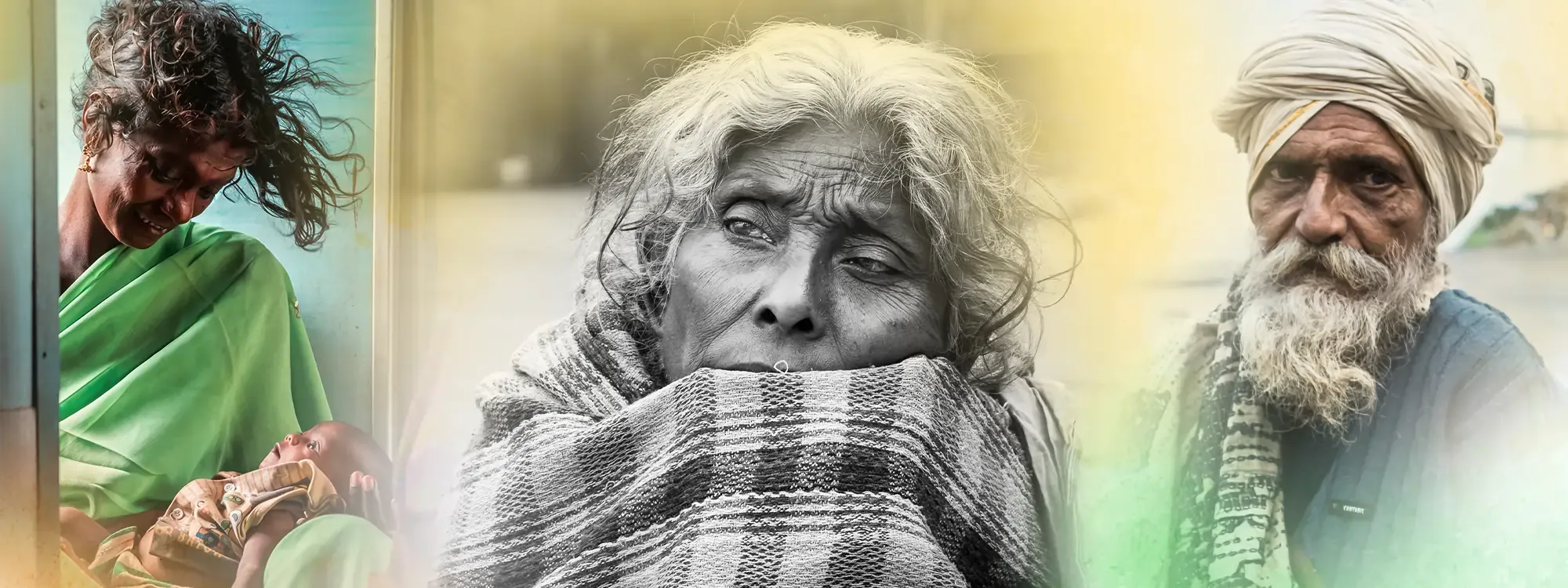
Real Women Empowerment

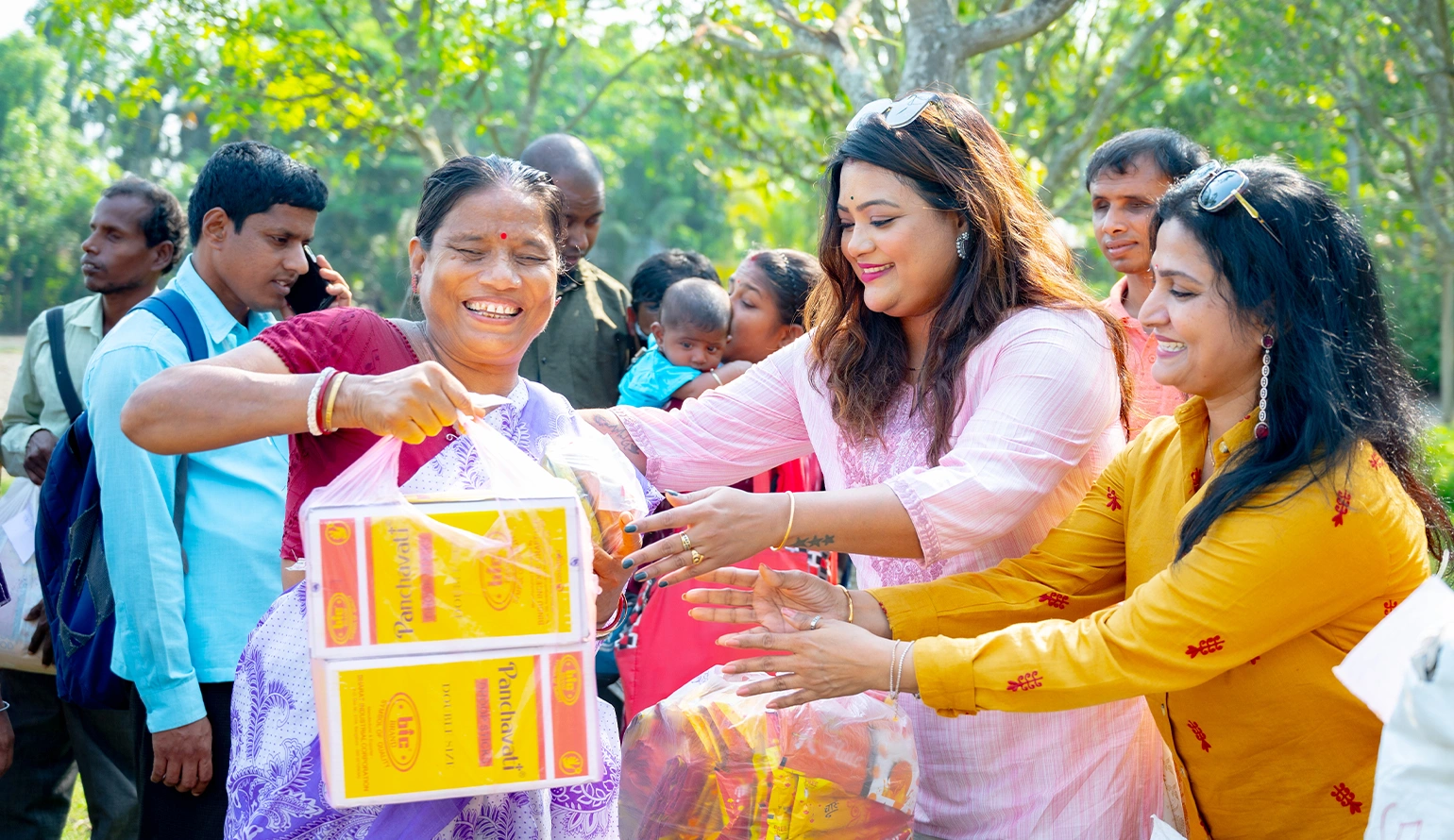
Real Rural Women Empowerment Success Stories
Across rural Bengal, many women once trapped in poverty have discovered independence through opportunity, courage, and support. This story explores how Nabatara Foundation—Save The Soul transformed lives through empowerment programs, micro-business initiatives, and compassionate community support.
A Quiet Revolution Taking Place in Rural Bengal
In many corners of rural India, change rarely arrives overnight. It comes slowly, carried by determination, opportunity, and the courage of individuals who refuse to accept the limitations imposed by poverty. Across the villages surrounding Kalyani, Kanchrapara, Rishra, and the distant delta villages of Kakdwip in the Sundarbans, a quiet transformation has been unfolding.
This transformation is not driven by massive corporations or government programs alone. Instead, it is shaped by the tireless work of community organizations that believe dignity should not be a privilege reserved for a few. One such organization is the Nabatara Foundation—Save The Soul, an initiative founded by Gaurav Tribedi with the vision of creating a compassionate and inclusive society where even the most vulnerable individuals can live with confidence and independence.
For many families living in these rural communities, survival itself can be a daily struggle. Women often carry the heaviest burden. Limited access to education, lack of financial resources, social barriers, and the responsibilities of caregiving can confine them to a cycle of dependency that stretches across generations. Yet within these same communities are extraordinary stories of resilience.
Over the past few years, the initiatives of Nabatara Foundation have helped transform the lives of women, especially those facing physical challenges such as visual impairment. Through financial support, health assistance, monthly allowances, and small business development programs, the foundation has enabled individuals to move from uncertainty toward self-reliance.
These are not just charity projects. They are stories of human potential rediscovered.
And behind every program lies a deeper belief: that empowerment does not begin with money alone. It begins with trust.
When Support Becomes Opportunity
Many development initiatives fail because they overlook a simple truth: people do not need sympathy; they need opportunity. The approach of Nabatara Foundation has always been rooted in this principle. Instead of offering temporary relief, the organization focuses on creating pathways that allow individuals to build sustainable livelihoods.
Across rural Bengal, several women who were once dependent on irregular donations or family support have now become entrepreneurs in their own communities. Some run small incense stick businesses. Others operate paper plate production units. Some manage tailoring services using sewing machines provided through empowerment programs.
These small enterprises may seem modest at first glance. But within rural economies they represent something far more significant: control over one's own future.
For women who previously had no source of income, even a small daily earning can transform their social standing. It allows them to contribute to household expenses, educate their children, and make independent decisions about their lives.
The ripple effect extends far beyond individual families. Entire communities begin to shift when women gain financial stability.
The Courage of Putu Bera
Among the many individuals whose lives have changed through the work of Nabatara Foundation is a woman named Putu Bera.
Putu grew up in a modest household where opportunities were scarce. Her visual impairment made life even more difficult. In many rural areas, disability often leads to isolation rather than inclusion. Employment opportunities for visually impaired individuals are extremely limited, and social stigma frequently prevents them from participating fully in community life.
For years, Putu relied on family members for support. The possibility of earning an income seemed distant.
When the team from Nabatara Foundation first met her, they did not simply view her as a beneficiary. They saw potential.
Through a carefully designed empowerment program, the foundation helped Putu establish a small incense stick business. Financial assistance allowed her to purchase raw materials and basic tools. Training sessions helped her learn how to produce and package agarbatti products that could be sold locally.
At first, the process was slow. Learning to manage a business while navigating visual impairment required patience and persistence. But gradually, Putu's confidence began to grow.
Today, her small enterprise generates a steady income that supports her household. More importantly, it has restored something even more valuable than financial stability: self-respect.
Her story has become an inspiration for others in her community, proving that disability does not have to define destiny.
Jharna's Journey Toward Independence
Another powerful story is that of Jharna, a visually impaired woman who once struggled to imagine a future beyond dependency.
Life in rural areas often presents enormous barriers for individuals with disabilities. Public infrastructure rarely accommodates their needs, and employment opportunities remain extremely limited. Without targeted support, many individuals are forced to rely entirely on family members for survival.
When Nabatara Foundation stepped in to support Jharna, the goal was not simply to provide financial aid but to create a pathway toward independence.
The organization helped her access monthly assistance while also introducing a livelihood opportunity through paper plate production. With the help of a small machine and training provided through the foundation's empowerment program, Jharna learned how to manufacture disposable plates that could be sold to local vendors and small eateries.
Within months, her situation began to change. The small income generated from the business allowed her to contribute to household expenses and gradually build savings.
For the first time in her life, she experienced the freedom that comes with financial independence.
Why Women's Empowerment Matters More Than Ever
Across India, women's empowerment has become one of the most important social and economic priorities of our time. Studies consistently show that when women gain access to income opportunities, entire communities benefit.
- Families become healthier.
- Children receive better education.
- Local economies grow stronger.
Yet millions of women in rural India still lack access to even the most basic resources needed to achieve independence.
Organizations like Nabatara Foundation play a critical role in bridging this gap. By identifying individuals with potential and providing them with the tools to succeed, the foundation helps unlock opportunities that might otherwise remain out of reach.
The impact extends far beyond individual success stories. Each empowered woman becomes a catalyst for change within her community.
And as these stories multiply, a powerful message begins to spread: poverty is not permanent when opportunity exists.
Breaking Barriers: How Opportunity Restored Dignity and Confidence
When Empowerment Begins With Belief
Across rural communities in West Bengal, empowerment rarely arrives through grand declarations. It begins quietly, often with a simple act of belief. For many women living in villages around Kalyani, Kanchrapara, and Rishra, life had long been defined by limitations. Economic hardship, social barriers, and lack of access to opportunities had confined them to a life where survival often overshadowed aspiration.
For women with disabilities, particularly visual impairment, the challenges were even greater. In rural India, disability frequently leads to social isolation. Education becomes difficult, employment opportunities almost disappear, and many individuals are left dependent on family members for even the most basic needs.
This is where the work of the Nabatara Foundation—Save The Soul—has created a profound difference. Founded by Gaurav Tribedi, the organization believes empowerment begins not with charity but with opportunity. Their programs focus on providing sustainable support systems that allow individuals to build their own livelihoods.
Rather than offering temporary relief, the foundation invests in long-term transformation. Through financial assistance, medical support, monthly allowances, and micro-enterprise opportunities, they create pathways toward independence. Over time, these initiatives have helped many women discover that their circumstances do not define their future.
Among those whose lives have been transformed are remarkable individuals such as Shubra and Aninda, whose journeys demonstrate how the right support can turn adversity into strength.
The Story of Shubra: Finding Strength Beyond Limitations
The life of Shubra once followed a path familiar to many visually impaired women living in rural India. Growing up in a modest household, she faced constant uncertainty about her future. Opportunities for education were limited, and employment prospects were almost nonexistent.
In villages where livelihoods depend heavily on physical labor, individuals with visual impairments are often perceived as unable to contribute economically. This perception can create a cycle of dependency that becomes difficult to break.
For years, Shubra struggled with this reality. Daily life revolved around household responsibilities while financial security remained out of reach. The idea of starting a business or earning an independent income seemed impossible.
Everything began to change when volunteers from Nabatara Foundation visited her community. During their interactions with local residents, they learned about Shubra's situation and recognized the potential that lay beneath the surface.
Instead of viewing her disability as a limitation, the foundation focused on identifying a livelihood opportunity that could work for her.
Through their empowerment program, Shubra received financial assistance and training that helped her start a small-scale home enterprise. With guidance and encouragement, she began producing agarbatti, a product widely used across India for religious and household purposes.
The incense stick business required patience and precision, but it also offered flexibility. She could work from home and gradually build production capacity at her own pace.
At first, the process was slow. Learning the production techniques, managing raw materials, and establishing local buyers required time. But with continued support from the foundation, Shubra began to develop confidence in her abilities.
Within months, her small business started generating income.
For the first time in her life, she was able to contribute financially to her family. The impact went far beyond money. Her sense of identity began to shift. She was no longer viewed as someone who needed support; she became someone capable of providing it.
In many ways, Shubra's transformation reflects the deeper philosophy behind Nabatara Foundation's work. Empowerment is not simply about economic growth. It is about restoring dignity.
Aninda's Journey From Dependency to Determination
Another inspiring story is that of Aninda, a visually impaired woman who once believed that her life would always remain confined by circumstance.
Growing up in a rural environment where resources were scarce, Aninda faced numerous obstacles from an early age. Access to education was limited, and employment opportunities for visually impaired individuals were virtually nonexistent.
Her family did their best to support her, but economic hardship made survival a constant struggle. Without stable income sources, even basic necessities sometimes became difficult to manage.
When representatives from Nabatara Foundation first met Aninda, they recognized not just her challenges but her determination. She expressed a strong desire to become self-reliant if given the chance.
The foundation responded by introducing her to a livelihood initiative focused on small-scale manufacturing. With their support, Aninda received equipment and training that allowed her to start producing disposable paper plates.
The demand for paper plates in local markets and small food stalls continues to grow rapidly across India. By entering this market, Aninda gained access to a reliable source of income that required relatively modest investment.
The foundation provided the necessary machine and initial materials, along with continuous mentoring to help her manage the business.
Gradually, production increased. Local shopkeepers began purchasing her products regularly. What started as a small experiment soon evolved into a steady livelihood.
Today, Aninda's paper plate unit contributes significantly to her household income. More importantly, it has given her a sense of independence that once seemed unimaginable.
Her story highlights how targeted support can unlock opportunities even in environments where resources are limited.
The Growing Impact Across Rural Communities
The success stories of Putu Bera, Jharna, Shubra, and Aninda represent only a small portion of the lives touched by Nabatara Foundation's initiatives.
Across rural districts of West Bengal, the organization continues to identify individuals who possess the determination to transform their lives if given the right tools. Their empowerment programs extend to several communities, including villages near Kalyani, Kanchrapara, and Rishra.
Each region presents unique challenges. Some areas struggle with unemployment and lack of industry, while others face geographical isolation that limits access to markets.
The foundation's approach is carefully adapted to these local realities. Rather than imposing a one-size-fits-all solution, they work closely with communities to identify practical opportunities that match available resources and skills.
In some villages, incense stick production has become a viable micro-enterprise. In others, tailoring services supported by sewing machines have provided women with steady income.
Paper plate and tea cup manufacturing units have also become powerful tools for economic empowerment. These small machines enable women to produce goods that are always in demand, creating sustainable livelihoods within their own communities.
By combining financial assistance with skill development and ongoing support, Nabatara Foundation ensures that beneficiaries are not left alone once a project begins. Continuous guidance helps them navigate challenges and expand their businesses over time.
Empowerment That Extends Beyond Economics
While financial independence is a crucial aspect of empowerment, the impact of these initiatives extends far deeper.
Women who once hesitated to speak in community gatherings now participate confidently in discussions about local development. Families that previously viewed disability as a burden begin to see it through a different lens.
Children growing up in these households witness something transformative: the power of resilience.
When a mother or sister becomes financially independent, it changes how future generations perceive possibility.
In many ways, the work of Nabatara Foundation represents a quiet social revolution. It challenges deeply rooted assumptions about gender roles, disability, and economic potential.
And as these stories continue to spread across rural communities, they inspire others to believe that change is possible.
When One Woman Rises, a Community Begins to Change
The Power of Collective Strength in Rural Women's Movements
In many villages across West Bengal, empowerment does not always begin with an individual. Sometimes it begins with a group of women who refuse to accept the circumstances they were born into. These groups form slowly, often starting with informal gatherings where women share their experiences of hardship, economic struggles, and the constant challenge of sustaining their families.
In rural communities around Baruipore, Kalyani, and several surrounding villages, these gatherings gradually evolved into organized efforts to support one another. Women who once felt isolated began discovering that their struggles were shared by many others. The realization created a powerful sense of solidarity.
This collective energy eventually gave rise to women-led organizations dedicated to economic independence and community upliftment. Among the most inspiring examples of this transformation is the story of Shefali, a determined woman who refused to let poverty define the future of her community.
With support from Nabatara Foundation—Save The Soul, her journey would become a symbol of how grassroots leadership can create opportunities for dozens of families.
Shefali's Vision for Women in Baruipore
In the small town of Baruipore lives a woman whose determination has inspired many others to believe in the possibility of change. Shefali had spent years witnessing the daily struggles of women in her community. Most families depended on irregular wages from agricultural work or small labor jobs, which meant financial security was always uncertain.
For women, the situation was even more difficult. Many had skills, energy, and the desire to contribute financially to their households, yet opportunities were almost nonexistent. Without access to capital, equipment, or training, starting even the smallest enterprise felt impossible.
Shefali believed that the answer lay in collective effort. She brought together several women who shared the same dream of financial independence and established a local women's collective known as the Nari Shakti Sanghathan.
At first, the organization was little more than a group of determined women meeting regularly to discuss ways to improve their lives. They shared ideas, discussed possible income sources, and explored how they might work together to build something sustainable.
But ideas alone could not create opportunity. What they needed was support.
When Opportunity Arrived Through Nabatara Foundation
The turning point came when the work of Nari Shakti Sanghathan caught the attention of the Nabatara Foundation—Save The Soul. The foundation had been actively working across rural West Bengal to identify communities where targeted assistance could help create sustainable livelihoods.
When representatives from the foundation met Shefali and the women involved in her organization, they immediately recognized the potential of the group. These were not individuals waiting for charity. They were individuals ready to work if given the right tools.
Understanding the importance of empowering women collectively, the foundation decided to provide equipment that could help the group start small-scale manufacturing businesses.
Through their support, the women received paper plate-making machines and teacup-making machines, equipment that allowed them to produce disposable products in high demand across local markets.
This support marked the beginning of a new chapter for the women of Baruipore.
A Small Machine That Changed Many Lives
At first glance, a paper plate making machine might appear to be a simple device. But for the women of Nari Shakti Sanghathan, it represented the gateway to economic independence.
With training and guidance provided through the empowerment initiative, the women learned how to operate the machines efficiently. They also received assistance in sourcing raw materials and identifying potential buyers within nearby towns.
The process required teamwork. Some members focused on production, others handled packaging, while a few took responsibility for distributing the finished products to local shops and street vendors.
Slowly but steadily, their efforts began to bear fruit.
Local demand for disposable plates and tea cups ensured a consistent market. Small eateries, roadside food stalls, and event organizers regularly required these products, making the business both practical and sustainable.
As income started flowing into the group, something remarkable began to happen. Women who once struggled to afford basic household necessities were now contributing significantly to their family finances.
Children's education improved. Household stability increased. Confidence grew.
Most importantly, the women realized that they were capable of shaping their own future.
The Expanding Impact of Women-Led Enterprises
The success of Shefali and the Nari Shakti Sanghathan created ripple effects throughout the community. As other women witnessed the transformation, they began expressing interest in similar initiatives.
For many families in rural areas, the idea of women running businesses was initially unfamiliar. Traditional expectations often limited women to domestic roles. Yet the visible success of the collective gradually changed perceptions.
Husbands and family members who once doubted the feasibility of women-led enterprises began offering encouragement and support. The economic benefits were impossible to ignore.
Through the continued involvement of Nabatara Foundation, the initiative expanded to include additional training sessions and business guidance. These efforts ensured that the enterprises remained sustainable while also opening the door for more participants.
In many ways, this collaboration demonstrated the true meaning of empowerment. It was not simply about providing resources; it was about enabling communities to build their own systems of growth.
The Story of Pallabi Sinha from Kakdwip Sundarban
Another powerful example of transformation can be found in the coastal region of Kakdwip, located within the remote and often economically challenged area of the Sundarbans.
Life in the Sundarban region is shaped by both natural beauty and persistent hardship. Frequent cyclones, limited infrastructure, and restricted economic opportunities make survival a constant challenge for many families.
Among the residents of this region is Pallabi Sinha, a woman whose life once reflected the struggles faced by countless others in the area. Financial instability made it difficult for her family to maintain consistent income, and opportunities for employment were scarce.
Like many rural women, Pallabi possessed determination and resilience but lacked the resources needed to turn her efforts into a sustainable livelihood.
When Nabatara Foundation extended its outreach to communities in Kakdwip, they encountered Pallabi's situation and recognized the possibility of creating meaningful change.
Through their empowerment program, Pallabi received support in the form of paper plate-making machines and teacup-making machines, along with the necessary guidance to operate them effectively.
A New Beginning in the Sundarbans
The introduction of these machines transformed Pallabi's daily life. Instead of depending on irregular income sources, she could now produce goods that were consistently required by local vendors.
The business quickly gained momentum. As nearby shops and small food stalls began purchasing her products, Pallabi experienced a sense of stability that had long been absent from her life.
The impact extended beyond her household. Other women in the village began showing interest in learning the same skills. The idea that a small enterprise could provide financial independence sparked hope across the community.
With continued support from the Nabatara Foundation, Pallabi gradually expanded her production capacity. What started as a modest venture evolved into a dependable livelihood that strengthened her family's future.
Her story reflects the broader vision of the foundation: empowering individuals so that they, in turn, can inspire others.
The Role of Community in Sustaining Empowerment
One of the most important lessons emerging from these initiatives is the role of community participation. Sustainable development rarely succeeds when individuals are left to navigate challenges alone.
By fostering networks of support, Nabatara Foundation ensures that beneficiaries remain connected to a larger ecosystem of encouragement and guidance. Whether through women's collectives like Nari Shakti Sanghathan or through local mentorship programs, these connections strengthen the resilience of every initiative.
Over time, these networks become self-sustaining. Women who once received assistance begin mentoring others who are just beginning their journeys toward independence.
In this way, empowerment becomes a continuous cycle rather than a one-time intervention.
Building Sustainable Livelihoods Across Rural Bengal
Empowerment That Reaches the Last Mile
Real empowerment is not measured by the number of programs launched or machines distributed. It is measured by the number of lives that quietly begin to change in villages that are often overlooked by mainstream development efforts. Across the towns and rural settlements surrounding Kalyani, Kanchrapara, and Rishra, as well as in the distant coastal region of Kakdwip in the Sundarbans, a growing number of families are experiencing that transformation.
These are places where economic opportunities are limited and employment is often seasonal. Many households depend on daily wage labor or small agricultural work that barely meets the needs of the family. Women in such communities often face an even more difficult reality. Their work inside the household remains invisible, while opportunities to earn an independent income remain scarce.
This is the reality that the Nabatara Foundation—Save The Soul set out to change. Under the leadership of Gaurav Tribedi, the foundation has gradually expanded its outreach into some of the most underserved areas of West Bengal. The focus has always remained clear: identify individuals with the determination to change their lives and provide them with the tools to do so.
The approach is deeply rooted in community engagement. Instead of imposing large-scale projects from outside, the foundation works closely with local residents to understand their needs and the economic opportunities available in their region. This method ensures that every empowerment initiative reflects the realities of the people it intends to serve.
The result has been the creation of numerous small businesses that are quietly reshaping the economic landscape of rural communities.
Small Enterprises That Create Big Change
Across many villages, small manufacturing units have become powerful engines of economic stability. With the right equipment and training, women who previously had no source of income can begin producing goods that have constant demand in local markets.
Paper plate production, incense stick manufacturing, tailoring services, and small food packaging units are among the enterprises that have gained momentum through empowerment initiatives supported by Nabatara Foundation.
These businesses may not appear large on paper, but their impact on individual families is profound. A steady daily income means children can continue their education without interruption. Medical expenses become manageable. Households that once struggled to survive begin building savings for the future.
For visually impaired individuals such as Putu Bera, Jharna, Shubra, and Aninda, these opportunities have been life-changing. Through financial assistance, skill development, and business support, they have moved from dependency toward self-reliance.
Each of these stories reflects a deeper truth: empowerment does not require massive resources. It requires thoughtful intervention, consistent support, and belief in human potential.
The Importance of Financial Support and Monthly Assistance
While entrepreneurship programs play a critical role in long-term empowerment, the journey toward independence often requires immediate support as well. Many individuals living in rural areas face urgent financial challenges that cannot wait for businesses to grow.
Recognizing this reality, Nabatara Foundation provides monthly assistance and financial support to several beneficiaries who require stability during the early stages of their livelihood journeys. This support allows individuals to focus on building their enterprises without the constant anxiety of meeting daily expenses.
Medical assistance is another vital component of the foundation's work. Healthcare access remains limited in many rural areas, particularly for individuals with disabilities. Through targeted medical support programs, the organization helps beneficiaries receive treatment, medications, and essential healthcare services.
These initiatives ensure that empowerment is not limited to economic growth alone. It addresses the broader well-being of individuals and their families.
Creating Opportunities for Visually Impaired Individuals
One of the most remarkable aspects of Nabatara Foundation's work is its commitment to supporting visually impaired individuals who are often excluded from mainstream employment opportunities.
In many parts of rural India, disability can lead to isolation. Social stigma, lack of accessible infrastructure, and limited training opportunities make it difficult for visually impaired individuals to participate fully in economic life.
By introducing tailored livelihood programs, the foundation has helped many visually impaired individuals discover new possibilities.
For example, incense stick production requires careful attention to detail but can be performed without extensive mobility. Similarly, small manufacturing activities such as paper plate production can be adapted to suit the needs of individuals with visual impairments.
Through patient training and continuous guidance, beneficiaries gradually develop the skills necessary to operate their enterprises independently.
The transformation is not merely financial. It restores confidence and creates a sense of purpose that extends into every aspect of life.
The Expanding Network of Empowered Communities
As empowerment initiatives succeed in one village, neighboring communities often begin expressing interest in similar programs. This organic growth has allowed Nabatara Foundation to expand its work into multiple regions across West Bengal.
From the urban outskirts of Kanchrapara to the agricultural communities surrounding Kalyani, and from the industrial neighborhoods of Rishra to the remote coastal villages of Kakdwip in the Sundarbans, the foundation continues to identify individuals whose lives can be transformed through targeted support.
Each new initiative strengthens a network of empowered individuals who share knowledge, encouragement, and resources with others. Women who once hesitated to participate in community meetings now lead discussions about business strategies and collective growth.
In many villages, these individuals have become role models for younger generations. Children growing up in these households witness firsthand how determination and opportunity can reshape their future.
The cumulative effect of these stories is extraordinary. What began as individual empowerment projects has evolved into a broader movement toward self-reliance and community development.
Restoring Hope in the Sundarbans
The region of the Sundarbans presents unique challenges that make empowerment initiatives especially important. Frequent natural disasters, limited transportation infrastructure, and restricted access to markets create significant obstacles for residents.
Yet the resilience of the people who live there remains remarkable.
Through targeted outreach programs in areas such as Kakdwip, Nabatara Foundation has worked to create livelihood opportunities that can withstand the uncertainties of the region.
Small manufacturing enterprises, including paper plate and tea cup production, have proven particularly effective because they require relatively modest investment while offering consistent market demand.
Beneficiaries like Pallabi Sinha demonstrate how these opportunities can transform entire households. By establishing a stable income source, families gain the ability to plan for the future rather than simply survive day by day.
Over time, these initiatives strengthen the economic resilience of entire communities.
A Model of Compassionate Development
What sets Nabatara Foundation apart is its deeply human approach to development. The organization does not view beneficiaries as statistics or project numbers. Each individual story is treated with care and attention.
From providing sewing machines that enable tailoring businesses to distributing manufacturing equipment that supports small enterprises, every initiative reflects the foundation's belief that empowerment should be practical, accessible, and sustainable.
Volunteers and supporters play an essential role in making this vision possible. Their contributions help ensure that assistance reaches those who need it most.
As the network of empowered individuals continues to grow, the foundation's work stands as a powerful reminder that meaningful change often begins with small acts of compassion.
A Future Built on Empowerment, Dignity, and Opportunity
When Empowerment Becomes a Movement
Across India, the idea of women's empowerment is often discussed in policy papers, academic research, and development forums. Yet the true meaning of empowerment is best understood in the quiet transformation of real lives. It becomes visible when a woman who once struggled to meet basic needs begins running her own business. It becomes meaningful when a visually impaired individual once dependent on others gains the confidence to support a household.
The stories emerging from villages around Kalyani, Kanchrapara, Rishra, and the remote coastal communities of Kakdwip in the Sundarbans reveal a deeper truth about social change. Empowerment rarely begins with dramatic announcements. It grows slowly, through persistence, compassion, and the belief that every individual deserves the opportunity to build a dignified life.
This philosophy lies at the heart of the work carried out by Nabatara Foundation—Save The Soul. Founded by Gaurav Tribedi, the foundation has steadily built a network of initiatives that focus on empowering the most vulnerable sections of society.
Through livelihood programs, medical support, financial assistance, and community development initiatives, the organization has helped many individuals move from uncertainty toward stability. These efforts may begin with one person or one family, but their impact gradually spreads throughout entire communities.
Over time, empowerment transforms from a single intervention into a movement of hope.
The Ripple Effect of Economic Independence
Economic independence has a remarkable ability to reshape social realities. When women gain access to stable income sources, the effects extend far beyond financial improvement. Households become more resilient. Education becomes a priority. Health outcomes improve.
For beneficiaries such as Putu Bera, Jharna, Shubra, and Aninda, the opportunity to establish small businesses has transformed not only their economic situation but also their social identity.
In many rural communities, disability often leads to marginalization. Yet when visually impaired individuals become entrepreneurs, perceptions begin to change. They are no longer seen through the lens of limitation but through the strength of their achievements.
Similarly, the collective enterprise led by Shefali through the Nari Shakti Sanghathan in Baruipore has demonstrated the power of collaboration. What began as a small group of determined women has grown into an example of how community-driven initiatives can generate sustainable livelihoods.
With the support of the Nabatara Foundation, the introduction of paper plate-making machines and tea cup production units allowed the group to enter a market with constant demand. The resulting income has strengthened not only the women involved but also their families and the wider community.
The same spirit of transformation can be seen in the story of Pallabi Sinha in Kakdwip. Living in one of the most economically vulnerable regions of the Sundarbans, Pallabi once faced constant uncertainty about her family's future. Through the support of the Nabatara Foundation and the introduction of small manufacturing equipment, she was able to build a sustainable livelihood that restored stability and hope.
These stories remind us that empowerment is rarely about extraordinary resources. Often, it is about placing the right opportunity in the hands of someone determined to succeed.
Education, Inspiration, and the Next Generation
One of the most profound outcomes of empowerment initiatives is the impact they have on younger generations. Children growing up in households where women manage businesses or contribute significantly to family income begin to view the world differently.
They witness resilience. They see examples of leadership within their own homes. These experiences shape their aspirations and influence the choices they make about their education and careers.
In communities where poverty once limited opportunities, these shifts can create lasting change. Education becomes a priority because families now have the financial means to support it. Girls who once faced pressure to abandon their studies may now be encouraged to pursue higher education.
Students and scholars studying social development often look to such grassroots initiatives as powerful examples of sustainable community transformation. The work carried out by organizations like Nabatara Foundation provides valuable insights into how targeted interventions can produce long-term impact.
By focusing on empowerment rather than dependency, these initiatives demonstrate how communities can gradually build their own pathways toward progress.
Compassion as the Foundation of Social Change
Behind every empowerment initiative lies a deeper principle: compassion. Genuine social change requires more than funding or infrastructure. It requires empathy, patience, and a commitment to understanding the lives of those who are being supported.
The work of Nabatara Foundation reflects this philosophy in every aspect of its programs. From providing monthly financial assistance to individuals facing hardship to offering medical support for those in need, the organization strives to address the challenges that prevent people from achieving independence.
At the same time, the foundation remains focused on long-term sustainability. By encouraging entrepreneurship, supporting small businesses, and fostering community networks, it ensures that empowerment continues long after initial assistance has been provided.
This balanced approach has allowed the foundation to create meaningful impact across multiple regions of West Bengal.
Expanding the Vision for the Future
As the network of empowered individuals continues to grow, the vision for the future becomes increasingly ambitious. The goal is not simply to support a few isolated success stories but to create a broad ecosystem of opportunity across rural communities.
In towns such as Kalyani, Kanchrapara, and Rishra, as well as in remote areas of the Sundarbans, new initiatives are constantly being explored to expand livelihood opportunities.
These may include additional training programs, expanded manufacturing units, and collaborative projects that bring together women from different communities. By sharing knowledge and resources, these networks can accelerate the pace of development.
The foundation also hopes to inspire greater participation from students, researchers, and social development professionals who wish to contribute to meaningful change. Grassroots initiatives like these provide valuable learning opportunities for scholars studying sustainable development, women's empowerment, and inclusive entrepreneurship.
Through partnerships and continued support, the reach of these programs can expand even further.
A Story That Continues to Grow
The journey from poverty to independence is rarely simple. It requires courage from those who face hardship and dedication from those who work to create opportunities. Yet the stories emerging from communities supported by the Nabatara Foundation demonstrate that transformation is possible.
From the inspiring resilience of visually impaired entrepreneurs like Putu Bera, Jharna, Shubra, and Aninda to the collective leadership shown by Shefali and the women of Nari Shakti Sanghathan, these narratives reveal the extraordinary strength that exists within ordinary people.
In the coastal villages of Kakdwip and throughout the Sundarbans, individuals such as Pallabi Sinha are proving that even the most challenging environments cannot extinguish the human desire for progress.
Each success story represents more than personal achievement. It represents a step toward a society where opportunity is not determined by geography, gender, or disability.
Through compassion, persistence, and the unwavering belief that every individual deserves dignity, Nabatara Foundation—Save The Soul continues to nurture this transformation.
And as more lives change, the quiet revolution that began in a handful of villages continues to grow—bringing hope, independence, and opportunity to communities that once felt forgotten.
About the Organization Behind These Women Empowerment Stories
Behind every transformation shared in this article stands the work of Nabatara Foundation—Save The Soul, a non-profit organization committed to uplifting vulnerable communities across rural India. The foundation is registered under Section 8 of the Companies Act, 2013, Government of India, reflecting its legal commitment to social welfare and community development.
Founded by Gaurav Tribedi, the organization was created with a simple but powerful vision: "to ensure that people living in poverty, disability, or social exclusion are given the opportunity to rebuild their lives with dignity and independence." Over the years, the foundation has focused its work on areas where support is often limited, particularly rural regions surrounding Kalyani, Kanchrapara, Rishra, and the remote communities of Kakdwip in the Sundarbans.
The organization's initiatives focus on practical empowerment rather than temporary relief. Through livelihood development programs, skill training, healthcare support, and financial assistance, Nabatara Foundation helps individuals build sustainable sources of income. Women's empowerment remains a central pillar of this mission. Many beneficiaries are women who previously had little access to economic opportunities but now operate small businesses such as incense stick production, paper plate manufacturing, tailoring units, and other micro-enterprises.
Another important aspect of the foundation's work is its commitment to supporting individuals with disabilities, particularly visually impaired persons who often face severe barriers to employment in rural communities. By providing assistive support, training, and startup resources, the organization enables them to participate actively in local economies and regain financial independence.
The success stories featured in this article are not isolated examples but part of a broader effort to create sustainable change at the grassroots level. From supporting women's collectives in Baruipore to enabling small enterprises in remote villages of the Sundarbans, the foundation continues to work closely with local communities to identify needs and deliver meaningful solutions.
Transparency and accountability are key values that guide every initiative undertaken by Nabatara Foundation. As a legally registered non-profit organization, it operates under strict regulatory guidelines and maintains a clear focus on ensuring that resources reach those who need them most.
Through continued collaboration with volunteers, community leaders, and supporters, the foundation aims to expand its reach and empower many more individuals across rural India. Each initiative reflects a belief that real social change begins when people are given the tools, opportunities, and encouragement needed to shape their own future.
Readers interested in learning more about the organization's programs, impact stories, and opportunities to contribute can visit the official website at nabatarafoundation.org, where ongoing initiatives and community development efforts are regularly shared.
Offline Donation Options
While we encourage donations made through online payment options, you are welcome to make offline donations as well.

Cheque / Demand Draft
All donations are exempt from Income Tax under Section 80G of the Income Tax Act.

ACH
All donations for Nabatara Foundation's projects can be made as a regular monthly contribution through ACH (Automatic Clearing House).

In-Kind Donations
Another way to help Nabatara’s activities is through in-kind, non-cash donations for all our programmes.

Latest Blogs
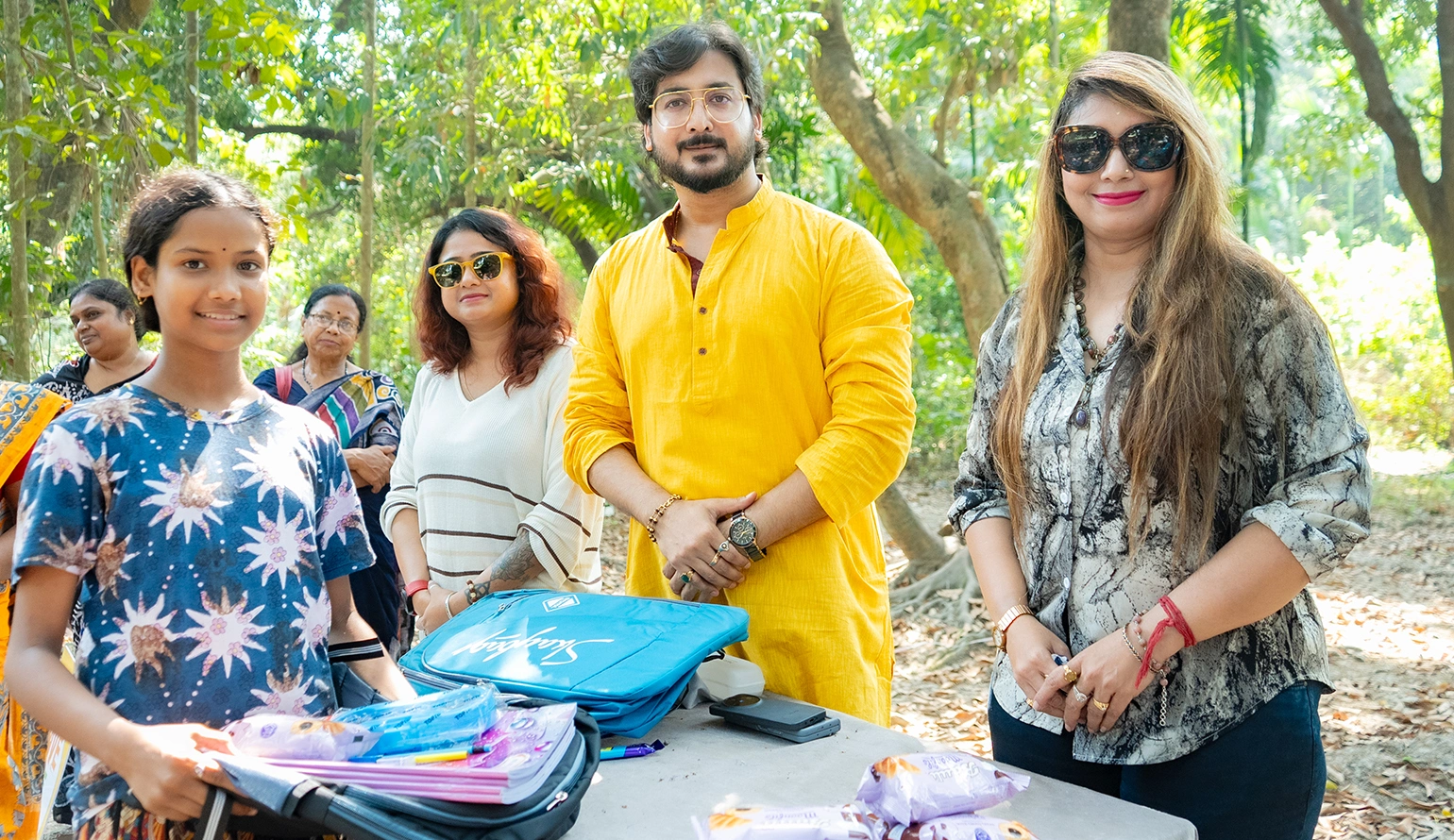 Success Stories
NGO Volunteer Requirements in India: Complete Guide
Understanding how to join an NGO in India goes beyond filling out a fo...
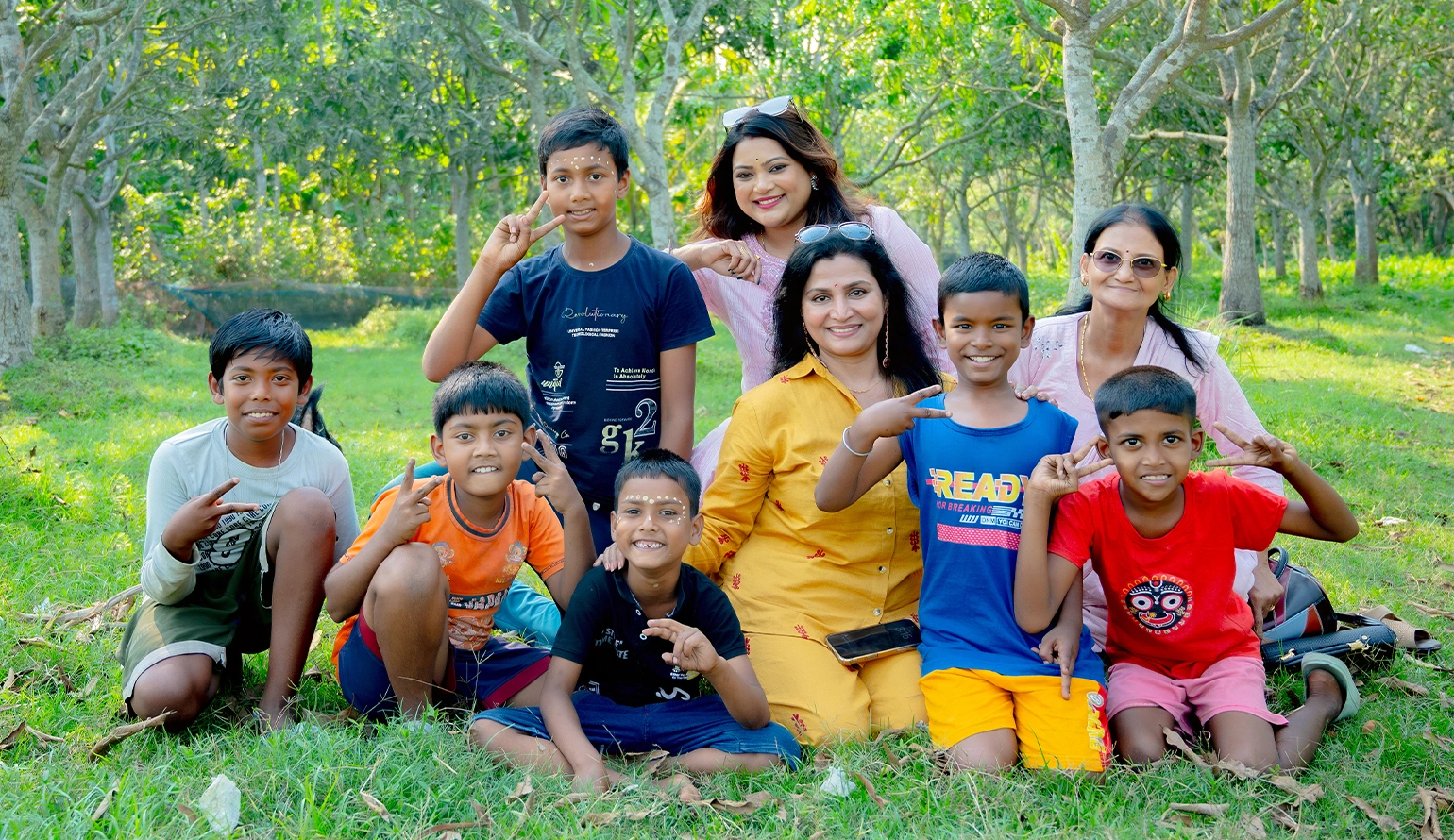 Success Stories
Do NGO Volunteers Get Paid in India? Real Truth
Many people wonder whether NGO volunteers receive a salary or financia...
 Success Stories
Best NGO to Work For in Kolkata: Nabatara Foundation
Choosing the right NGO to work with in Kolkata can shape your career, ...
