


Nabatara Foundation
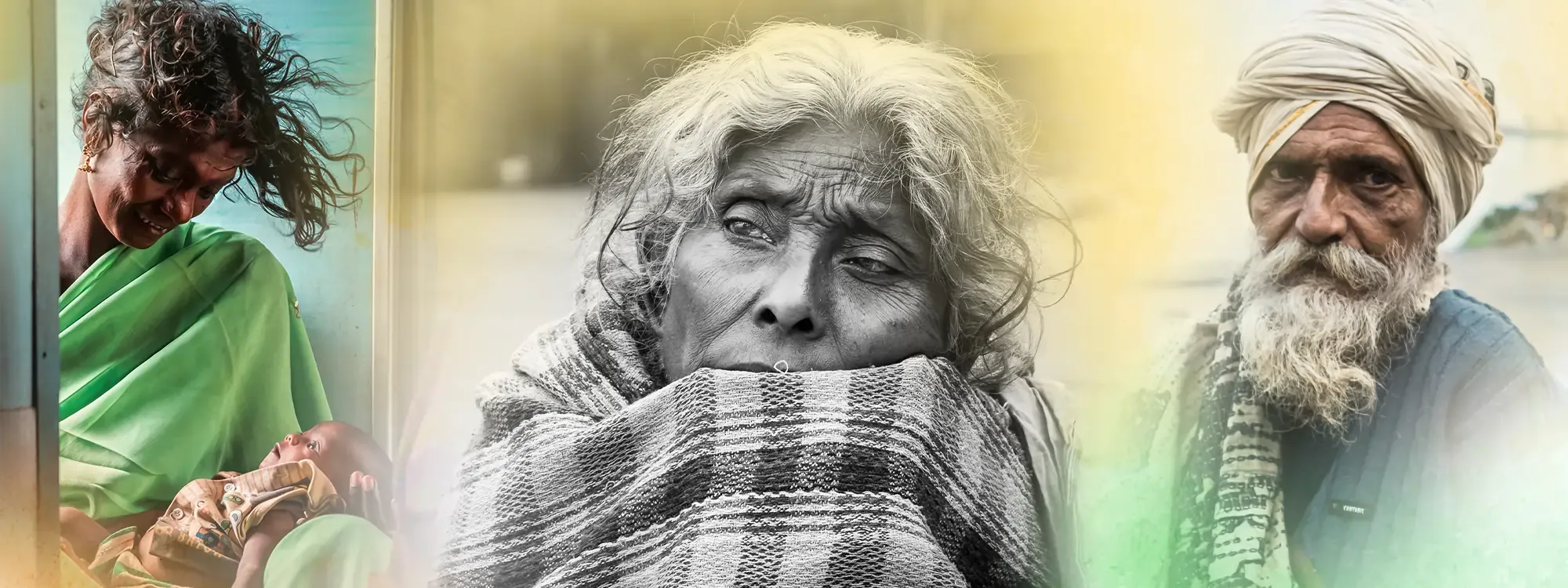
Corporate CSR Donations


Corporate CSR Donations in India Empowering High-Impact NGOs
Corporate social responsibility has become one of the most powerful forces for social transformation in India. Through CSR donations, companies have the opportunity to collaborate with trusted NGOs like Nabatara Foundation and bring real change to communities that need it the most.
The Rising Importance of Corporate Social Responsibility in India
Over the past decade, corporate social responsibility has quietly transformed the landscape of social development in India. What once existed mainly as voluntary charity has evolved into a structured and measurable commitment where businesses actively contribute to building stronger communities. The relationship between companies and non-profit organizations is no longer based solely on goodwill; it has become a strategic partnership capable of generating long-term social change.
India took a historic step when CSR spending became mandatory under the Companies Act 2013 Section 135 CSR Rule, requiring eligible companies to invest a portion of their profits into social initiatives. Under this regulation, companies that meet certain financial thresholds must allocate at least two percent of their average net profits toward CSR activities that support national development priorities.
This shift fundamentally changed how businesses view philanthropy. CSR is no longer seen as an optional donation but as a responsible way for companies to contribute to society while strengthening their own brand reputation.
For NGOs working on the ground with vulnerable communities, CSR funding opened a new door of opportunity. Organizations with strong grassroots connections and transparent operations can partner with corporate donors to scale their work and deliver meaningful impact.
Among such organizations is Nabatara Foundation "Save The Soul," a registered non-profit in India founded by Gaurav Tribedi. The foundation focuses on empowering marginalized communities through initiatives that include women's empowerment, support for orphanages, assistance for the visually impaired, rural development, healthcare support, and care for elderly citizens.
Through collaboration with responsible corporate partners, initiatives like those led by Nabatara Foundation can reach thousands of individuals who might otherwise remain invisible to mainstream development programs.
CSR donations therefore represent far more than financial contributions. They represent a bridge between corporate resources and grassroots social transformation.
Understanding CSR Donations and Their Role in Social Impact
To understand the importance of CSR donations, it is essential to look beyond the financial aspect and explore how these initiatives actually shape communities.
Corporate Social Responsibility refers to a company's commitment to operate ethically while contributing to economic development and improving the quality of life of its workforce, local communities, and society at large. CSR initiatives may involve funding educational programs, supporting healthcare initiatives, empowering women, protecting the environment, or providing resources for disadvantaged populations.
In India, CSR spending has expanded rapidly since the regulatory framework came into effect. Large corporations now invest thousands of crores every year into social programs addressing critical issues such as education, health, skill development, sanitation, and environmental sustainability.
Many companies prefer to collaborate with experienced NGOs because these organizations have a deeper understanding of community needs. NGOs work closely with marginalized groups, often in areas where corporate entities do not have a direct presence. By partnering with NGOs, companies can ensure that their CSR initiatives create genuine impact rather than simply fulfilling compliance requirements.
Research and industry studies have consistently shown that CSR partnerships between businesses and non-profit organizations deliver multiple benefits. Businesses strengthen their brand credibility and earn greater trust among consumers when they demonstrate real commitment to social responsibility. In fact, global surveys indicate that a large percentage of consumers prefer brands that actively contribute to social causes.
At the same time, NGOs gain access to financial resources, technology, and expertise that help them expand their programs.
This synergy forms the foundation of modern CSR collaborations.
Organizations like Nabatara Foundation play a vital role in this ecosystem by translating corporate contributions into real human impact. When CSR funds are directed toward grassroots initiatives such as rural education, women's empowerment programs, or healthcare assistance, the results are visible and measurable.
CSR therefore becomes more than a compliance obligation. It becomes a partnership between industry and society.
Why NGOs Are Essential Partners in CSR Initiatives
Corporate leaders often recognize the importance of social responsibility but struggle to implement programs effectively on the ground. This is where NGOs become indispensable partners.
Non-profit organizations operate within communities every day. They understand local cultures, economic challenges, and social barriers that may not be visible to outsiders. Because of their deep engagement with communities, NGOs are uniquely positioned to design programs that address real needs rather than theoretical solutions.
When companies collaborate with NGOs, they gain access to this invaluable grassroots expertise.
For example, an NGO working with rural communities may identify that access to healthcare is limited not because hospitals are absent but because transportation and awareness are lacking. A CSR program designed without local insight might focus on building infrastructure, while an NGO partner might recommend mobile health camps or community awareness campaigns.
Such nuanced understanding makes CSR initiatives far more effective.
Nabatara Foundation has been working with marginalized communities through a wide range of initiatives that aim to restore dignity and opportunity. From supporting orphanages and elderly care homes to assisting visually impaired individuals and specially abled children, the foundation's work demonstrates how compassionate social action can change lives.
When corporate partners support such initiatives through CSR funding, they enable these programs to expand and reach more beneficiaries.
The collaboration also ensures accountability. Transparent NGOs maintain clear documentation, impact reports, and audit processes that allow corporate partners to monitor the effectiveness of their CSR investments.
In this way, CSR partnerships create a powerful ecosystem where businesses, NGOs, and communities work together toward shared development goals.
How CSR Donations Create Long-Term Community Transformation
One of the most remarkable aspects of CSR donations is their ability to create long-term change rather than temporary relief.
Traditional charity often addresses immediate needs such as food distribution or emergency aid. While these efforts are important, they may not always lead to sustainable improvement in people's lives.
CSR initiatives, when designed thoughtfully, aim to tackle the root causes of social challenges.
For instance, instead of simply donating educational materials to underprivileged children, a CSR program may focus on establishing digital classrooms, teacher training programs, and scholarship initiatives. This approach creates opportunities that extend far beyond the initial investment.
Similarly, healthcare CSR initiatives might support preventive health awareness campaigns, rural medical camps, or affordable diagnostic services for underserved populations.
Organizations like Nabatara Foundation are uniquely positioned to implement such long-term initiatives because they maintain ongoing relationships with the communities they serve.
Through programs that focus on women's empowerment, rural development, and social welfare, the foundation helps individuals gain independence and confidence. Women who receive vocational training may start small businesses. Children who gain access to education may become the first generation in their families to pursue higher studies.
These transformations ripple through communities over time.
Corporate CSR donations therefore become catalysts for sustainable social progress.
The Human Side of CSR: Stories Behind the Impact
Behind every CSR initiative lies a human story.
A child who gains access to education, a visually impaired individual who receives assistive support, and an elderly person who finds dignity and care in an old age home—these are the real outcomes of corporate social responsibility.
When companies partner with organizations like Nabatara Foundation, they contribute to thousands of such stories.
CSR is not merely about fulfilling legal obligations or enhancing brand image. It is about recognizing that businesses operate within societies that provide resources, labor, and markets. Supporting social development is therefore a way of giving back to the communities that enable corporate growth.
Many corporate leaders have begun to see CSR not as an expense but as an investment in a better future. By strengthening communities, companies help create healthier economies, more educated workforces, and more stable societies.
This broader perspective is shaping the future of CSR in India.
And as more companies seek credible NGO partners to implement impactful programs, organizations like Nabatara Foundation stand ready to collaborate with responsible businesses committed to meaningful change.
How CSR Funding Works in India and Why Corporate "NGO" Partnerships Are Essential for Real Impact
The Legal Framework Behind Corporate CSR in India
The transformation of corporate philanthropy in India began when the Government of India formally introduced structured Corporate Social Responsibility requirements through the Companies Act, 2013. This legislation made India one of the first countries in the world to legally mandate CSR spending for qualifying companies.
Under Section 135 of the Companies Act, 2013, companies that meet specific financial thresholds are required to allocate at least two percent of their average net profits from the last three financial years toward CSR activities. The regulation applies to companies that meet one of the following criteria:
- a net worth of ₹500 crore or more
- an annual turnover of ₹1000 crore or more
- a net profit of ₹5 crore or more
This landmark policy has reshaped how businesses approach social development. Rather than treating philanthropy as an occasional activity, companies are now expected to integrate social responsibility into their long-term strategic planning. CSR initiatives must align with development priorities outlined in Schedule VII of the Companies Act, which includes areas such as education, healthcare, gender equality, environmental sustainability, rural development, and support for marginalized communities.
For NGOs operating across India, this legal framework created an entirely new ecosystem of opportunity. Corporations now actively seek credible non-profit partners capable of implementing impactful projects on the ground. Organizations that demonstrate transparency, accountability, and strong grassroots engagement naturally become preferred CSR implementation partners.
This is where organizations like Nabatara Foundation "Save The Soul" play an essential role. Registered under Section 8 of the Companies Act, the foundation operates with a clear social mission to uplift vulnerable communities through initiatives that focus on women empowerment, rural development, support for orphanages, care for elderly individuals, assistance for visually impaired persons, and medical support for those who cannot afford treatment.
When companies collaborate with organizations that are deeply connected to communities, CSR funding translates into meaningful change rather than symbolic gestures.
How Companies Identify NGOs for CSR Partnerships
Corporate CSR teams invest significant time evaluating potential NGO partners before committing resources to any social project. Companies need to ensure that their CSR investments are used responsibly and deliver measurable outcomes.
Several factors influence how businesses select non-profit organizations for CSR partnerships.
One of the most important considerations is credibility. Corporations prefer NGOs that are legally registered, maintain transparent financial records, and comply with regulatory requirements. Organizations registered under Section 8 of the Companies Act or as recognized charitable trusts often gain greater confidence from corporate partners because their governance structures demonstrate accountability.
Another critical factor is experience within specific social sectors. Companies often align their CSR initiatives with particular focus areas such as healthcare, education, or environmental sustainability. NGOs that have a proven track record in these areas are more likely to be selected as partners.
Impact measurement is also essential. Modern CSR programs emphasize measurable outcomes rather than vague objectives. Companies want to understand how their contributions translate into tangible results. This may involve tracking the number of beneficiaries served, improvements in community health indicators, or increased access to education.
Organizations like Nabatara Foundation have a natural advantage in this environment because their programs are designed around real community needs. By working directly with underprivileged populations—including elderly citizens, orphaned children, visually impaired individuals, and specially-abled children—the foundation can demonstrate the direct social impact of its initiatives.
Transparency and communication further strengthen CSR relationships. Companies appreciate NGO partners that provide regular updates, detailed reports, and clear documentation showing how CSR funds are being utilized.
These partnerships ultimately become long-term collaborations where businesses and NGOs share a common vision for social transformation.
Different Models of CSR Funding in India
Corporate CSR contributions can take several different forms depending on the objectives of the company and the nature of the partnership with the NGO.
One of the most common models is direct project funding. In this approach, a company sponsors a specific social program implemented by an NGO. For example, a corporation may fund a rural healthcare project, educational scholarships for underprivileged children, or vocational training programs for women.
This model allows companies to see clearly defined results from their CSR investment while enabling NGOs to expand their programs.
Another widely used model involves long-term strategic partnerships between companies and NGOs. Rather than supporting a single project, corporations collaborate with non-profit organizations over several years to develop sustainable community programs. These initiatives may include large-scale education projects, rural development programs, or multi-year healthcare campaigns.
Long-term partnerships often generate deeper social impact because they allow NGOs to build sustained relationships with communities.
Employee engagement programs represent another growing trend in CSR funding. Many companies encourage their employees to participate directly in social initiatives such as volunteering at orphanages, organizing medical camps, or mentoring students from disadvantaged backgrounds. These activities strengthen the connection between corporations and the communities they serve.
Organizations like Nabatara Foundation provide valuable opportunities for such engagement. Corporate volunteers can participate in community outreach programs, interact with children in orphanages, support elderly care initiatives, or contribute their professional skills to social development projects.
CSR funding can also include infrastructure support. Companies may contribute to building community centers, healthcare facilities, digital learning hubs, or rehabilitation programs for differently abled individuals.
Each of these models reflects a shared goal: creating sustainable social progress through collaborative effort.
The Strategic Benefits of CSR Partnerships for Corporations
While CSR initiatives primarily aim to benefit society, they also deliver meaningful advantages for companies themselves. Forward-thinking businesses recognize that social responsibility contributes to long-term corporate success.
One of the most significant benefits is enhanced brand reputation. Consumers increasingly prefer companies that demonstrate ethical values and contribute positively to society. When businesses support credible NGOs and transparent social initiatives, they build stronger relationships with customers who appreciate socially responsible brands.
CSR partnerships also strengthen employee morale. Many professionals today seek workplaces that align with their personal values. When companies engage in meaningful social initiatives, employees feel a greater sense of pride in their organization. Volunteer programs and CSR activities often foster stronger team cohesion and improve workplace satisfaction.
Investor confidence is another important factor. Ethical business practices and responsible corporate governance are increasingly valued by investors and stakeholders. Companies that demonstrate commitment to social responsibility often gain greater trust from the financial community.
From a regulatory perspective, structured CSR programs help companies comply with legal requirements under the Companies Act while also contributing to national development goals.
By partnering with established NGOs such as Nabatara Foundation, corporations can ensure that their CSR efforts are both impactful and well managed. Instead of struggling to implement projects independently, companies gain access to experienced social development professionals who understand community needs and can execute programs effectively.
This collaboration allows businesses to focus on their core operations while still making a significant contribution to society.
Aligning CSR Goals with Real Community Needs
One of the most important aspects of successful CSR initiatives is alignment between corporate objectives and genuine community needs.
Many companies begin their CSR journey by identifying key social sectors where they wish to create impact. These priorities often reflect the values of the organization or the interests of its leadership team. However, translating these goals into practical programs requires deep understanding of the communities involved.
NGOs act as the bridge that connects corporate resources with grassroots realities.
For instance, a company interested in supporting women's empowerment may initially consider funding vocational training programs. An NGO working directly with rural communities may suggest additional elements such as financial literacy training, micro-enterprise support, or mentorship programs that help women sustain long-term economic independence.
Similarly, healthcare CSR initiatives may involve not only medical camps but also preventive health awareness programs that address issues such as nutrition, hygiene, and early disease detection.
Organizations like Nabatara Foundation have developed programs that respond directly to these needs. By supporting orphanages, assisting elderly residents in old age homes, providing care for visually impaired individuals, and offering medical support to underserved populations, the foundation ensures that CSR contributions generate meaningful change.
Corporate partners who collaborate with such organizations gain confidence that their CSR investments are creating real and lasting impact.
Building Sustainable CSR Collaborations with NGOs
Successful CSR initiatives rarely happen overnight. Meaningful social transformation requires sustained collaboration between businesses and non-profit organizations.
The most effective partnerships are built on mutual trust, transparency, and shared values. Companies must feel confident that their CSR funds are being used responsibly, while NGOs need reliable partners who are committed to long-term social impact.
Communication plays a vital role in maintaining these relationships. Regular reporting, community impact assessments, and transparent financial documentation help ensure accountability and trust.
Organizations like Nabatara Foundation understand the importance of such transparency. By maintaining structured programs and clear reporting practices, the foundation provides corporate partners with confidence that their CSR contributions are making a real difference.
Over time, these partnerships evolve into collaborative networks where companies, NGOs, and communities work together toward common development goals.
In the next section of this blog, we will explore how CSR initiatives benefit not only communities but also businesses themselves. We will examine how corporate social responsibility strengthens brand reputation, enhances employee engagement, and builds long-term trust with customers and stakeholders.
We will also discuss how strategic CSR partnerships with organizations such as Nabatara Foundation can create powerful stories of transformation that resonate across society.
Why Corporate CSR Donations Strengthen Business Reputation While Transforming Communities
CSR as a Strategic Investment in Brand Trust
In the modern business environment, trust has become one of the most valuable assets a company can possess. Customers today are far more aware of social issues than previous generations, and they increasingly expect companies to demonstrate responsibility toward the communities in which they operate. Corporate social responsibility has therefore evolved from a peripheral activity into a central pillar of brand credibility.
Companies that actively invest in CSR programs send a powerful message to customers, employees, investors, and the public. They demonstrate that their success is not measured solely by profit but also by the positive influence they bring to society. When a business partners with credible non-profit organizations and contributes to real social change, its reputation naturally grows stronger.
This is particularly true in markets like India, where social inequalities still affect millions of people. Businesses that participate in meaningful community development projects gain recognition as responsible institutions committed to long-term progress.
For many organizations, CSR partnerships with NGOs such as Nabatara Foundation "Save The Soul" provide an effective pathway to achieving this goal. By supporting programs that empower underprivileged communities, companies are able to connect their brand identity with genuine humanitarian impact.
Consumers recognize authenticity when they see it. A corporation that supports women's empowerment initiatives, rural development programs, healthcare assistance, and educational opportunities for disadvantaged individuals demonstrates values that resonate with socially conscious audiences.
As a result, CSR donations often become a powerful driver of brand loyalty and customer trust.
The Changing Expectations of Consumers
Over the past two decades, the relationship between businesses and consumers has undergone a profound transformation. In earlier times, purchasing decisions were primarily influenced by price, product quality, and convenience. While these factors remain important, modern consumers increasingly evaluate companies based on their ethical values and social impact.
Research conducted across global markets consistently shows that customers prefer brands that demonstrate genuine commitment to social responsibility. Consumers are more likely to support companies that actively contribute to solving social challenges such as poverty, education inequality, environmental protection, and healthcare access.
In India, this shift is especially visible among younger generations. Students, professionals, and entrepreneurs are increasingly drawn to organizations that align with their social values. When businesses engage in meaningful CSR initiatives, they create emotional connections with these audiences.
For example, a company that collaborates with the Nabatara Foundation to support visually impaired individuals or provide assistance to elderly residents in old age homes communicates a clear message about its values. Such initiatives highlight compassion, empathy, and social awareness—qualities that resonate strongly with modern consumers.
CSR activities also create powerful storytelling opportunities for brands. When companies share real stories of how their CSR contributions have helped transform lives, they create authentic narratives that strengthen their public image.
Customers are far more likely to remember a brand that helped educate disadvantaged children or supported healthcare for marginalized communities than one that focuses solely on commercial messaging.
Through strategic CSR partnerships with organizations like Nabatara Foundation, companies can build these meaningful connections while contributing to lasting social progress.
Strengthening Employee Engagement Through CSR Programs
Corporate social responsibility does not only influence external audiences; it also has a profound effect within the organization itself. Employees today seek more than just financial compensation from their workplaces. Many professionals want to feel that their work contributes to something meaningful beyond the boundaries of corporate operations.
CSR initiatives provide employees with an opportunity to participate in social change. Volunteer programs, community outreach activities, and charitable campaigns allow individuals to contribute their time, skills, and compassion toward helping others.
This sense of purpose can significantly enhance employee satisfaction and engagement.
When employees see their company actively supporting social initiatives, they develop greater pride in their workplace. Participating in community programs creates emotional bonds that strengthen organizational culture and teamwork.
For example, when corporate volunteers collaborate with NGOs like Nabatara Foundation, they may participate in activities such as visiting orphanages, organizing health awareness camps, supporting elderly residents in care homes, or assisting programs designed for specially abled children.
These experiences often leave a lasting impression on participants. Employees return to their workplaces with renewed motivation, knowing that their organization is contributing to meaningful social change.
Many companies have reported that CSR volunteer programs improve employee retention and job satisfaction. When professionals feel connected to their company's mission and values, they are more likely to remain loyal and engaged.
CSR therefore becomes a powerful tool not only for social development but also for building stronger and more compassionate organizations.
CSR and Global Corporate Reputation
In an increasingly interconnected world, corporate reputation extends far beyond national boundaries. Businesses that operate in international markets must demonstrate ethical responsibility and transparency to maintain credibility with global stakeholders.
Corporate social responsibility plays a crucial role in shaping this global perception.
Investors, international partners, and regulatory institutions often evaluate companies based on their commitment to environmental, social, and governance standards. CSR initiatives that address social welfare, education, healthcare, and community development help organizations demonstrate responsible leadership.
Companies that actively collaborate with credible NGOs gain additional credibility because their social programs are implemented by organizations with direct community engagement.
Partnerships with non-profits such as the Nabatara Foundation showcase a company's commitment to inclusive development. By supporting initiatives focused on marginalized communities—such as rural development projects, assistance for visually impaired individuals, and programs for elderly care—corporations demonstrate that their success contributes to broader societal progress.
This reputation becomes particularly valuable when companies expand into global markets where stakeholders closely examine corporate ethics and social impact.
CSR therefore becomes an important component of long-term brand strategy.
The Role of CSR in Building Sustainable Business Ecosystems
Modern businesses increasingly recognize that their long-term success is closely tied to the well-being of the communities around them. Healthy economies require educated populations, accessible healthcare systems, and inclusive opportunities for growth.
CSR initiatives contribute directly to these outcomes.
When corporations invest in education programs, they help create future generations of skilled professionals. When they support healthcare initiatives, they contribute to healthier communities and more productive workforces. When they promote women's empowerment and rural development, they stimulate economic activity in regions that might otherwise remain underserved.
Organizations like Nabatara Foundation play a crucial role in translating these investments into real impact. Through grassroots programs designed to uplift marginalized individuals, the foundation ensures that CSR contributions reach the people who need them most.
For businesses, these initiatives represent more than philanthropy. They contribute to building stable and prosperous communities where economic opportunities can flourish.
In this sense, CSR donations are not merely acts of generosity. They are investments in the long-term sustainability of society itself.
CSR as a Bridge Between Corporate Success and Social Progress
Corporate growth and social development are often viewed as separate spheres, but in reality they are deeply interconnected. Businesses rely on communities for talent, infrastructure, markets, and resources. When communities thrive, companies benefit from stronger economies and healthier social environments.
CSR initiatives act as the bridge that connects these two worlds.
By supporting NGOs that work directly with disadvantaged populations, corporations can channel their resources toward programs that create lasting impact. These partnerships enable businesses to contribute meaningfully to addressing social challenges while maintaining focus on their core operations.
Organizations such as Nabatara Foundation "Save The Soul" embody the spirit of this collaboration. Through initiatives that provide support for orphaned children, assistance to elderly individuals, empowerment programs for women, and care for visually impaired and specially abled individuals, the foundation demonstrates how compassion-driven efforts can uplift entire communities.
When corporate partners contribute to such initiatives through CSR funding, they become part of a broader movement aimed at building a more inclusive and compassionate society.
The result is a cycle of positive change where businesses grow, communities prosper, and individuals gain opportunities to lead dignified lives.
The Future of CSR in India
As India continues its journey toward economic development, corporate social responsibility will remain a powerful catalyst for social transformation. With thousands of companies now participating in structured CSR initiatives, the potential for meaningful impact has never been greater.
However, the effectiveness of these programs depends largely on the strength of partnerships between corporations and non-profit organizations.
Companies that collaborate with experienced NGOs gain access to the knowledge, networks, and community trust required to implement successful social programs. NGOs, in turn, gain the resources necessary to expand their initiatives and serve larger populations.
Nabatara Foundation represents a valuable partner in this ecosystem. With a mission rooted in compassion and a commitment to uplifting marginalized communities, the foundation provides corporate partners with an opportunity to contribute to impactful social programs that address real human needs.
As CSR continues to evolve, partnerships like these will play an increasingly important role in shaping India's social development landscape.
In the next section of this comprehensive guide, we will explore the specific areas where CSR donations can create the greatest impact. From women's empowerment and healthcare initiatives to rural development and support for differently-abled individuals, we will examine how targeted CSR programs can transform lives.
We will also highlight how initiatives implemented by Nabatara Foundation align with these priorities and offer meaningful opportunities for corporate collaboration.
Key Sectors Where Corporate CSR Donations Create the Greatest Social Impact in India
Why Targeted CSR Programs Matter for Sustainable Development
Corporate social responsibility initiatives achieve their strongest impact when they are directed toward sectors that address real and urgent societal challenges. In a country as diverse and complex as India, social development requires focused action across multiple areas, including education, healthcare, gender equality, rural development, and support for vulnerable populations.
Companies that approach CSR strategically often choose sectors where their contributions can create lasting change rather than temporary assistance. Instead of distributing resources across scattered initiatives, successful CSR programs focus on areas where measurable progress can be achieved.
This approach also benefits NGOs that implement these programs. When corporate donors support specific development sectors consistently, non-profit organizations are able to build long-term projects that produce sustainable outcomes.
Organizations like Nabatara Foundation "Save The Soul" work across several key social sectors that align naturally with corporate CSR priorities. By addressing issues such as women's empowerment, rural development, healthcare support, and assistance for differently abled individuals, the foundation creates opportunities for meaningful collaboration with corporate partners.
These areas represent some of the most impactful domains for CSR initiatives in India today.
Women Empowerment: One of the Most Powerful CSR Impact Areas
Few social investments create as wide-ranging an impact as empowering women. Across many communities in India, women continue to face barriers related to education, financial independence, and social opportunity. When CSR programs focus on empowering women, the benefits extend far beyond individual participants.
A woman who gains access to education or vocational training often becomes a catalyst for change within her family and community. Her increased financial independence improves household stability, enhances children's access to education, and contributes to overall community prosperity.
For this reason, women's empowerment has become one of the most widely supported areas of CSR funding.
Corporate programs in this sector may include skill development workshops, entrepreneurship training, micro-enterprise support, or financial literacy programs designed to help women manage income and build sustainable livelihoods.
Organizations such as the Nabatara Foundation are deeply committed to advancing women's empowerment through grassroots initiatives that help women develop confidence, skills, and independence. By supporting programs that uplift women from economically disadvantaged backgrounds, the foundation contributes to building stronger families and communities.
Corporate partners who invest their CSR resources in such initiatives not only support gender equality but also contribute to long-term economic growth within underserved regions.
Women's empowerment programs therefore represent one of the most effective and meaningful ways for companies to use their CSR funds.
Rural Development: Bridging the Urban-Rural Opportunity Gap
India's economic growth has created remarkable opportunities in many urban areas, yet large rural populations still face limited access to essential services. Infrastructure gaps, lack of educational resources, healthcare shortages, and employment challenges continue to affect many villages.
CSR initiatives focused on rural development play a critical role in addressing these disparities.
Corporate CSR programs often support projects that improve access to clean water, sanitation, education, healthcare, and skill development in rural communities. These initiatives help create conditions where individuals can pursue better livelihoods without migrating to overcrowded cities.
NGOs with strong grassroots connections are essential for implementing such projects effectively. Rural communities require culturally sensitive approaches and sustained engagement to ensure that development programs produce lasting results.
Nabatara Foundation works closely with underserved communities to promote rural development initiatives that address real needs. By focusing on education support, community welfare programs, and access to essential resources, the foundation helps uplift rural populations and create opportunities for sustainable progress.
Corporate partners who collaborate with organizations like Nabatara Foundation can play a significant role in transforming rural landscapes. Through structured CSR funding, businesses can support initiatives that strengthen local economies, improve living conditions, and expand opportunities for education and employment.
Such programs contribute not only to community development but also to building a stronger national economy.
Healthcare and Medical Assistance for Vulnerable Communities
Healthcare access remains one of the most critical challenges faced by economically disadvantaged populations in India. While urban regions may have access to modern medical facilities, many rural and low-income communities struggle to obtain basic healthcare services.
Medical treatment can become financially overwhelming for families living near or below the poverty line. Preventive care, diagnostic services, and specialized treatments often remain out of reach for those who need them most.
CSR initiatives focused on healthcare can dramatically improve this situation.
Companies frequently support medical camps, diagnostic screenings, health awareness campaigns, and assistance programs that help individuals receive necessary treatment. These initiatives often target communities where healthcare access is limited or unaffordable.
Organizations such as Nabatara Foundation play a vital role in implementing healthcare assistance programs that reach underserved populations. By providing medical support and connecting individuals with necessary resources, the foundation helps ensure that vulnerable individuals receive the care they deserve.
CSR partnerships with such organizations can expand the reach of these initiatives, allowing more families to access life-saving treatments and health services.
Healthcare CSR programs not only save lives but also strengthen communities by ensuring that individuals remain healthy and capable of contributing to society.
Support for Visually Impaired Individuals and Differently-Abled Children
Inclusivity is a fundamental principle of modern social development. Unfortunately, individuals with disabilities often face significant barriers related to education, employment, and social participation.
CSR initiatives aimed at supporting differently-abled individuals can help remove these barriers and create opportunities for independence and dignity.
Programs in this sector may involve providing assistive technologies, educational support, rehabilitation services, or vocational training designed specifically for individuals with disabilities.
Visually impaired individuals and specially abled children require additional support to access educational and professional opportunities. With the right resources and encouragement, many individuals with disabilities are able to achieve remarkable success and contribute meaningfully to society.
Nabatara Foundation has demonstrated a strong commitment to supporting visually impaired individuals and specially abled children through compassionate initiatives designed to improve their quality of life. By providing assistance, resources, and community support, the foundation helps ensure that these individuals receive opportunities to develop their potential.
Corporate CSR partnerships in this area can make a profound difference. Businesses that support disability inclusion initiatives contribute to building a more equitable society where every individual has the chance to thrive.
Such programs also reflect deeply compassionate corporate values, strengthening the public reputation of companies that choose to invest in inclusive development.
Care for the Elderly and Support for Old Age Homes
As societies evolve and urban lifestyles become more demanding, many elderly individuals find themselves facing loneliness and lack of adequate care. Elderly citizens who have spent their lives supporting their families often require assistance, companionship, and healthcare during their later years.
CSR initiatives that focus on elderly care provide an opportunity to restore dignity and comfort to these individuals.
Programs supporting old age homes may involve providing medical assistance, improving living facilities, organizing social engagement activities, or ensuring access to nutritious meals and healthcare services.
Organizations like Nabatara Foundation recognize the importance of caring for elderly citizens who may otherwise feel forgotten by society. Through compassionate outreach and support initiatives, the foundation works to improve the living conditions and emotional well-being of elderly residents in care homes.
Corporate partners who contribute CSR resources to such initiatives play a meaningful role in honoring the dignity of older generations.
These programs remind society that compassion and respect for elders remain essential values.
Support for Orphanages and Vulnerable Children
Children represent the future of every society, yet thousands of young individuals grow up without the support and security of family environments. Orphanages and child welfare institutions provide shelter and protection for such children, but many struggle with limited resources.
CSR initiatives focused on child welfare can create life-changing opportunities for these young individuals.
Corporate funding may support educational programs, healthcare services, mentorship initiatives, and infrastructure improvements within orphanages. Access to education and emotional support can dramatically alter the life trajectory of children who might otherwise face uncertain futures.
Nabatara Foundation actively supports orphanages and child welfare initiatives designed to provide care, education, and hope for vulnerable children. Through community engagement and compassionate support, the foundation helps ensure that these young individuals receive the guidance and opportunities necessary to build brighter futures.
Corporate partners who collaborate with Nabatara Foundation in these initiatives contribute directly to shaping the lives of future generations.
Creating Lasting Social Change Through CSR Collaboration
The sectors discussed above represent some of the most impactful areas where CSR donations can make a difference. When corporations focus their resources on women's empowerment, rural development, healthcare, disability support, elderly care, and child welfare, they contribute to building stronger communities across the country.
However, achieving meaningful progress requires collaboration between businesses and organizations that understand community realities.
NGOs like Nabatara Foundation "Save The Soul" bring compassion, experience, and grassroots knowledge to CSR initiatives. Their direct engagement with communities ensures that corporate contributions translate into genuine social impact.
For companies seeking to fulfill their CSR responsibilities while creating lasting change, partnering with trusted NGOs becomes an essential strategy.
Through thoughtful collaboration, businesses and non-profit organizations can work together to uplift vulnerable populations and build a more inclusive and compassionate society.
How Companies Can Start CSR Partnerships with NGOs and Create Lasting Social Change
The Growing Need for Meaningful Corporate "NGO" Collaboration
Across India and many parts of the world, businesses are increasingly recognizing that long-term economic success cannot exist independently of social well-being. Companies grow within communities that provide employees, customers, infrastructure, and opportunity. When those communities struggle with poverty, lack of education, inadequate healthcare, or social inequality, the effects eventually ripple through the broader economy.
Corporate Social Responsibility offers companies a structured way to contribute toward solving these challenges. Yet CSR programs achieve their greatest impact only when businesses collaborate with organizations that possess deep grassroots knowledge and community trust.
This is why partnerships between corporations and non-profit organizations have become the cornerstone of effective CSR initiatives.
Organizations such as the Nabatara Foundation "Save The Soul" play an essential role in bridging the gap between corporate resources and community needs. As a registered Section 8 organization committed to social upliftment, the foundation works directly with underprivileged communities, providing support across multiple areas, including women's empowerment, rural development, healthcare assistance, support for orphanages, care for elderly individuals, and programs for visually impaired and specially abled people.
When companies partner with organizations like Nabatara Foundation, their CSR investments are translated into meaningful social programs that reach those who need them most.
Identifying the Right CSR Partner
One of the most important decisions companies make when developing CSR initiatives is choosing the right non-profit partner. An effective NGO partner should demonstrate credibility, transparency, and genuine engagement with communities.
Businesses typically look for organizations that have strong governance structures, legal compliance, and a clear mission aligned with national development goals. Equally important is the NGO's ability to implement projects efficiently while maintaining accountability for the resources entrusted to them.
Nabatara Foundation "Save The Soul" meets these expectations through its formal registration under Section 8 of the Companies Act, reflecting its commitment to ethical governance and transparent operations.
Beyond legal compliance, the foundation's strength lies in its human-centered approach to social development. Instead of focusing solely on large-scale programs, the organization maintains close relationships with communities, ensuring that every initiative responds to real needs rather than abstract objectives.
For corporate partners, this means CSR contributions are directed toward programs that genuinely improve lives.
Designing CSR Initiatives That Deliver Real Impact
Successful CSR collaborations begin with a clear understanding of the social issue that a company wishes to address. Many corporations align their CSR strategies with areas such as education, healthcare, gender equality, environmental sustainability, or community development.
Once a focus area is identified, the NGO partner works with the corporate team to design initiatives that can realistically achieve measurable outcomes.
For example, a company interested in supporting women's empowerment might collaborate with the Nabatara Foundation to develop skill development workshops, entrepreneurship training programs, or financial literacy initiatives for women in underserved communities.
Similarly, businesses interested in healthcare initiatives might support medical assistance programs that help economically disadvantaged families access essential treatments and diagnostic services.
CSR partnerships may also involve support for orphanages, assistance for elderly residents in old age homes, or programs that help visually impaired individuals gain access to resources and opportunities.
By working together, corporations and NGOs can design initiatives that align with both community needs and corporate CSR objectives.
Implementing CSR Programs Through Community Engagement
Once a CSR initiative is designed, implementation begins with community engagement. NGOs like Nabatara Foundation bring invaluable local knowledge that helps ensure programs are delivered effectively.
Community engagement involves identifying beneficiaries, understanding cultural dynamics, and establishing trust among participants. This process ensures that programs are not only accepted by communities but also actively supported by them.
For instance, when implementing women's empowerment programs, NGOs often collaborate with local leaders and community groups to encourage participation and build confidence among women who may have previously lacked opportunities.
Healthcare initiatives may involve awareness campaigns that educate communities about preventive care, nutrition, and hygiene while also connecting individuals with medical professionals who can provide treatment.
Through such engagement, CSR programs become integrated into the social fabric of communities rather than existing as temporary external interventions.
Monitoring Impact and Ensuring Transparency
Transparency and accountability are fundamental components of successful CSR partnerships. Corporate donors expect clear documentation showing how their contributions are utilized and what outcomes they achieve.
NGOs therefore play a crucial role in tracking the progress of CSR initiatives and providing regular reports to corporate partners. These reports may include information about the number of beneficiaries served, improvements in community conditions, and qualitative stories illustrating the human impact of the program.
Organizations like Nabatara Foundation understand the importance of maintaining transparent communication with CSR partners. By documenting the progress of initiatives and sharing updates with corporate donors, the foundation helps ensure that CSR collaborations remain trustworthy and effective.
This transparency strengthens long-term relationships between companies and NGOs while reinforcing the credibility of CSR initiatives.
Why Partnering with Nabatara Foundation Creates Meaningful Impact
In a landscape where many organizations compete for CSR funding, the difference often lies in authenticity and dedication to community service.
Nabatara Foundation"Save The Soul, founded by Gaurav Tribedi, was created with a vision of uplifting the most vulnerable sections of society. The foundation's programs focus on restoring dignity, independence, and hope for individuals who often face neglect or social marginalization.
From supporting orphanages to providing care for elderly individuals in old age homes, from assisting visually impaired individuals to offering medical support for those in need, the foundation's initiatives address a wide range of humanitarian challenges.
Corporate partners who collaborate with Nabatara Foundation gain the opportunity to contribute to these transformative programs.
Rather than simply fulfilling CSR obligations, companies become active participants in building a more compassionate society.
CSR funding directed toward Nabatara Foundation helps expand outreach programs, improve support services, and create new opportunities for individuals who might otherwise remain unseen by mainstream development initiatives.
For businesses committed to making a genuine difference, such partnerships represent a powerful pathway toward meaningful social contribution.
The Global Relevance of CSR Partnerships
While CSR initiatives often begin with local community engagement, their influence extends far beyond geographical boundaries. In an increasingly interconnected world, companies are judged not only by their financial performance but also by their social responsibility.
CSR partnerships with credible NGOs enhance global brand reputation by demonstrating that a company values ethical leadership and community welfare.
When corporations collaborate with organizations such as Nabatara Foundation, they contribute to initiatives that resonate with international audiences concerned about social justice, equality, and human dignity.
These collaborations can inspire global conversations about responsible business practices and encourage other organizations to adopt similar approaches.
CSR therefore becomes a powerful tool for shaping a company's identity in the global marketplace.
Creating a Culture of Compassion Through CSR
One of the most profound effects of CSR initiatives is their ability to inspire compassion within society. When businesses commit resources toward helping marginalized communities, they send a message that success carries responsibility.
Employees, customers, and stakeholders who witness such initiatives often feel encouraged to contribute in their own ways. Volunteerism increases, community engagement grows stronger, and a culture of empathy begins to take root.
Organizations like Nabatara Foundation serve as catalysts for this transformation by creating programs that connect individuals with meaningful opportunities to help others.
Corporate CSR partnerships amplify these efforts by providing the resources needed to expand outreach and reach more communities.
Together, businesses and NGOs can create a ripple effect of positive change that extends far beyond individual programs.
A Call for Responsible Corporate Leadership
As the global economy evolves, the role of businesses in shaping society will continue to expand. Companies are no longer viewed solely as profit-generating entities; they are increasingly seen as influential participants in addressing social challenges.
Corporate Social Responsibility offers businesses a unique opportunity to contribute to this broader mission.
By partnering with organizations like Nabatara Foundation "Save The Soul," companies can transform their CSR commitments into real, measurable change. These collaborations help empower women, support vulnerable children, assist elderly citizens, provide healthcare for underserved communities, and create opportunities for individuals living with disabilities.
Every CSR initiative represents a step toward a more inclusive and compassionate world.
Businesses that embrace this responsibility not only strengthen their own reputation but also contribute to building societies where opportunity and dignity are accessible to all.
Conclusion: Corporate CSR Donations as a Force for Positive Change
Corporate social responsibility has evolved into one of the most powerful mechanisms for social transformation in the modern world. Through strategic partnerships with dedicated NGOs, companies can extend their influence far beyond commercial success and become catalysts for meaningful community development.
Organizations like Nabatara Foundation demonstrate how compassion-driven initiatives can uplift individuals who face social and economic challenges. By supporting programs that focus on empowerment, healthcare, education, and community welfare, the foundation helps create pathways toward dignity and self-reliance.
Corporate partners who choose to collaborate with Nabatara Foundation gain the opportunity to participate in this transformative journey.
CSR donations therefore represent far more than financial contributions. They represent a shared commitment to building a society where every individual has the opportunity to thrive.
As businesses look toward the future, the most successful organizations will be those that recognize the importance of balancing economic growth with social responsibility.
Through thoughtful CSR partnerships, companies can help create a world where progress is measured not only by profits but by the lives that are uplifted along the way.
About Nabatara Foundation"A Trusted Organization Driving Social Impact
Nabatara Foundation "Save The Soul" is a registered non-profit organization in India dedicated to improving the lives of underprivileged and vulnerable communities through meaningful social initiatives. The organization operates under Section 8 of the Companies Act, 2013, Government of India, reflecting its commitment to transparency, accountability, and responsible social development.
Founded by Gaurav Tribedi, Nabatara Foundation was created with a simple yet powerful vision"to bring dignity, compassion, and opportunity to individuals who often remain overlooked by society. From supporting orphaned children and elderly citizens to empowering women and assisting visually impaired individuals, the foundation works across multiple humanitarian sectors to ensure that every person has a chance to live a fulfilling life.
Over the years, Nabatara Foundation has built strong grassroots connections with communities across India. The organization believes that real social change begins at the local level, where compassion, education, and support can create lasting transformation. Through community outreach programs, healthcare assistance initiatives, and empowerment projects, the foundation continues to expand its efforts to reach those who need help the most.
Transparency and accountability remain central to the organization's mission. As a legally registered Section 8 entity with CIN: U85300WB2021NPL245364 and Section 8 License Number: 125686, Nabatara Foundation operates with clear governance standards and responsible financial practices. These principles ensure that every contribution made by donors, corporate partners, and supporters directly contributes toward impactful social initiatives.
The foundation also actively collaborates with corporations seeking meaningful Corporate Social Responsibility (CSR) partnerships. By working together with socially responsible companies, Nabatara Foundation is able to expand programs focused on women's empowerment, rural development, medical assistance, disability support, elderly care, and child welfare.
Each initiative is designed not only to provide immediate relief but also to create sustainable opportunities that empower individuals and strengthen communities.
Through compassion-driven leadership and dedicated volunteers, Nabatara Foundation continues its mission of building a society where empathy, opportunity, and dignity are accessible to everyone.
Organizations, institutions, and individuals who wish to participate in meaningful social change are encouraged to collaborate with Nabatara Foundation and contribute to initiatives that uplift lives and inspire hope.
Author & Content Credibility
This article has been prepared to raise awareness about corporate social responsibility and the role businesses can play in creating social impact through collaboration with trusted nonprofit organizations.
Content published on the Nabatara Foundation reflects insights from social development initiatives, community outreach programs, and ongoing humanitarian work carried out by the organization and its partners.
All information presented is intended to educate businesses, students, researchers, and socially responsible institutions about the importance of CSR partnerships in building sustainable communities.
Why Trust Nabatara Foundation
Nabatara Foundation operates with a strong commitment to transparency, ethical governance, and measurable social impact. The organization's work focuses on empowering vulnerable communities through programs designed to create dignity, independence, and opportunity.
By supporting initiatives related to women's empowerment, rural development, healthcare assistance, and social welfare, Nabatara Foundation continues to contribute toward a more compassionate and inclusive society.
Offline Donation Options
While we encourage donations made through online payment options, you are welcome to make offline donations as well.

Cheque / Demand Draft
All donations are exempt from Income Tax under Section 80G of the Income Tax Act.

ACH
All donations for Nabatara Foundation's projects can be made as a regular monthly contribution through ACH (Automatic Clearing House).

In-Kind Donations
Another way to help Nabatara’s activities is through in-kind, non-cash donations for all our programmes.

Latest Blogs
 NGO India
NGO Volunteer Requirements in India: Complete Guide
Understanding how to join an NGO in India goes beyond filling out a fo...
 NGO India
Do NGO Volunteers Get Paid in India? Real Truth
Many people wonder whether NGO volunteers receive a salary or financia...
 NGO India
Best NGO to Work For in Kolkata: Nabatara Foundation
Choosing the right NGO to work with in Kolkata can shape your career, ...
