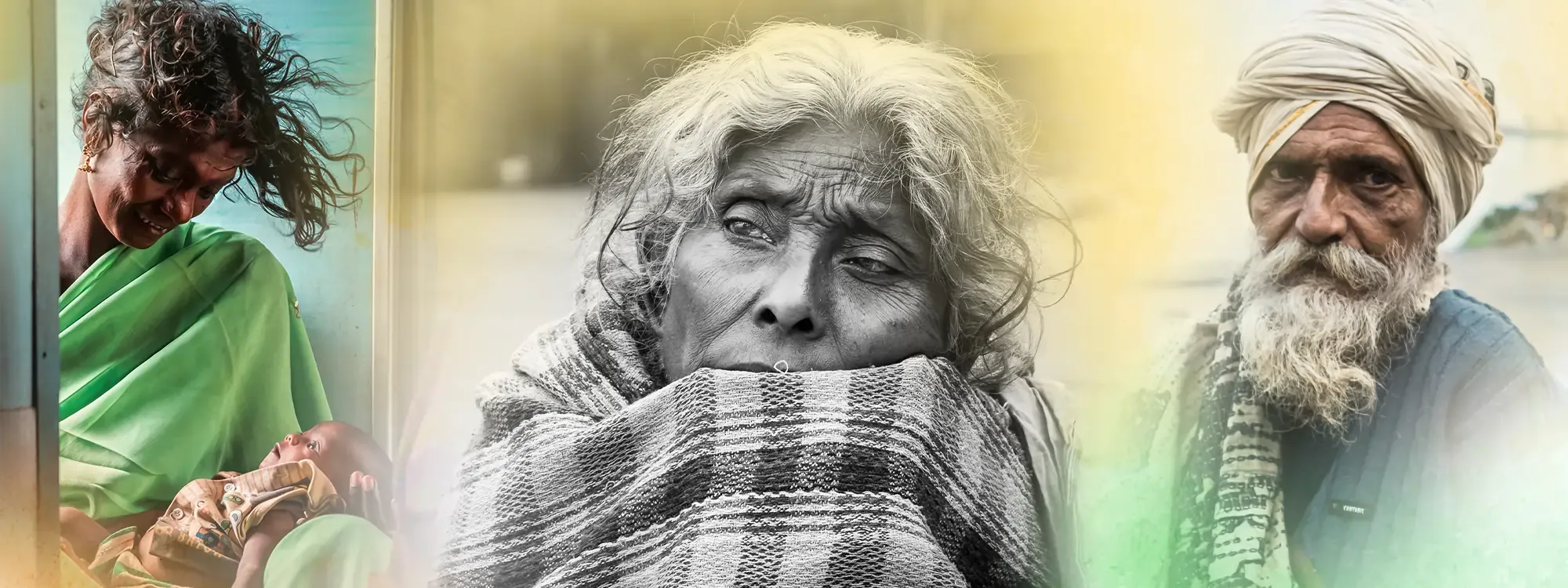
Support for Visual Impaired people Kolkata, India free eye camp
Visually Impaired

Support for Visual Impaired

img
Support for Visual Impaired people Kolkata, India free eye camp
Support for Visual Impaired People Kolkata, India

Nabatara Foundation’s “Support for Visual Impaired Peoples” program aims to enhance the lives of individuals with visual impairments. We focus on providing educational resources, vocational training, and assistive devices to help them live independently and achieve their goals. Our mission is to ensure that no one is limited by their disability and that they can contribute meaningfully to society.

Support for Visually Impaired People, Kolkata, India – Restoring Sight, Restoring Dignity

When darkness arrives quietly

Blindness rarely arrives with noise. It begins subtly. A blurred signboard. Difficulty threading a needle. A child is making his way closer to the blackboard. An elderly man hesitates on uneven ground. In many parts of Kolkata and across West Bengal, vision loss does not mean immediate medical intervention. It means adjustment. It means acceptance. It means learning to live with something that could often have been treated, such as preventable blindness caused by conditions like cataracts, refractive errors, untreated infections, and delayed diagnosis.

Preventable blindness remains a significant public health challenge in India. Cataracts, refractive errors, untreated infections, and delayed diagnosis continue to affect millions. For underprivileged families, the cost of consultation, surgery, medicines, and spectacles becomes a barrier too heavy to cross. Poverty does not cause blindness, but it often prevents its cure, as many individuals lack access to necessary medical care and resources to treat their conditions effectively.

Supporting visually impaired people in Kolkata, India, is not simply a program. It is a response to this quiet crisis.

Nabatara Foundation – Save The Soul, registered under the Ministry of Corporate Affairs, Government of India, as a Section 8 Company, has committed itself to ensuring that no person loses sight because treatment was unaffordable or unavailable. Through structured outreach, free eye check-up camps, cataract surgery assistance, spectacles distribution, and medicine support, the foundation works at the intersection of healthcare and human dignity.

When vision fades, life slowly narrows—but when sight is restored, the world opens again. A simple pair of spectacles or a timely surgery can return independence, confidence, and the dignity every human being deserves.

The eye health crisis in India

India carries one of the highest burdens of visual impairment globally. Cataracts remain the leading cause of blindness, particularly among the elderly. Uncorrected refractive errors affect children and working-age adults. Rural communities face additional challenges due to limited ophthalmology services and long travel distances to hospitals.

In West Bengal, including peri-urban and rural belts around Kolkata, awareness about early eye screening is often limited. Many people assume gradual vision loss is a natural part of ageing. Others fear surgery due to misinformation. Children may drop out of school simply because they cannot see clearly.

An NGO for Support for Visual Impaired people Kolkata, India must therefore focus on awareness, accessibility, affordability, and follow-up care.

Nabatara Foundation approaches eye care as both a medical necessity and a social responsibility.

The foundation behind the mission

Nabatara Foundation – Save The Soul operates under full compliance with Section 8 regulations of the Companies Act, 2013. Transparency, documentation, and accountability define its structure. As a trusted eye care NGO Kolkata communities rely on, the foundation ensures that every initiative is recorded, monitored, and evaluated for impact.

The Support for Visual Impaired people Kolkata, India programme integrates multiple levels of intervention. It begins with screening and extends to treatment, surgery facilitation, medicine supply, and financial assistance for underprivileged patients.

The goal is not temporary relief. It is sustained restoration.

Free eye check-up camps: the first line of intervention

In many communities, the first interaction with an eye specialist occurs during a camp organised by an NGO. Free eye camp Kolkata NGO initiatives conducted by Nabatara Foundation bring ophthalmologists and trained medical staff directly into neighbourhoods, villages, and community centres.

During these camps, patients of all ages undergo vision screening, intraocular pressure testing, and preliminary cataract assessment. Children are tested for refractive errors. Elderly individuals are examined for cataracts and other age-related conditions.

The atmosphere of these camps is deeply human. Volunteers guide elderly patients to seating areas. Children are reassured when instruments approach their eyes. Doctors explain findings in simple language.

For many, this is the first time someone has looked closely at their vision concerns.

Free spectacles distribution: clarity within reach

Uncorrected refractive errors remain one of the most common causes of visual impairment in India. A simple pair of spectacles can transform a child’s academic performance or an adult’s productivity.

As an NGO providing free spectacles India communities depend on, Nabatara Foundation ensures that those diagnosed with refractive errors during camps receive appropriate prescription glasses without cost barriers.

The moment a child sees the classroom board clearly for the first time is unforgettable. The elderly woman who can now recognise faces without squinting smiles differently. Spectacles may appear small, but their impact is immense.

Support for Visual Impaired people Kolkata, India means recognising that vision correction is not cosmetic. It is foundational to participation in daily life.

Cataract surgery assistance: restoring lost light

Cataracts gradually cloud the eye’s natural lens, leading to blurred vision and eventual blindness if untreated. Cataract surgery is highly effective and relatively simple, yet cost and fear often delay treatment.

As a cataract surgery NGO India communities trust, Nabatara Foundation identifies patients during screening camps who require surgical intervention. The foundation facilitates access to partner hospitals and supports surgical expenses for underprivileged individuals.

For an elderly man who has lived in semi-darkness for years, surgery restores not only sight but confidence. He walks more steadily. He reads newspapers again. He regains independence.

These transformations are profound reminders of why Support for Visual Impaired people Kolkata, India must include surgical pathways, not just screening.

Medicine supply and follow-up care

Eye treatment does not end with surgery or spectacles. Many patients require post-operative medication, antibiotic drops, anti-inflammatory drugs, or ongoing treatment for glaucoma and infections.

As a medical NGO for blindness prevention, Nabatara Foundation supplies essential eye care medicines to those who cannot afford them. Follow-up visits are coordinated to ensure recovery progresses well.

Preventing complications is as important as performing surgery.

Financial assistance for visually impaired individuals

Some individuals live with irreversible visual impairment. For them, financial vulnerability compounds disability. Employment opportunities may be limited. Healthcare expenses may increase.

Support for Visual Impaired people Kolkata, India includes financial assistance mechanisms for those facing economic hardship due to visual disability. Assistance may cover treatment costs, mobility aids, or livelihood support.

Dignity remains central. Financial aid is provided respectfully, recognising the individual’s identity beyond impairment.

Rural outreach: reaching where clinics do not

Urban centres may offer eye hospitals, but rural and peri-urban communities often lack accessible services. Travel to city hospitals can require hours and significant expense.

The vision care NGO Kolkata outreach extends into rural belts of West Bengal, where camps are organised in collaboration with local leaders. Awareness sessions accompany screenings, educating communities about early signs of cataract and the importance of routine eye examinations.

Bringing care to the doorstep reduces delay and fear.

Stories of sight restored

There was an elderly woman who had not left her home independently for two years because cataracts had clouded her vision. Identified during a free eye camp Kolkata NGO initiative, she underwent surgery supported by the foundation. Weeks later, she walked unaided into a community gathering.

There was a young student struggling in school, assumed to be inattentive. A screening revealed severe refractive error. Free spectacles changed her classroom engagement entirely.

There was a labourer whose productivity declined due to untreated eye infection. Medicine support restored his ability to work steadily.

Each story reflects a simple truth: timely eye care changes trajectories.

Why donors can trust this programme

Global donors evaluating donate for eye surgery India initiatives seek transparency and impact. Nabatara Foundation’s Section 8 registration ensures legal compliance and structured reporting.

Each camp conducted, each pair of spectacles distributed, each surgery facilitated is documented. Donors receive impact updates reflecting real lives touched.

Supporting Support for Visual Impaired people Kolkata, India is not abstract philanthropy. It is measurable restoration.

Why ophthalmologists and volunteers should join

Medical professionals seeking meaningful engagement beyond private practice can contribute skills through eye camps and surgical support. Volunteers assist in patient coordination, awareness campaigns, and logistics.

For ophthalmologists, participation offers direct service to communities where expertise is scarce. For volunteers, it offers firsthand experience of gratitude when sight returns.

CSR partnerships for blindness prevention

Corporations seeking CSR eye care programmes India can partner with Nabatara Foundation to sponsor camps, surgeries, medicine distribution, and rural outreach.

Structured reporting ensures accountability. Impact metrics demonstrate clear outcomes — number of patients screened, spectacles distributed, surgeries completed.

CSR partnerships here align corporate responsibility with tangible health outcomes.

The call to restore light

Blindness isolates. Vision connects. The ability to see clearly influences education, employment, mobility, and independence.

Support for Visual Impaired people Kolkata, India stands at the intersection of compassion and capability. Nabatara Foundation – Save The Soul continues to organise camps, facilitate surgeries, distribute spectacles, and support individuals with dignity.

For donors, medical professionals, and global partners, the invitation is clear.

  • Donate for eye surgery.
  • Sponsor a free eye camp.
  • Support spectacles distribution.
  • Partner in blindness prevention.

Because when sight is restored, life expands again.

Post By: Gaurav Tribedi
Date: 2025-07-15
img

Related Programmes

Protecting Animal Lives in Kolkata, India rescue operationWelfare
Protecting Animal Lives in Kolkata, India

Animals are an integral part of our ecosystem and deserve our love, ca...

23 Jul 2025 View More
Faq

GeneralQuestions

1 . What is the “Support for Visual Impaired People” programme by Nabatara Foundation in Kolkata?

The Support for Visual Impaired people Kolkata, India programme by Nabatara Foundation is a comprehensive initiative of a trusted eye care NGO Kolkata communities depend on, designed to detect, prevent, and treat vision problems among underprivileged individuals. Rooted in compassion and medical responsibility, the programme organises free eye check-up camps, distributes free spectacles, facilitates cataract surgery assistance, supplies essential eye care medicines, and provides financial support to those who face barriers due to poverty, lack of awareness, or limited healthcare access. Through this integrated approach, the foundation ensures that vision loss does not become a permanent sentence but an opportunity for renewed dignity and independence.

2 . Why is eye care important in Kolkata and India?

India carries a significant burden of preventable blindness and visual impairment, and Kolkata is no exception. Many residents lack access to early eye screening, proper diagnosis, or cost-effective treatments. Without timely detection, simple refractive errors can become barriers to education and employment, and untreated cataracts can lead to complete vision loss. As an NGO for Support for Visual Impaired people Kolkata, India, Nabatara Foundation steps into this gap by prioritising early screening, awareness, and affordable treatment to ensure that people do not suffer forever due to conditions that can be treated effectively.

3 . What happens during a free eye check-up camp organised by this NGO?

A free eye camp Kolkata NGO initiative is the first line of care. During these camps, experienced ophthalmologists and trained medical staff conduct comprehensive screening, checking visual acuity, refractive errors, signs of cataracts, glaucoma risks, and other eye health indicators. Patients of all ages are examined, with children’s eyes tested carefully for classroom and reading needs. The camps are designed to be welcoming and non-intimidating, with volunteers guiding patients through the process and explaining the results in clear, local language. For many participants, these camps are the first time they receive professional eye evaluation in years.

4 . Who benefits from free spectacles distributed through this programme?

Uncorrected refractive errors remain among the leading causes of visual impairment in India. Children who cannot see the blackboard clearly or adults who struggle to read text due to blurred vision often go undiagnosed because spectacles are seen as expensive or unnecessary. The NGO providing free spectacles India initiative ensures that individuals diagnosed with refractive errors during screenings receive high-quality prescription glasses free of cost. For a child, this simple pair of spectacles can dramatically improve school performance; for an adult, it can enhance work productivity and personal confidence.

5 . How does the programme support cataract surgery for underprivileged patients?

Cataracts — clouding of the eye’s natural lens — are a major cause of visual loss in India, particularly among older adults. While cataract surgery is highly effective, many families cannot afford the procedure. As a cataract surgery NGO India initiative, Nabatara Foundation identifies patients who require surgical intervention through screening camps and connects them with partner hospitals or surgical centres. The foundation provides financial assistance for surgery costs, follow-up care, and medicine support. For many individuals, this assistance marks the moment when years of gradual darkness are replaced with clarity and brightness again.

6 . What role does medicine and treatment access play in eye care?

Eye treatment does not stop at screening or surgery. Many patients require ongoing medication to manage infections, inflammation, glaucoma, and post-operative care. The Support for Visual Impaired people Kolkata, India programme ensures that patients receive necessary eye care medicines, either at no cost or subsidised rates based on need. The consistent supply of medicines and follow-up guidance ensures recovery and reduces the risk of complications that can arise when treatment is incomplete or irregular.

7 . Does this programme provide financial support for visually impaired individuals?

Yes. Apart from medical treatments and screenings, the foundation recognizes that visual impairment can lead to economic hardship, especially for those whose employment opportunities are limited due to poor vision. Financial assistance is extended to underprivileged visually impaired individuals who face barriers in paying for treatment, transportation, assistive devices, or rehabilitation services. This assistance is provided respectfully and with dignity, recognizing that economic support is part of restoring autonomy and self-worth.

8 . How does the programme reach people in rural areas?

Eye care access is often concentrated in urban centres, leaving rural and semi-urban communities underserved. Through the vision care NGO Kolkata outreach, Nabatara Foundation organises camps and awareness sessions in villages and peri-urban areas of West Bengal. These rural eye camps bring screening, spectacles distribution, and referral pathways closer to people who would otherwise struggle to travel long distances. Local volunteers assist in mobilising residents, creating awareness about the importance of early detection and treatment.

9 . How does early eye screening prevent long-term visual loss?

Early detection of eye problems is critical. Refractive errors can be corrected easily with glasses when caught early, while cataracts can be treated effectively before they lead to irreversible vision loss. Conditions such as glaucoma and diabetic retinopathy progress silently but can be detected early through proper screening. By prioritising eye check-up camps in underserved areas, the Support for Visual Impaired people Kolkata, India initiative helps diagnose problems before they escalate, offering pathways to treatment that preserve vision and quality of life.

10 . How does this NGO ensure quality and professionalism in its eye care services?

Nabatara Foundation partners with licensed ophthalmologists, optometrists, and eye health professionals to conduct screenings, surgeries, and follow-up care. Quality standards, medical protocols, and ethical guidelines are followed rigorously. Medicines and spectacles meet appropriate standards, and surgical procedures are coordinated with reputable clinics or hospitals. As a registered Section 8 organisation under MCA (Government of India), the NGO’s operations maintain accountability, enabling donors and partners to have confidence in the quality of eye care delivered.

11 . What impact has the eye care programme achieved so far?

The Support for Visual Impaired people Kolkata, India programme has a growing record of impact. Thousands of individuals have been screened, hundreds have received free spectacles, and numerous cataract surgeries have restored vision to people who had lived in darkness for years. Beyond numbers, the stories of individuals — a student reading the blackboard for the first time, an elderly man recognising family faces clearly — reflect deep personal change. Impact reports are documented and shared with donors to demonstrate real outcomes and responsible use of contributions.

12 . How can global donors support this eye care initiative?

Global donors interested in supporting an eye care NGO Kolkata or cataract surgery NGO India can contribute in multiple ways — sponsoring eye camps, funding surgeries, donating towards spectacles distribution, supporting medicine stocks, or enabling rural outreach. Donations help sustain and expand operations, ensuring that more visually impaired individuals receive care and dignity. Donors receive regular updates and transparent impact summaries that show how their contributions have directly restored sight and changed lives.

13 . Can volunteers and medical professionals participate in this programme?

Yes. Volunteers, especially medical professionals including ophthalmologists, optometrists, nurses, and healthcare students, are invited to collaborate in screening camps, surgical support, awareness campaigns, and follow-up care. Volunteers also assist in community mobilisation, counselling patients, logistics, and documenting impact. Participation offers a deeply rewarding experience as volunteers witness vision restored and dignity renewed in people who would otherwise lack access to eye care.

14 . How does CSR partnership work with this eye care programme?

Corporations looking to support CSR eye care programmes India can partner with Nabatara Foundation to sponsor initiatives that align with their social responsibility goals. CSR funding can underwrite camps, surgeries, equipment, medicines, and awareness outreach. Partnerships are structured with impact reporting and visibility, enabling corporations to demonstrate meaningful contributions to health, dignity, and community wellbeing in Kolkata and surrounding regions.

15 . What is the long-term vision of the Support for Visually Impaired People programme?

The long-term vision of this programme is to reduce preventable blindness, increase awareness about eye health, and create accessible pathways to treatment for all, regardless of income or geography. By building sustained community trust, expanding rural outreach, assembling professional support networks, and documenting impact, the initiative aims to not only treat visual impairment but prevent it. Ultimately, the goal is to ensure that no individual in Kolkata or nearby regions suffers vision loss due to lack of awareness, access, or affordability.

img