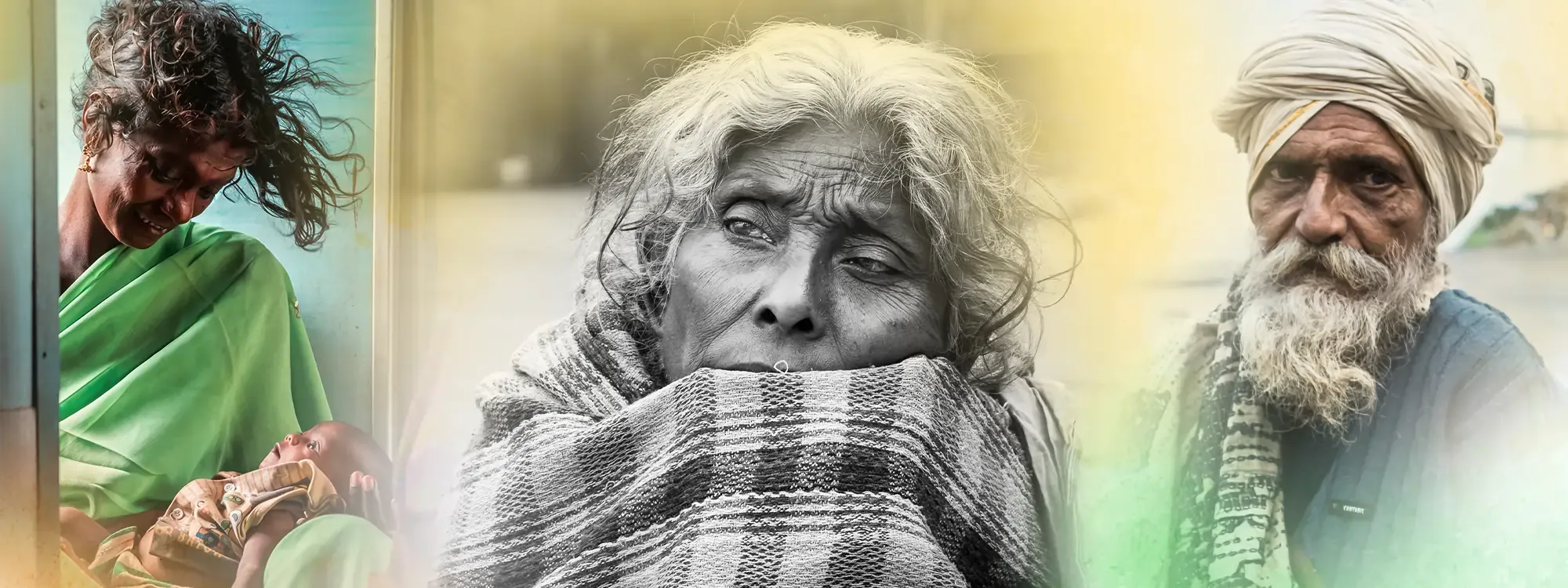
Covid-19 Pandemic Relief Kolkata, India food distribution
Community Development

Coved-19 Pandemic Relief

img
Covid-19 Pandemic Relief Kolkata, India food distribution
Covid-19 Pandemic Relief Kolkata, India

The Covid-19 pandemic brought unprecedented challenges, leaving millions of people in need of immediate help. Nabatara Foundation stepped up to provide essential relief during this crisis. From distributing food and medical supplies to providing financial support, we have been on the frontlines, ensuring that those affected by the pandemic get the assistance they need.

When silence filled the streets

There was a time when Kolkata did not sound like Kolkata.

No tram bells. No crowded marketplaces. No schoolchildren in uniform. There were no honks at traffic crossings. The city that once breathed in noise and movement fell into a stillness that felt unfamiliar and heavy. Behind closed doors, fear grew. Outside, hunger began to spread quietly.

The COVID-19 crisis was not only a medical emergency. It was a humanitarian emergency.

For thousands of daily wage earners, migrant workers, elderly citizens living alone, and families in remote villages of West Bengal, lockdown meant immediate loss of income. It meant empty kitchens. It meant uncertainty about medicines. It meant isolation without support.

Covid-19 Pandemic Relief: Kolkata, India, became more than a program. It became an urgent call to act.

The Nabatara Foundation – Save The Soul, which is registered under the Ministry of Corporate Affairs, Government of India, as a Section 8 Company (a type of non-profit organization), stepped into that silence with relief supplies, volunteers, and determination. The foundation did not wait for visibility. It moved where need was greatest.

When the world stood still and fear filled every street, compassion kept moving. A bag of food, a mask, a medicine packet—small acts of care became lifelines, proving that humanity survives even in the darkest hours.

The ground reality during lockdown in West Bengal

The pandemic struck in waves, but the first lockdown created shock across Kolkata, North 24 Parganas, Howrah, Hooghly, and the Sundarban region. Informal workers lost daily income overnight. Public transport halted. Markets functioned irregularly. Medical facilities were overwhelmed.

In the Sundarban area, where geographical isolation already complicates access to healthcare and supplies, the lockdown intensified vulnerability. Boat transport was restricted. Villages that relied on small-scale trade saw income vanish. Families living in underdeveloped regions faced both virus anxiety and food insecurity.

A Covid-19 pandemic relief initiative in Kolkata, India, had to operate across urban slums and remote rural islands simultaneously.

The Nabatara Foundation responded with field teams that navigated checkpoints, rural pathways, and flooded terrain to ensure aid reached those who had nowhere else to turn.

Food distribution: answering hunger with action

Hunger does not wait for policy.

Within days of lockdown enforcement, distress calls began. Families who relied on daily wages found themselves without groceries. Elderly individuals who depended on neighborhood shops could not travel safely. Migrant workers stranded without transport had no savings.

As a COVID relief NGO Kolkata communities trusted, Nabatara Foundation organized food distribution drives across affected districts. Volunteers packed essential ration kits containing rice, lentils, cooking oil, salt, and staple groceries sufficient for families to sustain themselves through uncertain days.

Distributions were conducted with respect. Social distancing protocols were observed. Masks were worn. Lists were verified carefully to ensure fairness.

Covid-19 Pandemic Relief, Kolkata, India, meant handing a ration bag to a mother who whispered relief through tears. It meant ensuring that elderly citizens did not have to choose between hunger and exposure to infection.

Daily grocery and essential supply support

Beyond initial emergency kits, the need continued. Lockdowns extended. Employment did not resume immediately.

The foundation coordinated recurring grocery distribution in vulnerable communities. We included essential items like soap, sanitary supplies, and basic hygiene products, acknowledging the interconnectedness of health and dignity.

In underdeveloped regions of North 24 Parganas and Howrah, teams ensured that relief did not remain concentrated in urban centers alone, but also reached rural areas where access to essential supplies was critically needed. Rural outreach required logistical coordination, local community cooperation, and patience.

Covid-19 Pandemic Relief, Kolkata, India, was not a one-time response. It evolved with the crisis.

Mask and sanitizer distribution: prevention in practice

Information about the virus spread quickly, but protective equipment was scarce, especially in low-income communities. Many people reused cloth masks without proper sanitation. Hand sanitizers were expensive and often unavailable in remote areas.

As a pandemic relief NGO West Bengal communities relied on, the Nabatara Foundation distributed masks and sanitizer kits alongside food supplies. Volunteers demonstrated proper mask usage and hand hygiene techniques.

Awareness campaigns emphasized that prevention was as important as relief. Social distancing guidelines were explained in local languages. Posters and community announcements reinforced key messages.

In the Sundarban villages, where misinformation could travel as quickly as the virus, these awareness efforts were crucial.

Medical relief and equipment support

Hospitals in Kolkata faced surges in patient numbers. Access to medical consultations for non-COVID conditions became limited. Chronic patients struggled to obtain medicines.

As a medical relief NGO Kolkata citizens could depend on, Nabatara Foundation organized medicine distribution camps in coordination with healthcare professionals. Essential medications were provided to elderly individuals and those with ongoing treatment requirements.

The foundation also extended support in procuring and distributing medical equipment where feasible. Pulse oximeters and basic monitoring devices were supplied to assist community-level health monitoring during peak infection waves.

Covid-19 Pandemic Relief Kolkata, India, demanded flexibility—shifting between food security, preventive awareness, and medical assistance as circumstances evolved.

Rural and Sundarban outreach: reaching the margins

The Sundarban region, known for its delicate ecosystem and dispersed settlements, faced unique challenges. Travel restrictions and fragile transport networks complicated relief efforts.

As an NGO for rural relief in Sundarban, Nabatara Foundation organized outreach missions that combined food kits, hygiene supplies, and health-awareness materials. Local volunteers were engaged to identify the most vulnerable households.

In remote villages, elderly individuals living alone often remained invisible to mainstream relief coverage. Foundation teams ensured that such individuals were visited and supported directly.

Covid-19 Pandemic Relief, Kolkata, India, extended beyond city boundaries, embracing rural communities that required urgent inclusion.

Health check-up and medicine camps

During periods when infection rates stabilized slightly, small-scale health check-up camps were organized with necessary safety measures. Basic screenings allowed early detection of complications among vulnerable populations.

Medicine distribution camps ensured continuity of care for those who could not afford pharmacy costs during economic slowdowns.

These efforts aligned with the foundation’s broader identity as a disaster relief NGO West Bengal communities could rely on.

Stories of resilience and relief

There was a migrant worker stranded in Howrah, unable to return home due to transport suspension. Relief kits provided temporary stability until travel resumed.

There was an elderly widow in Hooghly who relied on a neighbor for groceries before lockdown. When isolation increased, foundation volunteers delivered supplies to her doorstep.

There were families in the Sundarban area who had faced both cyclone damage and pandemic restrictions. Relief efforts addressed layered vulnerability.

Each story reflected the core of Covid-19 Pandemic Relief Kolkata, India—meeting need without judgment.

Transparency and accountability

Global donors seeking to donate for COVID relief India requires assurance that contributions reach intended beneficiaries. Nabatara Foundation’s Section 8 registration ensures compliance and documentation.

Distribution records, beneficiary verification, and impact summaries were maintained throughout operations. Volunteers logged deliveries and maintained coordination lists to prevent duplication or exclusion.

Trust is built through clarity.

Why volunteers joined

Volunteers who participated during lockdown describe it as a defining period in their lives. They navigated empty streets with relief materials, conscious of both personal risk and community need.

Protective protocols were followed diligently. Masks, gloves, and sanitizers were mandatory for field teams.

Participation during Covid-19 Pandemic Relief in Kolkata, India, was not motivated by recognition. It was motivated by responsibility.

Preparing for future emergencies

The pandemic revealed systemic vulnerabilities in supply chains, healthcare access, and economic resilience. Nabatara Foundation has incorporated lessons learned into disaster preparedness planning.

CSR disaster relief programs: India can partner with the foundation to strengthen emergency response capacity—ensuring rapid mobilization during future crises.

Preparedness includes stockpiling essential supplies, maintaining volunteer networks, and coordinating with local community leaders.

Why donors can trust Nabatara Foundation

As the best NGO for COVID relief in Kolkata during critical phases of the pandemic, the foundation demonstrated on-ground commitment rather than distant advocacy.

Legal registration under MCA, transparent reporting, and sustained engagement across districts establish credibility.

Covid-19 pandemic relief in Kolkata, India, was delivered with accountability, humility, and perseverance.

A call to stand ready

Pandemics, cyclones, floods, and unforeseen crises remind us that preparedness and compassion must coexist.

The work done during COVID-19 is not confined to history. It informs the future.

For donors, volunteers, and CSR partners worldwide, the message remains clear.

  • Support emergency response.
  • Strengthen rural outreach.
  • Enable rapid food and medical relief.

Because when the world stops again, someone must keep moving toward those in need.

Nabatara Foundation – Save The Soul remains committed to that path.

Post By: Gaurav Tribedi
Date: 2025-07-23
img

Related Programmes

Faq

GeneralQuestions

1 . What was the Covid-19 pandemic relief initiative by the Nabatara Foundation in Kolkata, India?

The Covid-19 Pandemic Relief Kolkata, India program by the Nabatara Foundation – Save The Soul was a comprehensive humanitarian response during the height of the COVID-19 crisis that reached underprivileged families, migrant workers, elderly citizens, and vulnerable communities across Kolkata, North 24 Parganas, Howrah, Hooghly, and the remote Sundarban area. As a recognized COVID relief NGO, Kolkata supported volunteers who distributed essential supplies, conducted food distribution drives, organized free health check-up camps, provided masks and sanitizers, and led hygiene and social distancing awareness campaigns. Real human experiences and deep compassion for those pushed to the margins when daily life suddenly disappeared formed the foundation of this initiative.

2 . How did the foundation respond when the pandemic struck Kolkata and West Bengal?

The announcement of COVID-19 lockdowns abruptly halted normal life. Markets closed, public transport ceased, and daily wage laborers and migrant workers lost income overnight. In these desperate early days, Nabatara Foundation quickly mobilized as a pandemic relief NGO in West Bengal, organizing teams to deliver immediate relief. Staff and volunteers navigated restricted movement zones to reach neighborhoods in need. They delivered food and essential supplies directly to doorsteps, ensuring families did not go hungry as fear and uncertainty spread through cities and villages alike.

3 . Who were the primary beneficiaries of the pandemic relief efforts?

The Covid-19 Pandemic Relief Kolkata, India, initiative prioritized those most impacted by sudden economic collapse—underprivileged families surviving on daily wages, stranded migrant workers far from home, elderly citizens living alone, disabled individuals unable to travel for supplies, and households in remote villages with limited access to markets or medical care. In the Sundarban region’s fluid network of waterways and islands, the foundation extended outreach into far-flung hamlets where relief had not yet reached, making it more than just an NGO helping during the pandemic in India—it became a link between survival and hope.

4 . What kind of food distribution was organized during the pandemic?

Food insecurity was one of the starkest consequences of the lockdown. The foundation’s teams, acting as a food distribution NGO in India, organized large-scale food kit drives that included rice, lentils, oil, salt, spices, and basic groceries to last families through critical weeks. Delivery teams moved through crowded urban neighborhoods and quiet rural bylanes to ensure that no one went without a meal. Volunteers observed safety protocols while handing over bags of food with dignity, often witnessing families break down in relief at the arrival of essential sustenance.

5 . How were hygiene and safety supplies distributed through this relief programme?

As a trusted medical relief NGO Kolkata, Nabatara Foundation recognized that containing the virus required access to protective supplies. Alongside food, volunteers distributed masks, hand sanitizers, soaps, and educational leaflets on proper hygiene practices. In crowded areas where social distancing was difficult, these items offered crucial protection. Awareness drives explained how to sanitize hands, wear masks effectively, and maintain safe distance even in tight living conditions. These practical tools were not luxuries — they were lifelines.

6 . What type of medical support did the programme provide?

Medical needs did not pause with the pandemic; in many cases, they worsened. Through medicine distribution camps and free health check-up camps, the foundation addressed both COVID-related symptoms and ongoing ailments that could not be ignored during lockdown. As part of the Covid-19 Pandemic Relief Kolkata, India mission, healthcare professionals volunteered in field camps to check blood pressure and diabetes markers and provide basic consultations for illness—bridging gaps left by overwhelmed medical facilities.

7 . How did the foundation support elderly and vulnerable individuals?

The elderly faced dual vulnerability—high risk from the virus and significant isolation during lockdown. Many could not venture out for food or medical supplies. The pandemic relief teams prioritized these individuals by delivering daily grocery support, medicines, hygiene kits, and personal reassurance. Volunteers often stayed longer to speak with elderly recipients, listening to their concerns and offering comfort. This emotional care became as meaningful as the material support they received.

8 . Did the relief efforts reach rural and remote areas such as the Sundarban region?

Yes, the foundation’s work extended beyond urban centers. An NGO for rural relief in Sundarban outreach was integral to the initiative. Challenges here were steep—waterways replaced roads, and communication gaps made coordination difficult. Yet, teams crossed rivers and muddy paths to deliver food kits, protective supplies, and public health information to villages that had little contact with mainstream pandemic support systems. This rural outreach ensured that isolation did not translate to abandonment.

9 . How were volunteers involved in the Covid-19 pandemic relief activities?

Volunteers were the beating heart of this programme. People from diverse backgrounds — students, healthcare workers, teachers, and animal lovers — stepped forward to assist. Those who volunteer for animal rescue Kolkata also joined pandemic relief efforts, distributing supplies, organizing camps, and coordinating logistics. Their presence amplified the foundation’s capacity, bringing energy, empathy, and human connection to every doorstep they visited.

10 . What safety protocols were observed during relief operations?

Safety was paramount. Despite urgent need, teams always ensured masks, sanitizers, gloves, and temperature checks. Distributions were done with social distancing measures in place. When setting up free health check-up camps, volunteers maintained space between attendees and managed flow to minimize risk. These precautions were essential to protect both the recipients and the frontline workers who delivered help.

11 . How did the pandemic relief work help restore dignity for the recipients?

In times of crisis, dignity can be lost as families struggle to survive day-to-day. The foundation approached each relief distribution with respect. Volunteers engaged recipients with conversation, compassion, and understanding — creating a sense of shared humanity. For many families, being seen and cared for by the Covid-19 Pandemic Relief Kolkata, India team was not just survival support — it was affirmation that they mattered.

12 . What measures were taken to ensure transparency and accountability in relief distribution?

As a registered COVID relief NGO Kolkata project, Nabatara Foundation maintained careful documentation of relief distributions. We logged and verified records of food kits delivered, medicine supplies disbursed, and community outreach activities. Donors supporting the program received impact summaries, demonstrating how their contributions were spent and the communities reached. This level of accountability encouraged trust among global donors and CSR partners.

13 . How can international donors contribute to ongoing relief and preparedness?

International donors interested in donate for COVID relief India or supporting future emergency response can partner with Nabatara Foundation’s structured programmes. Contributions help expand food distribution networks, stock emergency supplies, train volunteers for crisis response, and strengthen rural outreach pathways. Donors receive transparent reporting on how funds are deployed, enabling them to support meaningful disaster response initiatives rooted in verified impact.

14 . What role do CSR (Corporate Social Responsibility) partnerships play in sustaining emergency relief frameworks, which are systems designed to provide immediate assistance during crises?

Corporate Social Responsibility partners seeking alignment with impactful CSR disaster relief programmes India find strategic collaboration opportunities with the foundation. Through CSR support, companies can co-sponsor food supplies, hygiene campaigns, medical check-up camps, and rural outreach logistics. Partnerships extend the reach and scale of intervention, enabling systemic disaster readiness that benefits thousands of families during crisis periods.

15 . How did the Covid-19 Pandemic Relief programme change the lives of individuals and communities?

Beyond immediate survival, the programme helped restore hope. Families that received food support avoided hunger during lockdown. Migrant workers found the strength to navigate uncertainty with dignity. Elderly citizens felt supported despite isolation. Rural communities received vital health awareness and protective supplies. The Covid-19 Pandemic Relief Kolkata, India effort generated resilience that persists beyond the pandemic itself — reinforcing community bonds and the belief that even in adversity, compassion and action remain powerful.

img